
 560 ml
 850 ml
 1 L
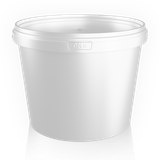 2.3 L
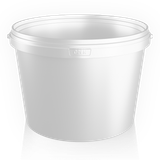 3 L
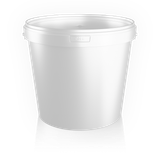 5.6 L
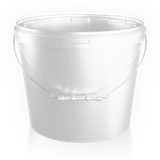 11.5 L
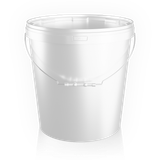 21 L
Our sales manager will contact you shortly
Request a callback from our specialist
Want to learn more about our packaging or find the right fit for your business? Request a callback, and our specialist will call you at a time that suits you. Tell us about your product, and we'll help you choose the best option.
Order a callback from a specialist
Want to learn more about our solutions or find the perfect solution for your business? Leave a request for a callback and our specialist will contact you at a convenient time. Together we will find the optimal solution to make your business thrive!
Request a callback from our HR team
Interested in our openings and career opportunities? Leave your contact details and our HR team will get back to you shortly. We'll answer your questions and explain how to join the HTI Group team.
Order a callback from a specialist
Would you like to learn more about our job openings and career opportunities? Leave your contact information, and our HR department will get in touch with you shortly. We will answer all your questions and provide detailed information on how to become part of the HTI Group team.
与我们取得联系
想了解更多我们的解决方案或为您的业务选择完美的解决方案吗?
请留下您的联系方式,我们的专家将尽快与您联系。
让我们一起找到最佳方案,助您的业务蓬勃发展!
要点电话回拨来自人力资源部门
想了解更多关于我们职位和职业发展的机会吗?请留下您的联系信息,我们的人力资源部门将尽快与您联系。我们将回答您的所有问题,并提供详细信息,帮助您成为HTI Group团队的一员。
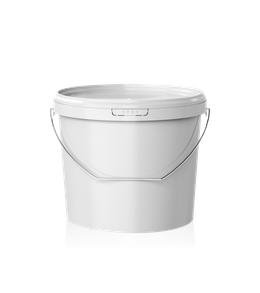 Plastic buckets14 sizes · 560 ml to 21 L
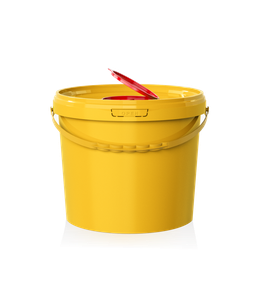 Medical buckets9 sizes · 1 to 21 L
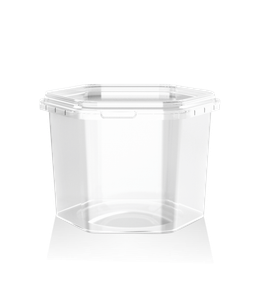 Food containers5 formats · 250 to 750 ml
 Plastic jerry cans5 L and 10 L
Plastic buckets16 models, 560 ml - 21 L
Medical buckets10 models, 1 - 21 L
Food containers5 models, 250 - 750 ml
Plastic canisters5 and 10 L
塑料桶16 个型号,560 毫升 - 21 升
食品容器5 个型号,250 - 750 毫升
塑料方桶5 升和 10 升
HTI AssistantFind the right packaging for your product in 4 steps
HTI AssistantOnline until 5:00 PM
Hello! We'll suggest the right size for your product, calculate pallets, and quote a price for your order.
Contact the plant
WhatsAppChat with a sales managerCall+996 222 600 292We'll call you backLeave your numberEmailinfo@hti-group.kg
Quick actions
Mon-Fri, 9:00 AM-5:00 PM · Factory in the Bishkek Free Economic Zone, Ak-Chiy village
A guide for the apiary and home
How to store honey in a plastic bucket
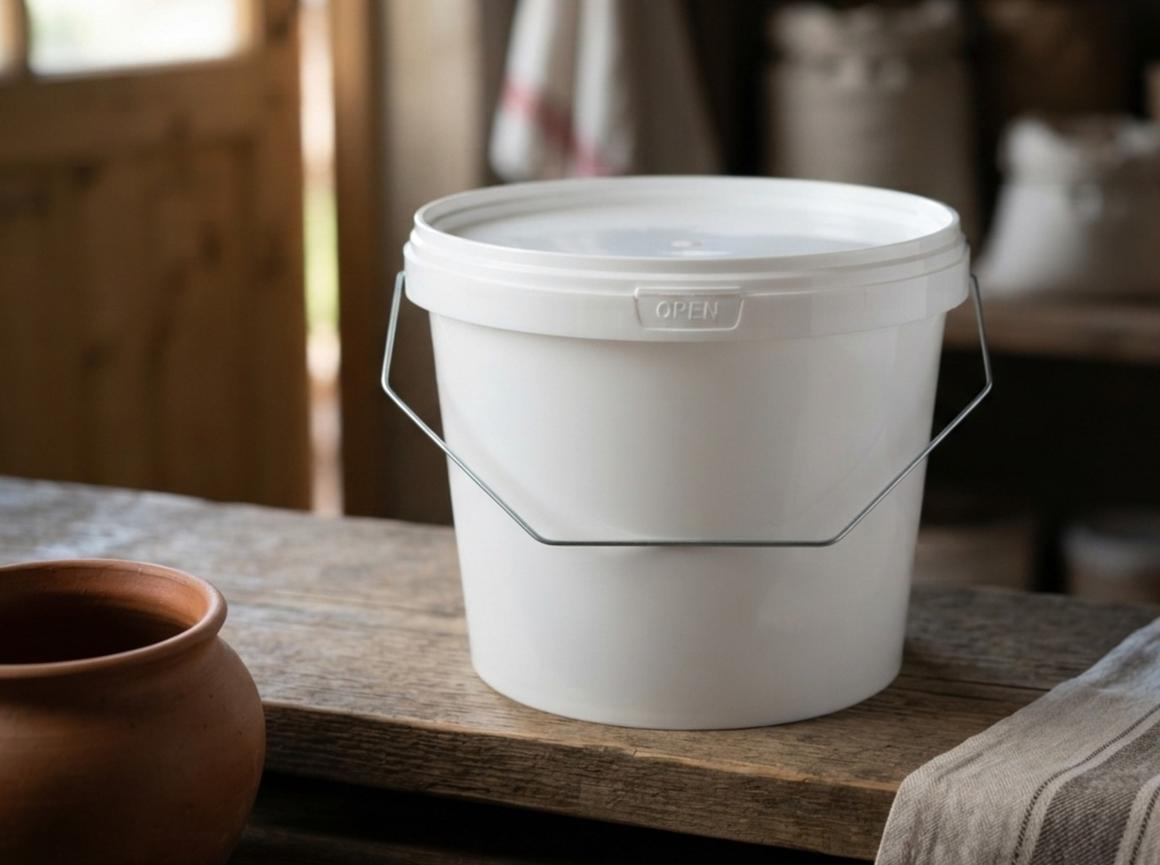
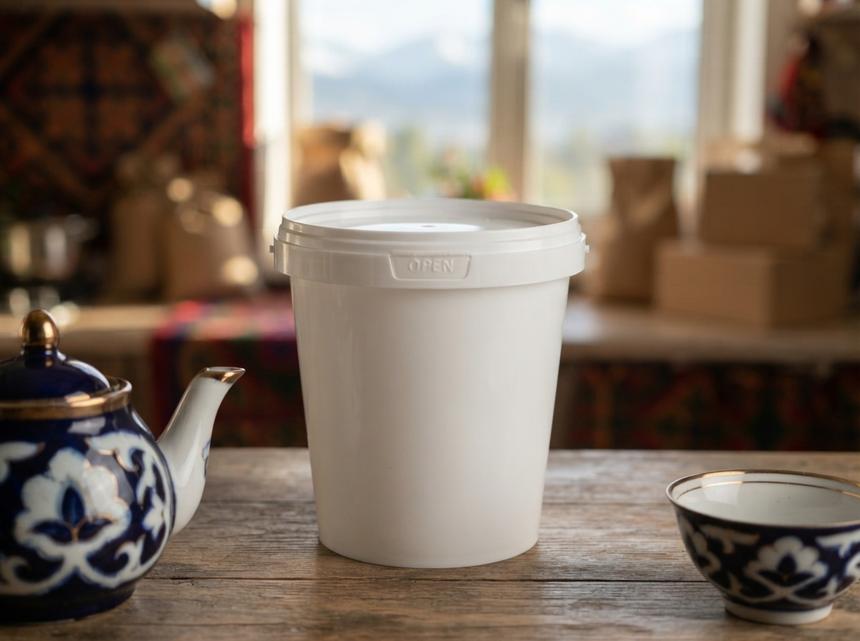
Honey has a mind of its own: it draws moisture from the air, soaks up foreign odors, and crystallizes over time. A food-grade bucket with a tight lid solves the first two problems, and the third is simply how honey behaves, nothing to be afraid of. We cover how to prepare the packaging, which size suits your usage, where to keep the buckets, and what to do with set honey. The tips work both for an apiary harvesting dozens of buckets and for a family with one small bucket in the cupboard.
1.42 kgof honey per liter
lidyour main defense against moisture
OPENshows if it's been opened
560 ml to 21 Lsizes for any need
Choosing a size
Pick a bucket you'll open less often
The main storage rule is to take the lid off as rarely as possible. While the bucket is open, the honey is exposed to kitchen or storeroom air, and with it moisture and odors. So choose a size that lets you use up an opened bucket quickly while the main stock stays sealed. Weights are calculated at a density of about 1.42 kg/L and rounded to 0.1 kg.
Lineup at the same scalebody width and height per factory spec sheets
| Volume | Honey capacity, kg | Top, mm | Height, mm | Best for |
|---|---|---|---|---|
| 560 ml | 0.8 | 118 | 80 | gift, sampling a new variety |
| 850 ml | 1.2 | 118 | 124 | small family, kitchen cupboard |
| 1 L | 1.4 | 132.5 | 121 | everyday portion for the table |
| 2.3 L | 3.3 | 175 | 132 | large family, pantry |
| 3 L | 4.3 | 200 | 137 | home stock of several varieties |
| 5.6 L | 8.0 | 224 | 193 | cafe, pastry shop, small apiary |
| 11.5 L | 16.3 | 295 | 234 | harvest sold off gradually |
| 21 L | 29.8 | 332 | 333.5 | main apiary stock and wholesale |
Small buckets have a 118 to 132.5 mm opening, so an ordinary tablespoon reaches all the way to the bottom. Large sizes with openings up to 332 mm easily take a spatula or a ladle. If you're choosing between one big bucket and several small ones, small ones are the safer bet at home: the sealed ones wait their turn without being exposed to kitchen air.
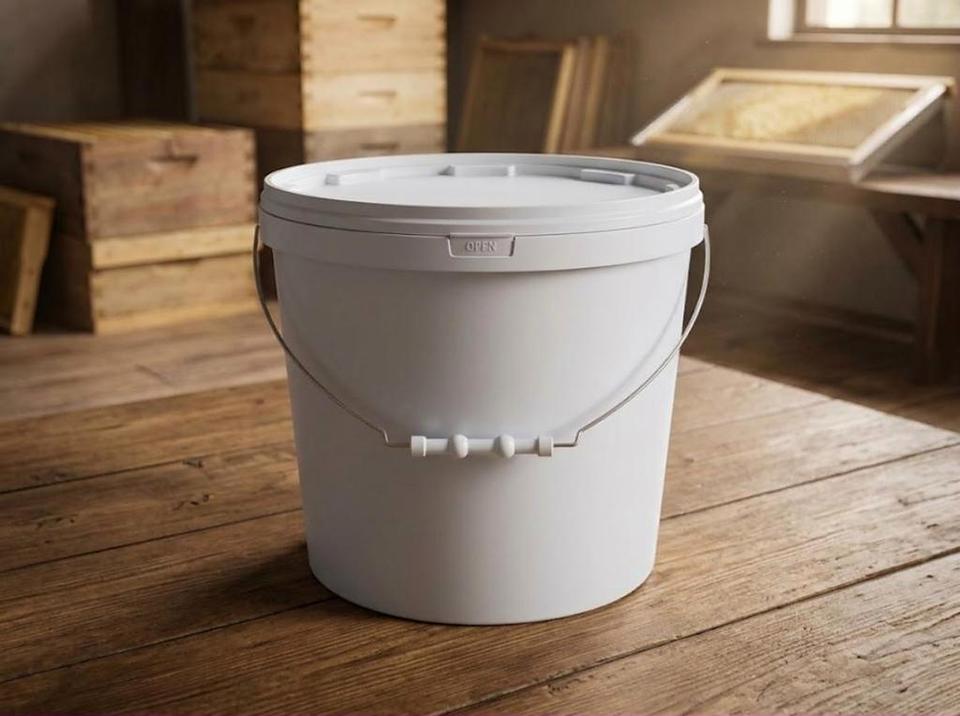
Storage tool
Your honey stock: which bucket to choose
Click a situation, from a gift to an apiary's main stock, and the tool shows the bucket to scale and how much honey it holds. On the "By weight" tab, enter how many kilograms of honey you have, and "Per shelf" shows how many buckets fit in your pantry in a single tier.
Packaging from this page's lineup
Best for
The rows come from this page's table: each one has its own packaging.
ProductFill weight, kg
kg
Enter the net weight and the tool will pick packaging from this page's lineup.
Shelf length, cm
cm
Shelf depth, cmcm
Based on the top dimensions of the packaging, in a single layer, with no gaps between items.
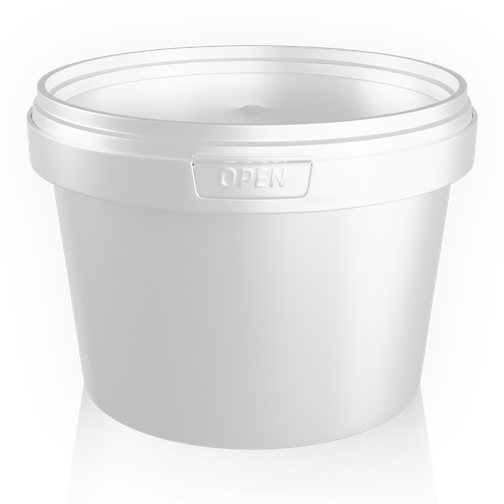 80 mm
 124 mm
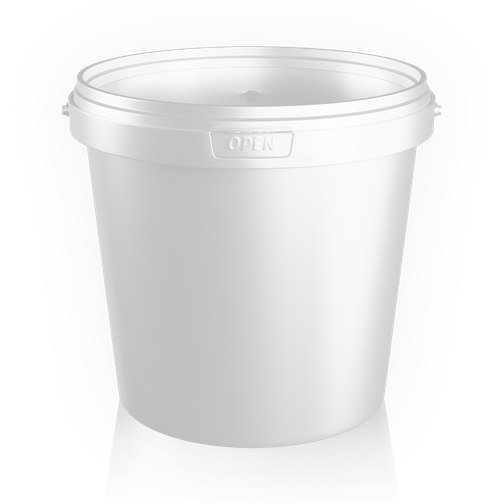 121 mm
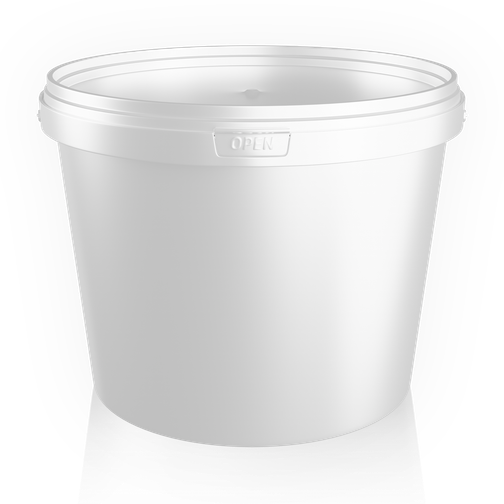 132 mm
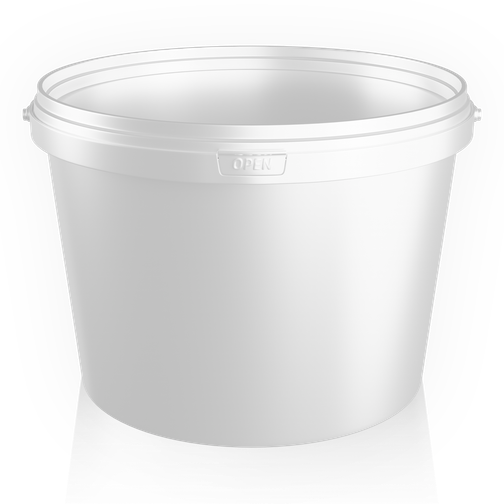 137 mm
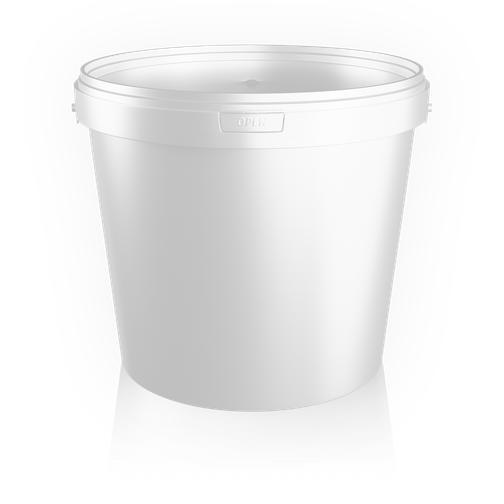 193 mm
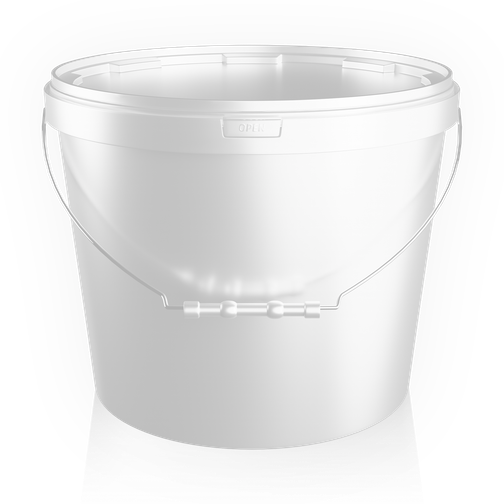 234 mm
 333.5 mm
Crystallization
Honey crystallized? What's normal and what's not
Sooner or later, almost any natural honey sets, that is, crystallizes. It isn't spoilage or a sign of adulteration; it's a natural property of honey, and the bucket has nothing to do with it. What matters is knowing how to handle crystallized honey so you don't ruin it with unnecessary fuss.
1The rate depends on the variety. Sunflower and rapeseed honey set quickly, acacia honey stays liquid for a long time, and sainfoin honey turns into a pale, dense mass.
2A liquid layer on top and a dense one below is a common sight during crystallization. Use that bucket first and stir it with a clean, dry spoon.
3Set honey can be scooped straight from the bucket: it opens across its full width, the walls taper toward the bottom, and there are no dead corners where product gets stuck.
4If you need liquid honey, transfer the portion you need into a glass container and warm it gently in a water bath without overheating. Don't heat the whole bucket for one spoonful.
5Don't transfer honey more than you have to: some always stays on the walls of every container, and transferring exposes it to air again.
Four rules
Moisture, odors, light: what to protect honey from
Honey has three main enemies in storage, and all of them come from outside: damp air, foreign odors, and heat. A bucket with an intact lid protects against the first two, and the right storage spot against the third. The rules below are the same for a one-liter bucket in the kitchen and for a dozen large buckets in an apiary storeroom.
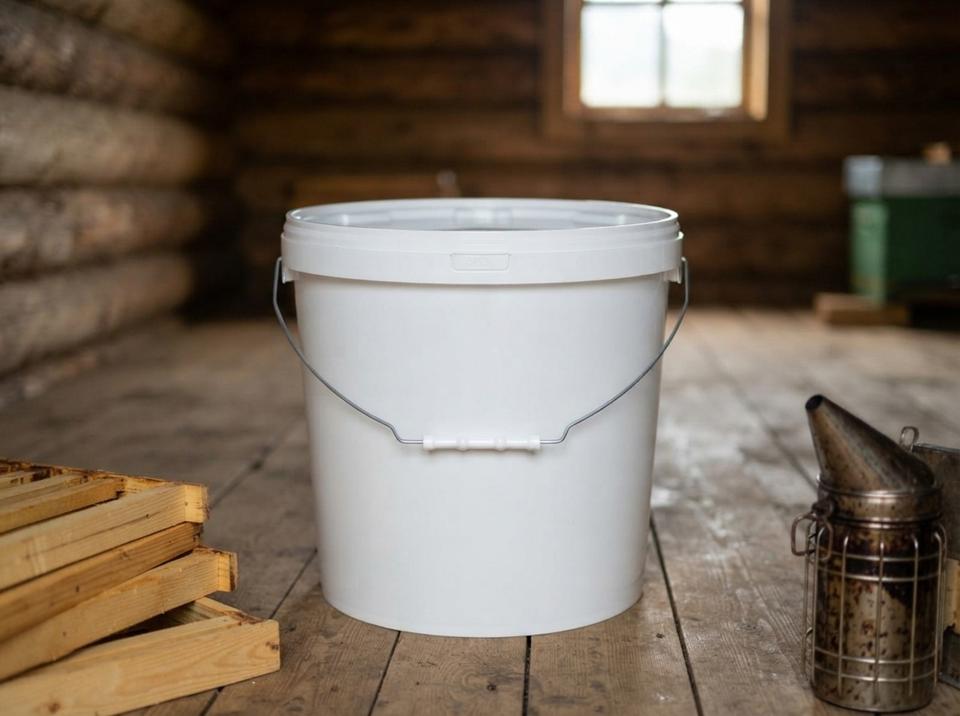
Keep the lid closed
Honey is hygroscopic: without a lid, it pulls moisture from the air, and honey with excess water can ferment. The flat lid seats into the double rim, and after each scoop you put it back, pressing all the way around. The OPEN tear strip is torn off only once, the first time you open the bucket; after that, it opens and closes as usual.
Dry packaging, dry spoon
Before filling, the bucket and lid must be completely dry: a drop of water on the wall is excess moisture too. Scoop honey with a clean, dry spoon. A wet spoon, or one just used to stir tea, leaves water and crumbs in the bucket.
Away from odors and sun
Honey easily absorbs other aromas, so don't place the bucket near smoked foods, spices, onions, household cleaning products, or paint. Choose a dark, dry spot away from the stove, the radiator, and a sunny windowsill.
Label the variety and date
Stick a label on the lid with the variety or harvest location and the extraction date. When several identical white buckets stand in the pantry, a label saves you from opening them "just to see what's inside." Always use up the bucket with the earliest extraction date first.
Logistics
Storage packaging by the end of the season
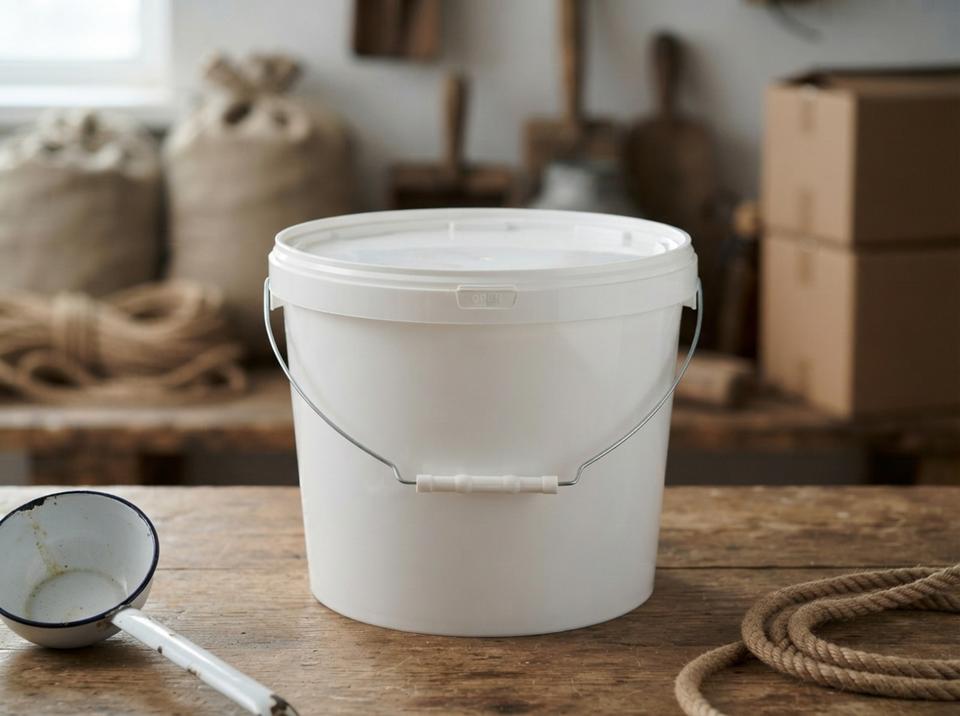
It's best to stock up on storage buckets before extraction, so the honey goes straight into its packaging and isn't transferred twice. Empty buckets nest inside each other, so even a pallet of large sizes takes up little room in a shed. You can pick them up from the factory warehouse in the Bishkek Free Economic Zone (FEZ), Ak-Chiy village. Our own delivery trucks bring packaging to apiaries in Chuy Region and Bishkek, and a freight carrier takes it to Issyk-Kul, Naryn, Talas, Osh, and Jalal-Abad. Beekeepers and honey packers in Kazakhstan receive buckets by the pallet within the EAEU: in Almaty, Taldykorgan, Shymkent, and other cities. Our sales manager confirms delivery time and cost when you place your order.
Further reading
More on honey and the packaging itself
Honey is stored in the same packaging it's sold in. Elsewhere on our blog: a bucket vs glass jar comparison, a closer look at the OPEN tear strip, and whether a bucket can be refilled.
All blog articles Packaging for freezingHow to choose packaging and test it in your own freezerProducts and industries · 8 min
 Ointments and gelsWide-mouth jars and buckets for thick formulasProducts and industries · 8 min
 Packaging for labsDry reagents, solutions, and samples: packaging for eight tasksProducts and industries · 8 min
 Tamper evidenceHow the OPEN tear strip works and why stores want itMaterial and labeling · 7 min
 Plastic or glassTare weight, breakage, and pallets: the math for packersComparisons · 6 min
 Packaging weight per palletUnits, liters, and kilograms on a single palletOrdering and logistics · 6 min
Questions and answers
Frequently asked questions about storing honey
Yes, if the bucket is food-grade, clean, dry, and tightly closed. HTI buckets are molded from polypropylene, which doesn't react with honey and has no odor of its own. Don't use packaging that held paint, chemicals, or other non-food products for honey.
Almost any natural honey does this; the rate depends on the variety. Crystallization isn't a sign of spoilage or adulteration, and the bucket has no effect on the process.
If you open your stock often, yes: set aside a portion for the coming days in a 560 ml or 1 L bucket and keep the large one closed. That way your main stock meets air less often.
In a dark, dry place free of foreign odors: a pantry, a cellar that isn't damp, or a dry utility room. Away from the stove, radiators, and direct sun, and always with the lid closed.
Our sales manager calculates the price for your order: it depends on size, quantity, handle, and printing. Call +996 222 600 292 and tell us how much honey you need to store, and we'll pick the sizes and run the numbers.
Yes. A label can be applied to the finished bucket, and for large runs in-mold labeling (IML) works well: the label is fused into the wall during molding and stays put even when a sticky bucket gets washed.
Yes, by the pallet within the EAEU: to Almaty, Astana, Shymkent, Karaganda, and other cities. Our sales manager confirms delivery time and cost when you place your order.
Catalog
Honey storage packaging in the HTI catalog
All sizes from 560 ml to 21 L are in the catalog, with dimensions and handle options. For advice on which packaging to use for packing and selling honey, see our honey buckets page.
Quote
Want to split your harvest across bucket sizes?
Tell us how much honey you need to store and how you'll use it: selling it a little at a time, giving it to family, or selling it wholesale. Our sales manager will suggest which buckets to keep your main stock in and which to use for everyday portions, and work out how many you need.