
 560 ml
 1 L
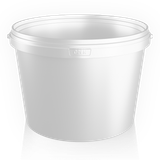 3 L
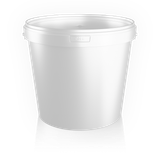 5.6 L
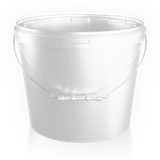 11.5 L
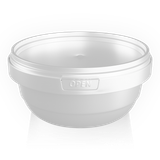 385 ml
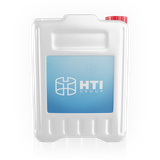 5 L
Our sales manager will contact you shortly
Request a callback from our specialist
Want to learn more about our packaging or find the right fit for your business? Request a callback, and our specialist will call you at a time that suits you. Tell us about your product, and we'll help you choose the best option.
Order a callback from a specialist
Want to learn more about our solutions or find the perfect solution for your business? Leave a request for a callback and our specialist will contact you at a convenient time. Together we will find the optimal solution to make your business thrive!
Request a callback from our HR team
Interested in our openings and career opportunities? Leave your contact details and our HR team will get back to you shortly. We'll answer your questions and explain how to join the HTI Group team.
Order a callback from a specialist
Would you like to learn more about our job openings and career opportunities? Leave your contact information, and our HR department will get in touch with you shortly. We will answer all your questions and provide detailed information on how to become part of the HTI Group team.
与我们取得联系
想了解更多我们的解决方案或为您的业务选择完美的解决方案吗?
请留下您的联系方式,我们的专家将尽快与您联系。
让我们一起找到最佳方案,助您的业务蓬勃发展!
请留下您的联系方式,我们的专家将尽快与您联系。
让我们一起找到最佳方案,助您的业务蓬勃发展!
要点电话回拨来自人力资源部门
想了解更多关于我们职位和职业发展的机会吗?请留下您的联系信息,我们的人力资源部门将尽快与您联系。我们将回答您的所有问题,并提供详细信息,帮助您成为HTI Group团队的一员。
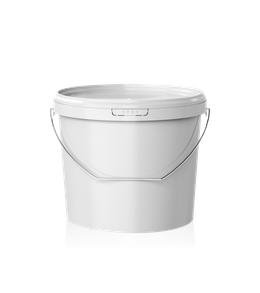 Plastic buckets14 sizes · 560 ml to 21 L
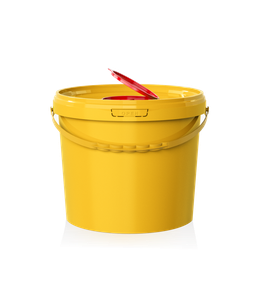 Medical buckets9 sizes · 1 to 21 L
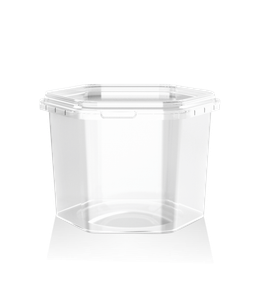 Food containers5 formats · 250 to 750 ml
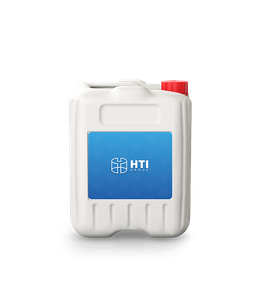 Plastic jerry cans5 L and 10 L
Plastic buckets16 models, 560 ml - 21 L
Medical buckets10 models, 1 - 21 L
Food containers5 models, 250 - 750 ml
Plastic canisters5 and 10 L
塑料桶16 个型号,560 毫升 - 21 升
食品容器5 个型号,250 - 750 毫升
塑料方桶5 升和 10 升
HTI AssistantFind the right packaging for your product in 4 steps
HTI AssistantOnline until 5:00 PM
Hello! We'll suggest the right size for your product, calculate pallets, and quote a price for your order.
Contact the plant
WhatsAppChat with a sales managerCall+996 222 600 292We'll call you backLeave your numberEmailinfo@hti-group.kg
Quick actions
Mon-Fri, 9:00 AM-5:00 PM · Factory in the Bishkek Free Economic Zone, Ak-Chiy village
Task-by-task guide
Buckets for lab reagents: powders, solutions, and samples
Lab reagent buckets are not chemical glassware. They are storage and working packaging: labs keep dry reagents from an opened sack in them, along with pre-weighed portions and grain, soil, and raw material samples, while jerry cans hold distilled water and solutions. Here we look at which HTI Group sizes suit factory, agrochemical, and food labs, as well as school and university chemistry classrooms in Kyrgyzstan and Kazakhstan, and what we don't claim about our packaging.
14 sizesbuckets from 560 ml to 21 L
5 and 10 Ljerry cans for water and solutions
14 sizesbuckets with a clear body
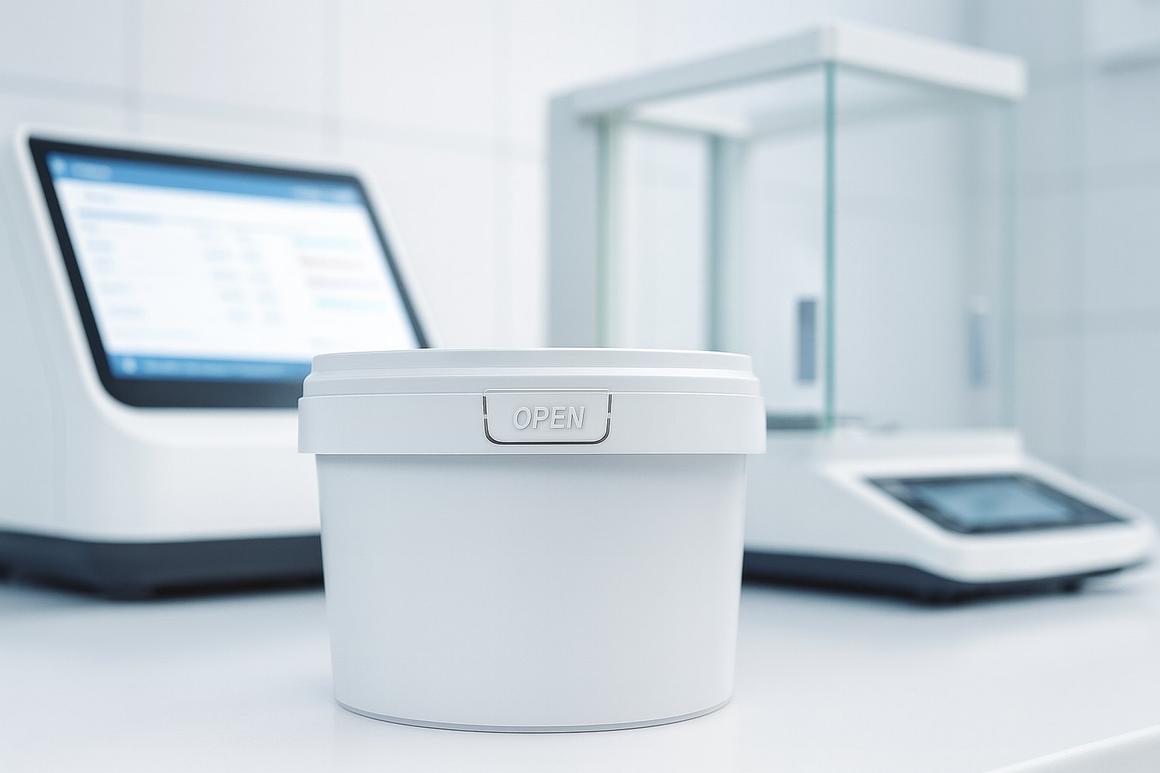
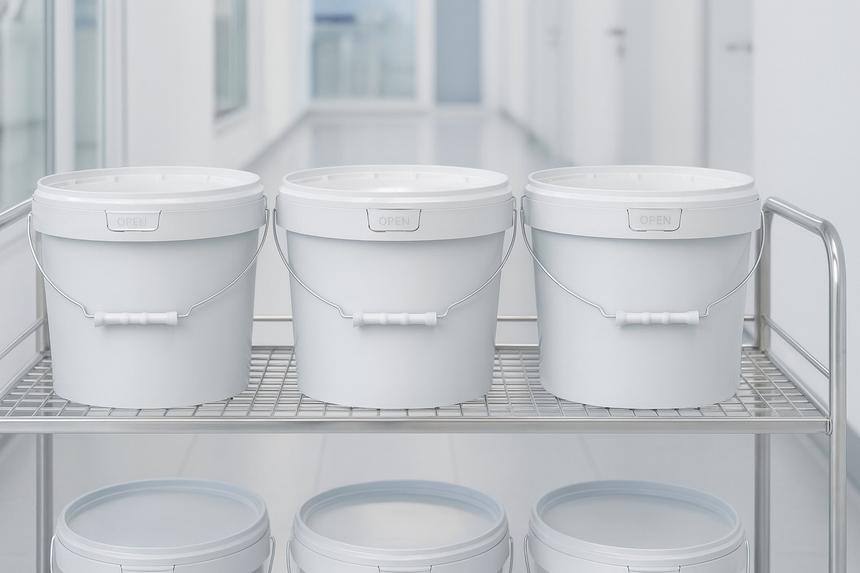
OPENtamper-evident seal on buckets
Table
Eight lab tasks and the packaging for each
The table shows measured data only: dimensions, empty weight, units per pallet, handle, and body. The first column links to the size page, and the second names the task this packaging is usually bought for. For buckets and the container we give the opening diameter and height; for jerry cans, all three dimensions.
Lineup at the same scalebody width and height per factory spec sheets
| Empty weight | Task | Dimensions, mm | Empty weight | Units per pallet | Body and handle |
|---|---|---|---|---|---|
| 385 ml | retained samples of finished products | Ø 118 × | 16 g | 7,200 | round container, no handle |
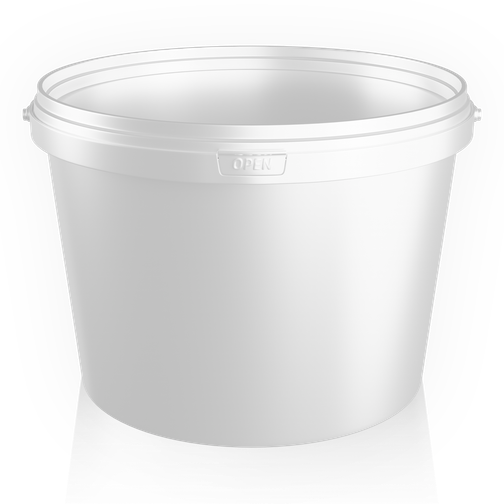
| 560 ml | salt and soda portions for lab classes | Ø 118 × | 23 g | 7,200 | side lugs instead of a handle |
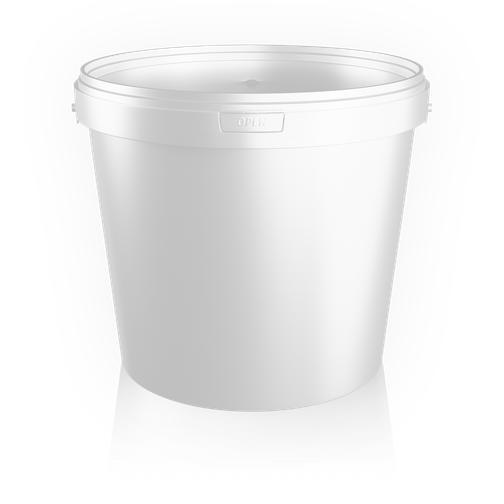
| 1 L | field soil samples | Ø 132,5 × | 36 g | 6,480 | plastic handle |
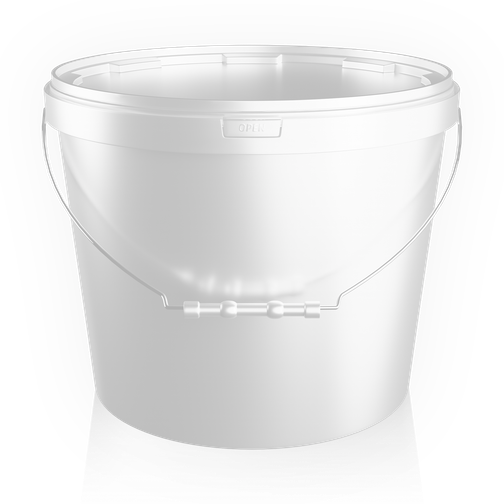
| 3 L | composite grain or feed sample | Ø 200 × | 95 g | 2,800 | metal bail handle |
| 5.6 L | dry reagent from an opened sack | Ø 224 × | 156 g | 1,920 | metal bail handle, clear option |
| 11.5 L | dry reagent storage stock | Ø 295 × | 307 g | 816 | metal bail with plastic grip, clear option |
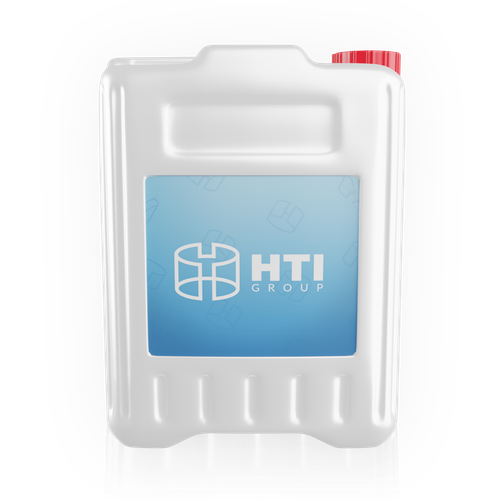
| 5 L | distilled water at the workbench | 163 × | 240 g | 180 | molded-in handle, screw cap |
| 10 L | water or working solution stock | 201 × | 420 g | 100 | molded-in handle, screw cap |
The 385 ml container and the 560 ml bucket share the same 118 mm opening but differ in height, 54 and 80 mm, so they line up in one row in a cabinet. A 5 L jerry can full of water weighs about 5.24 kg including the packaging, and a 10 L one about 10.42 kg. You tip the first over a graduated cylinder with one hand; the second stays on the floor or a bottom shelf.
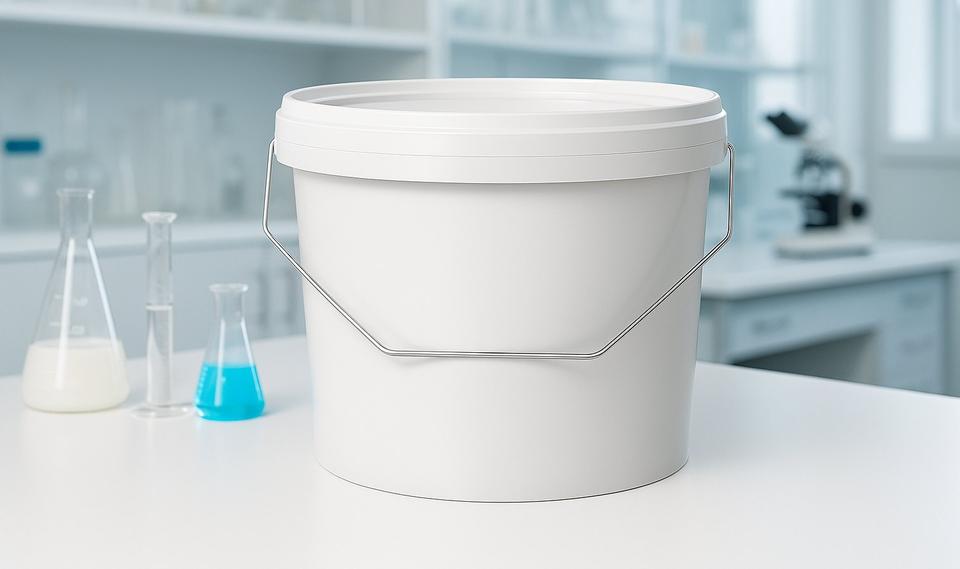
Lab tech's tool
Pick a task to see the packaging to scale
The tool covers eight situations, from salt portions for lab classes to a distilled water supply. Click yours to see the item to scale with the figures from its table row. That way you know in advance whether the bucket fits on a reagent cabinet shelf and whether a measuring scoop fits through the opening.
Packaging from this page's lineup
Task
The rows come from this page's table: each one has its own packaging.
How much product do you package per month
L
We ship in full pallets, so the number of pallets is rounded up.
Shelf length, cm
cm
Shelf depth, cmcm
Based on the top dimensions of the packaging, in a single layer, with no gaps between items.
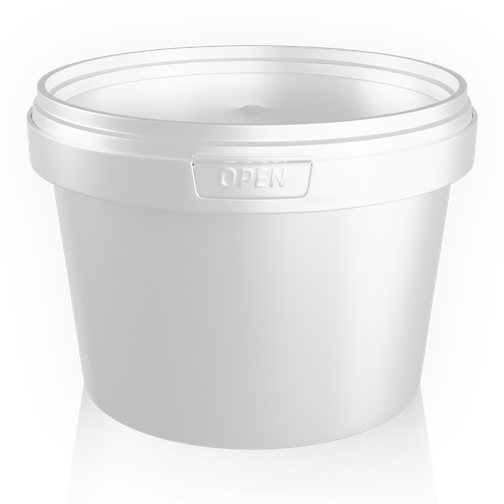 80 mm
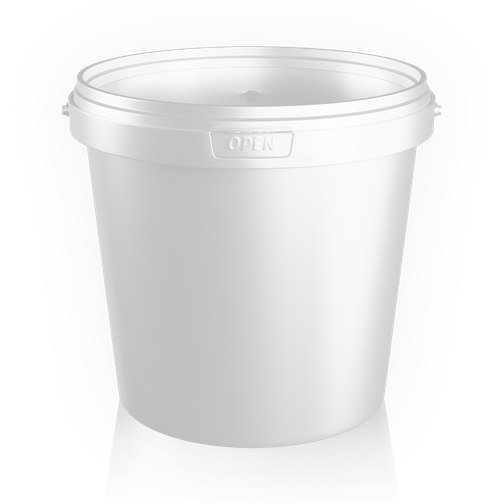 121 mm
 137 mm
 193 mm
 234 mm
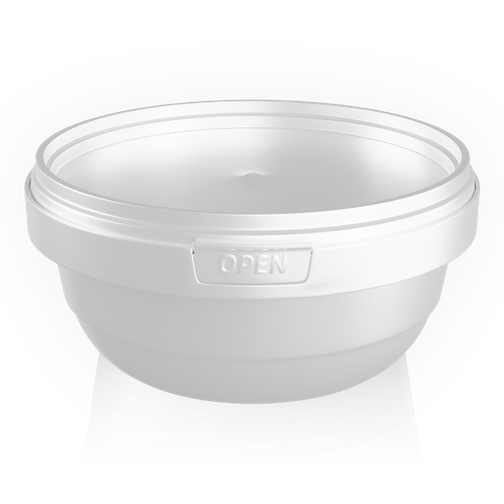 54 mm
 240 mm296 mm
Trial batch
How to check reagent compatibility with packaging in five steps
We have no resistance charts for individual substances, and third-party reference tables are unreliable: plastic grades and storage conditions differ everywhere. A short in-house test is more dependable. All it takes is a scale and a logbook, and the answer applies to your reagent and your storeroom.
1Sort your list of substances. Neutral dry reagents, raw material samples, and water are candidates for plastic packaging. Concentrated acids, alkalis, solvents, and oxidizers stay in the manufacturer's original packaging.
2Take items in the sizes you need: 560 ml for portions, 5.6 L for working stock, and a 5 L jerry can for water. Weigh the empty packaging.560 ml bucket5.6 L bucket5 L jerry can
3Put in the reagent, close the lid, add a dated label, and put the bucket in its permanent spot: a cabinet, a rack, or a cold room.
4After an interval you set yourself, inspect the wall, bottom, and lid for clouding, tackiness, or cracks. Compare the weight and check the substance's smell and flowability.
5Record the result in your internal procedure: which substance may be kept in which packaging. From then on, order the same item, or you will have to repeat the test.
What we know for sure
Three packaging properties for labs and one honest caveat
Labs like certainty, so let's start with what you can check by eye and with a ruler. These features are just as useful to a dairy plant QC department in Kara-Balta, an agrochemical lab in Kostanay, and a chemistry teacher at a village school near Osh. Read the fourth card before your first purchase, not after.

Clear body
In a clear bucket, the remaining reagent is visible from the storeroom door: no need to lift the lid to decide whether it's time to reorder salt or sorbent. Lumps, foreign particles, and color changes also show through the wall. We make a clear body for any bucket size, so the approach works for large storage stock too.
OPEN tear strip on the lid
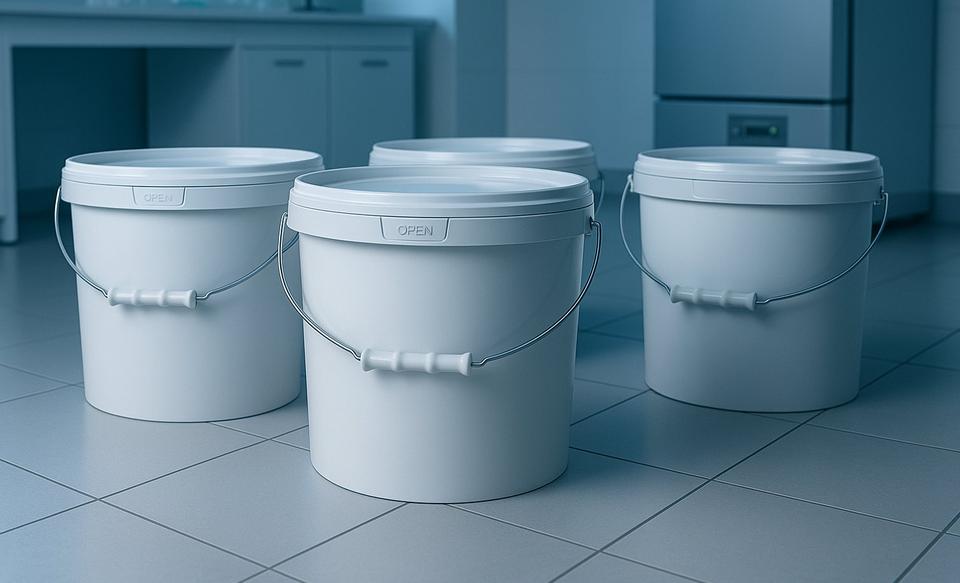
Removing the lid for the first time leaves a trace: you have to break the OPEN tear strip under the rim. For a lab, that's a simple sign of unopened packaging. Untouched stock stands out from a working bucket at a glance, and samples from the production floor or a grain elevator are accepted without arguing over whether they were opened on the way. After that, you reclose the bucket with the same lid.
Room for labeling
The smooth bucket wall takes a self-adhesive label, and the jerry can has a flat front panel for one. Write whatever your lab procedures require: substance name, concentration, preparation date, technician's name, sample number. Lids get mixed up during washing, so the main label goes on the body.
What we don't claim
We make no claims about resistance to specific acids, alkalis, solvents, or oxidizers: our buckets and containers are molded from polypropylene as food packaging, not as labware. Each lab checks reagent compatibility with the material on its own, using a trial batch. Aggressive and volatile substances stay in the manufacturer's packaging and are stored according to the institution's regulations.
Logistics
How packaging gets to the lab: pallets and shared orders
We ship in full pallets, and a single lab doesn't need that much: one pallet holds 7,200 buckets of 560 ml or 180 jerry cans of 5 L. So the order is usually placed by a company's procurement department, a lab network, or a supplier of reagents or educational equipment, which then distributes the packaging to each site. Pallets of different items can be combined in one shipment. The factory warehouse is in Ak-Chiy village, in the Bishkek Free Economic Zone (FEZ). You can collect your order with your own vehicle, and our own delivery trucks cover Bishkek and the Chuy Region. Pallets travel to Osh, Karakol, or Naryn with a freight carrier, and to Almaty, Astana, and Kostanay by the pallet within the EAEU. Our sales manager will confirm delivery time and cost.
Further reading
Further reading on plastic packaging and chemicals
Other articles on our blog explain what the PP5 mark on the bottom of a bucket means, how a tamper-evident seal works, and when a liquid is better kept in a jerry can than in a bucket.
All blog articles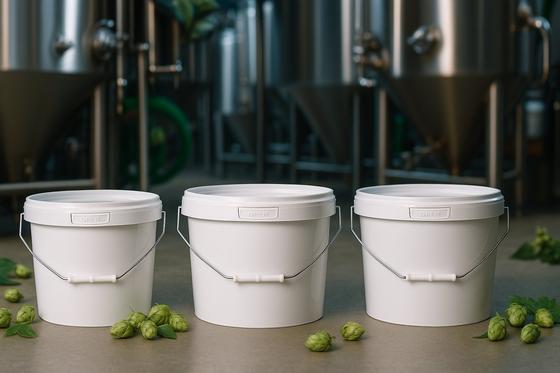 Brewery and wineryWhich packaging works in each area of the plantProducts and industries · 8 min
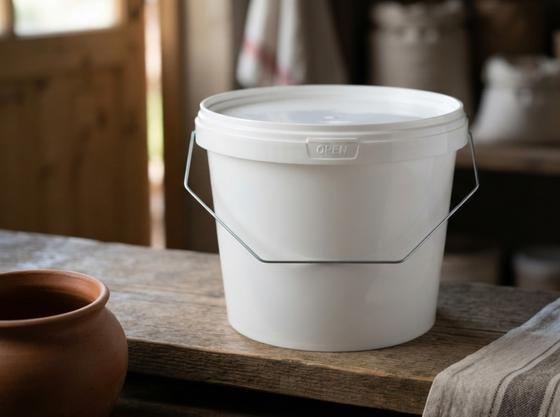 How to store honeyBucket size, moisture, odors, and crystallizationProducts and industries · 6 min
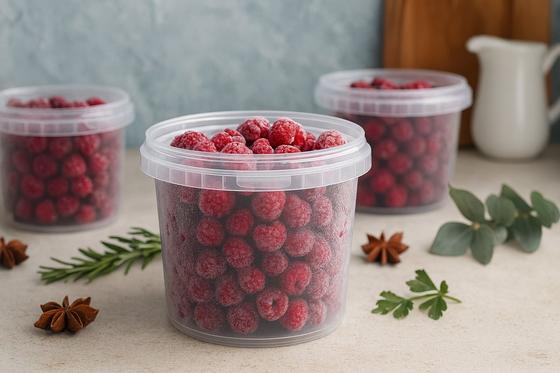 Packaging for freezingHow to choose packaging and test it in your own freezerProducts and industries · 8 min
 Export packagingHow packaging helps your product reach another country intactOrdering and logistics · 8 min
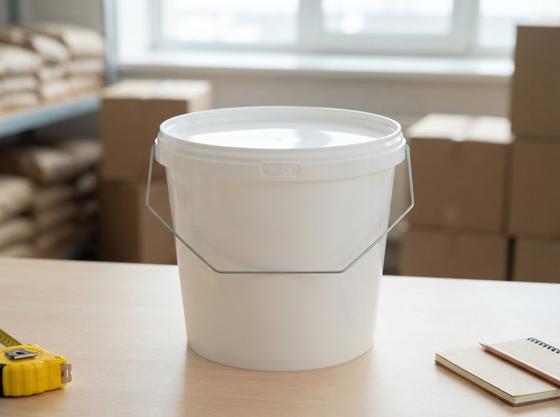 How to choose a bucketSeven parameters to check before you orderChoosing packaging · 7 min
 IML vs labelsEight scenarios and a clear answer on how to label a bucketMaterial and labeling · 6 min
Questions and answers
Questions about packaging for reagents and samples
It depends on the substance. Neutral dry reagents, sorbents, and raw material samples are often kept in polypropylene buckets. But we don't claim resistance to specific substances, so the lab first runs a trial storage test and records the result. Aggressive substances stay in the manufacturer's packaging.
For portions, small sizes work well: 560 ml with a 118 mm opening and the 1 L bucket with a plastic handle. Working stock from an opened sack fits nicely in a 5.6 L bucket, storage stock in an 11.5 L one; both come in clear. How many kilograms fit depends on the substance's bulk density, which you find out by weighing.
In jerry cans: there are two, 5 and 10 L, both with a molded-in handle and a screw cap. The 5 L can sits on the bench next to the sink, and the 10 L one, 296 mm tall, goes under it. We make no claims about how long water keeps its required quality in this packaging: the lab monitors that with its own methods.
We don't claim the buckets are suitable for this and provide no test data for acids or alkalis. Concentrated and volatile substances fall under the lab's own rules and the reagent manufacturer's requirements: special packaging, a fume hood, and separate storage.
Look under the lid rim: the OPEN tear strip should be there. You can't remove the lid for the first time without tearing it off, and it can't be put back. Labs rely on this when samples are passed from production to the lab and when tracking stock: untouched buckets are kept apart from opened ones.
Yes, we make medical waste buckets for this. A yellow body means Class B waste and a red one Class C (by Kyrgyz sanitary classification). They have a plastic handle, and some sizes come with a lid with needle remover. The buckets in this article are not used for medical waste: there, the color itself serves as the marking.
A pallet holds 6,480 buckets of 1 L, and we ship in full pallets, which is a lot for one school. It works better when the order is placed by an educational equipment supplier, a district education department, or several schools together. Message a sales manager with the sizes you need.
Catalog
All packaging for your lab storeroom in the catalog
Each item in the catalog lists its dimensions, weight, and units per pallet, which is enough to plan your cabinet shelves before ordering. Also check out clear buckets and the jerry cans section: that's where labs usually start.
Quote
Not sure which size you need for your reagent?
Send our sales manager a list of what you plan to store: dry or liquid, how much you use per month, and where the packaging will stand. They'll suggest sizes for a trial batch. Compatibility with a specific reagent is still yours to test.