
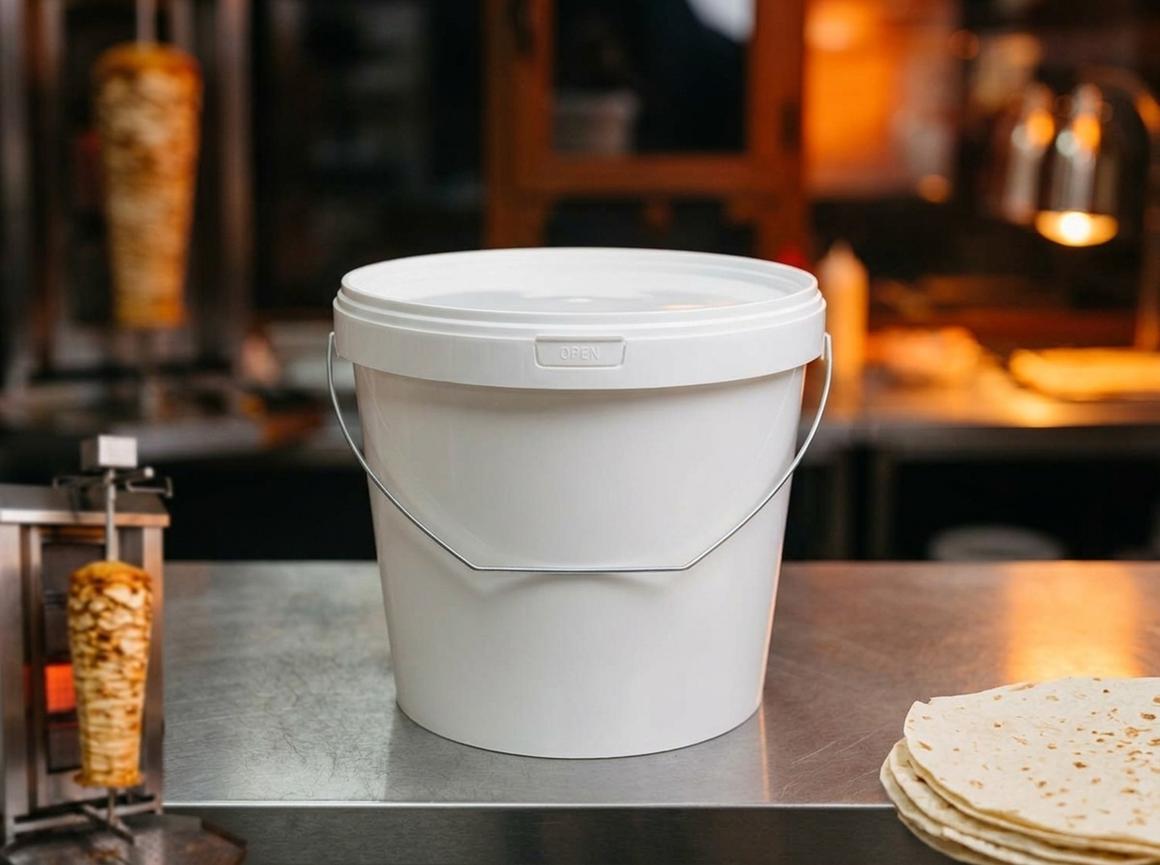
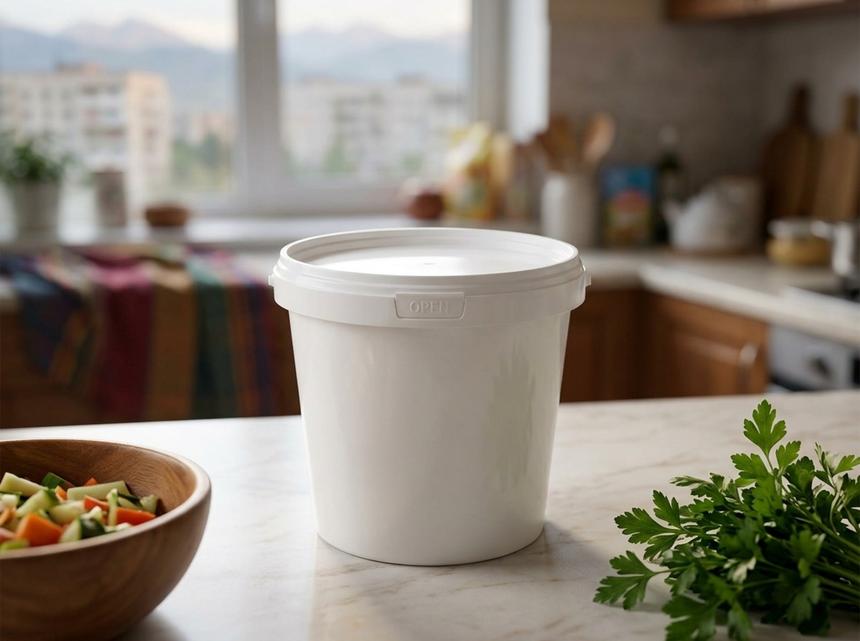
 800 ml
 900 ml
 1 L
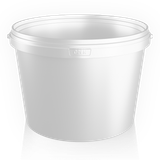 3 L
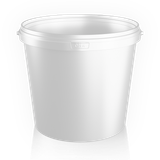 3.8 L
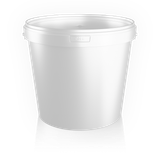 5.6 L
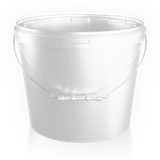 11.5 L
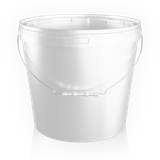 18 L
Our sales manager will contact you shortly
Request a callback from our specialist
Want to learn more about our packaging or find the right fit for your business? Request a callback, and our specialist will call you at a time that suits you. Tell us about your product, and we'll help you choose the best option.
Order a callback from a specialist
Want to learn more about our solutions or find the perfect solution for your business? Leave a request for a callback and our specialist will contact you at a convenient time. Together we will find the optimal solution to make your business thrive!
Request a callback from our HR team
Interested in our openings and career opportunities? Leave your contact details and our HR team will get back to you shortly. We'll answer your questions and explain how to join the HTI Group team.
Order a callback from a specialist
Would you like to learn more about our job openings and career opportunities? Leave your contact information, and our HR department will get in touch with you shortly. We will answer all your questions and provide detailed information on how to become part of the HTI Group team.
与我们取得联系
想了解更多我们的解决方案或为您的业务选择完美的解决方案吗?
请留下您的联系方式,我们的专家将尽快与您联系。
让我们一起找到最佳方案,助您的业务蓬勃发展!
请留下您的联系方式,我们的专家将尽快与您联系。
让我们一起找到最佳方案,助您的业务蓬勃发展!
要点电话回拨来自人力资源部门
想了解更多关于我们职位和职业发展的机会吗?请留下您的联系信息,我们的人力资源部门将尽快与您联系。我们将回答您的所有问题,并提供详细信息,帮助您成为HTI Group团队的一员。
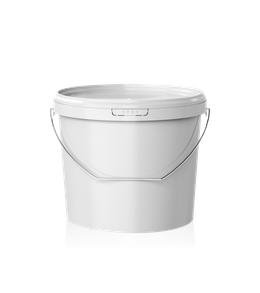 Plastic buckets14 sizes · 560 ml to 21 L
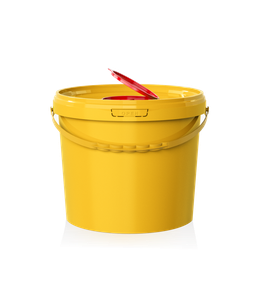 Medical buckets9 sizes · 1 to 21 L
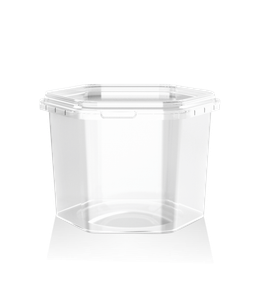 Food containers5 formats · 250 to 750 ml
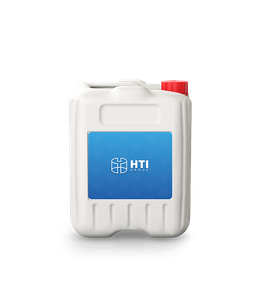 Plastic jerry cans5 L and 10 L
Plastic buckets16 models, 560 ml - 21 L
Medical buckets10 models, 1 - 21 L
Food containers5 models, 250 - 750 ml
Plastic canisters5 and 10 L
塑料桶16 个型号,560 毫升 - 21 升
食品容器5 个型号,250 - 750 毫升
塑料方桶5 升和 10 升
HTI AssistantFind the right packaging for your product in 4 steps
HTI AssistantOnline until 5:00 PM
Hello! We'll suggest the right size for your product, calculate pallets, and quote a price for your order.
Contact the plant
WhatsAppChat with a sales managerCall+996 222 600 292We'll call you backLeave your numberEmailinfo@hti-group.kg
Quick actions
Mon-Fri, 9:00 AM-5:00 PM · Factory in the Bishkek Free Economic Zone, Ak-Chiy village
For sauce makers and cafes
Buckets for mayonnaise and sauces
A shawarma shop in Bishkek goes through several kilograms of garlic sauce a shift, a cafe in Almaty goes through mayonnaise, ketchup, and cheese sauce, and a sauce maker ships all of it by the bucket. This kind of work calls for packaging that's easy to ladle from, easy to keep within reach in the kitchen, and easy to close with the same lid at the end of the day. We make food-grade buckets from 800 ml to 21 L in Bishkek and ship them across Kyrgyzstan and Kazakhstan.
0.8-21 Lsizes for sauces
0.94 kgof mayonnaise per liter
10.8 kgof mayonnaise in an 11.5 L bucket
IMLbranding for HoReCa
Sauce tool
How much mayonnaise in each bucket
A liter of mayonnaise weighs about 0.94 kg, so a 5.6 L bucket holds just over five kilograms. The tool shows net weight, gross weight, and headspace. For ketchup and other sauces, click "Your own product" and enter the weight per liter.
Packaging from this page's lineup
ProductFill weight, kg
kg
Enter the net weight and the calculator will pick packaging from this page.
How much product do you package per month
t
We ship in full pallets, so the number of pallets is rounded up.
Shelf length, cm
cm
Shelf depth, cmcm
Calculated by the top size of the packaging, in a single layer, with no gaps between neighboring items.
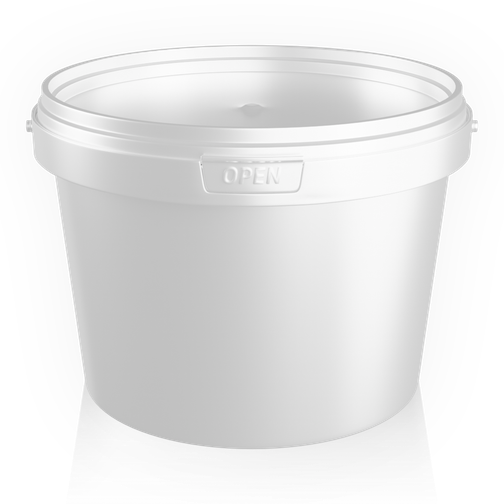 91 mm
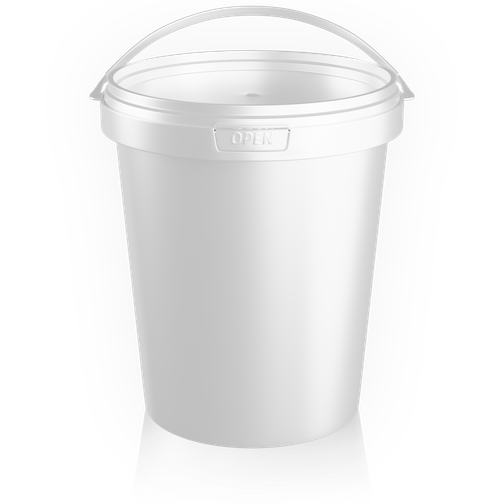 134 mm
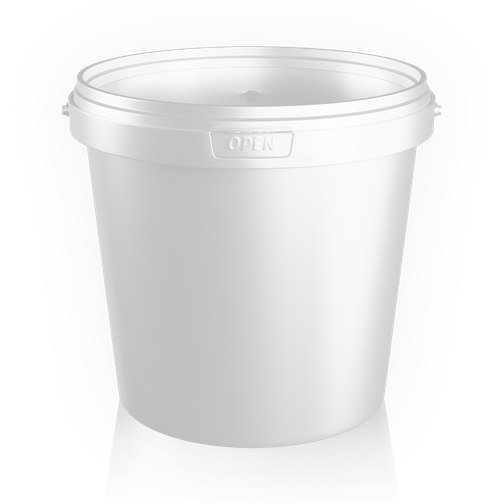 121 mm
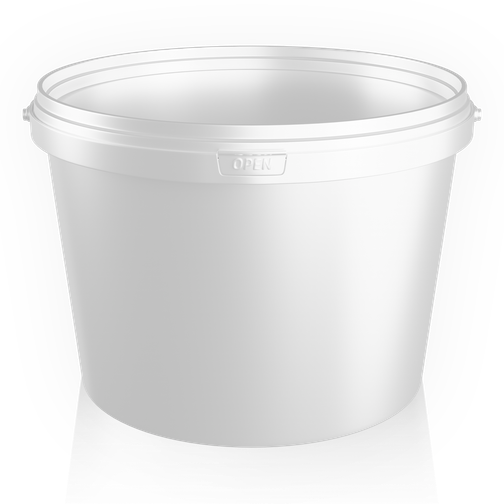 137 mm
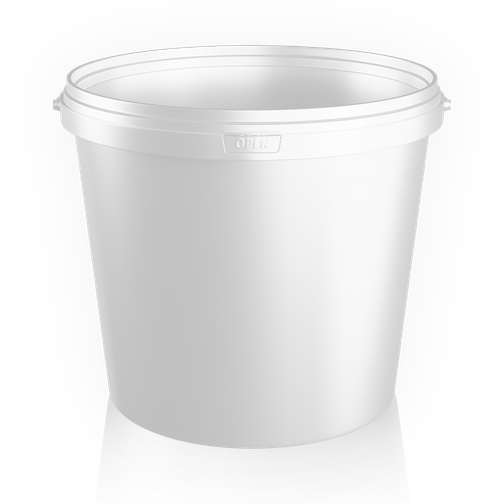 176 mm
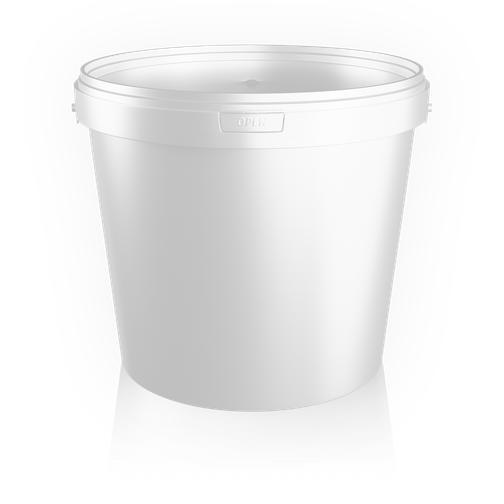 193 mm
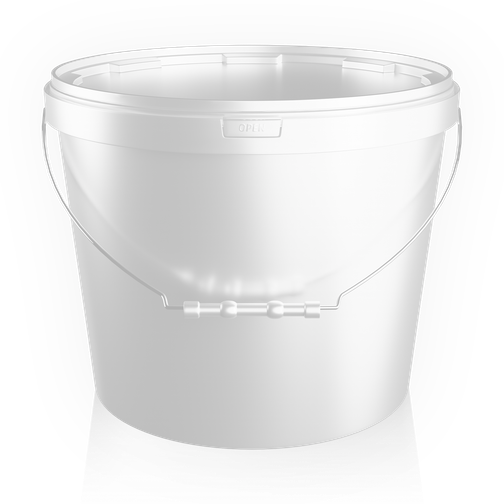 234 mm
 286 mm
What matters for sauces
The kitchen works straight from the bucket
In foodservice, a bucket of sauce doesn't sit in storage; it works on the serving line, refilling squeeze bottles, sauce cups, and takeout containers. So the cook cares about one thing, the buyer about another, and the producer about a third. A good bucket handles all three at once and never makes the kitchen transfer sauce into other containers.
A ladle reaches the bottom
The tapered body widens toward the top, and the opening spans the full width. The cook scoops thick sauce with a ladle or spatula and leaves nothing behind on the walls. In a shawarma shop that goes through sauce by the kilogram, that adds up to real money over a month.
Close, store, reopen
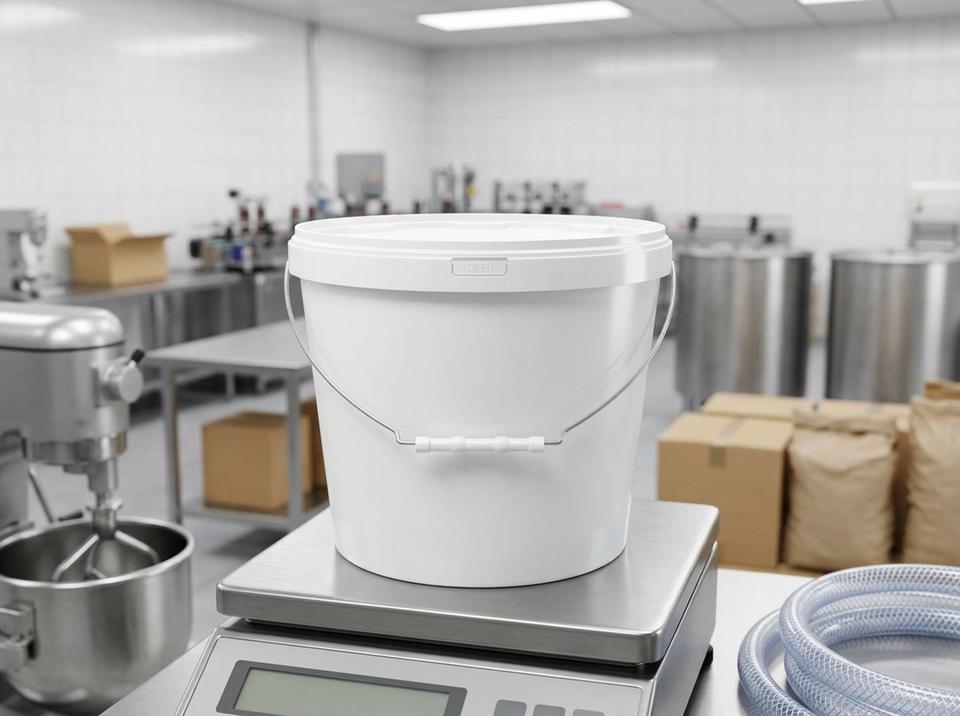
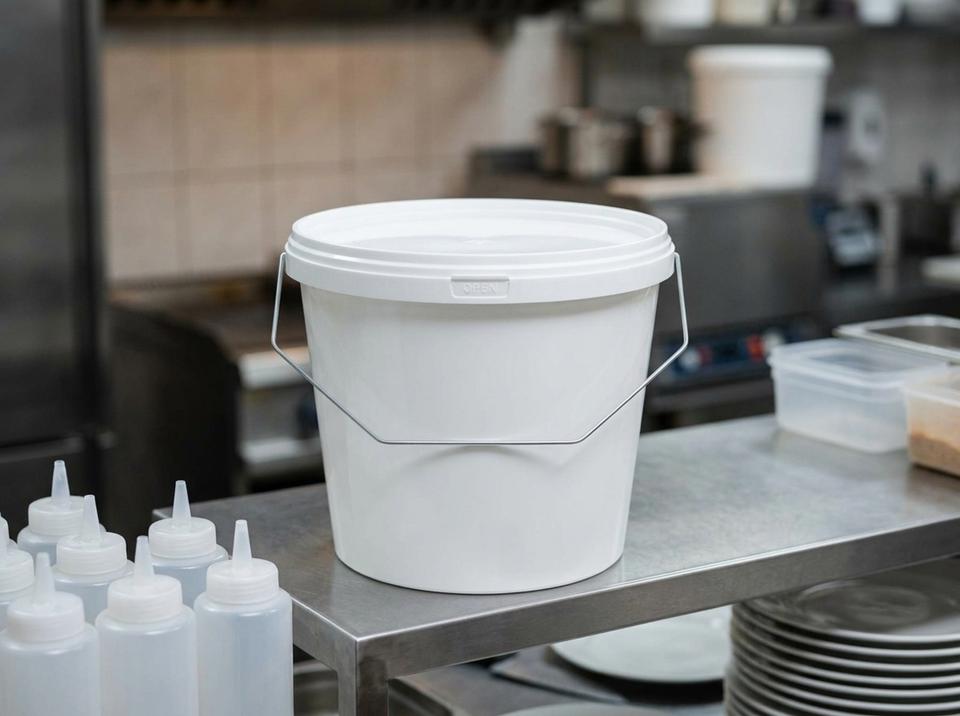
The flat lid snaps back into the double rim as many times as you need. The bucket gets closed after the shift, goes into the cold room, and is opened again in the morning without a knife and without waste. The flat top lets you stack closed buckets when shelf space in the cold room is tight.
Proof the bucket arrived intact
The tear strip with the raised OPEN lettering under the rim comes off only on first opening. A cafe buying sauce from a producer can see the bucket wasn't opened at a transit warehouse or in the truck. Disputes over short weight or swapped product are settled with one look at the rim.
Your sauce brand in someone else's kitchen
A bucket of sauce stays in full view of the cooks and managers who decide whom to buy from next. An IML label with the producer's logo and contact details is fused into the wall during molding and stays readable after many washes. Empty buckets often stay in the kitchen for other uses and keep reminding everyone of the supplier.
Counting in kilograms
How much mayonnaise in each bucket
HoReCa buys sauces in kilograms, the producer plans output in tonnes, and packaging is ordered in liters. Mayonnaise is lighter than water, about 0.94 kg per liter, so a bucket holds less of it by weight than its nominal capacity suggests. The table converts capacity to kilograms and shows how many buckets a tonne of product takes. Bucket counts are rounded up, so you'll have enough packaging for the order with some to spare.
Lineup at the same scalebody width and height per factory spec sheets
| Volume | Model | Brim-full | Mayonnaise, kg | Buckets per 1 t | Best for |
|---|---|---|---|---|---|
| 800 ml | PKS800 | 900 ml | 0.75 | 1,330 | retail shelf |
| 900 ml | PKS900H | 975 ml | 0.85 | 1,183 | retail shelf |
| 1 L | PK10 | 1.18 L | 0.94 | 1,064 | store, small cafe |
| 3 L | PK30 | 3.28 L | 2.82 | 355 | coffee shop, fast food |
| 3.8 L | PK38 | 4.1 L | 3.57 | 280 | cafe, shawarma shop |
| 5.6 L | PK56 | 5.87 L | 5.26 | 190 | shawarma shop, canteen |
| 11.5 L | PK115 | 12.575 L | 10.81 | 93 | restaurant, wholesaler |
| 18 L | PK180 | 19.9 L | 16.92 | 60 | restaurant chains, wholesale |
The standard 10 kg wholesale pack of mayonnaise fits in the 11.5 L bucket with room to spare. A 5 kg pack goes into the 5.6 L, and the 800 ml bucket matches a 750 g retail pack. For restaurant chains that take sauce in large orders, the 18 L works well: almost 17 kg in a single bucket. If your sauce is denser than mayonnaise, such as a cheese sauce or one based on tomato paste, recalculate the weight using your own density or ask your sales manager.
How to choose
Size by type of venue
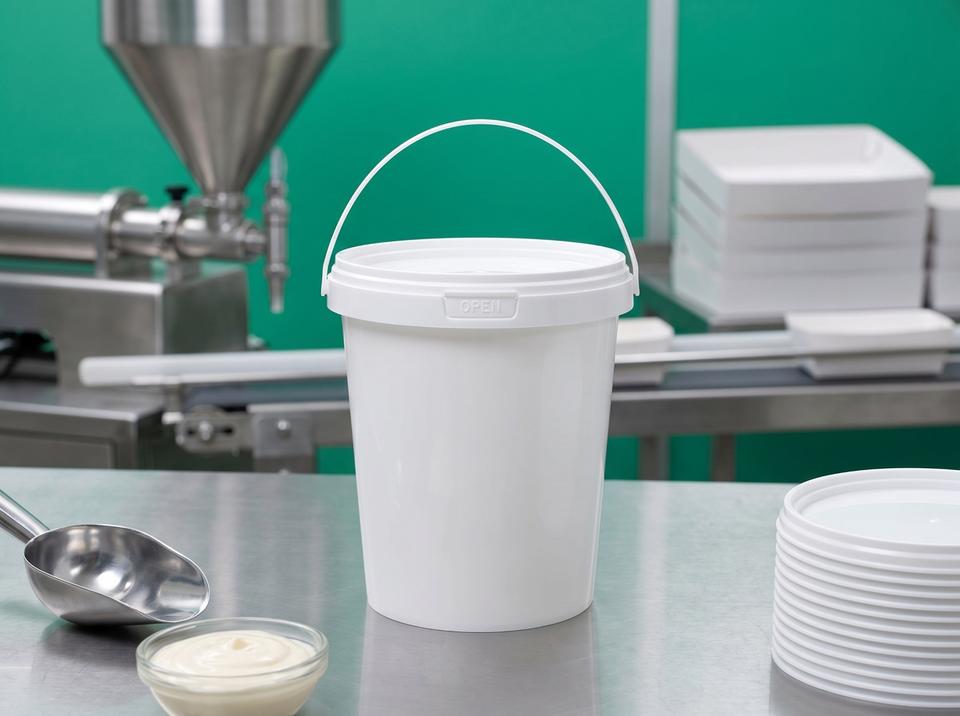
The right size is the one a venue uses up in a day or two. A bucket that's too big stays open too long, and one that's too small sends the cook running to the storeroom mid-shift. Ask the venues you supply how much sauce they go through per day, and choose the size to match.
1Homestyle mayonnaise and sauces for retail: 800 ml, 900 ml with a molded-in handle, or 1 L.800 ml bucket900 ml bucket1 L bucket
2Coffee shops, small cafes, fast-food counters: 3 L or 3.8 L.3 L bucket3.8 L bucket
3Busy shawarma shops and canteens: 5.6 L, about 5 kg of sauce. With a metal or plastic handle, the bucket moves easily from the shelf to the serving line.5.6 L bucket
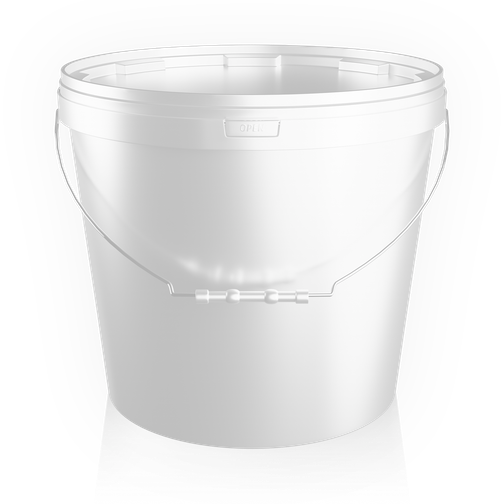
4Restaurants, catering, and wholesale ten-kilo packs: 11.5 L or 18 L with a bail handle and plastic grip.11.5 L bucket18 L bucket
5A clear body suits bright sauces like ketchup or sweet chili; white suits mayonnaise and sauces sold under the producer's brand.
Related guides
Sauces, pastes, and dressings nearby
A sauce maker rarely stops at mayonnaise: adjika, mustard, tomato paste, and marinades go to the same kitchens.
All 46 guides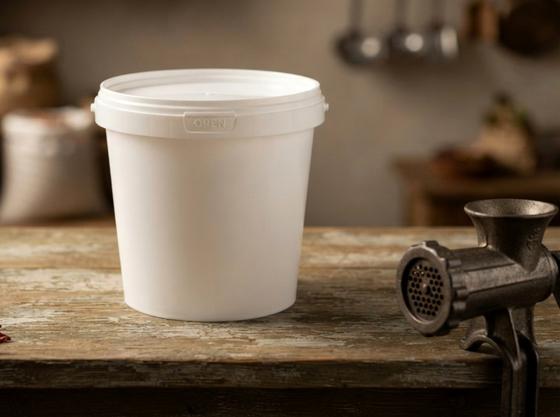 Adjika and mustard bucketsadjika, mustard, horseradish, tomato paste0.56-21 L
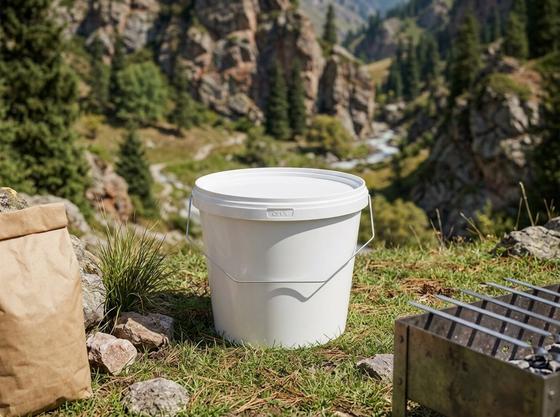 Buckets for marinated meatmarinated shashlik, ground meat, ready-to-cook products3-11.5 L
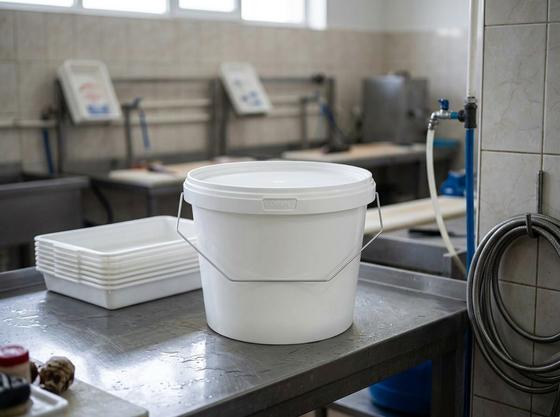 Buckets for fish and caviarherring, mackerel, trout, caviar in sauce560 ml-15 L
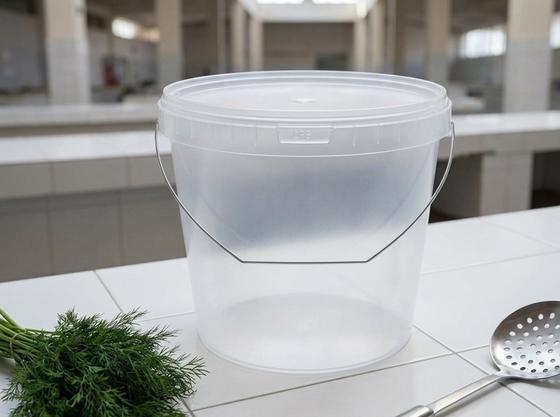 Mushroom bucketssalted and pickled mushrooms560 ml-21 L
 Buckets for olivesgreen and black olives, capers in brine560 ml-11.5 L
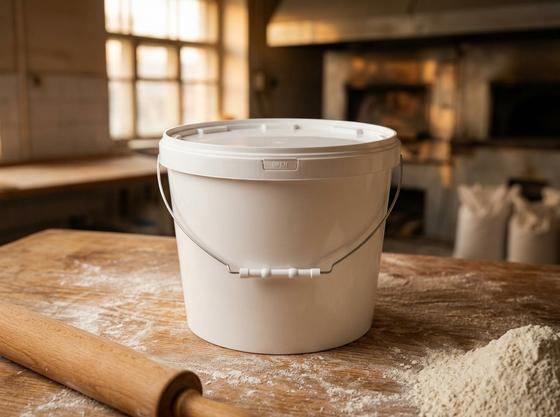 Dough bucketsyeast and unleavened dough, make-ahead batches3-21 L
Logistics
Uninterrupted packaging supply for your sauce plant
A sauce maker usually runs production every week, and running out of packaging stops the line faster than running out of oil. That's why it pays to buy buckets by the pallet: 816 of the 11.5 L or 1,920 of the 5.6 L on a single pallet. You can pick them up from the warehouse in the Bishkek Free Economic Zone (FEZ), Ak-Chiy village, and our own trucks deliver across Bishkek and Chuy Region. We ship to producers and wholesalers in Osh, Jalal-Abad, Karakol, and Talas via a freight carrier, and to Almaty, Astana, Shymkent, and Karaganda by the pallet within the EAEU. Your sales manager confirms delivery time and cost when you place your order. Empty buckets nest inside each other, so a pallet of packaging takes up less space in your warehouse than a pallet of finished sauce.
Questions and answers
Frequently asked questions about buckets for mayonnaise and sauces
The 11.5 L: at a density of about 0.94 kg/L, it holds roughly 10.8 kg, with headspace left so the lid seats without squeezing out sauce. For five-kilogram packs, use the 5.6 L, which holds about 5.26 kg of mayonnaise.
Most often 5.6 L, about 5 kg of sauce, which usually lasts one or two shifts. For heavy traffic, go for 11.5 L with a metal bail handle and plastic grip. Keep garlic and hot sauces in buckets of different colors, white and clear, so cooks don't mix them up in a rush.
Yes, food-grade polypropylene buckets work for mayonnaise, ketchup, mustard, and other cold sauces. Ketchup often goes in a clear body to show off its color. For high-acid or heavily spiced recipes, test compatibility on a trial batch of your own product.
Yes, with a label or IML. For HoReCa, IML is the better choice: the image won't peel off from daily washing or the damp cold room. A label works for a trial launch of a new sauce while you test demand in a few venues.
Our sales manager prices each order based on size, quantity, handle, and printing. Call +996 222 600 292 and tell us the sizes and your approximate monthly output. If your sauces go to both retail and HoReCa, you'll get a quote for both lines at once.
Yes, by the pallet within the EAEU: Almaty, Astana, Shymkent, Karaganda, and other cities. Your sales manager confirms delivery time and cost when you place your order. Sauce makers in Almaty and Shymkent can order several sizes at once, so a single shipment covers both retail and foodservice.
It's a tamper-evident seal: the lid can't come off without tearing the strip. The venue sees that the sauce arrived in an untouched bucket, and the supplier is protected from short-weight claims. For restaurant chains where a dedicated employee handles receiving, it's a standard packaging requirement.
Catalog
Sauce packaging in the HTI catalog
The catalog has every bucket size from 560 ml to 21 L, plus containers for takeout sauces. We explain how buckets work on a sauce production line in a blog article.
Request
Switching from jerry cans or bags to buckets?
Tell us which sauces you make and who you sell to. Your sales manager will pick sizes for retail and HoReCa and work out how many pallets of packaging you need per month. A bucket is usually more convenient than a bag: leftover sauce stays under a lid instead of in a tied-off corner.