Want to learn more about our packaging or find the right fit for your business? Request a callback, and our specialist will call you at a time that suits you. Tell us about your product, and we'll help you choose the best option.
Order a callback from a specialist
Want to learn more about our solutions or find the perfect solution for your business? Leave a request for a callback and our specialist will contact you at a convenient time. Together we will find the optimal solution to make your business thrive!
Request a callback from our HR team
Interested in our openings and career opportunities? Leave your contact details and our HR team will get back to you shortly. We'll answer your questions and explain how to join the HTI Group team.
Order a callback from a specialist
Would you like to learn more about our job openings and career opportunities? Leave your contact information, and our HR department will get in touch with you shortly. We will answer all your questions and provide detailed information on how to become part of the HTI Group team.
Mon-Fri, 9:00 AM-5:00 PM · Factory in the Bishkek Free Economic Zone, Ak-Chiy village
Eastern Issyk-Kul
Plastic bucketsand packaging in Karakol
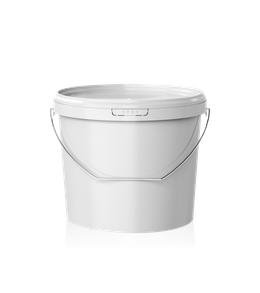
You can buy plastic buckets in Karakol direct from the manufacturer, the HTI Group plant near Bishkek. Karakol is the capital of Issyk-Kul Region and the tourist hub of the lake's east end: in summer, people come for the mountains and gorges, and in winter, for the ski resort. Around town, people keep bees, harvest sea buckthorn and apples, and farm trout, while local cafes serve Dungan cuisine. For guesthouses, cafes, beekeepers, and food processors, HTI Group makes buckets, containers, and jerry cans and ships them by freight carrier.
Business in Karakol follows the tourist and farming calendar: summer trekking, honey extraction, the fall sea buckthorn harvest, and the winter ski season. We've sorted all fourteen buckets by these seasons, so you can order stock before the rush of guests or the harvest begins.
Honey, sea buckthorn, and jam for tasting and gifts.
Ingredients and preserves for guesthouse and cafe kitchens.
Trout, marinades, wholesale honey, and pre-season repairs.
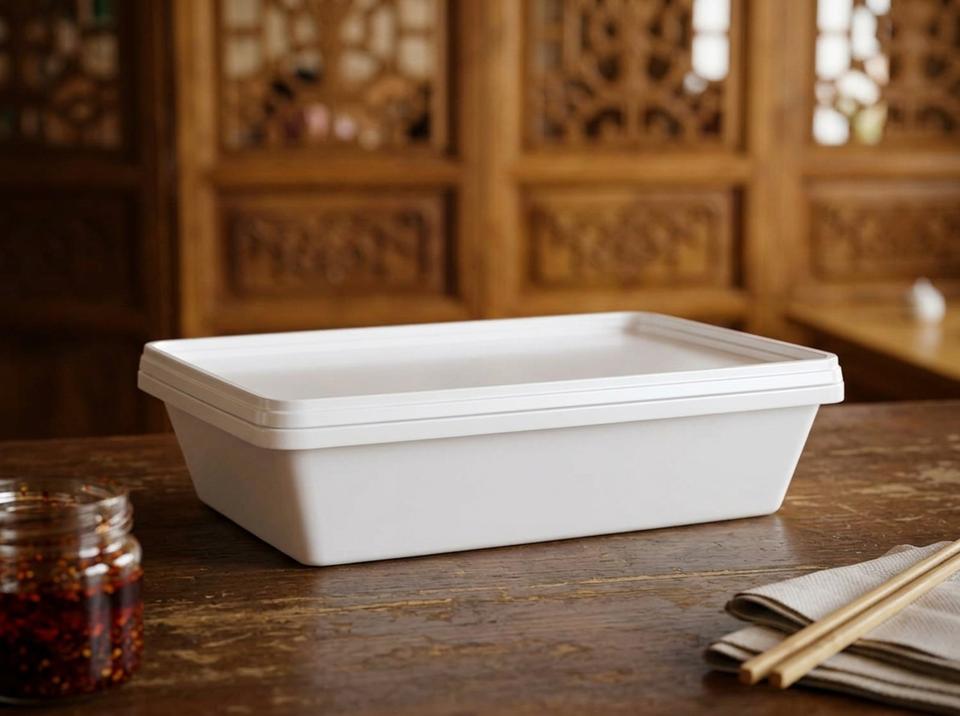
Containers and a tray for Dungan takeout and lunches in the mountains.
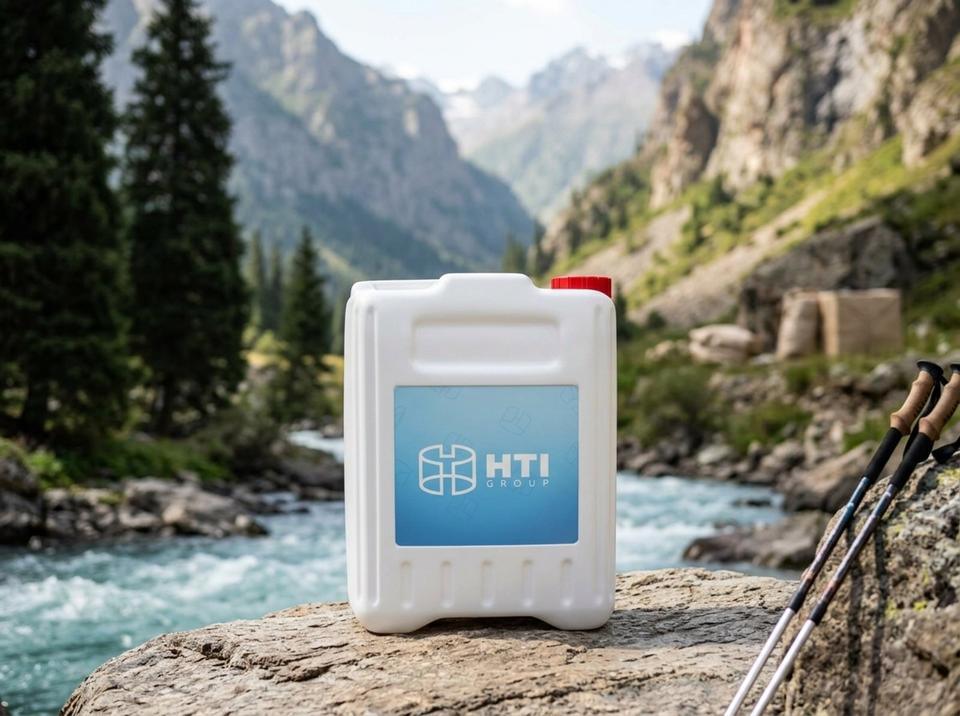
Water jerry cans for trekking and resort camps.
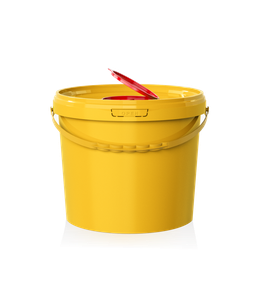
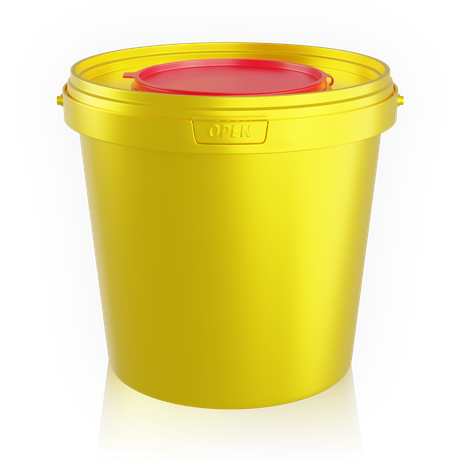
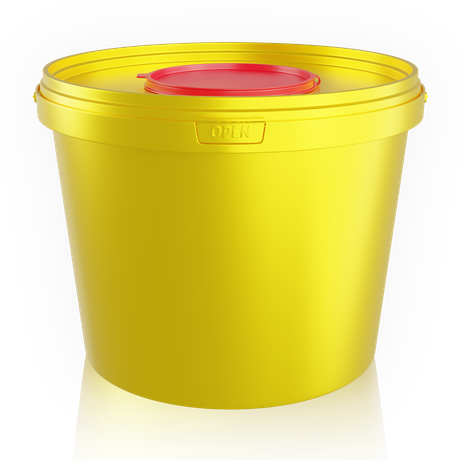
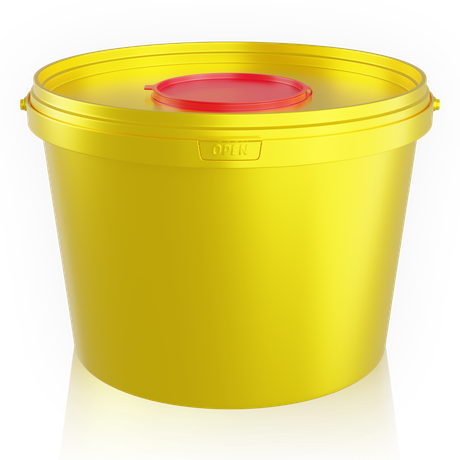
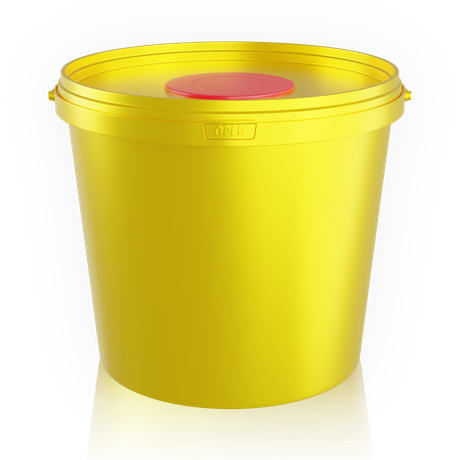
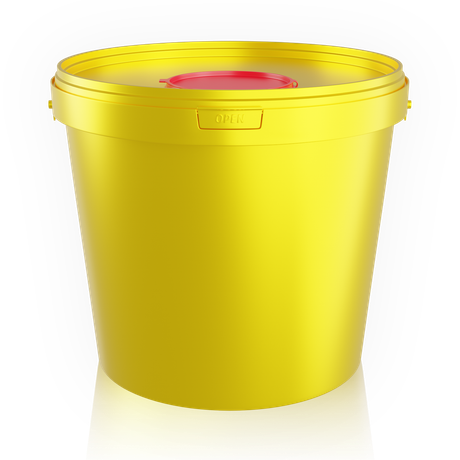
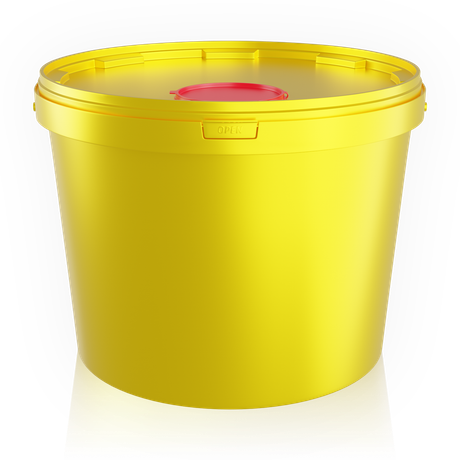
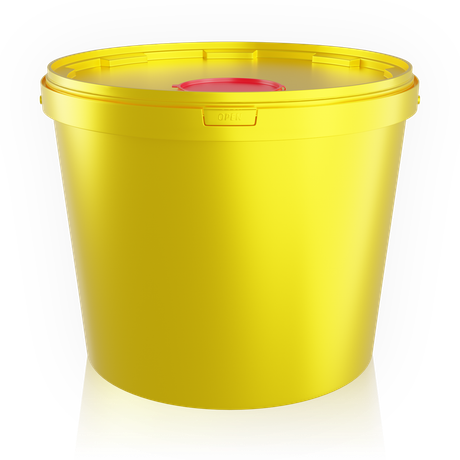
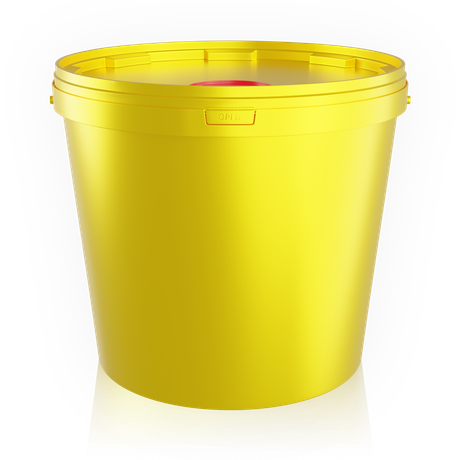
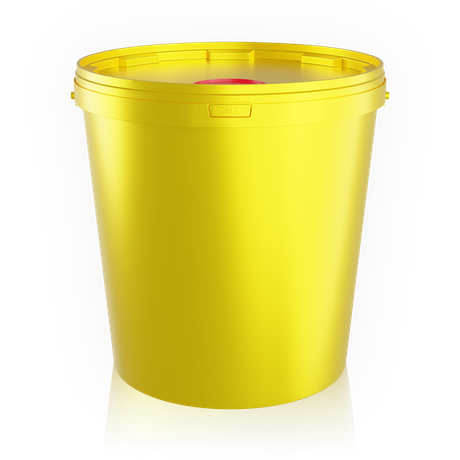
Yellow and red buckets for the hospital, tourist camp first-aid rooms, and vets.
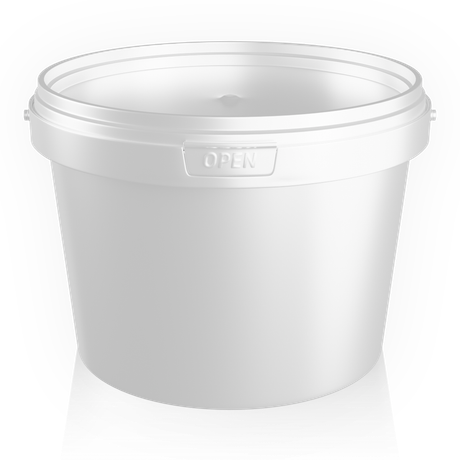
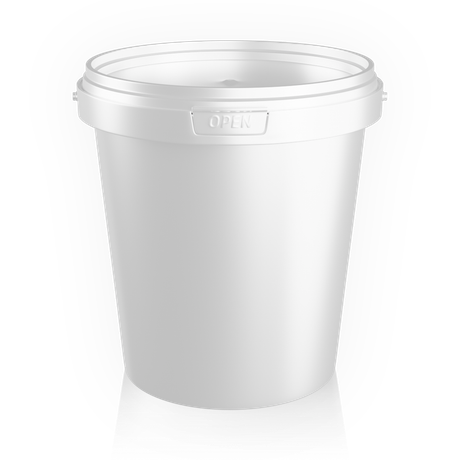
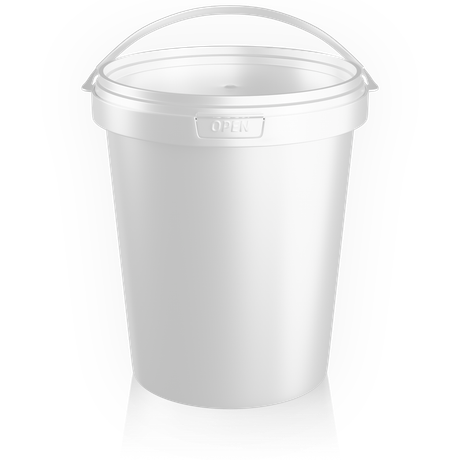
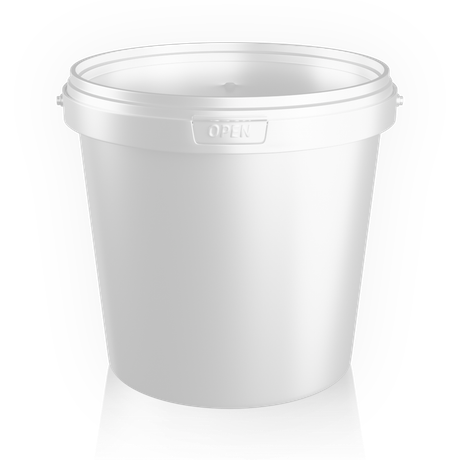
Packaging at the same scale: body width and height from the factory's product cards
For guests · PKS560
560 ml plastic bucket
First-extraction honey for tourists to sample: a summer size, and the small handleless bucket slips into a backpack.
In Karakol, summer calls for containers and jerry cans, fall for honey and sea buckthorn buckets, and winter for large buckets for slopeside kitchens. Dungan cafes buy containers year-round. If you cover the whole year in one order, the empty buckets take up little storage space, since they nest in stacks.
Karakol's economy blends tourism and farming. In the morning, a guesthouse puts together lunches for a group heading into a gorge, while next door, a beekeeper packs honey extracted in the mountain meadows. Below are the town's four most frequent packaging buyers and what matters to each. Often they're the same family: they host tourists in summer, then crush sea buckthorn and sell honey in the fall, so a single order includes both containers and buckets.
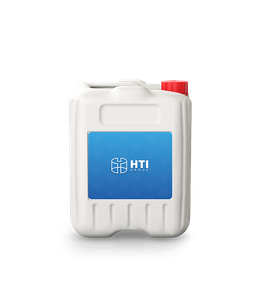
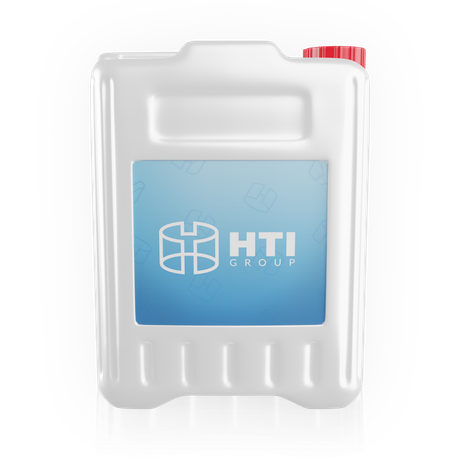
Water for the trail5 L, handle molded as one piece with the body
Dungan takeout
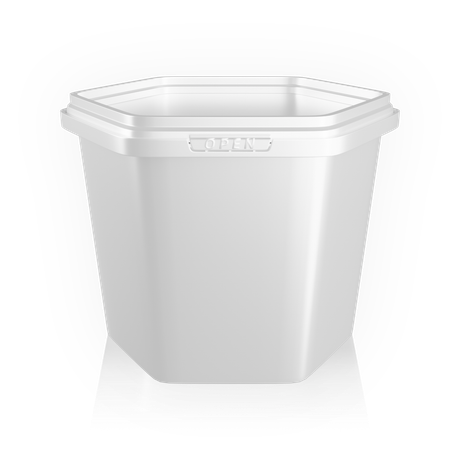
In Karakol, people order ashlan-fu, lagman, and manty both to eat in and to go. A serving of noodles goes in the 550 ml round container, sauce and salad in the 250 or 400 ml, and the main course in the flat tray. Lidded containers stack in the bag and arrive at the hotel intact.
Lunches for mountain groups
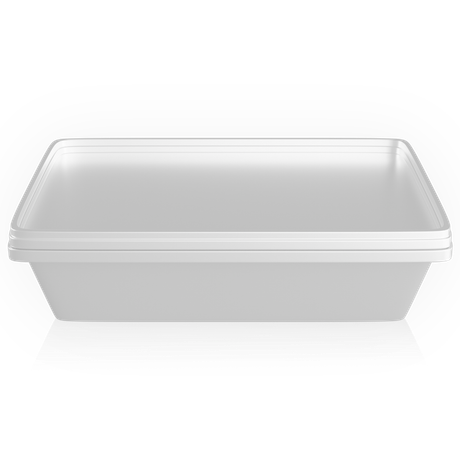
Guesthouses and tourist camps pack food for groups heading out for the day to Altyn-Arashan or Jeti-Oguz. The 750 ml tray fits flat in a backpack, and the 5 L jerry can with a screw cap carries a water supply for the campsite.
Honey and sea buckthorn
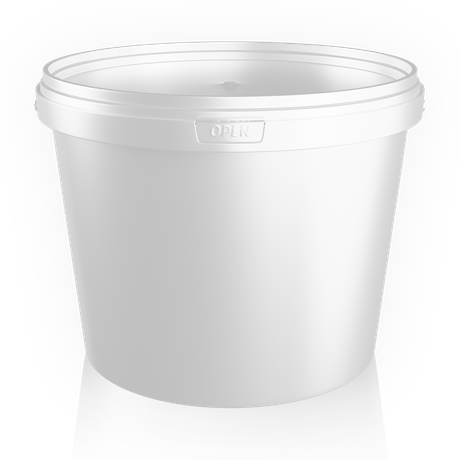
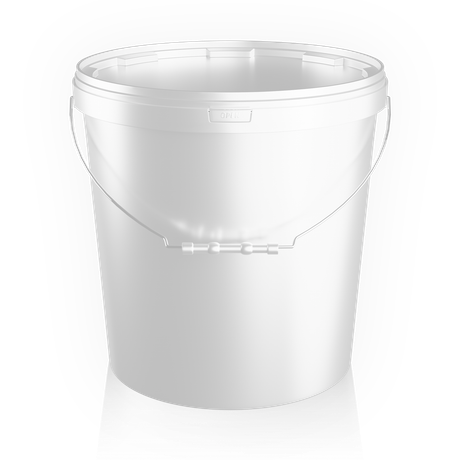
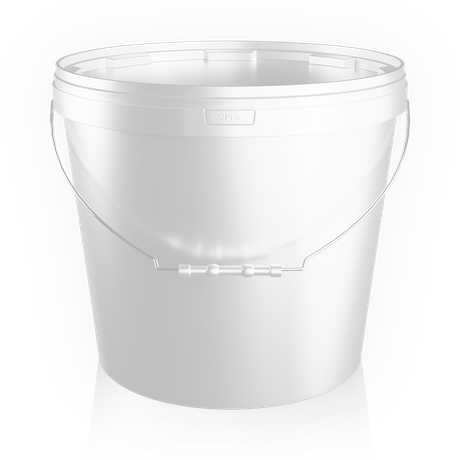
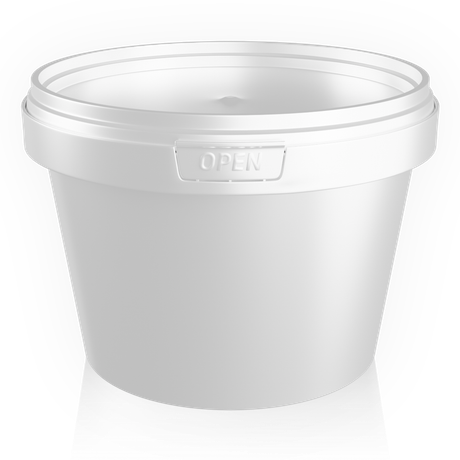
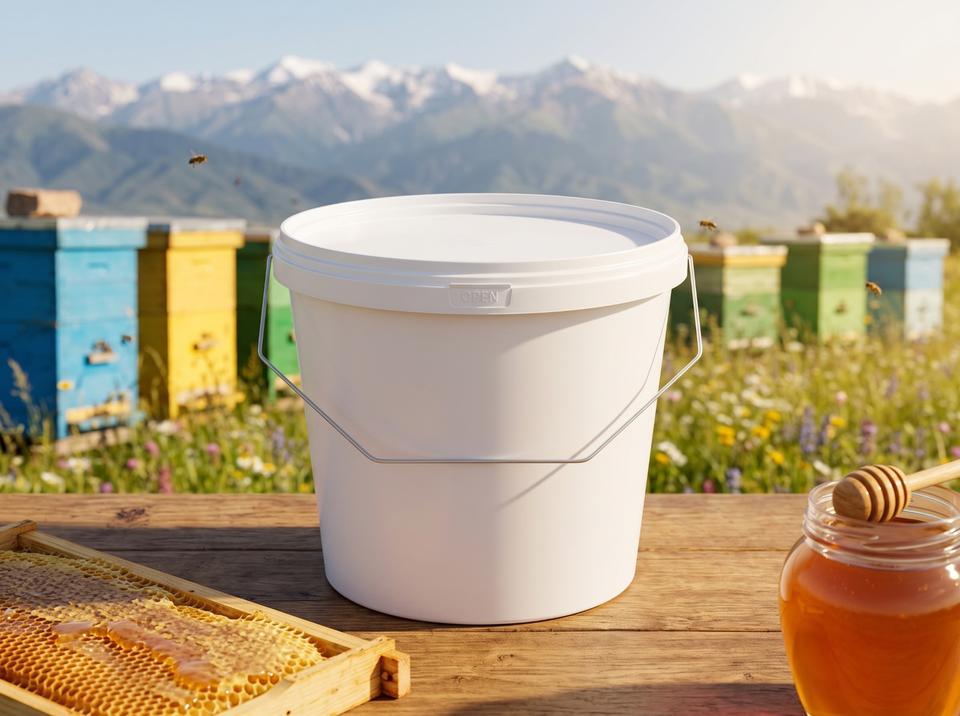
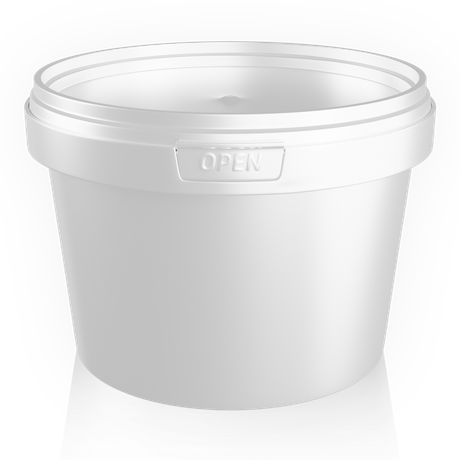
Issyk-Kul honey is extracted in summer, while sea buckthorn is harvested in the fall and crushed with sugar. Both sell well in 1 and 2.3 L buckets: the OPEN tear strip shows the bucket hasn't been opened, and in a clear bucket, the orange sea buckthorn catches the eye from afar.
Salt-cured trout
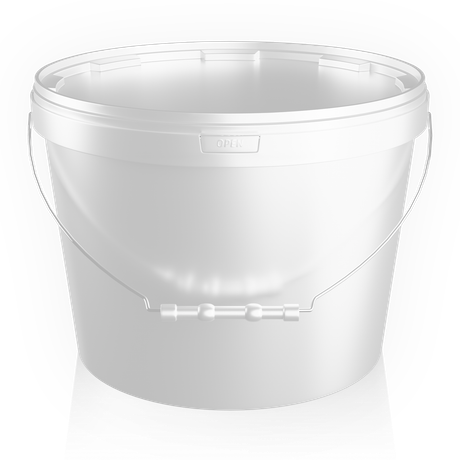
Cafes and restaurants salt and marinate Issyk-Kul farmed trout ahead of time. The 11.5 L bucket with lid opens to its full diameter, so the fish is easy to take out, and the metal bail handle with a plastic grip holds up to carrying a full bucket.
How to choose
Packaging stockfor the whole tourist year
In season, guesthouses and cafes have no time for purchasing: all their attention goes to guests. That's why it pays in Karakol to plan packaging for the whole year and order before the tourist rush begins. A few rules will help you get the sizes right. Count servings, not hotel rooms: how many lunches go out with groups each day and how many dishes are ordered to go. For honey and sea buckthorn, start from your harvest in kilograms: a liter of honey weighs about 1.42 kg.
Honey and sea buckthorn for tourists: 1 L or 2.3 L, easy to take home in a bag.
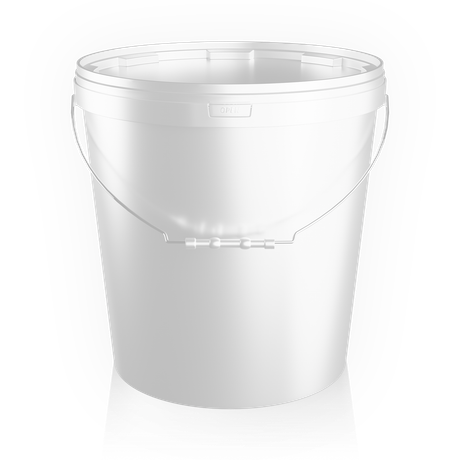
Tourist camp kitchens: 3 L for dairy and 15 L for marinades.
Water for the trail: 5 L for a small group, 10 L for a camp.
Your guesthouse or apiary name on the side: a white bucket with in-mold labeling (IML). Guests take it home with the honey and remember where they bought it.
Shipment estimate
How much packagingfits in one delivery
Choose an item and quantity, and we'll show the pallet count, units rounded up to full pallets, total nominal capacity in liters, empty packaging weight, and the truck you'll need.
Straight-line distance. Click a city to open its page.
HTI has no warehouse in Karakol: packaging ships from our plant in Ak-Chiy village, Bishkek Free Economic Zone (FEZ). We hand the pallets to a freight carrier, which delivers them to Karakol, and Cholpon-Ata, Balykchy, and the lakeshore villages get their packaging the same way. Your sales manager confirms delivery time and cost when you place the order. It's easiest to order once before the summer season and again before the winter one: that way, your stock matches the flow of guests, and you don't have to wait for a truck at the peak of the season. Empty buckets and containers nest in stacks and store compactly in a guesthouse pantry. Jerry cans don't nest, so leave a separate shelf for them.
Karakol
Nearbyand across the country
Plastic buckets in other towns of Issyk-Kul Region
Call our sales manager at +996 222 600 292 and tell them the sizes you need. Your order will be assembled at our plant in the Bishkek FEZ and shipped to Karakol by freight carrier.
Your sales manager prices each order based on sizes, quantity, color, handle, and printing. They'll confirm delivery time and cost to Karakol when you place the order.
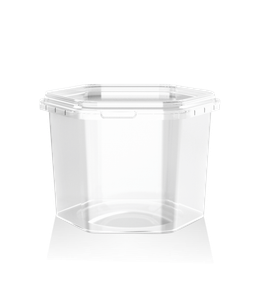
For noodles and ashlan-fu to go, 550 ml round containers; for sauces and salads, 250 or 400 ml; for mains, the 750 ml flat tray. All come with lids, in white or clear.
750 ml trays for the main course, 250 ml containers for salad or dessert, and 5 L jerry cans for water. Everything closes with a lid or cap, so no dishes are needed at camp.
Yes. For a small order, we apply a label; for a large one, we use in-mold labeling (IML): the design is fused into the bucket wall during molding and won't peel off when washed.
Yes, salt-cured fish is kept in 5.6 to 11.5 L buckets with lids. For details, see our page on buckets for fish and caviar.
Yes, we ship packaging around the Issyk-Kul shore by freight carrier. Your sales manager will confirm the terms for your address when you place the order.
Catalog
Packaging catalogHTI
Every size, with dimensions, weights, and handle options, is in the catalog. For shipping to other cities in the country, see plastic packaging in Kyrgyzstan.
Tell us how many guests you host and what you package. Your sales manager will put together a packaging set for the season, work out the pallets, and give you delivery terms to Karakol.