Want to learn more about our packaging or find the right fit for your business? Request a callback, and our specialist will call you at a time that suits you. Tell us about your product, and we'll help you choose the best option.
Order a callback from a specialist
Want to learn more about our solutions or find the perfect solution for your business? Leave a request for a callback and our specialist will contact you at a convenient time. Together we will find the optimal solution to make your business thrive!
Request a callback from our HR team
Interested in our openings and career opportunities? Leave your contact details and our HR team will get back to you shortly. We'll answer your questions and explain how to join the HTI Group team.
Order a callback from a specialist
Would you like to learn more about our job openings and career opportunities? Leave your contact information, and our HR department will get in touch with you shortly. We will answer all your questions and provide detailed information on how to become part of the HTI Group team.
Mon-Fri, 9:00 AM-5:00 PM · Factory in the Bishkek Free Economic Zone, Ak-Chiy village
Our own delivery trucks
Plastic bucketsand packaging in Tokmok
You can buy plastic buckets in Tokmok directly from the manufacturer: the HTI Group plant just outside Bishkek. Tokmok is an old industrial town in the east of the Chuy Valley, on the road from Bishkek to Issyk-Kul. It's surrounded by vegetable fields and farms, and the town itself is home to pickling plants, pastry shops, cafes, and construction sites. The HTI plant is in the same Chuy Region, in the Bishkek Free Economic Zone (FEZ), so we deliver buckets, containers, and jerry cans to Tokmok with our own trucks, with no freight carriers and no transshipment.
Packaging buyers in Tokmok are a varied bunch: cafes on the road out to Issyk-Kul, pickling and salad plants, pastry makers, and finishing crews. We've gone through our whole lineup of fourteen buckets to show which size suits which job, and why. For pickles, weights include the brine, at about 1.05 kg per liter.
Sauces, fillings, cottage cheese, and honey in single servings.
Vegetables from the fields around town, for the market and the kitchen.
Bulk cabbage, tomatoes in brine, and finishing mixes.
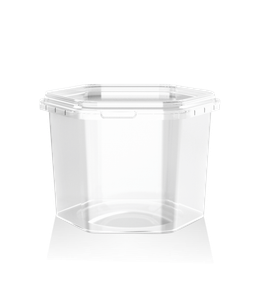
Containers and a tray for Tokmok's cafes, pastry makers, and canteens.
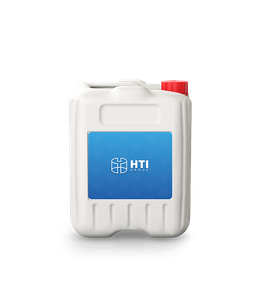
Jerry cans for oil and vinegar in kitchens and processing plants.
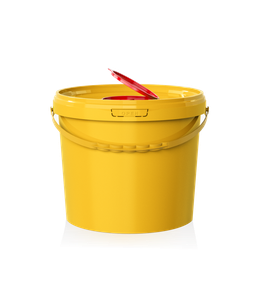
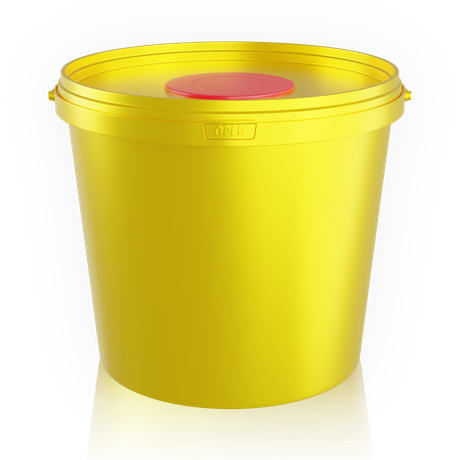
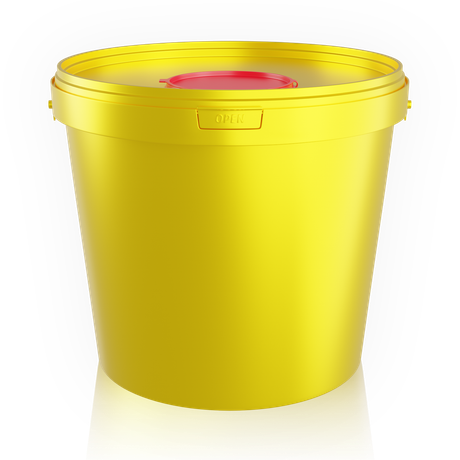
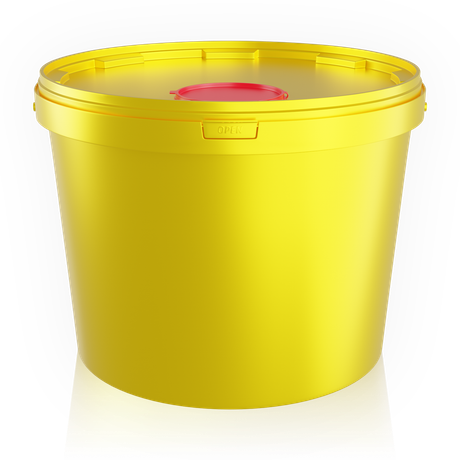
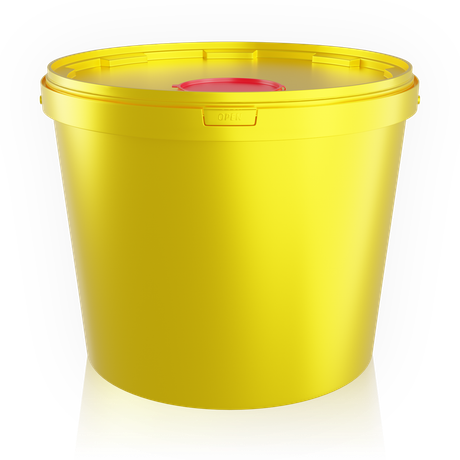
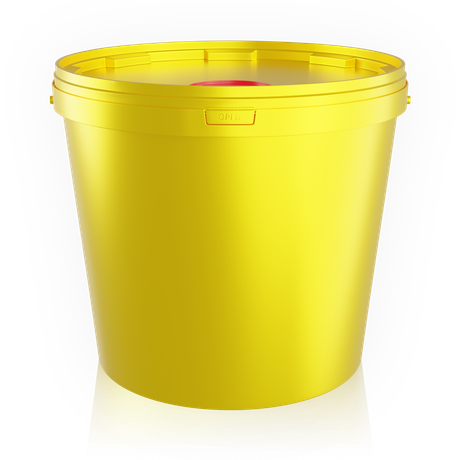
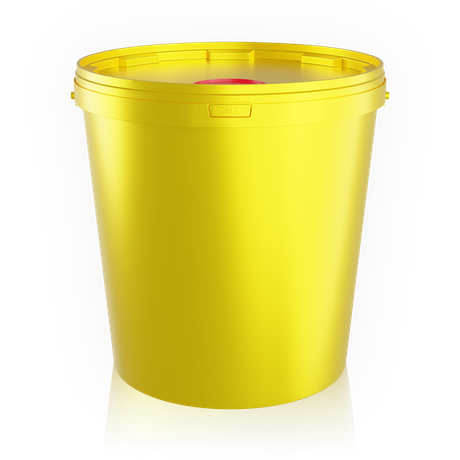
Yellow Class B and red Class C buckets (by Kyrgyz sanitary classification) for the hospital, schools, and the veterinary station.
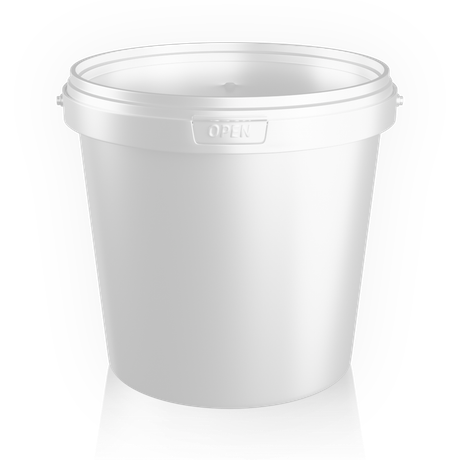
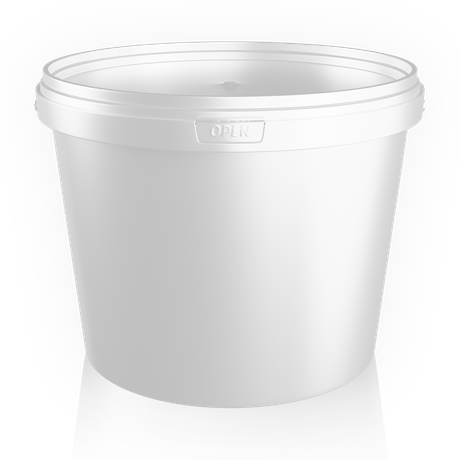
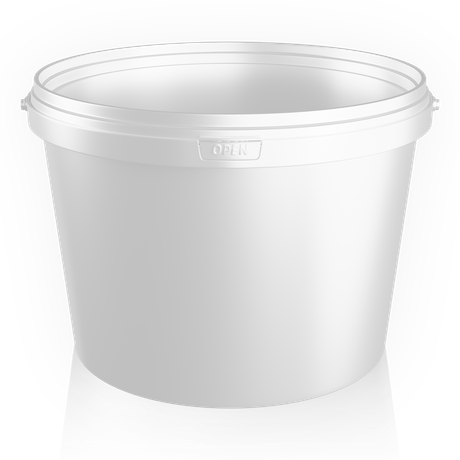
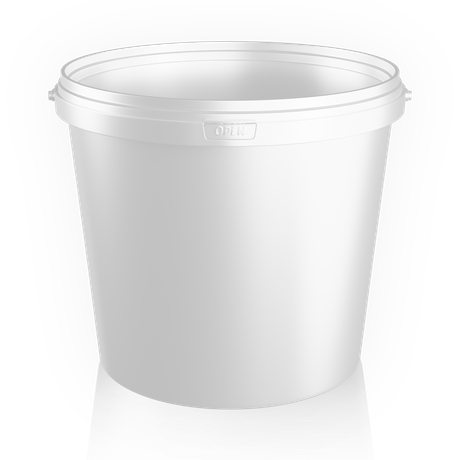
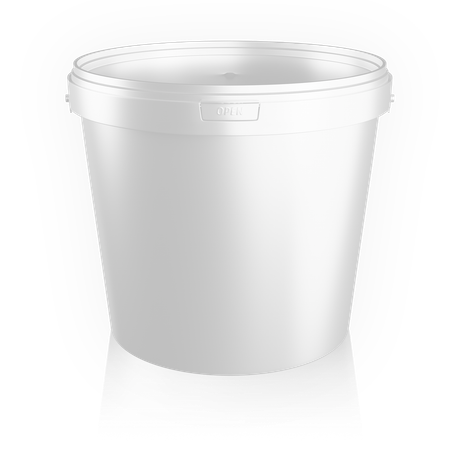
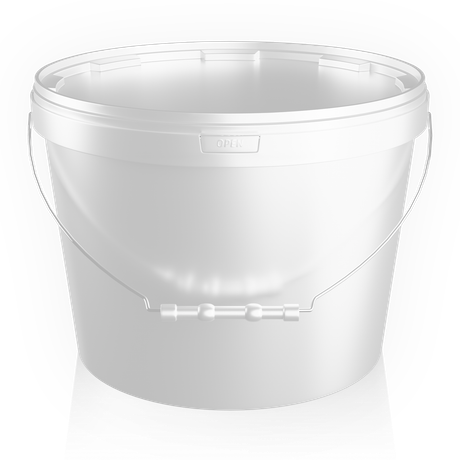
Packaging at the same scale: body width and height from the factory's product cards
Cafes and sweets · PKS560
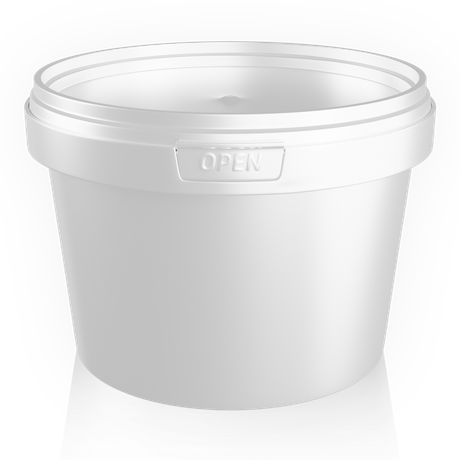
560 ml plastic bucket
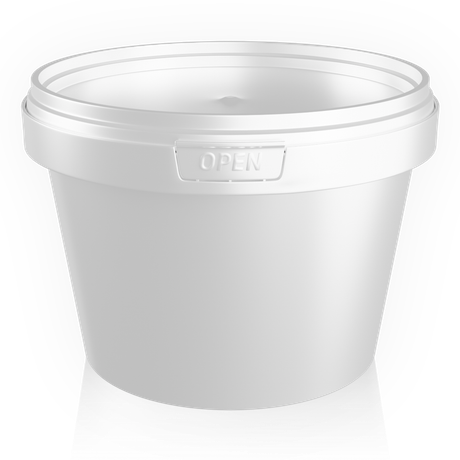
Highway cafes: sour cream and garlic sauce to go with takeout manty. Our smallest size, a serving for two.
Our best sellers in Tokmok are pickling buckets: vegetables from nearby fields are easy to pickle right in the packaging they'll later go to market in. Containers and trays go to cafes that feed travelers heading to Issyk-Kul. Builders take the 21 L when they need maximum capacity and the 18 L when the bucket has to be shorter.
A factory in the same region:what it means for Tokmok
For towns in the Chuy Valley, HTI's main advantage is simple: your packaging comes straight to you, with no middlemen and no warehouses along the way. That leads to a few practical benefits Tokmok buyers value most.
Salting shop11.5 L: about 12.1 kg of cucumbers with brine
No transshipment
Buckets are loaded at the plant and unloaded at your door, and nobody restacks them along the way. Fewer handoffs mean less risk of crushed lids or mixed-up sizes. For a town in Chuy Region, this is our standard delivery with our own trucks.
No six-month stockpile
A plant doesn't need to keep a whole season's worth of packaging on hand: when buckets run low, you order the next batch from your sales manager. The freed-up floor space goes to raw materials and finished products, not stacks of empty packaging.
Pickling the whole harvest
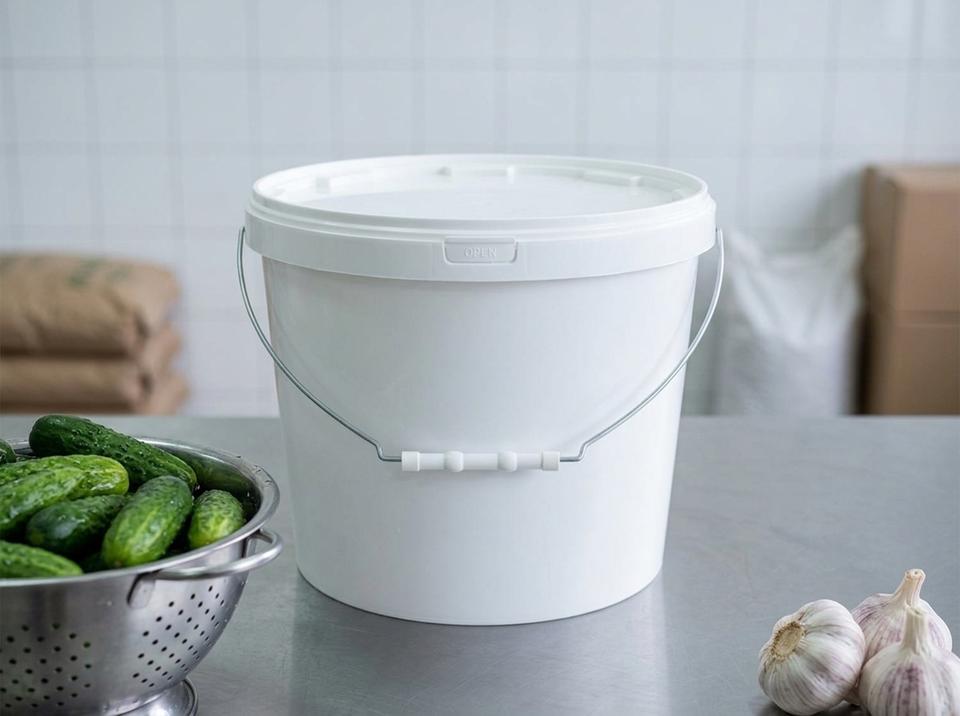
Cucumbers, tomatoes, and cabbage from the fields around Tokmok are pickled in 5.6 L and 11.5 L buckets. The lid comes off the full width of the bucket, so you can ladle out a cucumber or cabbage leaf without pouring off the brine.
Food for the road
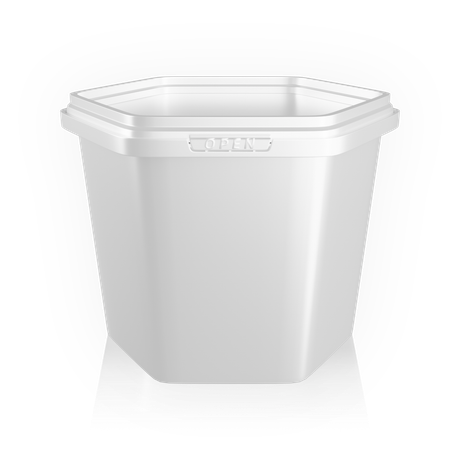
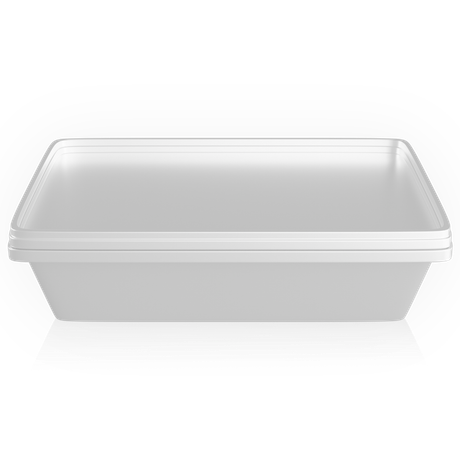
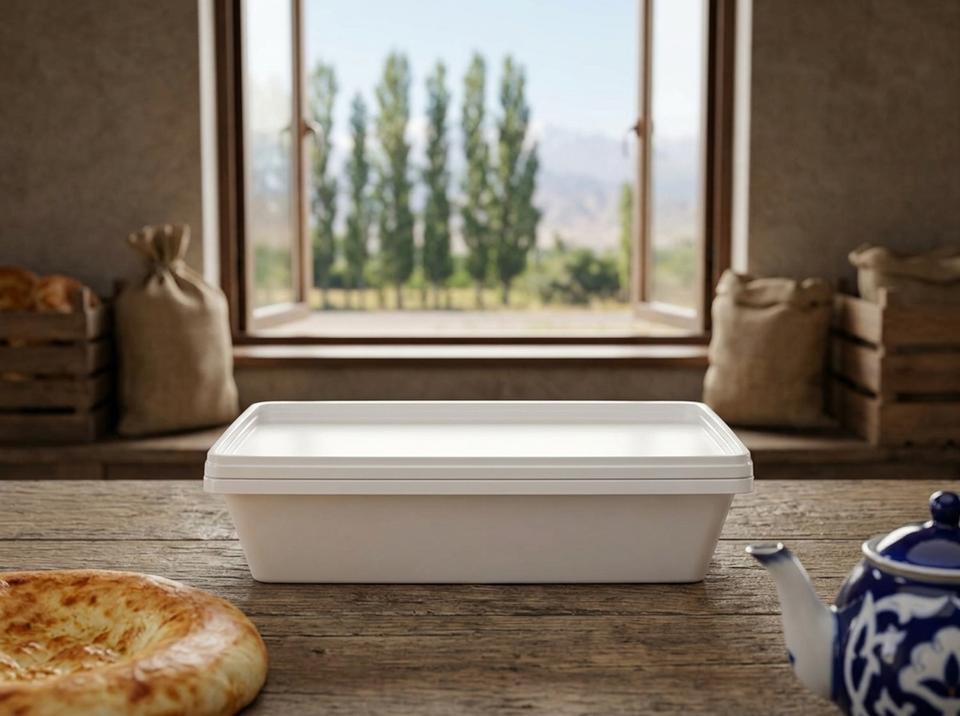
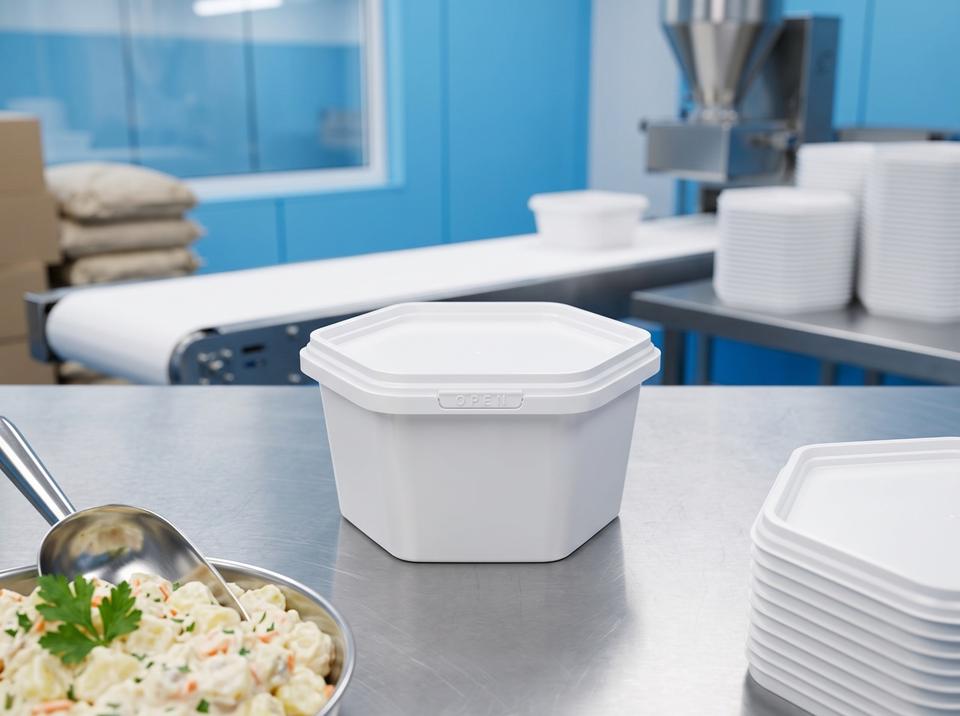
Cafes on the edge of town feed travelers heading to Issyk-Kul, and many orders are takeout. The 250 ml and 400 ml hexagonal containers suit salads and sauces, and the 750 ml flat tray suits a hot main course.
Finder
Plant, cafe, job site:a different pick for each
Getting the size wrong is costly: a bucket that's too big won't sell at retail, and one that's too small makes filling take twice as long. These pointers will help Tokmok buyers open the conversation with our sales manager by asking the right question.
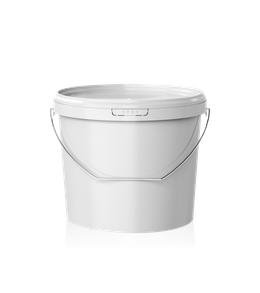
Pickling for the market: 5.6 L; for wholesalers and canteens: 11.5 L with a plastic grip on the bail handle.
Korean-style salads for the counter: 1 L or 2.3 L, so shoppers take home a few days' worth.
Pastry plants: 800 ml or 1 L for fillings and cream, 5.6 L for ingredient stock.
Takeout: 250 ml and 400 ml for salads, the 750 ml tray for hot food.
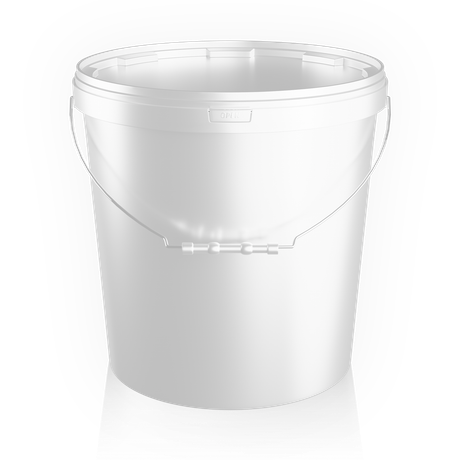
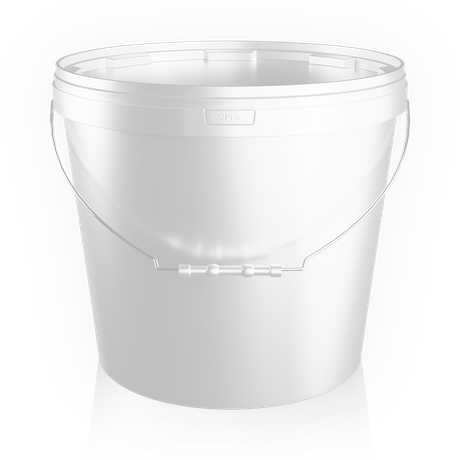
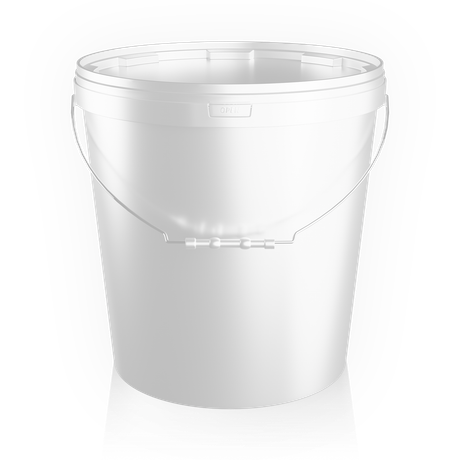
Finishing crews: 18 L or 21 L. Both have a 332 mm opening; only the body height differs.
Shipment estimate
How much packagingfits in one delivery
Choose an item and quantity, and we'll show the pallet count, units rounded up to full pallets, total nominal capacity in liters, empty packaging weight, and the truck you'll need.
Straight-line distance. Click a city to open its page.
Tokmok is in Chuy Region, just like our plant in the Bishkek FEZ, Ak-Chiy village, so we deliver here with our own trucks. You can also pick up your order: pallets are loaded right at the factory warehouse. HTI has no warehouse in Tokmok, and every shipment leaves straight from the plant. Once your order is put together, your sales manager confirms the delivery date and cost. If you order pickling buckets and cafe containers at the same time, they come on one truck.
Yes. Tokmok is in Chuy Region, and we deliver there with our own trucks, without a freight carrier. Your sales manager will confirm the date and cost once your order is put together.
Yes: pallet pickup is available from the factory warehouse in the Bishkek FEZ, Ak-Chiy village. Agree on the day with your sales manager in advance so your order is ready.
Most often 5.6 L and 11.5 L: the first holds about 5.9 kg of pickles with brine, the second about 12.1 kg. For small batches for the counter, buyers choose 2.3 L and 3 L. See our buckets for pickles page for a detailed breakdown.
For salads and sauces: 250 ml and 400 ml hexagonal containers or 385 ml and 550 ml round ones. For hot food: the 750 ml flat tray. All are polypropylene, white or clear, with a lid.
They have the same 332 mm opening; the difference is height: 286 mm versus 333.5 mm. The 18 L and 21 L share the same handle: a metal bail with a plastic grip.
Your sales manager calculates the price for your order based on the models, quantity, handles, and printing. Call +996 222 600 292, and you'll get the quote together with the cost of delivery within the region.
Yes. A label goes on the finished bucket, and for your regular product line, IML works well: the image is fused into the wall during molding and won't wear off in the wash. You discuss the artwork with your sales manager.
Tell us what you make and how much you produce per week. Our sales manager will pick the models, work out quantities for your first month, and arrange delivery within Chuy Region.