
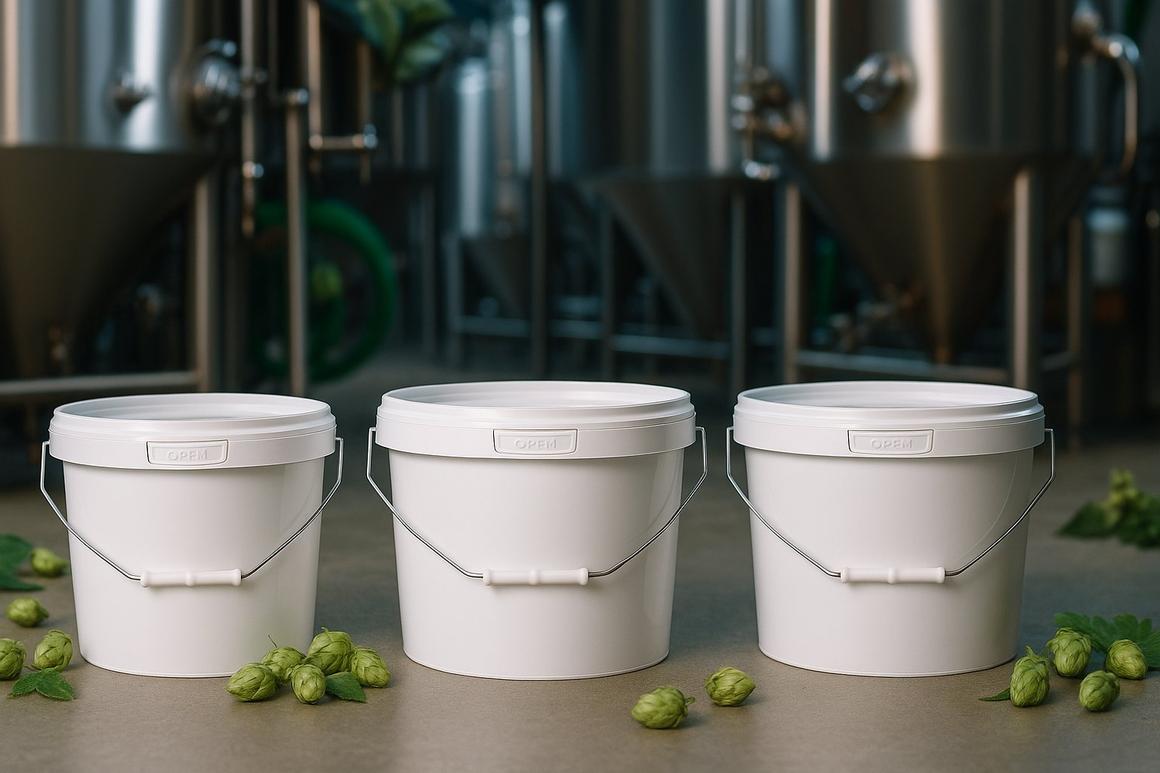
 1 L
 2.3 L
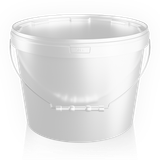 8 L
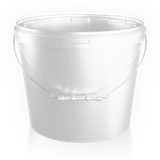 11.5 L
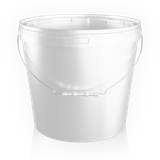 18 L
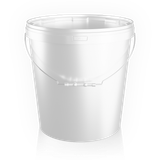 21 L
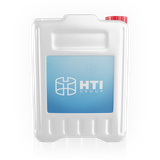 5 L
Our sales manager will contact you shortly
Request a callback from our specialist
Want to learn more about our packaging or find the right fit for your business? Request a callback, and our specialist will call you at a time that suits you. Tell us about your product, and we'll help you choose the best option.
Order a callback from a specialist
Want to learn more about our solutions or find the perfect solution for your business? Leave a request for a callback and our specialist will contact you at a convenient time. Together we will find the optimal solution to make your business thrive!
Request a callback from our HR team
Interested in our openings and career opportunities? Leave your contact details and our HR team will get back to you shortly. We'll answer your questions and explain how to join the HTI Group team.
Order a callback from a specialist
Would you like to learn more about our job openings and career opportunities? Leave your contact information, and our HR department will get in touch with you shortly. We will answer all your questions and provide detailed information on how to become part of the HTI Group team.
与我们取得联系
想了解更多我们的解决方案或为您的业务选择完美的解决方案吗?
请留下您的联系方式,我们的专家将尽快与您联系。
让我们一起找到最佳方案,助您的业务蓬勃发展!
要点电话回拨来自人力资源部门
想了解更多关于我们职位和职业发展的机会吗?请留下您的联系信息,我们的人力资源部门将尽快与您联系。我们将回答您的所有问题,并提供详细信息,帮助您成为HTI Group团队的一员。
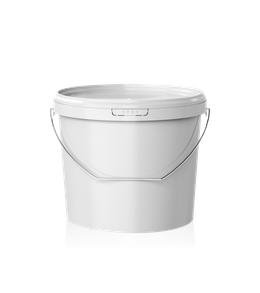 Plastic buckets14 sizes · 560 ml to 21 L
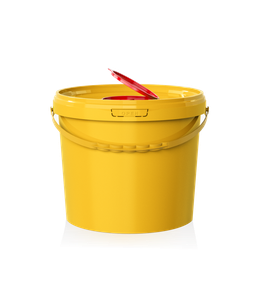 Medical buckets9 sizes · 1 to 21 L
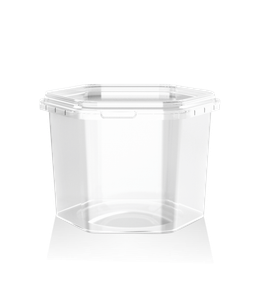 Food containers5 formats · 250 to 750 ml
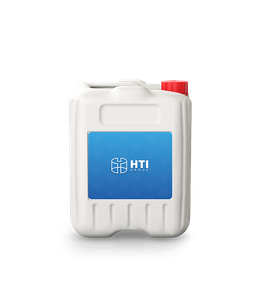 Plastic jerry cans5 L and 10 L
Plastic buckets16 models, 560 ml - 21 L
Medical buckets10 models, 1 - 21 L
Food containers5 models, 250 - 750 ml
Plastic canisters5 and 10 L
塑料桶16 个型号,560 毫升 - 21 升
食品容器5 个型号,250 - 750 毫升
塑料方桶5 升和 10 升
HTI AssistantFind the right packaging for your product in 4 steps
HTI AssistantOnline until 5:00 PM
Hello! We'll suggest the right size for your product, calculate pallets, and quote a price for your order.
Contact the plant
WhatsAppChat with a sales managerCall+996 222 600 292We'll call you backLeave your numberEmailinfo@hti-group.kg
Quick actions
Mon-Fri, 9:00 AM-5:00 PM · Factory in the Bishkek Free Economic Zone, Ak-Chiy village
Packaging by work area
Buckets for breweries and wineries: where plastic packaging fits in
Buckets for breweries and wineries are support packaging: they won't replace a brew kettle, a fermentation tank, or a keg, but they handle dozens of small jobs around them. Buckets hold leftover malt from an opened sack, hops, and additives; they carry wort and must, collect samples, and haul out spent grain and pomace. Jerry cans hold water and cleaning solutions. We walk through the work areas of a craft brewery and a small winery in Kyrgyzstan and Kazakhstan and give the size, opening, handle, and units per pallet for each.
1-21 Lsix buckets for specific jobs
5 and 10 Ljerry cans for water and cleaning solutions
from 8 Lmetal bail handle with grip for heavy loads
600-6 480buckets per pallet, by size
Work area map
Which packaging goes in each work area
Rows run from the smallest packaging to the largest, with jerry cans at the end; each size is listed with its work area and job. Every job gets one item, with dimensions, handle, weight, and units per pallet. The opening diameter matters where you work with a scoop or ladle, and the handle matters where you carry the bucket full.
Lineup at the same scalebody width and height per factory spec sheets
| Empty weight | Work area and job | Dimensions, mm | Handle | Empty weight | Units per pallet |
|---|---|---|---|---|---|
| 1 L | wort or wine sampling | Ø 132,5 × | plastic | 36 g | 6,480 |
| 2.3 L | hops and spices for one brew | Ø 175 × | metal bail handle | 62 g | 3,300 |
| 8 L | carrying wort by hand | Ø 276 × | bail handle with plastic grip | 250 g | 840 |
| 11.5 L | berries and must at grape intake | Ø 295 × | bail handle with plastic grip | 307 g | 816 |
| 18 L | malt from an opened sack | Ø 332 × | bail handle with plastic grip | 526 g | 600 |
| 21 L | spent grain and pomace for removal | Ø 332 × | bail handle with plastic grip | 620 g | 600 |
| 5 L | cleaning solution at the wash station | 163 × | molded-in | 240 g | 180 |
| 10 L | rinse water supply | 201 × | molded-in | 420 g | 100 |
The two largest buckets, 18 and 21 L, share the same 332 mm opening, and the same number of each fits on a pallet: malt and waste get the same diameter, and you tell them apart by body color. An 8 L bucket of water weighs 8.25 kg including the bucket; wort is denser than water, so in practice it comes out heavier. Empty buckets nest inside each other, jerry cans don't.
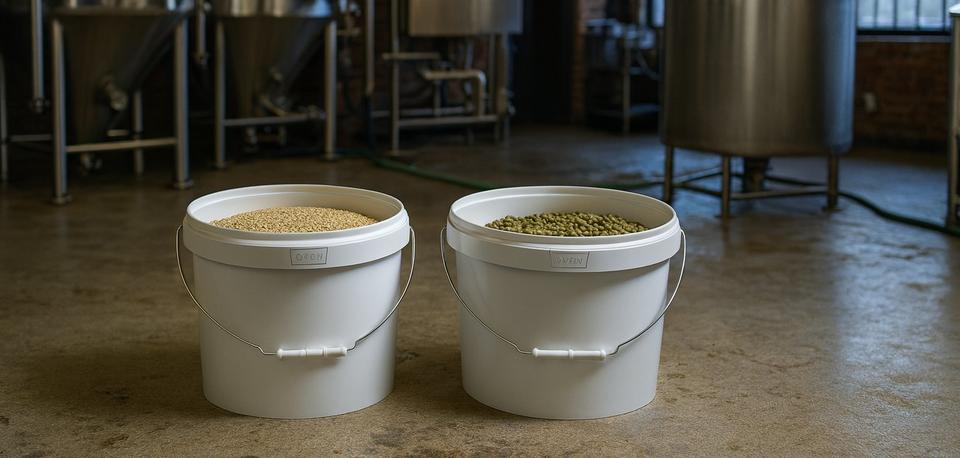
Brewer's tool
Pick an area to see its packaging
The tool covers eight work scenarios: raw material storage, brewing, sampling, grape intake, cleaning, and waste removal. Click any of them to see the item to scale with its dimensions, handle, and units per pallet. Neighboring rows show how much taller the 21 L bucket is than the 8 L one.
Packaging from this page's lineup
Work area and job
The rows come from this page's table: each one has its own packaging.
How much product do you package per month
L
We ship in full pallets, so the number of pallets is rounded up.
Shelf length, cm
cm
Shelf depth, cmcm
Based on the top dimensions of the packaging, in a single layer, with no gaps between items.
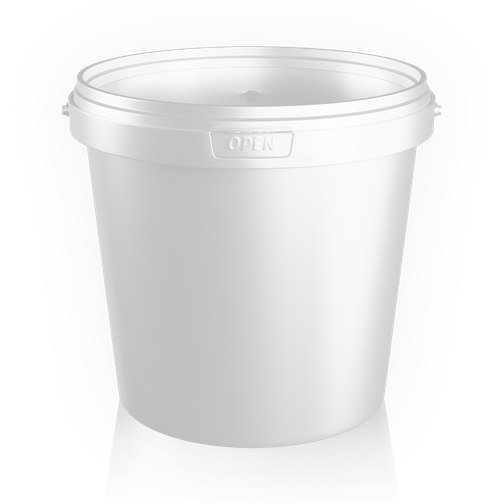 121 mm
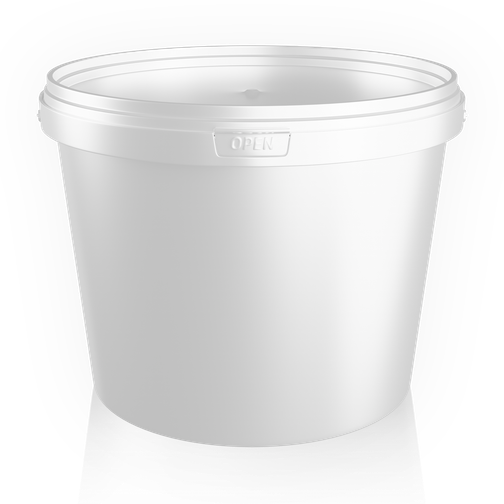 132 mm
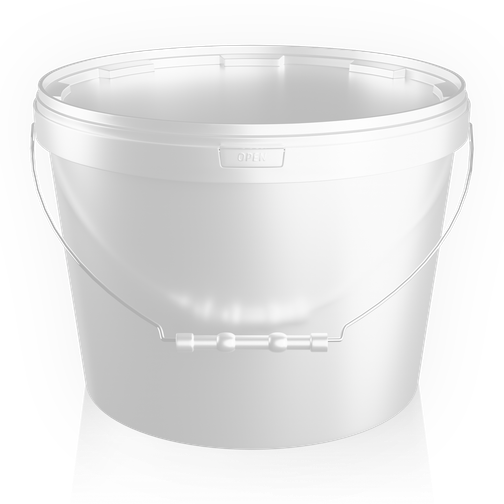 197.5 mm
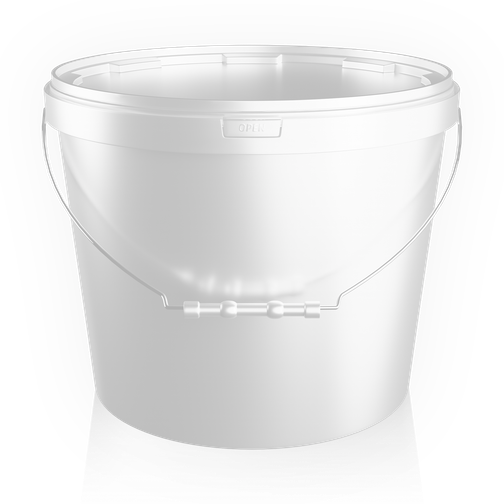 234 mm
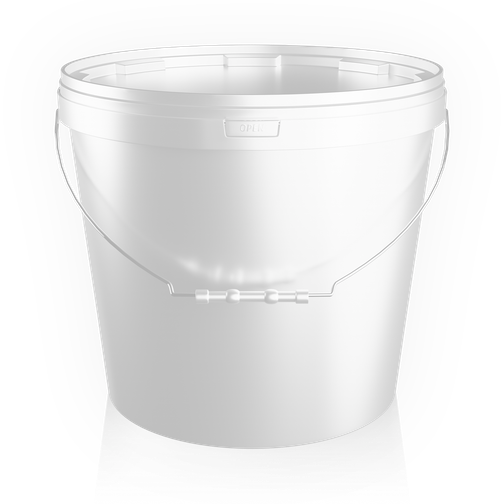 286 mm
 333.5 mm
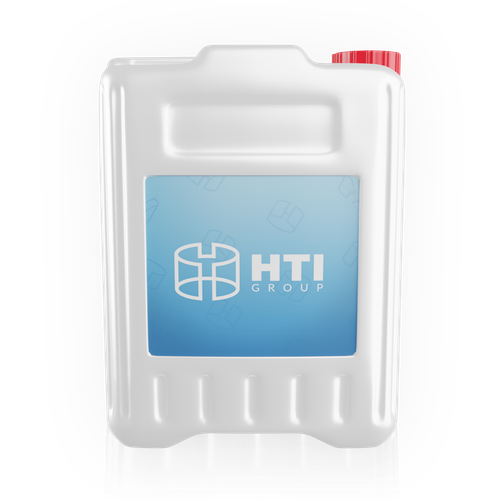 240 mm296 mm
Shop floor rules
Five rules for using plastic packaging in production
Plastic packaging won't let you down when every bucket has an assigned role and place. These rules aren't about material properties but about order: they come from the experience of small producers and mark the line that support packaging shouldn't cross.
1Don't turn a bucket into a pressurized fermenter: we don't claim it holds gas, and we don't state how long a product can stay in it. The only way to check an idea like that is a trial batch.
2Color-code your packaging: one body color for raw materials and product, another for cleaning solutions, and a third for waste. Choose colors from our palette, and keep clear bodies where you need to see the fill level.
3Label every bucket with the malt type, the date the sack was opened, and the brew number or grape lot. Stick the label on the side, not on the lid.
4Work out the load before you lift. An 8 L bucket full of water weighs 8.25 kg, and a 10 L jerry can about 10.42 kg; wort is heavier than water.8 L bucket10 L jerry can
5Store empty buckets in stacks, since they nest inside each other. Jerry cans need more room: a pallet holds 180 of the 5 L size or 100 of the 10 L size.
Four work areas
From raw material storage to wash station: what packaging does at each stage
A craft brewery in Bishkek or Almaty and a family winery in the foothills are set up differently, but their support jobs are similar: measure, carry, sample for analysis, clean up. Below are four work areas and their packaging. Kettles, tanks, presses, and kegs are outside the scope of this article.
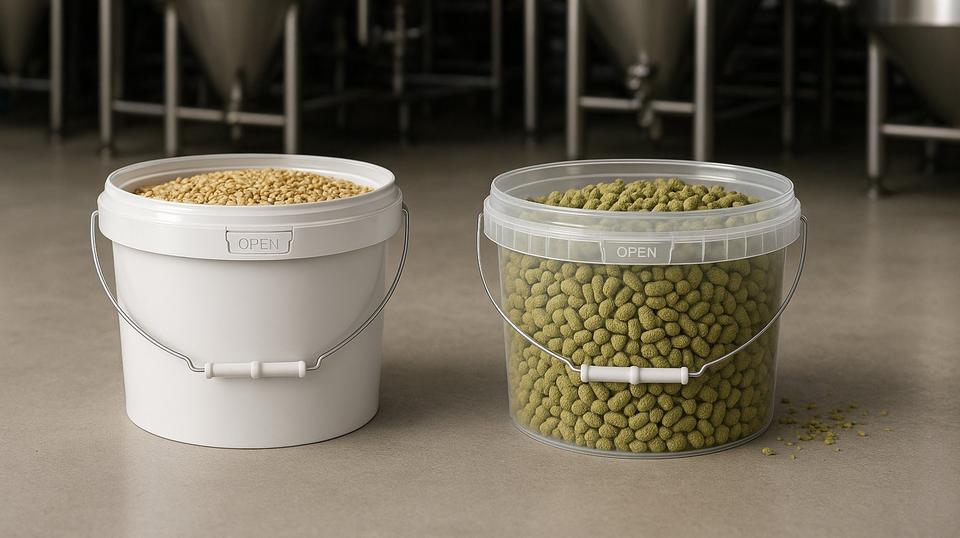
Raw material storage: malt and hops
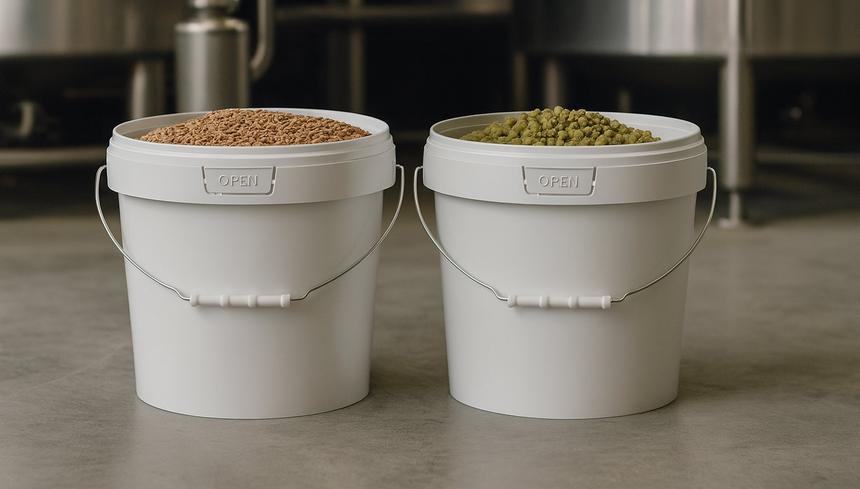
An opened sack of malt is a nuisance: it slumps over, and the grain picks up moisture and warehouse odors. Brewers pour the rest into an 18 L bucket, and a scoop goes easily through its 332 mm opening. Specialty malts, pelletized hops, spices, and zest for a single brew are portioned into 2.3 L buckets labeled with the variety. The lid keeps dust off the ingredients.
Brewhouse and crush pad: carrying
Where there's no pump or the hose won't reach, wort, juice, and must are carried in 8 and 11.5 L buckets. Both have a metal bail handle with a plastic grip, so the weight doesn't cut into your palm, and a ladle fits through their 276 and 295 mm openings. We don't state how hot a liquid you can pour in, so test it in your own process.
Quality control: samples
A wort sample for a gravity reading or a wine sample from the barrel goes in a 1 L bucket with a plastic handle: it weighs 36 g empty and fits on a lab bench. The clear body shows color and sediment. A batch sample is closed with a lid, and an intact OPEN tear strip later confirms the lid hasn't been removed since sampling.
Cleaning and waste removal
The working cleaning solution sits in a 5 L jerry can by the wash station, and rinse water in a 10 L one; a screw cap closes the neck. Test your cleaner's compatibility with the packaging on a single jerry can first. Spent grain, pomace, stems, and sediment go into 21 L buckets, 333.5 mm tall. Give waste buckets their own color.
Logistics
How to order packaging for brewing season and grape harvest
A brewery uses packaging at a steady rate, while a winery's demand peaks at harvest, so it's best to place your order before the season starts and ask our sales manager about delivery time and cost. We sell in full pallets, and one truck can carry different items, say a pallet of 21 L buckets, a pallet of 8 L, and a pallet of jerry cans. Producers in Bishkek and the Chuy Region get their order on our own delivery trucks or pick it up from the warehouse in Ak-Chiy, in the Bishkek Free Economic Zone (FEZ). Orders for Osh, Jalal-Abad, and the towns around Issyk-Kul go by freight carrier. Pallets for Almaty, Shymkent, Taraz, and Astana ship within the EAEU.
Further reading
Further reading before you order packaging for your facility
Elsewhere on our blog: a comparison of buckets and jerry cans for liquids, a guide to units per pallet, and a look at when a bucket can be reused. They make it easier to set up raw material storage and a wash station without buying more than you need.
All blog articles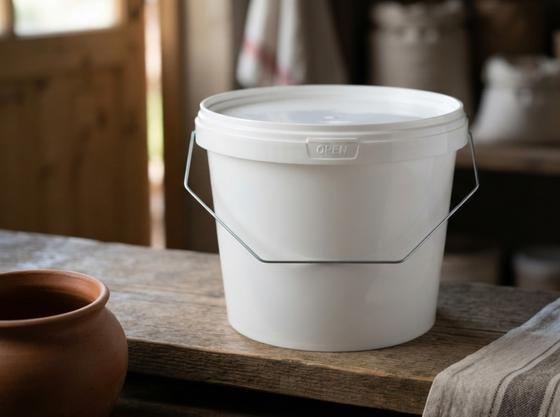 How to store honeyBucket size, moisture, odors, and crystallizationProducts and industries · 6 min
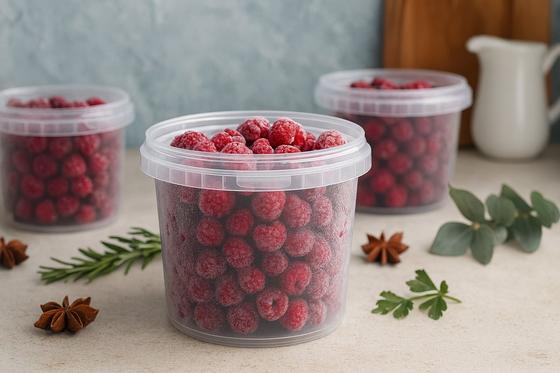 Packaging for freezingHow to choose packaging and test it in your own freezerProducts and industries · 8 min
 Ointments and gelsWide-mouth jars and buckets for thick formulasProducts and industries · 8 min
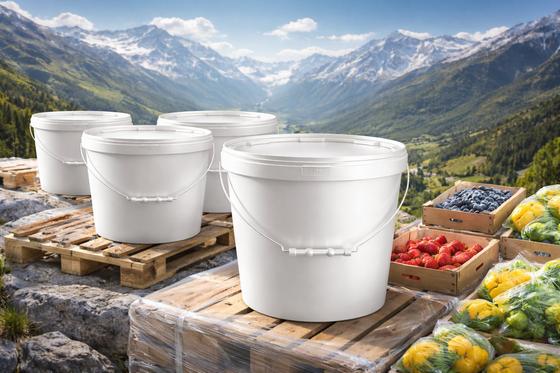 Export packagingHow packaging helps your product reach another country intactOrdering and logistics · 8 min
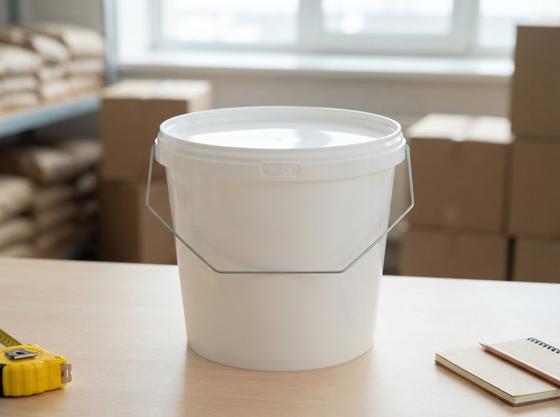 How to choose a bucketSeven parameters to check before you orderChoosing packaging · 7 min
 IML vs labelsEight scenarios and a clear answer on how to label a bucketMaterial and labeling · 6 min
Questions and answers
Questions about buckets for breweries and wineries
Home brewers and winemakers do it, but we don't market our buckets as fermenters: we don't promise they hold gas pressure, and we don't state how long a product can stay in them. Test a trial batch with your own product under your own conditions.
For the rest of an opened sack, the 18 L bucket works well: a 332 mm opening and 526 g empty. Specialty malts, which you use in small amounts per brew, go into 2.3 L buckets with a 175 mm opening. How many kilograms fit depends on the malt type and the crush, so weigh it to find out.
An opened pack of pellets usually goes into a small lidded container and into cold storage. From our lineup, the 1 L or 2.3 L bucket works for this. We make no claims about preserving aroma: brewers put the hops into the bucket still in their bag, squeezed shut, and the bucket keeps the shelf tidy and the variety labeled.
Use two sizes, 8 L and 11.5 L: both have a metal bail handle with a plastic grip and weigh 250 g and 307 g empty. Don't fill them to the brim, or a full bucket will slosh as you walk. We have no data on handling hot liquids, so test it in your own process or move the wort once it has cooled.
The concentrate stays in the supplier's packaging, while the working solution and rinse water are handy in labeled jerry cans by the wash station: the 5 L one has a 163 × 190 mm footprint, the 10 L one 201 × 234 mm. We make no claims about resistance to alkaline or acid cleaners.
Use the largest buckets, 21 L, which weigh 620 g empty. The metal bail handle with a plastic grip helps you carry a full bucket out to the yard, where a farmer picks up the waste for feed or compost. Give waste buckets their own body color and never use them for raw materials again.
A pallet holds 6,480 buckets of 1 L, 3,300 of 2.3 L, 840 of 8 L, 816 of 11.5 L, and 600 of 18 L or 21 L. For jerry cans, it's 180 of 5 L or 100 of 10 L. We sell in full pallets, and one shipment can combine pallets of different items.
Catalog
Buckets and jerry cans for support tasks in the catalog
Our catalog lists every size with dimensions, handles, and units per pallet, so you can put together a set for your facility right from it. For malt and waste, see large buckets; for water and cleaning solutions, see 5 and 10 L jerry cans.
Quote
Putting together a packaging set for your facility?
Tell our sales manager about your operation: batch size or seasonal grape harvest, which work areas you have, and what you carry by hand. They'll suggest two or three bucket sizes plus jerry cans and work out the pallets. Let us know up front which body colors you want for raw materials and for waste.