
 1 L
 2.3 L
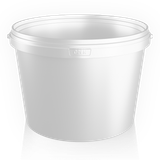 3 L
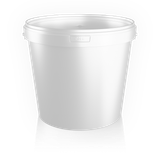 5.6 L
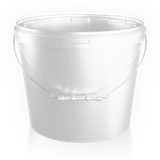 11.5 L
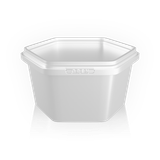 250 ml
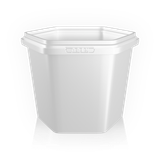 400 ml
Our sales manager will contact you shortly
Request a callback from our specialist
Want to learn more about our packaging or find the right fit for your business? Request a callback, and our specialist will call you at a time that suits you. Tell us about your product, and we'll help you choose the best option.
Order a callback from a specialist
Want to learn more about our solutions or find the perfect solution for your business? Leave a request for a callback and our specialist will contact you at a convenient time. Together we will find the optimal solution to make your business thrive!
Request a callback from our HR team
Interested in our openings and career opportunities? Leave your contact details and our HR team will get back to you shortly. We'll answer your questions and explain how to join the HTI Group team.
Order a callback from a specialist
Would you like to learn more about our job openings and career opportunities? Leave your contact information, and our HR department will get in touch with you shortly. We will answer all your questions and provide detailed information on how to become part of the HTI Group team.
与我们取得联系
想了解更多我们的解决方案或为您的业务选择完美的解决方案吗?
请留下您的联系方式,我们的专家将尽快与您联系。
让我们一起找到最佳方案,助您的业务蓬勃发展!
要点电话回拨来自人力资源部门
想了解更多关于我们职位和职业发展的机会吗?请留下您的联系信息,我们的人力资源部门将尽快与您联系。我们将回答您的所有问题,并提供详细信息,帮助您成为HTI Group团队的一员。
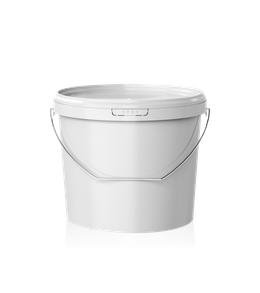 Plastic buckets14 sizes · 560 ml to 21 L
 Medical buckets9 sizes · 1 to 21 L
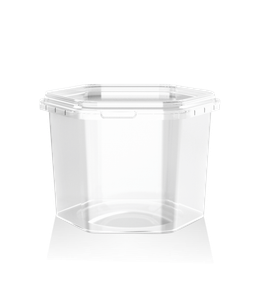 Food containers5 formats · 250 to 750 ml
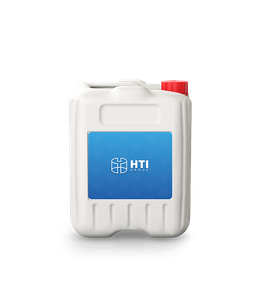 Plastic jerry cans5 L and 10 L
Plastic buckets16 models, 560 ml - 21 L
Medical buckets10 models, 1 - 21 L
Food containers5 models, 250 - 750 ml
Plastic canisters5 and 10 L
塑料桶16 个型号,560 毫升 - 21 升
食品容器5 个型号,250 - 750 毫升
塑料方桶5 升和 10 升
HTI AssistantFind the right packaging for your product in 4 steps
HTI AssistantOnline until 5:00 PM
Hello! We'll suggest the right size for your product, calculate pallets, and quote a price for your order.
Contact the plant
WhatsAppChat with a sales managerCall+996 222 600 292We'll call you backLeave your numberEmailinfo@hti-group.kg
Quick actions
Mon-Fri, 9:00 AM-5:00 PM · Factory in the Bishkek Free Economic Zone, Ak-Chiy village
Strawberries and raspberries
Berry buckets: picking, bazaar, and puree
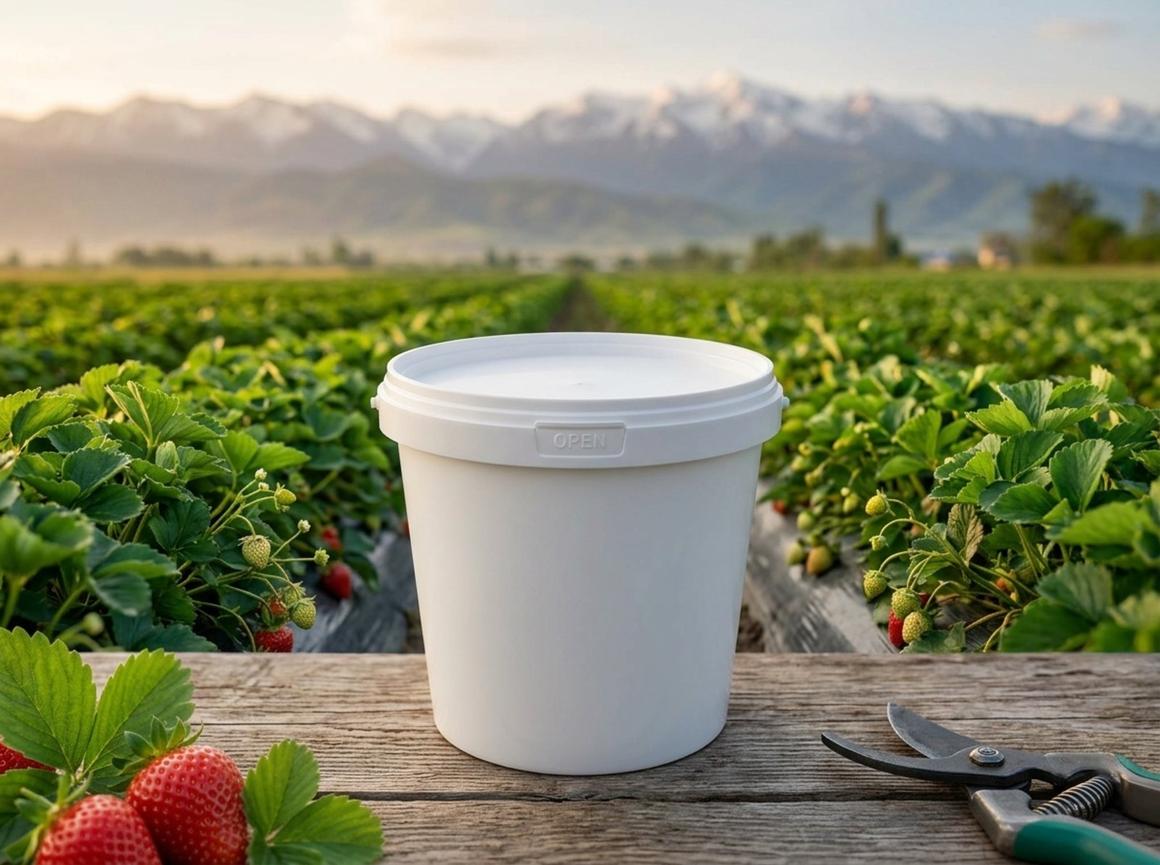
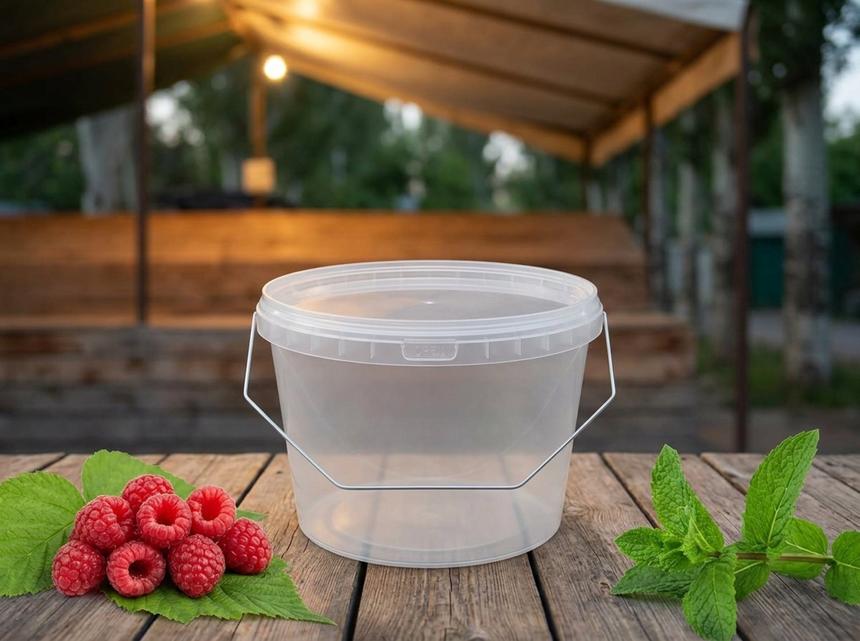
Berries hate being moved around: raspberries leak, strawberries bruise, and sea buckthorn bursts with every extra shake. That's why growers pick straight into the packaging that goes to the market and home with the customer. In the Bishkek Free Economic Zone (FEZ), HTI molds lightweight food-grade buckets from 560 ml to 21 L, plus 250 ml and 400 ml hexagonal containers, for pickers, market vendors, and berry puree producers.
137 mm3 L bucket height
1.18 Lbrim-full, 1 L bucket
250-400 mlraspberry containers
6,4801 L buckets per pallet
How to choose
Which berry takes which size
Choose packaging for the most delicate berry you sell and for whoever carries it: the picker, the driver, or the customer. A farm that sells both strawberries and sea buckthorn usually stocks three sizes: one for picking, one for the market stall, and one for processing.
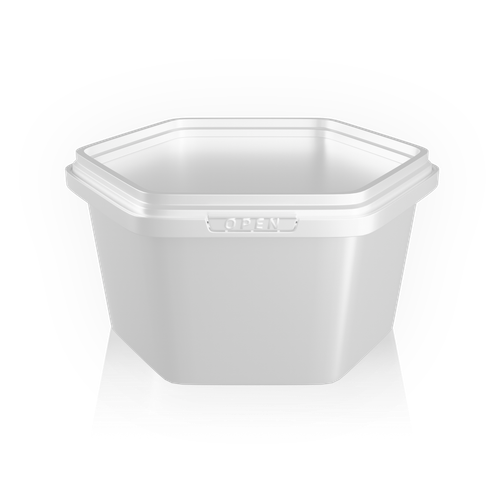
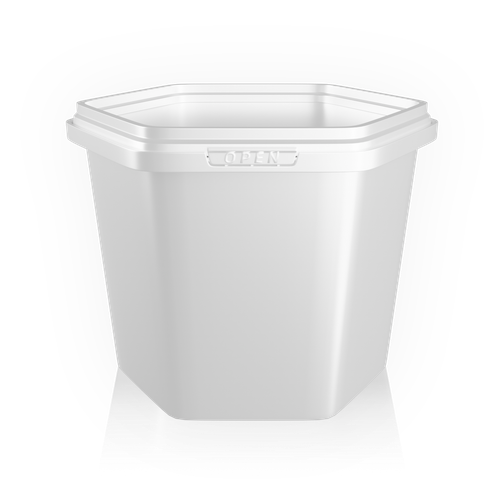
1Raspberries and blackberries: a hexagonal 250 ml container just 50 mm tall, or a 400 ml one, so the berries lie in a few layers instead of a tall pile.250 ml container400 ml container
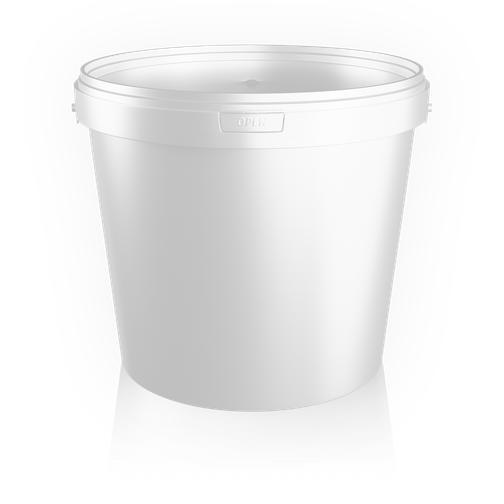
2Strawberries picked and sold by the liter: a 1 L bucket with a plastic handle.1 L bucket
3Market stalls: 3 L, with a 200 mm opening and a height of just 137 mm.3 L bucket
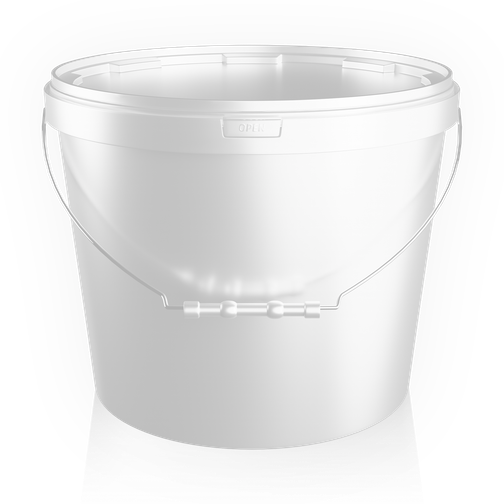
4Picking currants, cherries, and sea buckthorn: 5.6 L with a bail handle.5.6 L bucket
5Puree and berries for processing: 11.5 L. For jam and preserves, see our buckets for jam and fruit butter.11.5 L bucket
Berry tool
The shallower the layer, the fewer crushed berries
Raspberries and blackberries go into shallow packaging, strawberries travel by the liter, and sea buckthorn is picked by the bucketful. Select a berry to see the packaging to scale, its body height, and where it works best: in the field, at the market, or in the processing shop.
Packaging from this page's lineup
Berries
The rows come from this page's table: each one has its own packaging.
How much product do you package per month
L
We ship in full pallets, so the number of pallets is rounded up.
Shelf length, cm
cm
Shelf depth, cmcm
Calculated by the top size of the packaging, in a single layer, with no gaps between neighboring items.
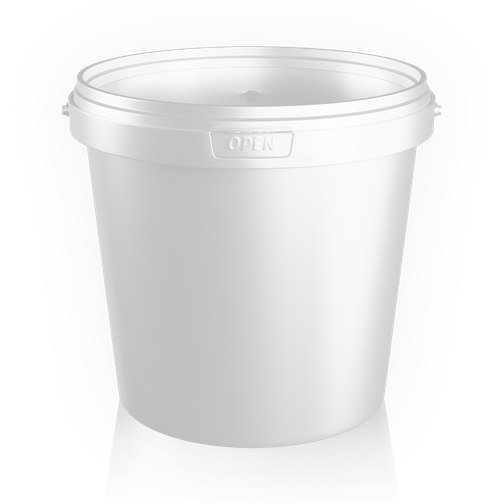 121 mm
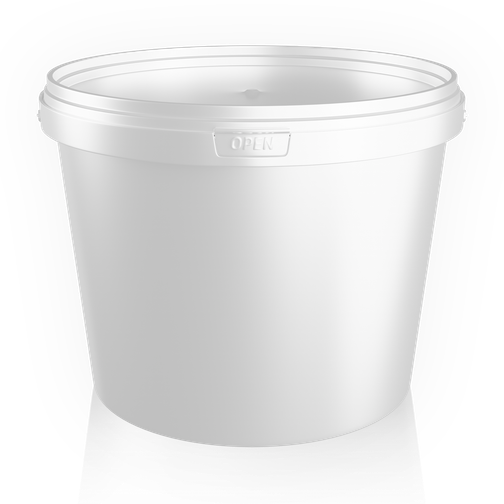 132 mm
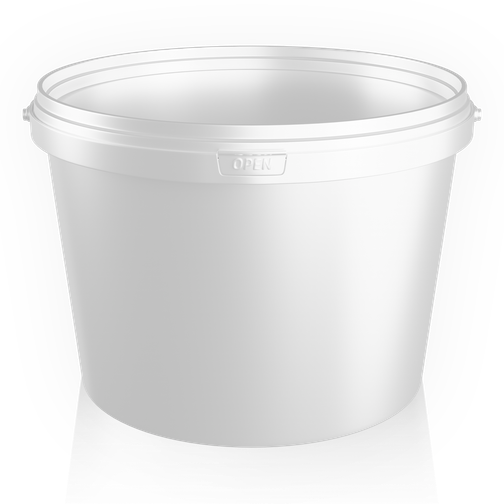 137 mm
 193 mm
 234 mm
 50 mm
 77 mm
Layer depth
The shallower the layer, the fewer crushed berries
Soft berries crush under their own weight: by the end of the trip, the bottom layer of raspberries in a deep container turns to juice. So for berries, it's not just capacity that matters but how deep the layer gets. The table shows the body height and opening of each size, plus which berries are usually picked, transported, and sold in it.
Lineup at the same scalebody width and height per factory spec sheets
| Volume | Model | Height, mm | Opening, mm | Berries | Where it's used |
|---|---|---|---|---|---|
| 250 ml | PHD250 | 50 | 110 x 100,5 | raspberries, blackberries | market and coffee shop servings |
| 400 ml | PHD400 | 77 | 110 x 100,5 | currants, gooseberries | farm shop shelf |
| 1 L | PK10 | 121 | 132.5 | strawberries, cherries | picking and selling by the liter |
| 2.3 L | PK23 | 132 | 175 | raspberries, strawberries | market stall |
| 3 L | PK30 | 137 | 200 | strawberries, sweet cherries | roadside stand |
| 5.6 L | PK56 | 193 | 224 | sea buckthorn, currants | picking and transport |
| 11.5 L | PK115 | 234 | 295 | berries for puree, sea buckthorn for juice | processing shop |
Compare the 3 and 3.8 L buckets: both have the same 200 mm opening, but the three-liter bucket is 39 mm shorter. For raspberries and blackberries, that difference matters: the berries bruise less in it. Currants, gooseberries, and cherries hardly mind the height, so they can travel in 5.6 L buckets, while berries headed for puree go to the processing shop in 11.5 L buckets.
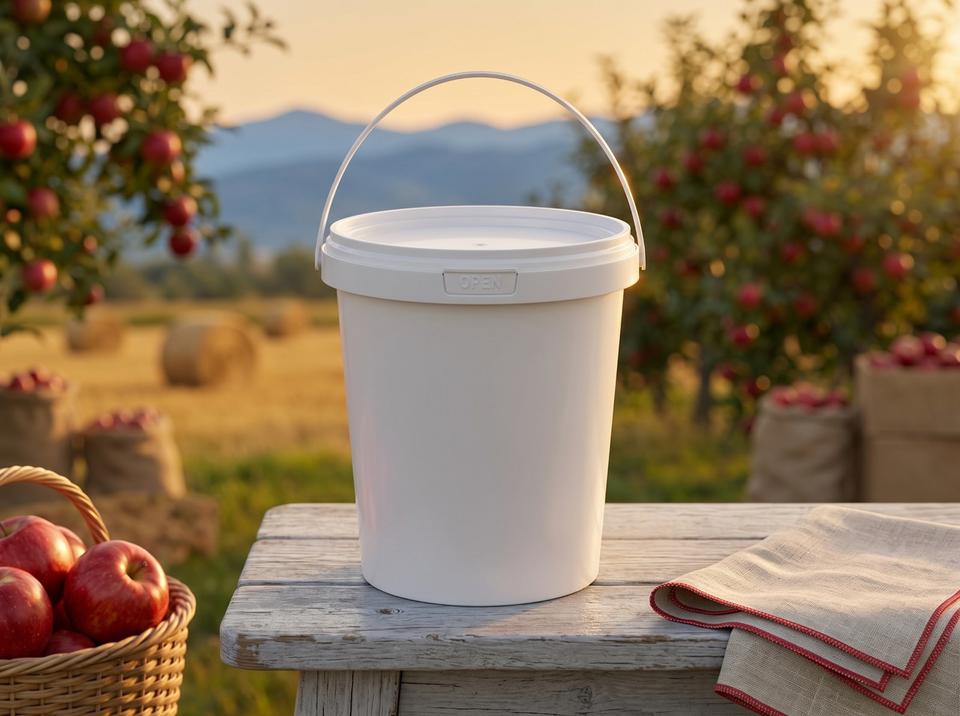
Delicate harvest
From the berry patch to the stall in one bucket
Berries are the fussiest product at any bazaar: hard to transport, quick to spoil, and impossible to repack without losses. The fewer times they're handled between the bush and the customer, the more of them sell at full price. Here's how the bucket helps at every step.
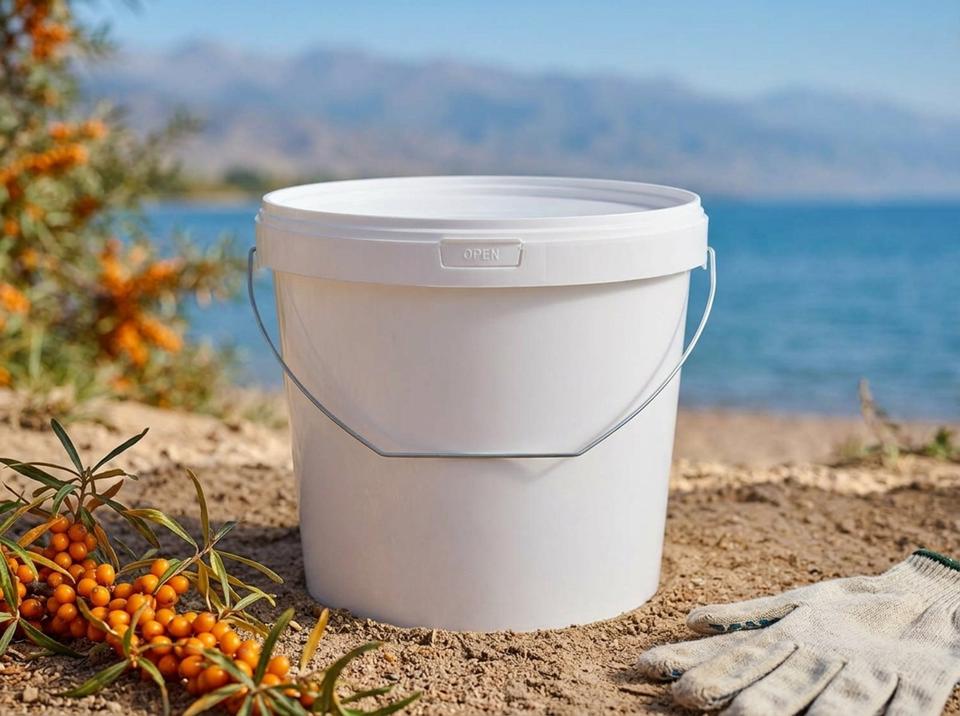
Straight from picking to selling
Every time berries are transferred, they lose juice and looks. Pick strawberries or raspberries straight into a 1 or 2.3 L bucket, and the same bucket goes to the market and home with the customer. The berries are handled only twice: in the field and in the customer's kitchen.
On the picker's arm
The one-liter bucket has a plastic handle; the 2.3 and 3 L buckets come with either a metal bail handle or a plastic handle. The bucket hangs in the crook of your arm, leaving both hands free for picking. Empty buckets nest inside each other, so pickers can take a whole stack to the field.
Picked at dawn, at the market by opening time
Berries are picked at dawn and taken to the market the same day. A closed bucket keeps them from spilling in the truck bed and protects them from road dust, and at the stall the lid comes off only while you're selling.
The bottom layer is on show too
Ripe strawberries and raspberries sell themselves on color. A clear bucket shows the berries from every side, including the bottom, so customers can see there are no crushed berries under a pretty top layer. For an honest vendor, that's a selling point, not a risk.
Logistics
Packaging in place before the first berries
Berry season won't wait: once strawberries ripen, it's too late to order packaging, so buy buckets and containers in advance. You can pick up pallets from our plant in the Bishkek FEZ, Ak-Chiy village. Our own trucks deliver to farmers in the Chuy Valley, including Kemin and Tokmok, and we ship via a freight carrier to Issyk-Kul, Karakol, Cholpon-Ata, Talas, Osh, and Jalal-Abad. Buckets go to Kazakhstan, including Almaty and Taldykorgan, by the pallet within the EAEU. Your sales manager confirms delivery time and cost when you place your order. One-liter buckets nest tightly, 6,480 per pallet, so a large supply fits in a small shed.

Related guides
Where berries go after picking
Berries get cooked into jam and preserves, dried alongside nuts and dried fruit, and served with desserts in coffee shops.
All 46 guides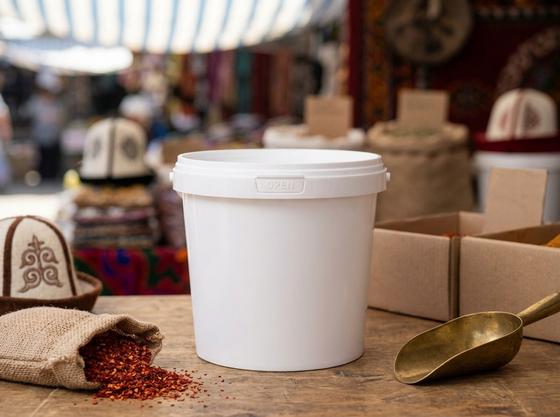 Buckets for spices and dry goodscumin, pepper, rice, sugar, feed560 ml-21 L
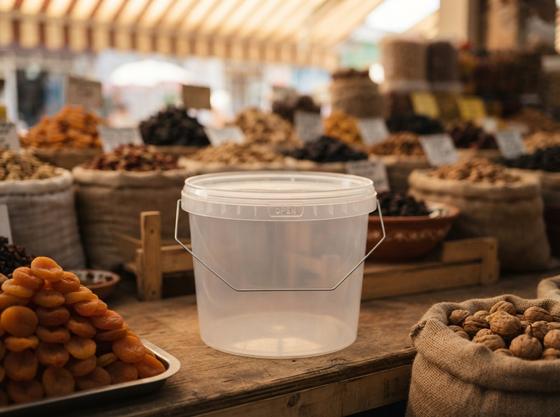 Nut and dried fruit bucketswalnuts, almonds, dried apricots, raisins, mixes0.25-21 L
 Buckets for honeyapiary honey, creamed honey, retail packing850 ml-21 L
 Buckets for beeswax and propolisbeeswax, propolis, bee bread, pollen, honey cappings560 ml-21 L
 Buckets for jam and fruit butterpreserves, jam, fruit butter, fillings560 ml-18 L
 Buckets for condensed milkcondensed milk, dulce de leche, milk spreads560 ml-21 L
Questions and answers
Berry growers and sellers: frequently asked questions
The bucket's nominal capacity is one liter, and it holds 1.18 L brim-full. If you sell by the liter, fill it to the level where the lid closes without pressing on the top layer. Weight depends on the berry, so if you sell by weight, put the bucket on the scale.
Yes, if you choose shallow packaging: raspberries and blackberries travel best in 250 and 400 ml containers or in a 2.3 L bucket that's just 132 mm tall. In a deep bucket, the bottom layer gets crushed under the weight of the top.
Yes. Sea buckthorn picked on the twig or as loose berries fits nicely in a 5.6 L bucket with a bail handle, and for processing into puree and juice, growers use the 11.5 L size. The lid keeps the bucket closed on the road, so juice doesn't stain the truck bed.
Our sales manager prices your order based on sizes, quantity, color, and printing. Call +996 222 600 292 and tell us how much you harvest each season, and we'll pick the right buckets and containers and quote a price.
Yes, with a label or with in-mold labeling (IML), where the image is fused into the wall during molding. On a clear bucket, the design is placed so the berries stay visible. Learn more on our IML printed buckets page.
Yes, by the pallet within the EAEU to Almaty, Taldykorgan, Shymkent, and other cities. Your sales manager confirms delivery time and cost when you place the order, so it's best to order packaging well ahead of the season.
On the road, yes: the lid keeps berries from spilling over bumps and protects them from dust. At the stall, take it off while you're selling and put it back when you step away or close up for the day.
Catalog
Berry packaging in a single order
Our catalog lists buckets from 560 ml to 21 L and 250 and 400 ml containers, with dimensions and tare weights. To see how farmers pack berries and fruit for sale, read our article on berry packaging, and for the full farm packaging lineup, see our farms and agribusinesses section.
Request
Getting ready for berry season?
Tell us which berries you grow, your approximate harvest, and how you sell: from the field, at the market, or to a processor. Our sales manager will put together a set of buckets and containers and calculate how many pallets you'll need for the season.