
 800 ml
 1 L
 3 L
 8 L
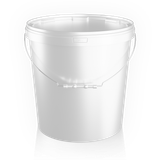 15 L
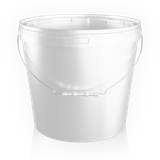 18 L
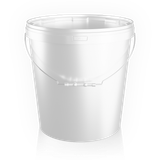 21 L
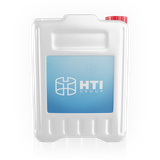 10 L
Our sales manager will contact you shortly
Request a callback from our specialist
Want to learn more about our packaging or find the right fit for your business? Request a callback, and our specialist will call you at a time that suits you. Tell us about your product, and we'll help you choose the best option.
Order a callback from a specialist
Want to learn more about our solutions or find the perfect solution for your business? Leave a request for a callback and our specialist will contact you at a convenient time. Together we will find the optimal solution to make your business thrive!
Request a callback from our HR team
Interested in our openings and career opportunities? Leave your contact details and our HR team will get back to you shortly. We'll answer your questions and explain how to join the HTI Group team.
Order a callback from a specialist
Would you like to learn more about our job openings and career opportunities? Leave your contact information, and our HR department will get in touch with you shortly. We will answer all your questions and provide detailed information on how to become part of the HTI Group team.
与我们取得联系
想了解更多我们的解决方案或为您的业务选择完美的解决方案吗?
请留下您的联系方式,我们的专家将尽快与您联系。
让我们一起找到最佳方案,助您的业务蓬勃发展!
请留下您的联系方式,我们的专家将尽快与您联系。
让我们一起找到最佳方案,助您的业务蓬勃发展!
要点电话回拨来自人力资源部门
想了解更多关于我们职位和职业发展的机会吗?请留下您的联系信息,我们的人力资源部门将尽快与您联系。我们将回答您的所有问题,并提供详细信息,帮助您成为HTI Group团队的一员。
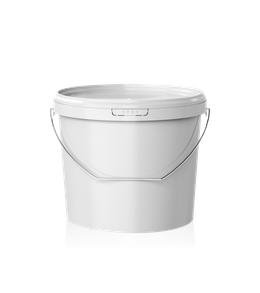 Plastic buckets14 sizes · 560 ml to 21 L
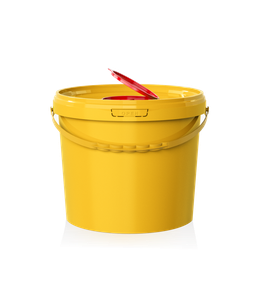 Medical buckets9 sizes · 1 to 21 L
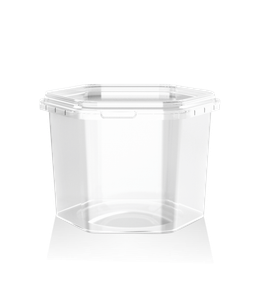 Food containers5 formats · 250 to 750 ml
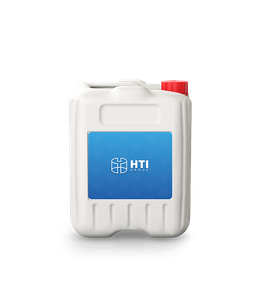 Plastic jerry cans5 L and 10 L
Plastic buckets16 models, 560 ml - 21 L
Medical buckets10 models, 1 - 21 L
Food containers5 models, 250 - 750 ml
Plastic canisters5 and 10 L
塑料桶16 个型号,560 毫升 - 21 升
食品容器5 个型号,250 - 750 毫升
塑料方桶5 升和 10 升
HTI AssistantFind the right packaging for your product in 4 steps
HTI AssistantOnline until 5:00 PM
Hello! We'll suggest the right size for your product, calculate pallets, and quote a price for your order.
Contact the plant
WhatsAppChat with a sales managerCall+996 222 600 292We'll call you backLeave your numberEmailinfo@hti-group.kg
Quick actions
Mon-Fri, 9:00 AM-5:00 PM · Factory in the Bishkek Free Economic Zone, Ak-Chiy village
Packaging for the long haul
Packaging for export: how it helps your goods arrive intact
Export packaging has a longer job than usual: a bucket of honey from Naryn or jam from the Chuy Valley crosses the border, sits in a wholesaler's warehouse, and only then reaches a shelf in Almaty or Shymkent. The producer is no longer there to explain that nobody opened the bucket, so the packaging has to speak for itself. We look at what matters for a long journey and someone else's shelf: tamper evidence, branding, sizes matched to the sales channel, and pallet math. Written for Kyrgyz producers selling to neighboring regions and Kazakhstan.
EAEUpackaging deliveries to Kazakhstan
OPENthe seal shows if it was opened
600-7 200empty buckets on one pallet
29.8 kgof honey in a 21 L bucket
Route tool
Which packaging for which sales channel
Pick a scenario: what you ship and to whom, like honey to shops, pickles to cafes, or oil to a wholesaler. The tool shows the item to scale with the figures from its row: product weight per unit, handle, empty units per pallet, and how much product one pallet lets you pack.
Packaging from this page's lineup
What goes to whom
The rows come from this page's table: each one has its own packaging.
How much product do you package per month
L
We ship in full pallets, so the number of pallets is rounded up.
Shelf length, cm
cm
Shelf depth, cmcm
Based on the top dimensions of the packaging, in a single layer, with no gaps between items.
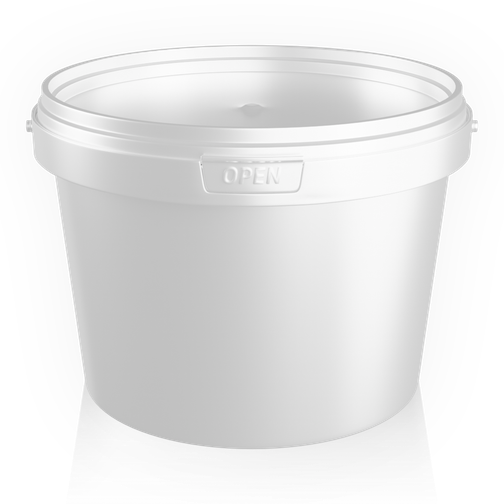 91 mm
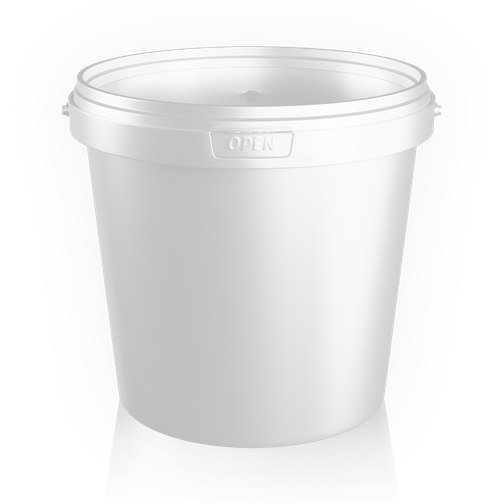 121 mm
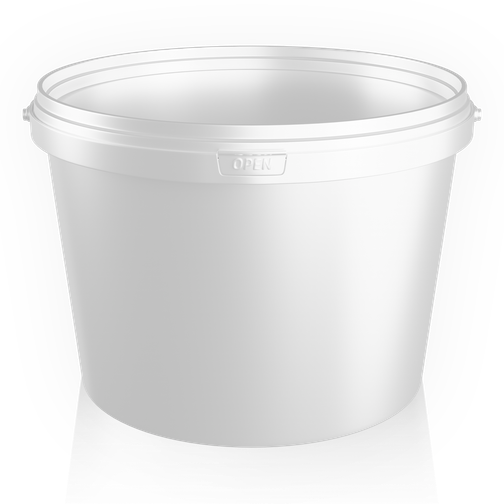 137 mm
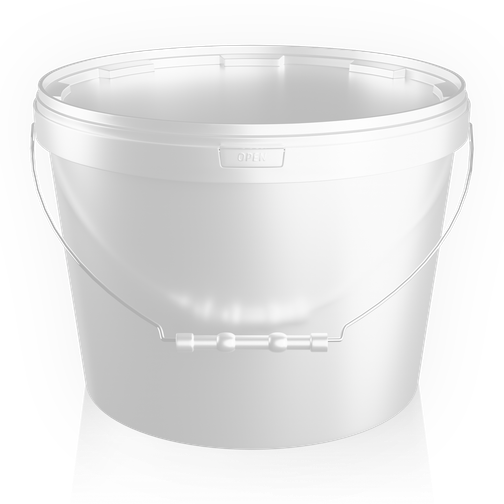 197.5 mm
 292 mm
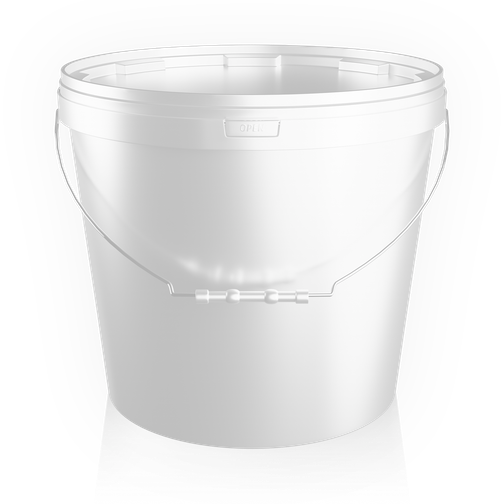 286 mm
 333.5 mm
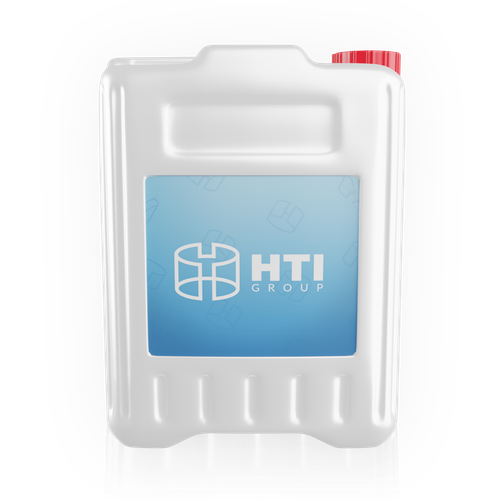 296 mm
Channel table
Eight routes: product, channel, and the right packaging
Pick the size for whoever receives the product at the other end of the road: a shopper takes one small bucket, a cafe kitchen needs a practical working size, and a packer wants bulk packaging to sell by weight. Kilograms are based on nominal capacity. The last column shows how much product goes into one pallet of empty packaging, a handy basis for planning your purchase and your truck.
Lineup at the same scalebody width and height per factory spec sheets
| Volume | What goes to whom | Product per unit | Handle | Empty units per pallet | Product per pallet of packaging |
|---|---|---|---|---|---|
| 800 ml | mayonnaise for convenience stores | about 0.75 kg | plastic or molded-in | 6,480 | about 4.9 t |
| 1 L | retail honey in Almaty | 1.42 kg | plastic handle | 6,480 | about 9.2 t |
| 3 L | jam for retail chains | about 4 kg | metal bail handle | 2,800 | about 11.2 t |
| 8 L | pickles for cafes and canteens | 8.4 kg | bail handle with plastic grip | 840 | about 7.1 t |
| 15 L | condensed milk for confectioners | 19.5 kg | bail handle with plastic grip | 816 | about 15.9 t |
| 18 L | butter for bakeries | 16.2 kg | bail handle with plastic grip | 600 | about 9.7 t |
| 21 L | bulk honey for packers | about 29.8 kg | bail handle with plastic grip | 600 | about 17.9 t |
| 10 L jerry can | vegetable oil for food service | 9.2 kg | molded-in handle | 100 | 920 kg |
Compare the two bottom rows. A pallet of empty 21 L buckets is 600 units and almost 17.9 t of honey. A pallet of 10 L jerry cans is only 100 units and 920 kg of oil, because jerry cans don't nest inside each other. The takeaway: order buckets less often, with stock for the season, and jerry cans more often, closer to your filling date.
Order math
Pallets and trucks: five planning rules
An export shipment is calculated twice. First comes the empty packaging, which arrives in nested stacks: hundreds or thousands of units per pallet. Then come the filled buckets, which no longer nest and weigh many times more. Five rules help you reconcile the two counts.
1Start from the product: 5 t of honey in 21 L buckets is about 168 buckets, less than a third of a 600-unit pallet of packaging; the rest is left for future shipments.21 L bucket
2Build in a buffer. Some buckets will go to filling-line setup, test fills, and replacing ones dented during transshipment, so round your packaging order up.
3Plan full buckets by body size. The 18 L and 21 L buckets have the same 332 mm top, so the same number fit in a row; only the body height differs: 286 vs. 333.5 mm.21 L bucket
4Check the weight before the space. 600 buckets of honey at 21 L each come to about 17.9 t of product plus 372 kg of packaging. Confirm the payload with your carrier before you fill.21 L bucket
5Test stacking in advance. We don't specify how many full buckets can be stacked on top of each other: build a trial pallet and run it along your route. The order calculator will work out the packaging.
Road and shelf
What your packaging does when you're not around
At a local market, producers bring the goods themselves, talk to the seller, and replace a dented bucket on the spot. In Almaty, Taraz, or Karaganda, that's not an option: a carrier, a wholesale warehouse, and someone else's store stand between your facility and the buyer. What's left are four packaging features that speak for themselves.
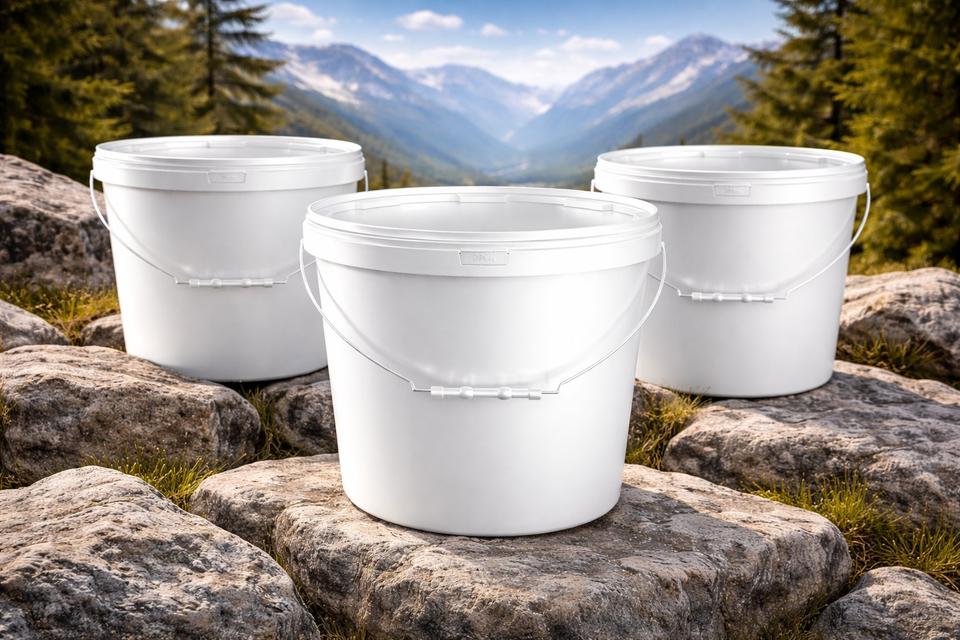
OPEN tamper evidence
The OPEN tamper-evident tear strip is molded under the rim of every food-grade bucket, and the first time the lid comes off, the strip comes off with it. On long-distance shipments, it's a common language: the carrier hands over cargo with intact seals, the warehouse accepts the pallet without opening any buckets, and a buyer in another city can see that nobody touched the packaging before them.
Branding in the wall: IML
A label travels the whole way with the bucket: loading, jolting, warehouse handling. A scuffed or peeling edge on someone else's shelf reads as carelessness. In-mold labeling (IML) becomes part of the wall during molding, with no edge and no adhesive layer. IML isn't available on the 15 L bucket, so it takes a label instead.
A label people actually read
In a new region nobody knows your brand, so the label has to answer the buyer on its own: what's inside, how much it weighs, who made it. Put the product name and net weight in large type on the front, and the date and batch number on a small label on the lid. Check the mandatory information and labeling language for the destination country yourself.
Size for the sales channel
The same honey goes to Kazakhstan in three formats: a one-liter bucket for shops, 3.8 L for a family's winter supply, 21 L for a packer. Retail counts in units, a cafe kitchen in working weeks, a wholesaler in kilograms. Ask your partner what packaging they currently sell similar products in, and start with that size.
Logistics
How packaging comes to you and leaves with your product
Packaging travels two routes, and it pays to plan them together. The first is from our plant to you: pickup from the Bishkek Free Economic Zone (Ak-Chiy village), our own delivery trucks for Bishkek and Chuy Region, and a freight carrier for other cities in Kyrgyzstan. Orders are placed in full pallets, and retail and wholesale sizes can be combined in one shipment. We ship packaging to Kazakhstan by the pallet within the EAEU; our sales manager prepares the shipping documents for the packaging and confirms delivery time and cost. The second route is your product in this packaging on its way to the buyer. We don't set the destination country's requirements for the product, labeling, or accompanying paperwork: check them yourself before printing labels.
Further reading
Further reading before your first shipment
A long-distance shipment comes down to details: how the bucket is closed, how the branding is applied, how many pallets of packaging are in stock. Our blog has a separate guide on each of these.
All blog articles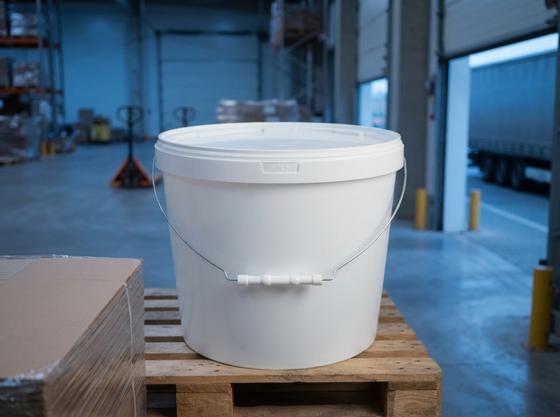 Ordering packaging for KazakhstanFive steps from inquiry to unloading the palletsOrdering and logistics · 6 min
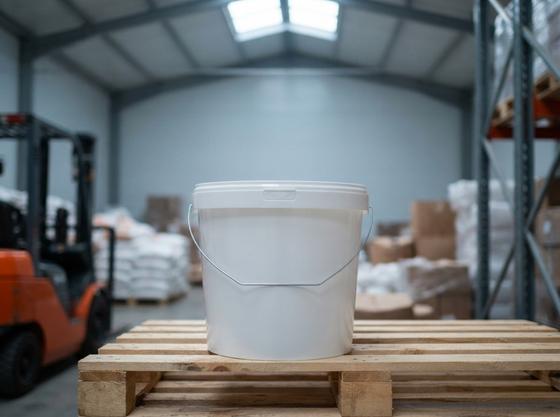 Packaging weight per palletUnits, liters, and kilograms on a single palletOrdering and logistics · 6 min
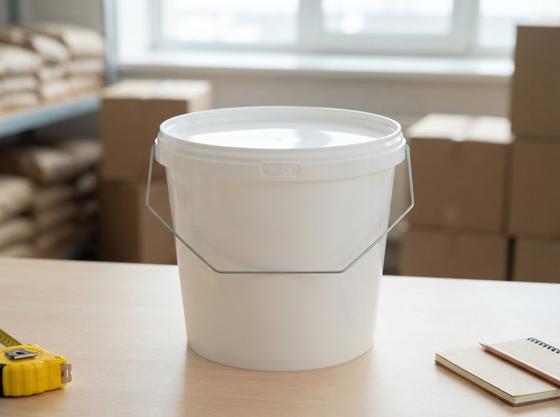 How to choose a bucketSeven parameters to check before you orderChoosing packaging · 7 min
 IML vs labelsEight scenarios and a clear answer on how to label a bucketMaterial and labeling · 6 min
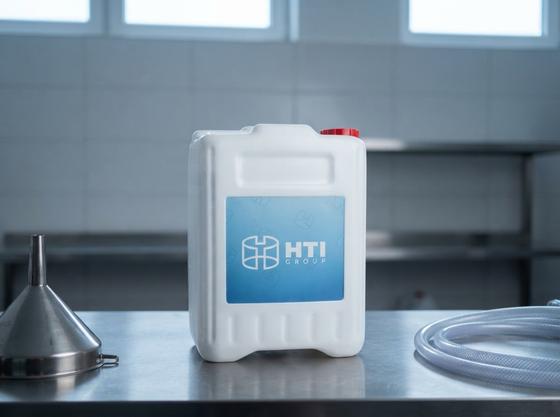 Bucket or jerry canWhich works better for liquids, pastes, and thick productsComparisons · 6 min
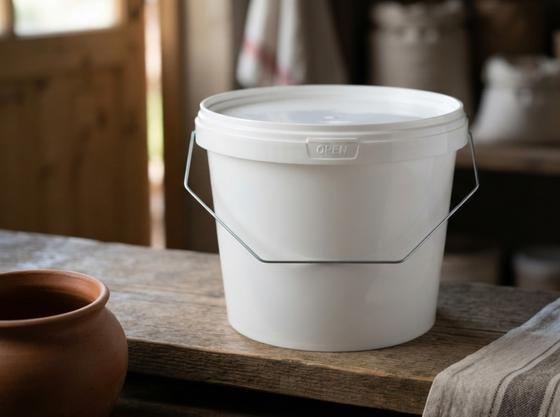 How to store honeyBucket size, moisture, odors, and crystallizationProducts and industries · 6 min
Questions and answers
Questions about export packaging
The kind that answers the recipient's three questions: Has it been opened? Whose is it? Is it easy to work with? Food-grade buckets come with an OPEN tear strip, branding goes on with a label or IML, and the size is matched to the channel: up to one liter for retail, 3 to 8 L for cafes, 15 to 21 L for packers.
We're responsible only for the packaging: we ship it to Kazakhstan within the EAEU, and our sales manager prepares the shipping documents for it. The paperwork for your product depends on the product type and the destination country's rules, so check it yourself with your buyer and carrier.
On the packaging side, placement matters: the front of the wall for the name and weight, the lid for the date and batch number, and no labels over the OPEN tear strip. The destination country's rules determine which information is mandatory and in which language; we don't set them.
Nobody can promise that for every product and every route: we don't claim resistance to stacking loads or temperature swings. What we know for sure: the lid seats into the rim, and the OPEN tear strip shows if the bucket has been opened. A trial pallet on your route checks the rest.
Ask your buyer what unit they sell or use the product in. Shops in Almaty and Astana usually need buckets up to one liter and 2.3 to 3.8 L, cafes and bakeries 5.6 to 11.5 L, and packers and confectioners 15, 18, and 21 L.
Divide the order weight by the product weight per unit: about 4 kg of jam in a 3 L bucket, 9.2 kg of vegetable oil in a 10 L jerry can. Compare the result with units per pallet: 2,800 of those buckets or 100 jerry cans. The order calculator will estimate the number of pallets.
Yes, with IML: it's available on food-grade buckets except the 15 L, and on containers from 250 to 550 ml. If your artwork may still change to meet a new market's requirements, start with plain buckets and labels. To choose between the two, see our article IML vs labels.
Catalog
Packaging for long-haul shipping in the HTI catalog
Every size in the catalog lists body dimensions, tare weight, handle, and units per pallet, enough to rough out an order before you call. Dedicated collections: tamper-evident buckets and IML buckets.
Quote
Preparing your first shipment to another region?
Tell us what product you ship, to whom, and how much per month or season. Our sales manager will suggest sizes for retail and wholesale, calculate the pallets of packaging, and advise which printing method to start with.