


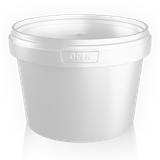
 560 ml
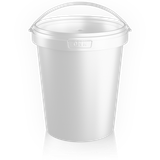 900 ml
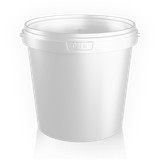 1 L
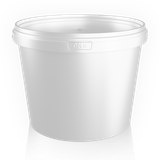 2.3 L
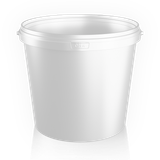 3.8 L
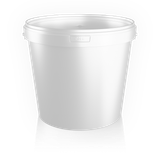 5.6 L
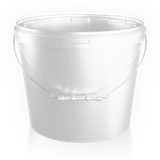 11.5 L
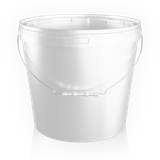 18 L
Our sales manager will contact you shortly
Request a callback from our specialist
Want to learn more about our packaging or find the right fit for your business? Request a callback, and our specialist will call you at a time that suits you. Tell us about your product, and we'll help you choose the best option.
Order a callback from a specialist
Want to learn more about our solutions or find the perfect solution for your business? Leave a request for a callback and our specialist will contact you at a convenient time. Together we will find the optimal solution to make your business thrive!
Request a callback from our HR team
Interested in our openings and career opportunities? Leave your contact details and our HR team will get back to you shortly. We'll answer your questions and explain how to join the HTI Group team.
Order a callback from a specialist
Would you like to learn more about our job openings and career opportunities? Leave your contact information, and our HR department will get in touch with you shortly. We will answer all your questions and provide detailed information on how to become part of the HTI Group team.
与我们取得联系
想了解更多我们的解决方案或为您的业务选择完美的解决方案吗?
请留下您的联系方式,我们的专家将尽快与您联系。
让我们一起找到最佳方案,助您的业务蓬勃发展!
请留下您的联系方式,我们的专家将尽快与您联系。
让我们一起找到最佳方案,助您的业务蓬勃发展!
要点电话回拨来自人力资源部门
想了解更多关于我们职位和职业发展的机会吗?请留下您的联系信息,我们的人力资源部门将尽快与您联系。我们将回答您的所有问题,并提供详细信息,帮助您成为HTI Group团队的一员。
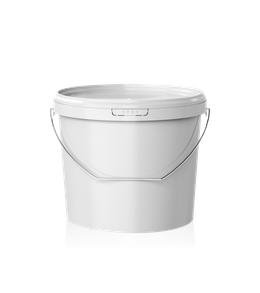 Plastic buckets14 sizes · 560 ml to 21 L
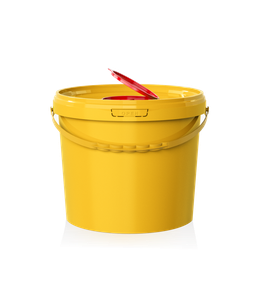 Medical buckets9 sizes · 1 to 21 L
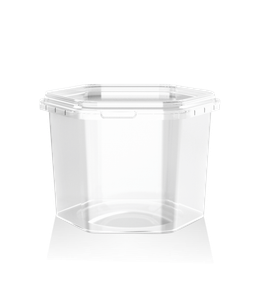 Food containers5 formats · 250 to 750 ml
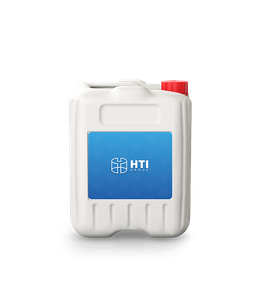 Plastic jerry cans5 L and 10 L
Plastic buckets16 models, 560 ml - 21 L
Medical buckets10 models, 1 - 21 L
Food containers5 models, 250 - 750 ml
Plastic canisters5 and 10 L
塑料桶16 个型号,560 毫升 - 21 升
食品容器5 个型号,250 - 750 毫升
塑料方桶5 升和 10 升
HTI AssistantFind the right packaging for your product in 4 steps
HTI AssistantOnline until 5:00 PM
Hello! We'll suggest the right size for your product, calculate pallets, and quote a price for your order.
Contact the plant
WhatsAppChat with a sales managerCall+996 222 600 292We'll call you backLeave your numberEmailinfo@hti-group.kg
Quick actions
Mon-Fri, 9:00 AM-5:00 PM · Factory in the Bishkek Free Economic Zone, Ak-Chiy village
Packaging labeling
IML vs label: how to brand a plastic bucket
There are two ways to put your brand on a bucket: stick a label on the finished packaging, or order in-mold labeling (IML), where the label is fused into the wall during molding. Neither always wins: labels come out ahead for trial and seasonal batches, IML for long-running products kept in cold, wet conditions. Here's how to choose for your product, where the two work well together, and what to ask your HTI Group sales manager.
2 methodslabel and IML
560 ml to 21 Lbuckets ready for branding
no adhesiveIML built into the wall
lidspace for the batch date
Comparison
Four criteria for comparing them
A stick-on label is self-adhesive paper or film, printed separately and applied to a bucket that has already been molded. IML is a film label placed in the mold before the polypropylene is injected, so it becomes part of the wall. Our IML buckets page covers the technology in detail; here we compare the two methods from the perspective of the people who pay for them and the people who work with them.
Flexibility
You can order labels from any print shop and change them as early as your next batch: a new flavor, a new recipe, a new promotion. IML is built into the molding process: the artwork is made for a specific bucket and printed in runs, so this packaging is planned in advance and the design changes less often.
Water and cold
A paper label gets soggy from condensation and washing; a film label lasts longer but still has an edge. IML has neither an edge nor an adhesive layer: the image sits flush with the wall. For dairy, ice cream, and chilled products, that settles it.
Work on the line
Labels are applied by hand or with a labeling machine, to an empty or already filled bucket, and how straight they go on depends on the operator and the settings. IML buckets arrive at the filling line already decorated, so a whole step drops off the line, along with the label rolls, the adhesive, and the space they take up.
Variable data
Packing date, net weight, and batch number change every day, so there's no way to print them into the wall in advance. That's why even IML buckets get a small label with this data on the lid or the side. The flat lid is the most convenient spot: a level surface, visible from above.
Labeling tool
Your use case: the right bucket and labeling method
The table in this article lists eight use cases, from sour cream in a display case to paint at a hardware store. Click one and the tool shows the bucket to scale, how it's labeled, and why. The "Per shelf" tab counts how many buckets fit in a row, and "Order" works out how many pallets you need per month.
Packaging from this page's lineup
Task
The rows come from this page's table: each one has its own packaging.
How much product do you package per month
L
We ship in full pallets, so the number of pallets is rounded up.
Shelf length, cm
cm
Shelf depth, cmcm
Based on the top dimensions of the packaging, in a single layer, with no gaps between items.
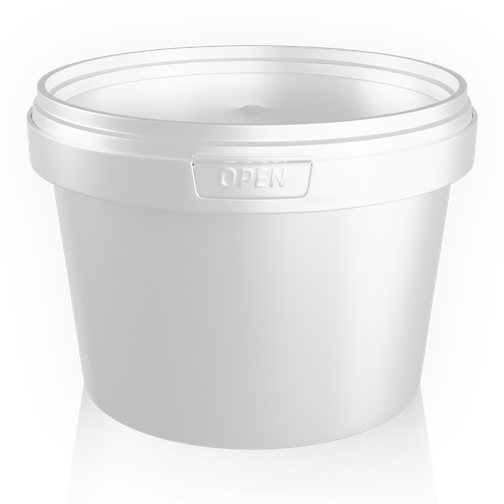 80 mm
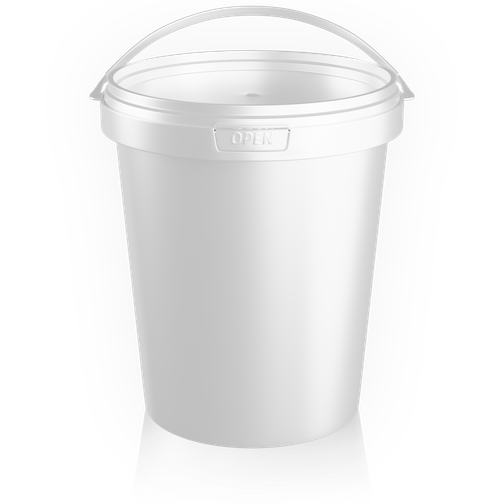 134 mm
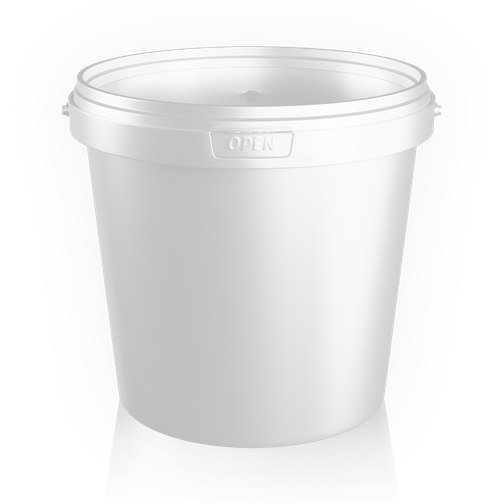 121 mm
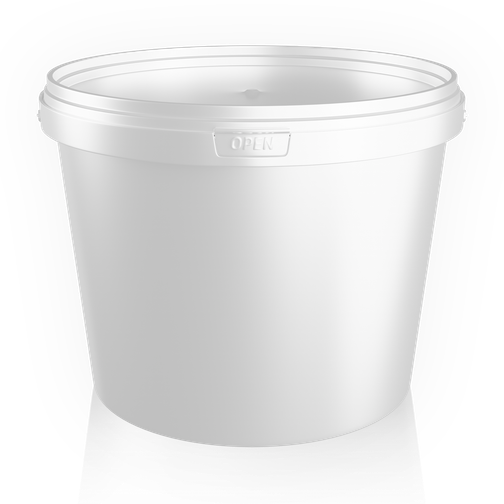 132 mm
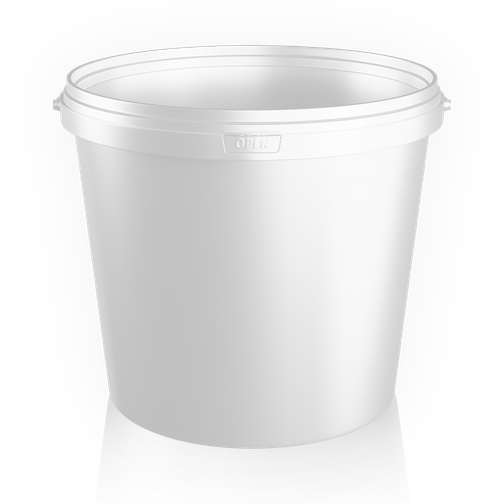 176 mm
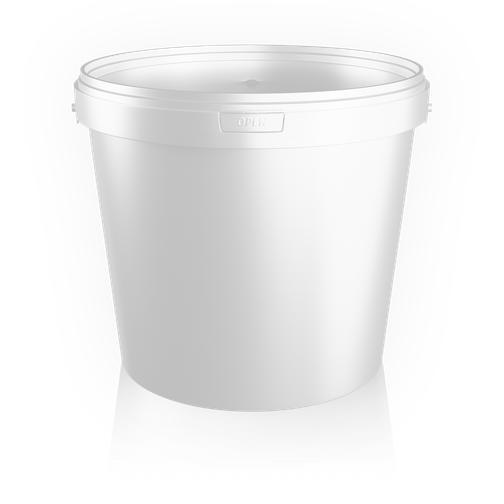 193 mm
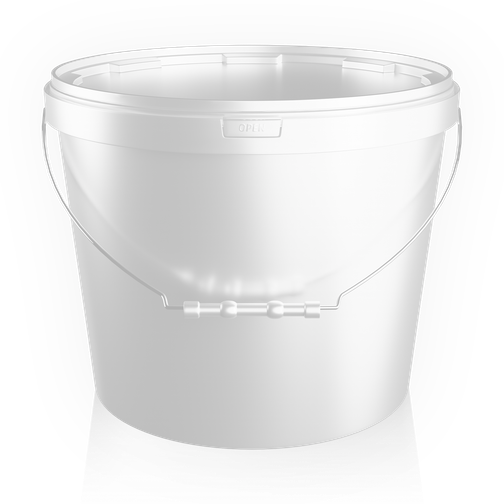 234 mm
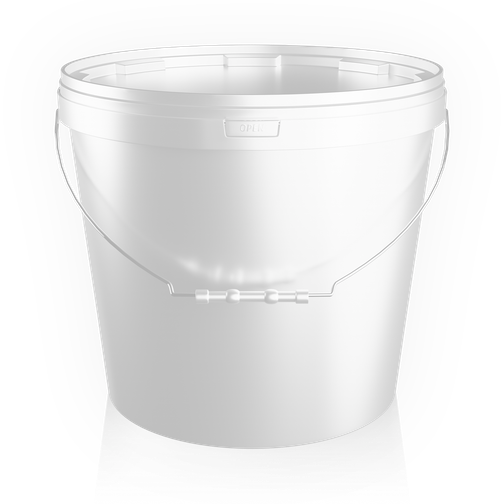 286 mm
Cheat sheet
Eight scenarios and the answer for each
The easiest way to choose a labeling method is by example. We've gathered typical use cases from our customers, from a small cheesemaker to a paint manufacturer selling under its own brand. Find the row closest to yours and check the reason in the last column. If your case falls between two rows, let the toughest of your real-world conditions decide.
Lineup at the same scalebody width and height per factory spec sheets
| Volume | Task | Which to choose | Why |
|---|---|---|---|
| 560 ml | sour cream and cottage cheese in a chilled display case | IML | condensation never reaches the artwork |
| 900 ml | first batch of a new sauce | label | recipe and artwork change after test sales |
| 1 L | honey in a clear bucket at the market | a small label on the lid | shoppers judge the honey by its color through the wall |
| 2.3 L | seasonal jam in several flavors | label | flavors change, with a small run of each |
| 3.8 L | core product in a retail chain | IML | a factory-made look on the shelf and no labeling step |
| 5.6 L | sauces for cafes and canteens | label | the cook needs ingredients and a date, not a picture |
| 11.5 L | ready-mixed putty under your own brand | IML | on site the bucket gets dirty and is washed, artwork and all |
| 18 L | paint for hardware stores | IML | the tall side has room for a photo, coverage rate, and instructions |
The pattern is simple. Labels go where things change often: recipe, flavor, season, customer. IML goes where little changes but the packaging gets washed, chilled, or dirty, or has to hold its own on the shelf next to big brands. Variable data (packing date, weight, batch number) is easier to put on a small label either way.
How to decide
Five questions before you choose
Answer them in order. If you answer "yes" to three or more, your product is ready for IML; if it's mostly "no," start with labels and come back to the question once sales are steadier. Decide for each size separately: one brand can easily use both formats.
1Is the product sold under one brand for months, without frequent changes to the recipe or packaging?
2Is the packaging exposed to moisture: in a fridge, in the wash area, on a job site, in a prep kitchen?
3Does the bucket sit on a store shelf next to products from big manufacturers?
4Do you have a person or a labeling machine on the line that you'd like to free up from labeling?
5Is the body white, with no need to show the product through the wall? For a clear bucket, a small label is usually enough, so the contents stay visible.
Logistics
Branded and unbranded buckets: how they're delivered
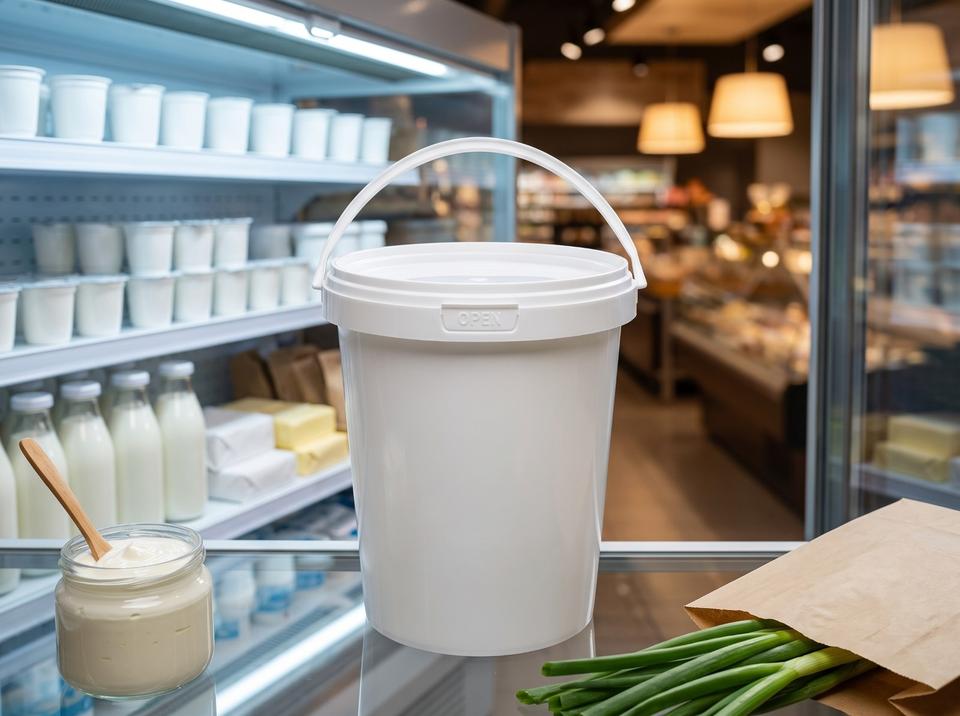
Plain white buckets for labeling and IML buckets ship the same way: empty, nested in stacks, on pallets. You can pick them up from the factory warehouse in the Bishkek Free Economic Zone (FEZ), Ak-Chiy village. Our own delivery trucks serve Bishkek and Chuy Region, and a freight carrier delivers to Osh, Jalal-Abad, Karakol, Naryn, and Talas. For producers in Almaty, Astana, Shymkent, and Karaganda, pallets ship within the EAEU. Our sales manager confirms delivery time and cost when you place your order. Since you print labels at your own print shop, keep your label stock in step with your packaging stock, and time branded bucket orders to your production schedule.
Further reading
Further reading on printing, lids, and materials
Labeling is just one of the decisions to make before you order. Elsewhere on our blog, we cover the tamper-evident seal, polypropylene itself, and how packaging performs on the shelf.
All blog articles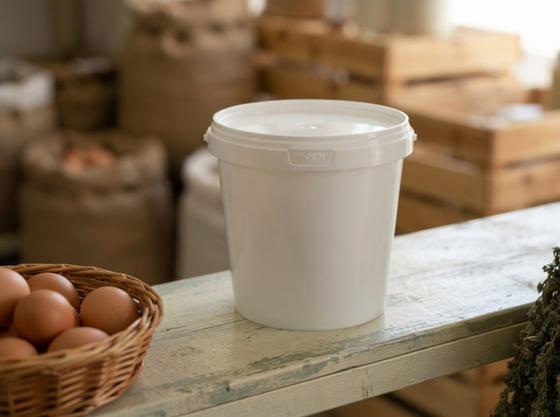 Tamper evidenceHow the OPEN tear strip works and why stores want itMaterial and labeling · 7 min
 A second life for bucketsWhen a bucket can be washed and refilledMaterial and labeling · 6 min
 Polypropylene PP5What the number 5 on the bottom means and how much the packaging weighsMaterial and labeling · 6 min
 Bucket or jerry canWhich works better for liquids, pastes, and thick productsComparisons · 6 min
 Ordering packaging for KazakhstanFive steps from inquiry to unloading the palletsOrdering and logistics · 6 min
 How to store honeyBucket size, moisture, odors, and crystallizationProducts and industries · 6 min
Questions and answers
Frequently asked questions about bucket labeling
It depends on the run size and the number of designs. Our sales manager quotes the bucket price for your order; for labels, add label printing and the time spent applying them. Call +996 222 600 292 with your monthly volume and number of designs, and the comparison gets easier.
Yes, and it's common. The brand, product photo, and contact details are molded into the wall, while the packing date, weight, and batch number go on a small label on the lid.
The bucket wall tapers toward the bottom, so a rectangular label goes on crooked. Large labels for tapered buckets are die-cut in an arc. Apply them to a clean, dry surface before the bucket goes into the cold.
A clear bucket sells the look of the product, so the label is kept small or placed on the lid. If you need a large image around the whole wall, a white body makes more sense: a clear one would be pointless.
Food-grade buckets from 560 ml to 21 L. The artwork is made to fit the height and circumference of each size, so 1 L and 18 L buckets need different files.
Your logo, the text for the wall, and a list of sizes. Our sales manager will send you the file requirements and print area dimensions, and if you go with labels, the wall dimensions so you can order them from your own print shop.
Yes, by the pallet within the EAEU to Almaty, Astana, Shymkent, Karaganda, and other cities. Our sales manager will confirm delivery time and cost when you place your order.
Catalog
Buckets for any kind of branding in the HTI catalog
Every food-grade bucket from 560 ml to 21 L takes a label, and all except the 15 L take IML. If you're still choosing the size, start with the article on how to choose a plastic bucket, then come back to branding.
Quote
Not sure if it's time to switch to IML?
Send a photo of your current packaging and tell us how many buckets you go through per month and how many flavors or varieties you have. Our sales manager will show you where IML pays for itself and where it makes more sense to stay with labels, and suggest how to split your range if you have several products.