
 1 L
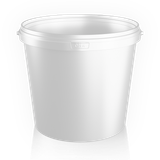 3.8 L
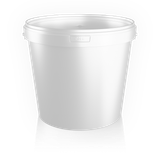 5.6 L
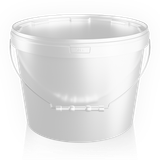 8 L
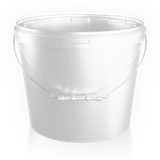 11.5 L
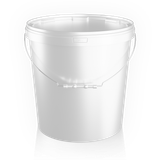 15 L
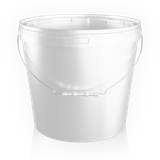 18 L
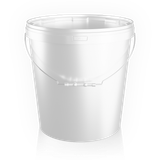 21 L
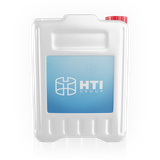 5 L
Our sales manager will contact you shortly
Request a callback from our specialist
Want to learn more about our packaging or find the right fit for your business? Request a callback, and our specialist will call you at a time that suits you. Tell us about your product, and we'll help you choose the best option.
Order a callback from a specialist
Want to learn more about our solutions or find the perfect solution for your business? Leave a request for a callback and our specialist will contact you at a convenient time. Together we will find the optimal solution to make your business thrive!
Request a callback from our HR team
Interested in our openings and career opportunities? Leave your contact details and our HR team will get back to you shortly. We'll answer your questions and explain how to join the HTI Group team.
Order a callback from a specialist
Would you like to learn more about our job openings and career opportunities? Leave your contact information, and our HR department will get in touch with you shortly. We will answer all your questions and provide detailed information on how to become part of the HTI Group team.
与我们取得联系
想了解更多我们的解决方案或为您的业务选择完美的解决方案吗?
请留下您的联系方式,我们的专家将尽快与您联系。
让我们一起找到最佳方案,助您的业务蓬勃发展!
请留下您的联系方式,我们的专家将尽快与您联系。
让我们一起找到最佳方案,助您的业务蓬勃发展!
要点电话回拨来自人力资源部门
想了解更多关于我们职位和职业发展的机会吗?请留下您的联系信息,我们的人力资源部门将尽快与您联系。我们将回答您的所有问题,并提供详细信息,帮助您成为HTI Group团队的一员。
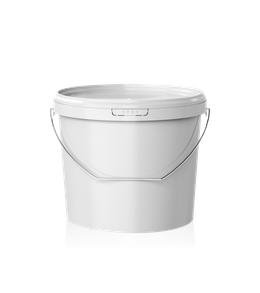 Plastic buckets14 sizes · 560 ml to 21 L
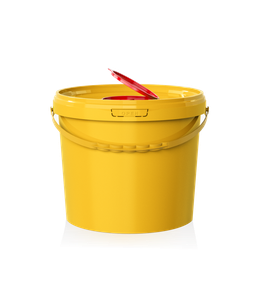 Medical buckets9 sizes · 1 to 21 L
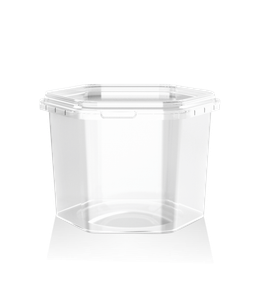 Food containers5 formats · 250 to 750 ml
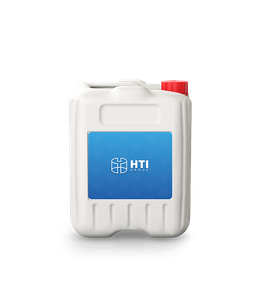 Plastic jerry cans5 L and 10 L
Plastic buckets16 models, 560 ml - 21 L
Medical buckets10 models, 1 - 21 L
Food containers5 models, 250 - 750 ml
Plastic canisters5 and 10 L
塑料桶16 个型号,560 毫升 - 21 升
食品容器5 个型号,250 - 750 毫升
塑料方桶5 升和 10 升
HTI AssistantFind the right packaging for your product in 4 steps
HTI AssistantOnline until 5:00 PM
Hello! We'll suggest the right size for your product, calculate pallets, and quote a price for your order.
Contact the plant
WhatsAppChat with a sales managerCall+996 222 600 292We'll call you backLeave your numberEmailinfo@hti-group.kg
Quick actions
Mon-Fri, 9:00 AM-5:00 PM · Factory in the Bishkek Free Economic Zone, Ak-Chiy village
Putty and primer
Buckets and jerry cans for putty and primer
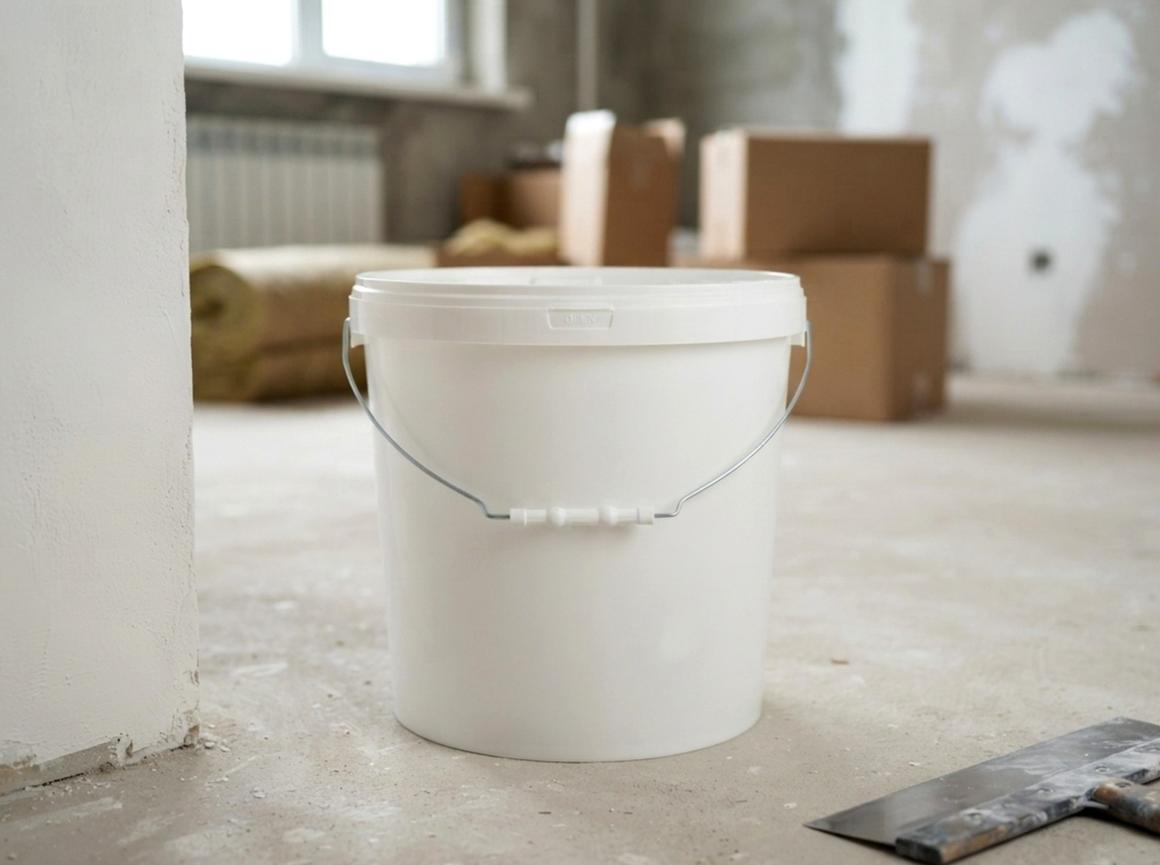
Putty is sold by the kilogram, primer by the liter, and decorative plaster by the square meter of finish, but all of it is packed in plastic. For pastes, HTI Group molds buckets from 1 to 21 L, and for liquid primer, 5 and 10 L jerry cans with screw caps. Below, you'll find how many kilograms of paste fit in each bucket, how much room is left for tinting, and which packaging to use for primer.
1-21 Lbuckets for pastes
5 and 10 Ljerry cans for primer
up to 1.9 Lheadspace above nominal
OPENtamper-evident seal
Weight and headspace
How much paste fits in a bucket
The density of ready-mixed putty and plaster paste depends on the filler, so we calculated weights for two reference values: 1.5 and 1.8 kg/L. Take your own figure from the product data sheet and recalculate the same way. The headspace column shows how many liters remain between nominal capacity and the brim: that's where tint is added and where the mixer paddle spins.
Lineup at the same scalebody width and height per factory spec sheets
| Volume | Brim-full, L | Headspace above nominal, L | Paste at 1.5 kg/L, kg | Paste at 1.8 kg/L, kg |
|---|---|---|---|---|
| 1 L | 1.18 | 0.18 | 1.5 | 1.8 |
| 3.8 L | 4.1 | 0.3 | 5.7 | 6.8 |
| 5.6 L | 5.87 | 0.27 | 8.4 | 10.1 |
| 8 L | 9,326 | 1.33 | 12.0 | 14.4 |
| 11.5 L | 12,575 | 1.08 | 17.3 | 20.7 |
| 15 L | 16.56 | 1.56 | 22.5 | 27.0 |
| 18 L | 19.9 | 1.9 | 27.0 | 32.4 |
| 21 L | 21.9 | 0.9 | 31.5 | 37.8 |
The 18 L bucket has the largest headspace above nominal, 1.9 L, and the 8 and 15 L buckets also have more than a liter, so they're convenient for tinting decorative plaster right in the bucket. The 21 L bucket has only 0.9 L of headspace, but it holds more paste than any other size. A full 21 L bucket of dense paste weighs almost 38 kg, so 11.5 or 15 L makes more sense for retail customers.
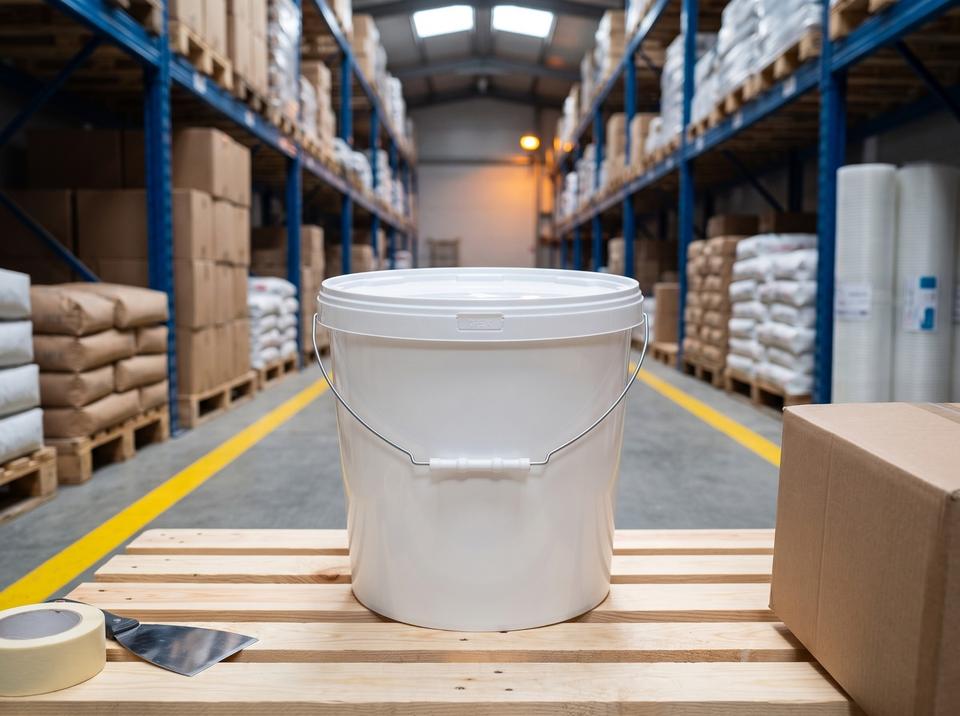
Three products, different packaging
Paste, primer, and decorative finish
A finishing materials producer rarely makes just putty. On the shelf next to it, you'll usually find primer, finishing paste, and decorative plaster, and each of these products behaves differently in its packaging. The cards below cover what changes as you move from one product to another.
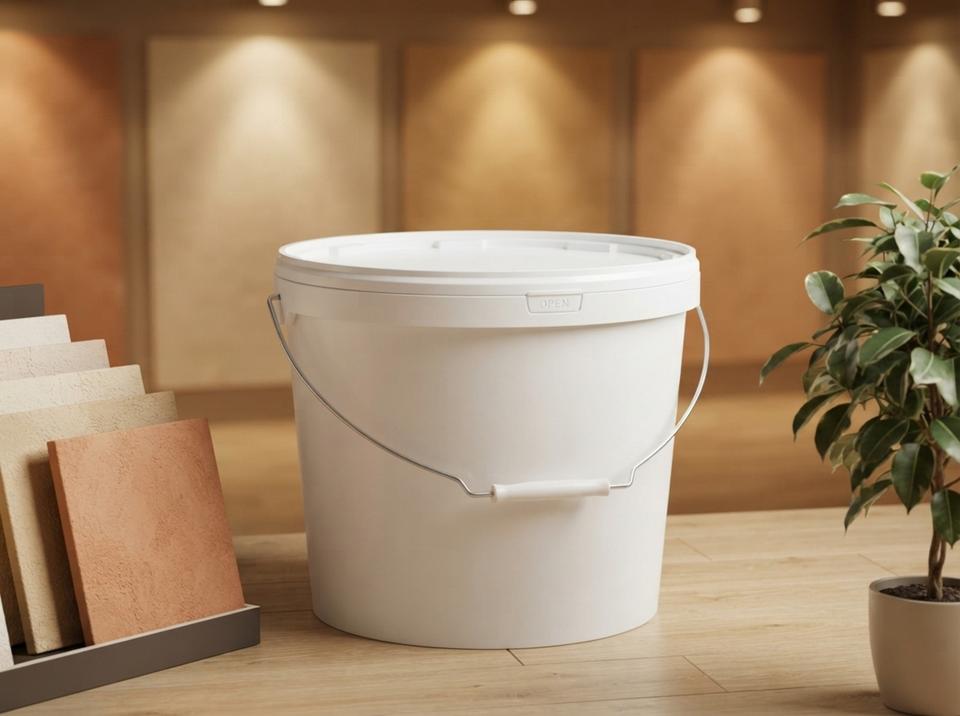
Putty on the scale
Customers compare putties by price per kilogram, so the bucket shows weight, not liters. The packer fills the bucket on a scale to the declared net weight and leaves a gap for the lid. The table above makes it easy to estimate which size suits a given fill weight.
Primer is poured, not scooped
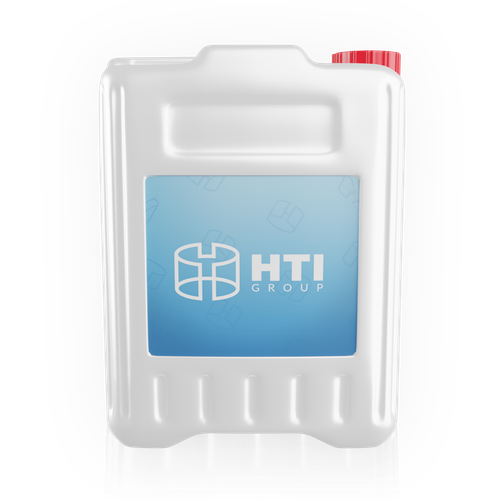
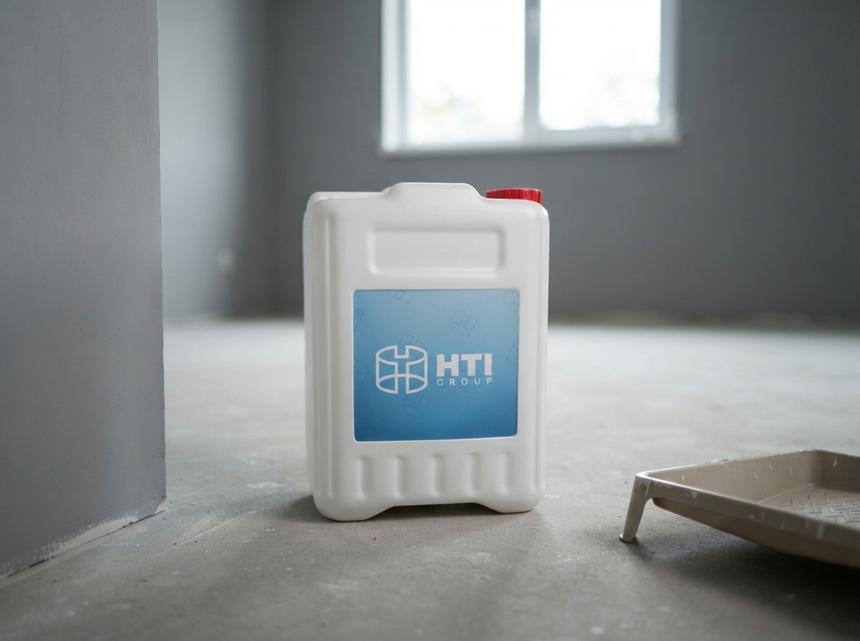
Deep-penetrating primer is liquid: it's poured into a tray or loaded into a sprayer. A 5 or 10 L jerry can suits it better: the cap screws on, the handle is molded as part of the body, and the flat front panel takes a label. Thick bonding primers with quartz sand, on the other hand, are sold in buckets, since they're stirred in the same container before use.
Tinting right in the bucket
Decorative plaster is often tinted in the store or on site: tint is added to the bucket and blended in with a mixer. That's where the space between nominal capacity and the brim comes in handy; on the 18 L bucket, it's almost two liters. The white inner wall helps you spot unmixed streaks of pigment.
The texture on the bucket
Decorative coatings are bought on looks, so it pays to put a photo of the finished wall on the bucket: bark beetle, roughcast, or marble chip textures. With in-mold labeling (IML), the image is fused into the wall during molding and won't rub off against other buckets in the warehouse. Customers see right away what texture they'll get, so there's no need to open the bucket to check.
Paste tool
How much paste fits in a bucket
Putty weighs 1.5 to 1.8 kg per liter, depending on the filler. Choose a density or enter your own: the tool shows the net weight at nominal fill, the weight including the bucket, and how much fits to the brim, which is the headspace you'll need for tinting. Enter your pack size in kilograms, and the tool will suggest a bucket.
Packaging from this page's lineup
ProductFill weight, kg
kg
Enter the net weight and the calculator will pick packaging from this page.
How much product do you package per month
t
We ship in full pallets, so the number of pallets is rounded up.
Shelf length, cm
cm
Shelf depth, cmcm
Calculated by the top size of the packaging, in a single layer, with no gaps between neighboring items.
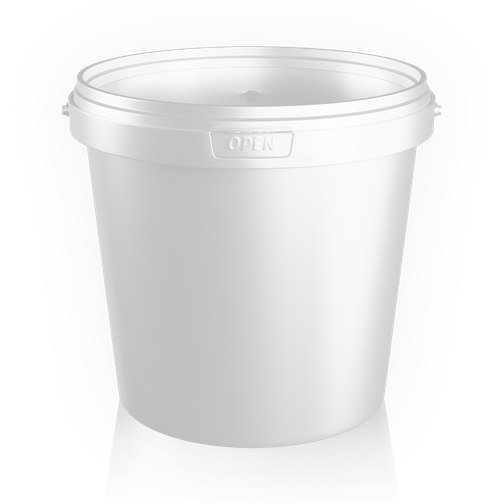 121 mm
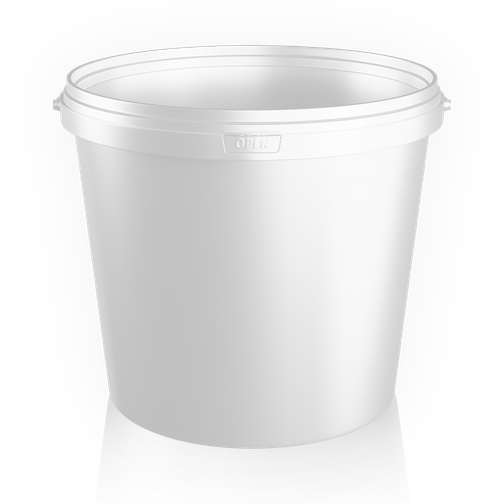 176 mm
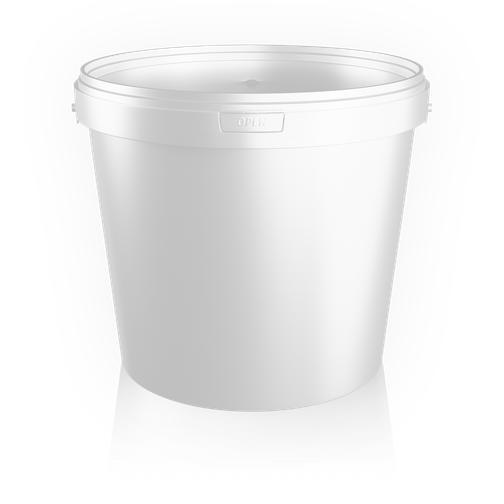 193 mm
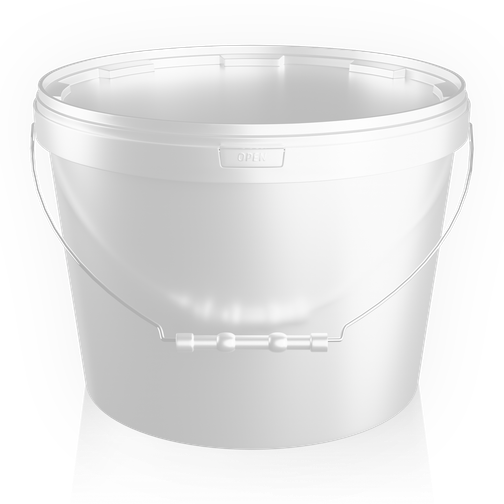 197.5 mm
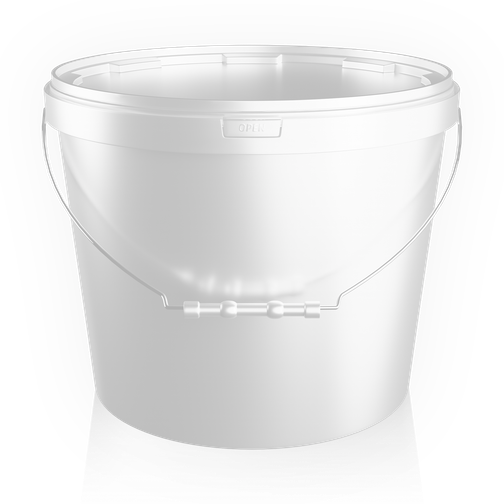 234 mm
 292 mm
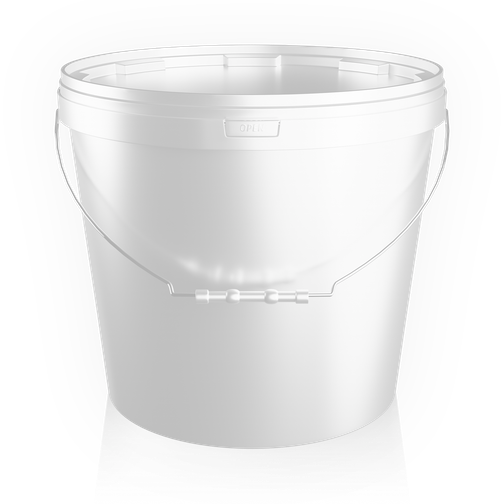 286 mm
 333.5 mm
How to choose
Bucket or jerry can: consistency decides
The first question about any product: do you pour it or spread it? Anything that pours is easier to handle in a jerry can; anything applied with a putty knife or trowel belongs in a bucket. After that, the choice depends on the buyer: an independent contractor doing a single renovation or a crew running a whole job site.
1Deep-penetrating primer: a 5 L jerry can for retail or 10 L for contractor crews.5 L jerry can10 L jerry can
2Concrete bonding primer and sand-filled adhesion primers: a 5.6 L or 11.5 L bucket, so they can be stirred right in it before application.5.6 L bucket11.5 L bucket
3Finishing compound for filling cracks and small repairs: 1 L or 3.8 L.1 L bucket3.8 L bucket
4Putty and plaster paste for an apartment job: 15 L; for crews, 18 L with a bail handle and plastic grip.15 L bucket18 L bucket
5Tintable decorative plaster: 8 L or 18 L, the sizes with the most headspace above nominal capacity.8 L bucket18 L bucket
Logistics
Buckets and jerry cans in one truck
Primer and putty sell as a pair, so it pays to order their packaging together: buckets and jerry cans ship in one delivery. Empty buckets nest in stacks but jerry cans don't, so fewer of them fit on a pallet: 180 of the 5 L or 100 of the 10 L. You can pick up your order from the factory warehouse in the Bishkek Free Economic Zone (FEZ), Ak-Chiy village. We deliver with our own trucks across Bishkek and Chuy Region, and ship to Osh, Jalal-Abad, Karakol, Naryn, and Talas through a freight carrier. Packaging goes to Kazakhstan, including Almaty, Shymkent, Astana, and Karaganda, by the pallet within the EAEU. Your sales manager confirms delivery time and cost when you place the order. With the construction season coming, order early, before production ramps up for spring.

Related guides
Everything for your finishing product line
Paint, adhesives, and ready-mixed compounds go to the job site along with putty and primer. Each one has its own packaging guide.
All 46 guides Adhesive bucketsPVA, wallpaper, tile, and wood adhesives1-21 L
 Buckets for mastic and waterproofingbitumen and polymer mastic, brush-on waterproofing1-21 L
 Paint bucketswater-based paint, enamel, varnish, primer1-21 L
 Buckets for dry construction mixesputty, plaster, tile adhesive, mastic3.8-21 L
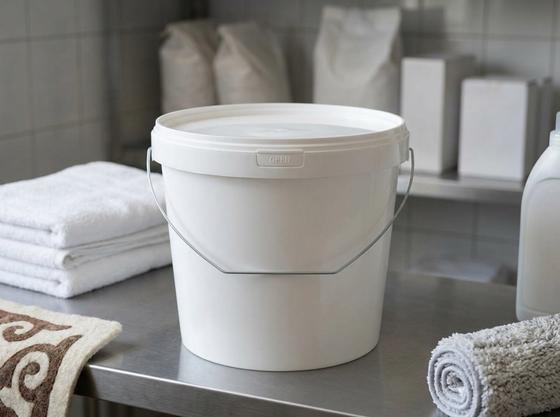 Buckets for household cleaning productslaundry powder, pastes, gels1-15 L
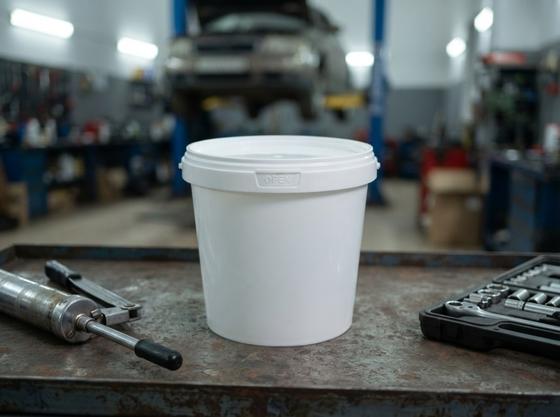 Grease bucketsLitol, Solidol, and other greases0.8-21 L
Questions and answers
Frequently asked questions about putty and primer packaging
It depends on the paste's density: about 22.5 kg at 1.5 kg/L and about 27 kg at 1.8 kg/L. A trial fill on the scale will give you the exact weight. Brim-full, the bucket holds 16.56 L, but it's never filled right up to the lid.
Liquid deep-penetrating primer works best in a 5 or 10 L jerry can: it gets poured into a tray or sprayer, and the cap is screwed back on after each use. Sand-filled primers that need stirring before application are sold in buckets.
Yes, as long as you leave room for the tint and mixing. The 8, 15, and 18 L buckets have 1.33 to 1.9 L between nominal capacity and the brim: enough to add pigment and run a mixer through it.
Our sales manager prices each order based on size, quantity, handle, and printing. Call +996 222 600 292 and list what you make: putty, primer, decorative finishes. You'll get one combined quote for buckets and jerry cans.
Yes. For a permanent product line, IML is the way to go: the image is fused into the wall during molding and won't peel off. For a seasonal series or a trial shade, a label is simpler. Learn more on our IML printing page.
Yes, by the pallet within the EAEU: Almaty, Astana, Shymkent, Karaganda, and other cities. Your sales manager confirms delivery time and cost when you place the order. Buckets and jerry cans can be combined in one shipment.
Under the lid rim is an OPEN tamper-evident tear strip. The lid can't come off without tearing it, so any bucket that's been opened stands out on the shelf right away. That matters most for pastes: once a bucket is opened, the top layer starts to dry out.
Catalog
Packaging for finishing materials in the catalog
Our catalog lists 1 L to 21 L buckets plus 5 L and 10 L jerry cans, with dimensions and weights. For heavy mixes, see buckets for dry construction mixes; for adhesives, see buckets for adhesives.
Request
Making putty and primer under one brand?
Tell us which products and pack weights are in your line. Our sales manager will match buckets and jerry cans, combine them into one shipment, and work out how many pallets of packaging a month of production will take.