
 560 ml
 850 ml
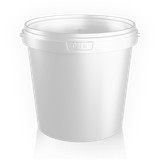 1 L
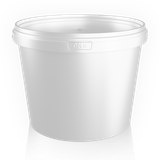 2.3 L
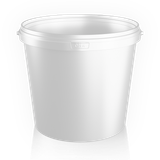 3.8 L
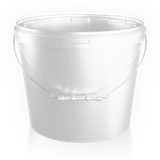 11.5 L
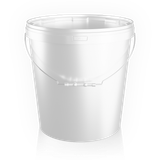 21 L
Our sales manager will contact you shortly
Request a callback from our specialist
Want to learn more about our packaging or find the right fit for your business? Request a callback, and our specialist will call you at a time that suits you. Tell us about your product, and we'll help you choose the best option.
Order a callback from a specialist
Want to learn more about our solutions or find the perfect solution for your business? Leave a request for a callback and our specialist will contact you at a convenient time. Together we will find the optimal solution to make your business thrive!
Request a callback from our HR team
Interested in our openings and career opportunities? Leave your contact details and our HR team will get back to you shortly. We'll answer your questions and explain how to join the HTI Group team.
Order a callback from a specialist
Would you like to learn more about our job openings and career opportunities? Leave your contact information, and our HR department will get in touch with you shortly. We will answer all your questions and provide detailed information on how to become part of the HTI Group team.
与我们取得联系
想了解更多我们的解决方案或为您的业务选择完美的解决方案吗?
请留下您的联系方式,我们的专家将尽快与您联系。
让我们一起找到最佳方案,助您的业务蓬勃发展!
请留下您的联系方式,我们的专家将尽快与您联系。
让我们一起找到最佳方案,助您的业务蓬勃发展!
要点电话回拨来自人力资源部门
想了解更多关于我们职位和职业发展的机会吗?请留下您的联系信息,我们的人力资源部门将尽快与您联系。我们将回答您的所有问题,并提供详细信息,帮助您成为HTI Group团队的一员。
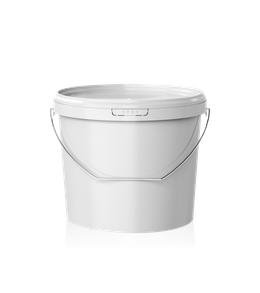 Plastic buckets14 sizes · 560 ml to 21 L
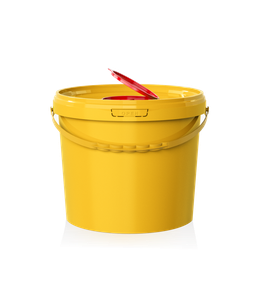 Medical buckets9 sizes · 1 to 21 L
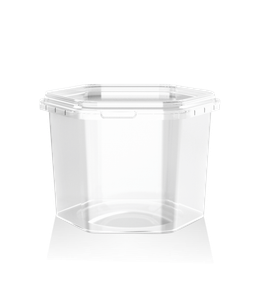 Food containers5 formats · 250 to 750 ml
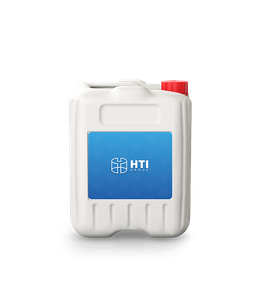 Plastic jerry cans5 L and 10 L
Plastic buckets16 models, 560 ml - 21 L
Medical buckets10 models, 1 - 21 L
Food containers5 models, 250 - 750 ml
Plastic canisters5 and 10 L
塑料桶16 个型号,560 毫升 - 21 升
食品容器5 个型号,250 - 750 毫升
塑料方桶5 升和 10 升
HTI AssistantFind the right packaging for your product in 4 steps
HTI AssistantOnline until 5:00 PM
Hello! We'll suggest the right size for your product, calculate pallets, and quote a price for your order.
Contact the plant
WhatsAppChat with a sales managerCall+996 222 600 292We'll call you backLeave your numberEmailinfo@hti-group.kg
Quick actions
Mon-Fri, 9:00 AM-5:00 PM · Factory in the Bishkek Free Economic Zone, Ak-Chiy village
Bee products
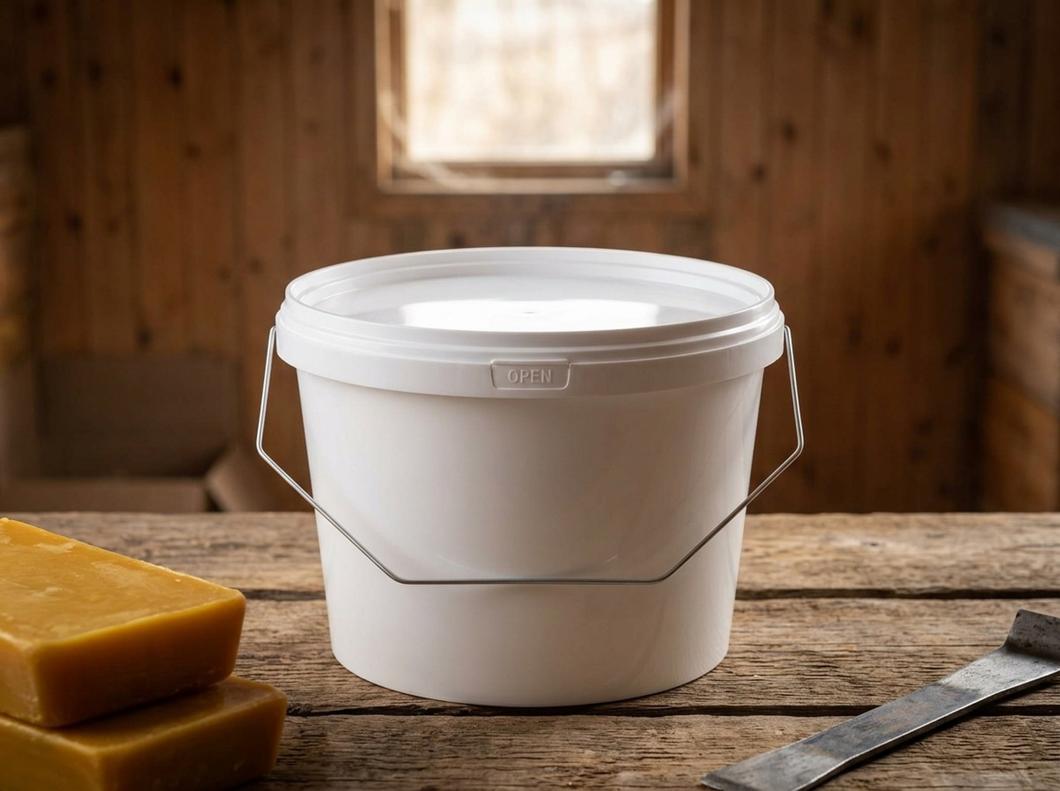
Buckets for beeswax, propolis, and bee bread
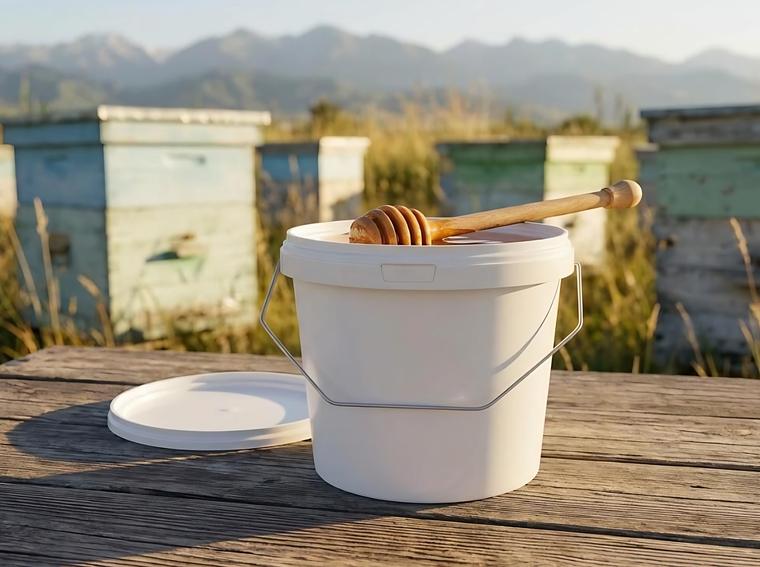
Honey isn't the only thing an apiary sells. Beeswax, propolis, bee bread, pollen, and honey cappings are collected bit by bit all season, and each needs its own packaging: wax scrap builds up in large buckets, propolis and pollen are kept sealed away from moisture and light, and bee bread and cappings sell in small portions. HTI Group molds food-grade buckets from 560 ml to 21 L and ships them to apiaries and bulk buyers in Kyrgyzstan and Kazakhstan. Packaging for honey itself is covered on a separate page.
0.56-21 Lfrom pollen to wax scrap
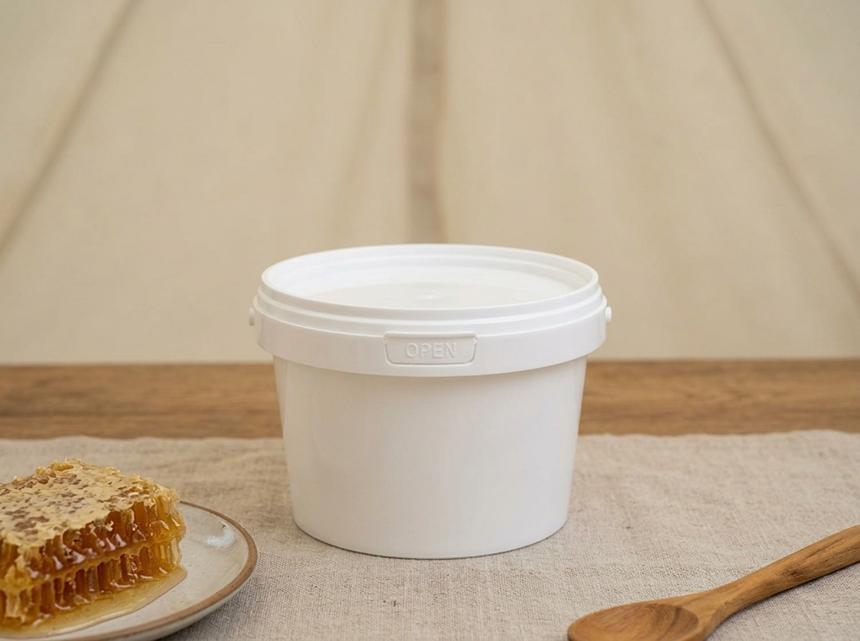
560 mlretail portion of bee bread
OPENtamper-evident seal for retail
332 mm21 L bucket opening
Sorting the harvest
Your apiary's harvest by the bucket: from pollen to wax
Pollen, bee bread, cappings, propolis, and wax each behave differently, so each calls for a different size. Click a product and the tool shows the bucket to scale, its handle, and the reason for the choice from this page's table. The "Per shelf" tab counts how many buckets fit in a row on a table at a fair.
Packaging from this page's lineup
Product
The rows come from this page's table: each one has its own packaging.
How much product do you package per month
L
We ship in full pallets, so the number of pallets is rounded up.
Shelf length, cm
cm
Shelf depth, cmcm
Calculated by the top size of the packaging, in a single layer, with no gaps between neighboring items.
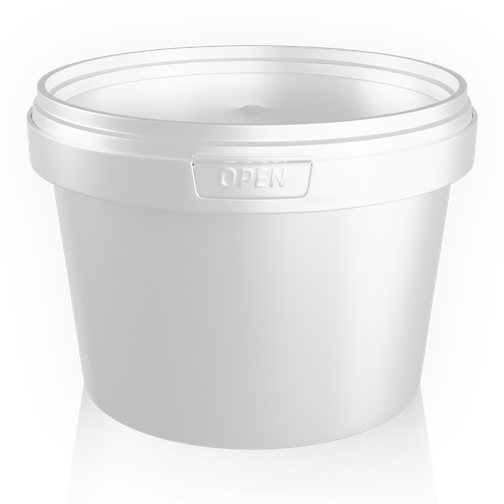 80 mm
 124 mm
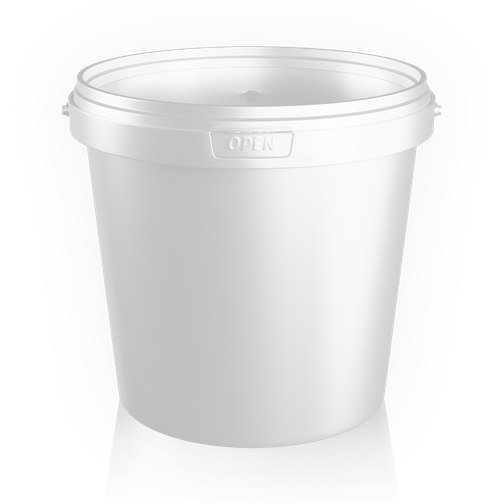 121 mm
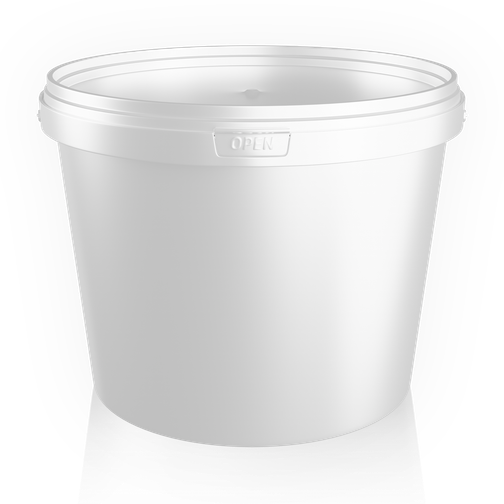 132 mm
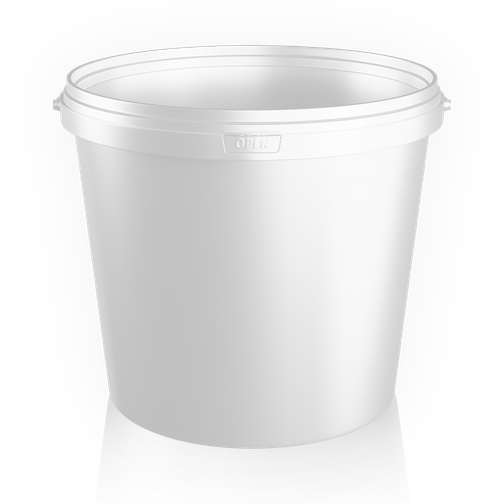 176 mm
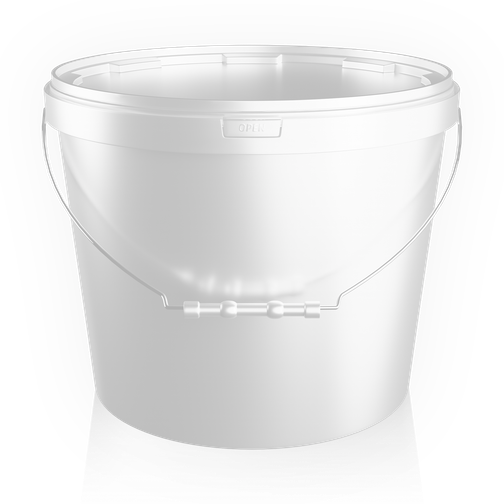 234 mm
 333.5 mm
Product and packaging
What an apiary harvests besides honey
Every bee product comes in its own quantities: a season's wax scrap fills large buckets, propolis adds up to a few kilograms, and bee bread and pollen sell by the gram. The table shows which size to use for what and why, with links to each bucket's dimensions. Body color is a separate choice: white for anything that dislikes light, clear for anything that sells on looks.
Lineup at the same scalebody width and height per factory spec sheets
| Volume | Model | Product | Why this size | Handle |
|---|---|---|---|---|
| 560 ml | PKS560 | pollen, ground bee bread | retail portion; at 80 mm tall, the bucket fits on any shelf | none, side lugs |
| 850 ml | PKS850 | cappings, bee bread in comb | pieces lie in a layer; the bucket is 124 mm tall | plastic or molded-in |
| 1 L | PK10 | bee bread with honey, cappings by weight | a bucket with a handle is easy for fair shoppers to carry | plastic |
| 2.3 L | PK23 | propolis from frames and screens | builds up gradually; close the lid after each collection | metal or plastic |
| 3.8 L | PK38 | dried pollen for bulk buyers | a batch from one apiary, 200 mm opening | metal or plastic |
| 11.5 L | PK115 | comb trimmings, uncapping wax | raw material for rendering | metal with plastic grip |
| 21 L | PK210 | wax blocks and cakes, slumgum | for selling to wax buyers; large pieces fit through the opening | metal with plastic grip |
The top and bottom rows of the table serve different people: the 560 ml sells bee bread and pollen to shoppers, while the 21 L stores up wax for the bulk buyer. In between are the working buckets for propolis and cappings that a beekeeper opens all season long. The 332 mm opening of the 21 L is almost four centimeters wider than that of the 11.5 L, so molded wax cakes go in without being broken.
How the products behave
Four products and their quirks
Beeswax, propolis, bee bread, and pollen behave very differently from honey in a container. Some are sticky, some crumble, some can't stand moisture, and wax is at risk from wax moths and rodents. Here's what to consider before you sort your apiary's harvest into buckets.
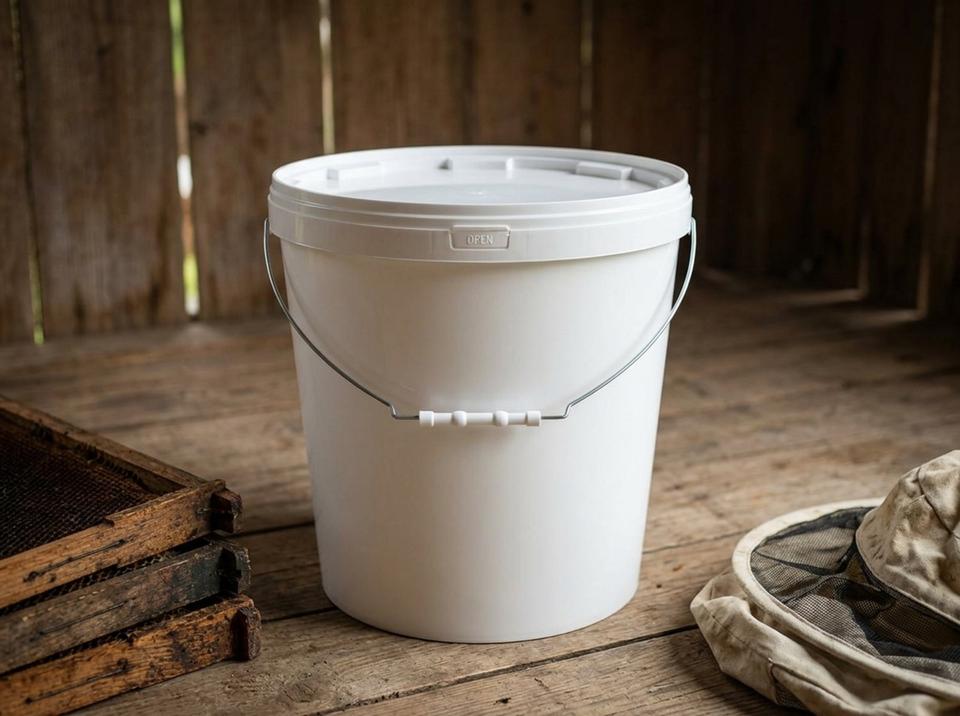
Propolis sticks
Propolis is scraped off frames and inner covers in small amounts and collected in one bucket until the end of the season. The 175 mm opening of the 2.3 L bucket lets you knock it straight off the hive tool, and after each collection the lid keeps out dust and light.
Wax builds up over years
Trimmings, uncapping wax, and culled frames yield wax a little at a time. It's collected in an 11.5 or 21 L bucket, closed with a lid against wax moths and mice, and taken for rendering once there's enough for a batch.
Pollen hates moisture
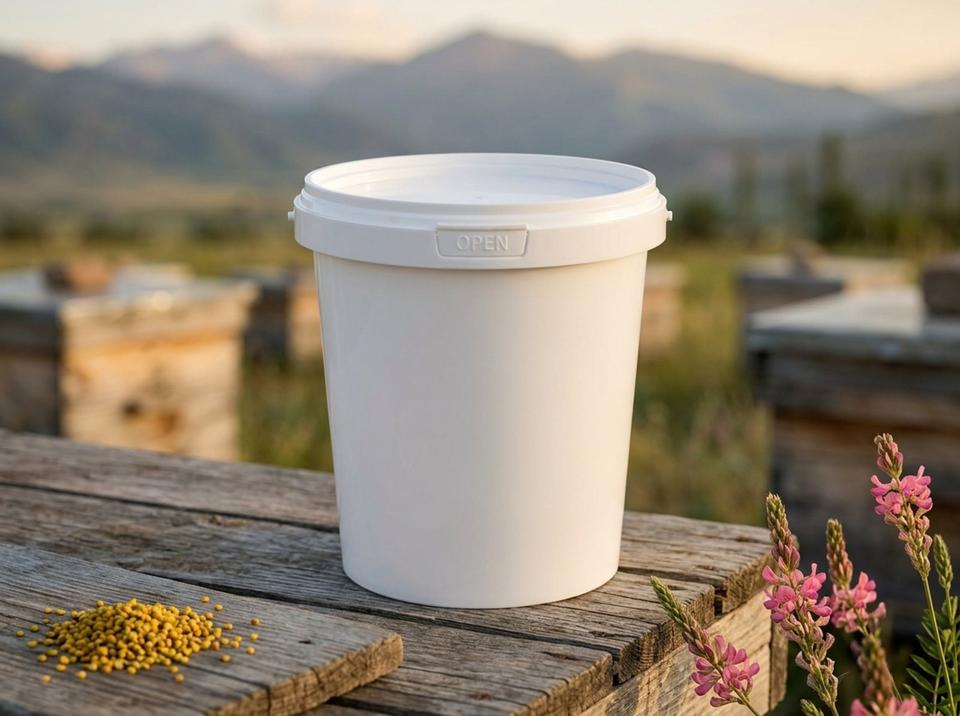
Dried pollen pellets are stored sealed, or they absorb moisture from the air. The bucket closes into a double rim, and a buyer who collects pollen from several apiaries can tell from the OPEN tamper-evident tear strip that the batch hasn't been opened since drying.
Cappings and bee bread in portions
Honey cappings are wax caps with honey; bee bread is pollen that bees have preserved in the comb cells. Both sell in small portions, and the 560 ml, 850 ml, and 1 L buckets suit the counter. The texture shows through the clear wall, so shoppers don't need to be told what's inside.
How to choose
Sorting the harvest into buckets
Start with how much product you collect in a season and who you sell it to. An apiary of a hundred colonies doesn't need dozens of large buckets for propolis, and a wax buyer has no use for small tubs. Keep products meant for different uses in separate buckets, and write the date and place of collection on the lid.
1Bee bread and pollen for retail: 560 ml, a low bucket shoppers can pick off the shelf with one hand.560 ml bucket
2Cappings for the fair: 1 L with a plastic handle, or 850 ml.850 ml bucket1 L bucket
3A season's propolis: 2.3 L per apiary, opens full width and closes tightly after each collection.2.3 L bucket
4Wax scrap: 11.5 or 21 L with a bail handle and plastic grip.11.5 L bucket21 L bucket
5For anything that sits for a long time in a brightly lit display, choose a white body; for everything else, clear.
Logistics
Buckets for apiaries and bee product buyers
Buckets for wax and propolis are needed by the start of the season, just like honey packaging, so it makes sense to order them together in one shipment. Empty buckets of every size nest in stacks, so an apiary's supply takes little room in the truck. You can pick them up from the plant in the Bishkek Free Economic Zone (FEZ), Ak-Chiy village; we deliver across Bishkek and Chuy Region ourselves and ship to Issyk-Kul, Naryn, Talas, and the south of the country by freight carrier. Bulk buyers and apiaries in Kazakhstan, from Almaty Region to East Kazakhstan, receive packaging by the pallet within the EAEU. Your sales manager confirms delivery time and cost when you place the order.
Related guides
Related pages for beekeepers
An apiary's main product is honey, and its packaging is sized by weight. Here you'll also find guides for sweets made from and with honey.
All 46 guides Buckets for jam and fruit butterpreserves, jam, fruit butter, fillings560 ml-18 L
 Buckets for condensed milkcondensed milk, dulce de leche, milk spreads560 ml-21 L
 Pastry filling bucketsfillings, creams, glazes, ganache0.56-21 L
 Buckets for halva and Middle Eastern sweetshalva, nougat, baklava, sherbet fudge, kozinaki nut brittle560 ml-11.5 L
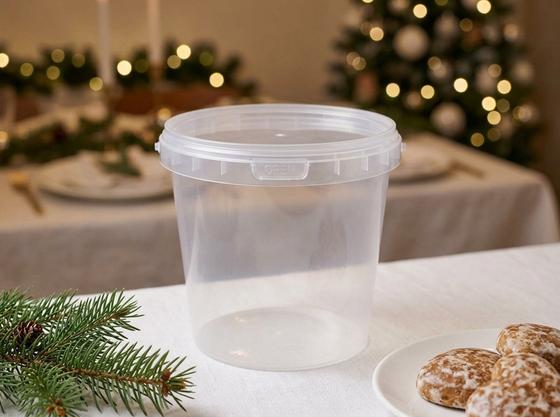 Cookie and candy bucketscookies, gingerbread, candy, fruit jellies, marshmallows560 ml-11.5 L
 Buckets for nut butterspeanut butter, urbech, tahini, nut spreads560 ml-21 L
Questions and answers
Beekeepers ask about beeswax, propolis, and bee bread
In a closed bucket of the right size: a 2.3 L bucket usually lasts an apiary the whole season. Keep it in a dry, dark place and write the collection site on the lid. Propolis doesn't need a clear body; white does a better job of shielding the contents from light.
Yes, wax scrap and wax blocks are easy to transport in 11.5 or 21 L buckets: the 21 L has a 332 mm opening, so large pieces fit without breaking. The lid protects the wax from dust and rodents, and a pallet holds 600 empty buckets of this size.
For a retail portion, the 560 ml: a low, neat bucket with side lugs instead of a handle. If you sell bee bread in comb or with honey in large pieces, the 850 ml or 1 L bucket will do. The OPEN tamper-evident tear strip shows the shopper the package hasn't been opened.
Our sales manager prices each order based on size, color, handle, quantity, and printing. If you're also ordering honey packaging, list all the items at once: call +996 222 600 292 and we'll put it all in one quote.
Yes. A small batch is best marked with a label; for a permanent product line, in-mold labeling (IML) is the right fit: the image is fused into the wall during molding and stays put even when you have to scrub propolis off the bucket. Learn more on our IML printing page.
Yes, by the pallet within the EAEU to Almaty, Oskemen (Ust-Kamenogorsk), Semey, Taldykorgan, and other cities. Honey and wax buckets can be mixed in one shipment, and your sales manager confirms delivery time and cost when you place the order.
Cappings are sold in pieces, and a narrow bucket means breaking them up. The 850 ml or 1 L bucket, with a 118 or 132.5 mm opening, works better: the wax caps lie in a layer, and shoppers can see them through the clear wall.
Catalog
Packaging for bee products in the catalog
Dimensions and handles for every size are in the catalog. Honey itself, its weight in different buckets, and color choice are covered on the honey buckets page, and packaging for the whole beekeeping year on the beekeepers and honey packers page.
Request
Want to sell more than honey?
Tell us how many colonies you keep and what you collect besides honey. Our sales manager will suggest sizes for each product, calculate the packaging together with your honey buckets, and offer to ship before the season starts.