

 560 ml
 900 ml
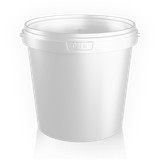 1 L
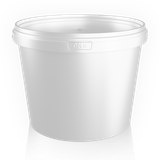 2.3 L
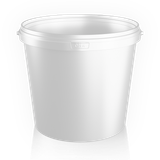 3.8 L
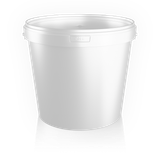 5.6 L
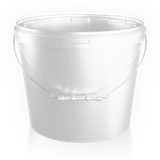 11.5 L
Our sales manager will contact you shortly
Request a callback from our specialist
Want to learn more about our packaging or find the right fit for your business? Request a callback, and our specialist will call you at a time that suits you. Tell us about your product, and we'll help you choose the best option.
Order a callback from a specialist
Want to learn more about our solutions or find the perfect solution for your business? Leave a request for a callback and our specialist will contact you at a convenient time. Together we will find the optimal solution to make your business thrive!
Request a callback from our HR team
Interested in our openings and career opportunities? Leave your contact details and our HR team will get back to you shortly. We'll answer your questions and explain how to join the HTI Group team.
Order a callback from a specialist
Would you like to learn more about our job openings and career opportunities? Leave your contact information, and our HR department will get in touch with you shortly. We will answer all your questions and provide detailed information on how to become part of the HTI Group team.
与我们取得联系
想了解更多我们的解决方案或为您的业务选择完美的解决方案吗?
请留下您的联系方式,我们的专家将尽快与您联系。
让我们一起找到最佳方案,助您的业务蓬勃发展!
请留下您的联系方式,我们的专家将尽快与您联系。
让我们一起找到最佳方案,助您的业务蓬勃发展!
要点电话回拨来自人力资源部门
想了解更多关于我们职位和职业发展的机会吗?请留下您的联系信息,我们的人力资源部门将尽快与您联系。我们将回答您的所有问题,并提供详细信息,帮助您成为HTI Group团队的一员。
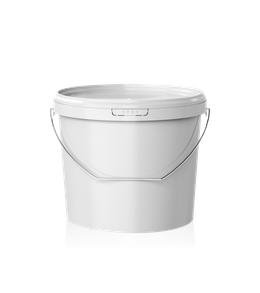 Plastic buckets14 sizes · 560 ml to 21 L
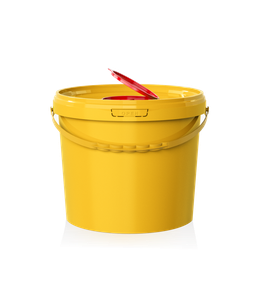 Medical buckets9 sizes · 1 to 21 L
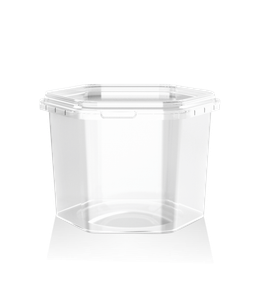 Food containers5 formats · 250 to 750 ml
 Plastic jerry cans5 L and 10 L
Plastic buckets16 models, 560 ml - 21 L
Medical buckets10 models, 1 - 21 L
Food containers5 models, 250 - 750 ml
Plastic canisters5 and 10 L
塑料桶16 个型号,560 毫升 - 21 升
食品容器5 个型号,250 - 750 毫升
塑料方桶5 升和 10 升
HTI AssistantFind the right packaging for your product in 4 steps
HTI AssistantOnline until 5:00 PM
Hello! We'll suggest the right size for your product, calculate pallets, and quote a price for your order.
Contact the plant
WhatsAppChat with a sales managerCall+996 222 600 292We'll call you backLeave your numberEmailinfo@hti-group.kg
Quick actions
Mon-Fri, 9:00 AM-5:00 PM · Factory in the Bishkek Free Economic Zone, Ak-Chiy village
Hot pastes and condiments
Buckets for adjika, mustard, and tomato paste
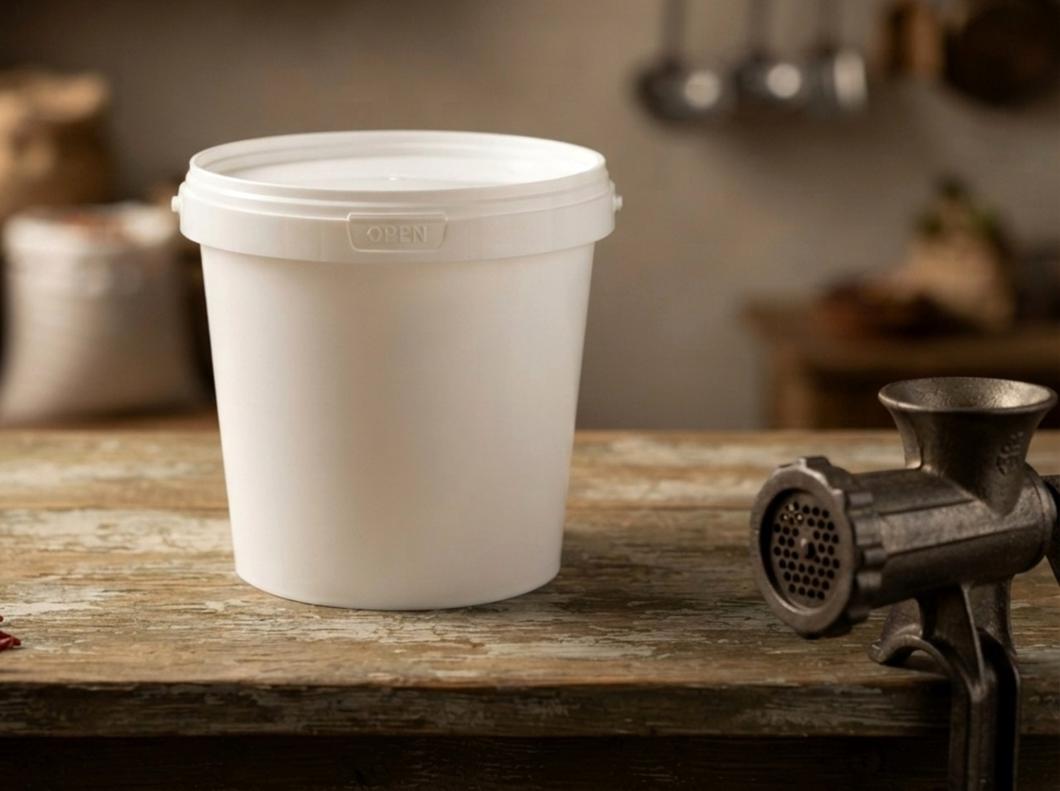
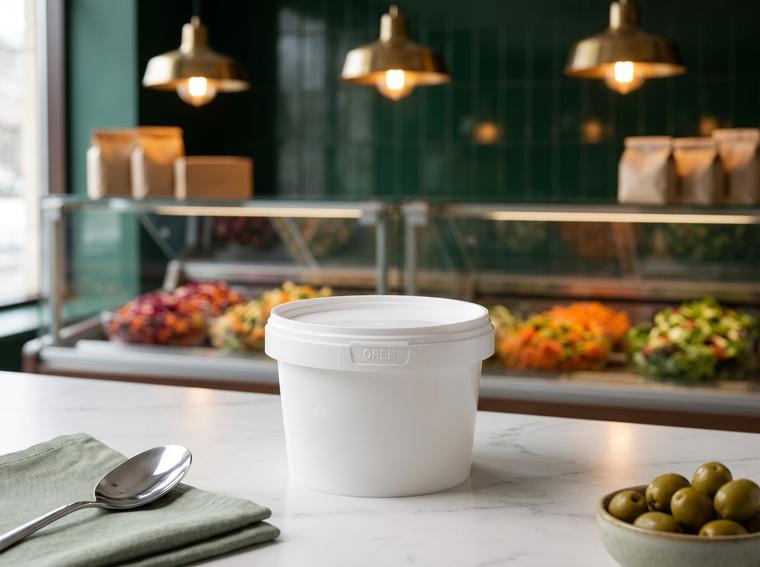
Homemade adjika and khrenovina (horseradish relish) at the bazaar, mustard for kholodets (meat aspic), tomato paste for lagman and shorpo, pepper sauce for ashlan-fu: hot and spicy pastes are packed in small buckets for the market stall and large ones for cafe kitchens. HTI makes food-grade buckets from 560 ml to 21 L. The lid seals into a double rim to keep odors in, the wide opening lets a spoon reach the bottom, and the OPEN tamper-evident tear strip shows whether the bucket has been opened.
0.56-21 Lsizes for pastes
15 mlone spoonful in our calculations
373spoonfuls of paste in a 5.6 L bucket
OPENtamper-evident seal
Spoon counter
How many spoonfuls in a bucket
Hot pastes are used by the spoonful and by the ramekin. Choose a bucket and a measure: the tool shows how many servings one bucket holds and how many buckets you need for a thousand servings. You can also set your own serving size in milliliters.
Packaging from this page's lineup
How you portion the paste
Calculated at the nominal capacity of the packaging: how many whole portions it yields.
How much product do you package per month
L
We ship in full pallets, so the number of pallets is rounded up.
Shelf length, cm
cm
Shelf depth, cmcm
Calculated by the top size of the packaging, in a single layer, with no gaps between neighboring items.
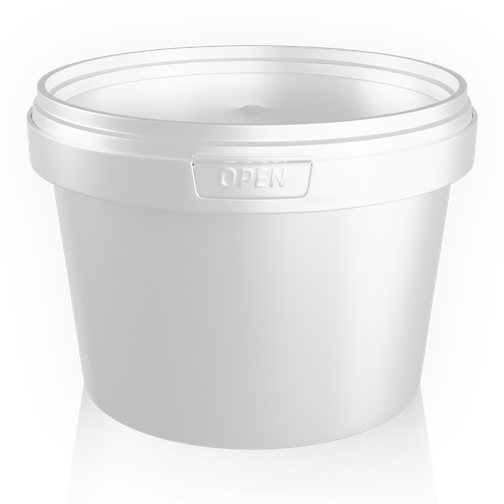 80 mm
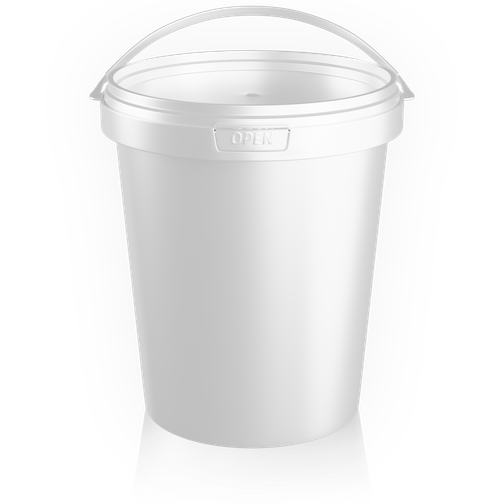 134 mm
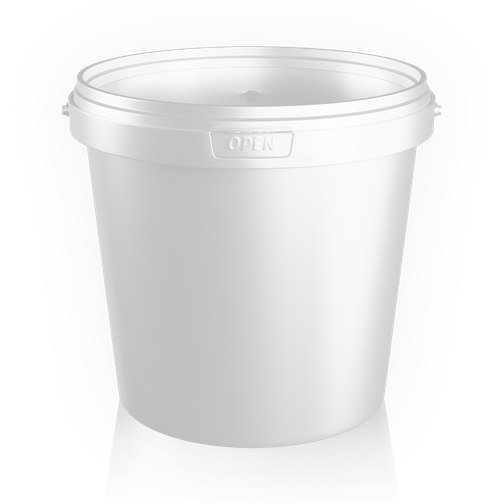 121 mm
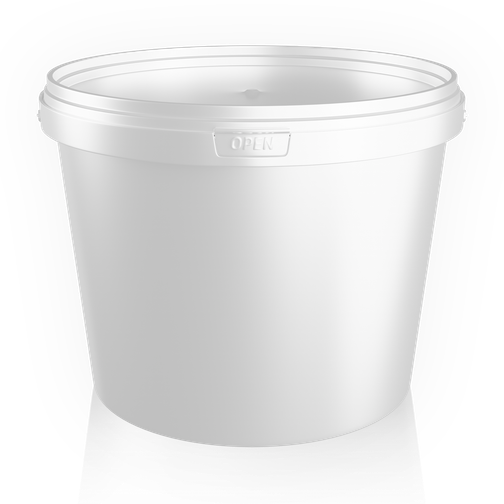 132 mm
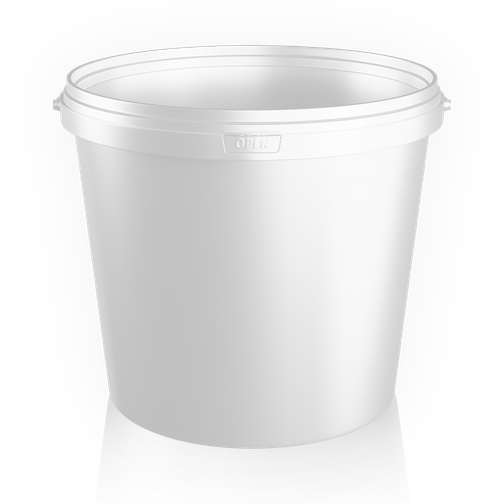 176 mm
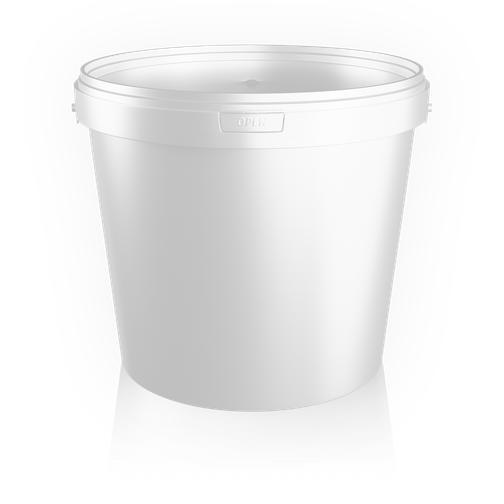 193 mm
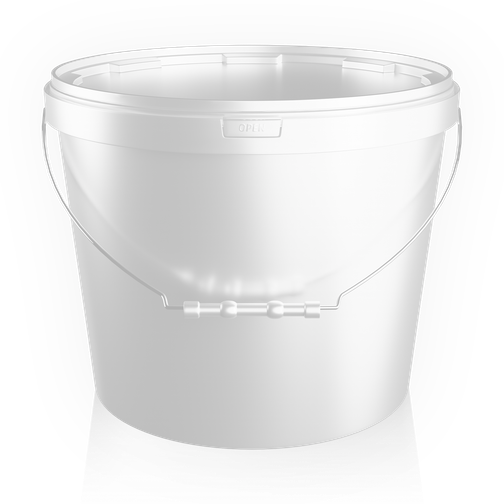 234 mm
Hot and spicy
Smell, color, acidity: what sets spicy pastes apart
Mayonnaise and ketchup are mild, but adjika, horseradish, and mustard are products with character. They smell strong, stain everything red, and lose their heat if left open too long. That's why makers of hot pastes have their own questions about packaging, and below are answers to the four main ones.
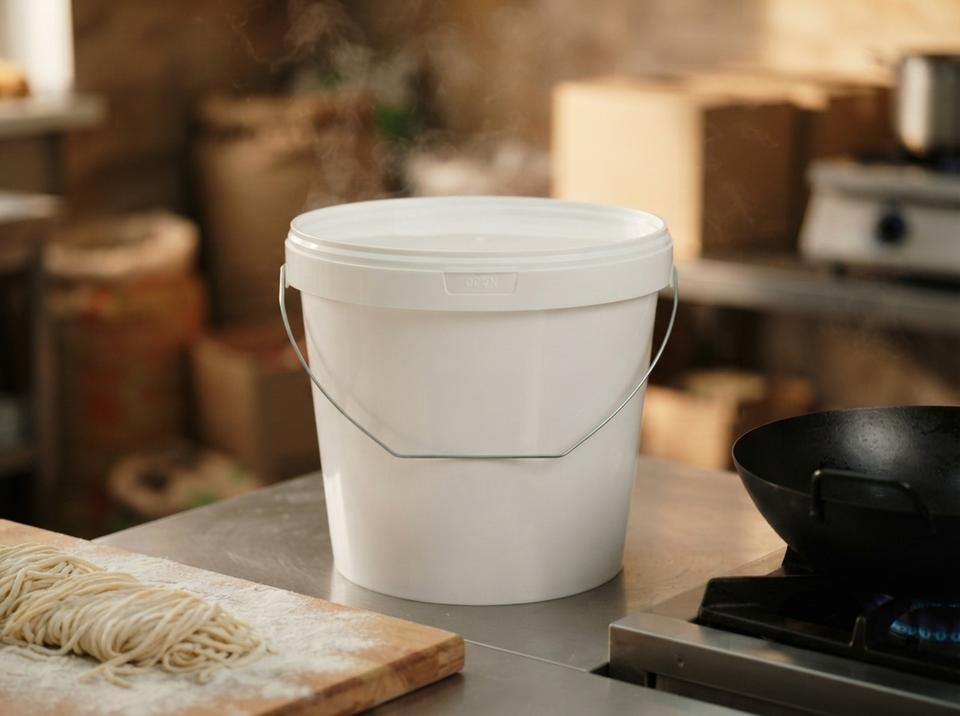
The heat stays in the bucket
Horseradish and mustard lose their potency in open air, and in an open bowl their bite fades noticeably. The flat lid snaps back into the double rim after every scoop and keeps garlic and pepper odors from spreading through the cold room.
Red on white
Over time, tomato and pepper pastes can stain the inside wall, just as they stain any plastic container. So don't reuse an adjika bucket for dairy or cream. Stick to a simple rule: one container, one product.
Right down to the bottom
Paste is thick: you don't pour it, you scoop it. The tapered body widens toward the top, so a spoon or spatula runs along the wall all the way to the bottom without leaving residue in the corners. In a cafe where paste is scooped dozens of times per shift, that saves both product and the cook's time.
Homemade adjika, no tampering
At the bazaar, people buying hot paste worry that it's been watered down or tasted with a dirty spoon. The OPEN tamper-evident tear strip under the rim comes off only on first opening, and an intact bucket on the counter is more convincing than any sales pitch.
Counting in spoonfuls
How many spoonfuls in one bucket
Hot pastes aren't used by the liter: the cook adds a spoonful of tomato paste to the lagman, and the server sets a ramekin of mustard next to the meat. That's why bucket size is easier to measure in servings. In the table, nominal capacity is converted into 15 ml tablespoons and 30 ml ramekins, rounded down. Compare the figures with how many dishes your kitchen serves a day.
Lineup at the same scalebody width and height per factory spec sheets
| Volume | Model | Opening, mm | 15 ml spoonfuls | 30 ml ramekins | Best for |
|---|---|---|---|---|---|
| 560 ml | PKS560 | 118 | 37 | 18 | homemade adjika at the bazaar |
| 900 ml | PKS900H | 127 | 60 | 30 | mustard and horseradish for retail |
| 1 L | PK10 | 132.5 | 66 | 33 | family supply, small cafe |
| 2.3 L | PK23 | 175 | 153 | 76 | shashlik cafe, small canteen |
| 3.8 L | PK38 | 200 | 253 | 126 | cafe serving local cuisine |
| 5.6 L | PK56 | 224 | 373 | 186 | lagman house, busy kitchen |
| 11.5 L | PK115 | 295 | 766 | 383 | paste producer, wholesale shipments |
If a lagman house uses one spoonful of tomato paste per serving and dishes out a hundred and fifty servings a day, a 2.3 L bucket covers one shift and a 5.6 L bucket lasts two or three days. Mustard and horseradish are used more slowly and lose their heat in an open container, so choose a smaller size than the calculator suggests.
How to choose
Pick the size by how fast you use it
For spicy pastes, choose the size by how quickly the paste gets eaten once opened, not by how much you produce. The slower it goes, the smaller the bucket. If your recipe is acidic and contains vinegar, test it in a trial batch of buckets before switching your whole output over.
1Homemade adjika and horseradish relish at the bazaar: 560 ml, about 37 spoonfuls, a family-size purchase.560 ml bucket
2Mustard and horseradish for store shelves: 900 ml with a molded-in handle, or a 1 L bucket.900 ml bucket1 L bucket
3Shashlik cafes and small canteens: 2.3 L or 3.8 L of adjika to serve with meat.2.3 L bucket3.8 L bucket
4Lagman houses and Uyghur and Dungan cafes: 5.6 L of tomato or pepper paste right by the stove.5.6 L bucket
5Paste producers and wholesalers: 11.5 L or 18 L with a bail handle and plastic grip.11.5 L bucket
Related guides
Alongside spicy pastes in the same kitchen
Adjika and mustard usually sit next to mayonnaise, pickles, and marinated meat. Each of those products has its own sizing guide.
All 46 guides Buckets for marinated meatmarinated shashlik, ground meat, ready-to-cook products3-11.5 L
 Buckets for fish and caviarherring, mackerel, trout, caviar in sauce560 ml-15 L
 Mushroom bucketssalted and pickled mushrooms560 ml-21 L
 Buckets for olivesgreen and black olives, capers in brine560 ml-11.5 L
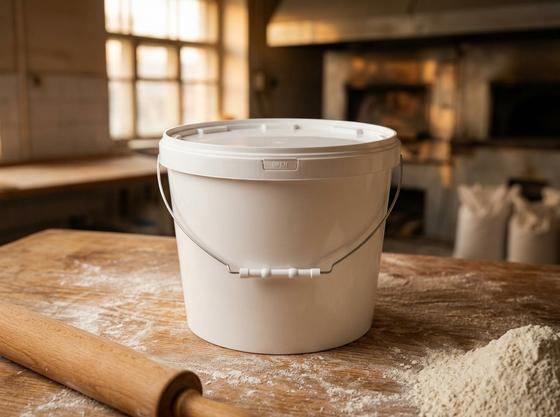 Dough bucketsyeast and unleavened dough, make-ahead batches3-21 L
 Buckets for picklessauerkraut, cucumbers, tomatoes, wild garlic1-18 L
Logistics
Fall preserving season without running out of packaging
Adjika and tomato pastes are mostly made in the fall, when peppers and tomatoes get cheaper, so you need packaging for the whole canning season at once. Empty buckets arrive nested in stacks, so a month's supply for your shop fits in a corner of the storeroom. You can pick up from the factory warehouse in the Bishkek Free Economic Zone (FEZ), Ak-Chiy village, and our own trucks deliver across Bishkek and Chuy Region, including Tokmok and Kant. We ship buckets to Karakol, Osh, Jalal-Abad, Talas, and Naryn via a freight carrier, and to producers in Shymkent, Almaty, Taraz, and Astana by the pallet within the EAEU. Your sales manager confirms delivery time and cost when you place your order. If you buy your peppers and tomatoes in the south, it's easy to collect empty buckets from the factory on your way back through Bishkek.
Questions and answers
Frequently asked questions about buckets for spicy pastes
Yes, food-grade polypropylene buckets are used for adjika, mustard, horseradish, and tomato pastes. For recipes with vinegar and lots of spices, run a trial batch and test the product and packaging together before launching full production.
Spicy pastes have a strong smell, and a bucket can hold on to it even after washing. That's why buckets that held adjika or horseradish aren't reused for dairy products or baked goods. Keep a dedicated set of buckets for your product, and pack each new batch in new buckets.
Work out how many spoonfuls of paste go into one serving and how many servings you make a day. A busy lagman house usually does well with the 5.6 L bucket, a small cafe with the 2.3 L. Large 11.5 L buckets are handy for storage and production.
Our sales manager prices each order based on size, quantity, body color, and printing. Call +996 222 600 292, tell us your products and seasonal output, and you'll get a quote for the full set of sizes at once.
Yes, with a label or in-mold labeling (IML). An IML label is fused into the wall during molding and doesn't come off in the wash, so red drips rinse away without damaging the design. One bucket mold can carry different designs for hot, medium, and mild adjika.
Yes, by the pallet within the EAEU to Shymkent, Almaty, Taraz, Astana, and other cities. Your sales manager confirms delivery time and cost when you place the order. One pallet holds 7,200 of the 900 ml buckets or 1,920 of the 5.6 L buckets.
Clear buckets show off the bright color of adjika and pepper paste on the counter. White ones hide any staining on the walls and make your branding stand out, so cafes and wholesale buyers choose them more often.
Catalog
Packaging for spicy pastes in the HTI catalog
The catalog lists every bucket from 560 ml to 21 L, with dimensions and handle options. For milder sauces, see buckets for mayonnaise and sauces; for spicy salads, see buckets for Korean-style salads.
Request
Making adjika or pastes to sell?
Tell our sales manager which pastes you make and who buys them: bazaar shoppers, stores, or cafes. You'll get sizes matched to each channel, a pallet count for the canning season, and tips on fitting the product name and heat level on the bucket wall. If you also make pickles or Korean carrot salad alongside adjika, mention those too: one size often works for several products at once.