

 560 ml
 850 ml
 1 L
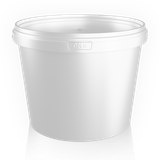 2.3 L
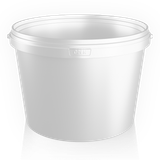 3 L
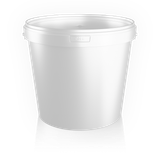 5.6 L
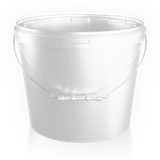 11.5 L
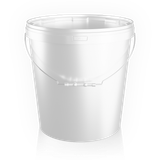 21 L
Our sales manager will contact you shortly
Request a callback from our specialist
Want to learn more about our packaging or find the right fit for your business? Request a callback, and our specialist will call you at a time that suits you. Tell us about your product, and we'll help you choose the best option.
Order a callback from a specialist
Want to learn more about our solutions or find the perfect solution for your business? Leave a request for a callback and our specialist will contact you at a convenient time. Together we will find the optimal solution to make your business thrive!
Request a callback from our HR team
Interested in our openings and career opportunities? Leave your contact details and our HR team will get back to you shortly. We'll answer your questions and explain how to join the HTI Group team.
Order a callback from a specialist
Would you like to learn more about our job openings and career opportunities? Leave your contact information, and our HR department will get in touch with you shortly. We will answer all your questions and provide detailed information on how to become part of the HTI Group team.
与我们取得联系
想了解更多我们的解决方案或为您的业务选择完美的解决方案吗?
请留下您的联系方式,我们的专家将尽快与您联系。
让我们一起找到最佳方案,助您的业务蓬勃发展!
请留下您的联系方式,我们的专家将尽快与您联系。
让我们一起找到最佳方案,助您的业务蓬勃发展!
要点电话回拨来自人力资源部门
想了解更多关于我们职位和职业发展的机会吗?请留下您的联系信息,我们的人力资源部门将尽快与您联系。我们将回答您的所有问题,并提供详细信息,帮助您成为HTI Group团队的一员。
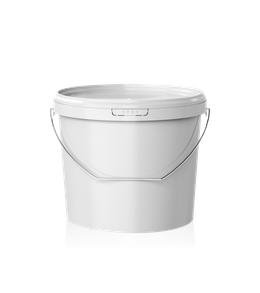 Plastic buckets14 sizes · 560 ml to 21 L
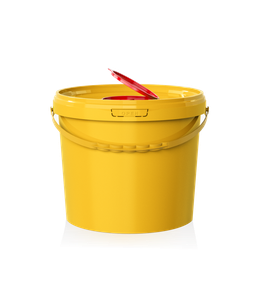 Medical buckets9 sizes · 1 to 21 L
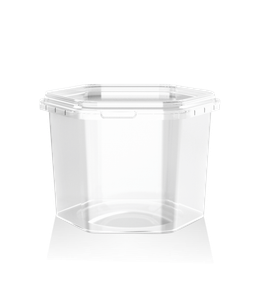 Food containers5 formats · 250 to 750 ml
 Plastic jerry cans5 L and 10 L
Plastic buckets16 models, 560 ml - 21 L
Medical buckets10 models, 1 - 21 L
Food containers5 models, 250 - 750 ml
Plastic canisters5 and 10 L
塑料桶16 个型号,560 毫升 - 21 升
食品容器5 个型号,250 - 750 毫升
塑料方桶5 升和 10 升
HTI AssistantFind the right packaging for your product in 4 steps
HTI AssistantOnline until 5:00 PM
Hello! We'll suggest the right size for your product, calculate pallets, and quote a price for your order.
Contact the plant
WhatsAppChat with a sales managerCall+996 222 600 292We'll call you backLeave your numberEmailinfo@hti-group.kg
Quick actions
Mon-Fri, 9:00 AM-5:00 PM · Factory in the Bishkek Free Economic Zone, Ak-Chiy village
Nut butter, urbech, tahini
Buckets for nut butters, urbech, and tahini
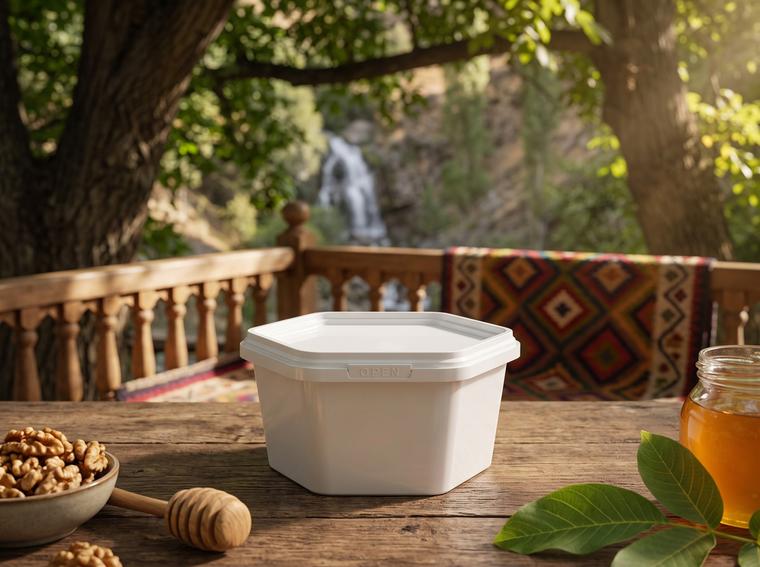
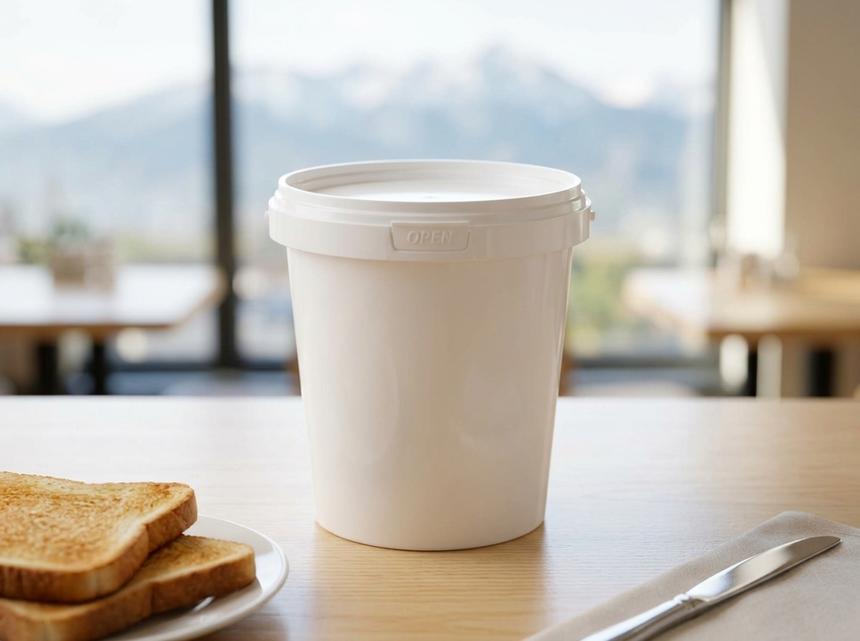
Peanut butter, urbech, tahini, and nut spreads are thick, oily, and prone to separating: the oil rises to the top, and the product needs stirring before eating. That calls for packaging with a wide opening, a smooth round wall, and a lid that snaps firmly back into place after every opening. At the Bishkek Free Economic Zone (FEZ), HTI molds these buckets from 560 ml to 21 L for store shelves, cafe kitchens, and small producers' storerooms.
0.56-21 Lfrom tasting samples to production
1,075 mlextra headspace in the 11.5 L
No cornersstir right in the bucket
IMLyour brand on the bucket wall
Nut butter tool
Which nut butter in which size
Peanut butter, urbech, and tahini sell through different channels: store shelves, coffee shops, halva production. Select a nut butter to see the bucket, the typical buyer, and the headspace up to the brim, as listed in the table on this page. The "Portions" tab shows how many spoonfuls or servings you get from the selected size.
Packaging from this page's lineup
Nut butter
The rows come from this page's table: each one has its own packaging.
Serving size
Calculated at the nominal capacity of the packaging: how many whole portions it yields.
How much product do you package per month
L
We ship in full pallets, so the number of pallets is rounded up.
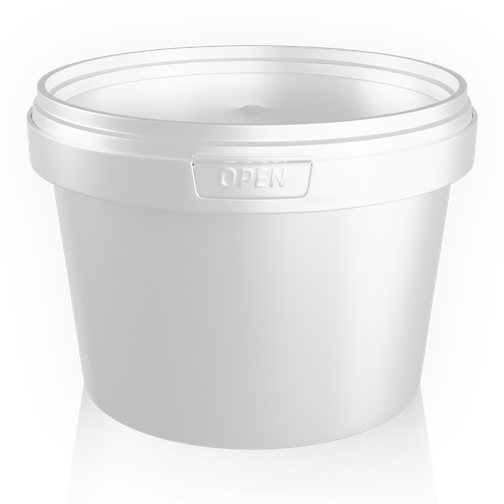 80 mm
 124 mm
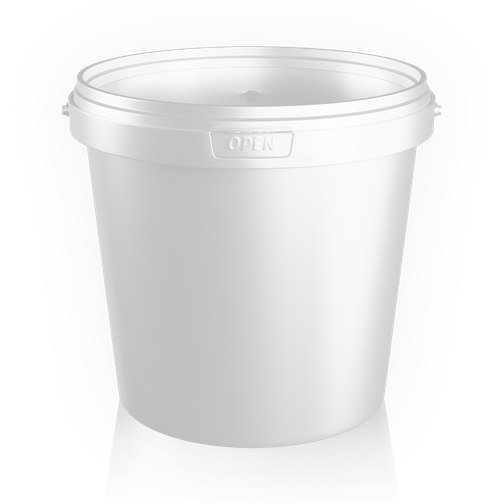 121 mm
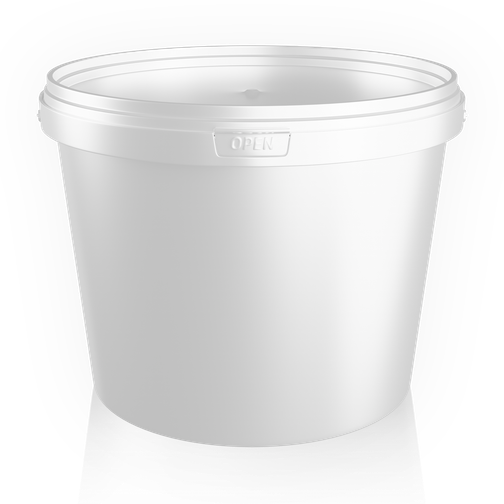 132 mm
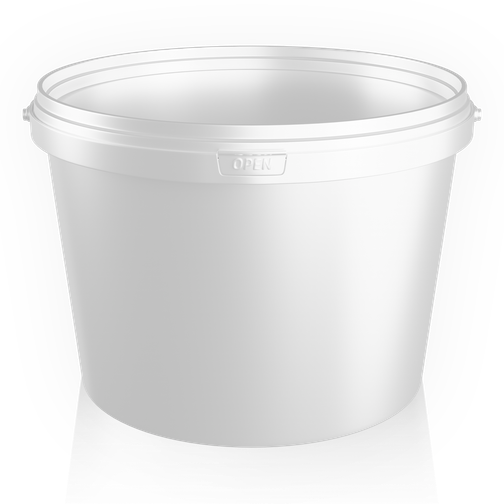 137 mm
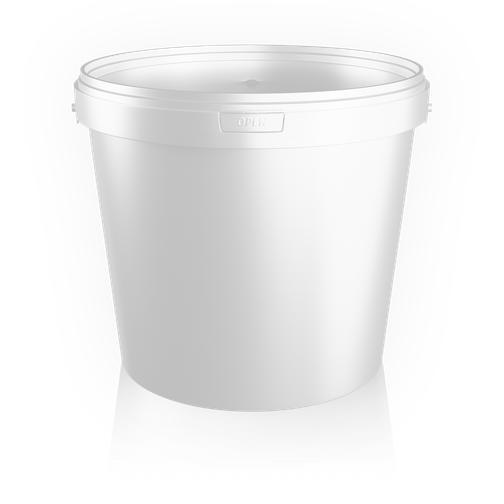 193 mm
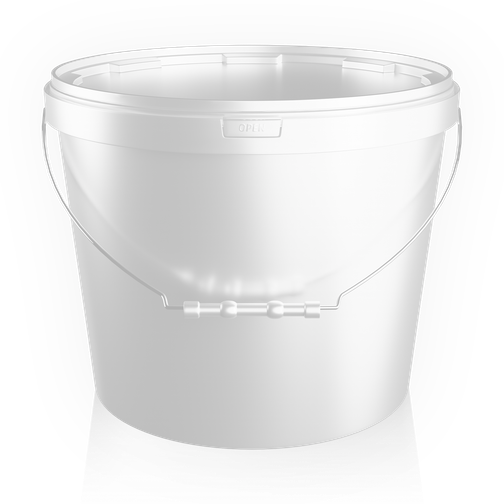 234 mm
 333.5 mm
Butters and buyers
Which nut butter in which size
Nut butters differ not only in raw material but also in thickness: tahini almost pours, urbech firms up toward the end of the pack, and peanut butter holds its shape on a knife. That decides which packaging makes the product easy to stir and to scoop with a spoon. The table shows typical pairings of nut butter, buyer, and size, and the last column gives the free space above nominal capacity, which lets you stir the product without the oil spilling over the rim.
Lineup at the same scalebody width and height per factory spec sheets
| Volume | Model | Nut butter | Buyer | Opening, mm | Brim headroom |
|---|---|---|---|---|---|
| 560 ml | PKS560 | peanut butter, nut spread | health food store shelf | 118 | 90 ml |
| 850 ml | PKS850 | urbech, cashew butter | gifts, farm shops | 118 | 105 ml |
| 1 L | PK10 | tahini | families, homemade hummus | 132.5 | 180 ml |
| 2.3 L | PK23 | nut spread with cocoa | coffee shops, breakfast spots | 175 | 144 ml |
| 3 L | PK30 | peanut butter | bakeries, baked goods | 200 | 280 ml |
| 5.6 L | PK56 | tahini | hummus and falafel cafes | 224 | 270 ml |
| 11.5 L | PK115 | peanut butter, urbech | production, stock for filling | 295 | 1,075 ml |
| 21 L | PK210 | sesame paste | halva production | 332 | 900 ml |
The 11.5 L bucket has the most headspace above nominal capacity, over a liter, so it's the choice for batches that get stirred right in the bucket before filling. Smaller buckets have less free space, and shoppers stir the packed nut butter with a spoon at home, which is why the bucket has a wide opening and no corners for oil to hide in.
Oil, thickness, brand
Natural nut butter and its quirks
Nut butters without stabilizers have a mind of their own: the oil rises to the top, the bottom layer thickens, and the product sticks to the knife and the walls. Small producers who grind their own peanuts, sesame, and seeds choose packaging that makes these traits easy to handle. Here are four reasons to go with a molded bucket.
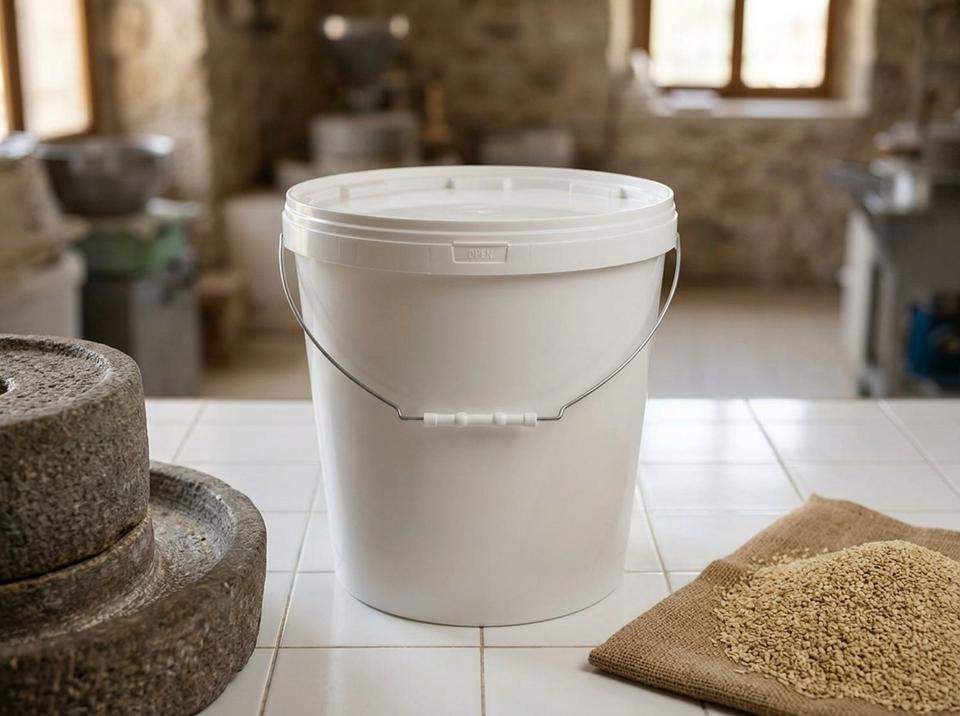
Oil on top? No problem
In natural nut butter, the oil separates over time and collects above the dense layer. In a wide-mouth bucket, you stir it back in with a spoon or spatula right in the container, without transferring the product to a bowl. The round body has no corners, so no unmixed pockets are left at the bottom.
Tahini for cafe kitchens
Cafes serving hummus, falafel, and sauces buy tahini in 5.6 L buckets: the cook opens the lid, scoops out a portion, and closes the bucket again. The 224 mm opening fits a ladle and a whisk, and a metal bail handle or, on request, a plastic handle lets you move the bucket from shelf to table with one hand.
A small producer's brand
Nut butter is often made by small producers, and shoppers remember them by their packaging. For a trial batch, the name, flavor, and ingredients go on a label; once the product takes off, switch to in-mold labeling (IML): the image is fused into the wall during molding and won't rub off under greasy fingers.
Nobody has opened the lid
In a health food store, nut butter sits on an open shelf, and shoppers want to know nobody opened the bucket before them. The OPEN tamper-evident tear strip under the rim is torn off on first opening, so a tampered pack is obvious at once. It also helps staff quickly pull opened items off the shelf.
How to choose
From a trial batch to your own production line
Nut butter production usually grows step by step: first a dozen buckets for friends and the first store, then cafes and wholesale buyers. Choose packaging you won't have to change as output grows, so customers keep seeing the pack they already know.
1First batch and tastings: 560 ml or a 250 ml hexagonal container, a small portion people are happy to try.560 ml bucket
2Store shelves: 850 ml, a tall, slim body with a 118 mm opening that takes up little space in a row.850 ml bucket
3Coffee shops and breakfast spots: 2.3 L or 5.6 L with a handle, so the bucket can be carried in one hand.2.3 L bucket5.6 L bucket
4Stock for filling and stirring: 11.5 L, with over a liter of headspace above nominal.11.5 L bucket
5Sesame paste for halva: a 21 L bucket. For packaging the halva itself, see our buckets for halva and Middle Eastern sweets page.21 L bucket
Logistics
How to get buckets for your nut butter
Instead of keeping a warehouse full of empty buckets, plan packaging around your upcoming production runs and agree on a delivery schedule with your sales manager. You can pick up your order from our plant in the Bishkek FEZ, Ak-Chiy village. Our own trucks deliver within Bishkek and Chuy Region, and a freight carrier ships to Osh, Jalal-Abad, Batken, Karakol, and other cities in Kyrgyzstan. For producers in Almaty, Astana, Shymkent, and Karaganda, buckets ship by the pallet within the EAEU. Your sales manager will give you the delivery time and cost when you place your order. Different sizes, such as 850 ml for the shelf and 11.5 L for production, can be combined in one shipment.

Related guides
Next to nut butters on the shelf and in the plant
Nut butters sit alongside honey, halva, fillings, and nuts sold by weight. Those products have their own packaging guides.
All 46 guides Ice cream bucketsplombir ice cream, bulk ice cream for cafes560 ml to 5.6 L
 Buckets for honeyapiary honey, creamed honey, retail packing850 ml-21 L
 Buckets for beeswax and propolisbeeswax, propolis, bee bread, pollen, honey cappings560 ml-21 L
 Buckets for jam and fruit butterpreserves, jam, fruit butter, fillings560 ml-18 L
 Buckets for condensed milkcondensed milk, dulce de leche, milk spreads560 ml-21 L
 Pastry filling bucketsfillings, creams, glazes, ganache0.56-21 L
Questions and answers
Nut butters: packaging questions
That's how almost any natural nut butter without stabilizers behaves: the oil rises to the top. Stir it right in the bucket; that's exactly what the wide opening and corner-free body are for. Producers often note on the label that the product should be stirred before eating.
Most often the 5.6 L: it has a 224 mm opening that fits a ladle, and the handle lets you carry the bucket with one hand. If you go through tahini slowly, take the 2.3 L so the product doesn't sit open for long.
Yes, the buckets are molded from food-grade polypropylene and close with a lid that seats in the double rim. For urbech, which thickens toward the bottom, choose a short 560 ml or 1 L bucket: a spoon easily reaches the last layer.
Our sales manager prices each order based on size, quantity, color, and printing. Call +996 222 600 292 and tell us which nut butters you make and how much, and you'll get a quote for all the sizes you need.
Yes. For a first batch, producers usually use a label, and for an ongoing run, they choose IML: the image is fused into the wall during molding and won't rub off. Different flavors get different designs on the same bucket mold.
Yes, by the pallet within the EAEU to Almaty, Astana, Shymkent, Karaganda, and other cities. Your sales manager confirms delivery time and cost when you place your order.
White hides oil separation, which is normal in natural nut butter, and carries a label well. Clear is the pick when you want to show off the product's color and texture, such as a nut spread with cocoa or a light cashew butter.
Catalog
Buckets and containers for your nut butter
The catalog lists every size from 560 ml to 21 L, plus 250 and 400 ml containers, with dimensions and tare weights. Raw materials such as nuts, seeds, and sesame are easy to store in the packaging from our buckets for nuts and dried fruit page, and chocolate and confectionery spreads are covered on our buckets for fillings page.
Request
Launching your own nut butter?
Tell us what you grind, how much per shift, and where you'll sell it. Our sales manager will suggest two or three starter sizes and work out how many buckets you'll need for your first batch.