
 560 ml
 850 ml
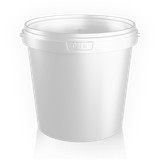 1 L
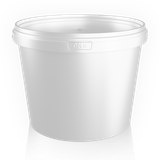 2.3 L
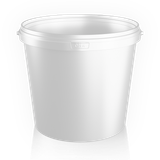 3.8 L
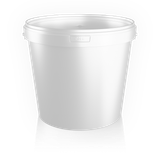 5.6 L
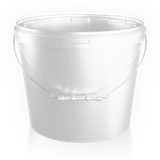 11.5 L
Our sales manager will contact you shortly
Request a callback from our specialist
Want to learn more about our packaging or find the right fit for your business? Request a callback, and our specialist will call you at a time that suits you. Tell us about your product, and we'll help you choose the best option.
Order a callback from a specialist
Want to learn more about our solutions or find the perfect solution for your business? Leave a request for a callback and our specialist will contact you at a convenient time. Together we will find the optimal solution to make your business thrive!
Request a callback from our HR team
Interested in our openings and career opportunities? Leave your contact details and our HR team will get back to you shortly. We'll answer your questions and explain how to join the HTI Group team.
Order a callback from a specialist
Would you like to learn more about our job openings and career opportunities? Leave your contact information, and our HR department will get in touch with you shortly. We will answer all your questions and provide detailed information on how to become part of the HTI Group team.
与我们取得联系
想了解更多我们的解决方案或为您的业务选择完美的解决方案吗?
请留下您的联系方式,我们的专家将尽快与您联系。
让我们一起找到最佳方案,助您的业务蓬勃发展!
请留下您的联系方式,我们的专家将尽快与您联系。
让我们一起找到最佳方案,助您的业务蓬勃发展!
要点电话回拨来自人力资源部门
想了解更多关于我们职位和职业发展的机会吗?请留下您的联系信息,我们的人力资源部门将尽快与您联系。我们将回答您的所有问题,并提供详细信息,帮助您成为HTI Group团队的一员。
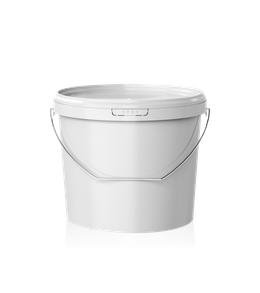 Plastic buckets14 sizes · 560 ml to 21 L
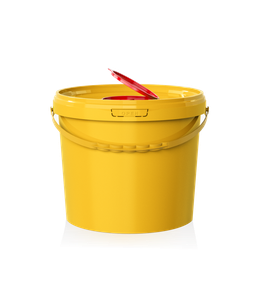 Medical buckets9 sizes · 1 to 21 L
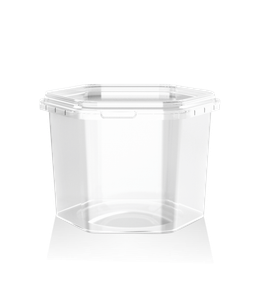 Food containers5 formats · 250 to 750 ml
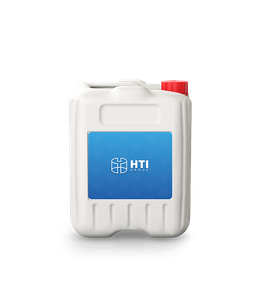 Plastic jerry cans5 L and 10 L
Plastic buckets16 models, 560 ml - 21 L
Medical buckets10 models, 1 - 21 L
Food containers5 models, 250 - 750 ml
Plastic canisters5 and 10 L
塑料桶16 个型号,560 毫升 - 21 升
食品容器5 个型号,250 - 750 毫升
塑料方桶5 升和 10 升
HTI AssistantFind the right packaging for your product in 4 steps
HTI AssistantOnline until 5:00 PM
Hello! We'll suggest the right size for your product, calculate pallets, and quote a price for your order.
Contact the plant
WhatsAppChat with a sales managerCall+996 222 600 292We'll call you backLeave your numberEmailinfo@hti-group.kg
Quick actions
Mon-Fri, 9:00 AM-5:00 PM · Factory in the Bishkek Free Economic Zone, Ak-Chiy village
Kurt, brynza, suzma
Buckets for kurt, brynza, and brined cheese
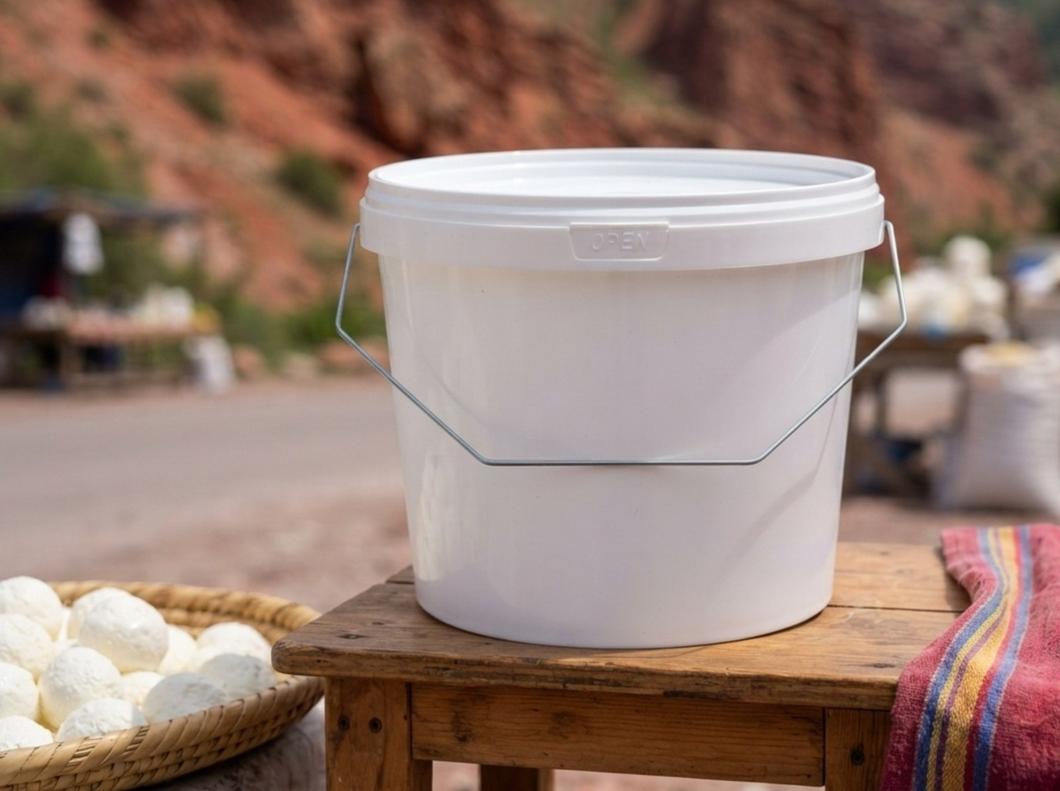
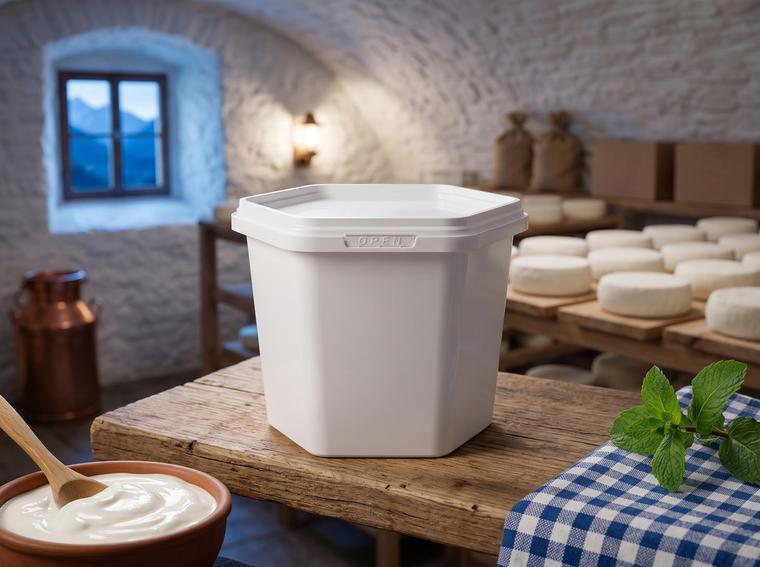
Kurt (dried yogurt balls) is rolled from suzma (strained yogurt) and dried in the sun, while brynza and suluguni are kept in salty brine. All of it sells at the bazaar, by the roadside, and on supermarket shelves. Each stage needs its own packaging: for raw material, for brine, for selling by weight, and for retail. HTI molds food-grade buckets from 560 ml to 21 L for cheesemakers, farms, and kurt traders in Kyrgyzstan and Kazakhstan.
0.56-21 Lfrom a handful of kurt to wholesale
200 mmopening on 3 and 3.8 L buckets
3.8 Lbrynza for cafes
OPENtamper-evident seal
Product and size
Which bucket for kurt, suzma, and cheese
Dry kurt, soft suzma, and brynza in brine each need something different from their packaging. Kurt balls call for a wide, low shape so they're easy to see and grab by hand. Suzma needs a handle, since it's often carried home from the market. Brined cheese needs depth so the pieces stay under the liquid. The table sorts these needs by size.
Lineup at the same scalebody width and height per factory spec sheets
| Volume | Model | Neck × height, mm | Product | Why this size |
|---|---|---|---|---|
| 560 ml | PKS560 | 118 × 80 | kurt for the road and gifts | low, kurt balls visible from above, 7,200 per pallet |
| 850 ml | PKS850 | 118 × 124 | brynza chunks in brine | tall tub, small chunks fully covered by brine |
| 1 L | PK10 | 132,5 × 121 | suzma for the family | plastic handle for carrying home from the bazaar |
| 2.3 L | PK23 | 175 × 132 | kurt by weight | open on the counter, closed overnight |
| 3.8 L | PK38 | 200 × 176 | brined cheese for cafes | chunks stack in several layers |
| 5.6 L | PK56 | 224 × 193 | suzma for making kurt | wide opening for a scoop, bail handle |
| 11.5 L | PK115 | 295 × 234 | wholesale kurt and brynza | bail handle with plastic grip for a full load |
The 3.8 L bucket has the same 200 mm opening as the three-liter one, but its body is 39 mm taller: for brynza, that depth matters more than width, since the chunks stay below the brine. Kurt, on the other hand, doesn't need depth, so the low 2.3 L size is used for selling it by weight. Suzma for making kurt is easiest to prepare in the 5.6 L bucket: through the 224 mm opening, it goes straight in from the bag without a funnel.
Cheesemaker's tool
Kurt, brynza, or suzma: which bucket to choose
People grab kurt by the handful for the road, brynza sits in chunks in brine, and suzma is sold as raw material. Select a product to see the bucket to scale, its opening size, and why it's the right pick. "Per shelf" counts how many fit in a row on a roadside table or in a display case.
Packaging from this page's lineup
Product
The rows come from this page's table: each one has its own packaging.
How much product do you package per month
L
We ship in full pallets, so the number of pallets is rounded up.
Shelf length, cm
cm
Shelf depth, cmcm
Calculated by the top size of the packaging, in a single layer, with no gaps between neighboring items.
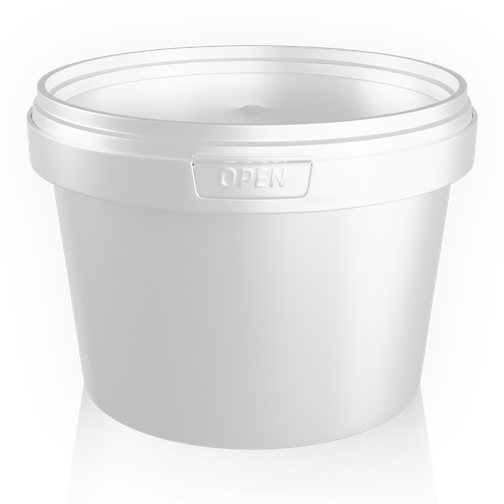 80 mm
 124 mm
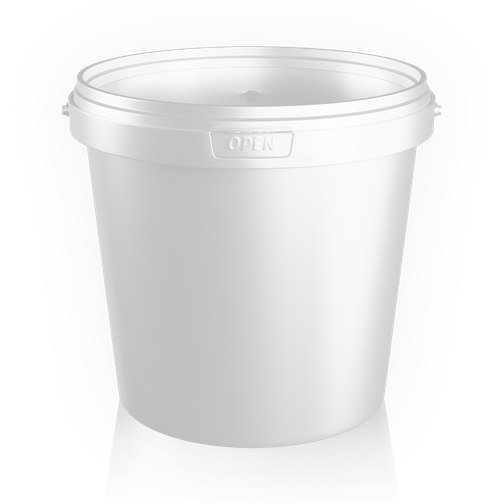 121 mm
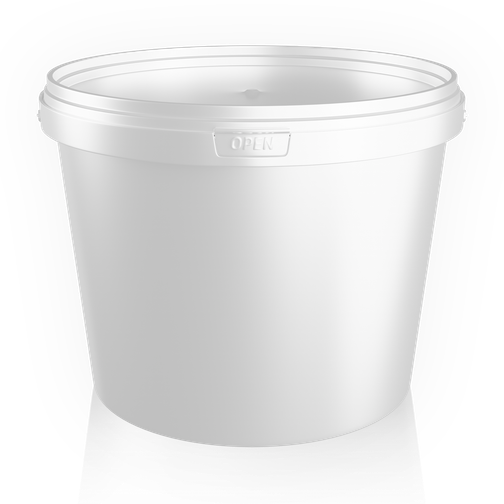 132 mm
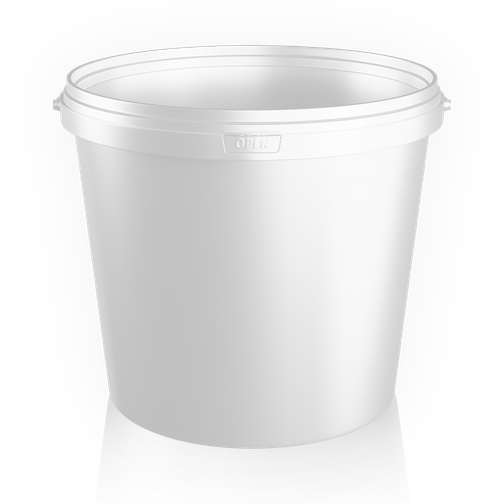 176 mm
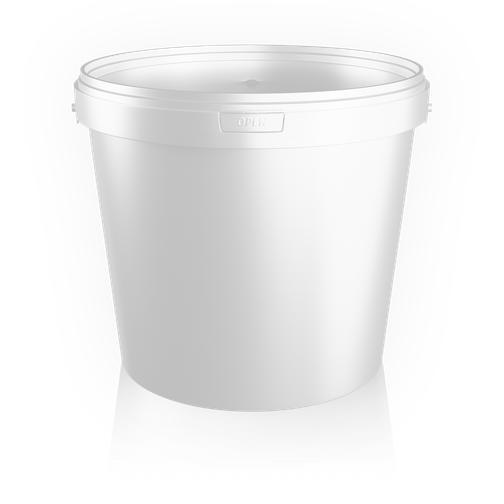 193 mm
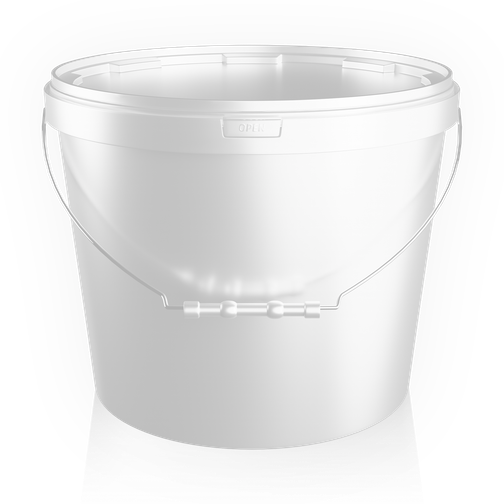 234 mm
How to choose
Three questions before you order packaging
First, decide what exactly you're packing: a dry product, a soft one, or one in brine. Next, who will open the bucket: a shopper at the counter, a cafe cook, or a wholesaler. And finally, how far the product will travel. Your answers determine the size, handle, and printing.
1Kurt for the road, for tourists, and as gifts: 560 ml, a low bucket with side lugs, so the balls are visible the moment it's opened.560 ml bucket
2Brynza and suluguni in brine for stores: 850 ml, or 900 ml with a molded-in handle.850 ml bucket
3Brined cheese for cafes and canteens: 3.8 L, with the same 200 mm opening as the three-liter bucket but a deeper body.3.8 L bucket
4Kurt by weight and suzma for the market: 2.3 L or 5.6 L with a metal bail handle.2.3 L bucket5.6 L bucket
5Wholesale and transport from the farm to the city: 11.5 L with a plastic grip on the bail, so a full bucket doesn't cut into your hand.11.5 L bucket
Salt, drying, the road
From the cheese dairy to the roadside stand
Salty cheese and dry kurt travel farther than sour cream: from the jailoo (summer pastures) to the city, from Naryn to Bishkek, from Kyrgyzstan to Kazakhstan. On the road, the packaging must not leak, rust, or open, and at the point of sale it has to double as a display. Here's how the bucket handles it.

Nothing for the brine to attack
Polypropylene doesn't rust, so salty brine leaves none of the orange stains you get on a tin can or a chipped enamel tank. The lid seats into the double rim and keeps the brine in while a bucket of brynza travels from the dairy to the market. After the season, plain water washes the salt off.
From suzma to kurt
Suzma is drained in a cloth bag, then spread into wide buckets, rolled into balls, and dried on reed mats. The finished kurt goes back into a bucket, this time for storage and sale. The same bucket shape works for both the raw material and the finished product; only the size changes.
Kurt by the highway and at the bazaar
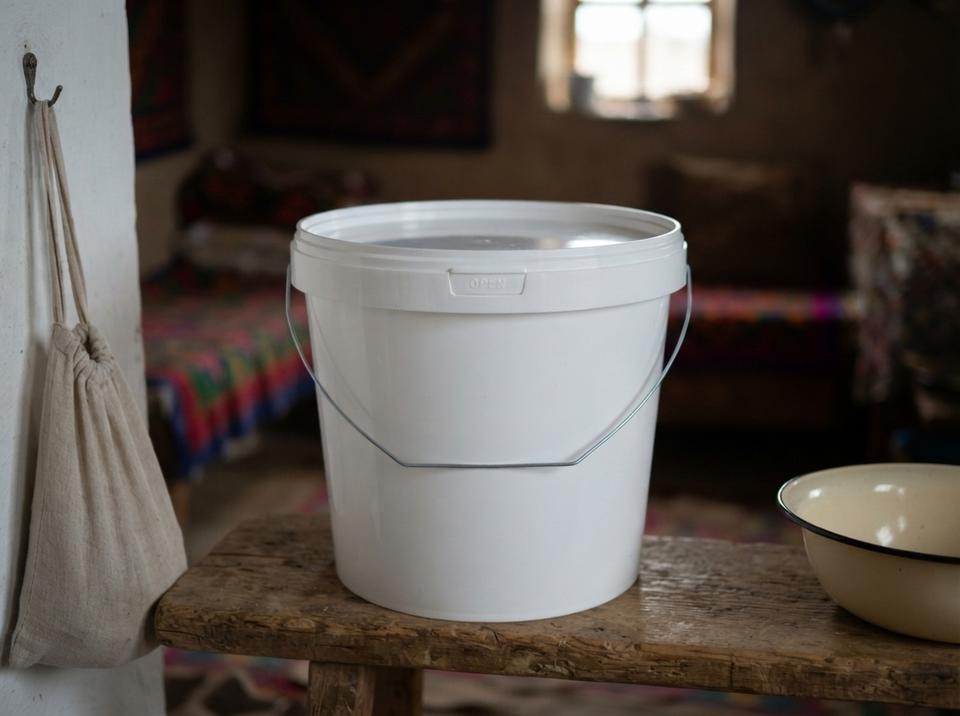
Vendors along the road to Issyk-Kul and in the rows of the Osh Bazaar keep kurt in 2.3 L buckets: during the day the lid is off and the balls can be seen from afar, and at night the bucket is closed and taken away. Road dust doesn't settle on the goods, and customers take kurt from clean packaging rather than a plastic bag.
Brynza you can trust
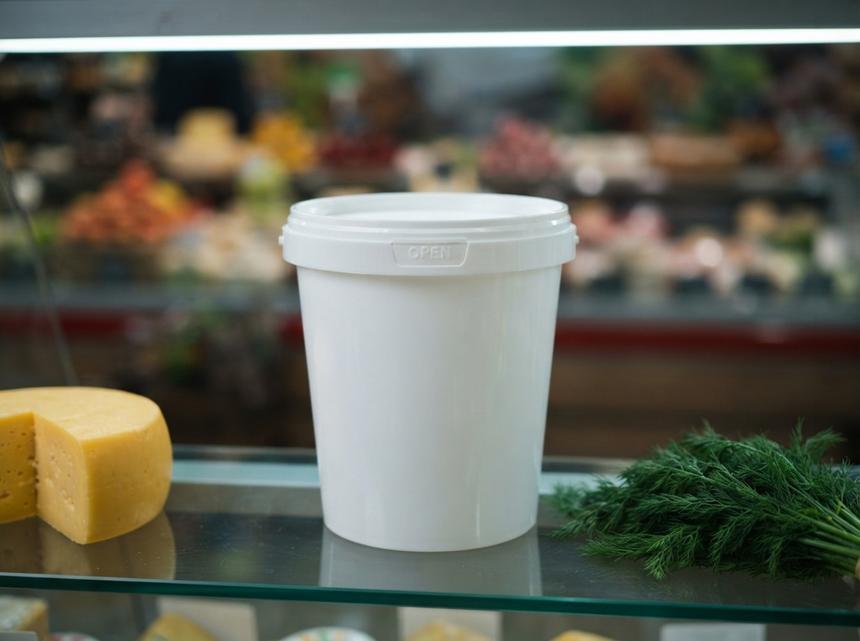
In a store, a shopper buying brined cheese worries about one thing: that the brine was topped up or the chunks swapped. The OPEN tear strip under the rim comes off only on first opening, so an intact seal on the shelf answers that question without a word. On a supermarket shelf, that signal is clearer than any printed claim.
Logistics
From the jailoo to the city and abroad
Kurt and cheese are made where livestock graze: in Naryn, Talas, Kochkor, around Issyk-Kul, and in the foothills of the Chuy Valley. Farms can pick up a stock of buckets in a single trip: empty buckets nest inside each other, so a pallet of packaging fits in a truck bed alongside other cargo. Pickup is from our factory warehouse in the Bishkek Free Economic Zone (FEZ), Ak-Chiy village; we deliver across Bishkek and Chuy Region with our own trucks and ship to other regions of Kyrgyzstan via a freight carrier. Kurt is popular in Kazakhstan too, so we ship packaging by the pallet within the EAEU to traders in Almaty, Shymkent, Astana, and Karaganda. Your sales manager confirms delivery time and cost when you place the order.
Related guides
Everything for the dairy shelf
Kurt and cheese come from the same milk as sour cream, cottage cheese, and butter. These related pages will help you source packaging for your dairy's entire range.
All 46 guides Buckets for butterbutter and ghee, margarine, spreads2.3-11.5 L
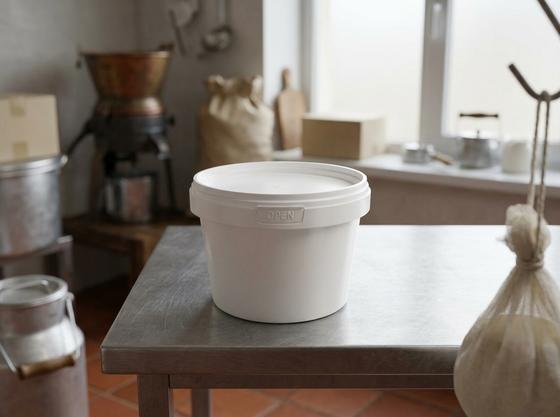 Buckets for dairy productssour cream, cottage cheese, suzma, kaymak, kurut560 ml-11.5 L
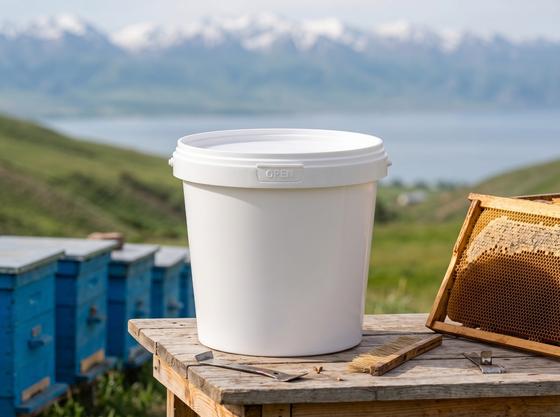 Buckets for honeyapiary honey, creamed honey, retail packing850 ml-21 L
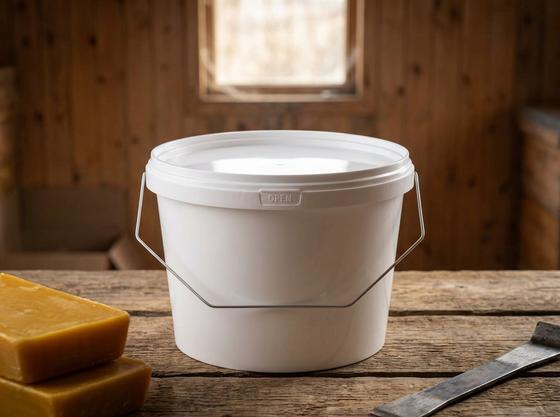 Buckets for beeswax and propolisbeeswax, propolis, bee bread, pollen, honey cappings560 ml-21 L
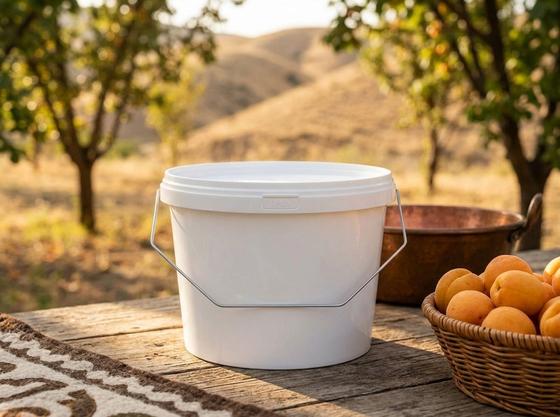 Buckets for jam and fruit butterpreserves, jam, fruit butter, fillings560 ml-18 L
 Buckets for condensed milkcondensed milk, dulce de leche, milk spreads560 ml-21 L
Questions and answers
Frequently asked questions about buckets for kurt and cheese
Yes. Food-grade polypropylene doesn't rust from salt, and the lid in the double rim keeps the brine in during transport. Stores usually take 850 ml, cafes 3.8 L, and wholesale buyers 11.5 L. Your dairy's food technologist sets the brine's composition and strength.
For retail and gifts, 560 ml; for selling by weight at the bazaar, 2.3 L; for storage and wholesale shipments, 11.5 L. Kurt is light, so even a large bucket is easy to carry, but a bucket of brined cheese the same size is noticeably heavier.
The 5.6 L bucket is the most convenient: its wide opening takes suzma straight from the bag, and the bail handle lets you carry the bucket to the table where the balls are rolled. Close it with the same lid between batches so the raw material doesn't collect dust.
Our sales manager prices each order based on size, quantity, color, and printing. Call +996 222 600 292, tell us your products and approximate output for the season, and we'll quote all items at once.
Yes, with a label or IML. The IML image is fused into the wall during molding, so salt and moisture can't lift its edges. On a 560 ml bucket of kurt, your logo and contact details help tourists find you again. Learn more on our IML printing page.
Yes, by the pallet within the EAEU to Almaty, Shymkent, Astana, Karaganda, and other cities. Your sales manager confirms delivery time and cost when you place the order. Small packaging ships compactly: a pallet holds 7,200 of the 560 ml or 850 ml buckets.
A white bucket looks neat in a dairy display case and carries your brand. Clear is the choice when you want to show off white chunks of brynza or yellow kurt balls without opening the bucket. Both colors are available in every size.
Catalog
Packaging for kurt and cheese in the catalog
Our catalog has every bucket from 560 ml to 21 L, plus 400 ml containers for portioned and sliced cheese. We cover packaging for sour cream, cottage cheese, and ayran in detail on our dairy buckets page.
Request
Starting a cheese dairy or kurt workshop?
Tell us what products you make, how you sell them, and where they go. Our sales manager will pick sizes for raw material, bulk sales, and retail, calculate pallets for the season, and advise whether a clear body is worth it for your display.