
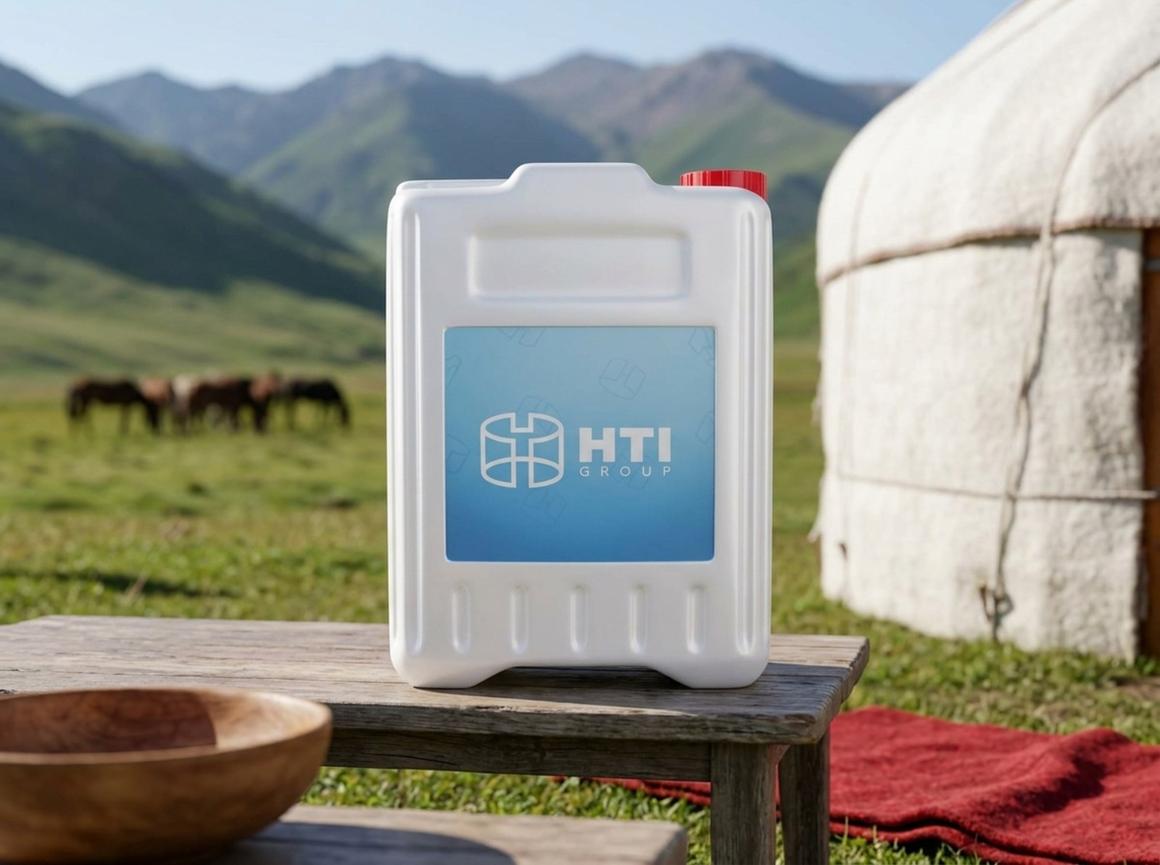
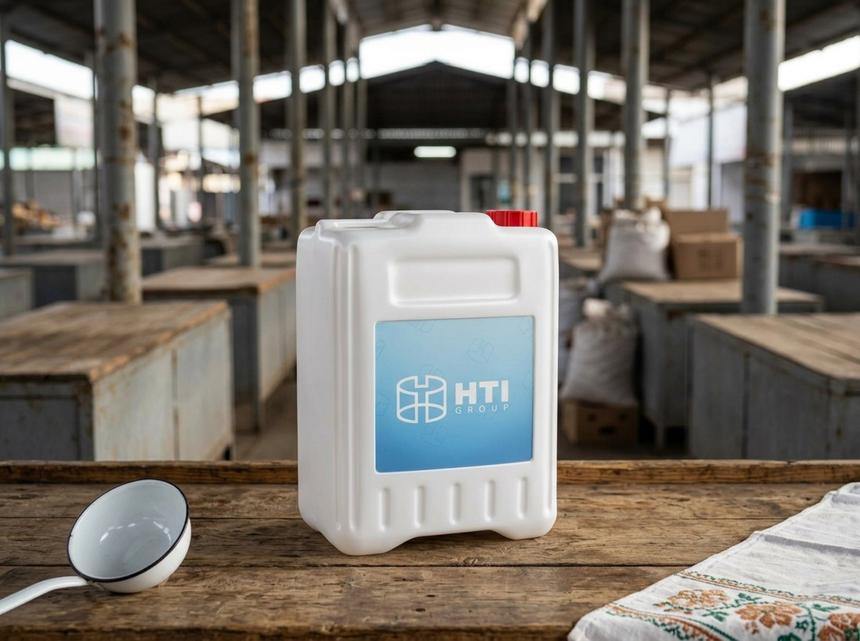
 5 L
 3 L
 5.6 L
Our sales manager will contact you shortly
Request a callback from our specialist
Want to learn more about our packaging or find the right fit for your business? Request a callback, and our specialist will call you at a time that suits you. Tell us about your product, and we'll help you choose the best option.
Order a callback from a specialist
Want to learn more about our solutions or find the perfect solution for your business? Leave a request for a callback and our specialist will contact you at a convenient time. Together we will find the optimal solution to make your business thrive!
Request a callback from our HR team
Interested in our openings and career opportunities? Leave your contact details and our HR team will get back to you shortly. We'll answer your questions and explain how to join the HTI Group team.
Order a callback from a specialist
Would you like to learn more about our job openings and career opportunities? Leave your contact information, and our HR department will get in touch with you shortly. We will answer all your questions and provide detailed information on how to become part of the HTI Group team.
与我们取得联系
想了解更多我们的解决方案或为您的业务选择完美的解决方案吗?
请留下您的联系方式,我们的专家将尽快与您联系。
让我们一起找到最佳方案,助您的业务蓬勃发展!
请留下您的联系方式,我们的专家将尽快与您联系。
让我们一起找到最佳方案,助您的业务蓬勃发展!
要点电话回拨来自人力资源部门
想了解更多关于我们职位和职业发展的机会吗?请留下您的联系信息,我们的人力资源部门将尽快与您联系。我们将回答您的所有问题,并提供详细信息,帮助您成为HTI Group团队的一员。
 Plastic buckets14 sizes · 560 ml to 21 L
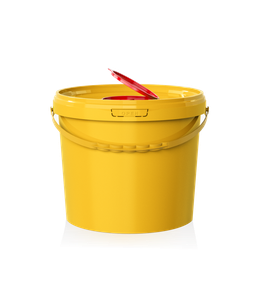 Medical buckets9 sizes · 1 to 21 L
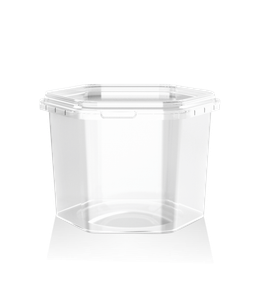 Food containers5 formats · 250 to 750 ml
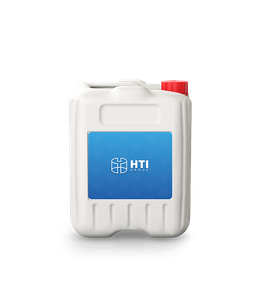 Plastic jerry cans5 L and 10 L
Plastic buckets16 models, 560 ml - 21 L
Medical buckets10 models, 1 - 21 L
Food containers5 models, 250 - 750 ml
Plastic canisters5 and 10 L
塑料桶16 个型号,560 毫升 - 21 升
食品容器5 个型号,250 - 750 毫升
塑料方桶5 升和 10 升
HTI AssistantFind the right packaging for your product in 4 steps
HTI AssistantOnline until 5:00 PM
Hello! We'll suggest the right size for your product, calculate pallets, and quote a price for your order.
Contact the plant
WhatsAppChat with a sales managerCall+996 222 600 292We'll call you backLeave your numberEmailinfo@hti-group.kg
Quick actions
Mon-Fri, 9:00 AM-5:00 PM · Factory in the Bishkek Free Economic Zone, Ak-Chiy village
Kumis, ayran, shubat, chalap
Jerry cans for kumis and ayran
In summer, kumis comes down from the jailoo (mountain pastures) to the city, ayran and chalap are poured for the lunch crowd at cafes and canteens, and shubat (fermented camel's milk) sells at markets across Kazakhstan. These drinks need packaging that screws shut, has a handle, and can ride in a car trunk without spilling on the way. HTI molds 5 and 10 L jerry cans in the Bishkek Free Economic Zone (FEZ) and ships them to farms, drink stands, and delivery services across Kyrgyzstan and to Kazakhstan.
5 and 10 Ltwo jerry cans for drinks
20 / 40250 ml bowls
180 / 100jerry cans per pallet
2.3-5.6 Lbuckets for suzma
Bowl counter
How many piala bowls in one jerry can
Kumis and ayran are served in 250 ml bowls and sold in liter bottles. Choose a jerry can and a serving, and the tool shows how many servings the can holds and how many a pallet of cans adds up to. The "By outlet" tab shows which size bazaars, roadside yurts, and cafes buy.
Empty weight
Where it's used
The rows come from this page's table: each one has its own packaging.
Served in
Calculated at the nominal capacity of the packaging: how many whole portions it yields.
How much product do you package per month
L
We ship in full pallets, so the number of pallets is rounded up.
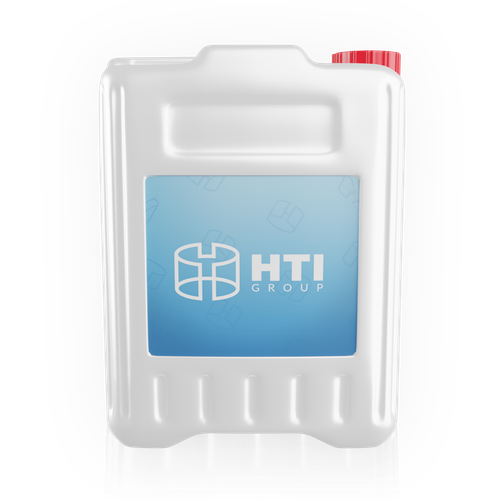 240 mm296 mm
How to choose
Jerry can size by point of sale
A single farm often sells kumis three ways at once: to drivers stopping at the yurt, to city customers who order ahead, and to a cafe it regularly supplies. Each channel calls for its own size, and thick fermented dairy products go into buckets instead. Keep two or three formats on hand rather than one for everything.
1Buyers at the yurt and at the bazaar: a 5 L jerry can. At 240 mm tall, it fits in the car between the bags.5 L jerry can
2Cafes, ashkanas, canteens, and caterers: a 10 L jerry can, with forty bowls from a single can and half as many caps for the same amount of drink.10 L jerry can
3Delivering orders in Bishkek or Almaty: 5 L again. It's easier for a courier to carry several light jerry cans to different apartment buildings than to haul one heavy one.5 L jerry can
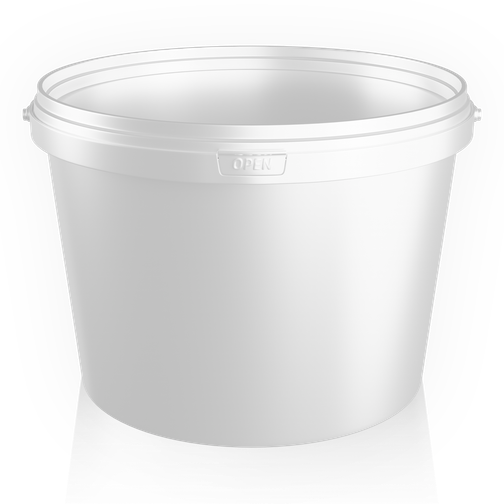
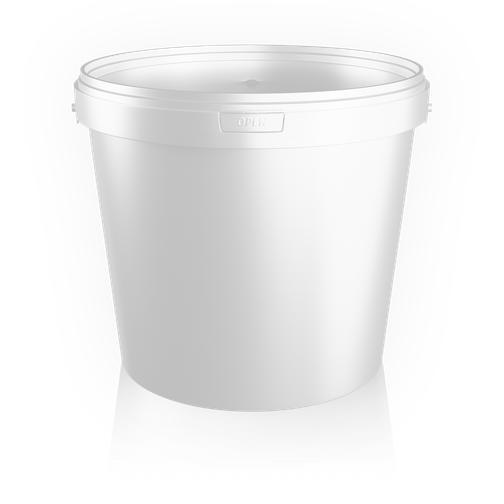
4Suzma, katyk, and kaymak: 2.3 to 5.6 L buckets with a wide opening. See our page on buckets for kurt, brynza, and suzma for details.5 L jerry can3 L bucket5.6 L bucket
5Dairies with a retail line: see our dairy buckets and 250 to 400 ml containers.
Counting in bowls
How many bowls you can pour from one jerry can
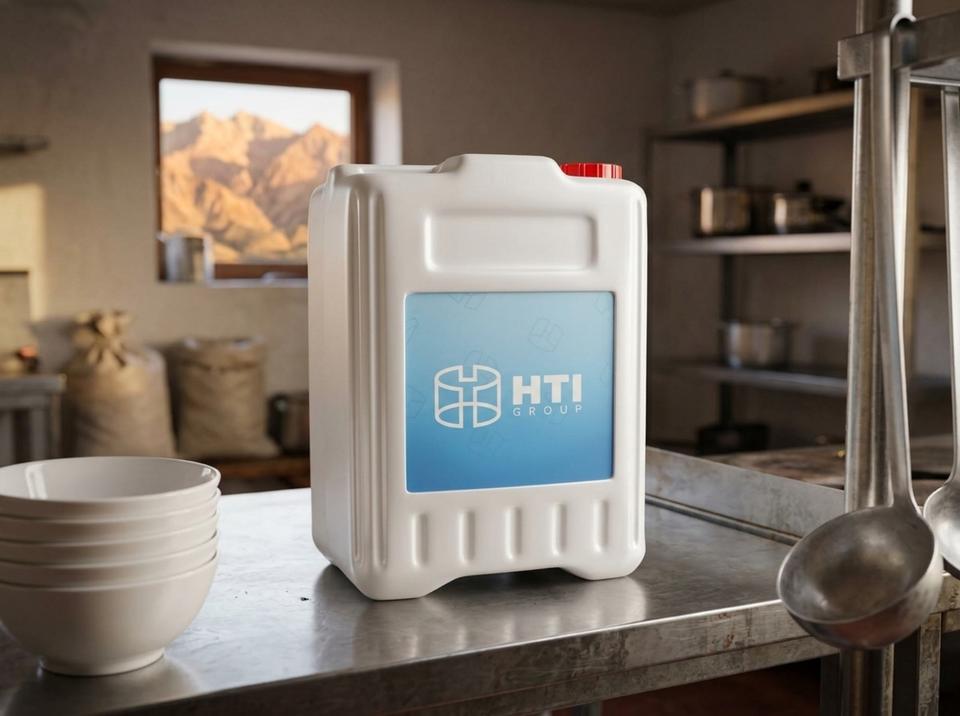
Kumis and ayran aren't sold by the liter but by the bowl, glass, and bottle. The table converts packaging into the measures a counter actually uses: a 250 ml bowl and a liter bottle. It's simple math based on the jerry can's nominal capacity. In practice, some fill a bowl to the brim and others top it with foam, so treat the figures as a purchasing guide. Suzma and thick katyk don't pour, so the table lists buckets for them.
Lineup at the same scalebody width and height per factory spec sheets
| Empty weight | Typical drinks | Where it's used | 250 ml bowls | 1 L bottles | Per pallet, pcs |
|---|---|---|---|---|---|
| 5 L jerry can | kumis, shubat | bazaar stall, home orders | 20 | 5 | 180 |
| 10 L jerry can | kumis | roadside yurt, traditional cafe | 40 | 10 | 100 |
| 5 L jerry can | chalap, ayran | summer stand, office delivery | 20 | 5 | 180 |
| 10 L jerry can | ayran for the kitchen | canteen, ashkana, catering | 40 | 10 | 100 |
| 3 L bucket | suzma | bazaar, family purchases | - | - | 2,800 |
| 5.6 L bucket | suzma and katyk for chalap | cafe kitchen, small producer | - | - | 1,920 |
A ten-liter jerry can gives you forty bowls, a solid working supply for a roadside yurt or a cafe's lunch rush. Shoppers at the bazaar usually want the five-liter, which they carry in one hand to a minibus or car. Suzma and thick katyk won't pour through the neck, so they're kept in buckets with a wide opening and served with a spoon.
The drink's journey
From the pasture to the customer's bowl
The mares are milked and the kumis is fermented at the summer pasture, while ayran and chalap are more often made in town. After that, all these drinks follow a similar path: filling, a bumpy road, a counter or kitchen, and finally the bowl. At each stage, the jerry can does a different job. Here's what matters to the farm, the seller, and the cook.
The road down from the summer pasture
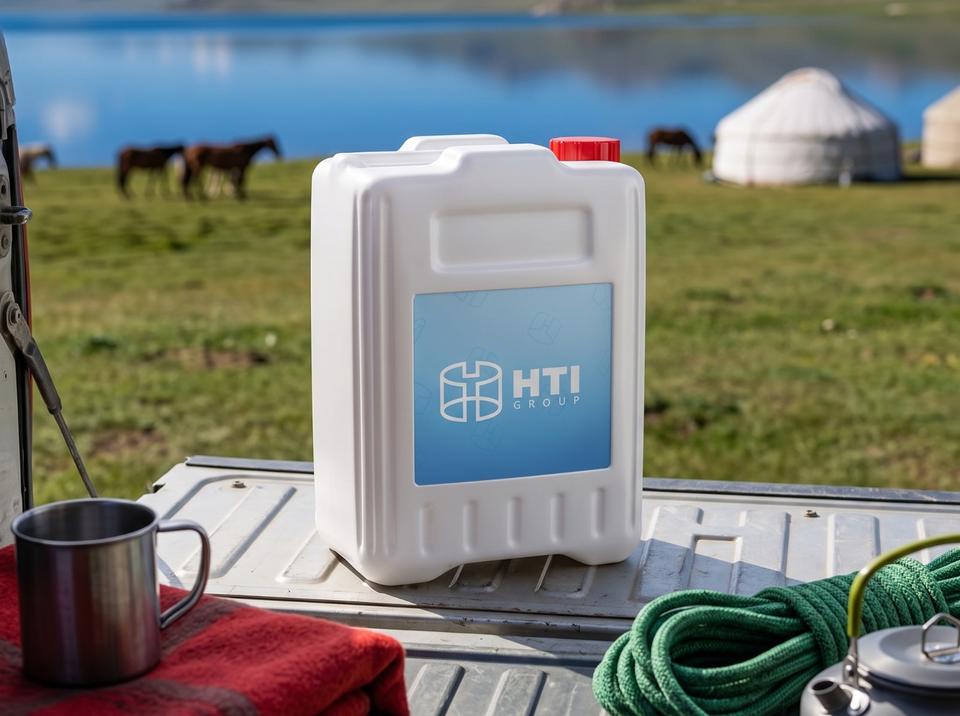
From Suusamyr, Kochkor, or Son-Kul, the drink reaches buyers over switchbacks and dirt roads. The cap screws onto a threaded neck, so the jerry can doesn't slosh over on the bumps the way a milk churn or a lidded bucket does. Ribs at the base help it stand steady in a truck bed or on the roadside.
A live drink needs headspace
Kumis and shubat keep fermenting after filling. So don't fill the jerry can right up to the neck: leave some room under the cap. Test how your own drink behaves in closed packaging with a trial batch before buying jerry cans for the whole season.
Made for one hand
The handle is molded as one piece with the body, so there's nothing to break off. Customers carry the five-liter can away from the counter themselves, while sellers set the ten-liter one on the edge of the counter and tilt it over a pitcher, holding it by the handle and the base.
Your farm's name on the panel
The jerry can's front panel is flat, so a label with your farm's name, pasture location, and phone number sits on it smoothly. People like to buy kumis from a seller they know, and the label helps them find you again next time.
Logistics
Jerry cans ready for kumis season
Kumis season is short, and you need packaging by the time the farm moves up to the summer pasture, not in midsummer. You can pick up jerry cans from the factory in the Bishkek FEZ, Ak-Chiy village, which is easiest for farms in the Chuy Valley and Chong-Kemin. We deliver with our own trucks in Bishkek and across Chuy Region, and ship to Kochkor, Naryn, Talas, Karakol, Osh, and Jalal-Abad through a freight carrier. For buyers in Kazakhstan, from Almaty and Shymkent to Kyzylorda and Astana, jerry cans go out by the pallet within the EAEU. Empty jerry cans don't nest inside each other: a pallet holds 180 of the 5 L cans or 100 of the 10 L, so it's worth estimating truck space in advance. Your sales manager confirms delivery time and cost when you place the order.

Related guides
Related drinks and dairy
Kumis often shares a farm with suzma and kurt, and at a summer stand it sits next to syrups and water.
All 46 guides Syrup and topping jerry canssyrups for coffee shops, toppings, lemonade concentrates5 and 10 L jerry cans and 2.3-5.6 L buckets
 Vinegar and sauce jerry cansvinegar, soy sauce, liquid sauces, and marinades5 and 10 L jerry cans, 3.8-5.6 L buckets
 Jerry cans for car care productsantifreeze, windshield washer fluid, car shampoo5 and 10 L
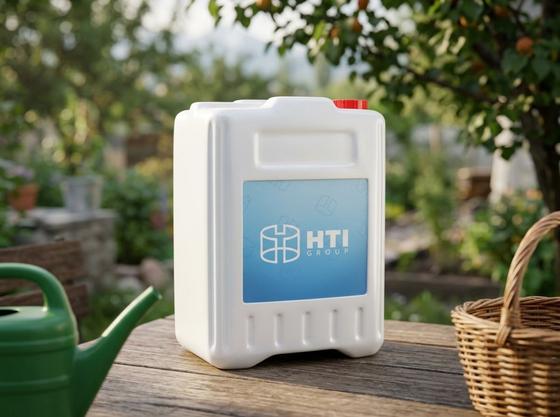 Water jerry cansdrinking water for country homes, the mountains, and work camps5 and 10 L
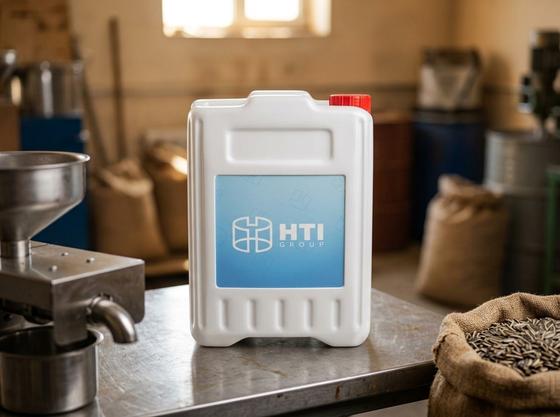 Jerry cans for oilsunflower and cottonseed oil5 and 10 L
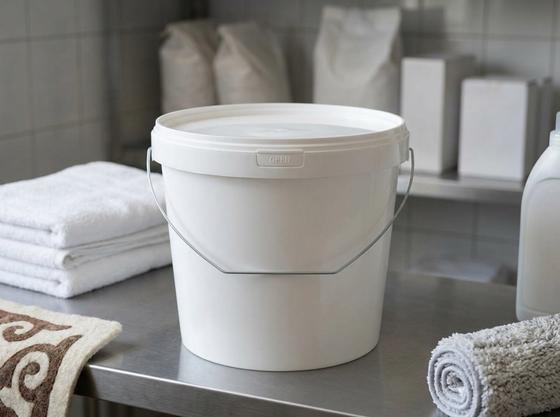 Buckets for household cleaning productslaundry powder, pastes, gels1-15 L
Questions and answers
Frequently asked questions about jerry cans for kumis and ayran
HTI jerry cans are molded from food-grade polypropylene, and customers use them for dairy drinks sold at bazaars, in cafes, and by delivery. Kumis and shubat keep fermenting, so leave headspace under the cap and test your drink with a trial batch of packaging before the season starts.
About forty 250 ml bowls, and about twenty from a five-liter can. If your outlet pours 300 ml bowls, you'll get roughly 33 and 16 servings.
Set the jerry can on the edge of the counter with the neck facing you and tilt it, holding the handle with one hand and the base with the other. It's easier to fill a pitcher first and pour the bowls from that, so you don't have to lift the can for every serving.
Our sales manager prices each order based on size, quantity, and labeling. Call +996 222 600 292 and tell us how many liters of drink you fill per week in season, and we'll work out the jerry cans and pallets you need.
Yes, with a label on the flat front panel: name, pasture location, and phone number. If you're also buying buckets for suzma, we can put your logo on them with in-mold labeling (IML): the image is fused into the wall during molding and doesn't wash off.
Yes, by the pallet within the EAEU to Almaty, Shymkent, Kyzylorda, Astana, and other cities. Your sales manager confirms delivery time and cost when you place the order. A pallet holds 180 of the 5 L jerry cans or 100 of the 10 L.
Thick products won't pass through a jerry can's neck. They're packed in 2.3 to 5.6 L buckets, where the 175 to 224 mm opening fits a spoon or ladle and the lid snaps back onto the double rim.
Catalog
Jerry cans and buckets for dairy drinks
Dimensions, weights, and pallet quantities for both jerry cans are on their size pages. If your farm also bottles water or makes syrup and berry drinks to sell, see our pages on water jerry cans and jerry cans for syrups and toppings.
Request
Getting your farm ready for the summer pasture?
Tell us how many liters of kumis or ayran you fill a day and where you sell it: by the road, in town, or to cafes. Our sales manager will suggest how many five- and ten-liter jerry cans to get, add buckets for suzma, and work out how many pallets to pick up before the season starts.