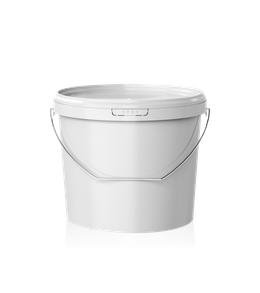
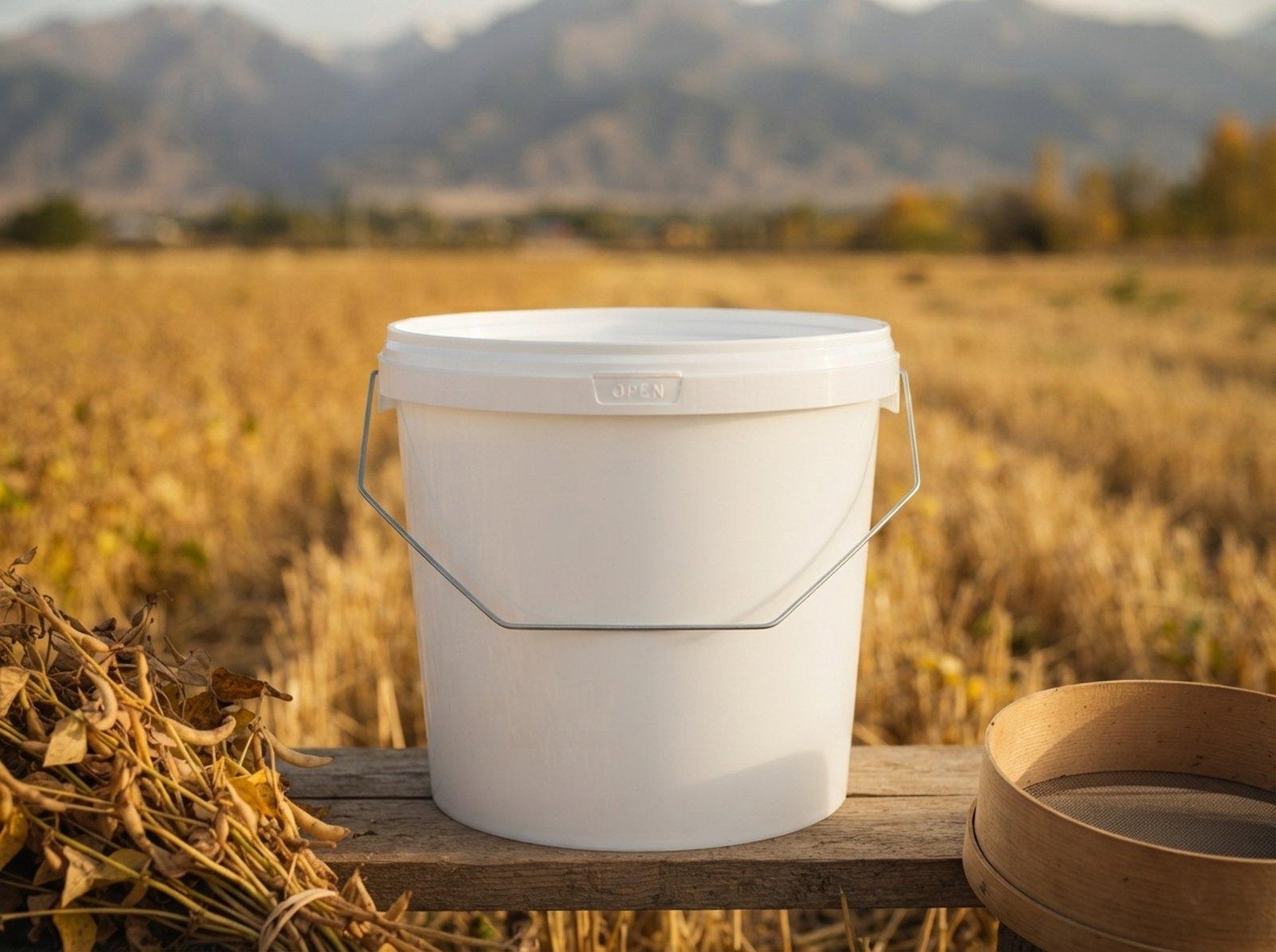
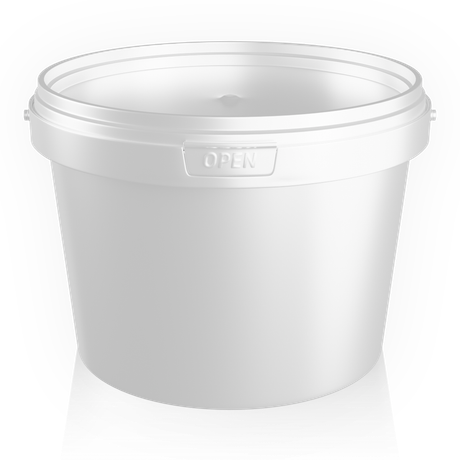
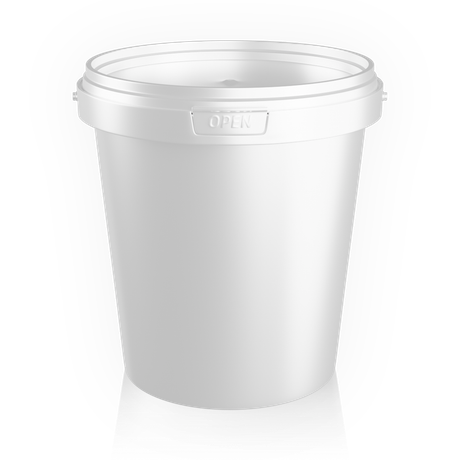
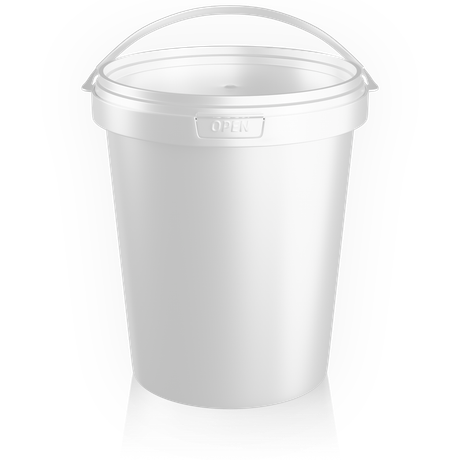
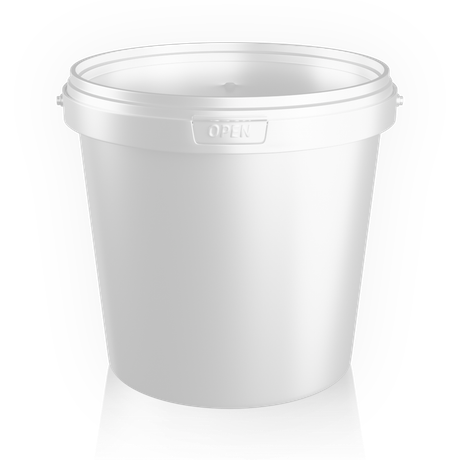
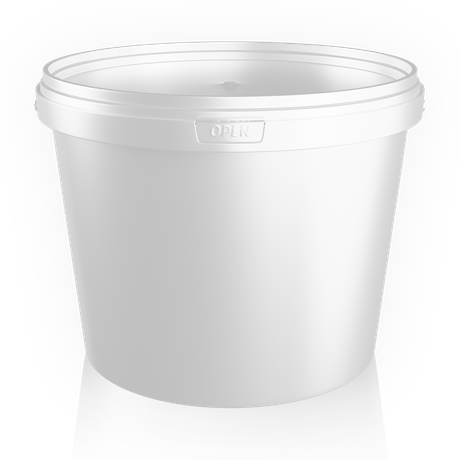
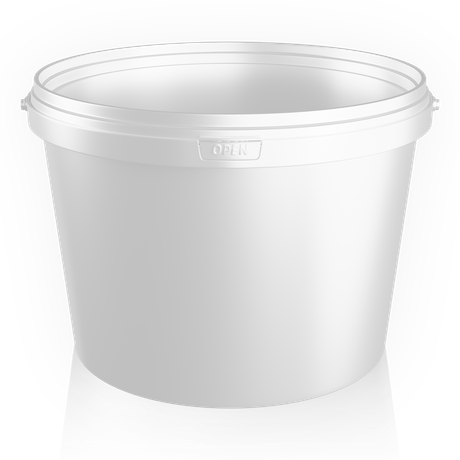
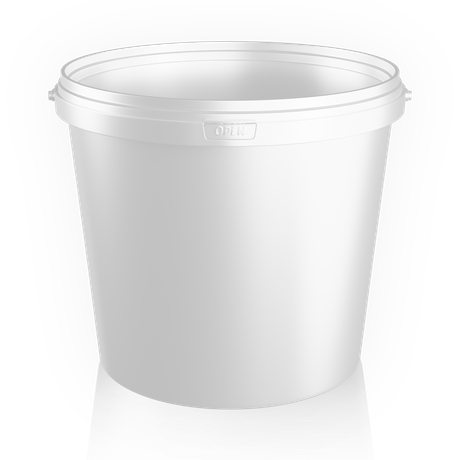
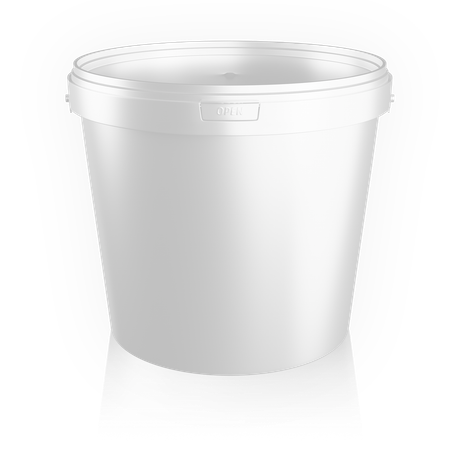
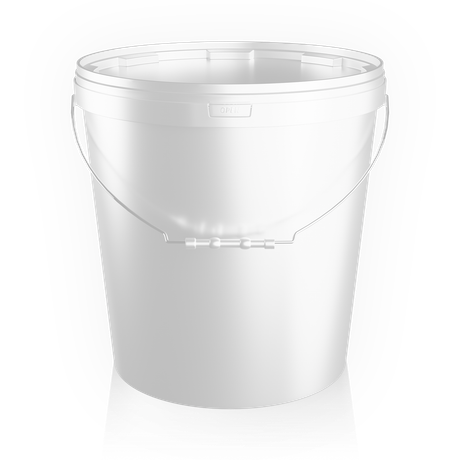
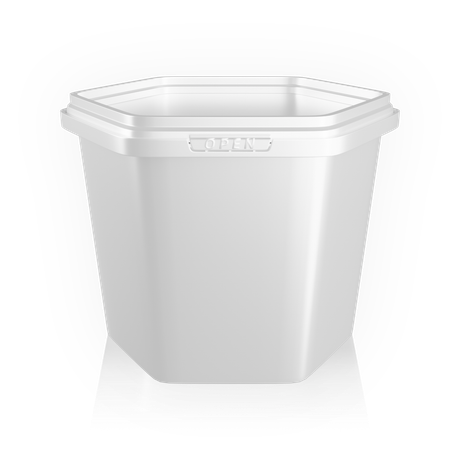
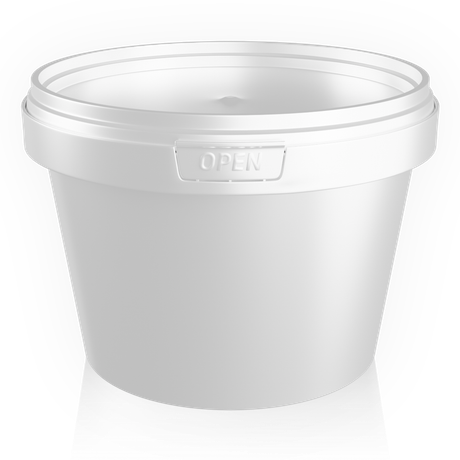
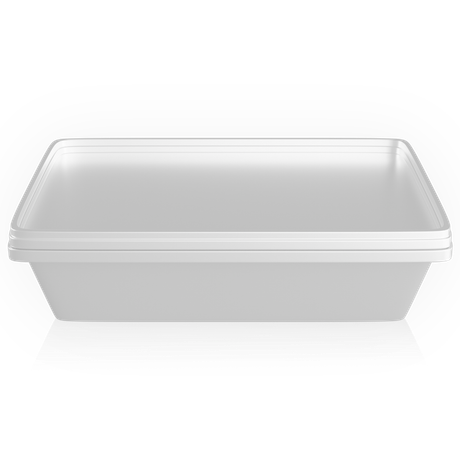
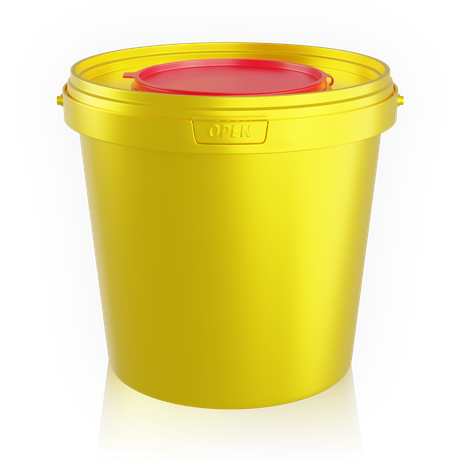
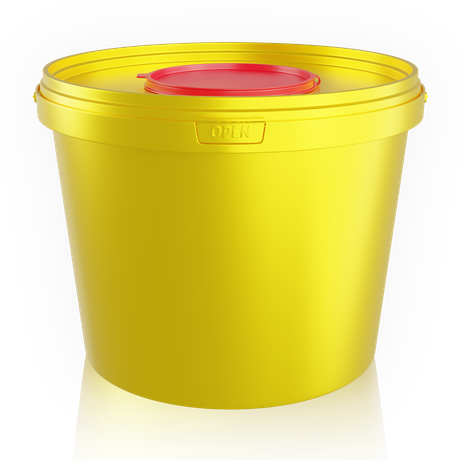
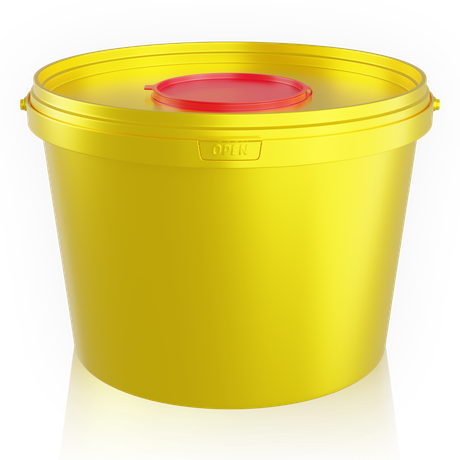
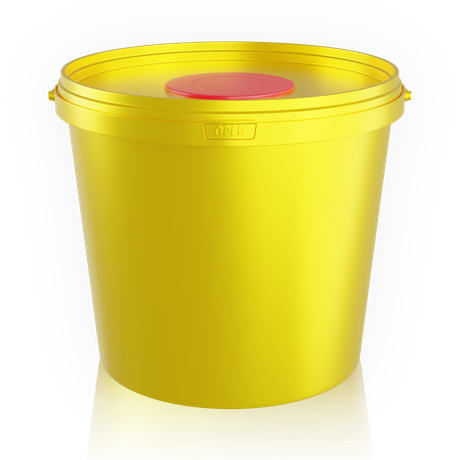
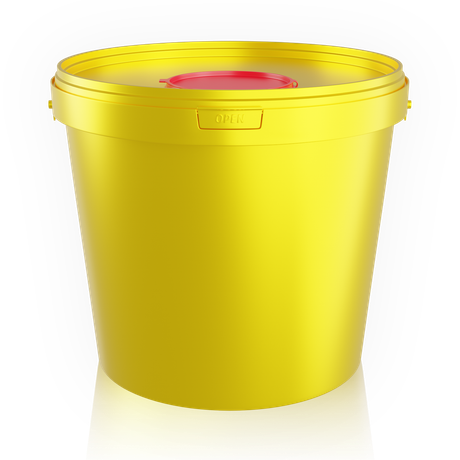
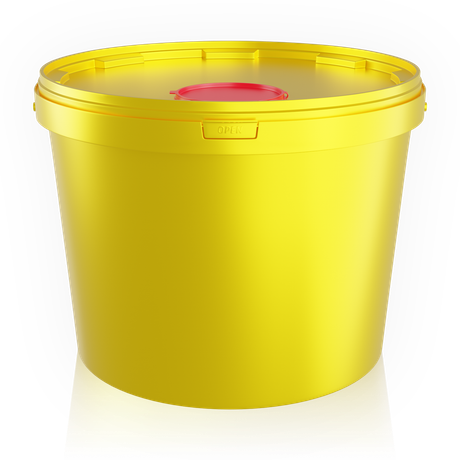
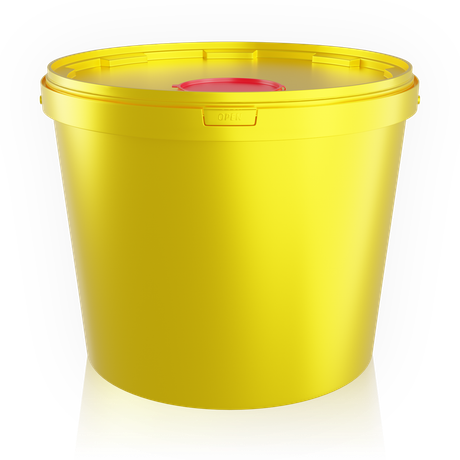
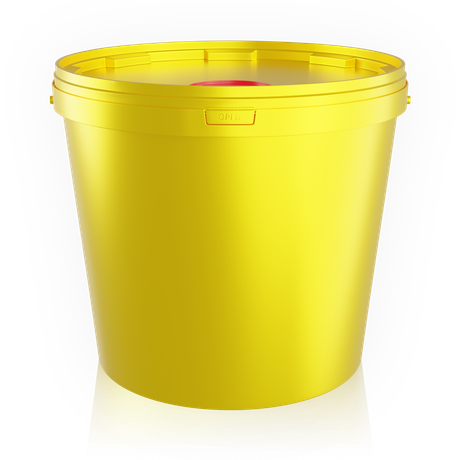
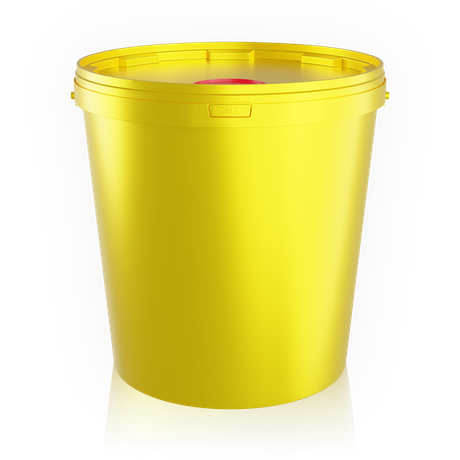
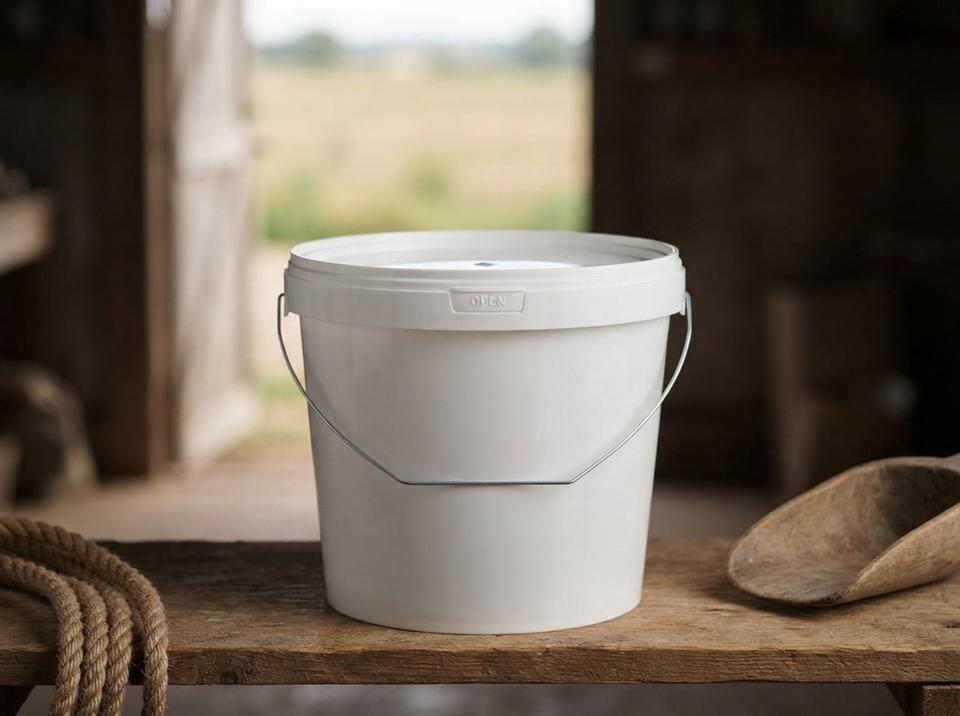
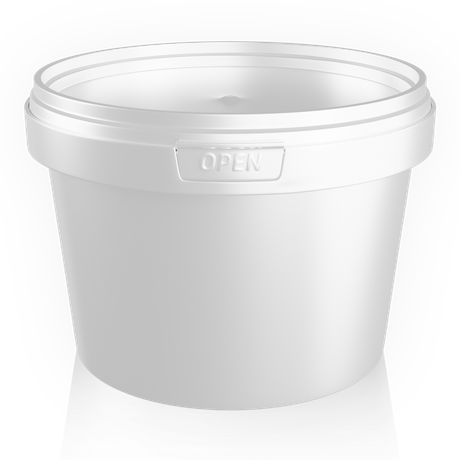
560 ml plastic bucket
Thick sour cream from valley farms for village stores: the handleless bucket stacks two high in the display case.
- Opening
- Ø 118 mm
- Height
- 80 mm
- Empty weight
- 23 g
- Per pallet
- 7,200 pcs
Plastic buckets14 sizes · 560 ml to 21 L
Medical buckets9 sizes · 1 to 21 L
Food containers5 formats · 250 to 750 ml
Plastic jerry cans5 L and 10 L
Plastic buckets16 models, 560 ml - 21 L
Medical buckets10 models, 1 - 21 L
Food containers5 models, 250 - 750 ml
Plastic canisters5 and 10 L
塑料桶16 个型号,560 毫升 - 21 升
食品容器5 个型号,250 - 750 毫升
塑料方桶5 升和 10 升Hello! We'll suggest the right size for your product, calculate pallets, and quote a price for your order.
The Talas Valley means bean fields, apiaries in the foothills, milk, and livestock. Beans have to be sorted, packed, and sold, honey extracted and filled, and sour cream delivered to stores. For all of it, HTI molds white and clear food-grade buckets from 560 ml to 21 L in the Bishkek Free Economic Zone (FEZ) and ships them to the region by freight carrier. Below: sizes, picks by product, pallet math, and how to order.

We've grouped the fourteen sizes by who opens the bucket: the shopper, the cook, or the farm. Each bucket shows its job in Talas Region; click for dimensions and empty weight.
Honey, sour cream, and beans in small portions for the bazaar and stores.
Beans sold loose or under a label, plus prepared foods for cafes.
Harvesting, sorting beans, milk, and feed.
Containers for honey, beans, lobio, and farm sour cream.
Jerry cans for water at apiaries and for field crews.
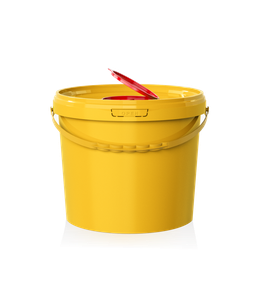
Yellow and red buckets for hospitals, school nurse offices, rural health posts, and vets.

Thick sour cream from valley farms for village stores: the handleless bucket stacks two high in the display case.

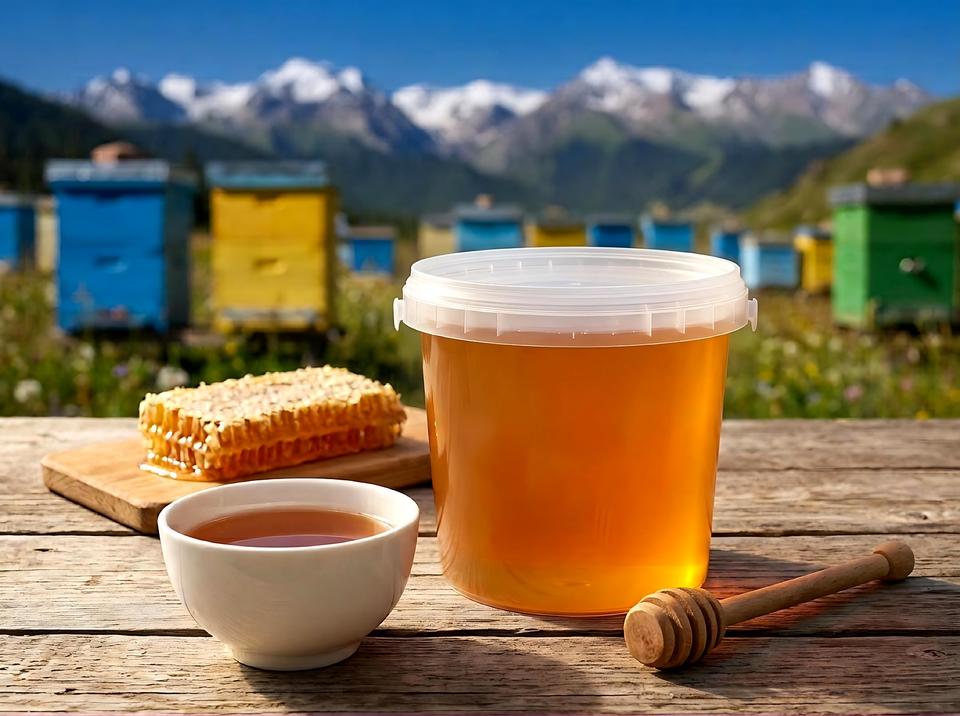
Wildflower honey from the Talas Ala-Too foothills in small portions for travelers passing through the region.

Trial packs of multicolored beans for tourists: the tall clear bucket shows off the speckled beans.

Bean salad and lobio for Talas delis: the handle is molded in, so shoppers grab the bucket right off the shelf.

A liter of honey weighs about 1.42 kg, a popular roadside buy at the valley's apiaries.

White beans by weight for the district bazaar: a clear bucket with a lid instead of a paper bag.

Red beans for Bishkek stores: a white bucket ready for a label with the variety and harvest date.

Beans for wholesalers who buy up the district's harvest: the 200 mm opening makes pouring easy.

Seed beans until spring planting: the lid keeps out moisture and dust.

Marinated meat for shashlik and other cafes along the highway through the valley.

Apple picking in village orchards around Talas: the plastic grip on the bail handle spares your palm.

Sorting beans after threshing: the cleaned beans go into buckets and get carried to the scales.

Milk from family farms to the collection point: with the lid on, the bucket won't slosh over in the truck bed.

Bran and mixed grain for wintering livestock: the wide bucket is easy to scoop from and carry to the feeder.

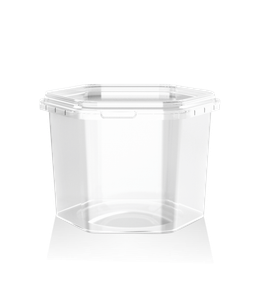
Foothill honey as a sampler for roadside tourists: the 250 ml hexagonal container.

Single servings of lobio at Talas delis: the round 385 ml container, one per person.

Multicolored beans in gift packs: 400 ml, with the variety visible through the clear wall.

Farm sour cream for the village store: a round 550 ml container ready for a sticker.

Lunch for bean pickers in the field: a main course with flatbread in a flat lidded tray.

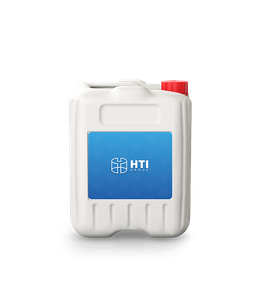
Water for an apiary in the Talas Ala-Too foothills: a 5 L jerry can.

Water for a field crew at the bean harvest: ten liters with a screw cap.

Rural health posts in Kara-Buura District villages: injections during appointments, and the needle drops through the valve of a one-liter bucket.

School nurse offices in Bakai-Ata: swabs and ampoules after checkups, yellow 2.3 L buckets.

Seasonal workers arrive for the bean harvest, and the vaccination team drops syringes through the valve.

Valley dairy farms under veterinary inspection: hand wipes from a dispenser bucket.

Regional hospital urgent care clinic: dressings go into a red bucket for Class C waste (by Kyrgyz sanitary classification).

District hospitals in Manas and Bakai-Ata Districts: ward collection, 11.2 L.

Vets before livestock is driven up to mountain pastures: vials and syringes after vaccinations.

Regional hospital in Talas: floor-by-floor collection in an 18 L bucket, Ø 332 mm, with a tight-fitting lid.

Remote valley villages: waste waits for pickup in a closed 21 L bucket.
The bean harvest comes in the fall, when you need a lot of packaging all at once. Empty buckets nest inside each other, so a full season's supply fits in a shed. The lid is flat, with an OPEN tamper-evident tear strip under the rim.
Talas products go to different buyers: the local bazaar, Bishkek retail chains, and wholesalers. The table shows the product, sales channel, starting size, and pallet capacity. For beans, choose the size mainly by where they'll be sold.
| Product | Sales channel | Volume | Buckets per pallet | Learn more |
|---|---|---|---|---|
| Beans by weight | district bazaars | 2.3 L | 3,300 | spices and dry goods |
| Labeled beans | Bishkek stores | 3 L | 2,800 | food-grade buckets |
| Wholesale beans | wholesalers | 3.8 L | 2,800 | wholesale buckets |
| Honey | highway, tourists | 1 L | 6,480 | honey buckets |
| Sour cream | village shops | 560 ml | 7,200 | dairy products |
| Seed beans | farms | 5.6 L | 1,920 | farms |
| Feed | farms | 21 L | 600 | feed and premixes |
Packers like that the 3 L and 3.8 L buckets share the same 200 mm opening, so one scoop and one funnel work for both sizes. They also palletize the same way, 2,800 buckets per pallet.
In Talas Region, four groups of buyers need buckets, each with its own season: packers wait for fall, beekeepers for summer, and farms buy packaging year-round.

In the fall, beans are threshed, sorted, and sold. For the bazaar, they go into clear 2.3 L buckets; for stores, into white 3 L buckets ready for a label; wholesalers get 3.8 to 5.6 L buckets with a metal bail handle. An empty 3.8 L bucket weighs 110 g, so the packaging adds almost nothing to the shipment weight.
Apiaries line the foothills of the Talas Ala-Too and the Kyrgyz Range. For a roadside stand, 800 ml and one-liter buckets work well; for wholesalers, 5.6 L; for extraction, large buckets with a plastic grip on the bail handle.
Households and small farms deliver milk to collection points and sell sour cream and cottage cheese at bazaars in Talas and the district centers. For the display case, 560 ml and 850 ml work well; for milk collection, the 18 L bucket with a lid, which has a steel bail handle with a plastic grip.
Around Talas and in valley villages, people keep apple orchards and vegetable gardens. For picking, they use the 11.5 L bucket with a plastic grip; for fruit butter to sell, the clear 2.3 L; for pickles, the 5.6 L.
Choose a size and how many buckets your harvest needs, and the calculator works out the pallets. Example from a Kara-Buura packer: 5,000 buckets of 3.8 L for beans come to two pallets. Adding 3,000 clear 2.3 L buckets for the bazaar makes one more pallet.
Buckets travel to the valley by freight carrier. The process is the same for a bean packer in Talas and an apiary in Bakai-Ata.
Call us with your product, sizes, quantity, and village. If you want your own brand on the bucket, mention it up front.
Your sales manager picks the buckets, counts the pallets, and quotes the order price. They'll confirm delivery time and shipping cost when you place the order.
Pallets are assembled at the factory warehouse in Ak-Chiy village, Bishkek FEZ. For in-mold labeling (IML), we approve the artwork with you first, then mold the run.
The freight carrier delivers the order to your town or village. Paperwork for the buckets travels with the shipment.

Buckets for Talas Region ship from our plant in Ak-Chiy village, Bishkek FEZ, via a freight carrier. The carrier delivers pallets to Talas and to villages in Kara-Buura, Bakai-Ata, and Manas Districts. Your sales manager confirms delivery time and cost when you place your order.
HTI has no warehouse or pickup point in the region: every order is assembled at the factory. If you have your own truck and business in the capital, you can pick up the order from the factory yourself.
For the bean harvest, order buckets in summer so they're on hand before threshing. Apiaries are better off getting packaging in spring, before the first honey flow, and farms well before their livestock are brought in for the winter.

Talas has its own page with packaging picks for local products. Buckets reach the districts the same way.
The same beans sell at the bazaar, in retail chains, and wholesale. A bazaar shopper looks at the beans, a chain looks at the label, and a wholesaler looks at how many buckets fit in the truck. That's why each channel calls for its own version.
Speckled, white, and red beans show through the wall, so shoppers know at a glance which variety they're buying. Every size comes in clear.
A white body is a clean backdrop for the label stores ask for, with the variety, weight, and harvest date.
As long as the tear strip under the rim is intact, the bucket hasn't been opened since packing. That matters for honey and beans alike.
If your farm sells beans or honey under its own name every year, we can fuse your logo into the wall with IML. For a first order, a label is simpler.
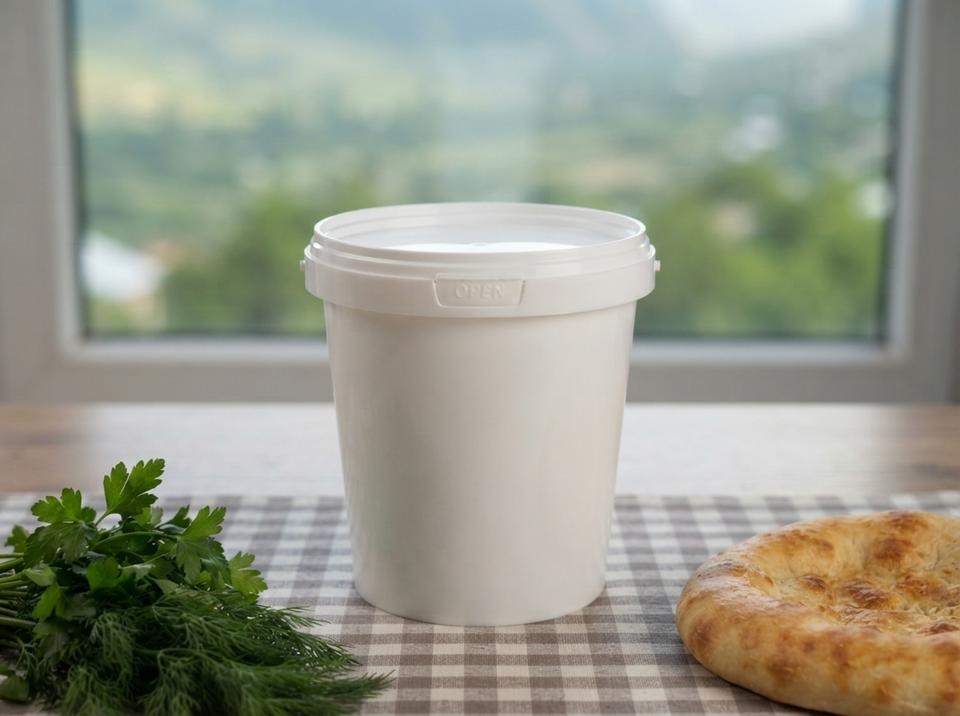
Directly from the HTI factory: we mold the buckets in the Bishkek FEZ and ship them to Talas and the region's districts in orders of one pallet or more. Call +996 222 600 292, and a sales manager will match sizes to your product.
Your sales manager prices each order based on size, quantity, handle, color, and printing. The shipping cost to your village comes in the same quote.
Pallets leave the factory with a freight carrier. Your sales manager confirms delivery time and cost when you place the order. When your neighbors are also buying packaging for the harvest, a joint order is easier to ship in one truck.
No, we have no warehouse in the region. Buckets ship from our plant in Ak-Chiy, where you can also pick them up yourself. Each order is assembled just for you, so you can mix clear and white buckets in different sizes.
Yes. Food-grade polypropylene buckets are suitable for dry goods, and the lid keeps dust off the beans. For more on dry goods, see our page on buckets for spices and dry goods.
Most often the clear 2.3 or 3 L: the variety shows through the wall, and a lidded bucket is handier than a bag. Wholesalers get the 3.8 L with a metal bail handle, and one-liter buckets are used for trial packs for visitors to the region.
Yes. For the counter, 800 ml and one-liter buckets; for wholesalers, 5.6 L; for extraction, the 21 L with a bail handle and plastic grip. Learn more on our honey buckets page.
Yes, with a label or IML, where the image is fused into the wall during molding. You approve the artwork with your sales manager.
Dimensions, empty weights, and photos of every bucket are in our catalog. For the regional capital, see our page on packaging in Talas, and for neighbors in the Chuy Valley, our Chuy Region page.

Tell us your product, size, and village. Your sales manager will pick the buckets and work out the pallets and delivery.