Want to learn more about our packaging or find the right fit for your business? Request a callback, and our specialist will call you at a time that suits you. Tell us about your product, and we'll help you choose the best option.
Order a callback from a specialist
Want to learn more about our solutions or find the perfect solution for your business? Leave a request for a callback and our specialist will contact you at a convenient time. Together we will find the optimal solution to make your business thrive!
Request a callback from our HR team
Interested in our openings and career opportunities? Leave your contact details and our HR team will get back to you shortly. We'll answer your questions and explain how to join the HTI Group team.
Order a callback from a specialist
Would you like to learn more about our job openings and career opportunities? Leave your contact information, and our HR department will get in touch with you shortly. We will answer all your questions and provide detailed information on how to become part of the HTI Group team.
Mon-Fri, 9:00 AM-5:00 PM · Factory in the Bishkek Free Economic Zone, Ak-Chiy village
Arslanbob, Toktogul
Plastic bucketsin the Jalal-Abad Region
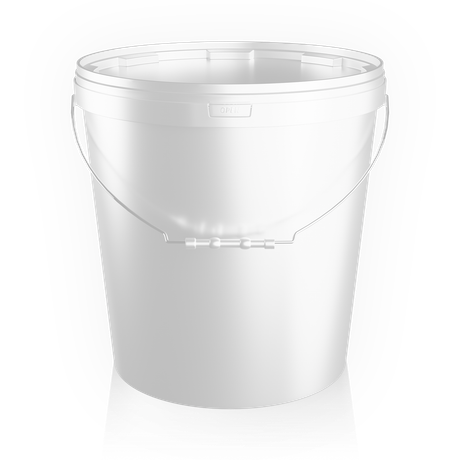
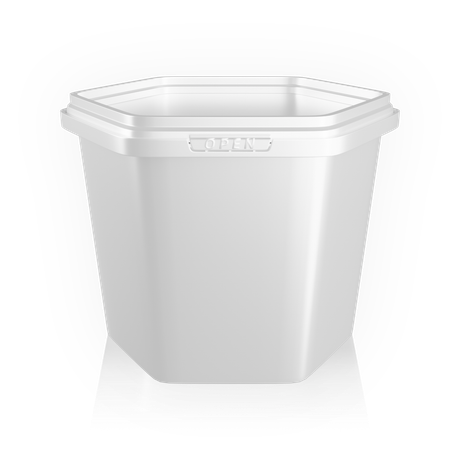
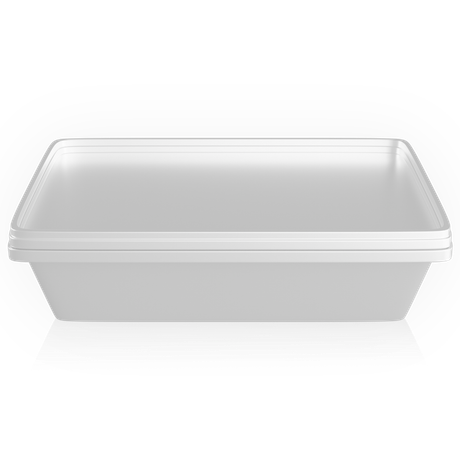
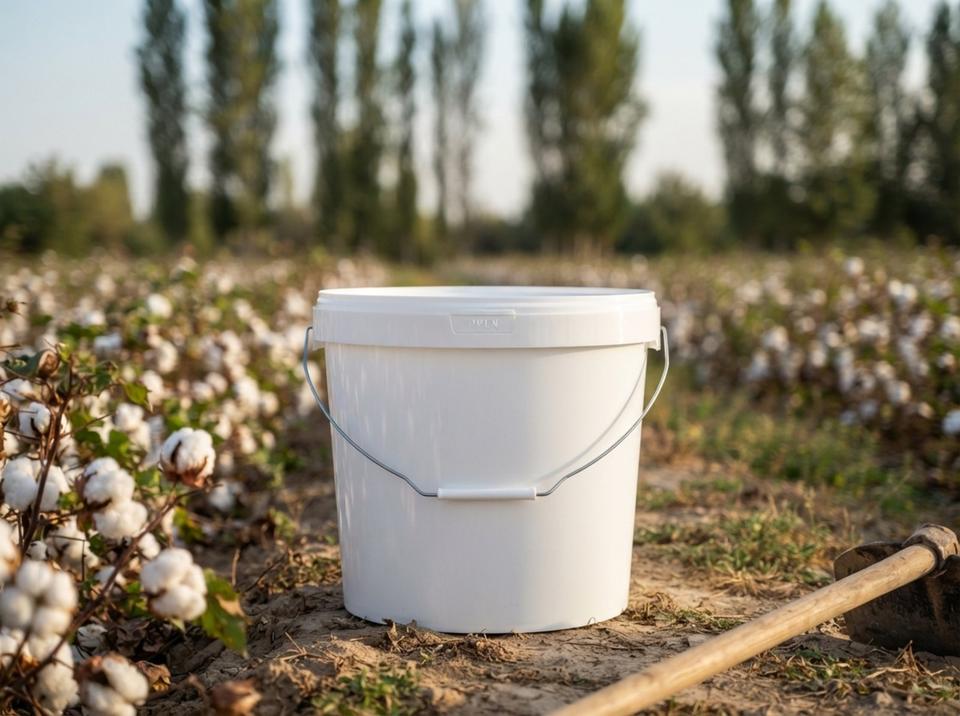
Arslanbob's walnut forests and foothill apiaries, cotton and orchards in the Fergana Valley, fish and pastures by the Toktogul Reservoir, coal in Tash-Kumyr, and oil in Kochkor-Ata: each district of the region has its own work and its own packaging needs. The HTI plant in Chuy Region molds fourteen food-grade buckets, from a small 560 ml size up to 21 L, and ships them south by freight carrier. This page covers which size the region uses for what, how to calculate pallets, and how to place an order.
Fourteen bucketsand a job for each one in the region
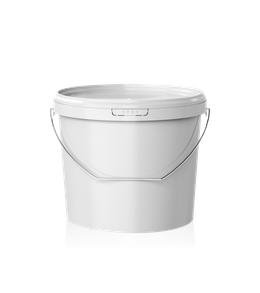
We've sorted the buckets onto three shelves: counter, kitchen, and bulk. Each size is labeled with where businesses in Jalal-Abad Region use it most, from a shop by a walnut grove to a workshop in a coal town. Each card links to that size's page with dimensions and tare weight.
A portion a tourist or bazaar shopper carries off in one hand.
Supplies for cafes, canteens, and home-based producers.
Harvests, honey extraction, wholesale orders, and machinery.
Containers for walnuts, pistachios, fish, and lunches for rotational workers.
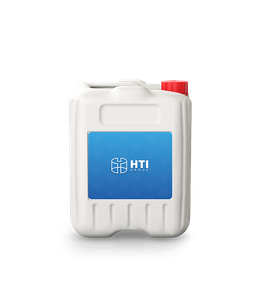
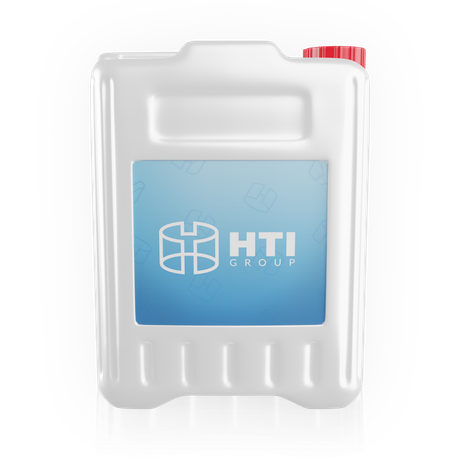
Jerry cans for cottonseed oil and drinking water.
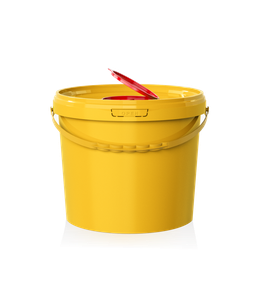
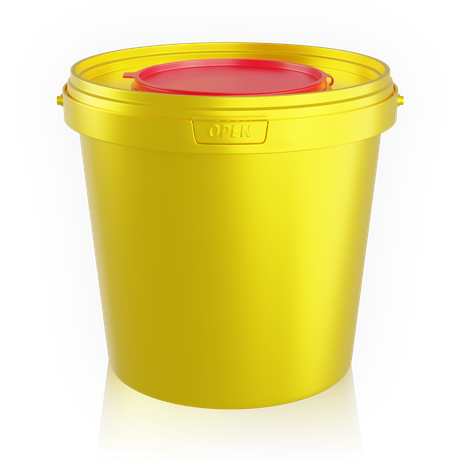
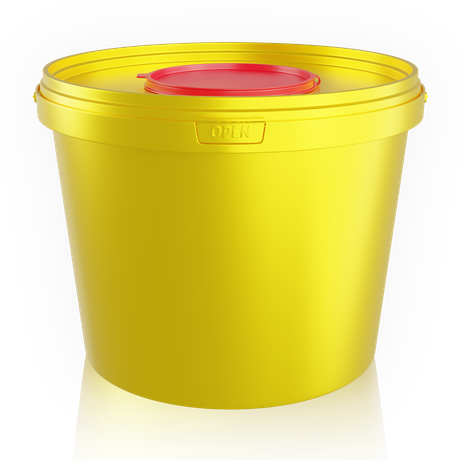
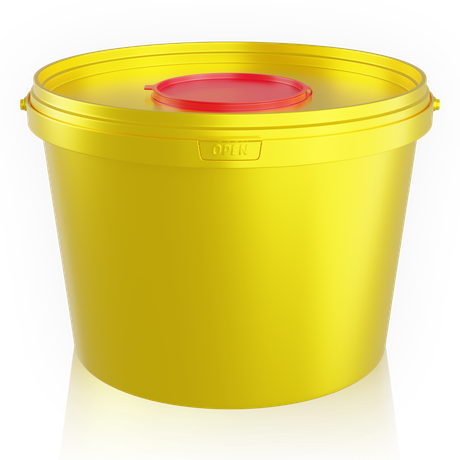
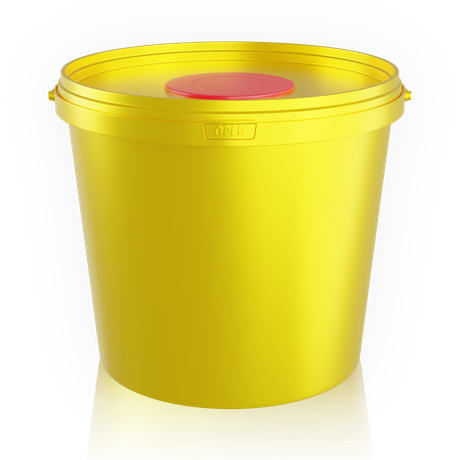
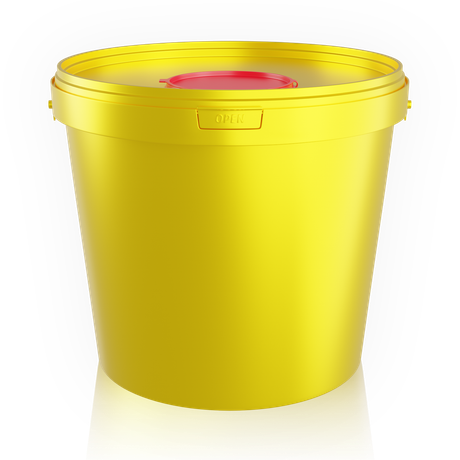
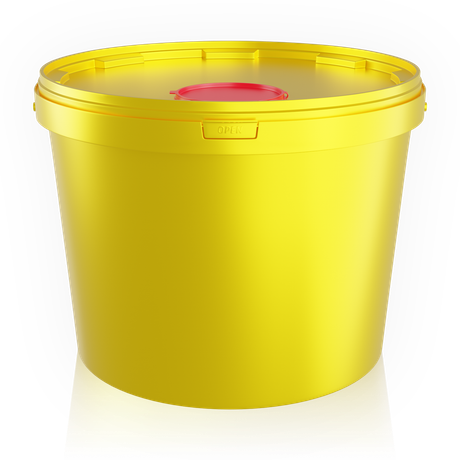
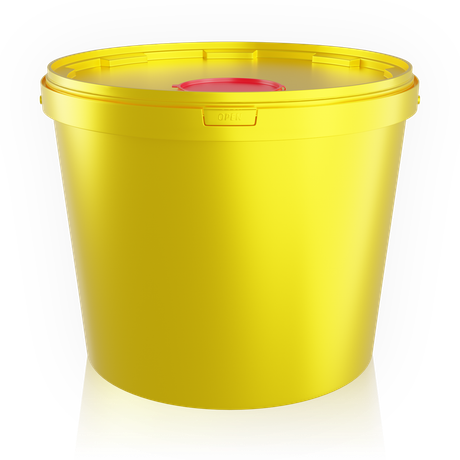
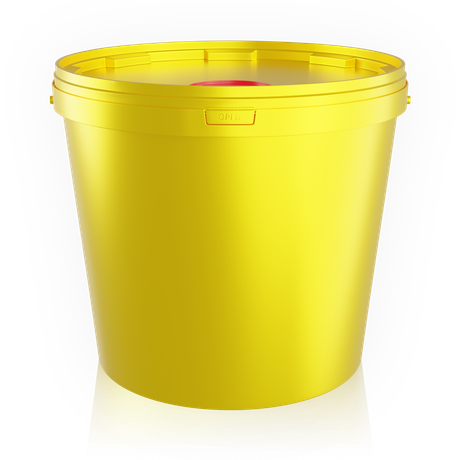
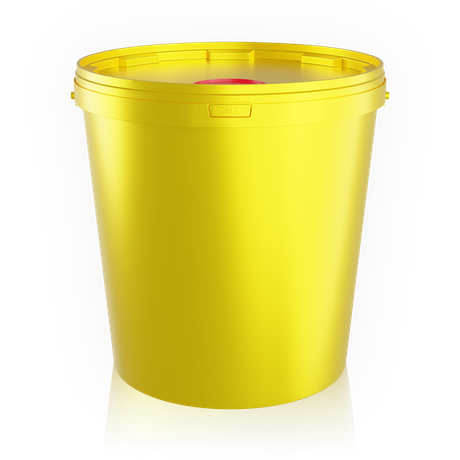
Yellow and red buckets for hospitals, sanatoriums, first-aid stations, and vets across the region.
Packaging at the same scale: body width and height from the factory's product cards
Counter · PKS560
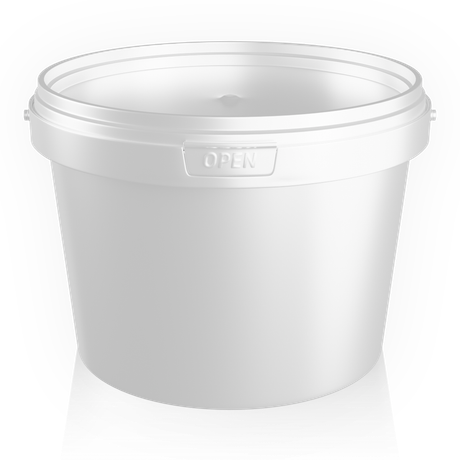
560 ml plastic bucket
Suzma and kaymak that Suzak District homemakers bring to the morning bazaar in Jalal-Abad.
Rural health posts in villages near the walnut forests: cotton balls and ampoules during harvest season go into a yellow bucket for Class B waste (by Kyrgyz sanitary classification).
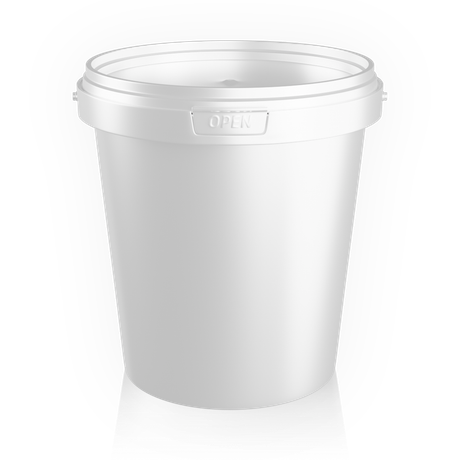
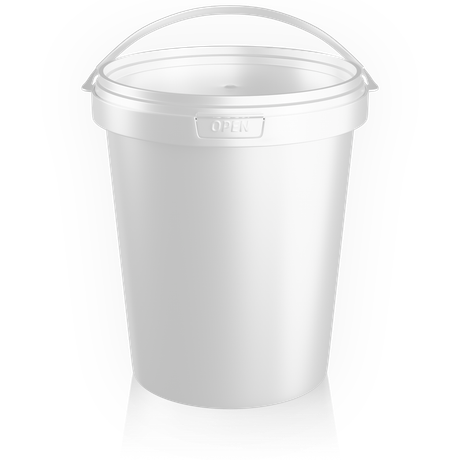
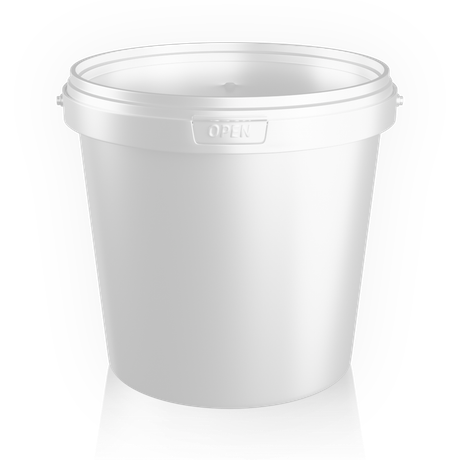
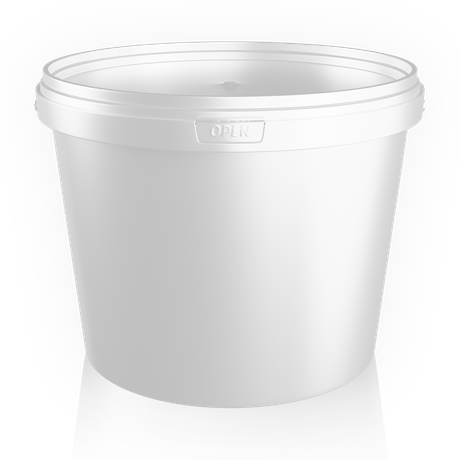
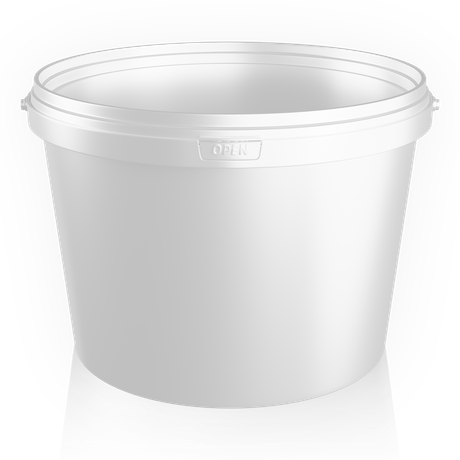
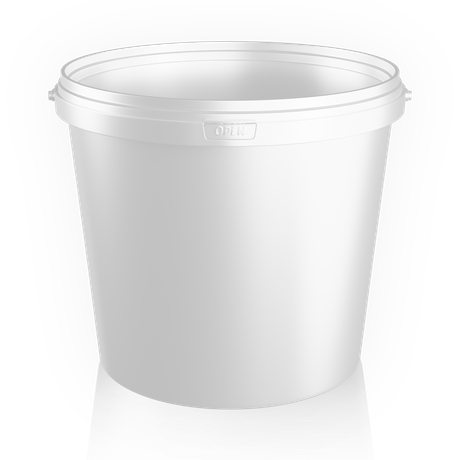
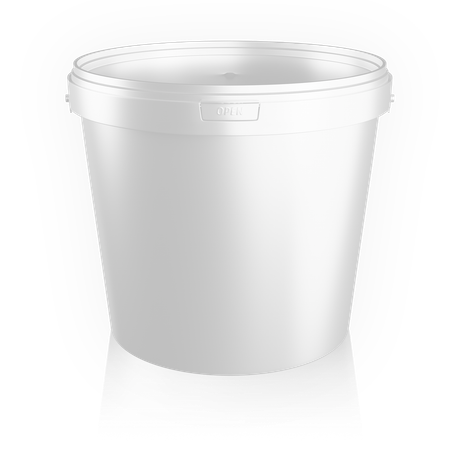
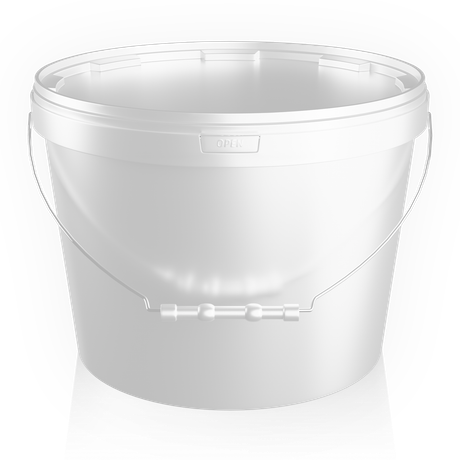
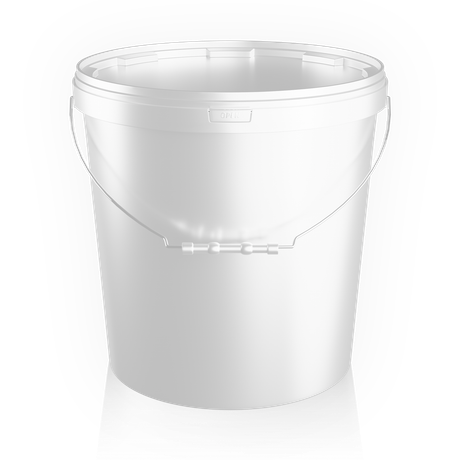
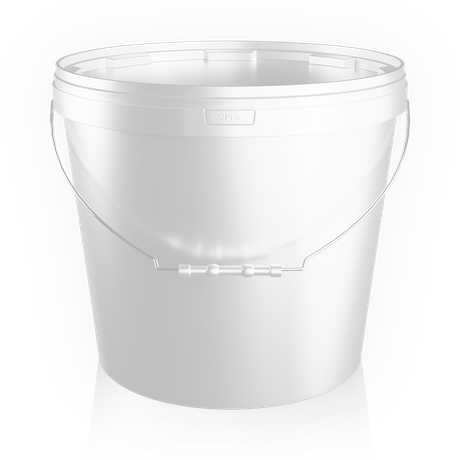
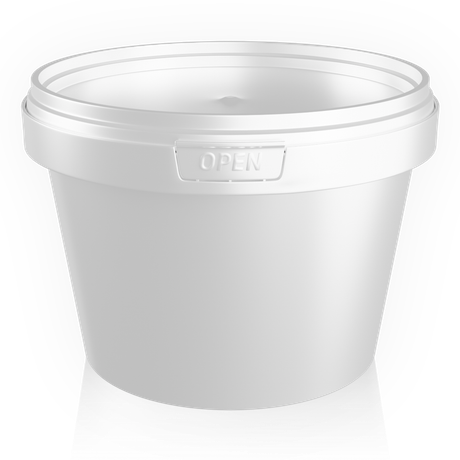
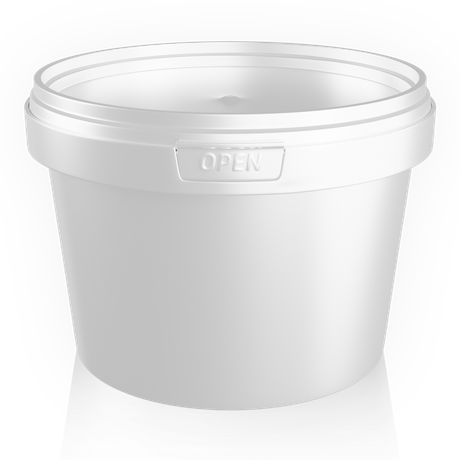
Empty buckets nest one inside another, so a pallet takes up far less truck space than the unit count suggests. Every bucket has a flat lid that seats into a double rim, with an OPEN tamper-evident tear strip tucked underneath.
By district
What the region's districts shipand in which size
The region stretches from the Toktogul Reservoir in the north to the cotton fields of the Fergana Valley in the south, and packaging demand shifts from district to district. The table is organized by place: the main product, the go-to size for it, and the units per pallet.
A pallet holds twelve times as many 900 ml buckets as 21 L ones: 7,200 versus 600. So a workshop in Tash-Kumyr and a dairy shop in Kara-Kul ordering the same number of pallets end up with very different bucket counts, which is why it's easier to plan orders in pallets.
There's no single main packaging buyer in the region. The southern districts live off orchards, walnuts, and cotton, the northern ones off pastures and the reservoir, and the old industrial towns off workshops, renovation work, and canteens. Here are the four groups that order buckets most often.
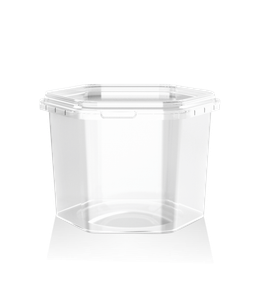
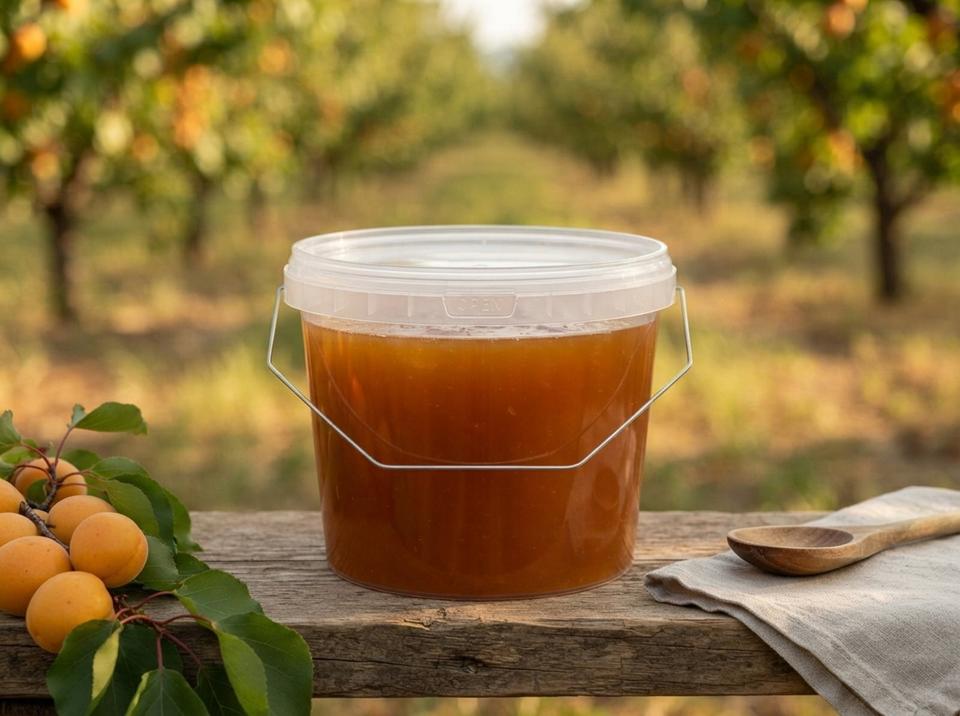
Orchard jam2.3 L holds about 3 kg of jam
Southern walnuts and orchards
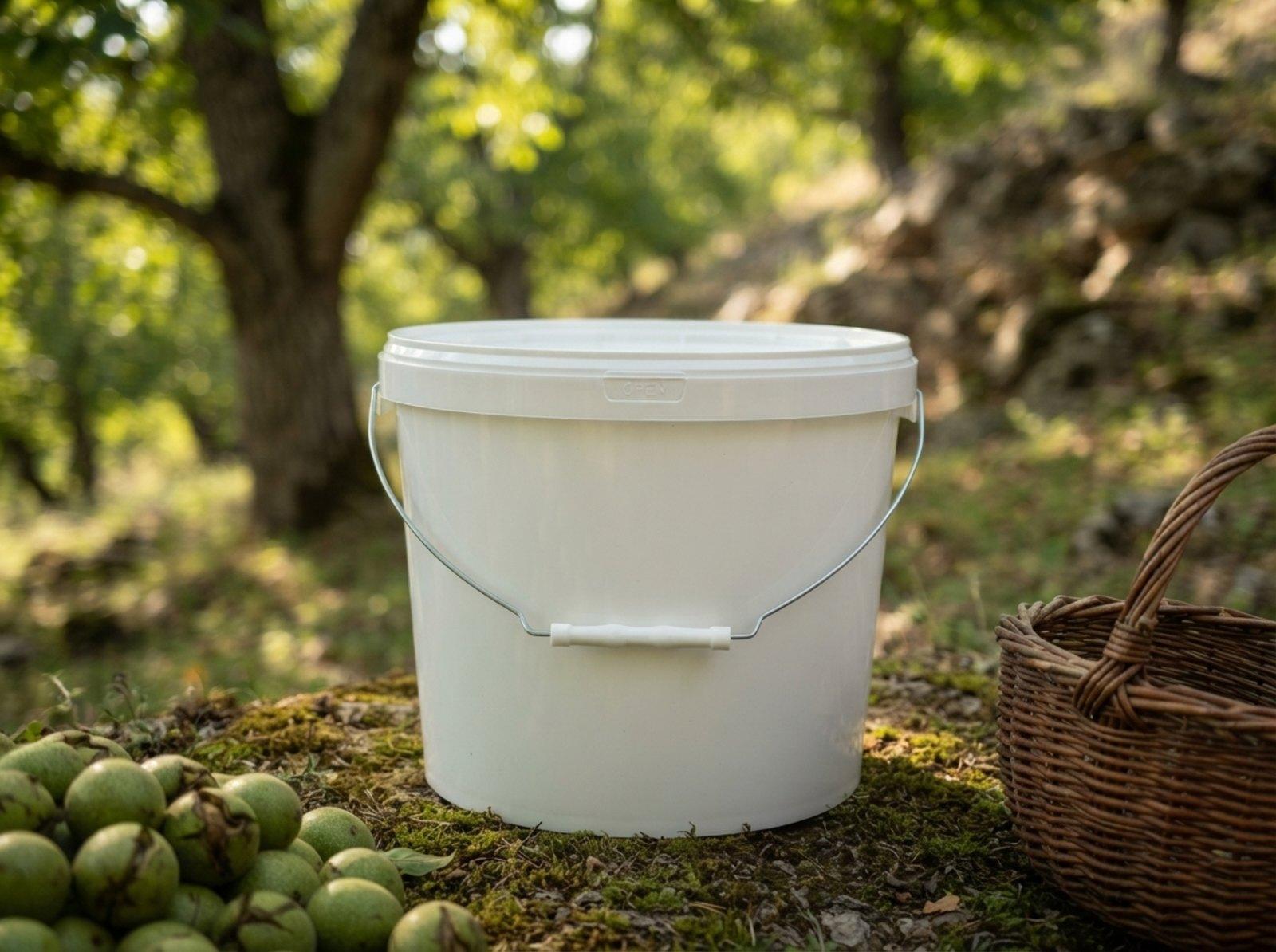
In the Bazar-Korgon, Aksy, and Nooken districts, fall is spent harvesting walnuts and fruit. Pickers use 11.5 L buckets with a plastic grip on the bail, kernels for sale go into 5.6 L buckets, and jam and preserves are packed in clear 2.3 L buckets.
Foothill apiaries
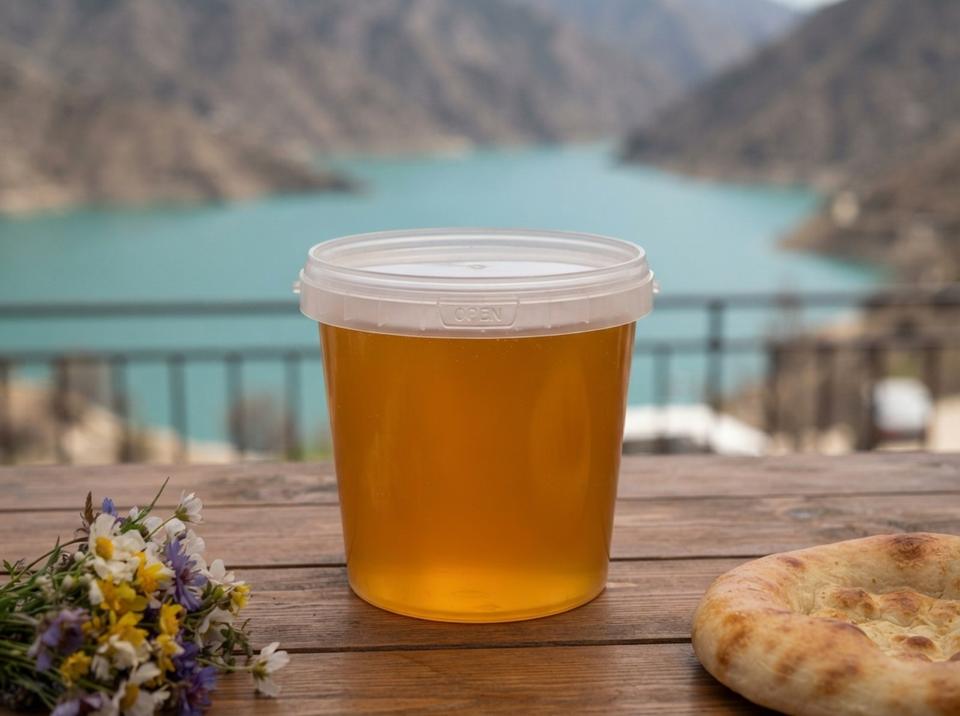
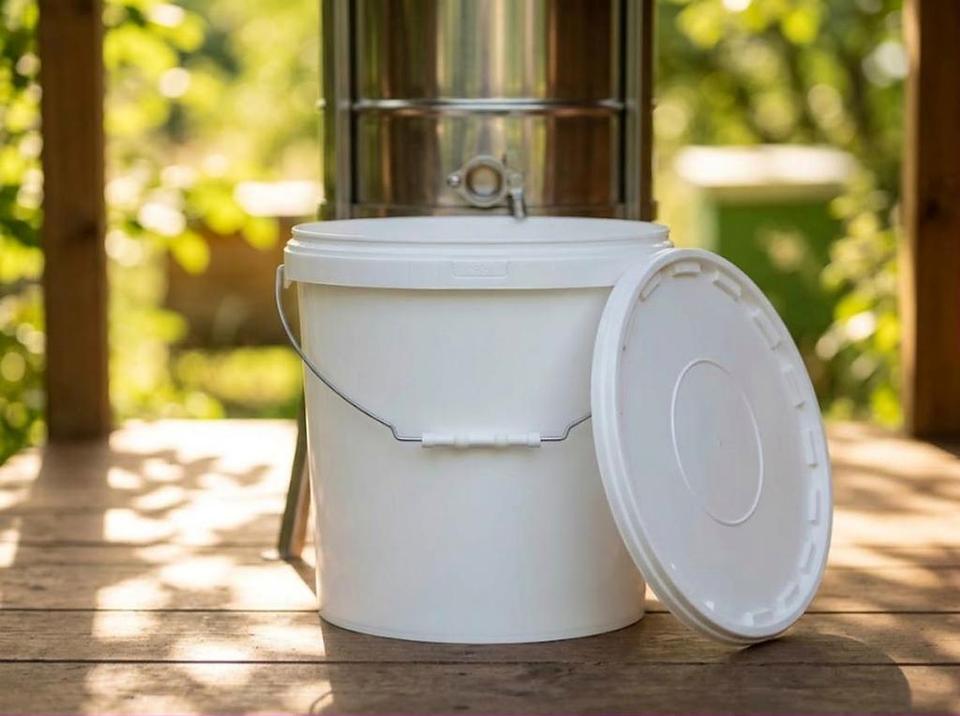
Hives sit in the walnut forests, in the Aksy valleys, and next to Nooken's cotton fields. Freshly extracted honey goes into 18 and 21 L buckets, which hold about 25 and 30 kg, respectively, while retail sales use one-liter and 850 ml buckets that fit in a tourist's bag.
Reservoir and pastures
Around the Toktogul Reservoir, people catch and salt fish, raise livestock, and dry kurt. Fish is salted in 8 and 15 L buckets with tight-fitting lids, while kurt and butter sell in 3 L and 900 ml buckets.
Industrial towns
Tash-Kumyr with its coal mines, Kochkor-Ata with its oil fields, and Kara-Kul by the Toktogul hydropower cascade all mean workshops, apartment renovations, and canteens feeding the shifts. They need 18 and 21 L buckets for grease and paint, and 3.8 to 5.6 L for the kitchen.
Order calculator
How many palletsyour order will take
Choose a size and enter the number of buckets for the season, and the calculator will show how many pallets the order takes. An example from an orchard near Jalal-Abad: 2,000 of the 11.5 L buckets for the apricot harvest come to three pallets. An apiary that fills 1,200 of the 21 L buckets with honey over the summer gets exactly two pallets.
Item
BucketsContainersJerry cansMedical buckets
How many pieces you need
pcs
Orders ship in full pallets, and any remainder is rounded up.
One freight carrier shipment can include different sizes.
The 5 and 10 L jerry cans don't nest: a pallet holds 180 and 100 of them, respectively.
How to buy
From your requestto buckets in your district
Buckets are sold in orders of one pallet or more. The process is the same for an apiary in the Aksy Valley and a workshop in Tash-Kumyr.
1
Request
Call us or send a request with your product, sizes, quantity, and town or village. If you want your brand on the bucket, mention it on the first call.
2
Selection and pricing
Your sales manager will suggest sizes for your product, work out the pallets, and quote the order price. You'll get the delivery time and cost to the south right away, too.
3
Packed at the factory
Pallets are packed at the HTI plant in the Bishkek FEZ, Ak-Chiy village. With IML printing, the artwork proof is approved first, then the run is molded.
4
Shipping or pickup
The finished order is handed to a freight carrier for delivery to your town. If you have your own truck, you can pick up the buckets right at the factory.
Straight-line distance. Click a city to open its page.
The HTI plant is in Chuy Region, in the Bishkek FEZ, Ak-Chiy village. Buckets ship to Jalal-Abad Region by the pallet via freight carrier, and your sales manager confirms delivery time and cost when you place the order. HTI has no warehouses in Jalal-Abad, Osh, or the district centers; each order is put together at the plant once you send your request.
Pickup is also an option. Let your sales manager know what vehicle you're coming in, and the pallets will be ready for loading.
Demand in the south comes in waves. Walnut farms and orchards order packaging before the harvest, apiaries before the first honey extraction, and renovation crews ahead of spring. A request sent before the season starts lets us put together your order in the right sizes without a rush.
Jalal-Abad Region
Nearbyand across the country
Where we ship
Towns with their own page are linked: there you'll find buckets matched to local products.
The region's goods go to tourists, to the bazaars of Jalal-Abad and Osh, and to wholesalers in Bishkek. For each of these channels, a different bucket version pays off.
Clear body
Amber honey, dark walnut jam, and pale walnut kernels sell themselves. All fourteen sizes come in a clear version.
A handle to match the load
For heavy loads, there's a galvanized wire bail handle, with a plastic grip on buckets from 8 L up. For light retail, choose a plastic handle or the 900 ml bucket with a handle molded in one piece with the body.
OPEN seal
As long as the tear strip under the rim is intact, no one has opened the bucket since it was filled. That makes it easier for a Bishkek wholesaler to accept a shipment of honey or walnuts.
Your own brand
A trial order gets a stick-on label, while ongoing runs use IML: the design is fused into the wall during molding and doesn't come off in the wash.
Questions and answers
Questionsfrom buyers in the south
Didn't find your answer?A sales manager replies Mon-Fri, 9:00 AM-5:00 PM, Bishkek time
Directly from the HTI plant: buckets are sold in orders of one pallet or more. You can reach our sales team at +996 222 600 292, and if you send a request through the website, a sales manager will call you back and put together an offer for your product.
Your sales manager prices each order individually. The price depends on size, quantity, body color, handle, and printing, so you'll get the exact amount together with the delivery estimate.
A freight carrier delivers the pallets from our plant in the Bishkek FEZ. Your sales manager confirms timing and cost when you order, or you can choose pickup from the factory instead of delivery.
No. HTI has one warehouse, at the plant in Ak-Chiy village, and every order ships from there.
For wholesale, the 5.6 L bucket is the usual choice: its 224 mm opening makes it easy to scoop kernels in. Full details on our buckets for nuts and dried fruit page.
Yes, they're molded from food-grade polypropylene. For salting, people use 8 and 15 L buckets with a tight-fitting lid. More on our fish buckets page.
Yes. Small and large buckets, containers, and jerry cans travel together, but each model sits on its own pallet, which makes them easier to count on delivery.
Yes, with a label or IML. A label is easier for a first order and IML is better for ongoing runs; you approve the artwork with your sales manager.
Catalog
HTI bucketsfor the Jalal-Abad Region
Every bucket in the catalog has its own page with dimensions, empty weight, and handle options. Packaging for the regional capital is covered on the Jalal-Abad page, and neighbors to the south will find the Osh Region page useful.
Tell us what you pack and where it's going. Your sales manager will suggest sizes and estimate the number of pallets and the freight carrier's delivery terms.