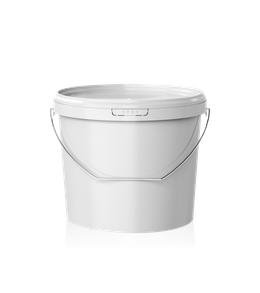
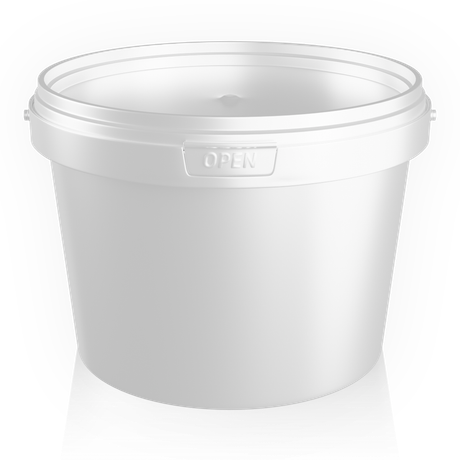
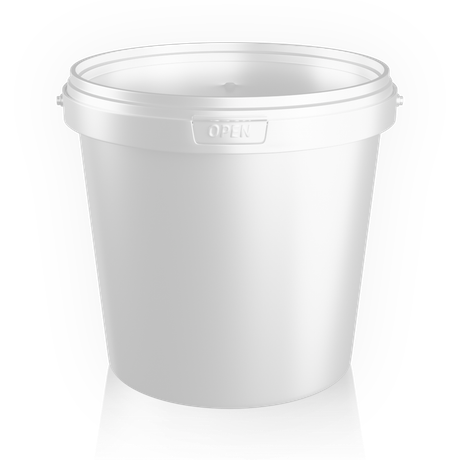
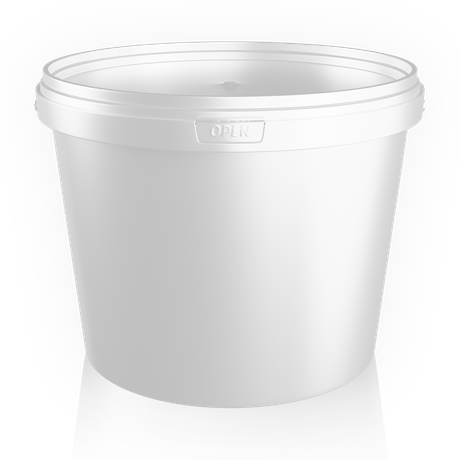
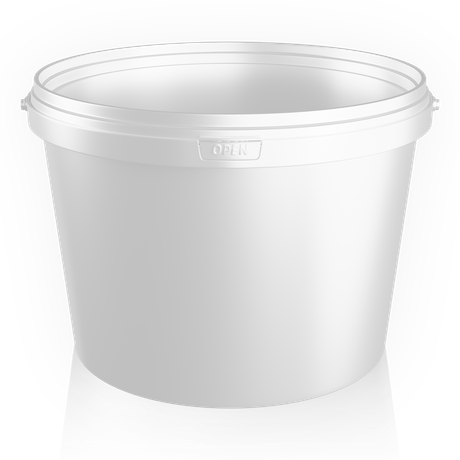
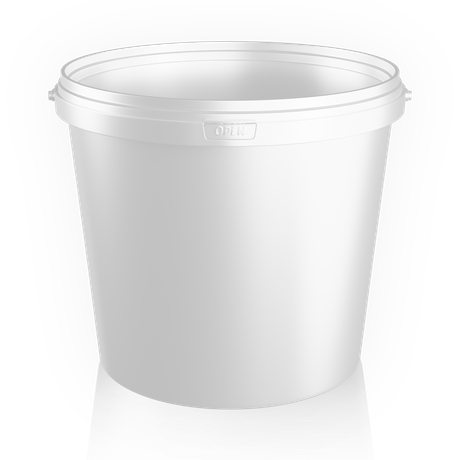
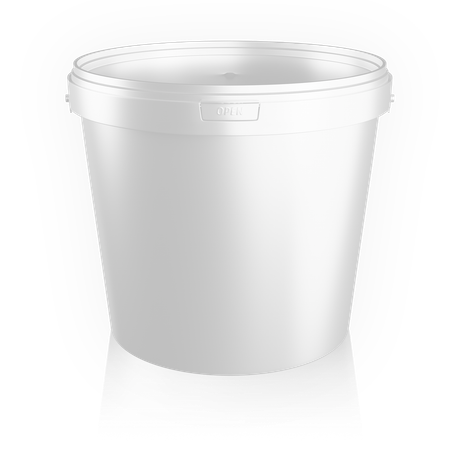
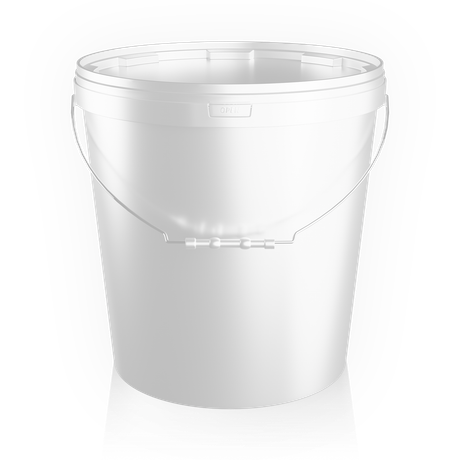
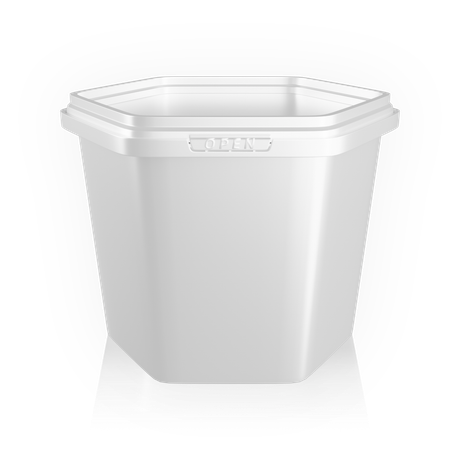
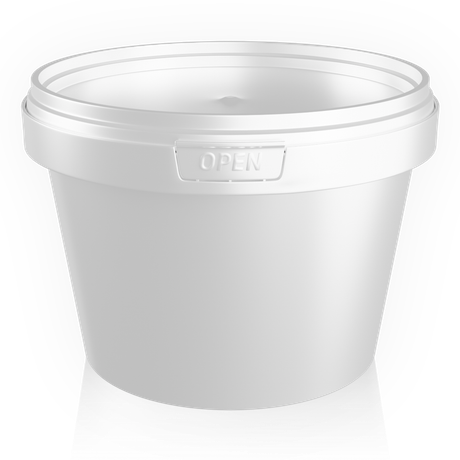
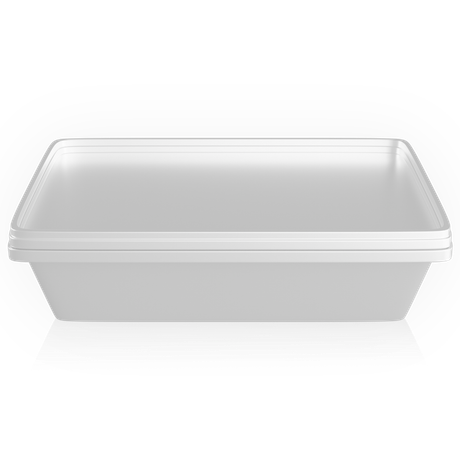
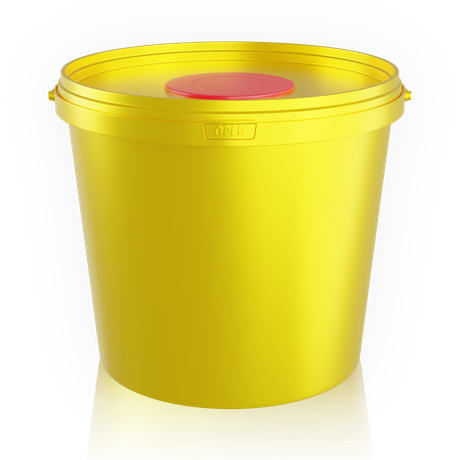
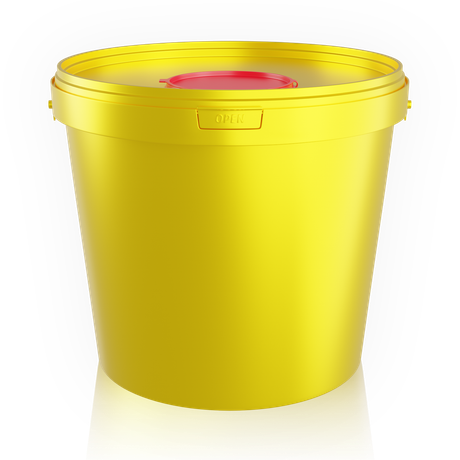
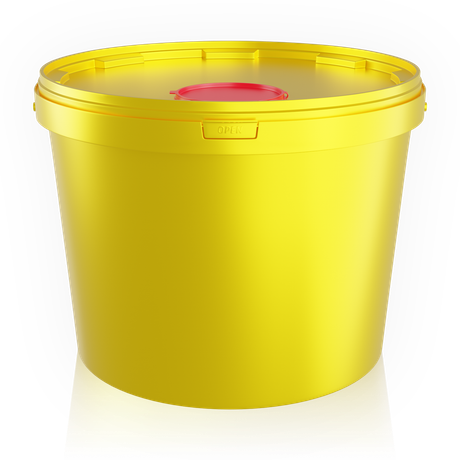
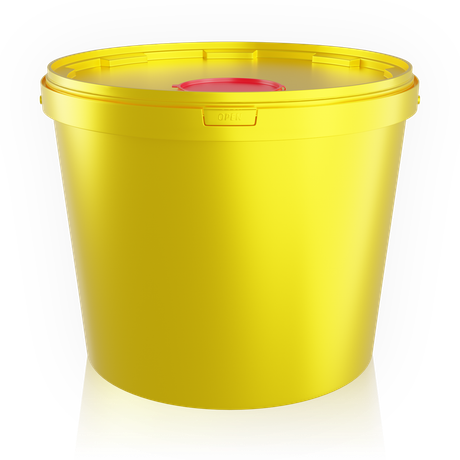
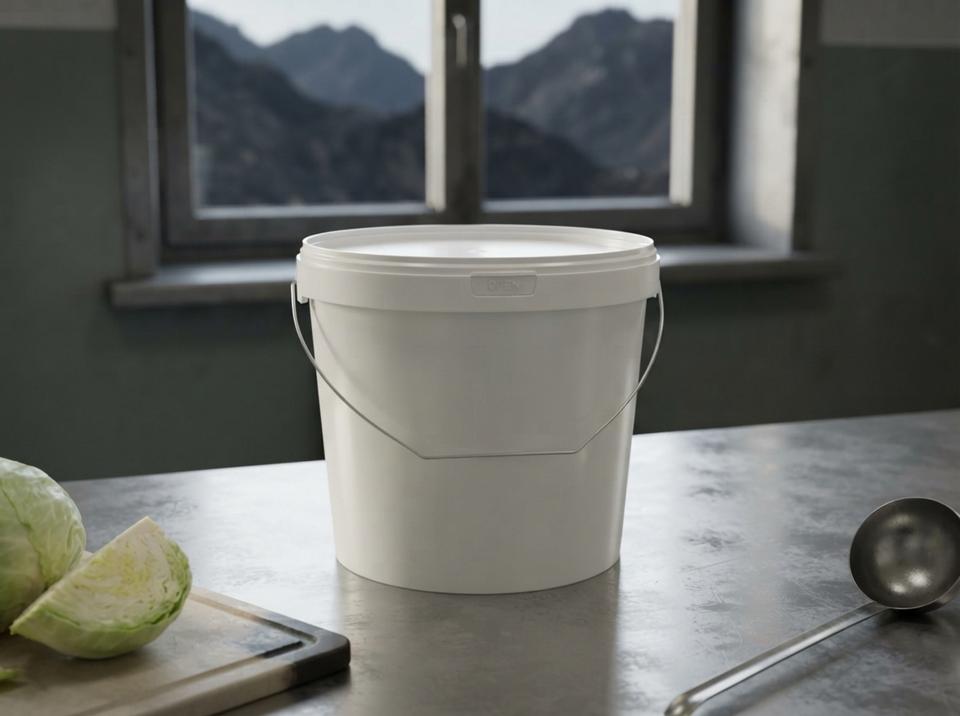
560 ml plastic bucket
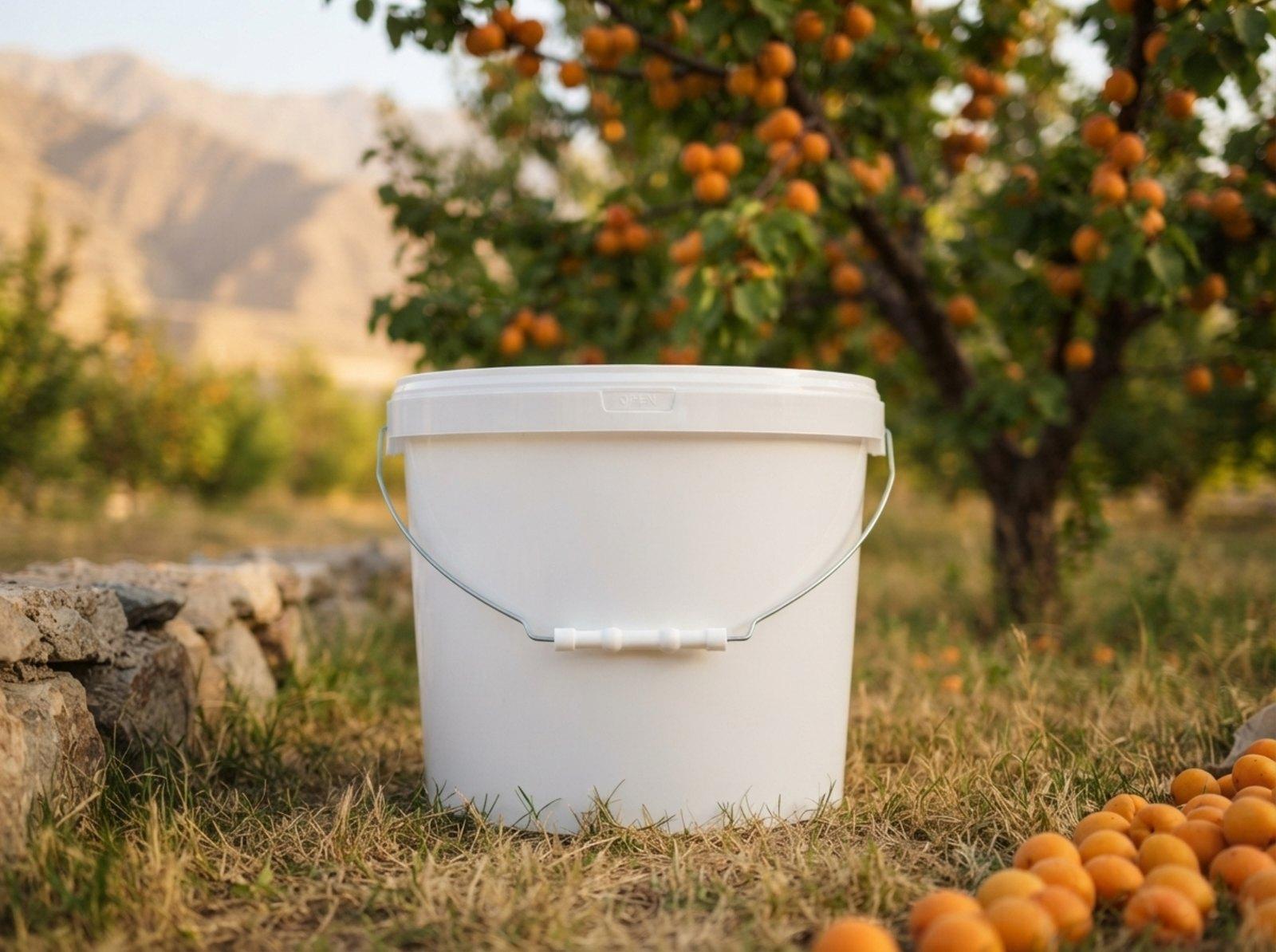
Single-serve apricot jam to go with tea, for stores in Kyzyl-Kiya and Sulukta.
- Opening
- Ø 118 mm
- Height
- 80 mm
- Empty weight
- 23 g
- Per pallet
- 7,200 pcs
Plastic buckets14 sizes · 560 ml to 21 L
Medical buckets9 sizes · 1 to 21 L
Food containers5 formats · 250 to 750 ml
Plastic jerry cans5 L and 10 L
Plastic buckets16 models, 560 ml - 21 L
Medical buckets10 models, 1 - 21 L
Food containers5 models, 250 - 750 ml
Plastic canisters5 and 10 L
塑料桶16 个型号,560 毫升 - 21 升
食品容器5 个型号,250 - 750 毫升
塑料方桶5 升和 10 升Hello! We'll suggest the right size for your product, calculate pallets, and quote a price for your order.
Batken Region means apricot orchards in the valleys and mining towns in the mountains: coal-mining Sulukta and Kyzyl-Kiya and ore-mining Kadamjay. Orchards need buckets for picking, drying, and jam; miners and builders need them for grease, paint, and mixes; and canteens need them for prepared foods. HTI molds all fourteen sizes, from 560 ml to 21 L, at its own plant and ships them to the region by freight carrier.

In this region, buyers use packaging both for apricots and for work in mining settlements, so one size often has two uses. For each size, we picked the most local one. Click for dimensions, empty weight, and photos.
Goods for the counter and neighborhood stores.
Food prep, greases, and small repairs.
Harvest, paint, mixes, and storage.
Containers for dried fruit, apricot kernels, and miners' lunches.
Jerry cans for machine oils and water for orchards.
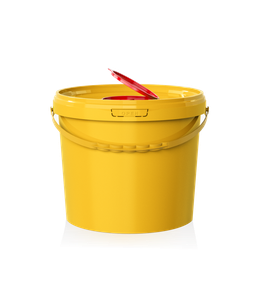
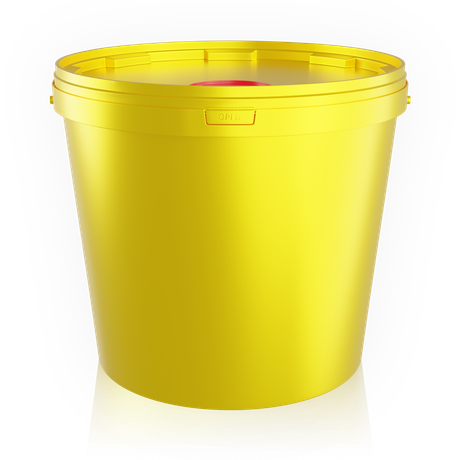
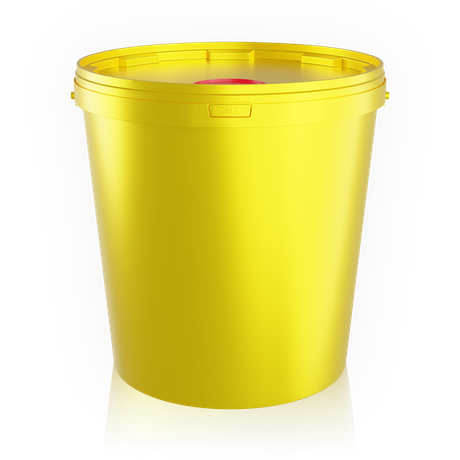
Yellow and red buckets for hospitals, mine first-aid stations, and rural health posts across the region.

Single-serve apricot jam to go with tea, for stores in Kyzyl-Kiya and Sulukta.

Sour cream and kaymak for grocery shops in mining towns: a lightweight bucket with a plastic handle.

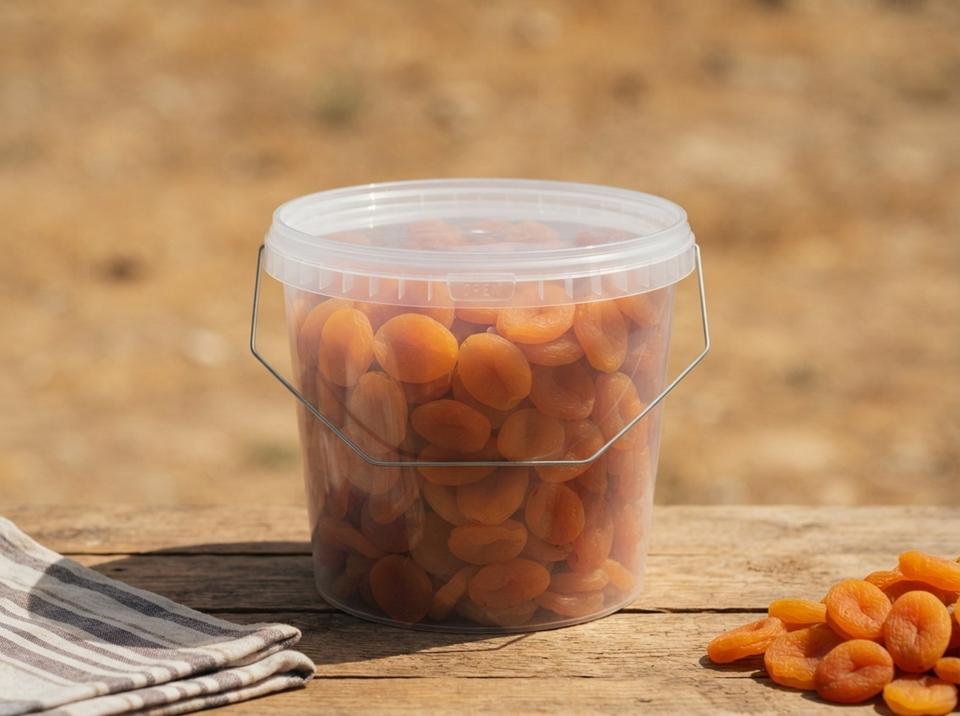
Whole and pitted dried apricots in small portions, in a clear bucket for the Batken bazaar.

Apricot butter for village stores: the handle is molded in one piece with the bucket.

Grease for small machinery and pumps in mine workshops.

Homemade preserves for markets in Batken and Kyzyl-Kiya: the bucket holds about 3 kg.

Whole dried apricots, pits and all, for wholesale buyers from the north: the 200 mm opening fits a scoop.

Korean carrot salad and sauerkraut for canteens at mines and construction sites across the region.

Heavy grease for trucks and loaders at coal mines: the wide opening fits a spatula.

Apricot jam base for bakeries: eight liters, with a bail handle and plastic grip that take the full weight.

Apricot picking in the orchards of Batken and Leilek Districts: the plastic grip won't dig into your hand.

Water-based paint for apartment and house renovations in the region's mining towns.

Putty and adhesive for finishing crews working in district centers and villages.

Bulk dried apricots: the rigid wall protects the fruit in the truck on the way north.

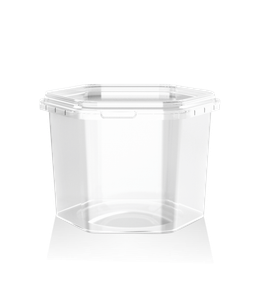
Shor-danak (salted apricot kernels) to go with tea, for the bazaars of Batken and Isfana: the 250 ml hexagonal container.

Single servings of sour cream for mine canteens in Sulukta and Kyzyl-Kiya: the round 385 ml container.

Pitted dried apricots in gift packs for travelers passing through the region: clear 400 ml containers.

A miner's lunch down at the coal face: porridge or plov in a round 550 ml container with a tight lid.

A set lunch for a construction crew in Kadamjay: a main course with a side in the flat tray.

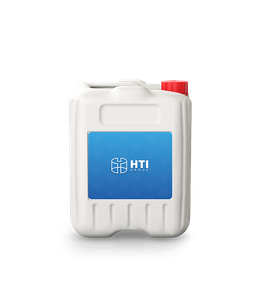
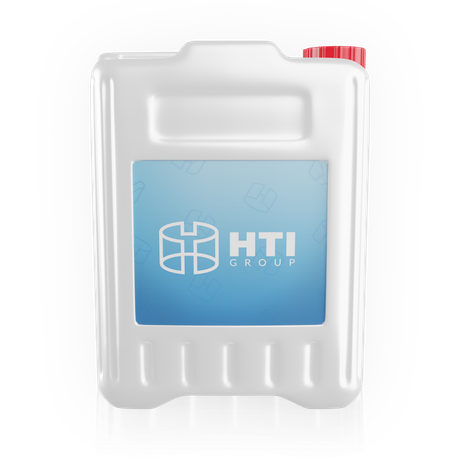
Hydraulic and motor oil for topping up mining equipment: the 5 L jerry can with a molded-in handle.

Water for young trees and fruit-drying sheds in Leilek District orchards: ten liters, screw cap.

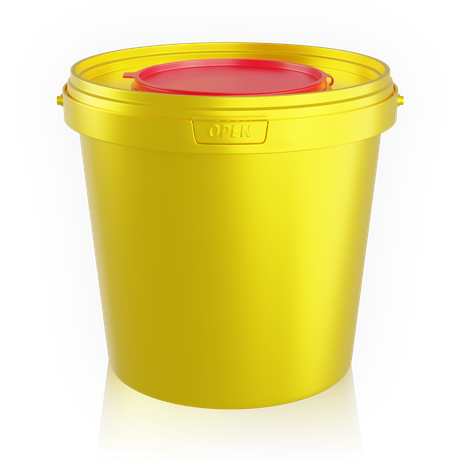
First-aid stations at coal mines: shots after injuries, with the needle removed by the needle remover on a one-liter bucket.

Rural outpatient clinics across the region: used supplies from appointments go into a yellow bucket with a plastic handle.

Mobile vaccination teams in mountain villages: syringes go in through the valve without touching the needle.

Dental offices in Kyzyl-Kiya: a lid with a 75 mm valve dispenses disinfectant wipes.

Urgent care clinics in mining towns: plaster casts and bandages go into a red bucket for Class C waste (by Kyrgyz sanitary classification).

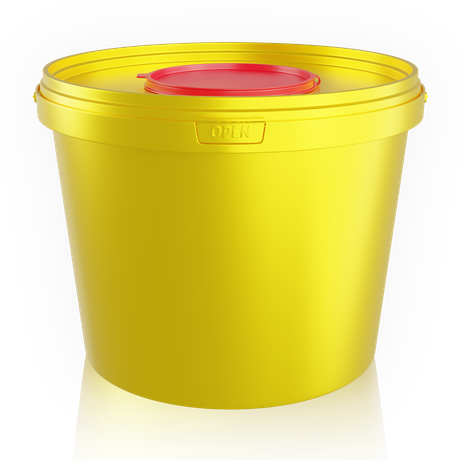
District hospitals in Isfana and Kadamjay: each ward's waste from a shift goes into a yellow 11.2 L bucket.

Veterinary stations in orchard and livestock villages: vaccine vials and syringes after treatments.

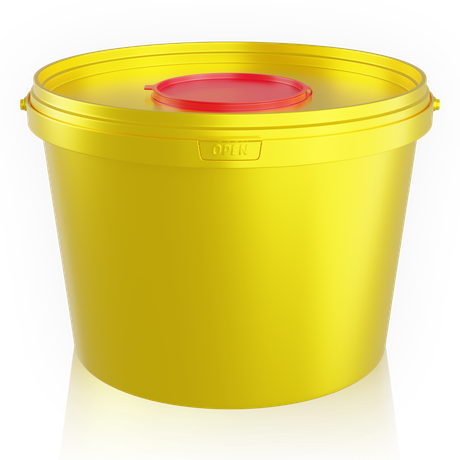
The regional hospital in Batken: each floor's waste collects in a lidded 18 L bucket with a plastic handle.

Remote rural health posts near the border: pickups are infrequent, so they use the largest bucket, the 21 L.
The buckets are tapered and nest inside each other, so a season's worth of empties takes up little space, whether in the orchard or in the workshop storeroom. The lid seats into a double rim, and the OPEN tear strip beneath it shows whether the bucket has been opened.
Packaging demand in Batken Region depends on what drives each town. Orchard districts need food packaging; mining towns need packaging for industrial and construction materials. The table shows the best-selling size and handle type for each case.
| Town or district | Demand | Volume | Handle | Learn more |
|---|---|---|---|---|
| Batken | preserves and dried apricots | 2.3 L | metal or plastic | jam and fruit butter |
| Isfana | whole and pitted dried apricots for the bazaar | 3 L | metal or plastic | nuts and dried fruit |
| Kyzyl-Kyya | paint and construction mixes | 18 L | metal bail with plastic grip, or plastic | construction mixes |
| Sulukta | equipment grease | 5.6 L | metal or plastic | grease buckets |
| Kadamjay | apricot picking in orchards | 11.5 L | metal with plastic grip | farms |
| Miners' canteens | pickles and salads | 3.8 L | metal or plastic | cafes and canteens |
Buckets from 8 L up come with a metal bail handle and plastic grip. A full bucket of paint or fruit is heavy, and the grip keeps the bail from cutting into your palm. On smaller sizes, the handle choice depends on how the bucket will be carried.
The region runs two economies at once: apricots grow in the valleys, while coal and ore are mined in the mountains. That's why bucket buyers here range so widely, from a family with an orchard to a mine workshop. Orchards care about the bail handle and a clear body; mines and construction sites, about a tight lid and a sturdy wall.

Fruit is picked into 11.5 L buckets with a bail handle and plastic grip, jam for sale is packed in 2.3 L, and dried apricots for wholesalers go in 21 L. The rigid wall keeps the fruit from getting crushed in the truck.
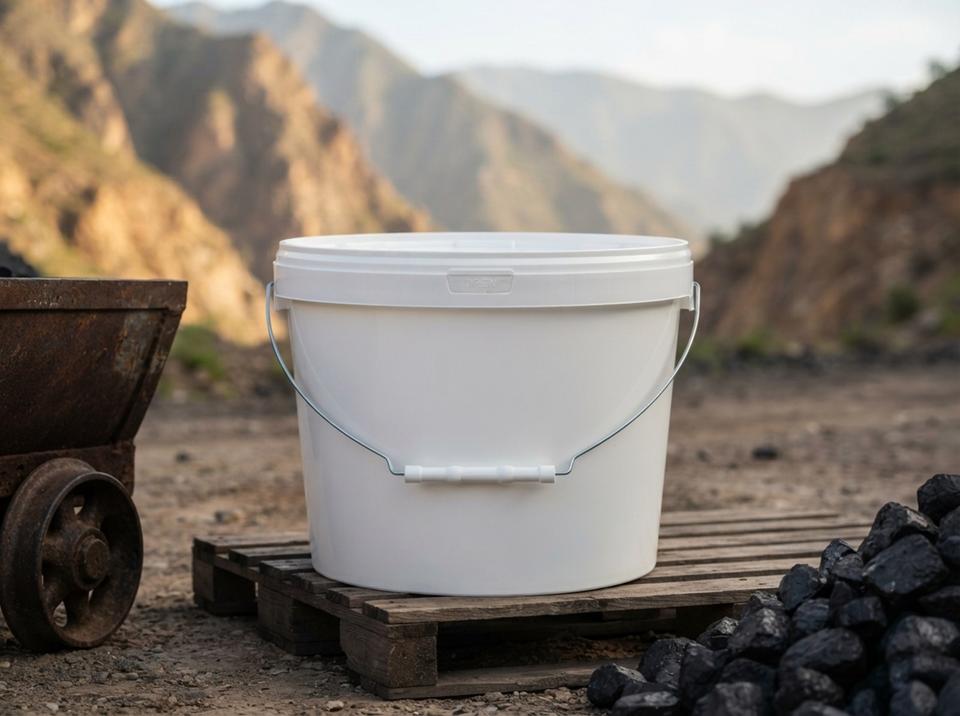
Grease for pumps, winches, and trucks is easy to keep in 5.6 and 8 L buckets with lids: coal dust stays out, and the wide opening lets you scoop the grease out with a spatula.
In Kyzyl-Kiya, Sulukta, and the district centers, people are building and renovating homes. Crews need 15 to 21 L buckets for paint, putty, and mixing water, and building supply sellers need the same sizes for repacking.
Kitchens at mines, construction sites, and along the highways cook in volume and prep ahead. Pickles, salads, and marinated meat are kept in 3.8 to 8 L buckets with tight lids.
Choose a bucket and enter the quantity for the season or the month. Example: a farm near Batken dries apricots and sells them wholesale, which takes 10,000 of the 3 L buckets, or four pallets. If the same farm adds 700 of the 11.5 L buckets for picking, that's one more pallet.
Buckets are sold in orders of one pallet or more, direct from the factory. The steps are the same for an orchard farm in Leilek District and a workshop in Sulukta.
Call us or leave your number. Tell us what you'll store or sell, the sizes, the quantity, and your town. You can discuss a label or in-mold labeling (IML) in the same conversation.
Your sales manager will pick the packaging, estimate the number of pallets, quote a price, and check with the freight carrier on delivery time and cost to your town.
Pallets are assembled at the HTI plant in Chuy Region, in the Bishkek Free Economic Zone (FEZ). For IML orders, we approve the artwork with you first, then mold the run with your branding.
Your order goes to the region by freight carrier. If you have your own vehicle or a truck heading your way from Bishkek, you can pick up the buckets from the factory.

Buckets for Batken Region ship only from the HTI plant in Ak-Chiy village, Bishkek FEZ: we have no warehouse in the region. A freight carrier takes your order to the country's southwest, and your sales manager confirms delivery time and cost when preparing your estimate.
If several buyers from the same town order at the same time, their orders can go in one truck. Just mention it when you send your request.
Orchards need packaging before the apricots ripen, while construction sites and workshops need it year-round. Mining towns do better ordering buckets in several batches a year, and orchard districts in one large order before the season.
Empty buckets arrive nested in stacks, so even a large order is easy to unload by hand and put away in a pantry, garage, or workshop storeroom.

Linked towns have their own page with bucket recommendations.
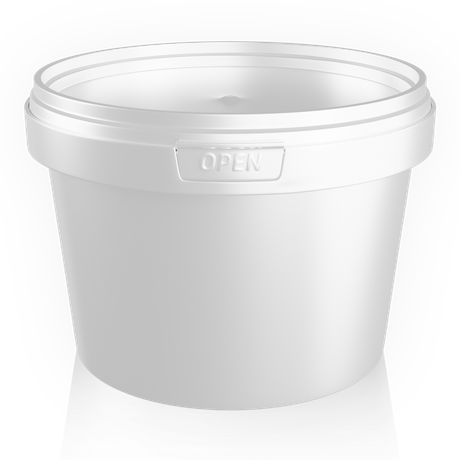
Across the region, the same bucket might go to the bazaar full of dried apricots or to a workshop full of grease. Which body and labeling you choose depends on the job.
Pitted and whole dried apricots and jam show their color through the wall, so shoppers can choose without lifting the lid. Every size comes in clear.
For grease, paint, and mixes, people go with a white body: writing in marker or a label naming the contents is easy to read on it.
Under the lid rim is an OPEN tamper-evident tear strip. Anyone buying dried apricots or jam can see at a glance that the bucket hasn't been opened since filling.
Your farm or workshop name is fused into the wall during molding and won't wash off. For apricots sold under the name of their district, that's a real edge.

Directly from the HTI plant: we sell buckets in orders of one pallet and up and ship them to the region by freight carrier. Call +996 222 600 292 and our sales manager will help you pick the sizes.
Our sales manager prices buckets for each order based on size, quantity, color, handle, and printing. Shipping is quoted separately once they confirm it with the freight carrier.
By freight carrier from our plant in Chuy Region. Transit time and cost depend on the town and the order size, and your sales manager confirms both when you place the order. You can also pick up from the factory.
No. HTI ships buckets only from our plant in the Bishkek Free Economic Zone (FEZ), Ak-Chiy village, and every order is put together specifically for you.
For heavy grease, use the wide-opening 5.6 L and 8 L buckets; see our buckets for lubricants page for details. For liquid oil, 5 L and 10 L jerry cans with screw caps are more convenient.
For wholesale buyers, growers use 11.5 to 21 L buckets: the rigid wall keeps the fruit from getting crushed, and the lid keeps out dust. For retail, go with clear 850 ml and 3 L buckets.
Yes, different sizes and colors, plus jerry cans, all ship together. Each size goes on its own pallet, which makes unloading easier.
Yes: with a label for a small order or with IML printing for ongoing runs. The artwork is approved with your sales manager before molding starts.
The catalog has dimensions, empty weight, and photos for every size. The regional capital has its own page on packaging in Batken, and for our neighbors to the east, there's the Osh Region page.

Tell us what you'll keep in the buckets, which sizes you need, and which town they're going to. Our sales manager will work out the pallets and check the shipping terms.