
 560 ml
 800 ml
 850 ml
 3.8 L
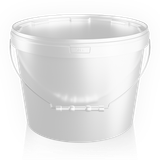 8 L
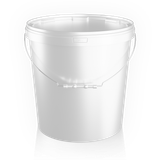 15 L
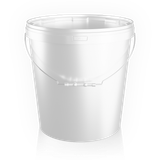 21 L
Our sales manager will contact you shortly
Request a callback from our specialist
Want to learn more about our packaging or find the right fit for your business? Request a callback, and our specialist will call you at a time that suits you. Tell us about your product, and we'll help you choose the best option.
Order a callback from a specialist
Want to learn more about our solutions or find the perfect solution for your business? Leave a request for a callback and our specialist will contact you at a convenient time. Together we will find the optimal solution to make your business thrive!
Request a callback from our HR team
Interested in our openings and career opportunities? Leave your contact details and our HR team will get back to you shortly. We'll answer your questions and explain how to join the HTI Group team.
Order a callback from a specialist
Would you like to learn more about our job openings and career opportunities? Leave your contact information, and our HR department will get in touch with you shortly. We will answer all your questions and provide detailed information on how to become part of the HTI Group team.
与我们取得联系
想了解更多我们的解决方案或为您的业务选择完美的解决方案吗?
请留下您的联系方式,我们的专家将尽快与您联系。
让我们一起找到最佳方案,助您的业务蓬勃发展!
请留下您的联系方式,我们的专家将尽快与您联系。
让我们一起找到最佳方案,助您的业务蓬勃发展!
要点电话回拨来自人力资源部门
想了解更多关于我们职位和职业发展的机会吗?请留下您的联系信息,我们的人力资源部门将尽快与您联系。我们将回答您的所有问题,并提供详细信息,帮助您成为HTI Group团队的一员。
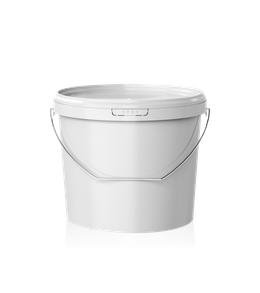 Plastic buckets14 sizes · 560 ml to 21 L
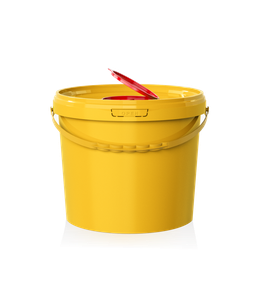 Medical buckets9 sizes · 1 to 21 L
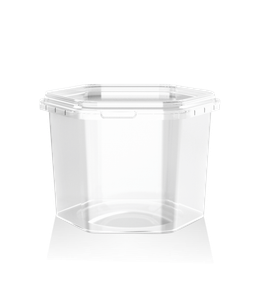 Food containers5 formats · 250 to 750 ml
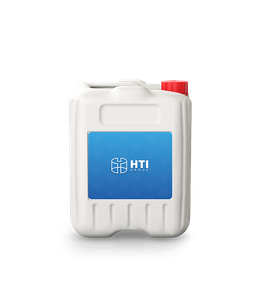 Plastic jerry cans5 L and 10 L
Plastic buckets16 models, 560 ml - 21 L
Medical buckets10 models, 1 - 21 L
Food containers5 models, 250 - 750 ml
Plastic canisters5 and 10 L
塑料桶16 个型号,560 毫升 - 21 升
食品容器5 个型号,250 - 750 毫升
塑料方桶5 升和 10 升
HTI AssistantFind the right packaging for your product in 4 steps
HTI AssistantOnline until 5:00 PM
Hello! We'll suggest the right size for your product, calculate pallets, and quote a price for your order.
Contact the plant
WhatsAppChat with a sales managerCall+996 222 600 292We'll call you backLeave your numberEmailinfo@hti-group.kg
Quick actions
Mon-Fri, 9:00 AM-5:00 PM · Factory in the Bishkek Free Economic Zone, Ak-Chiy village
Choosing packaging
Bucket vs bag for packing: what to ship and store your product in
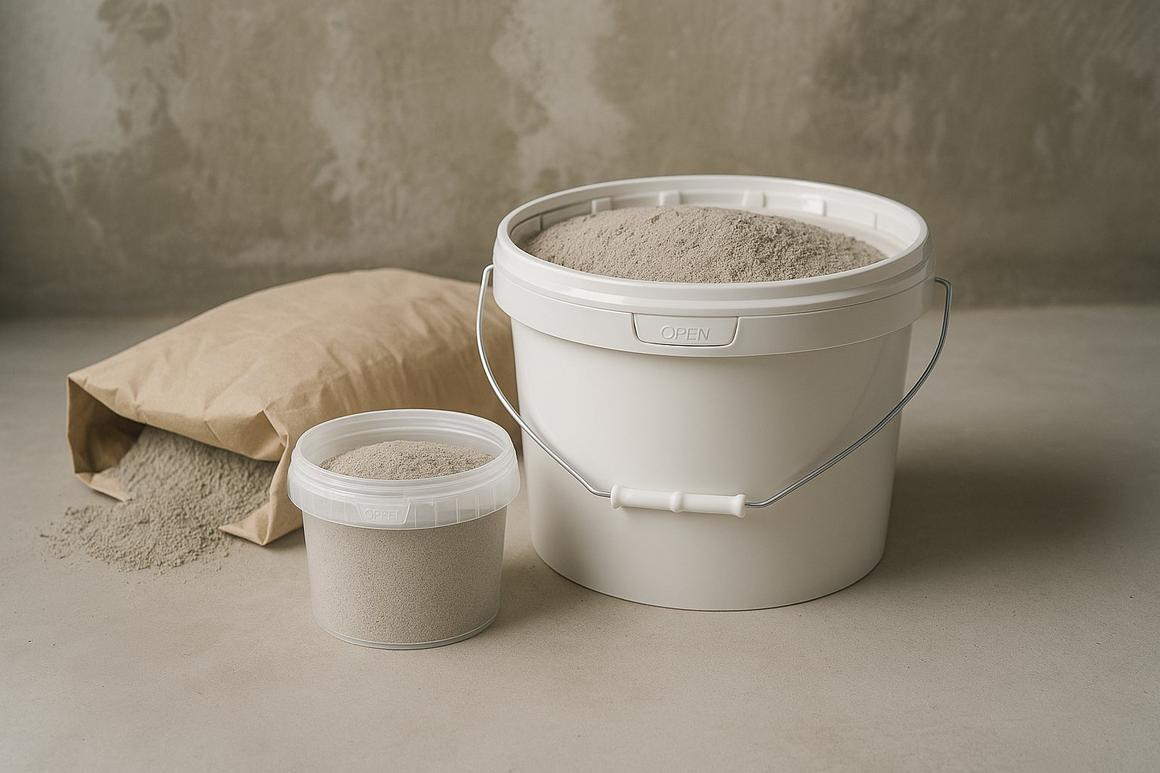
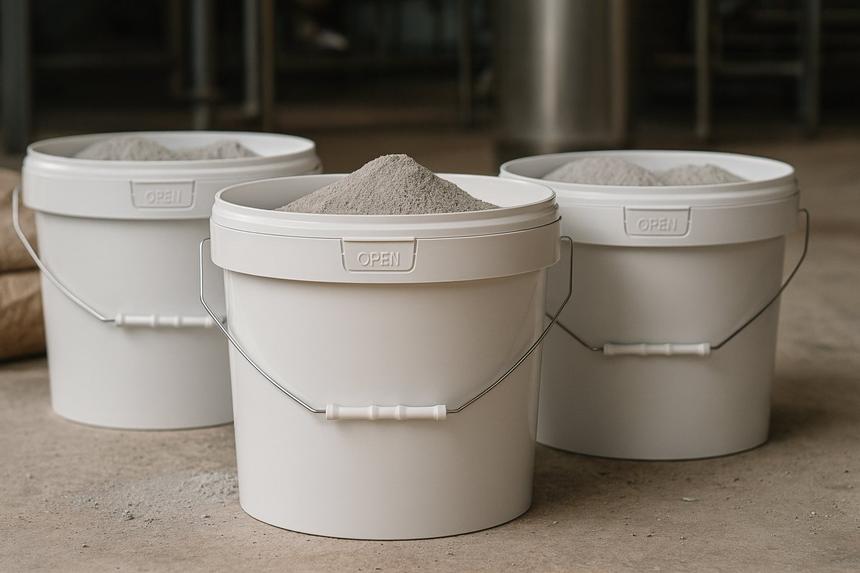
Bucket or bag? Anyone who sells spices, pet food, cat litter, dry mixes, or dried fruit faces this choice sooner or later. A bag is simple and takes up almost no space while empty. A bucket keeps its shape, closes with a lid after every use, and has a handle for carrying. We look at when each one works better and give exact data on HTI Group buckets: sizes, opening diameters, handles, and units per pallet. We don't make up numbers for bags: your bag supplier will give you those.
14bucket sizes, 560 ml to 21 L
118 to 332 mmopening diameter, wide enough for a scoop
from 8 Lbail handle with a plastic grip
600-7 200empty buckets per pallet
Sizes by product
Seven products moving from bags to buckets
For each product, we picked a size close to a typical bag or pouch fill. We don't quote kilograms for dry goods: bulk weight depends on grind, particle size, and moisture, and a trial fill shows it most accurately. Dimensions, on the other hand, are exact: the opening diameter tells you whether a scoop or measuring cup will fit, and the units per pallet tell you how many empty buckets arrive in one delivery.
Lineup at the same scalebody width and height per factory spec sheets
| Volume | Product | Opening, mm | Height, mm | Handle | Empty buckets per pallet |
|---|---|---|---|---|---|
| 560 ml | retail spices and seasonings | 118 | 80 | no handle, with side lugs | 7,200 |
| 800 ml | dried fruit and nuts for display | 131 | 91 | plastic or molded-in | 6,480 |
| 850 ml | dog and cat treats | 118 | 124 | plastic or molded-in | 7,200 |
| 3.8 L | ready-mixed putty for renovation | 200 | 176 | metal bail handle | 2,800 |
| 8 L | cat litter | 276 | 197.5 | bail handle with plastic grip | 840 |
| 15 L | premix and feed additive | 303 | 292 | bail handle with plastic grip | 816 |
| 21 L | greenhouse and garden fertilizer | 332 | 333.5 | bail handle with plastic grip | 600 |
The 560 and 850 ml buckets share the same 118 mm opening, but the 850 ml body is taller, 124 mm versus 80, so you can run two fill sizes with one scoop. A pallet of 15 L buckets holds 12,240 L of product, and a pallet of 21 L buckets holds 12,600 L: that's nominal capacity times the number of units. How many bags such a pallet replaces depends on your fill size.
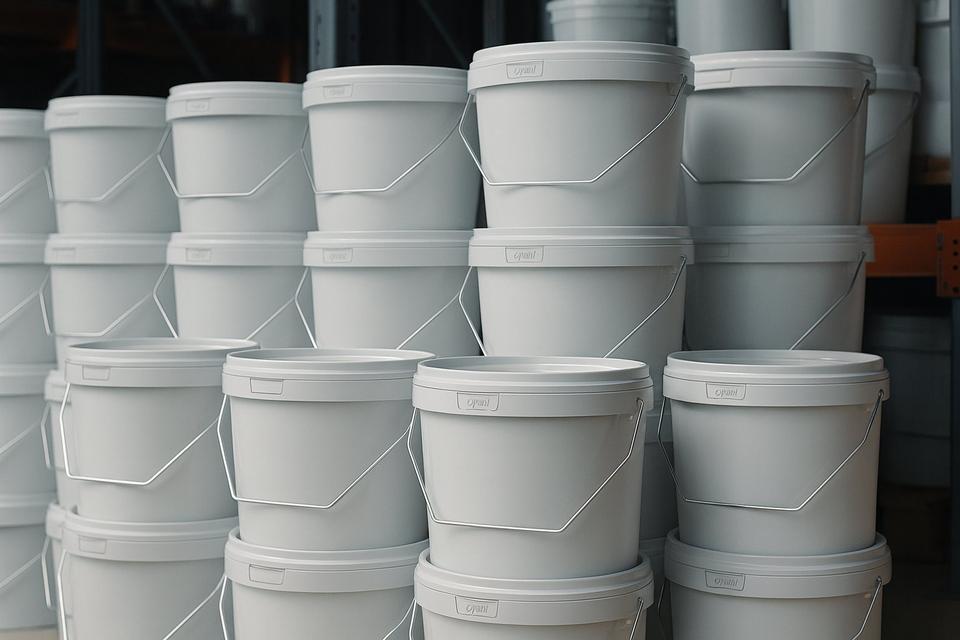
Packer's tool
Click a product to see the right bucket
The tool brings together seven dry and paste products that people usually buy in bags and pouches. Pick yours, and the tool shows the bucket to scale, the opening diameter, the handle, and the number of empty buckets per pallet. It makes it easier to picture the product on a store shelf and in your customer's pantry.
Packaging from this page's lineup
Product
The rows come from this page's table: each one has its own packaging.
How much product do you package per month
L
We ship in full pallets, so the number of pallets is rounded up.
Shelf length, cm
cm
Shelf depth, cmcm
Based on the top dimensions of the packaging, in a single layer, with no gaps between items.
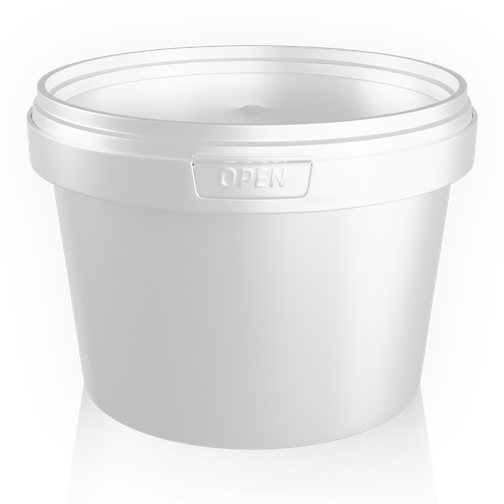 80 mm
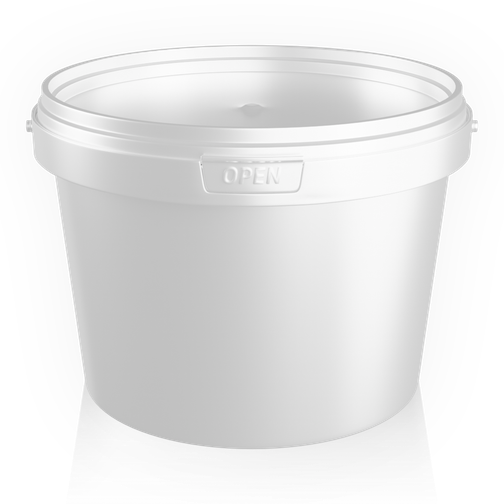 91 mm
 124 mm
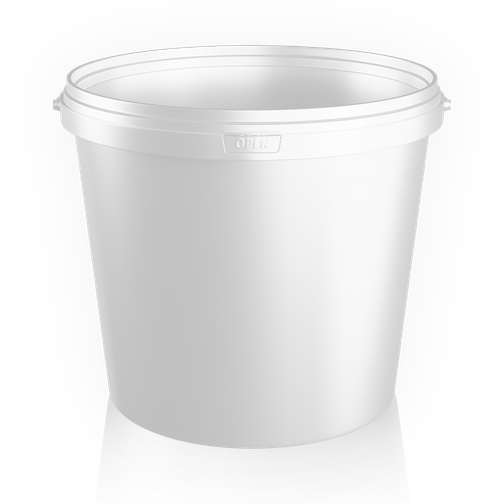 176 mm
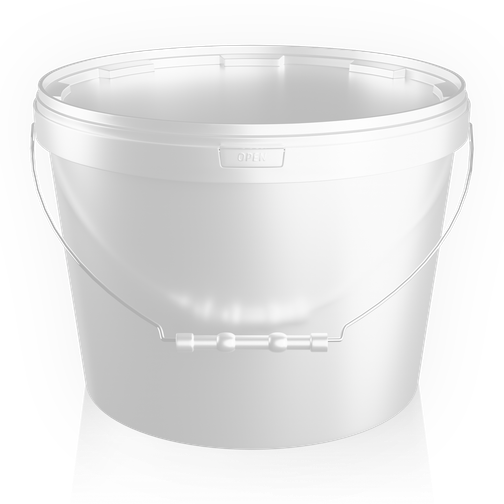 197.5 mm
 292 mm
 333.5 mm
When each works better
Four situations where the difference shows right away
Bags and buckets aren't rivals: they're tools for different legs of a product's journey. Raw materials usually reach production in bags, while the same product often goes out to the customer in a bucket. Let's look at four situations: what happens to the packaging after opening, when it's carried, in the warehouse, and on the store shelf.
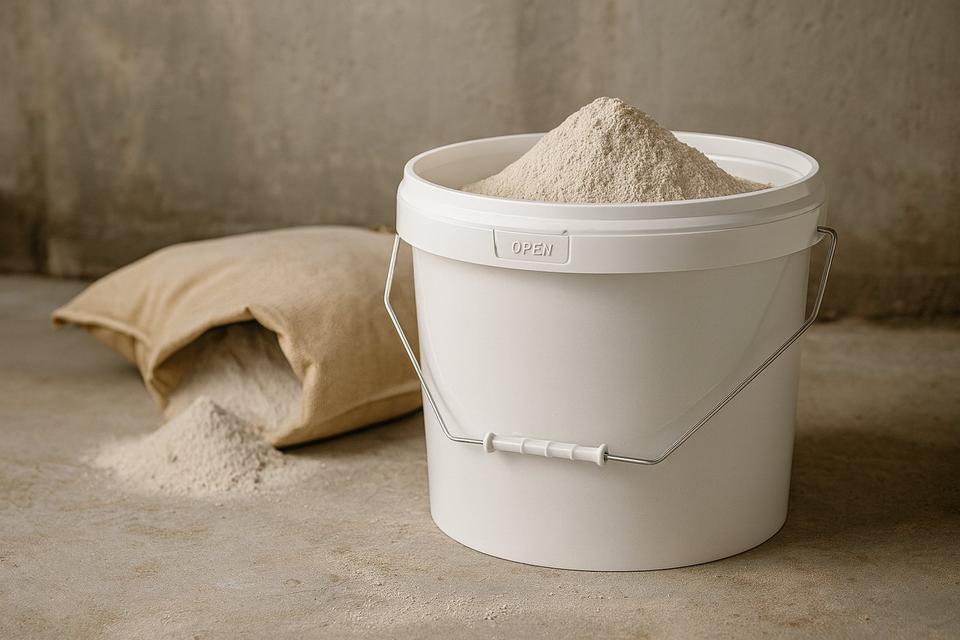
After opening
An open bag has to be rolled down, tied up, or emptied into another container. A bucket closes with its own lid as many times as you need and stays standing wherever you put it. For spices, premix, cat litter, and putty that get used a little at a time, this is the main argument. Before the first opening, the OPEN tamper-evident tear strip shows the packaging is intact.
Carrying
A bag gets hugged or grabbed by the corners, and the heavier it is, the more awkward it gets. A bucket has a handle: plastic on sizes up to a liter, a metal bail handle from 2.3 to 5.6 L, and a bail handle with a plastic grip on the larger sizes. Your customer can carry it from the checkout to the car with one hand.
Warehouse and shipping
Empty bags win here: they're flat, and a bundle of bags takes up a shelf, not a pallet. Buckets fight back by nesting inside each other: one pallet carries 840 buckets at 8 L, 2,800 at 3.8 L, or 7,200 at 560 ml. With full packaging, it's the other way around: buckets stand in neat rows and keep their shape, while bags are stacked in layers and the bottom ones carry the weight of the top ones.
Shelf and brand
On display, a bag lies flat, while a bucket stands facing the shopper. The body can be clear, so dried fruit or a colorful spice blend shows through the wall. Artwork goes on with a label or in-mold labeling (IML), except on the 15 L size, where IML isn't available. People usually keep an empty bucket around the house, so your brand stays in sight.
Checklist
Five questions that settle the debate
There's no one-size-fits-all answer, but there are questions that lead you to it. Go through them with the product and the customer you have right now. If "bucket" comes up more often, start with one pallet and a trial fill; if "bag" wins, keep bags for raw materials and try buckets for retail.
1Is the product used up in one go? If a bag is emptied into a hopper all at once, you don't need a lid. If it's scooped out a little at a time, like premix or feed additive, an 11.5- or 15-liter bucket with a wide opening works better.15 L bucket
2Does the product crush easily? Dried fruit, pellets, and fragile treats in soft packaging get crushed under other cargo. A rigid bucket wall holds its shape on its own: see our guide for nuts and dried fruit.
3How much goes in one pack? Our largest bucket is 21 L. If your customers buy more than that, keep the bag for that item and use buckets for small and medium fills of the same product.21 L bucket
4Dry goods or paste? Ready-mixed putty, adhesive, and mastic have to be squeezed out of soft packaging, while from a bucket you scoop them out with a spatula through a 200 to 332 mm opening. You'll find sizes for these products on our buckets for putty page.
5Is the product sensitive to moisture? We don't claim moisture protection, so test a hygroscopic mix with a trial batch in your own conditions. Opening, however, is visible right away: once the OPEN tear strip is torn off, it can't be put back.
Shipping
How buckets get to the packer
Bags are usually bought in bundles and buckets by the pallet, which changes planning: you need pallet space for the packaging, but one delivery lasts a long time. Pickup is from the factory warehouse in Ak-Chiy village, in the Bishkek Free Economic Zone (FEZ). In Bishkek and the Chuy Region, our own delivery trucks bring your order, and packers in Jalal-Abad, Osh, Naryn, and Karakol get their buckets through a freight carrier. Pet stores, feed mills, and wholesale depots in Kazakhstan receive pallets within the EAEU. Our sales manager confirms delivery time and cost. Shipments are in full pallets, and one truck can carry a mix: small buckets for spices and large ones for feed.

Further reading
More comparisons from our packaging blog
Bags aren't the only alternative to buckets. Our blog also compares buckets and jerry cans for liquids, plastic and glass for honey and jam, and has a cheat sheet on how much packaging fits on a pallet.
All blog articles Bucket or jerry canWhich works better for liquids, pastes, and thick productsComparisons · 6 min
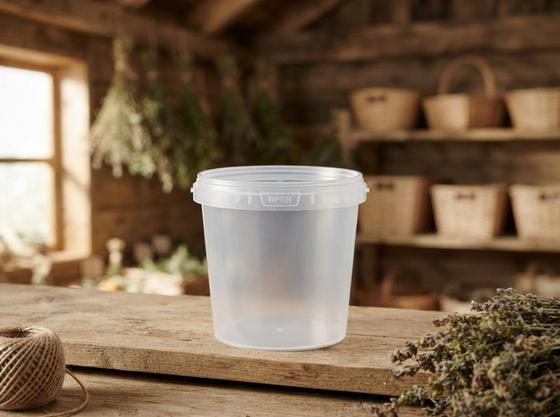 Plastic or glassTare weight, breakage, and pallets: the math for packersComparisons · 6 min
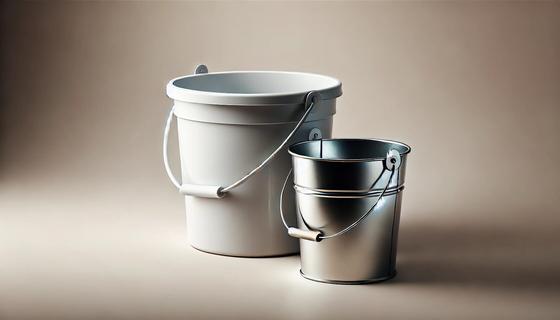 Plastic or metalSeven jobs where a plastic bucket replaces tinplateComparisons · 8 min
 Packaging and salesFive packaging details shoppers noticeChoosing packaging · 8 min
 Bucket mythsEight misconceptions, checked against the numbersMaterial and labeling · 8 min
 Packaging for freezingHow to choose packaging and test it in your own freezerProducts and industries · 8 min
Questions and answers
Questions about buckets and bags for packing
A bag works better for raw materials that are emptied all at once and for amounts over 21 L. A bucket is better for products used a little at a time and kept open: it closes with a lid and has a handle for carrying. Many businesses use both: they receive raw materials in bags and sell to retail customers in buckets.
There's no exact answer without a test: bulk density varies between spices, pelleted feed, cat litter, and dry mixes. What we do know is the nominal capacity: 560 ml to 21 L. Fill a sample bucket with your product and weigh it, and you'll have the number for your label.
Most buyers look at the 5.6, 8, and 11.5 L sizes: their openings are 224, 276, and 295 mm, so a scoop goes in easily. From 8 L up, the bail handle has a plastic grip, which makes a full bucket easier to carry. See the options on the buckets for cat litter page, and a trial fill will show you how much the litter weighs in each bucket.
We have a dedicated guide for spices: buckets for spices and dry goods. The 560 and 800 ml sizes suit retail shelves, and 2.3 L and up suit cafe kitchens and bulk sales. Only a test will show how a specific blend holds its aroma in long-term storage: we don't claim that property.
Yes, a bundle of empty bags is more compact, and that's a fair advantage of soft packaging. But buckets nest inside each other, so the difference is smaller than you'd think: one pallet holds 6,480 buckets at 800 ml or 816 at 15 L. Our order calculator helps you estimate the number of pallets for your plan.
Buckets of the same size stack well: the lid is flat and the body is rigid. We don't specify how many tiers your product can take, since the load depends on the weight of the contents. Start with a low stack, keep heavy sizes at the bottom, and check the bottom row after transport.
Yes, packaging goes to Kazakhstan by the pallet, with shipments handled within the EAEU: Almaty, Taraz, Shymkent, Karaganda, Astana, and other cities. Different sizes can be combined in one shipment. Our sales manager confirms delivery terms once the address and order contents are known.
Catalog
Buckets for dry goods and pastes in the catalog
The catalog shows all fourteen sizes with opening diameter, tare weight, handle, and units per pallet. If you're choosing packaging for your industry, check our guides for pet supplies and for farms and agribusinesses: they group sizes by use.
Quote
Not sure whether to go with a bucket or a bag?
Tell us what you pack, how much goes in one bag or pouch now, and where the product is sold. Our sales manager will suggest one or two sizes for a trial fill and give you the opening diameter, handle, and units per pallet, so you can compare the options with your own product.