Want to learn more about our packaging or find the right fit for your business? Request a callback, and our specialist will call you at a time that suits you. Tell us about your product, and we'll help you choose the best option.
Order a callback from a specialist
Want to learn more about our solutions or find the perfect solution for your business? Leave a request for a callback and our specialist will contact you at a convenient time. Together we will find the optimal solution to make your business thrive!
Request a callback from our HR team
Interested in our openings and career opportunities? Leave your contact details and our HR team will get back to you shortly. We'll answer your questions and explain how to join the HTI Group team.
Order a callback from a specialist
Would you like to learn more about our job openings and career opportunities? Leave your contact information, and our HR department will get in touch with you shortly. We will answer all your questions and provide detailed information on how to become part of the HTI Group team.
Mon-Fri, 9:00 AM-5:00 PM · Factory in the Bishkek Free Economic Zone, Ak-Chiy village
For herders and apiaries
Plastic bucketsand packaging in Naryn
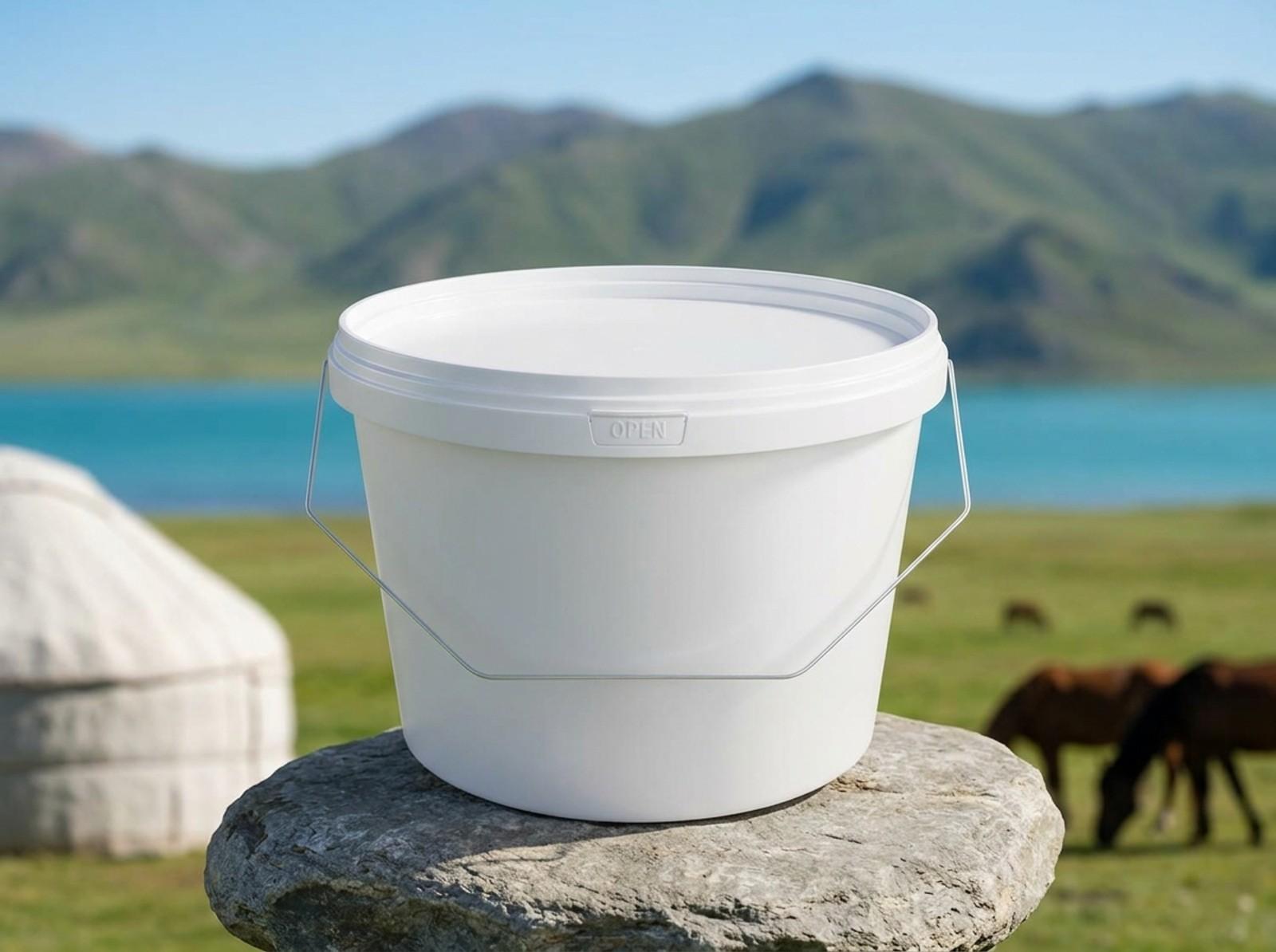
You can buy plastic buckets in Naryn straight from the factory. Naryn Region lives on livestock: sheep, horses, and yaks provide meat, milk, butter, kaymak (clotted cream), and kurt (dried cheese balls), while mountain apiaries produce light honey. All of it has to be packed, sealed, and delivered to buyers. The HTI plant in the Bishkek Free Economic Zone (FEZ) molds food-grade buckets from 560 ml to 21 L, plus 5 L and 10 L jerry cans, and ships them by freight carrier to Naryn, At-Bashy, Kochkor, and out to the jailoo (summer pastures).
The lineup is built around what the region makes and sells: dairy, meat, honey, and dried kurt. For each of the fourteen buckets, you'll see what it's used for, what handle it has, and how many empty buckets fit on a pallet. Buckets nest inside each other, so the pallet counts are high.
Kaymak, butter, and honey in small portions for the bazaar and as gifts.
Kurt, meat, and ayran for the family, the ashkana (local diner), and guests.
Honey for traders, salted meat, feed, and construction.
Containers for ashkanas, roadside cafes, and packing kurt.
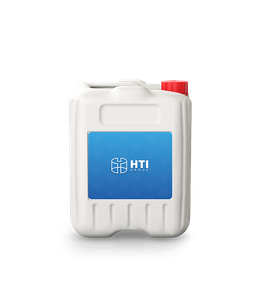
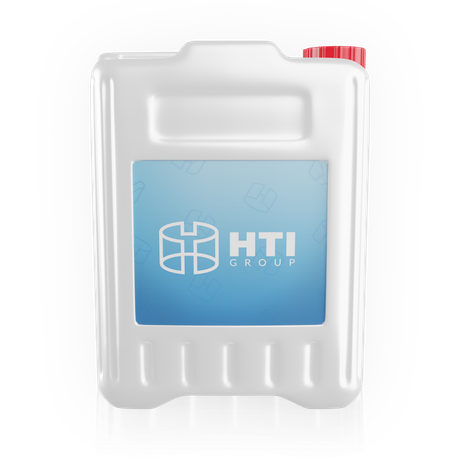
Jerry cans for drinking water on the pasture, at camp, and on the road.
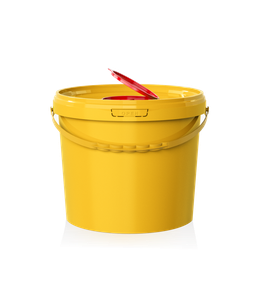
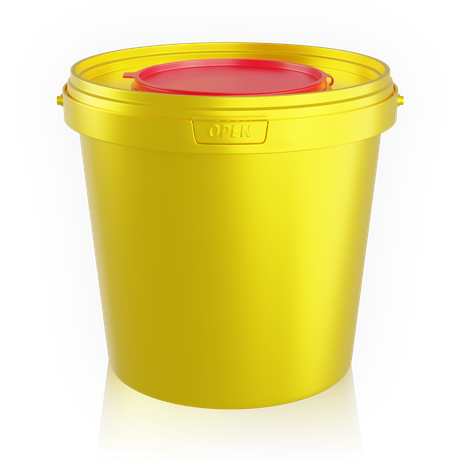
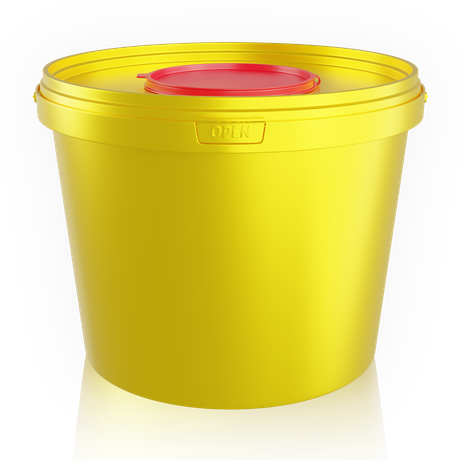
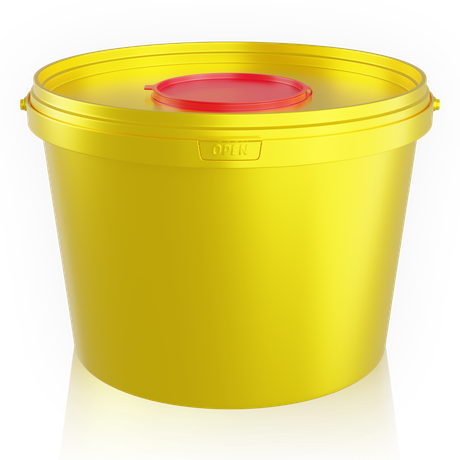
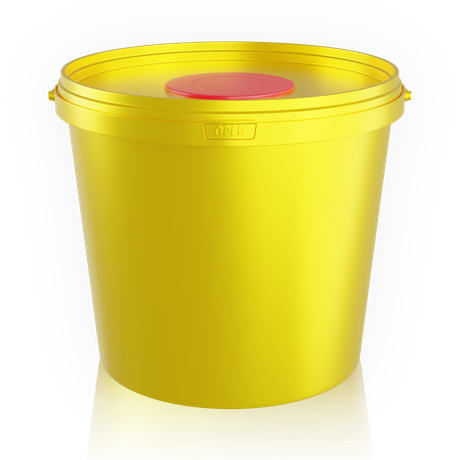
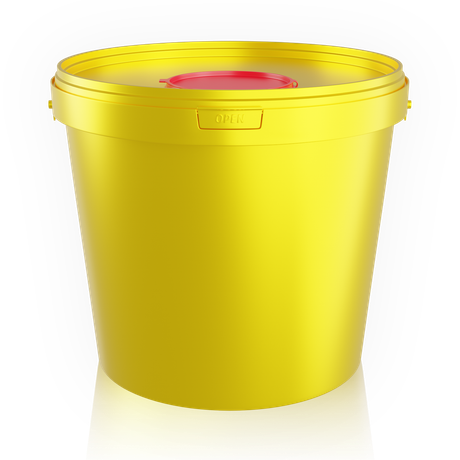
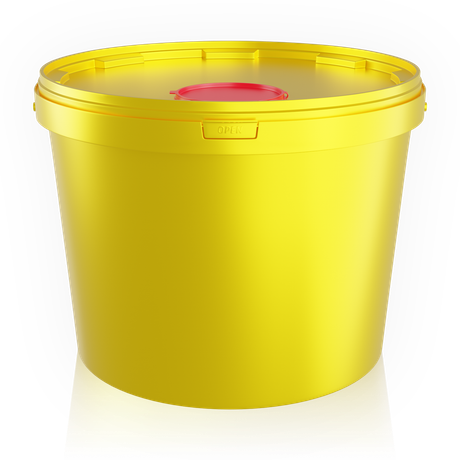
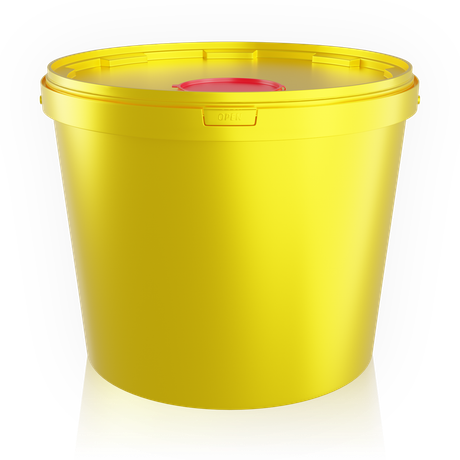
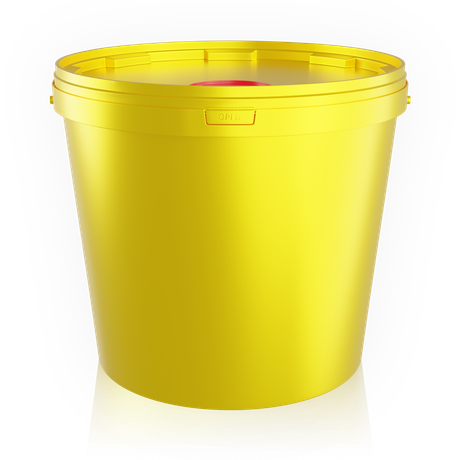
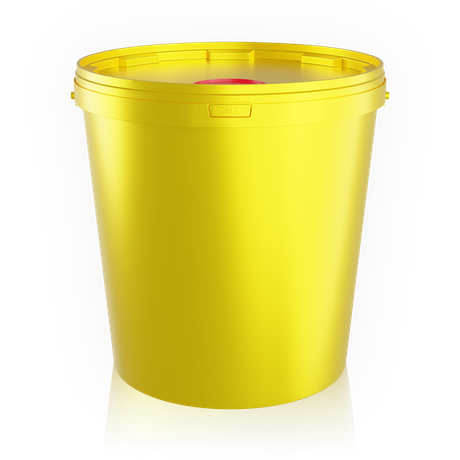
Yellow and red buckets for hospitals, rural medics, and highland vets.
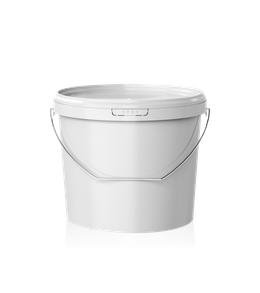
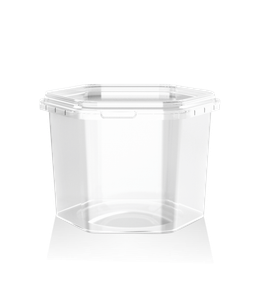
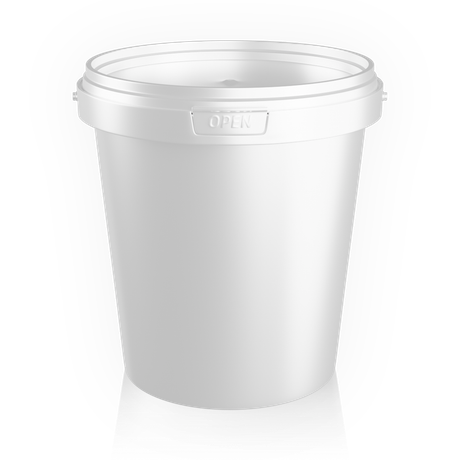
Packaging at the same scale: body width and height from the factory's product cards
From the jailoo · PKS560
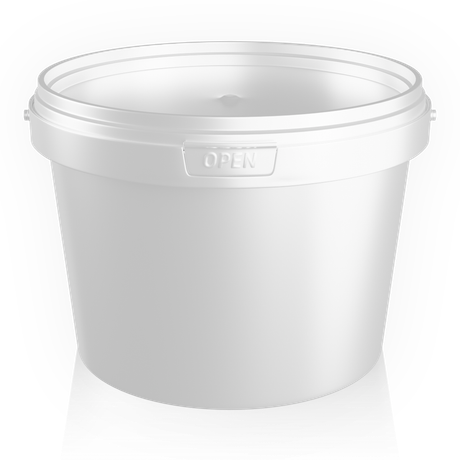
560 ml plastic bucket
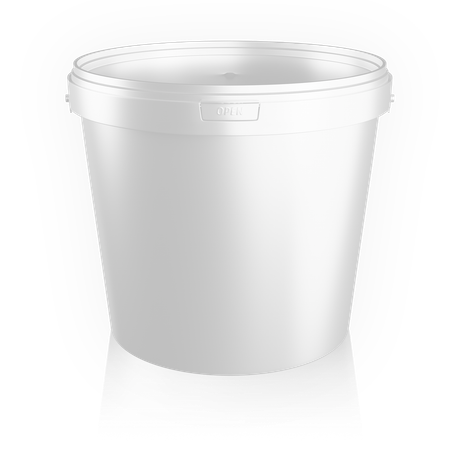
Kaymak and sour cream for retail: a bucket with no handle, just side lugs, 7,200 per pallet.
In Naryn, the best sellers are the three-liter and one-liter buckets: the first holds kurt and butter, the second is for selling honey. The 21 L bucket isn't just for builders: farms that sell honey wholesale choose it because it holds almost 30 kg of product. Empty jerry cans don't nest, so far fewer of them fit on a pallet than buckets.
Mountain countrymakes its own demands on packaging
In Naryn, people don't buy packaging every week but by the season: in spring, before the herds move up to the summer pastures, and in the fall, when a farm takes its homemade goods to the bazaar or to relatives in Bishkek. That shapes the requirements: buckets have to travel up into the mountains compactly, close securely, and survive the long trip back down full of product.
Wholesale from the farm11.5 L: about 16.3 kg of honey or 11.5 kg of sour cream
A summer's supply in one corner of the truck
Empty buckets nest inside each other, so a whole summer's supply of packaging takes up one corner of the truck bed, not the entire bed. A pallet holds 2,800 three-liter buckets. For a farm that comes into town only a couple of times a season, that's the main reason to choose buckets over jars.
Summer milk for the winter
Up on the jailoo (summer mountain pastures), there's more milk than anyone can sell, so it gets processed: butter is rendered into ghee, kurt is dried, and kaymak is skimmed off. The lid seats into the double rim and holds tight, so the product rides out the bumpy road down to the valley with no trouble.
Buyers can see it hasn't been opened
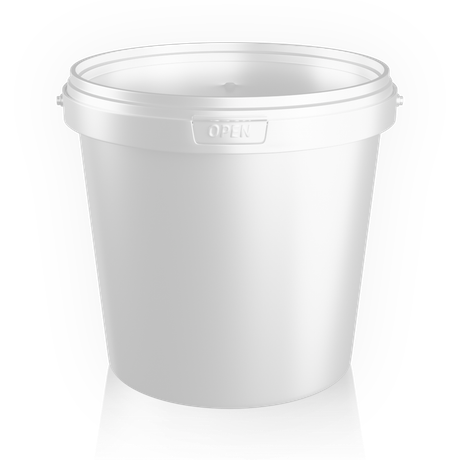
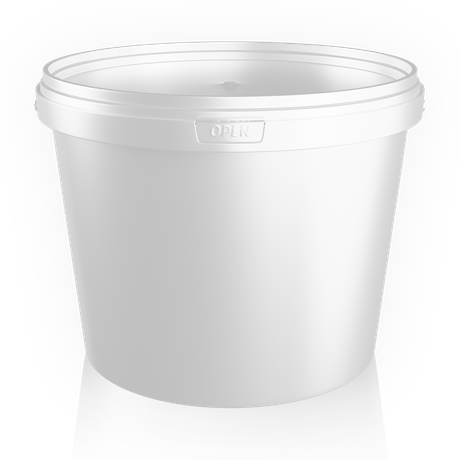
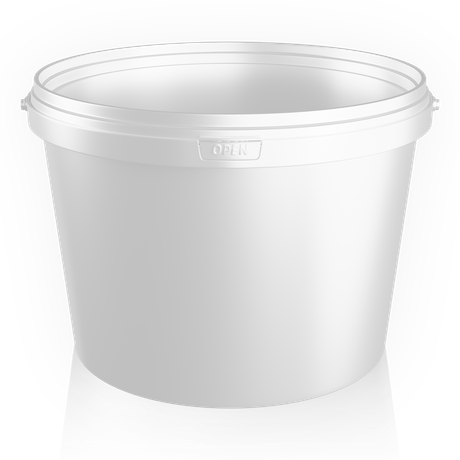
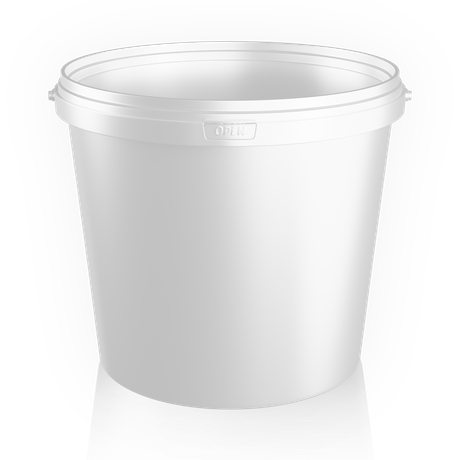
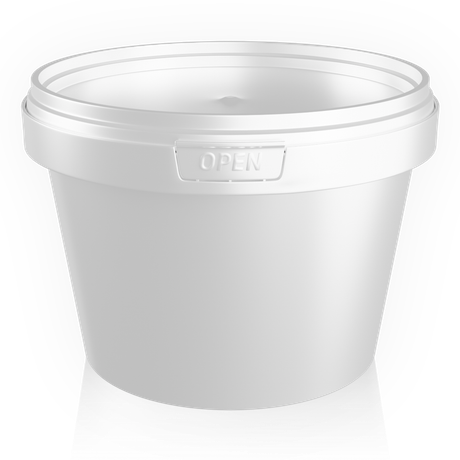
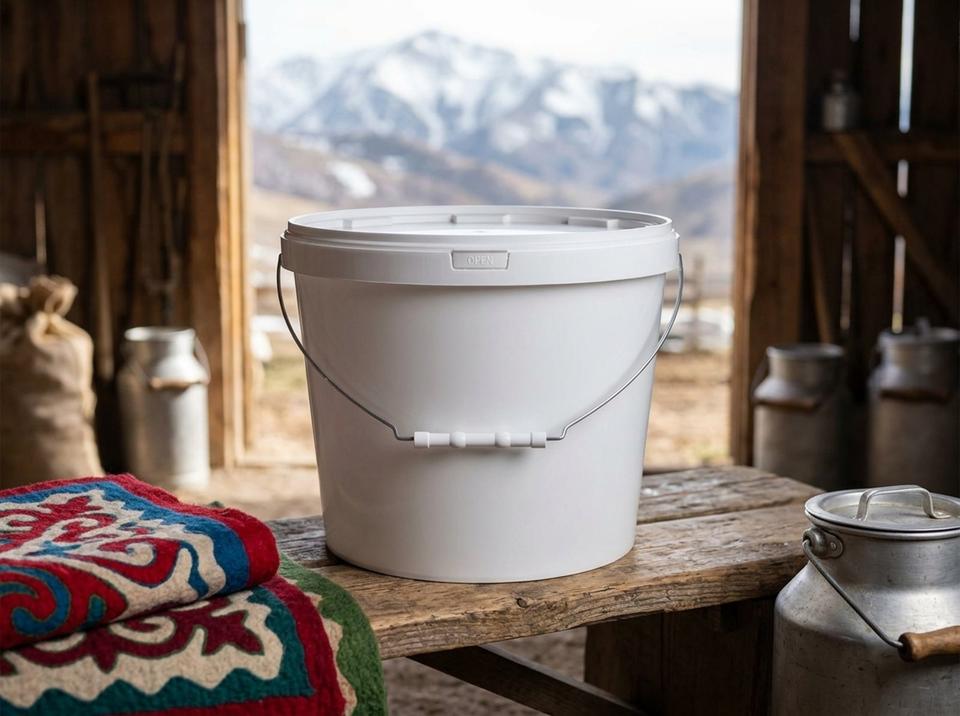
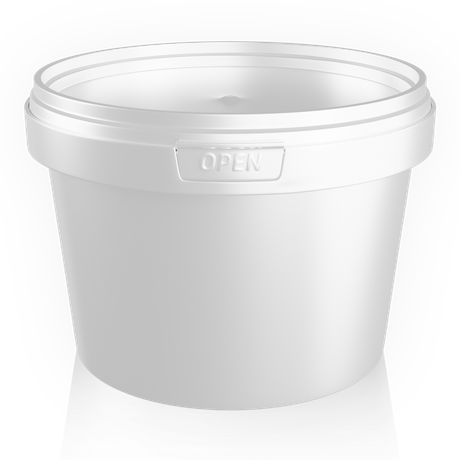
Under the rim of every lid is a tamper-evident tear strip embossed with the word OPEN. When Naryn butter or honey goes through a middleman to a bazaar in Bishkek, an intact strip shows the end buyer that nobody touched the contents along the way.
A heavy bucket without the blisters
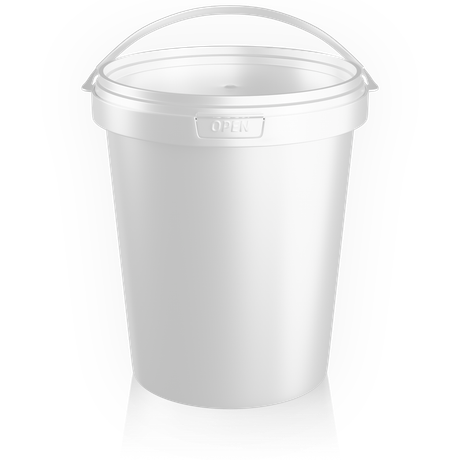
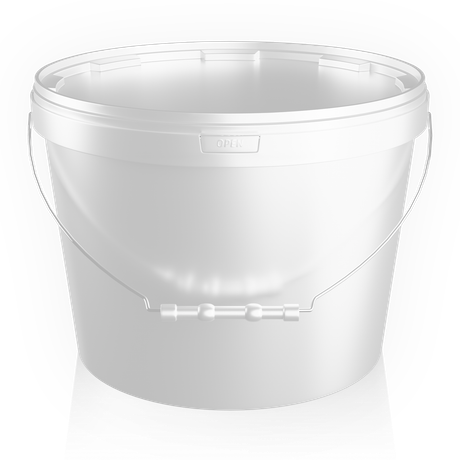
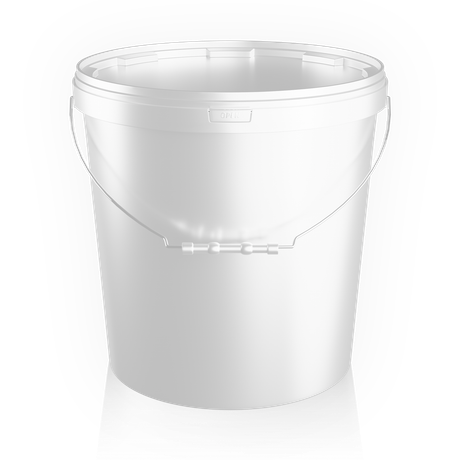
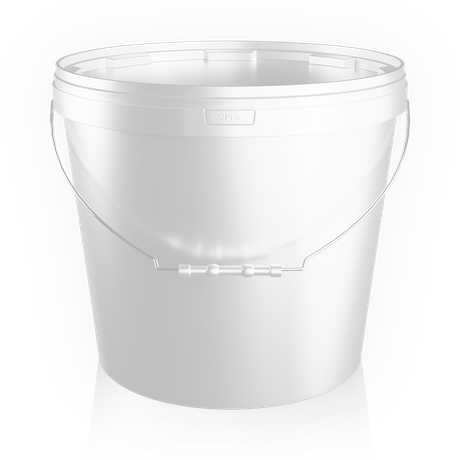
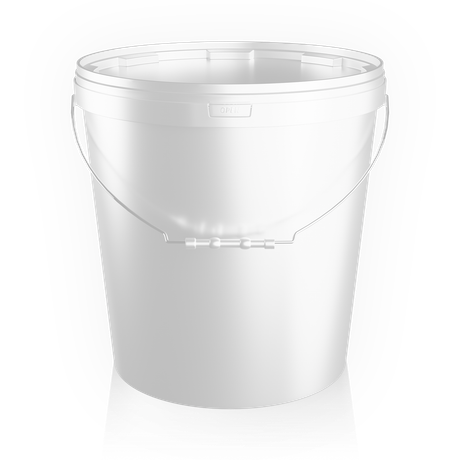
A 21 L bucket of honey weighs almost 30 kg. The larger sizes have a metal bail handle with a plastic grip: the grip turns freely and won't cut into your palm as you carry the bucket from the shed to the truck over uneven ground.
How to choose
Three sizescover almost every farm need
Keeping ten different sizes in stock up in the mountains is impractical. It makes more sense to pick two or three sizes for your products and order them all at once for the season. Here's how Naryn families and small producers usually match sizes to products.
Kaymak and sour cream for sale: 560 ml or 800 ml, a small portion a customer finishes in a couple of days.
Kurt and butter: 3 L or 3.8 L. Both have a 200 mm opening, so your hand easily reaches the bottom.
Honey from mountain apiaries: a one-liter bucket for retail and 11.5 L for selling wholesale.
Meat for ashkanas (local canteens) and roadside cafes: 5.6 or 8 L, so the bucket fits on a fridge shelf.
Water out on the pasture: a 10 L jerry can with a screw cap and a handle molded in one piece with the body.
Shipment estimate
How much packagingfits in one delivery
Choose an item and quantity, and we'll show the pallet count, units rounded up to full pallets, total nominal capacity in liters, empty packaging weight, and the truck you'll need.
Straight-line distance. Click a city to open its page.
We have no warehouse in Naryn, and we won't pretend to be a local supplier: everything ships from our plant in Ak-Chiy village, in the Bishkek Free Economic Zone (FEZ). Buckets go to Naryn, At-Bashy, Kochkor, and other villages in the region by a freight carrier we agree on when you order. If your farm comes to the capital anyway to sell livestock or meat, you can pick up the pallets yourself and take them home on the return trip. Your sales manager confirms delivery time and cost when you place your order. Mountain roads are unpredictable in winter, so it's best to put together your summer-season order in spring.
By freight carrier: the plant hands the pallets over to the carrier, and you receive the shipment in Naryn or in your district. Your sales manager will confirm delivery time and cost when you place your order. If you come to Bishkek in your own vehicle, you can pick up the packaging from the plant in Ak-Chiy.
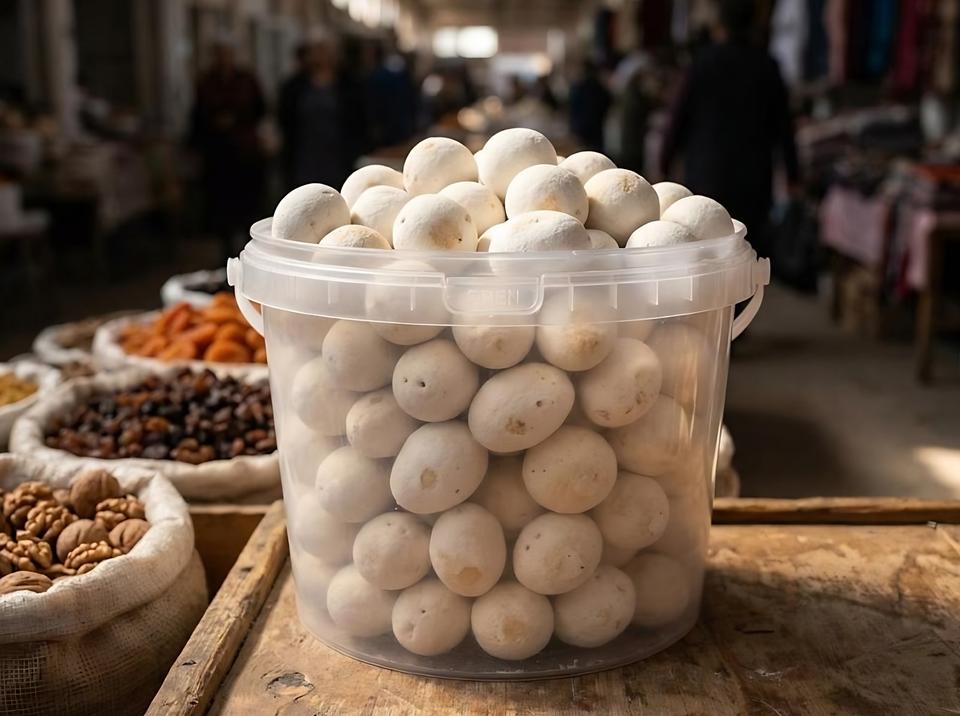
A 3 or 3.8 L bucket works best: the wide opening lets you take the balls out by hand, and the lid closes the bucket tightly between sales. For small gift portions, a one-liter bucket does the job.
For selling in portions, go with 560 or 800 ml. A liter of sour cream weighs about 1 kg, so a 560 ml bucket holds roughly half a kilo of product. For a family's own supply or for selling to friends in town, people usually choose 2.3 or 3 L buckets.
Yes, the buckets are molded from food-grade polypropylene. For cut meat at ashkanas and shashlik cafes, people use 5.6 and 8 L, and for larger batches, 11.5 and 15 L with a metal bail handle. For more on choosing, see our page on buckets for marinated meat.
Your sales manager prices the packaging for your specific order, based on sizes, quantity, handle type, and printing. Delivery to Naryn is calculated separately when the order is placed. Call for a quote: +996 222 600 292.
Yes. A label can be applied to a finished bucket, and for large runs IML is the way to go: the design is fused into the wall during molding and won't come off, even when the bucket is washed after holding butter.
Yes, they're combined into one shipment. Keep in mind that empty jerry cans don't nest: a pallet holds 100 of the 10 L cans or 180 of the 5 L ones, so their truck space is calculated separately.
Catalog
All HTI packagingfor the Naryn Region
Dimensions, weights, and handle options for every bucket are on the size pages. If you process milk, see our page on buckets for dairy products; beekeepers should check out buckets for honey.
Heading up to the jailoo and not sure how much packaging you need?
Tell our sales manager how many head of livestock you keep and what you make over the summer: butter, kurt, kaymak, honey. The manager will suggest sizes and work out how many pallets it takes to get your packaging to Naryn in one shipment.