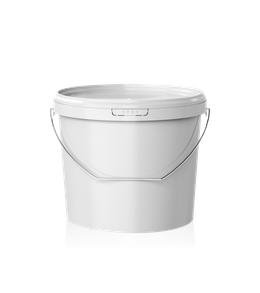
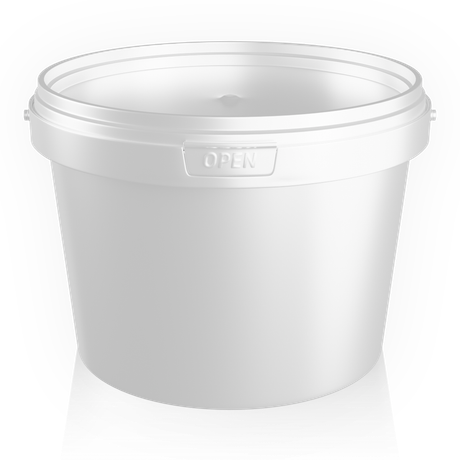
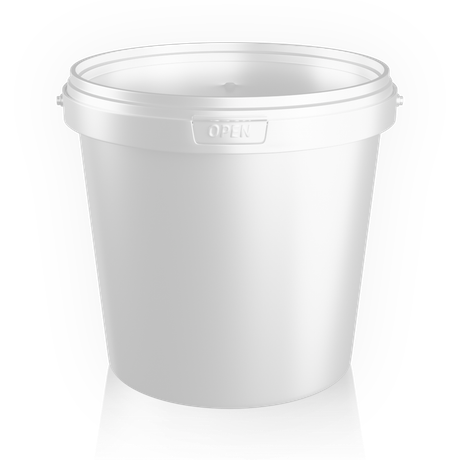
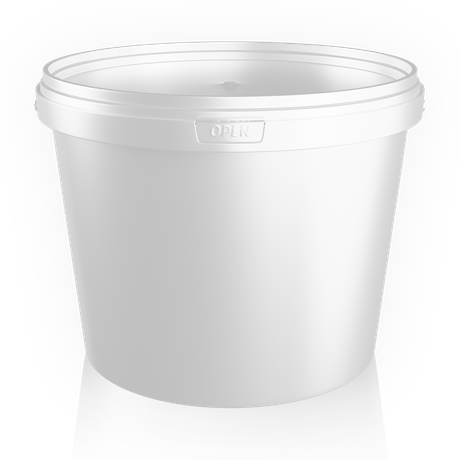
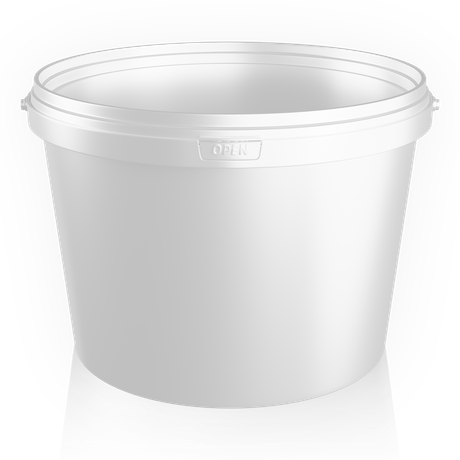
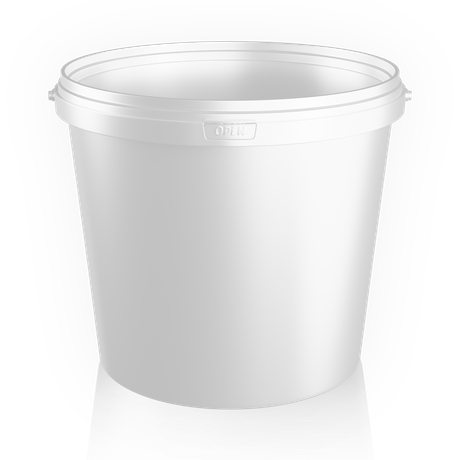
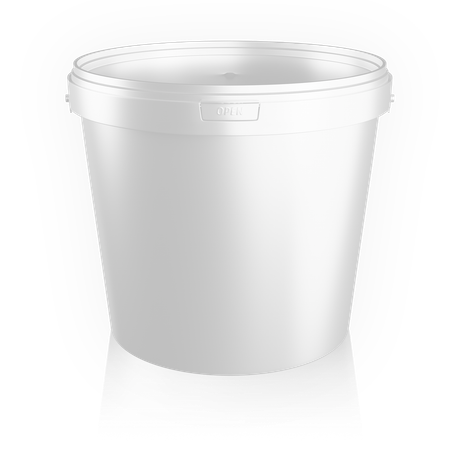
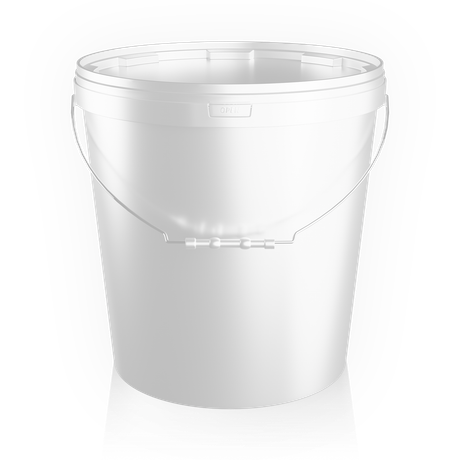
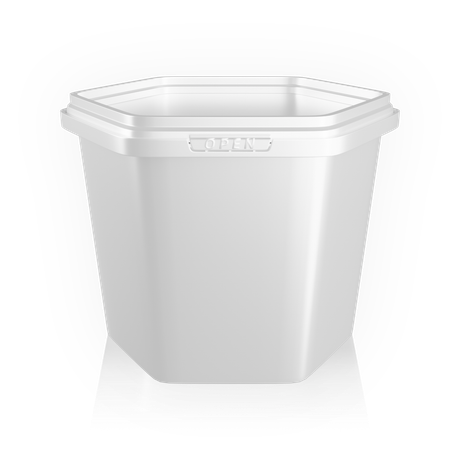
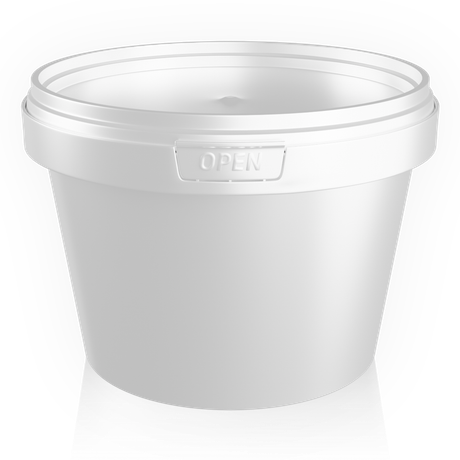
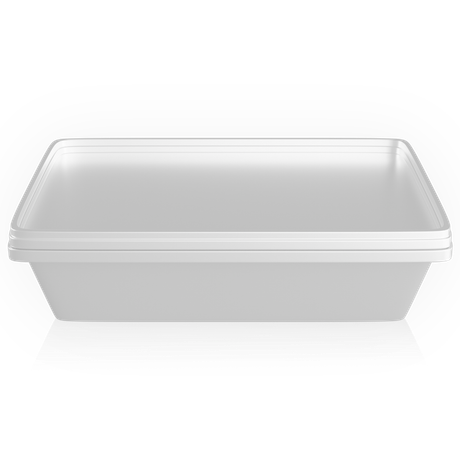
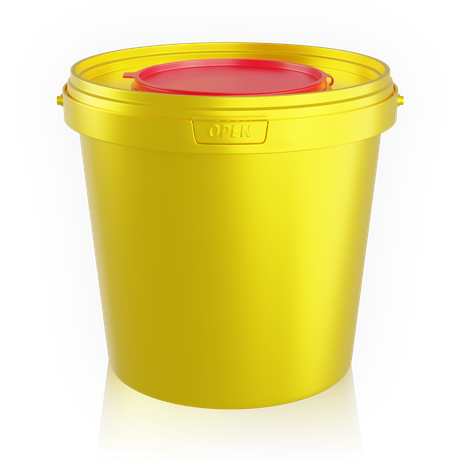
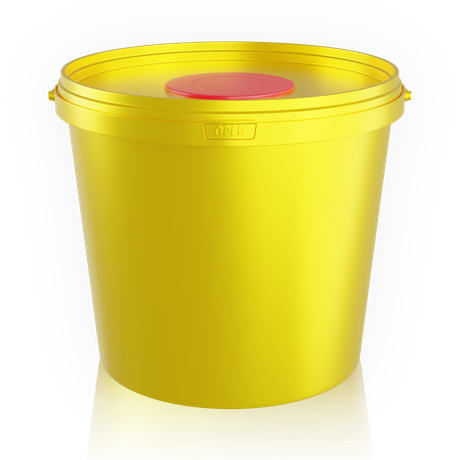
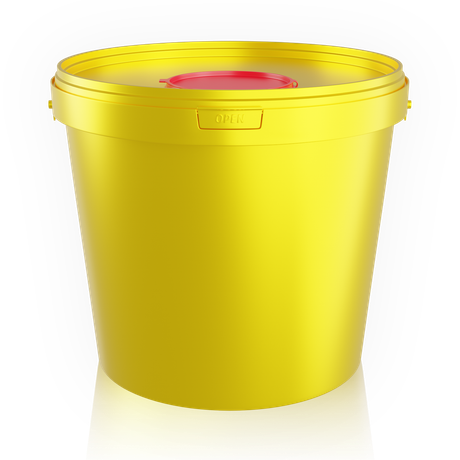
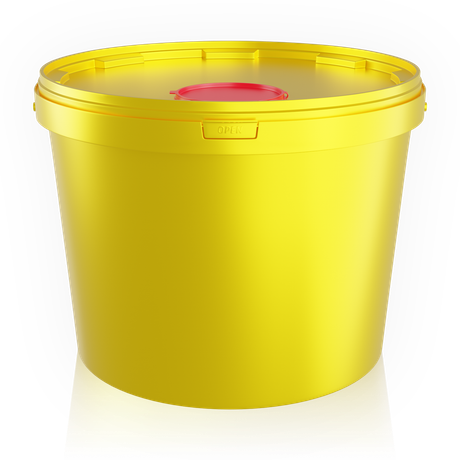
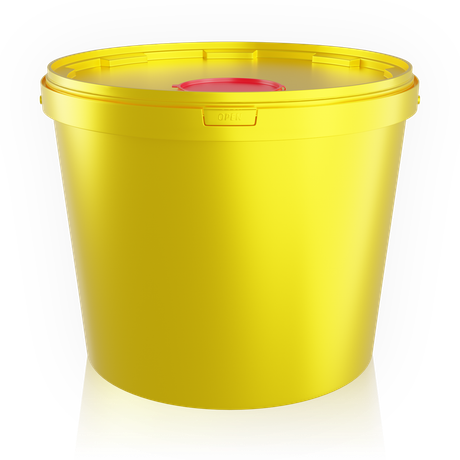
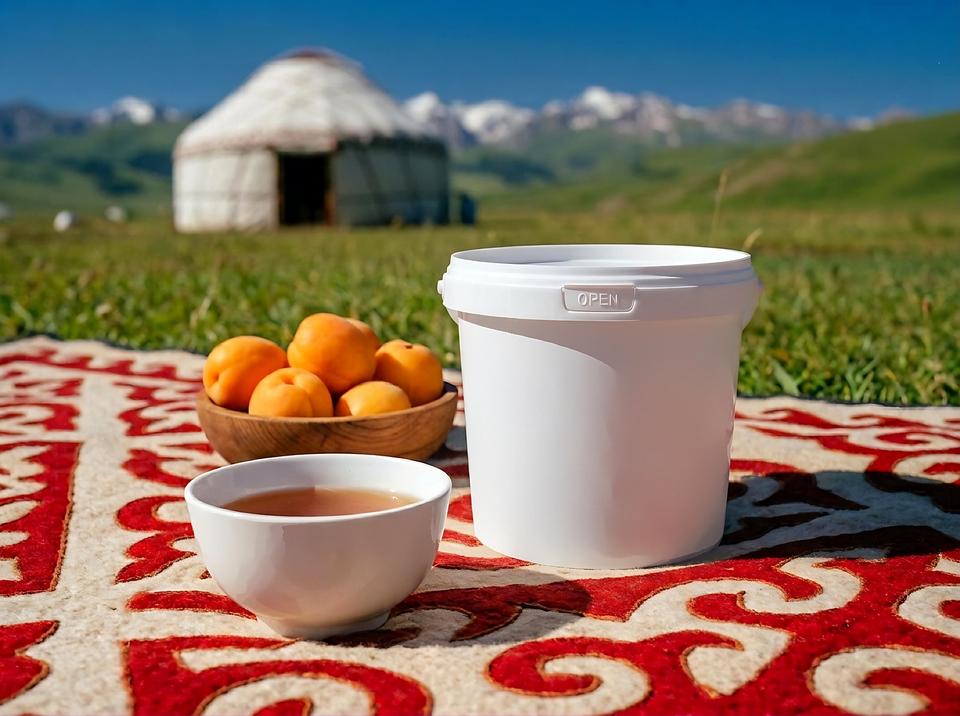
560 ml plastic bucket
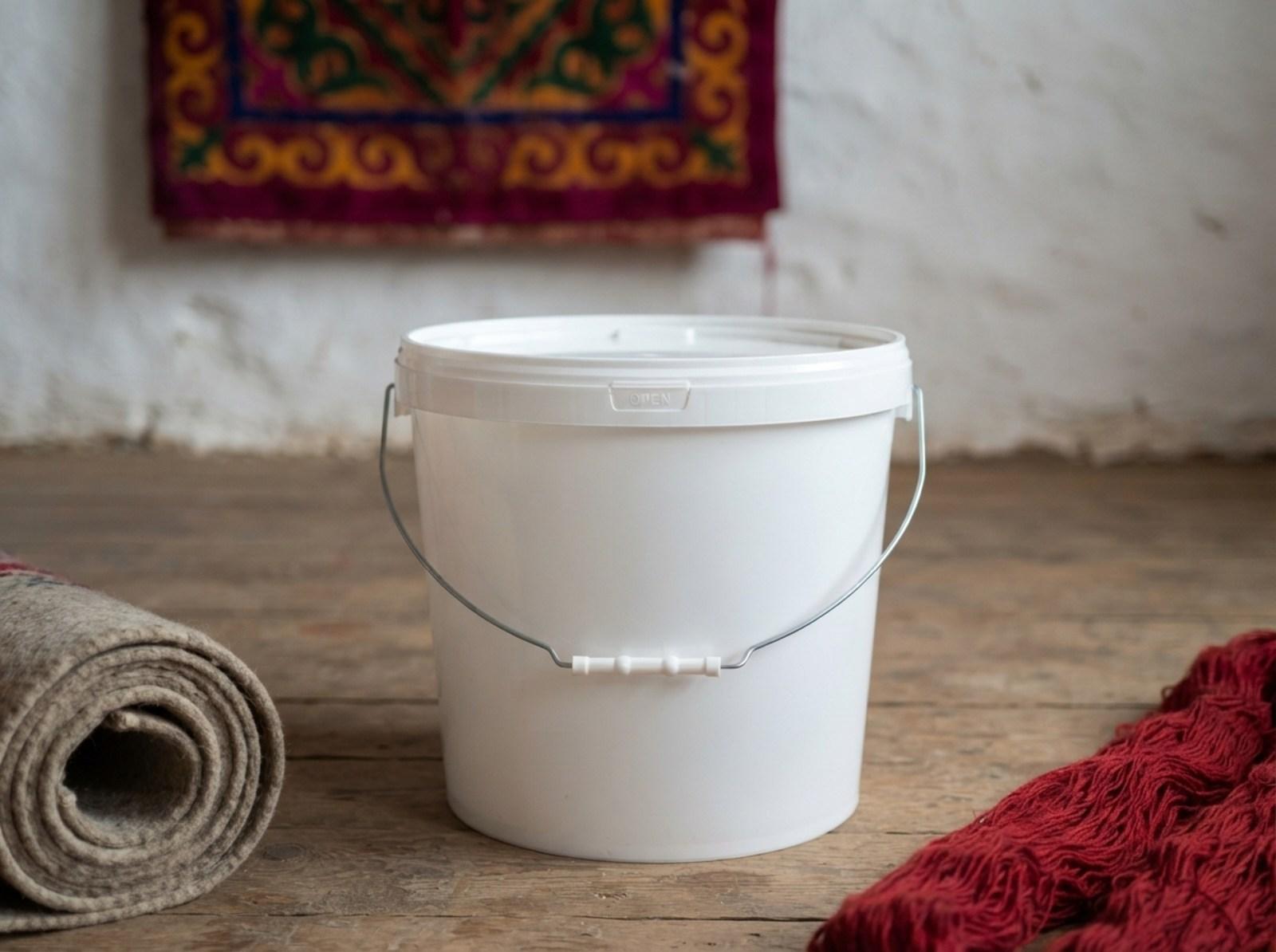
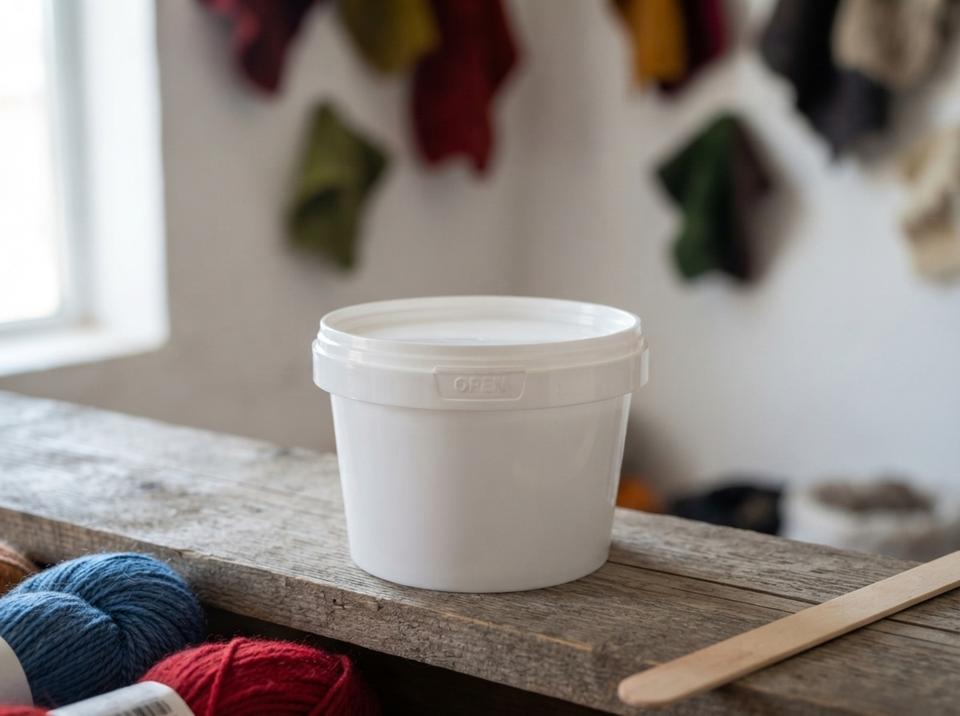
Powdered wool dye measured out for one shyrdak batch: the lid keeps it from spilling.
- Opening
- Ø 118 mm
- Height
- 80 mm
- Empty weight
- 23 g
- Per pallet
- 7,200 pcs
Plastic buckets14 sizes · 560 ml to 21 L
Medical buckets9 sizes · 1 to 21 L
Food containers5 formats · 250 to 750 ml
Plastic jerry cans5 L and 10 L
Plastic buckets16 models, 560 ml - 21 L
Medical buckets10 models, 1 - 21 L
Food containers5 models, 250 - 750 ml
Plastic canisters5 and 10 L
塑料桶16 个型号,560 毫升 - 21 升
食品容器5 个型号,250 - 750 毫升
塑料方桶5 升和 10 升Hello! We'll suggest the right size for your product, calculate pallets, and quote a price for your order.
Kochkor is a district center in Naryn Region, a village of felt makers and herders. People here make shyrdak and ala-kiyiz felt rugs, raise sheep and horses, and ferment kumis, and in summer, tourists set off from here for Son-Kul. Workshops need buckets for dyes and soapy water, farms for milk and wool, and guesthouses for food supplies. HTI molds food-grade buckets from 560 ml to 21 L and ships them to Kochkor by freight carrier.
Kochkor, Naryn Region: buckets across the region

Here's every HTI size, with notes specific to Kochkor District: felt craft, livestock, kumis, and tourists on their way to Son-Kul. The first group is for workshops and store counters, the third for farms. Open a card to see the bucket's dimensions and weight.
Pre-measured dye, honey, kaymak, and souvenirs.
Kurt, dye solution, and supplies for guesthouses.
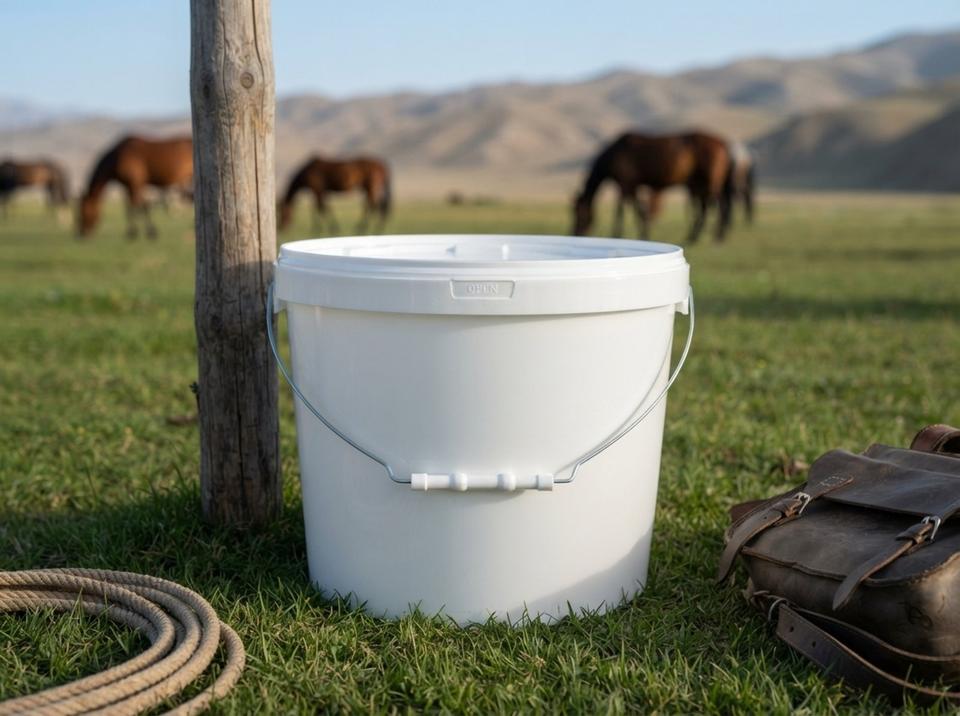
Soapy water for felting, mare's milk, and wool.
Containers for guesthouses, souvenirs, and lunches for the Son-Kul trip.
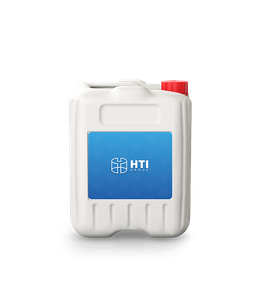
Jerry cans for water and soap solution in workshops.
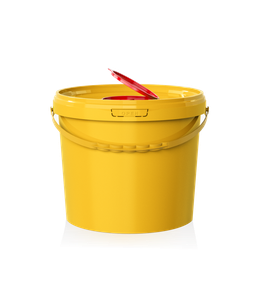
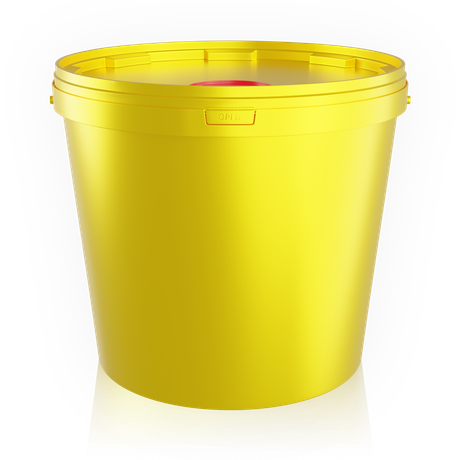
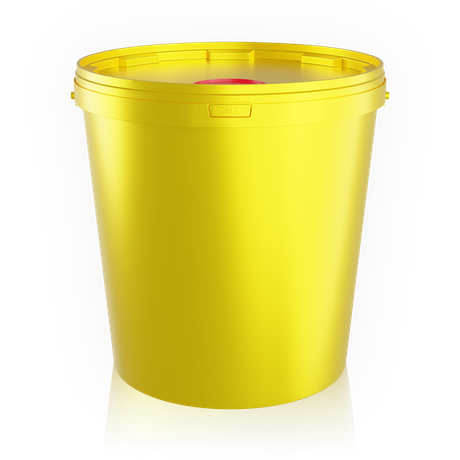
Yellow and red buckets for the district hospital, health posts, and vets.

Powdered wool dye measured out for one shyrdak batch: the lid keeps it from spilling.

Kaymak (clotted cream) for guesthouses where tourists have breakfast before setting off for Son-Kul.

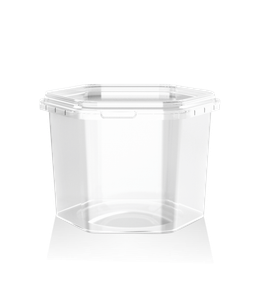
Small felt souvenirs in a clear bucket that doubles as gift packaging for tourists.

Sour cream for boorsok (fried dough) in a guesthouse kitchen: the molded-in handle makes the bucket easy to pull from the fridge.

A liter of mountain honey, about 1.42 kg, is a souvenir tourists take home from Kochkor.

Kurt (dried cheese balls) for tourists and the bazaar: a clear bucket shows the kurt is even and clean.

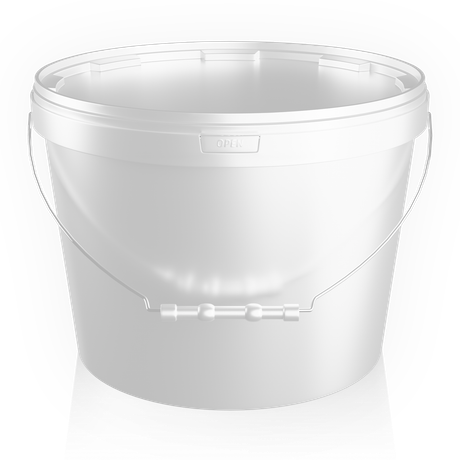
Dye solution for a small batch of wool: a bucket with a metal bail handle is handy to set by the worktable.

Marinated meat for cafes on the road to Son-Kul: a 200 mm opening and a sturdy bail handle.

Bulk butter and kaymak: a bucket with a metal bail handle that rides to Bishkek in the truck bed.

Supplies to take out to tourists staying in yurts: a bail handle with plastic grip for a full load.

Milking mares for kumis: a lidded bucket with a plastic grip goes from the pen to the barrel.

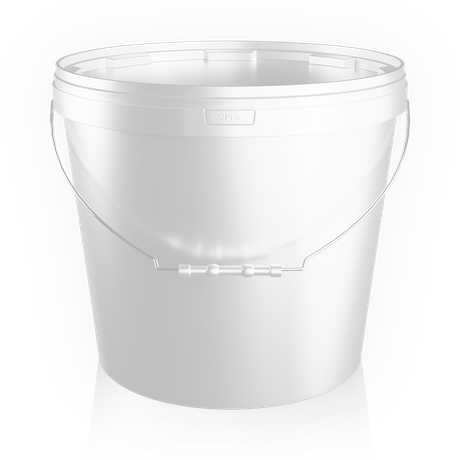
Soapy water for felting: the felt maker pours it over the wool straight from a bucket with a plastic grip.

Washed wool before dyeing: in a lidded bucket, it stays free of dust and debris.

Shorn wool on its way to washing: a big lidded bucket keeps the wind from scattering tufts.

Kaymak and jam for tourists' breakfast before Son-Kul: a 250 ml hexagonal container.

Small felt souvenirs in clear packaging: a 385 ml round container with a lid.

Kurt balls for the road to the lake: a 400 ml hexagonal container with a lid.

Boorsok and sweets for guests to take along: a 550 ml round container.

Lunch for tourists crossing the pass: meat and potatoes in a lidded flat tray.

Soap solution for felting, measured out per piece: a 5 L jerry can.

Water for the jailoo and for a yurt at Son-Kul: ten liters with a screw cap.

Kochkor District Hospital, treatment room: the needle stays behind the valve of a one-liter bucket.

A guesthouse keeps a first-aid kit and a yellow 2.3 L bucket for bandages after falls from horses.

Vaccinations for herder families before the summer move: syringes go through the needle remover.

Outpatient clinic in a village of felt makers and herders: a dispenser bucket serves antiseptic wipes.

Surgeon's office: cuts and bruises from sheep shearing, with used dressings going into a red Class C bucket (by Kyrgyz sanitary classification).

Dipping and vaccinating sheep: flock vets collect used supplies in 11.2 L buckets.

Kochkor maternity ward: yellow 11.5 L, plastic handle.

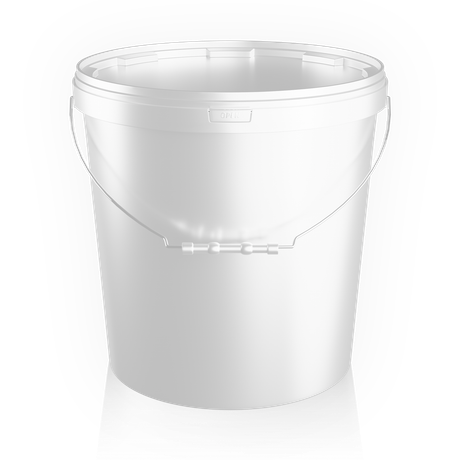
Vets at horse farms: vials after treating mares, 18 L.

Waste goes over the pass to Naryn: until the next run, the 21 L bucket stays lidded.
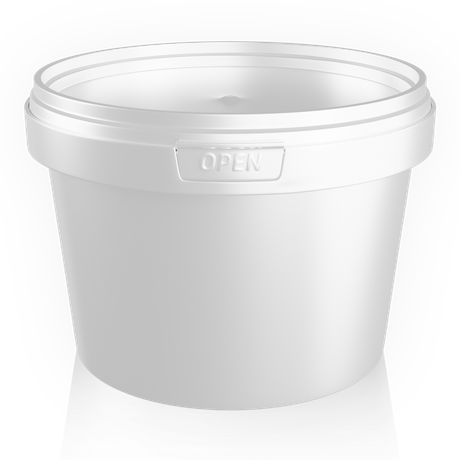
Felt makers work at home and in small workshops where every corner is taken up by wool, so it helps that empty buckets store in a stack: they nest inside each other. Every lid is flat, with an OPEN tamper-evident tear strip.
In Kochkor, buckets aren't just for food. The table is organized by task: what the workshop, farm, and guesthouse do, which bucket suits them, and how many fit on a pallet. Kumis isn't in the table: it has its own jerry cans, covered below.
| Who | Task | Bucket | Per pallet | Learn more |
|---|---|---|---|---|
| Workshop | pre-measured dye | 560 ml | 7,200 | small buckets |
| Workshop | soapy water for felting | 15 L | 816 | buckets with metal bail handles |
| Workshop | washed wool | 18 L | 600 | large buckets |
| Farm | milking mares | 11.5 L | 816 | farms |
| Farm | kurt for sale | 2.3 L | 3,300 | kurt and cheese |
| Guesthouse | kaymak for breakfast | 800 ml | 6,480 | dairy products |
| Guesthouse | honey for tourists | 1 L | 6,480 | honey buckets |
Kumis doesn't travel far in buckets: for the road, 5 L and 10 L jerry cans with screw caps are the way to go (see our kumis jerry cans page). Buckets and jerry cans can go in one shipment.
Kochkor lives on felt, livestock, and tourists, and each needs its own buckets. Here's how the four main buyers choose them.

A shyrdak starts with washed and dyed wool. Dye is stored in pre-measured portions in 560 ml and one-liter buckets, the solution is mixed in 3 to 5.6 L, and felting needs soapy water in 15 L buckets with a bail handle and plastic grip. An empty 15 L bucket weighs 450 g, so it's easy to move around the workshop.
In summer, mares are milked out on the pasture, and the milk is carried in 11.5 L buckets with lids. Kumis for sale goes into jerry cans, while kaymak and butter are packed in 800 ml and 5.6 L buckets.
Kochkor guesthouses feed tourists before the drive to the lake and pack food for the road. The kitchen needs 3.8 to 8 L buckets, breakfast calls for 800 ml and 900 ml, and honey for sale goes in the one-liter size. Felt souvenirs in clear 850 ml buckets can be sold right at the front desk.
Sheep farms produce meat, wool, and kurt. Kurt for the bazaar is packed in clear 2.3 L buckets, marinated meat for cafes in 3.8 L, and shorn wool waits for washing in 21 L buckets.
Choose a size and the number of buckets for the season. Example from a Kochkor felt workshop: 400 of the 15 L buckets for water and solution and 2,000 small 560 ml buckets for dye, which is one pallet of each size. A guesthouse can get through the summer on 1,000 of the 800 ml buckets, also one pallet.
Buckets travel from our plant to Kochkor by freight carrier. The process is the same for a workshop or a farm.
Call us and tell us what you'll store or pack (dye, wool, kurt, or kaymak), how many buckets you need, and which village they're going to.
Your sales manager will pick the sizes and handles, count the pallets, and quote a price. Delivery time and cost are confirmed when you place the order.
Buckets are palletized at our warehouse in Ak-Chiy. If you want your workshop's name on the bucket, the artwork is approved before molding.
A freight carrier delivers your order, along with the shipping documents, to Kochkor or a village in the district.

HTI has no warehouse or pickup point in Kochkor. Buckets leave our plant in the Bishkek Free Economic Zone (FEZ), Ak-Chiy village, and a freight carrier takes them to Kochkor and villages across the district. Your sales manager confirms delivery time and cost when you place the order.
If you travel to Bishkek yourself to sell shyrdaks, livestock, or wool, you can pick up your order at the plant and take it home on the return trip.
Workshops do best ordering buckets before fair season, guesthouses in spring before the road to Son-Kul opens, and farms before mare milking begins.
Once sheep shearing starts, felt makers suddenly need a lot of packaging, so it's best to order buckets for wool and dye beforehand. Empty buckets stack and take up almost no room.

Buckets reach villages in Naryn Region by freight carrier. The links lead to pages with packaging picks for each place.
In Kochkor, buckets earn their keep both in the workshop and on the counter. In the workshop, the lid and handle matter; on the counter, it's how the product looks and whether the packaging is intact. Tourists want to see the souvenir, bazaar shoppers want to see the kurt, and felt makers need dye that doesn't spill.
For dye and washed wool, what matters is a flat lid that seats into a double rim: dust and debris stay out.
Kurt, honey, and felt souvenirs show through the wall, so tourists can choose without opening the bucket. Every size comes in clear.
The tear strip under the rim shows anyone buying kaymak or honey that the bucket hasn't been opened since filling.
Your workshop or guesthouse brand goes on with a label or by IML: the image is fused into the wall during molding and won't rub off.

Directly from the HTI plant: we mold buckets in the Bishkek Free Economic Zone (FEZ) and ship them to Kochkor by freight carrier in orders of one pallet and up. To order, call +996 222 600 292.
The price depends on size, quantity, handle, body color, and printing, and your sales manager calculates it for your order. Delivery to Kochkor goes into the same quote.
By freight carrier from our plant. Your sales manager confirms delivery time and cost when you place the order. Ahead of fair and tourist season, it's best to order early so your buckets arrive in time.
No. We ship only from our plant in Ak-Chiy, where you can also pick up buckets yourself. Every order is put together for you, so you can mix small buckets for dye with large ones for wool.
Yes. Powdered dye stores well in 560 ml and one-liter buckets, the solution can be mixed in 3 to 5.6 L, and washed wool keeps in lidded 18 to 21 L buckets. For felting water, people use 15 L with a plastic grip.
For kumis, 5 L and 10 L jerry cans with screw caps work better. Learn more on our kumis and ayran jerry cans page.
For breakfasts, 560 to 900 ml for kaymak and sour cream; for the kitchen, 3.8 to 8 L; for honey to sell, the one-liter size. For more on food service packaging, see our HoReCa page.
Yes, with a label or IML. The artwork is approved before molding, so your name appears on every bucket in the run.
All dimensions and empty weights are in the catalog. For an overview of the whole highland region, see the Naryn Region page, and neighbors may find our page on packaging in Naryn useful.

Tell us what you need and how many. We'll pick the buckets and work out the pallets and shipping to Kochkor.