Want to learn more about our packaging or find the right fit for your business? Request a callback, and our specialist will call you at a time that suits you. Tell us about your product, and we'll help you choose the best option.
Order a callback from a specialist
Want to learn more about our solutions or find the perfect solution for your business? Leave a request for a callback and our specialist will contact you at a convenient time. Together we will find the optimal solution to make your business thrive!
Request a callback from our HR team
Interested in our openings and career opportunities? Leave your contact details and our HR team will get back to you shortly. We'll answer your questions and explain how to join the HTI Group team.
Order a callback from a specialist
Would you like to learn more about our job openings and career opportunities? Leave your contact information, and our HR department will get in touch with you shortly. We will answer all your questions and provide detailed information on how to become part of the HTI Group team.
Mon-Fri, 9:00 AM-5:00 PM · Factory in the Bishkek Free Economic Zone, Ak-Chiy village
Fish, highway, shore
Plastic bucketsand packaging in Balykchy
You can buy plastic buckets in Balykchy directly from the factory. Balykchy sits at the western end of Issyk-Kul, and its very name means "fisherman." Here, fish is salted, dried, and smoked, honey and berries are sold by the roadside, and cafes and canteens feed everyone heading to the north and south shore resorts in summer. HTI Group makes food-grade buckets, takeout containers, and jerry cans in the Bishkek Free Economic Zone (FEZ) and ships them to Balykchy by freight carrier.
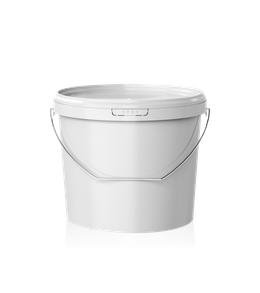
In Balykchy, goods travel a short path: from the processing shop or backyard to a highway stall or cafe kitchen, and from there into a vacationer's car. We've mapped all fourteen buckets to these steps so you can see which size works where and what handle it has. Some cards also link to a detailed breakdown for the product.
Honey, berries, and fish in single servings for people driving through.
Fish by weight, preserves for the winter, and cafe prep.
Salt-curing the catch, salt stock, and wholesale shipments.
Containers and a tray for lunch in the car or on the beach.
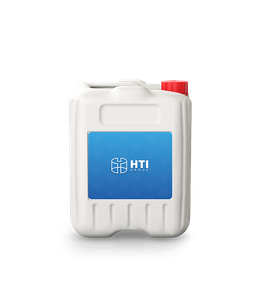
Jerry cans for kitchen oil and water for the road.
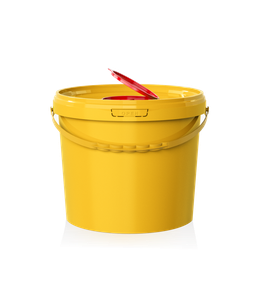
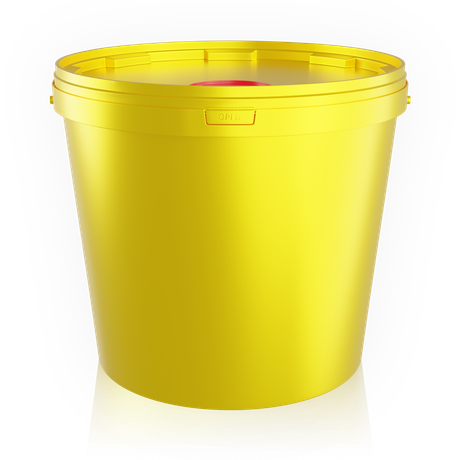
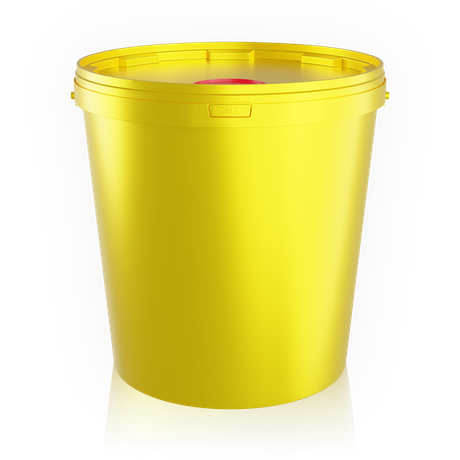
Yellow and red buckets for the hospital, ambulance service, and vets on the west shore.
Packaging at the same scale: body width and height from the factory's product cards
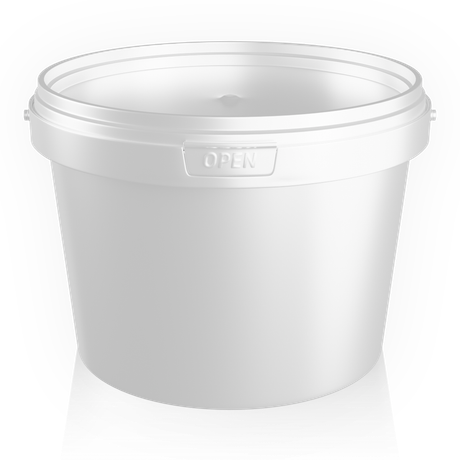
Take-home · PKS560
560 ml plastic bucket
For a vacationer's cooler bag: a single serving of fish in aspic. A bucket with no handle takes up little space.
Fish is salted in large buckets and sold from medium ones: 15 L is handy in the plant, but it won't fit on a narrow roadside counter. Highway cafes need both kitchen buckets and containers for customers taking lunch to the car. You can order all of it in one shipment.
Fish processing, market stall,and the crossroads cafe
Balykchy's economy rests on two things: the lake and the highway. In summer, a stream of cars passes through town toward the resorts and beaches, and the rest of the year, people here salt fish, put up honey and berries, and feed drivers. Here are the four jobs that call for packaging.
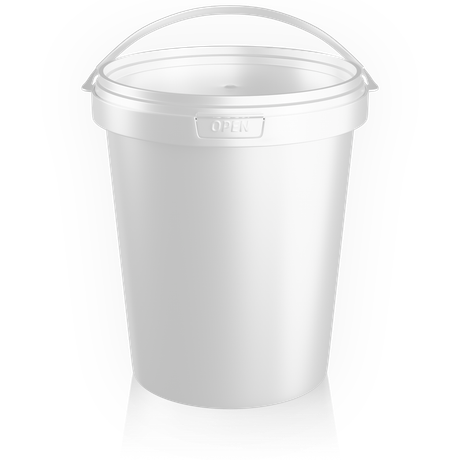
Highway cafe kitchen8 L, 40 g bail handle with plastic grip
Salt-curing and marinating
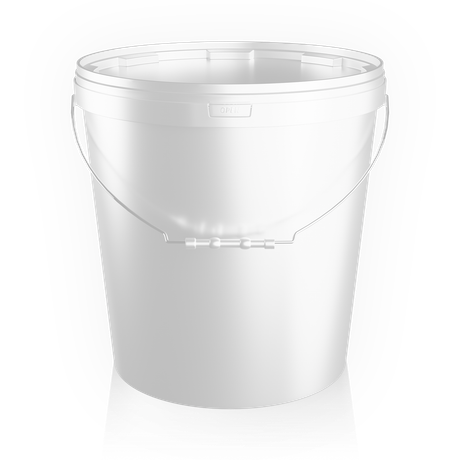
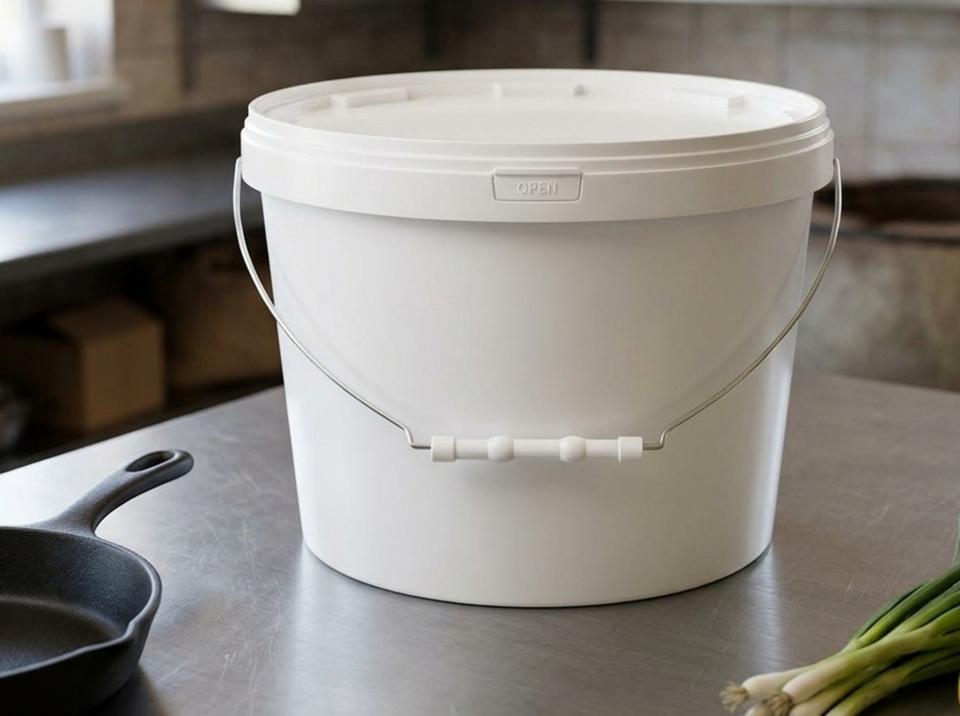
Fish is salted and marinated in batches, and the brine shouldn't slosh out when the bucket is carried. The lid seats into a double rim and holds tight, and the 15 L bucket with a bail handle and plastic grip goes from the salting room to the truck with no rag wrapped around the handle.
Highway stall
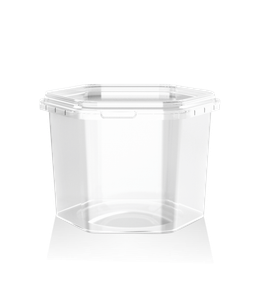
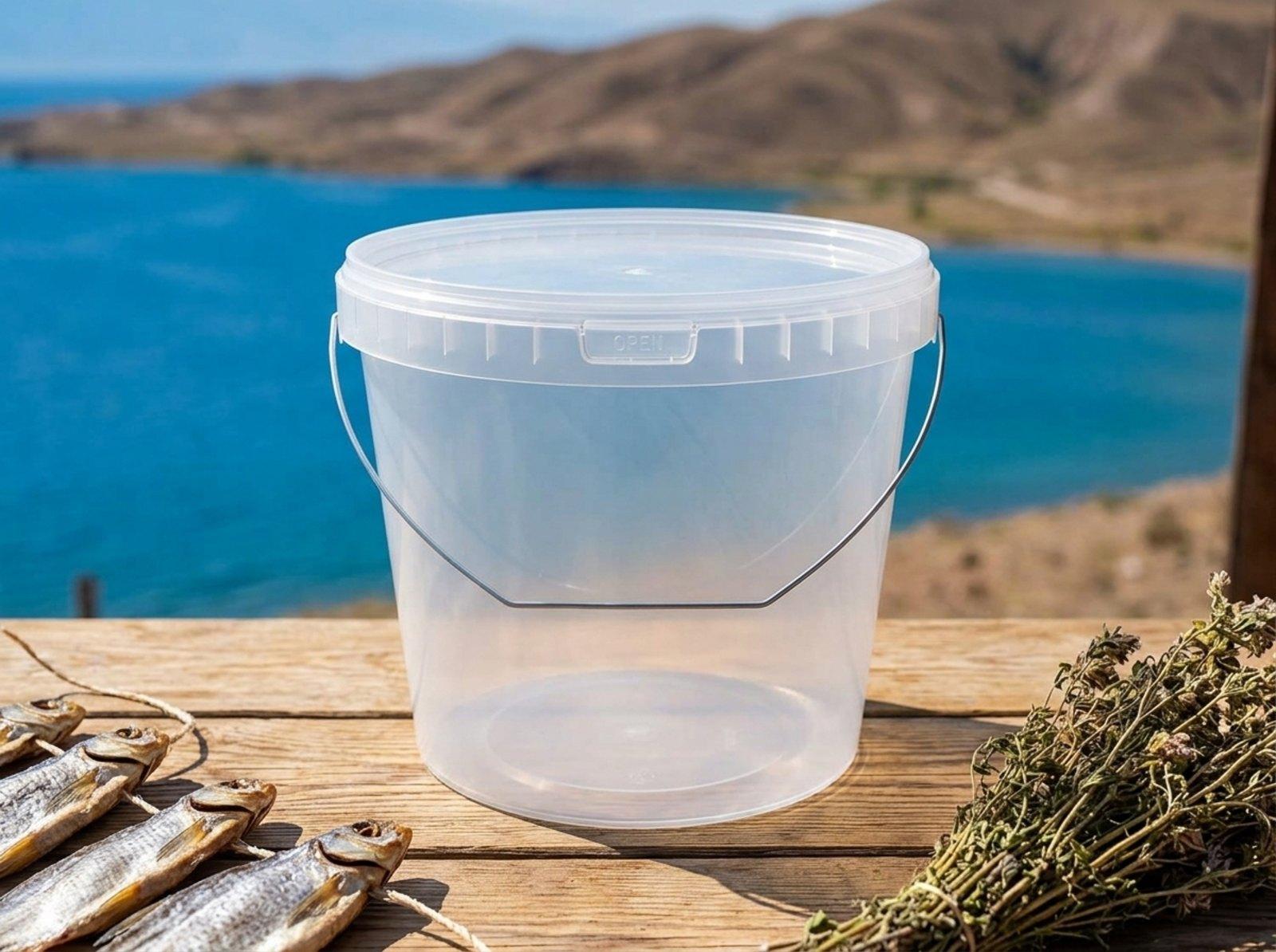
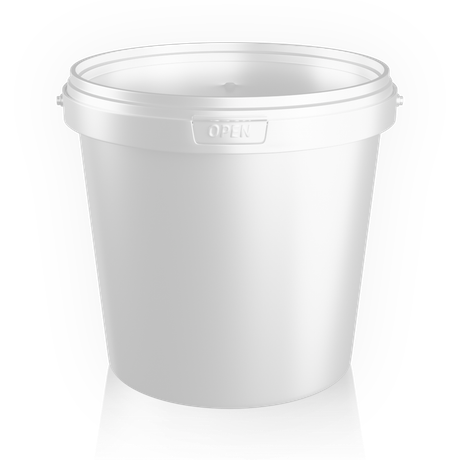
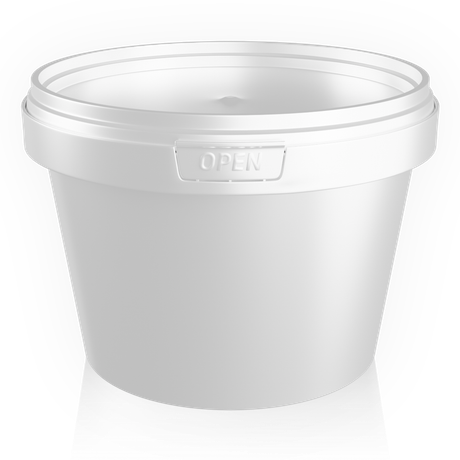
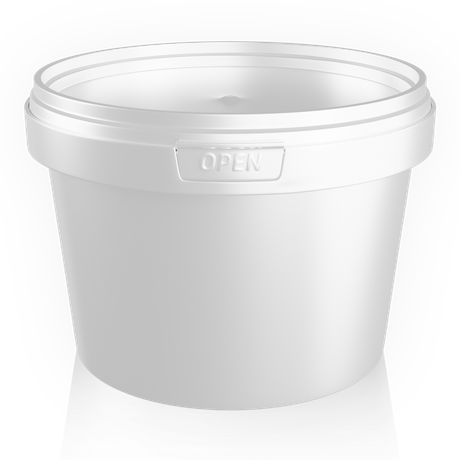
A driver stops for a couple of minutes and wants to see the goods right away. The clear 3.8 L bucket shows off fish in aspic or berries, and the lid keeps out road dust. The OPEN tear strip tells shoppers the bucket hasn't been opened since filling.
Lunch for people on the road
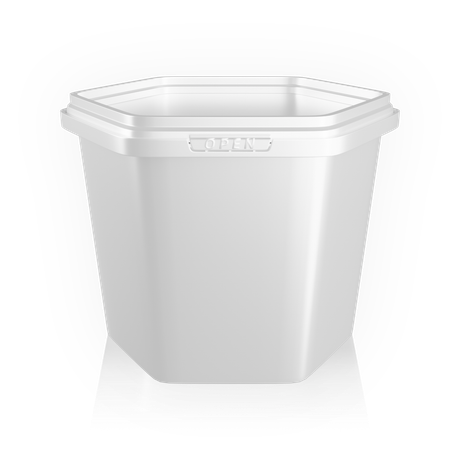
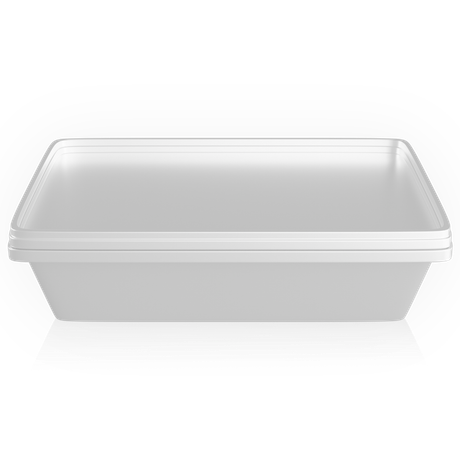
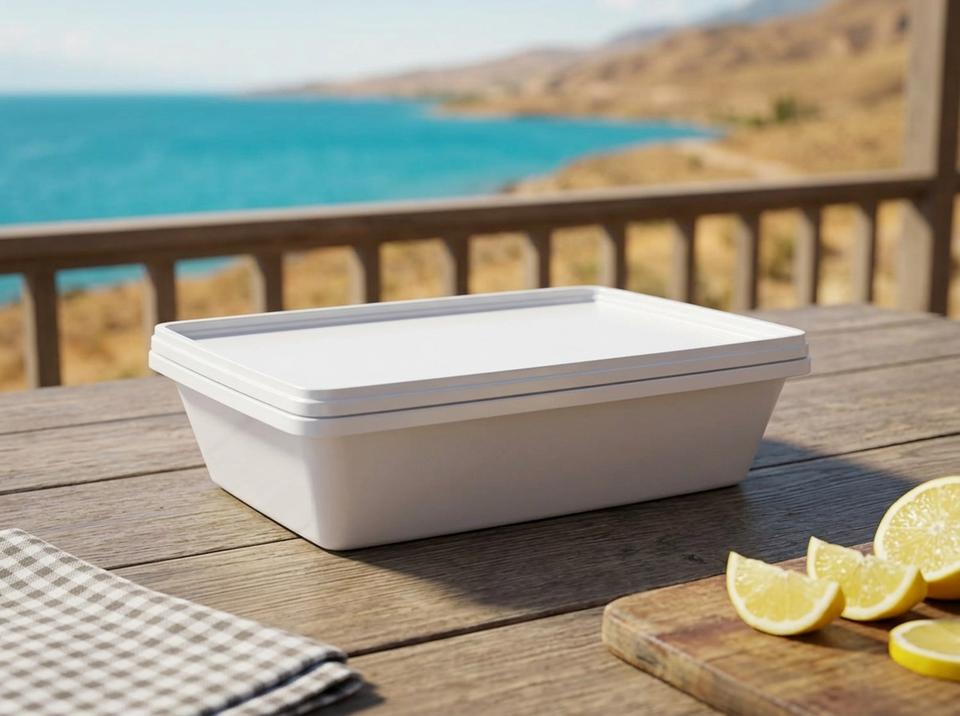
In summer, Balykchy's cafes and canteens feed travelers heading to the resorts, and many take their food to go. The 400 ml hexagonal container suits salad or lagman, and the 750 ml flat tray suits fried fish with a side. Both close with a lid, so lunch reaches the beach intact.
West shore honey and berries
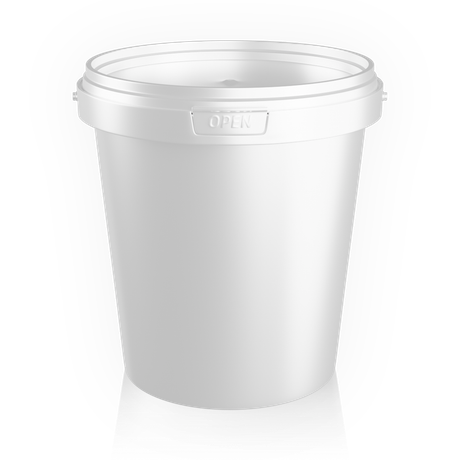
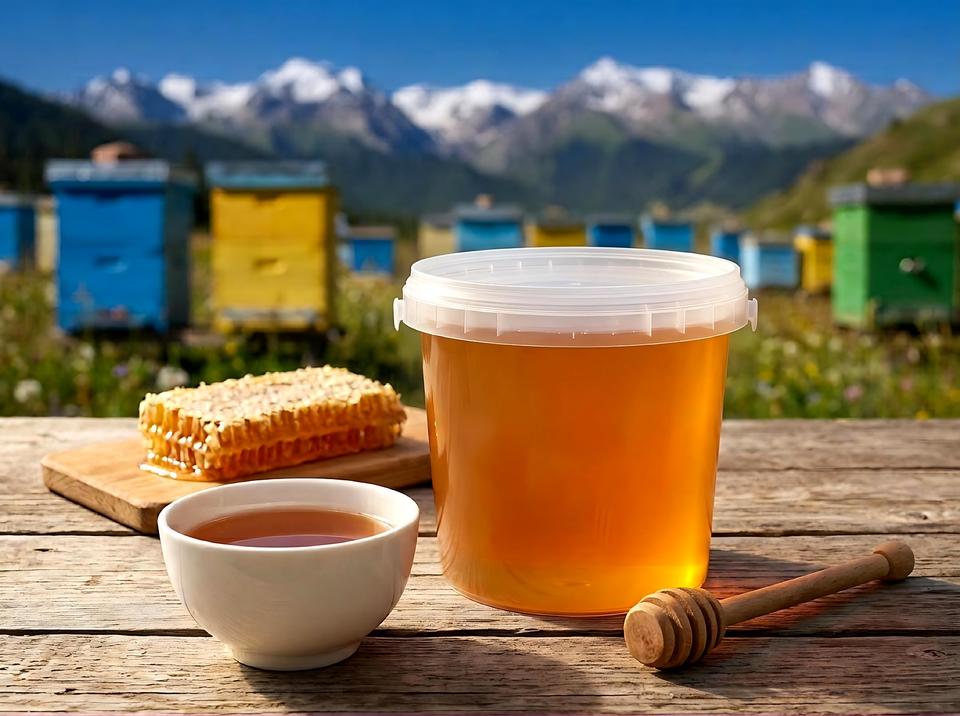
Honey from Issyk-Kul apiaries and berries from nearby villages are bought for the road and as gifts. A one-liter bucket of honey weighs about 1.4 kg and fits in any bag, while 2.3 L of preserves comes to about 3.1 kg, a family's winter supply.
How to choose
The summer rushand the rest of the year
In Balykchy, packaging demand shifts noticeably with the seasons. In summer, containers and small buckets for road purchases sell the most; the rest of the year, fish plants and canteens are the main customers. Choose sizes based on who buys your product.
Fish plants: 15 L for salt-curing and 11.5 L for transport, both with a bail handle and plastic grip.
Roadside stalls: 3.8 L in a clear body, with a 200 mm opening that makes it easy to take fish out with tongs.
Purchases for the car: 1 L for honey and 2.3 L for preserves, with a handle that makes them easy to carry to the parking lot.
Oil for frying fish: a 10 L jerry can with a screw cap.
Shipment estimate
How much packagingfits in one delivery
Choose an item and quantity, and we'll show the pallet count, units rounded up to full pallets, total nominal capacity in liters, empty packaging weight, and the truck you'll need.
Straight-line distance. Click a city to open its page.
HTI has no warehouse or representative in Balykchy; all packaging leaves from our plant in the Bishkek FEZ, Ak-Chiy village. A freight carrier, agreed on when you order, takes the pallets to Balykchy, and your sales manager confirms delivery time and cost at that point. If you're in Bishkek on business, you can pick up the pallets at the plant in your own vehicle. In spring, before the resort season starts, highway cafes and fish plants do well to order a supply for the whole summer: buckets and containers nest in stacks and won't clog your storeroom, while jerry cans, which don't nest, are stored separately.
Balykchy
Nearbyand across the country
Plastic buckets in other towns of Issyk-Kul Region
Yes. The buckets are molded from food-grade polypropylene and close with a lid that seats into a double rim. For salt-curing, buyers use 11.5 to 15 L; for selling by weight, 3.8 L or 5.6 L. See our buckets for fish and caviar page for a detailed breakdown.
For salads and sauces: 250 ml and 400 ml hexagonal containers; for main courses and fish with a side: the 750 ml flat tray. All close with a lid and stack on top of each other in the bag.
By freight carrier: pallets leave our plant in the Bishkek FEZ and arrive in Balykchy. Your sales manager confirms delivery time and cost when you place the order, and pickup from the factory is also available.
Your sales manager calculates the price based on sizes, quantity, color, handle, and printing. Call +996 222 600 292 with everything you need for the season, and you'll get one quote for the whole order.
Yes. For a trial order, we apply a label; for large runs, we use IML: the image is fused into the bucket wall during molding and won't peel off, even with constant washing.
Clear, if the product sells itself: fish in aspic, berries, preserves. White, if the bucket carries your label with the name and ingredients and the look of the product matters less.
A pallet holds 17,600 hexagonal containers, whether 250 ml or 400 ml. Estimate how many takeout portions your cafe sells per day, and you'll see how much of the season one pallet will cover.
Catalog
Packaging for Balykchyin the HTI catalog
Dimensions, weights, and handle options for every bucket and container are on the size pages in the catalog. For deliveries to the east shore of the lake, see our packaging in Karakol page, and for general terms across the country, our plastic packaging in Kyrgyzstan page.
Getting your cafe or plant ready for the summer rush?
Tell us how many takeout portions you sell per day and how much fish you salt per week. Our sales manager will pick the buckets and containers, work out the pallets, and give you the terms for shipping to Balykchy.