Want to learn more about our packaging or find the right fit for your business? Request a callback, and our specialist will call you at a time that suits you. Tell us about your product, and we'll help you choose the best option.
Order a callback from a specialist
Want to learn more about our solutions or find the perfect solution for your business? Leave a request for a callback and our specialist will contact you at a convenient time. Together we will find the optimal solution to make your business thrive!
Request a callback from our HR team
Interested in our openings and career opportunities? Leave your contact details and our HR team will get back to you shortly. We'll answer your questions and explain how to join the HTI Group team.
Order a callback from a specialist
Would you like to learn more about our job openings and career opportunities? Leave your contact information, and our HR department will get in touch with you shortly. We will answer all your questions and provide detailed information on how to become part of the HTI Group team.
Mon-Fri, 9:00 AM-5:00 PM · Factory in the Bishkek Free Economic Zone, Ak-Chiy village
Western Altai, East Kazakhstan
Plastic bucketsin Ridder
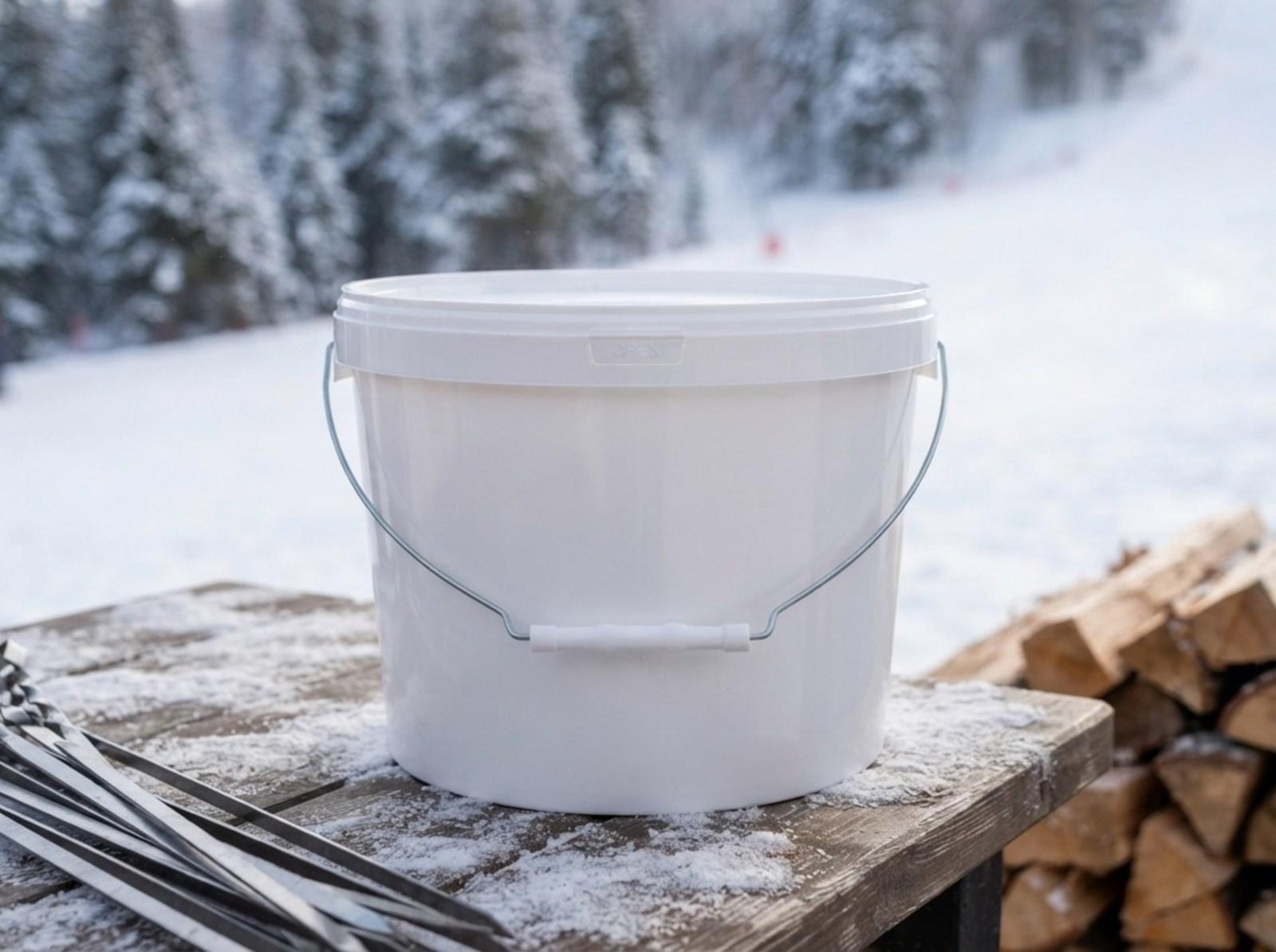
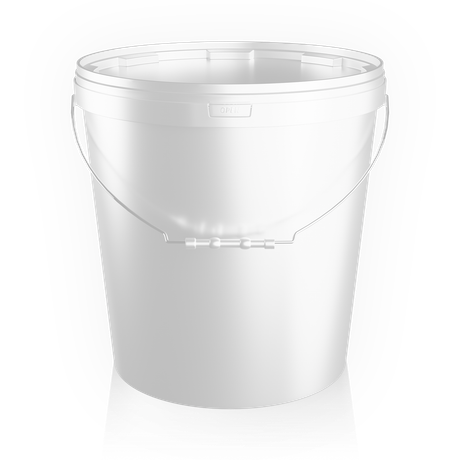
Ridder sits in the taiga-covered mountains of Western Altai, where people mine ore, ski, keep bees, and pick wild berries. So the town needs a wide range of buckets: for mining equipment grease, for marinated meat at slopeside cafes, and for taiga honey and jam sold to tourists. The HTI plant molds food-grade buckets from 560 ml to 21 L and ships them to Ridder by the pallet via a freight carrier.
First come the small buckets that shoppers take home, then medium ones for kitchens and processing shops, and finally large ones for the mine and the taiga. The line under each size says what it's used for in Ridder, and the card links to a page with dimensions and photos.
Honey, jam, and sour cream for shoppers to take home.
Kitchens at cafes, guesthouses, and canteens.
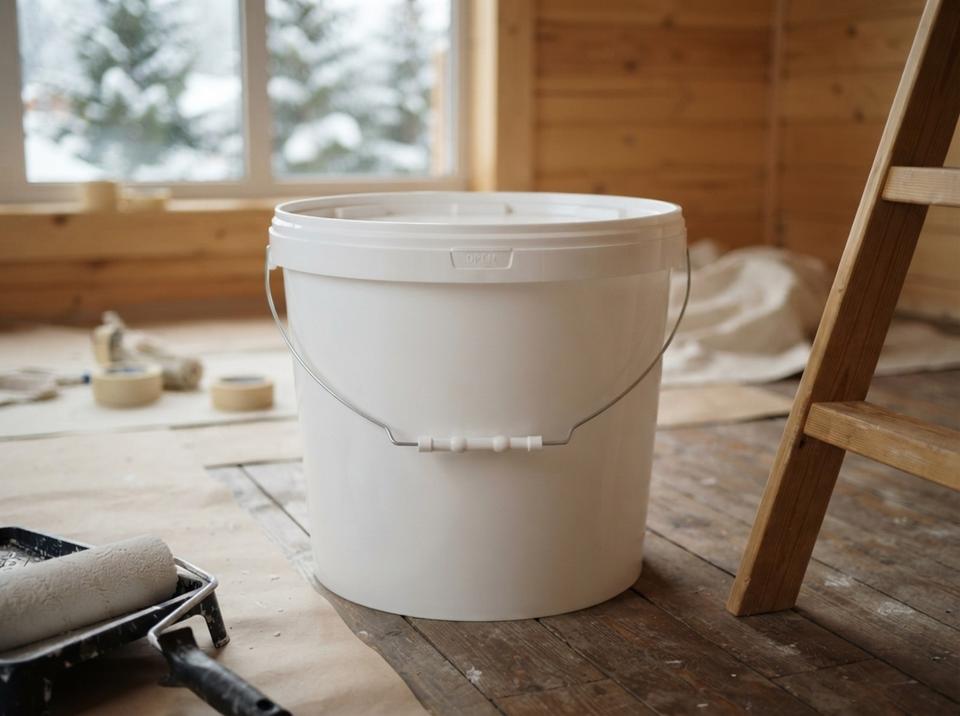
Grease, paint, berry picking, and honey extraction.
Containers for pine nuts, wild berries, and slopeside cafes.
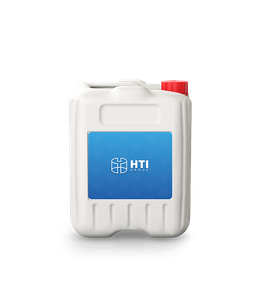
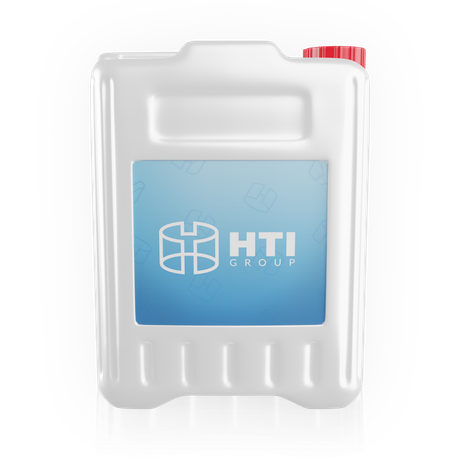
Jerry cans for hiking water and cleaning products at the mine.
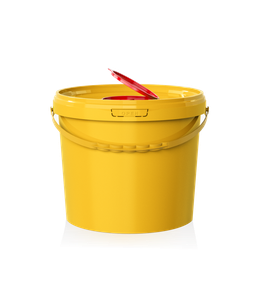
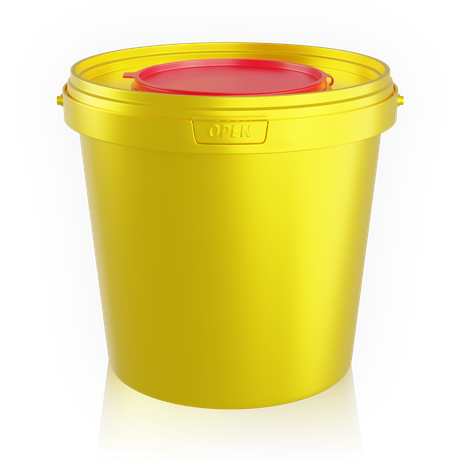
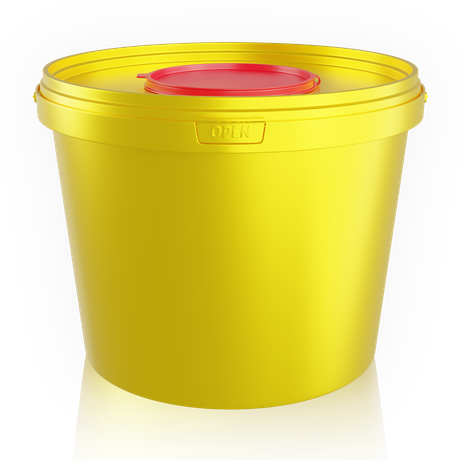
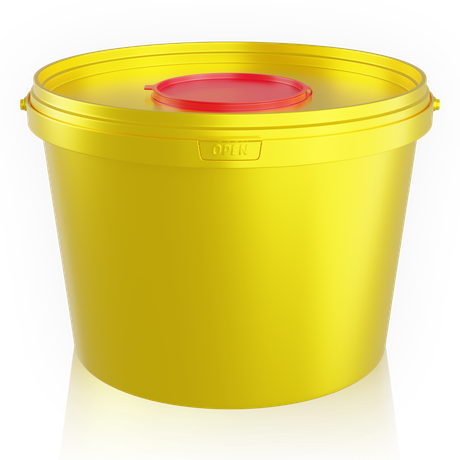
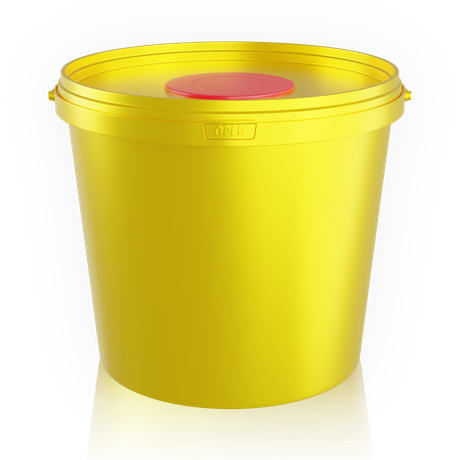
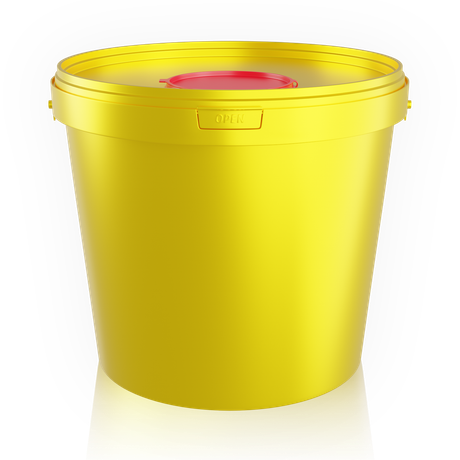
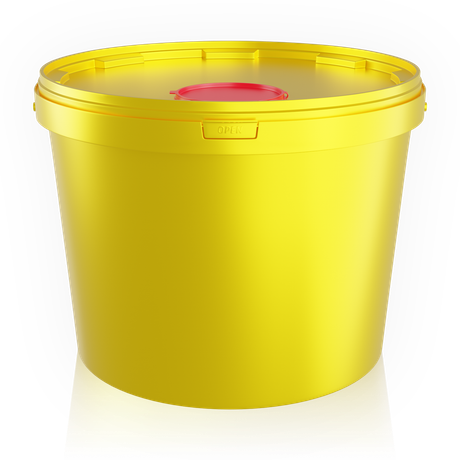
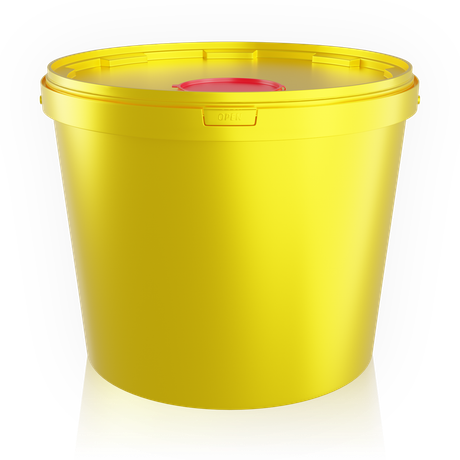
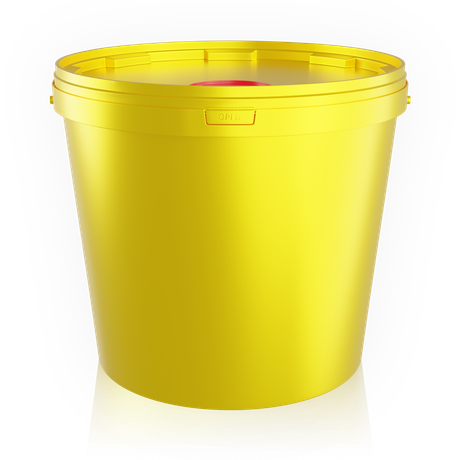
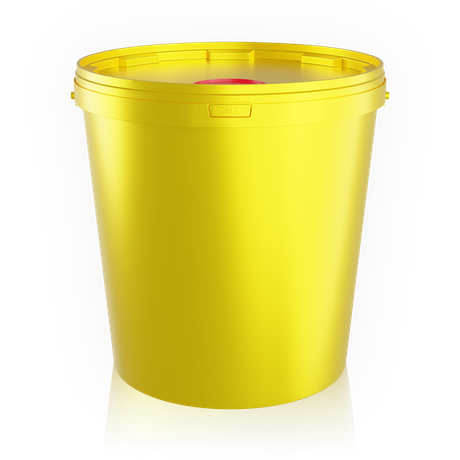
Yellow and red buckets for Ridder's hospital, the urgent care clinic, and the ski resort first-aid post.
Packaging at the same scale: body width and height from the factory's product cards
Up to 1 L · PKS560
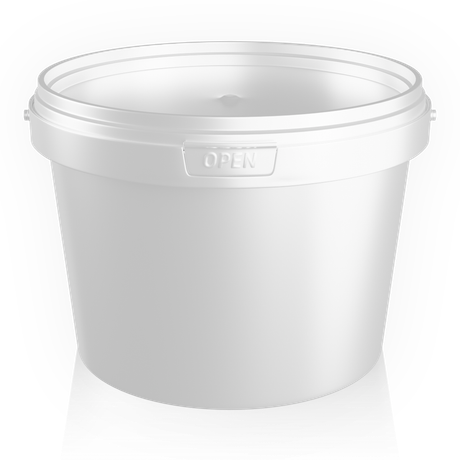
560 ml plastic bucket
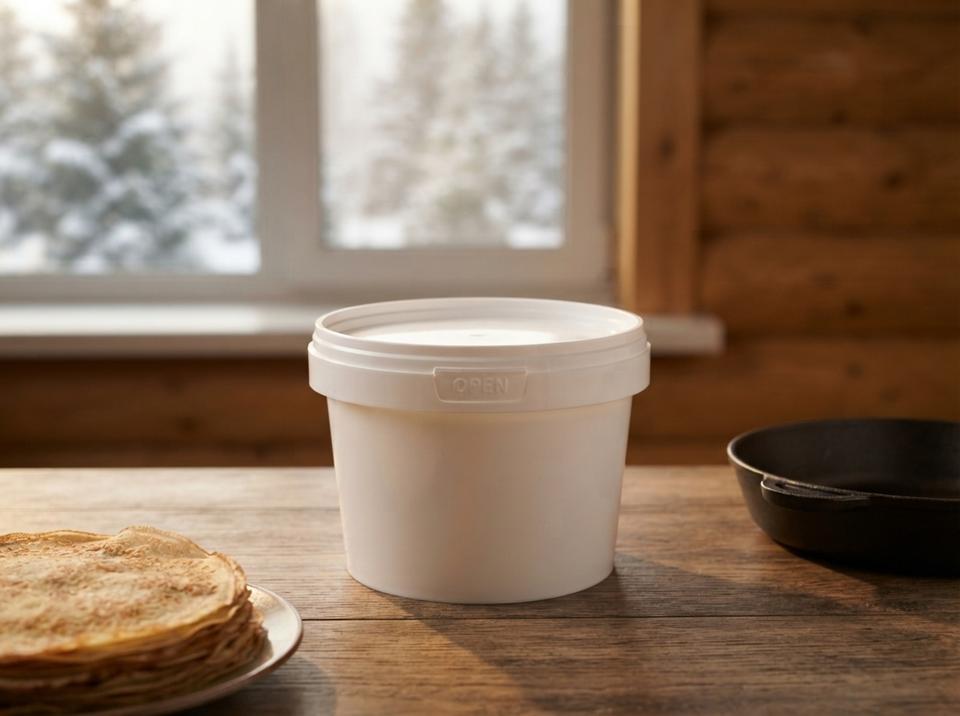
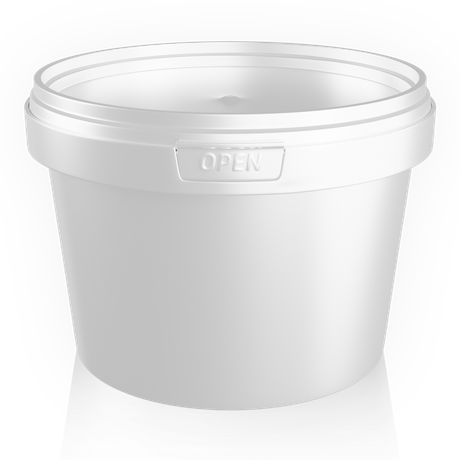
Sour cream for blini at a cafe by the ski lift: the low, handleless bucket fits easily on a fridge shelf.
Ridder's urgent care clinic at the height of ski season: plaster bandages and dressings go into a red 5.6 L bucket, and the needle remover takes needles off syringes.
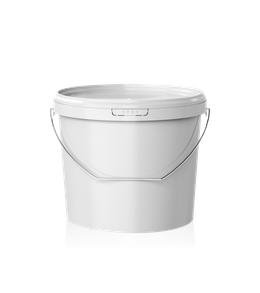
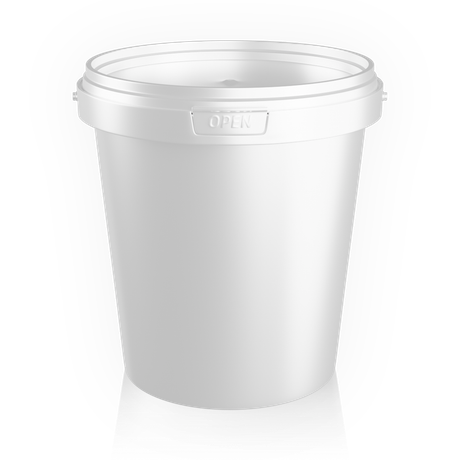
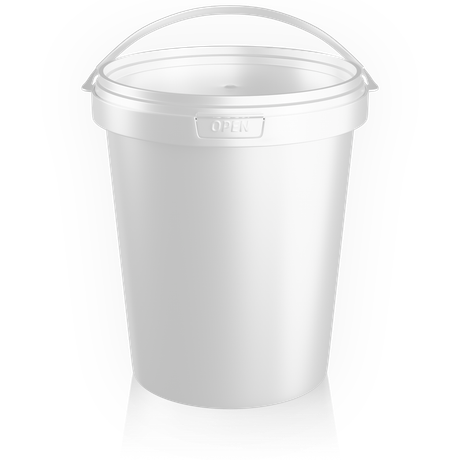
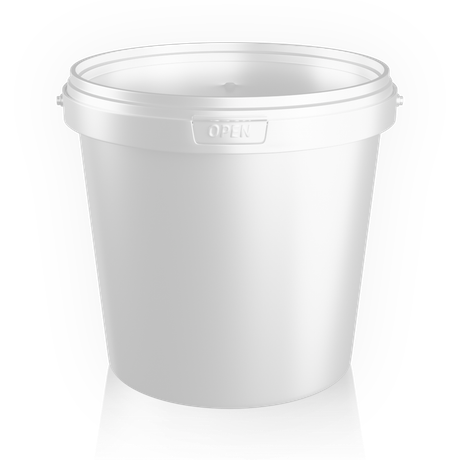
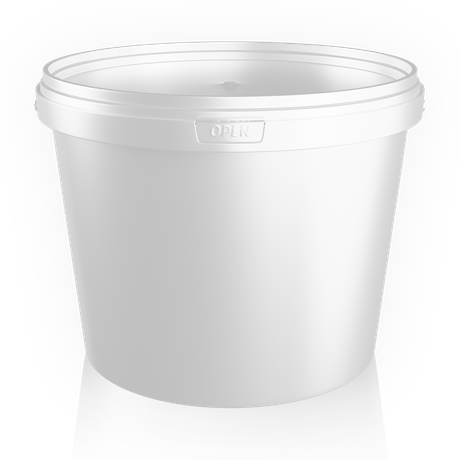
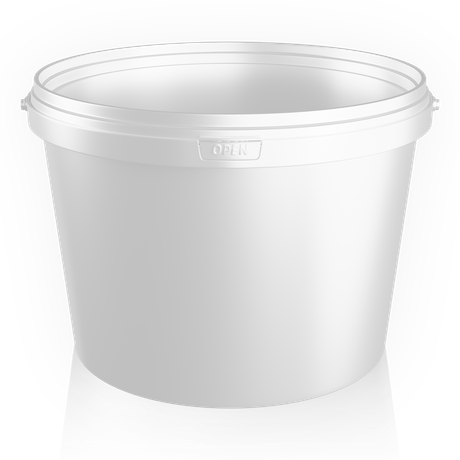
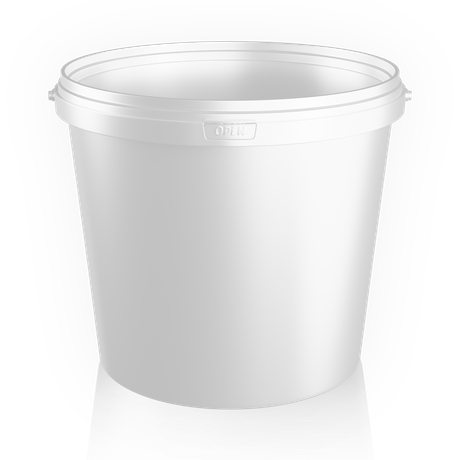
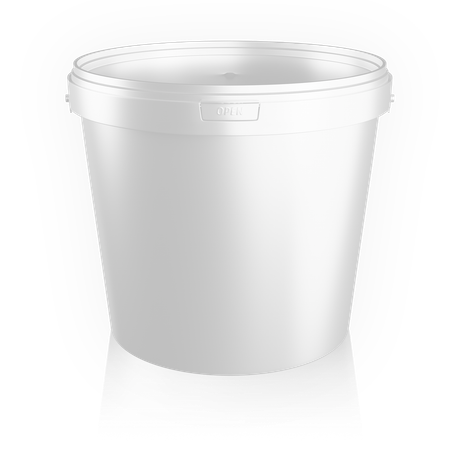
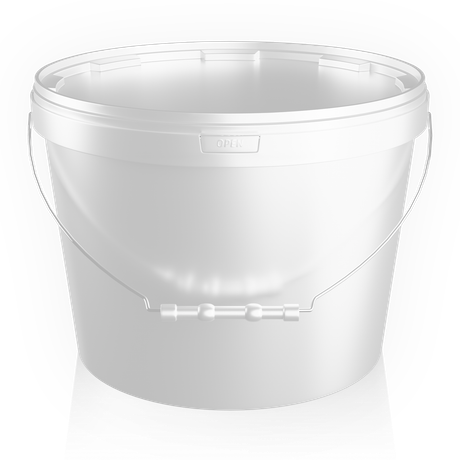
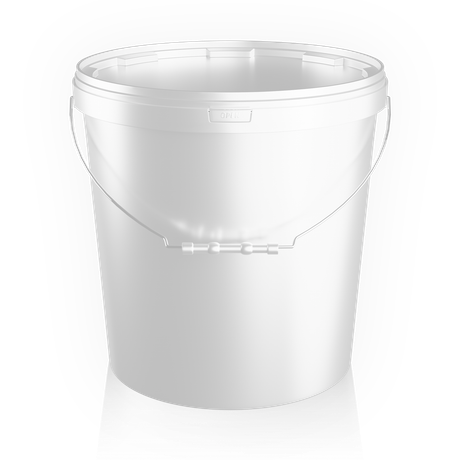
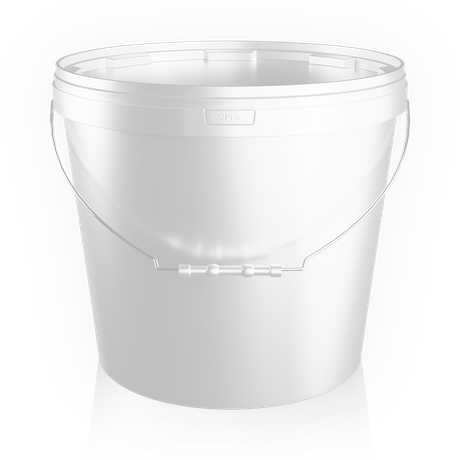
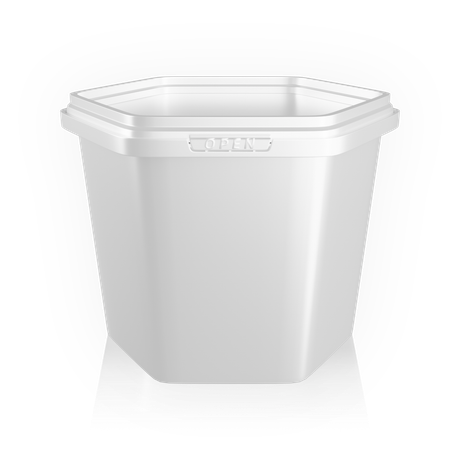
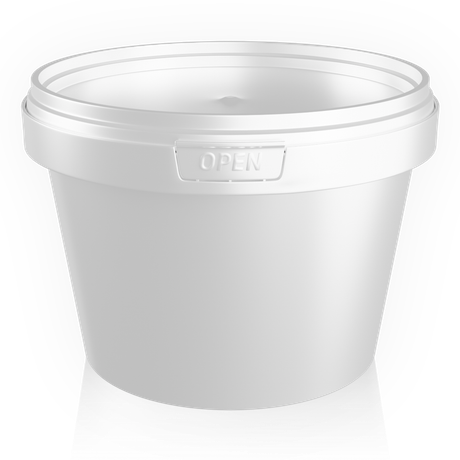
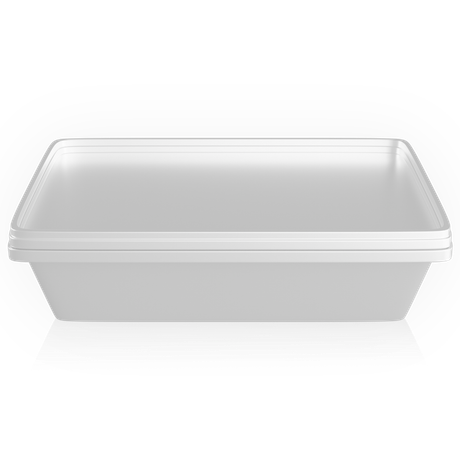
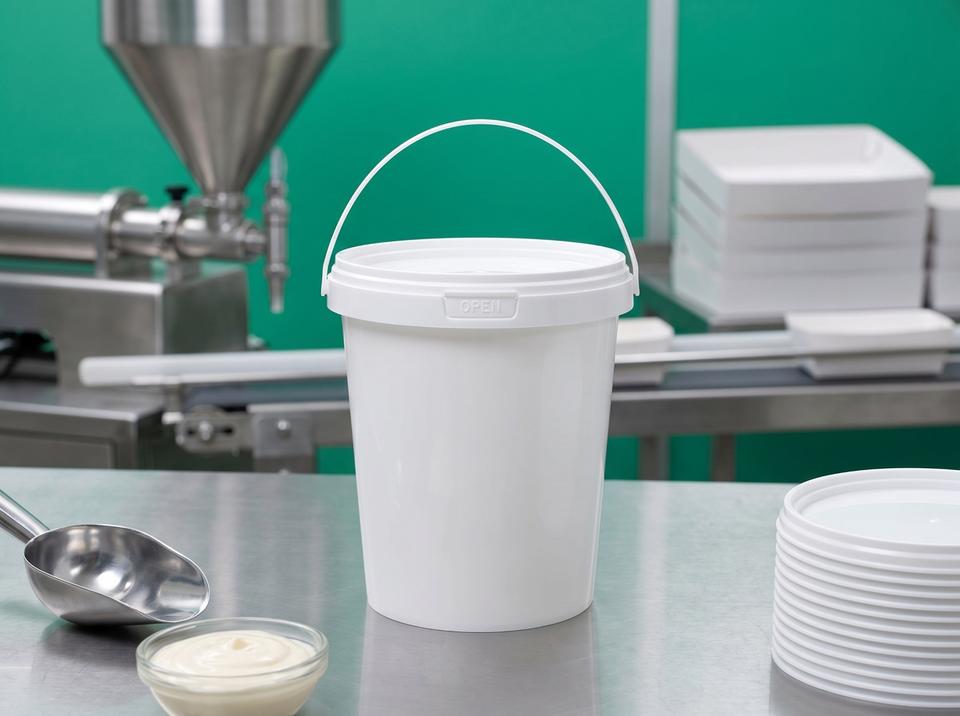
All fourteen sizes share the same design: a tapered wall, a flat lid seated in a double rim, and an OPEN tear strip. Thanks to the taper, empty buckets arrive in nested stacks and take up very little storage space at a cafe or mine.
By job
Job and size:a quick chart for Ridder
In Ridder, four groups buy buckets: mining companies, cafes and resorts, beekeepers, and berry and mushroom foragers. Here are each group's typical jobs and the size to start with.
For kitchens and the mine, the handle is what matters: full buckets get carried up stairs and across shop floors, and a bail handle with a plastic grip spares your fingers. For honey and mushrooms sold at retail, looks matter more, so they usually go in clear buckets.
Ridder is a mining town that hosts skiers in winter and becomes a base for hiking in Western Altai in summer. Each of these activities uses buckets in its own way.
Taiga milk caps3 L: 200 mm top, clear body
Mine and processing plant
Mining equipment and conveyors need grease, and repair shops need paint and primer. Grease is kept in 15 L buckets with a bail handle and plastic grip, paint in 18 L ones, and the bucket is closed again after each use to keep ore dust out.
Slopes and resorts
In winter, skiers head to Ridder, and slopeside cafes turn out shashlik, pelmeni, and blini nonstop. Meat is marinated in 8 L buckets, dough is kept in 5.6 L ones, and sour cream for the blini is portioned into 560 ml buckets.
Western Altai apiaries
Taiga honey is sold to tourists and taken home to other cities. Clear 850 ml and one-liter buckets are popular for souvenirs, 3 L for family orders, and freshly extracted honey goes into 21 L buckets with a bail handle and plastic grip.
Berries and mushrooms
In summer and fall, people pick raspberries, currants, milk caps, and honey mushrooms in the surrounding taiga. The 11.5 L bucket is handy for picking, clear 2.3 and 3 L buckets for salted mushrooms sold at retail, and 800 ml and 3 L buckets for jam.
Calculation
Palletsfor cafes and the mine
Choose a size and quantity, and the calculator shows how many pallets your order takes. A slopeside cafe that needs 1,200 of the 8 L buckets for marinating over the winter gets two pallets. A mine maintenance crew ordering 700 of the 15 L buckets for grease needs just one.
Item
BucketsContainersJerry cansMedical buckets
How many pieces you need
pcs
A pallet is the minimum shipping unit, and the calculator rounds fractions up.
Buckets of different sizes can ship on one truck.
Jerry cans have lower pallet quantities because empty ones don't nest.
Buying
From your callto pallets in Ridder
The buying process is the same whether you're a slopeside cafe, an apiary, or a mine maintenance crew. The minimum order is one pallet.
1
Tell us what you need
Call us or request a callback, and tell us what will go in the buckets, how many you need, and whether you want your brand on the side.
2
Get a quote
Your sales manager will suggest sizes and versions, work out the pallets, and quote the order price including delivery to Ridder.
3
Production run
For buckets with in-mold labeling (IML), the artwork proof is approved first, then our plant in the Bishkek Free Economic Zone (FEZ) molds the run. Unprinted buckets are simply stacked onto pallets.
4
Receive your pallets
A freight carrier delivers the buckets to Ridder as a shipment within the EAEU. The shipping documents arrive with the truck.
Straight-line distance. Click a city to open its page.
HTI has no warehouse or pickup point in Ridder: your order goes to the city straight from our plant in Ak-Chiy village, Bishkek FEZ. The buckets travel by the pallet via a freight carrier as a shipment within the EAEU. Your sales manager confirms delivery time and cost when you place the order, once the number of pallets is clear.
Cafes and resorts need buckets before ski season starts, apiaries before extraction, and foragers by summer, when the berries ripen. Tell your sales manager the date your order needs to be in Ridder, and they'll let you know when to place it.
Buckets for a cafe, an apiary, and the mine can go in one order. Each model travels on its own pallet, so you can check in the delivery pallet by pallet, without counting individual buckets.
Eastern Kazakhstan
Nearbyand across the country
Nearby in the region
The links lead to pages for the region and nearby cities, with buckets matched to local businesses.
A cafe, a mine, and an apiary each need a different version of the same bucket. Here's how buyers in Ridder usually choose.
Clear for souvenirs
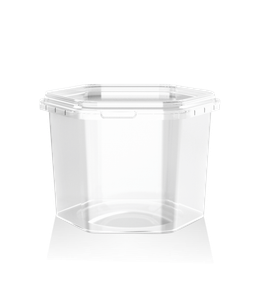
Honey, jam, and mushrooms that tourists buy as gifts sell better in a clear bucket, where the product shows without a label. The clear version comes in every size.
White for the kitchen
A cafe or canteen cares less about display and more about an organized fridge: you can write the product and prep date on the white wall with a marker.
Metal or plastic
Large buckets come with a bail handle and plastic grip. Buckets from 2.3 to 3.8 L are available with your choice of a metal or plastic handle.
Your apiary or resort brand
Your logo goes on with a label or IML. With IML, the image is fused into the wall during molding, so it won't rub off in the wash or on the road.
Questions and answers
What buyersin Ridder ask
Didn't find your answer?A sales manager replies Mon-Fri, 9:00 AM-5:00 PM, Bishkek time
Call +996 222 600 292 or request a callback. HTI sells buckets direct from the factory in orders of one pallet or more and ships them to Ridder via a freight carrier.
The price depends on size, quantity, handle, color, and printing, so your sales manager quotes each order individually. Shipping is added to the same quote.
Your sales manager confirms the delivery time when you place the order; it depends on the number of pallets and whether you need IML printing. Orders travel via a freight carrier as shipments within the EAEU.
No. All buckets ship from our plant in Ak-Chiy village, Bishkek FEZ, and each order is put together just for you.
For marinated meat, the 8 L bucket is the most popular: the metal bail handle with plastic grip holds a full load, and your hand fits easily through the 276 mm opening. For a small kitchen, the 5.6 L bucket works well. Learn more on our marinated meat buckets page.
Grease is kept in 11.5 or 15 L buckets with a metal bail handle, and the wide opening makes it easy to scoop out with a spatula. For details, see our grease buckets page.
Yes, pickers use the 11.5 L bucket: the plastic grip on the bail doesn't cut into your palm, and the lid keeps berries covered on the way home. For selling jam, the 800 ml and 3 L sizes work well.
Yes, with a label on the finished bucket or with IML, where the image is fused into the wall during molding. For a small trial order, a label is usually enough.
Catalog
Buckets for Ridderin the HTI catalog
Every size is in the catalog with dimensions, empty weight, and photos. For the whole region, see our East Kazakhstan Region page, and for nearby cities, the Oskemen and Altai pages.
Tell us your product, sizes, and quantity for the season. Our sales manager will pick the buckets and work out the pallets and the delivery cost to Ridder.