Want to learn more about our packaging or find the right fit for your business? Request a callback, and our specialist will call you at a time that suits you. Tell us about your product, and we'll help you choose the best option.
Order a callback from a specialist
Want to learn more about our solutions or find the perfect solution for your business? Leave a request for a callback and our specialist will contact you at a convenient time. Together we will find the optimal solution to make your business thrive!
Request a callback from our HR team
Interested in our openings and career opportunities? Leave your contact details and our HR team will get back to you shortly. We'll answer your questions and explain how to join the HTI Group team.
Order a callback from a specialist
Would you like to learn more about our job openings and career opportunities? Leave your contact information, and our HR department will get in touch with you shortly. We will answer all your questions and provide detailed information on how to become part of the HTI Group team.
Mon-Fri, 9:00 AM-5:00 PM · Factory in the Bishkek Free Economic Zone, Ak-Chiy village
Zhezkazgan and Satbayev
Plastic bucketsin the Ulytau Region
Ulytau Region is copper country in the middle of the Kazakh steppe. The mines and processing plants of Zhezkazgan and Satbayev keep maintenance crews, work camp kitchens, and builders busy around them, while beyond the towns, herders graze sheep, horses, and cattle. They all need buckets: for grease and pastes, pickles and sour cream, kurt (dried cheese balls) for the market, and feed for winter camps. The HTI plant molds them in sizes from 560 ml to 21 L and ships them to the region by the pallet.
The HTI range is split into three groups by where the bucket will work: on the store counter, in the kitchen and repair bay, or in the warehouse and on the farm. Each card shows what buyers in Zhezkazgan, Satbayev, and on steppe farms use that size for. Click a card to see dimensions and photos.
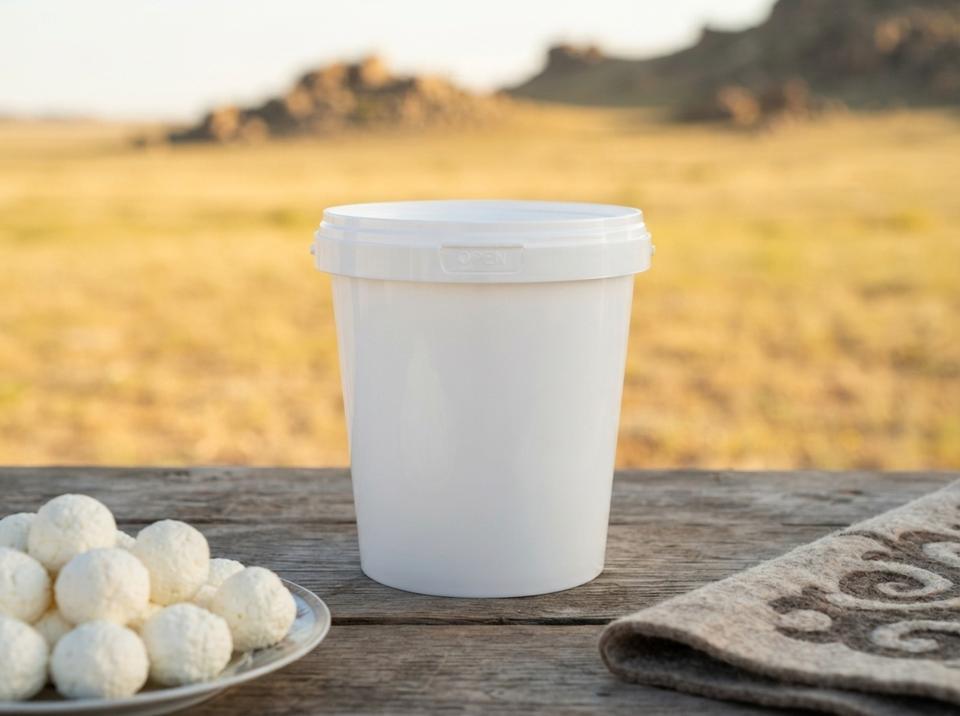
Kurt, sour cream, honey, and sauces for retail.
Work camp kitchens, cafes, and equipment maintenance.
Bulk grease, feed, paint, and repairs.
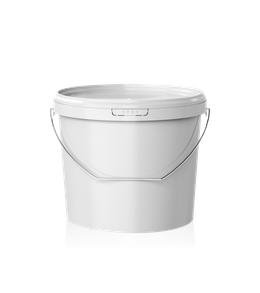
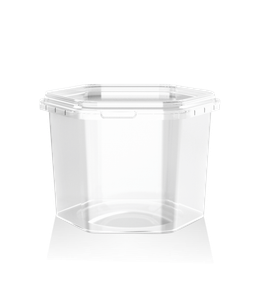
Containers for markets and stores, miners' lunches, and shops near the Ulytau Mountains.
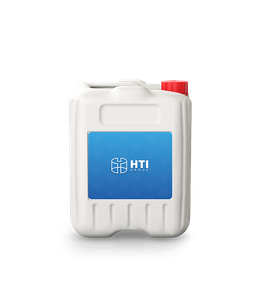
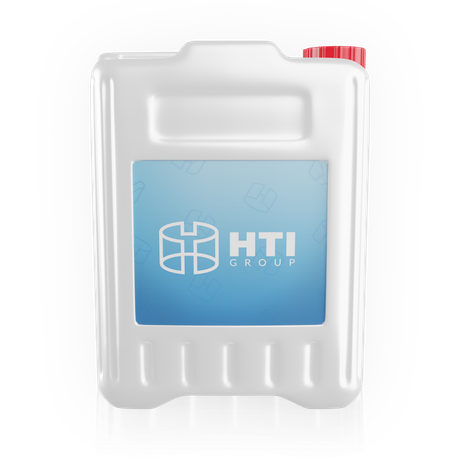
Jerry cans for liquid soap at the mines and drinking water at steppe camps.
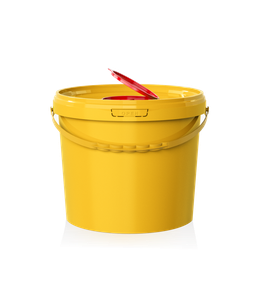
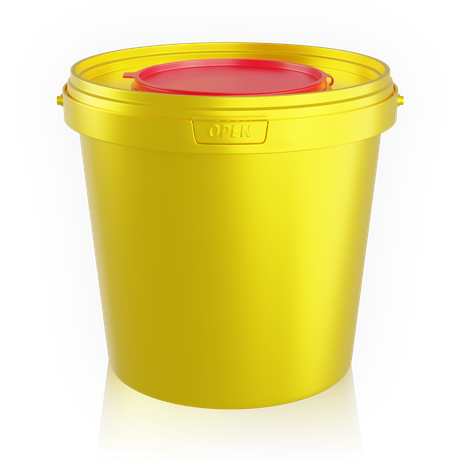
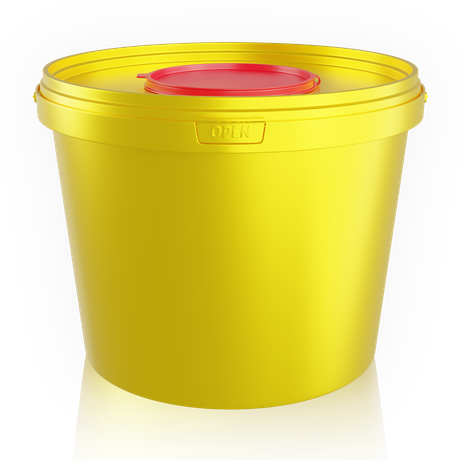
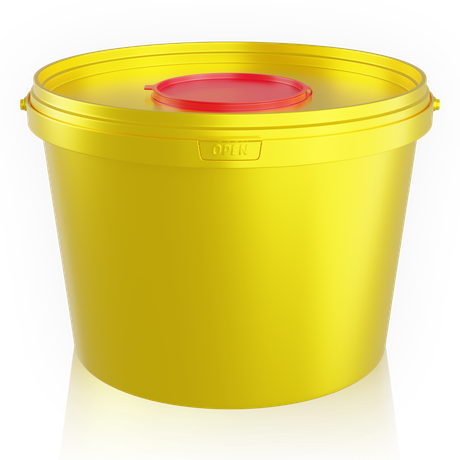
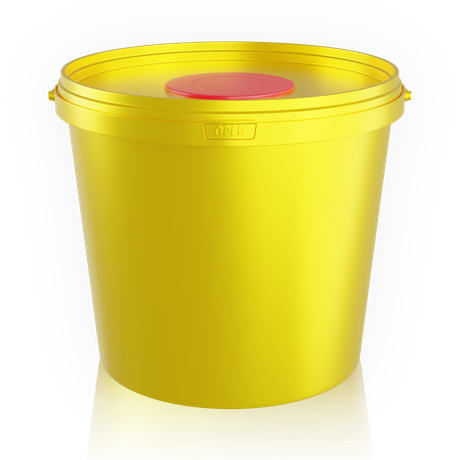
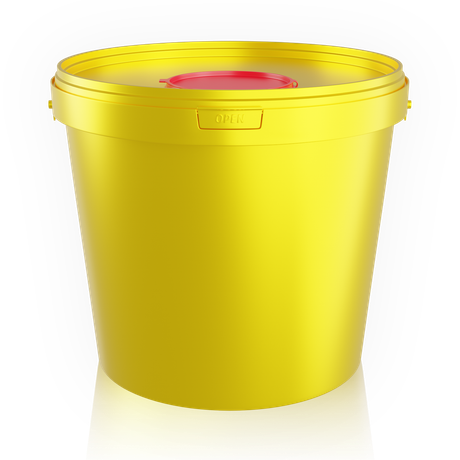
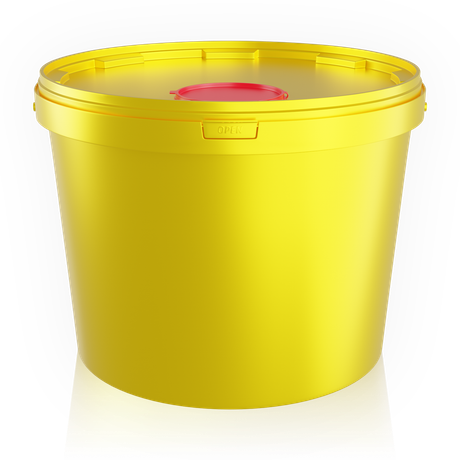
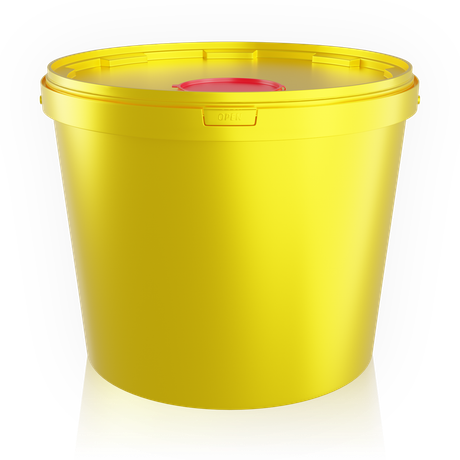
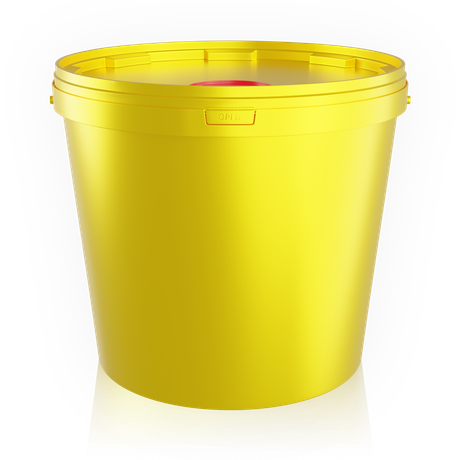
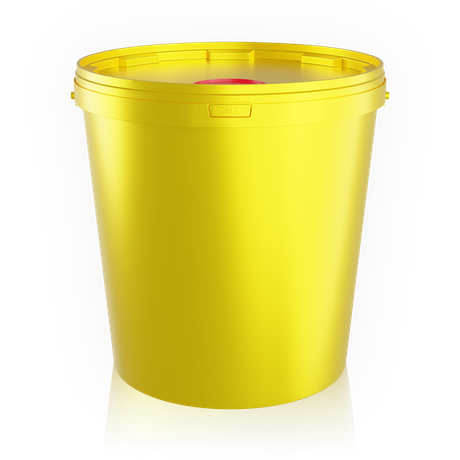
Yellow and red buckets for hospitals, mine first-aid stations, and mobile medics.
Packaging at the same scale: body width and height from the factory's product cards
Counter · PKS560
560 ml plastic bucket
Kaymak (clotted cream) and butter from steppe farms for Zhezkazgan stores.
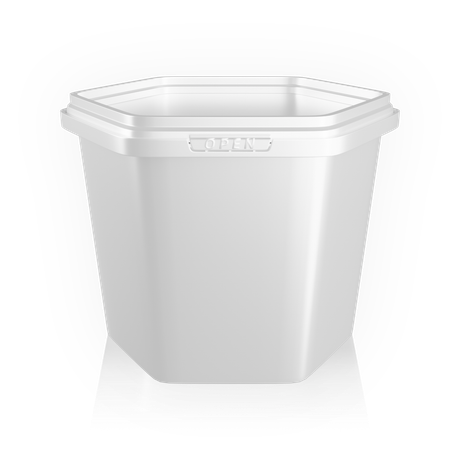
Zhent and talkan, traditional roasted-millet treats served with tea, for tourist shops near the Ulytau Mountains: a 250 ml hexagonal container with no handle, 13 g empty.
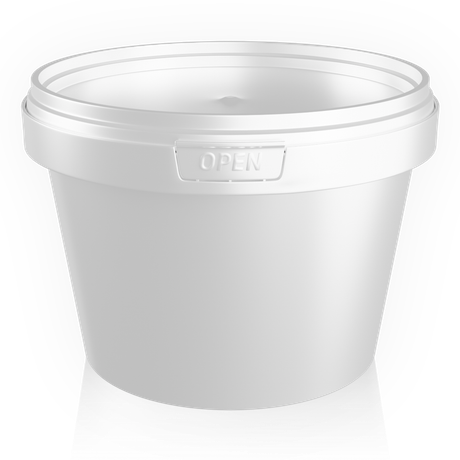
Irimshik and suzbe (dried cheese and strained yogurt cheese) from home cooks in Zhanaarka District for the town market: the round 550 ml container weighs 18.8 g.
Karazhal hospital: the on-call surgical team collects Class B waste (by Kyrgyz sanitary classification) in an 11.5 L bucket; a pallet holds 816 of them.
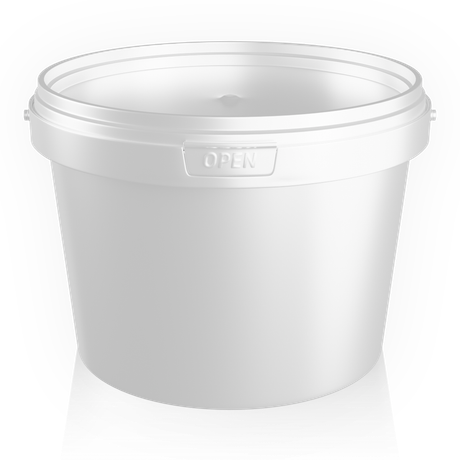
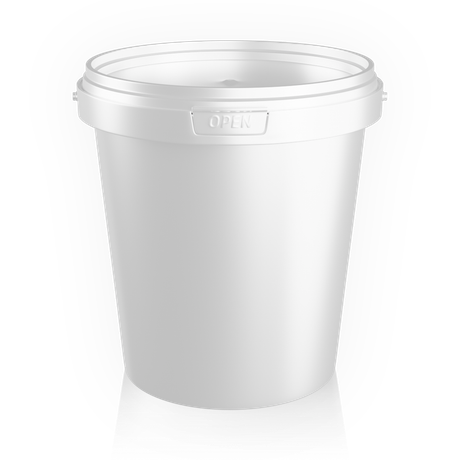
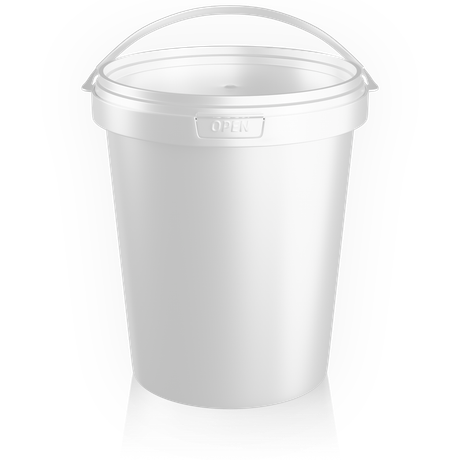
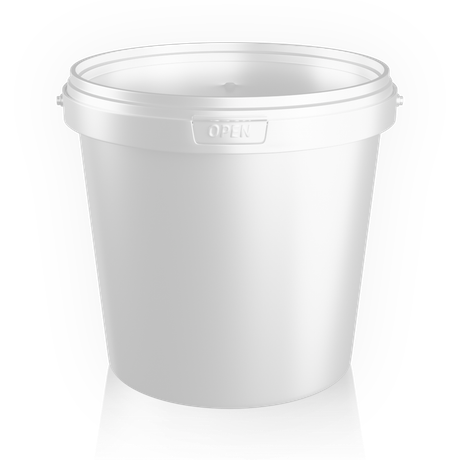
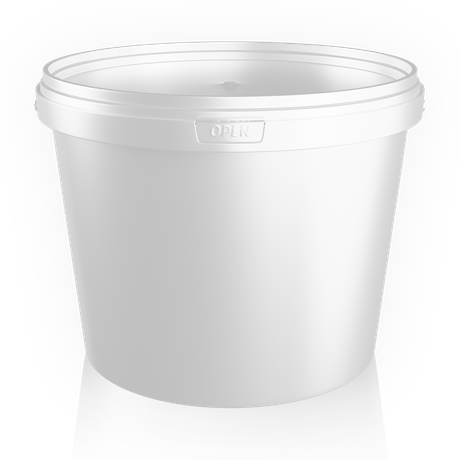
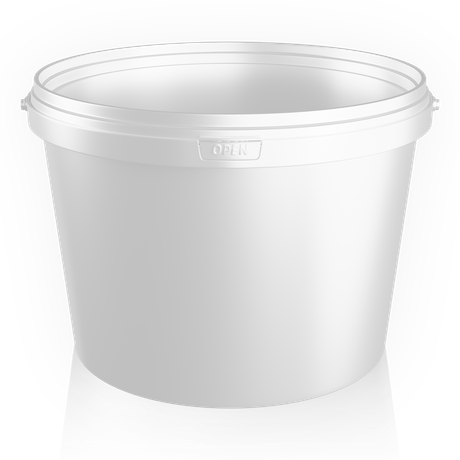
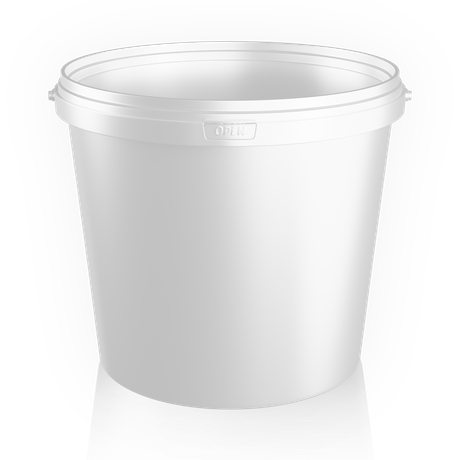
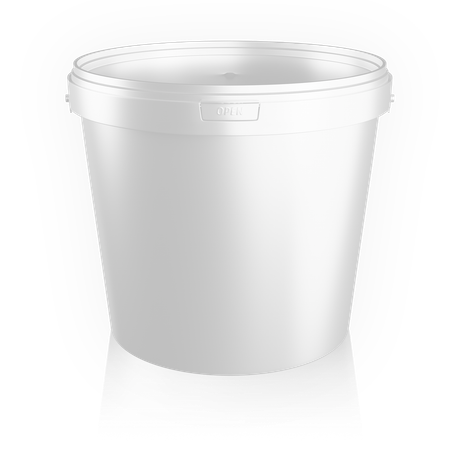
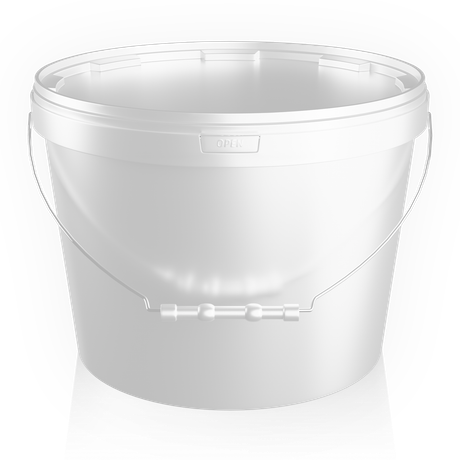
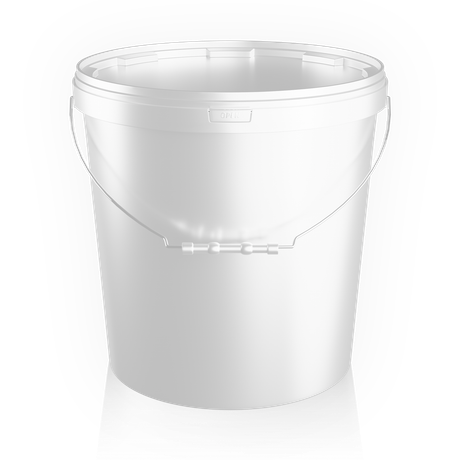
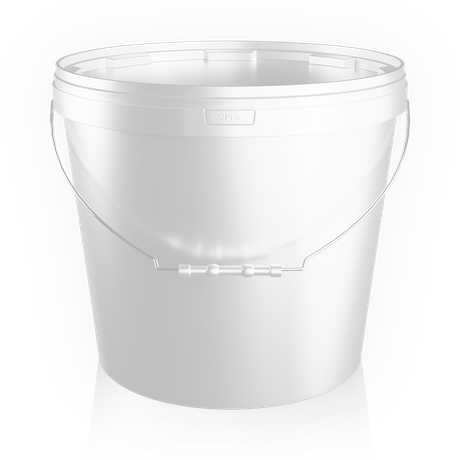
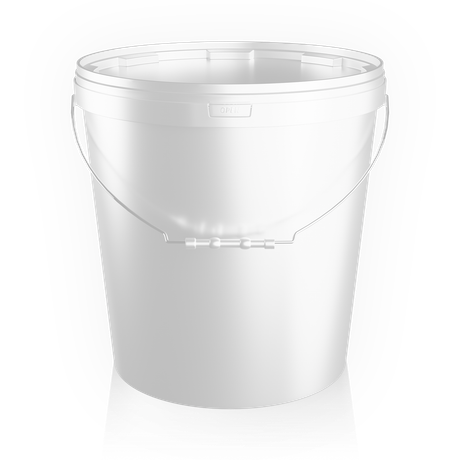
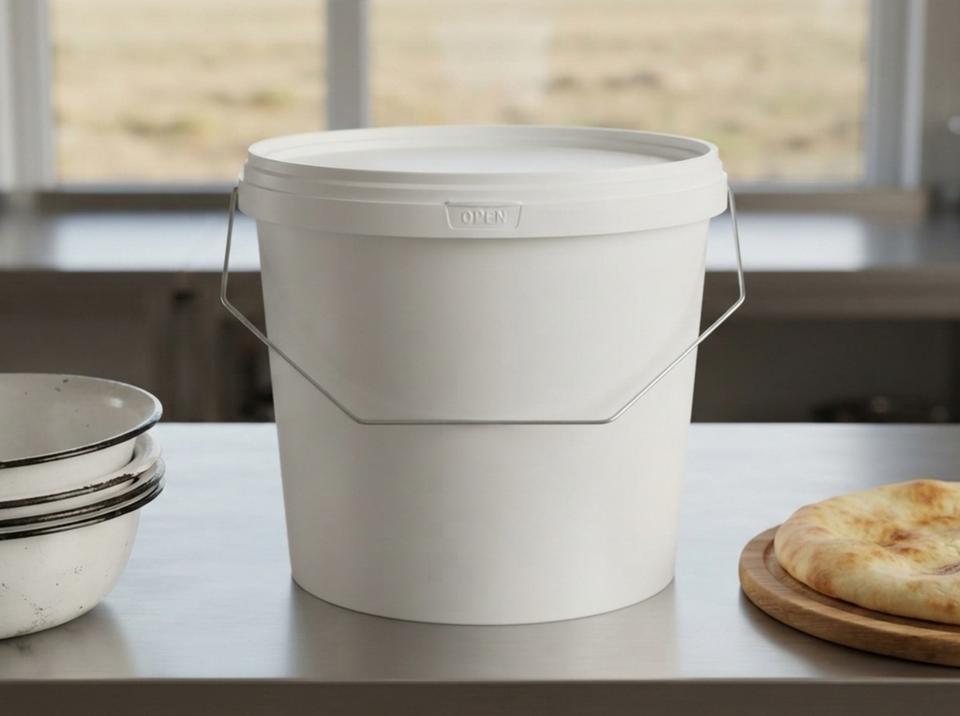
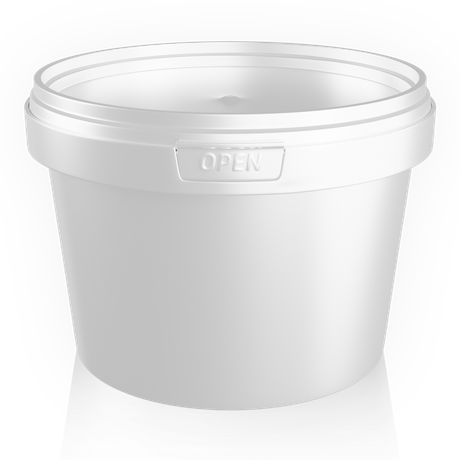
Empty buckets of the same size nest inside each other, so a stock of them takes up only a few shelves in the supply warehouse. Every bucket has a flat lid with an OPEN tamper-evident tear strip that shows the bucket hasn't been opened since filling.
Material and packaging
Which bucketfor which material in Ulytau
For a mining company's purchasing manager or a winter camp owner, the easiest place to start is the material. Thick materials get scooped out with a spatula, so they need a wide opening; dry goods stay under a tight lid; and market products need to be visible to shoppers. Each row lists the handle, because on the steppe and at mine sites, buckets often have to be carried a long way.
The first four rows are workhorse packaging for companies: it gets opened every day, carried around the site, and washed. The bottom three are for the steppe and the market, where dry feed and a good-looking product on the counter matter most. You can order both groups in one shipment.
The region's economy runs on copper, and life around it runs on supply, kitchens, and livestock. Ulytau's four buyer groups choose buckets for different reasons: some for the handle, some for the lid, and some for how they look on the counter.
Work camp kitchen3.8 L: about 3.8 kg of sour cream
Mines and plants
Mechanics' departments, painters, and cleaners buy packaging in large sizes: grease goes in 5.6 and 21 L buckets, enamel paint in 21 L, and cleaning pastes in 15 L. The wide opening lets you work with a spatula or roller right in the bucket, without transferring the material.
Work camp kitchens
Mining settlements feed people in shifts, and the kitchen needs a week's supply on hand. Pickles arrive in 5.6 and 18 L buckets, and sour cream and cottage cheese in 3 and 3.8 L. The lid comes off only while food is being served and goes right back on, so steppe dust stays out of the food.
Steppe livestock
Sheep, horses, and cattle winter at steppe camps, where feed has to stay dry. Premixes and mineral supplements are kept in 11.5 and 21 L buckets with lids, and the bail handle with plastic grip is a big help when carrying a bucket from the storehouse to the feeder in the wind.
Zhezkazgan and Satbayev markets
Kurt, kaymak, honey, and homemade pickles are sold at markets and neighborhood stores. The 560 ml, 850 ml, and 1 L sizes work well on the counter: these low buckets line up in rows, and the clear body shows the product while the lid stays on.
Number of pallets
Shipment estimatefor Ulytau
Choose a size and enter the number of buckets, and the calculator shows the pallets. Example from a chief mechanic's department: a year's supply of grease takes 2,500 of the 5.6 L buckets, which is two pallets. A farm that needs 900 of the 11.5 L buckets for premixes before winter will also need two pallets, since one holds 816.
Item
BucketsContainersJerry cansMedical buckets
How many pieces you need
pcs
The number of pallets is always rounded up, since we ship full pallets only.
Buckets for a company and for a farm can travel on one truck.
Jerry cans have their own pallet count in the calculator, since they don't nest.
How to order
From your requestto unloading in Zhezkazgan
We sell buckets direct from the factory in orders of one pallet or more. The steps are the same for a mine's purchasing department and a steppe farm.
1
Item list
Send us a list: material or product, bucket size, quantity, and town. For tender departments, it helps to attach the annual requirement right away.
2
Quote
Your sales manager will confirm the sizes and handles, convert units into pallets, and send you the order price including freight to Zhezkazgan or Satbayev.
3
Packed at the factory
Pallets are put together at our factory warehouse in the Bishkek Free Economic Zone (FEZ). Runs with your logo go into molding once the artwork is approved.
4
On the road to Kazakhstan
A freight carrier picks up the cargo, the shipment is processed within the EAEU, and the shipping documents travel with the pallets.
HTI factory warehouse · Ak-ChiyFreight carrier, within the EAEU
HTI factory warehouse · Ak-ChiyFreight carrier, within the EAEU
Zhezkazgan and Satbayev orders ship from one place: the HTI plant in Ak-Chiy village, Bishkek FEZ. A freight carrier handles the road to central Kazakhstan, the paperwork is done as a shipment within the EAEU, and your sales manager includes the freight cost and arrival time in your order estimate. HTI has no office or warehouse in the region: each order is packed at the plant.
A company with its own trucks can pick up the pallets from the plant itself. If buckets are needed by a mine department, a contractor, and a canteen, it's easy to combine them into one order and load a single truck.
Farms should order feed buckets early, before the livestock moves to winter camps, and work camp kitchens should order on a quarterly plan. That way, your order in the right sizes comes together without a rush.
Ulytau Region
Nearbyand across the country
Where we ship
The links lead to city pages with packaging picks for their local industries.
At the mine and out on the steppe, packaging takes more punishment than in a city store. Here's what Ulytau buyers value most in the design of an HTI bucket.
Lid seated in a double rim
The lid seats into the double rim all the way around, keeping grease, paste, or feed safe from the dust that blows across the steppe year-round.
Bail handle with plastic grip
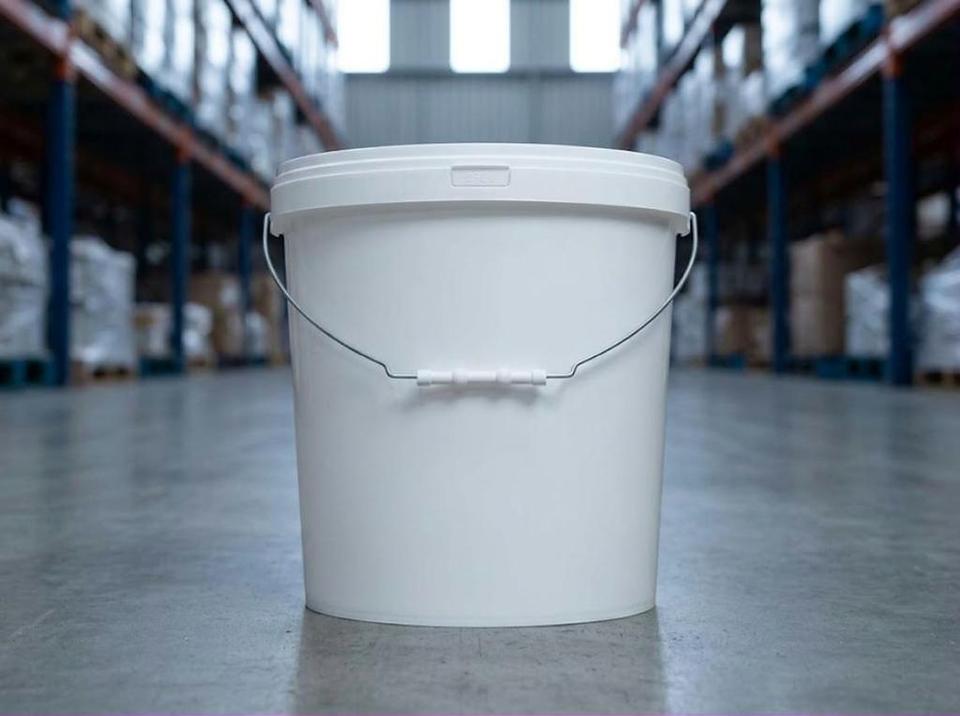
On buckets from 8 L up, the metal bail handle has a plastic grip tube that turns in your palm and won't dig in under the weight.
OPEN seal
As long as the tear strip under the rim is intact, the bucket hasn't been opened. The storekeeper can see that without removing the lid.
Your department or farm name
A label works for a trial order, while in-mold labeling (IML) fuses the design into the wall during molding, so the lettering won't wash off.
Questions and answers
Frequently asked questionsfrom buyers in Zhezkazgan and Satbayev
Didn't find your answer?A sales manager replies Mon-Fri, 9:00 AM-5:00 PM, Bishkek time
You buy direct, with no middlemen: HTI makes the buckets itself and sells them in orders of one pallet or more. To order, call +996 222 600 292, and our sales manager will ask about your material or product and suggest sizes.
Your sales manager calculates it for your specific order, based on sizes, quantity, handle type, body color, and printing. Freight to your town is included in the same estimate.
The exact timing depends on the carrier's schedule and the route, so your sales manager confirms it, along with the freight cost, when you place your order. Buckets travel by the pallet, and the shipment is processed within the EAEU.
No, there's no warehouse in the region. Every order ships from our plant in Ak-Chiy village, Bishkek FEZ.
The lid seats into a double rim and keeps dust out, and buckets from 8 L up have a metal bail handle with a plastic grip. If your grease or paste has an unusual formula, test its compatibility with polypropylene on a trial order.
Kurt works well in the 850 ml and 1 L buckets, and kaymak in the 560 ml. For a detailed breakdown, see our buckets for kurt and cheese page.
Yes, different sizes are combined into one shipment, each size on its own pallet. Your sales manager will work out the total number of pallets right away.
Yes, with a label or IML. That way, different departments' buckets don't get mixed up in the warehouse, and shoppers recognize your farm's product at the market.
Catalog
HTI bucketsfor the Ulytau Region
The catalog has dimensions, weights, and photos for every bucket. The regional capital has its own page on packaging for Zhezkazgan, the second copper town has one on buckets in Satbayev, and the neighboring coal country is covered on the Karaganda Region page.
Tell us what you'll store or sell, how many buckets you go through a month, and where to deliver. Our sales manager will pick the sizes and work out the pallets.