Want to learn more about our packaging or find the right fit for your business? Request a callback, and our specialist will call you at a time that suits you. Tell us about your product, and we'll help you choose the best option.
Order a callback from a specialist
Want to learn more about our solutions or find the perfect solution for your business? Leave a request for a callback and our specialist will contact you at a convenient time. Together we will find the optimal solution to make your business thrive!
Request a callback from our HR team
Interested in our openings and career opportunities? Leave your contact details and our HR team will get back to you shortly. We'll answer your questions and explain how to join the HTI Group team.
Order a callback from a specialist
Would you like to learn more about our job openings and career opportunities? Leave your contact information, and our HR department will get in touch with you shortly. We will answer all your questions and provide detailed information on how to become part of the HTI Group team.
Mon-Fri, 9:00 AM-5:00 PM · Factory in the Bishkek Free Economic Zone, Ak-Chiy village
Oral (Uralsk) and Aksai
Plastic bucketsin the West Kazakhstan Region
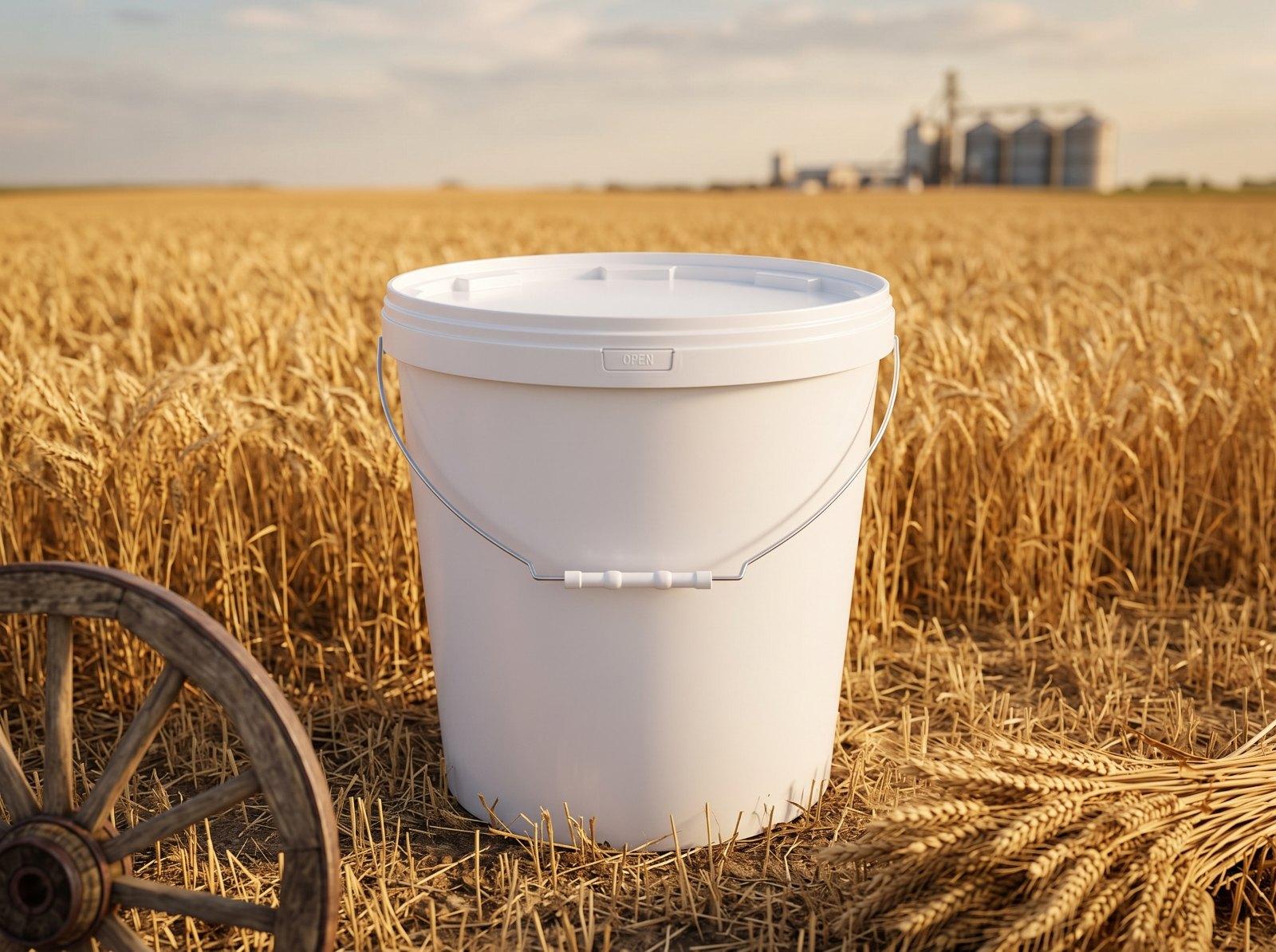
West Kazakhstan Region means wheat fields and pastures along the Ural River, dairy and livestock farms, and the gas condensate district around Aksai. That drives demand for buckets in every size: for butter and kurt, bakery fillings, feed and premixes, grease, and construction mastic. The HTI plant makes food-grade buckets from 560 ml to 21 L and ships them to the region by the pallet.
The showcase covers every size we make, from 560 ml to 21 L. Under each one is what farms, bakeries, markets, and service companies in West Kazakhstan Region pack or store in it. Each card links to the bucket's page with dimensions.
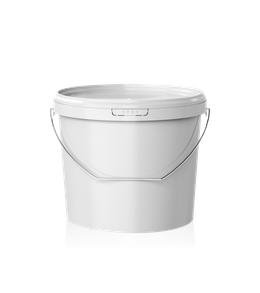
Dairy, mushrooms, and sweets for Oral's market stalls.
Bakeries, delis, and home preserves.
Farms, smallholdings, service companies, and construction around Aksai.
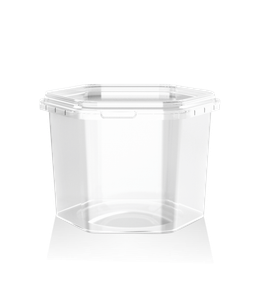
Containers for Oral delis, village fairs, and work camp canteens.
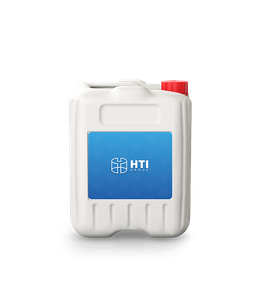
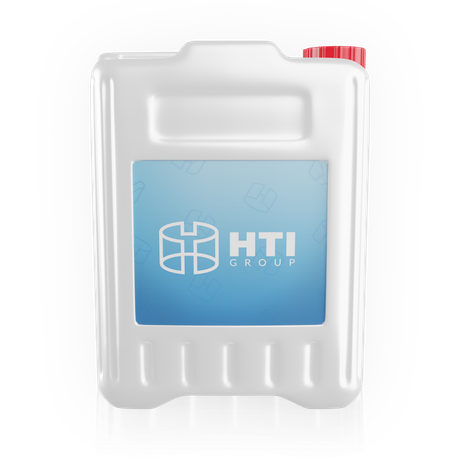
Jerry cans for farm cleaning products and for drinking water at field camps.
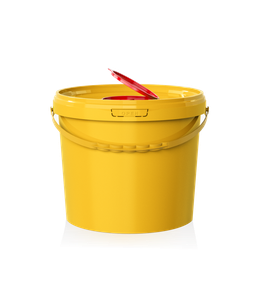
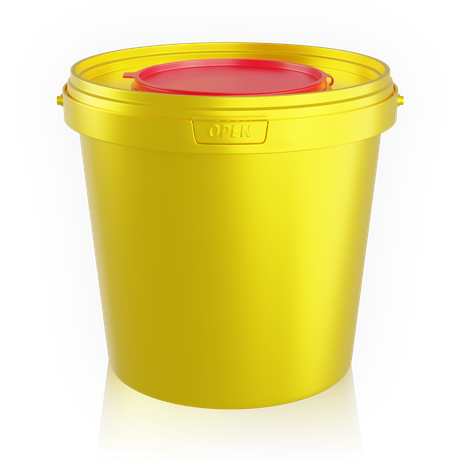
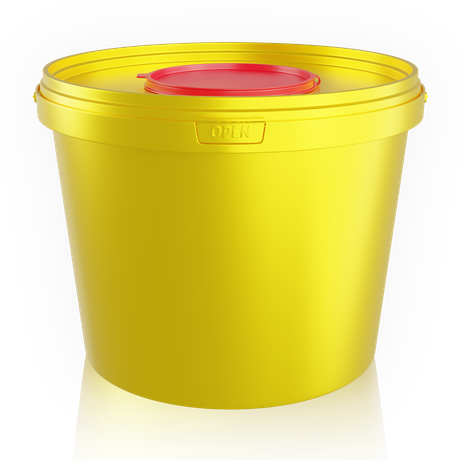
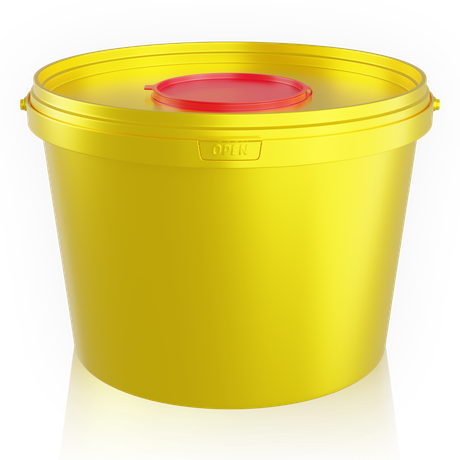
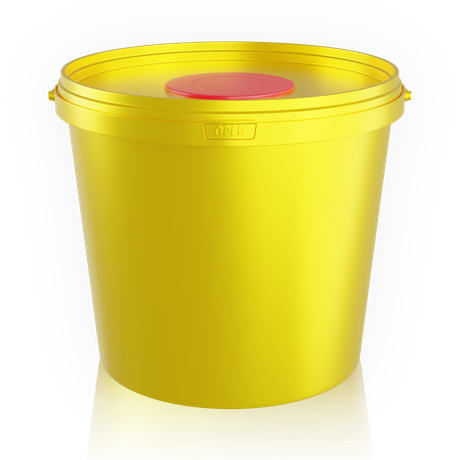
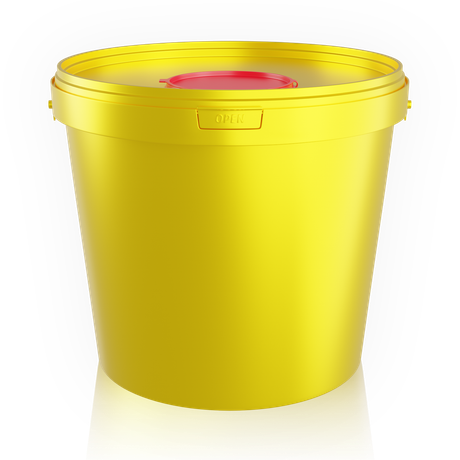
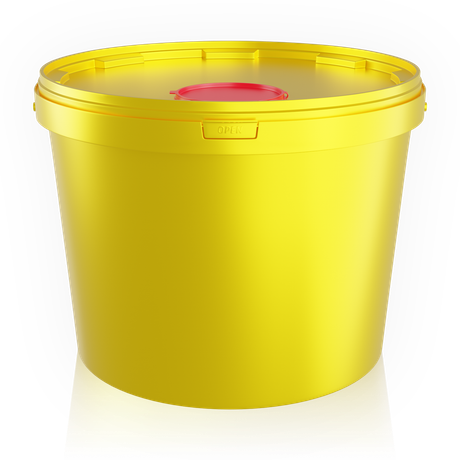
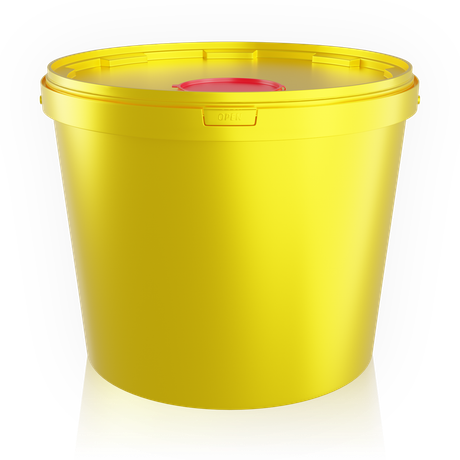
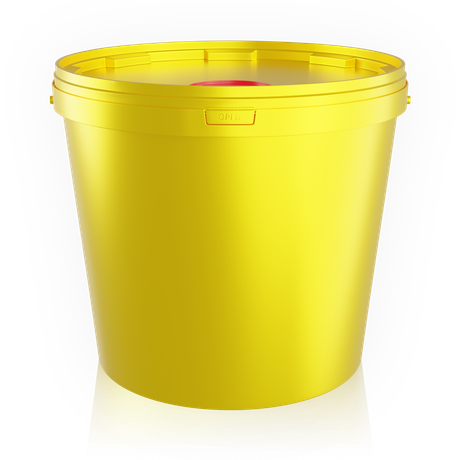
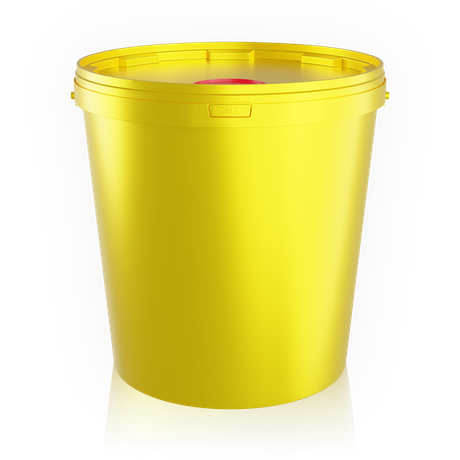
Yellow (Class B) and red (Class C) buckets, by Kyrgyz sanitary classification, for hospitals in Oral, district hospitals, and work camp first-aid stations.
Packaging at the same scale: body width and height from the factory's product cards
Small · PKS560
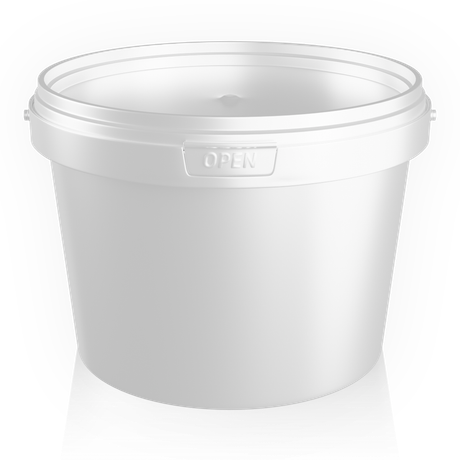
560 ml plastic bucket
Kurt and curd cheese from Ural River area farms for Oral's market stalls: the low bucket stands steady in a row.
First-aid station at a work camp near Aksai: blood pressure and temperature are checked before each shift, and cotton wool and tongue depressors go into a yellow 2.3 L bucket with a plastic handle.
Harvest season in the grain districts: a machine operator with a cut is taken to the district hospital, the bandages go into a yellow 5.6 L bucket, and the injection needle into the valve.
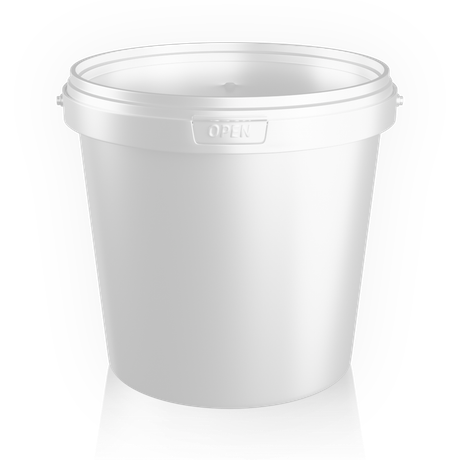
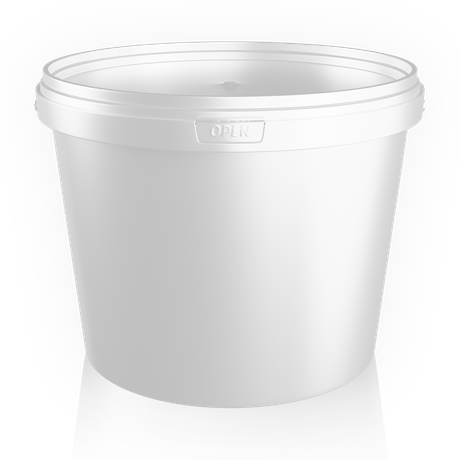
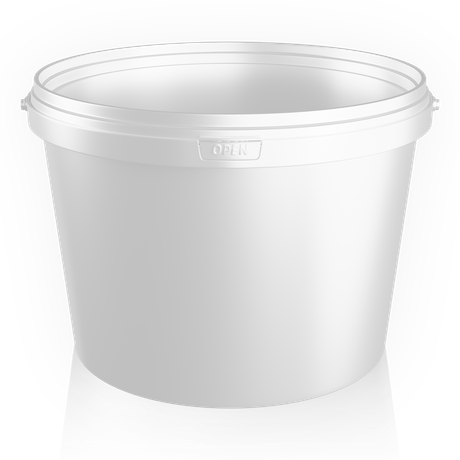
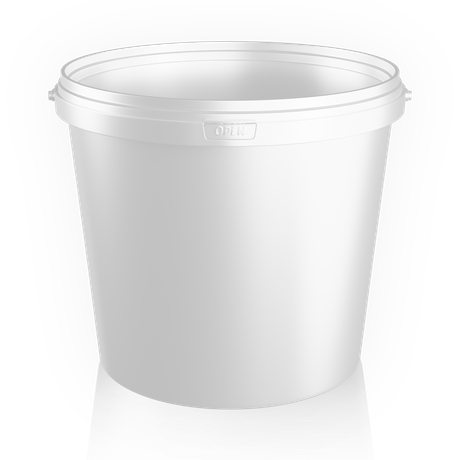
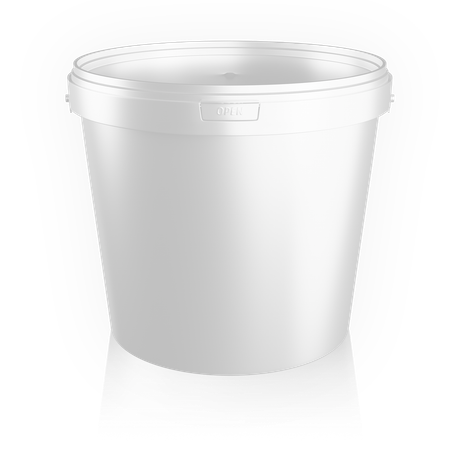
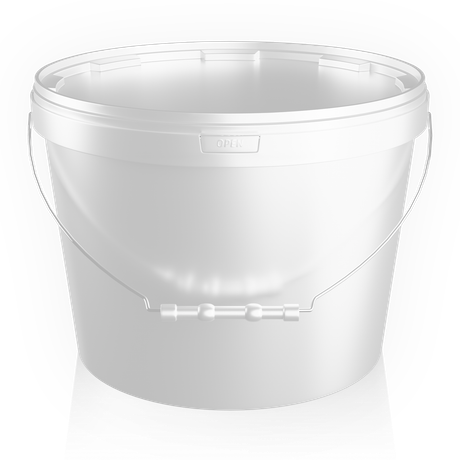
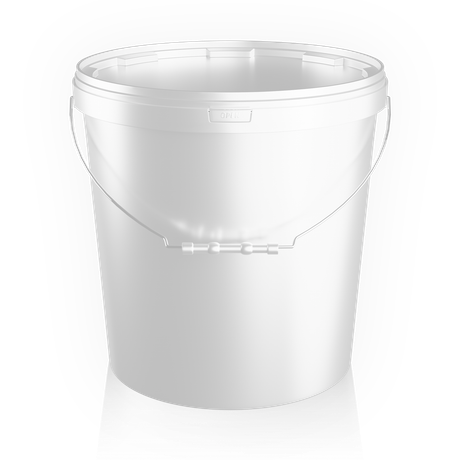
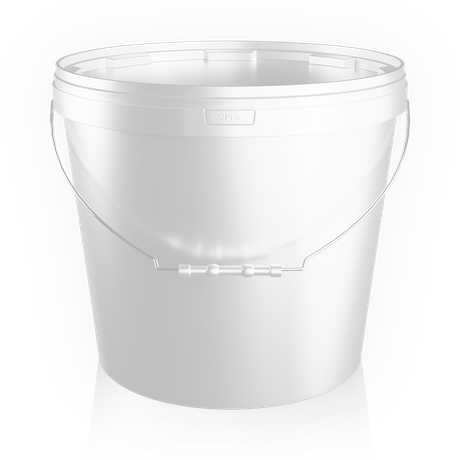
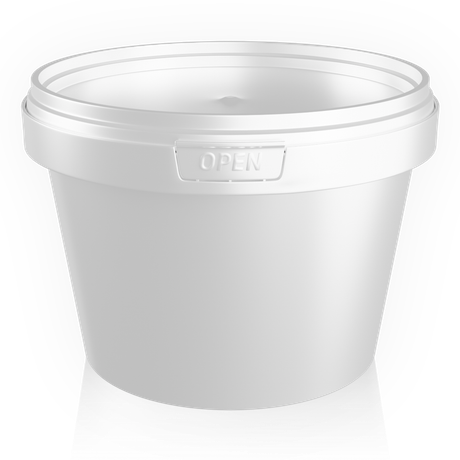
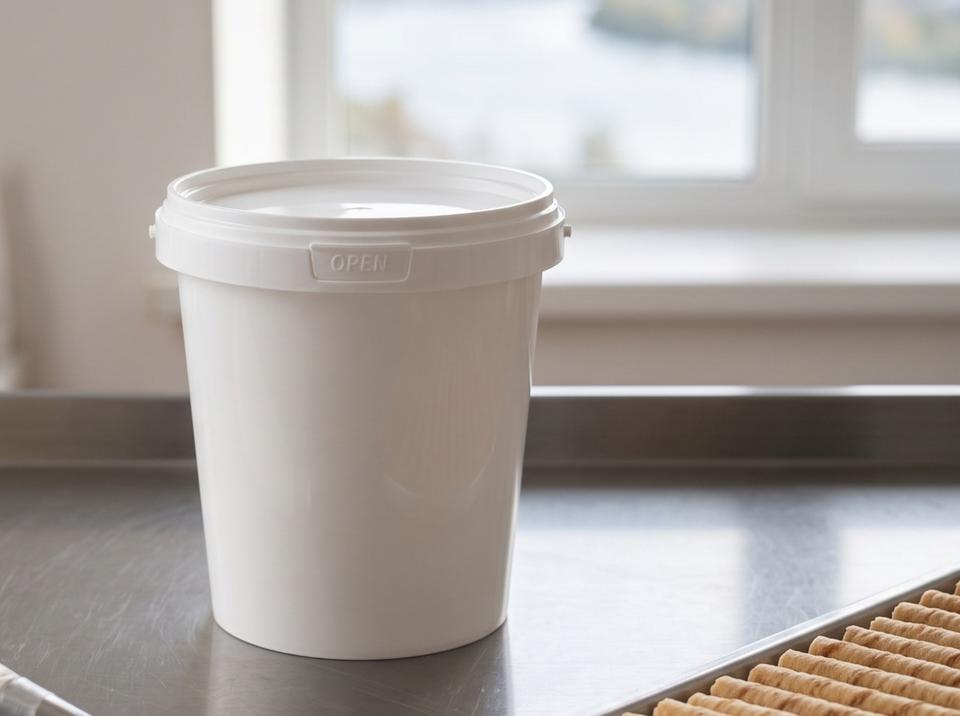
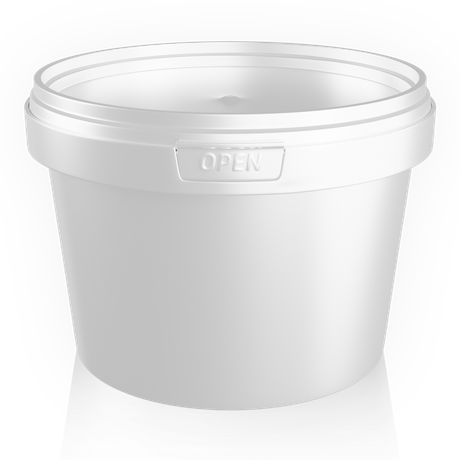
All the buckets are tapered: empties nest inside each other, so a pallet holds hundreds or thousands of them. The flat lid seats into the double rim, and under the rim there's an OPEN tamper-evident tear strip that shows whether the bucket has been opened.
Ural River area products
Butter, fillings, feed:which bucket for which product
Farms, bakeries, and service companies in the region buy buckets for their own products, and their first choice of size is almost always the same. The table shows that choice and the number of buckets per pallet.
The three small sizes in the table, 560, 850, and 900 ml, fit 7,200 to a pallet. So one pallet lasts a pastry shop or cheese maker a long time, while a farm buying premixes or a site using mastic needs to plan pallets by season.
The region's economy runs on grain, livestock, and gas condensate, and Oral brings it all together in its markets and bakeries. Below are four typical bucket buyers and what they choose. Each has a top priority: a bakery needs an opening that fits a spatula, a farm needs a sturdy bail handle, a market needs the product to look good, and a service company needs a lid that keeps dust out.
Village bakery3 L: 200 mm opening for a knife or spatula
Grain and bakeries
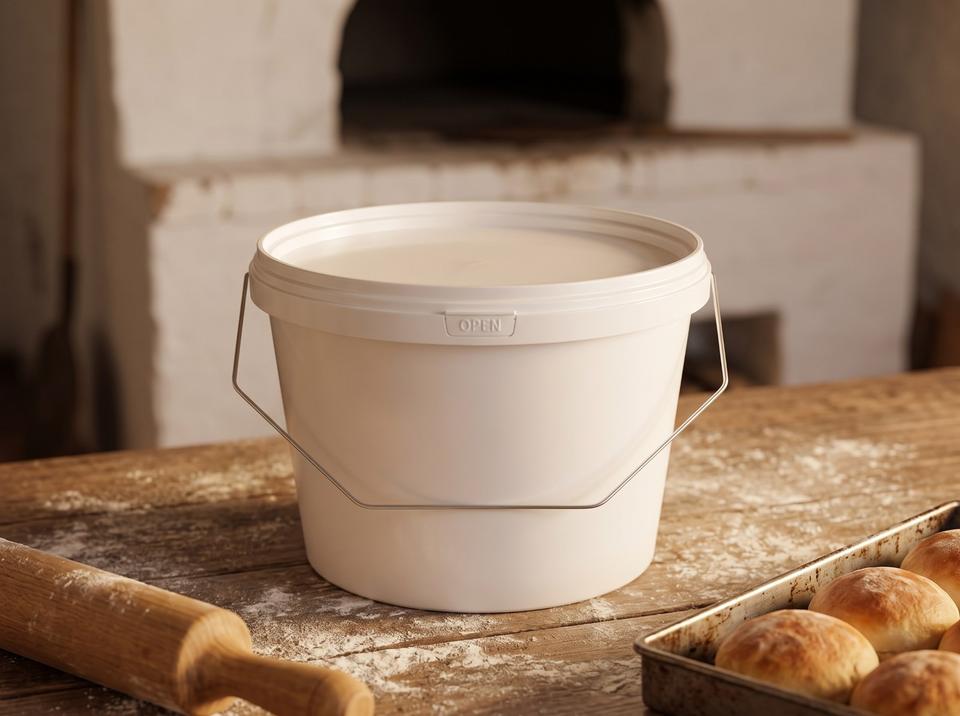
The region's wheat becomes flour, and the flour becomes bread, pirozhki, and pastries. Bakeries need buckets for fillings, fruit butter, and dairy butter: 3 and 3.8 L with a 200 mm opening that easily fits a pastry spatula.
Dairy and meat
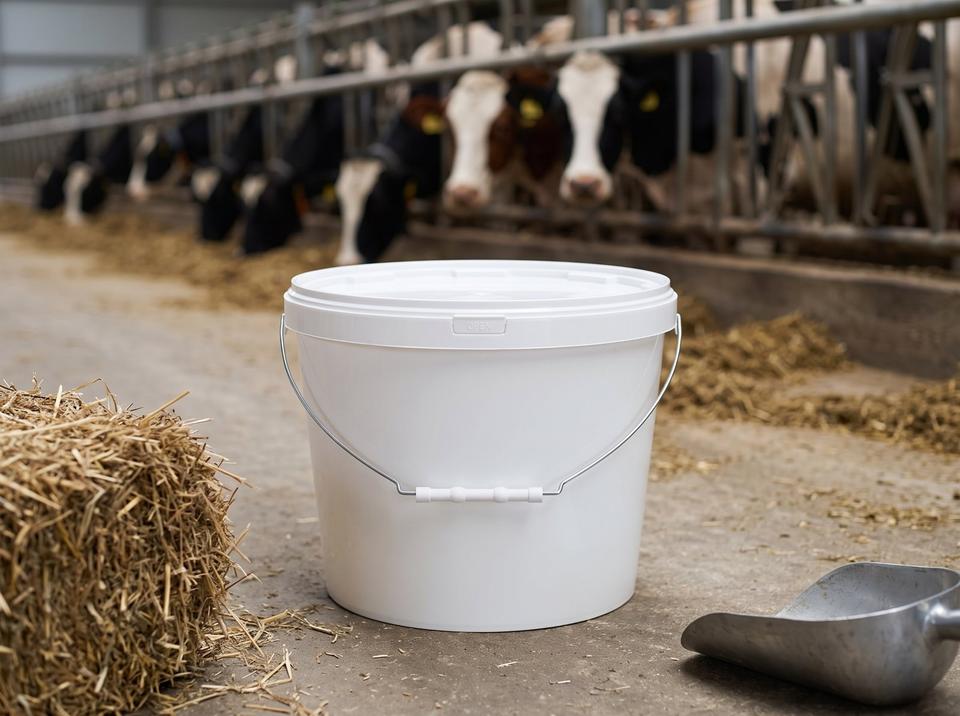
Ural River area farms sell cottage cheese, kurt, sour cream, and butter. For the market stall they take 560 ml and 1 L buckets, for cafes the 3 L, and premixes and salt for the herd itself are kept in 11.5 L buckets with a tight-fitting lid.
Aksai gas condensate
Around Aksai, you'll find oilfield service companies, work camps, and construction sites. Grease is packed in 15 L buckets, mastic and waterproofing in 18 L buckets with a 332 mm opening, and canteens need mid-size buckets for sauces.
Oral markets
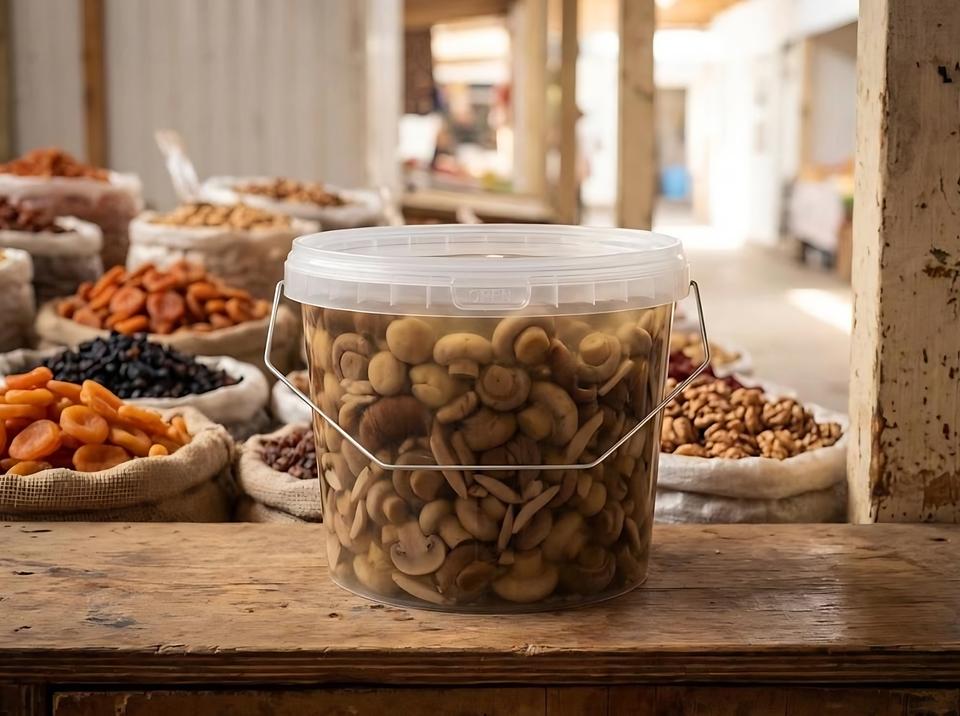
Markets in the regional capital sell mushrooms, condensed milk, kurt, and homemade preserves. A clear 900 ml bucket with a molded-in handle shows off the product, and the OPEN tear strip tells shoppers the bucket hasn't been opened.
Calculation
How many palletsa farm or plant needs
Choose a bucket and enter the quantity, and the calculator converts it into pallets. Example: a filling producer in Oral orders 3,000 of the 3.8 L buckets for the year, which is two pallets. A premix packer who needs 1,500 of the 11.5 L buckets will also need two pallets.
Item
BucketsContainersJerry cansMedical buckets
How many pieces you need
pcs
We always round up, since pallets aren't split.
Small and large buckets can go in one order.
Jerry cans are counted at their own per-pallet rate, since they don't nest.
How to buy
Buying directfrom the factory: four steps
We sell buckets direct from the factory in orders of one pallet or more. The process is the same for a farm near Shyngyrlau and a service company in Aksai.
1
Name your product
What goes in the bucket, the fill size, how many you need, and where to deliver. If you want a logo on the bucket, it's best to mention it up front.
2
Get a quote
Your sales manager picks the buckets and handles, works out the pallets, and quotes the price of the order with delivery to your town.
3
Production run
The plant assembles your pallets in the Bishkek Free Economic Zone (FEZ). If you need in-mold labeling (IML), the artwork is approved first, then the run is molded.
4
Receiving
The freight carrier delivers the pallets, with the shipment processed within the EAEU. You check the count and sign the documents.
HTI factory warehouse · Ak-ChiyFreight carrier, within the EAEU
HTI factory warehouse · Ak-ChiyFreight carrier, within the EAEU
Buckets ship from the HTI plant in Ak-Chiy village, Bishkek FEZ. A freight carrier takes the pallets, the shipment is processed within the EAEU, and your sales manager confirms delivery time and cost along with your order estimate. HTI has no warehouse in the region: every order is assembled at the plant.
For farms and bakeries, timing matters. Order buckets for butter and fillings before fall, when baking picks up, and feed packaging before the livestock move to winter housing.
Service companies and construction sites around Aksai find it easier to order to their work schedule. If you need both grease buckets and food-grade buckets for the canteen, they can go on one truck, each model on its own pallet.
Farms with their own truck can arrange pickup from the factory warehouse. Agree on the loading day with your sales manager in advance.
Western Kazakhstan
Nearbyand across the country
Where we ship
Oral and Aksai are highlighted as links: each has its own packaging guide page.
Choose the version based on where the bucket will end up: on a market stall, on a store shelf, or in a farm storeroom. Each model comes in white or clear polypropylene, with different handles, printed or plain.
Clear
Mushrooms, fruit butter, and kurt are visible through the wall. Shoppers at Oral's markets choose with their eyes, and the vendor doesn't have to open the lid.
White
For stores and bakeries: a white body for a label with ingredients and date. The text reads clearly, and the product doesn't show through.
Metal bail handle
For feed, grease, and mastic, buyers choose buckets with a metal bail handle and plastic grip, since they're carried full, many at a time.
IML with your farm name
The image is fused into the wall during molding and holds up to washing. A good fit for farms that sell under their own name.
Questions and answers
Questionsfrom buyers along the Ural River
Didn't find your answer?A sales manager replies Mon-Fri, 9:00 AM-5:00 PM, Bishkek time
Directly from the HTI plant: buckets are sold in orders of one pallet or more and shipped to Oral, Aksai, and the districts. Call +996 222 600 292 or request a callback.
Your sales manager prices each order based on size, quantity, handle, body color, and printing, and includes delivery in the same quote.
By the pallet from our plant in the Bishkek FEZ via a freight carrier, with the shipment processed within the EAEU. Your sales manager confirms delivery time and cost when you place the order.
No. All orders are assembled and shipped from the plant in Ak-Chiy village. If you prefer, you can pick up the pallets yourself.
For bakeries and cafes, the 3 L with a 200 mm opening; for retail, the 560 ml or 1 L. More on our butter buckets page.
Clear 900 ml or 2.3 L buckets work best, since the mushrooms show through the wall. For help choosing, see our mushroom buckets page.
Yes. For grease, buyers take 15 or 18 L; for mastic and waterproofing, 18 or 21 L with a 332 mm opening and a bail handle with plastic grip.
Yes, with a label or IML. A label is usual for a first order, and IML for repeat runs.
Catalog
Bucket catalogfor the West Kazakhstan Region
The catalog has dimensions, empty weight, and photos for every bucket. The region's cities have their own pages, Oral and Aksai, and for the neighboring region, see our Aktobe Region page.
Tell us your product, size, and town in the region. Our sales manager will pick the buckets and work out the pallets and delivery. If you have several products, list them all at once so you get a single estimate.