Want to learn more about our packaging or find the right fit for your business? Request a callback, and our specialist will call you at a time that suits you. Tell us about your product, and we'll help you choose the best option.
Order a callback from a specialist
Want to learn more about our solutions or find the perfect solution for your business? Leave a request for a callback and our specialist will contact you at a convenient time. Together we will find the optimal solution to make your business thrive!
Request a callback from our HR team
Interested in our openings and career opportunities? Leave your contact details and our HR team will get back to you shortly. We'll answer your questions and explain how to join the HTI Group team.
Order a callback from a specialist
Would you like to learn more about our job openings and career opportunities? Leave your contact information, and our HR department will get in touch with you shortly. We will answer all your questions and provide detailed information on how to become part of the HTI Group team.
Mon-Fri, 9:00 AM-5:00 PM · Factory in the Bishkek Free Economic Zone, Ak-Chiy village
Packaging for meat and dairy
Plastic bucketsand packaging in Semey
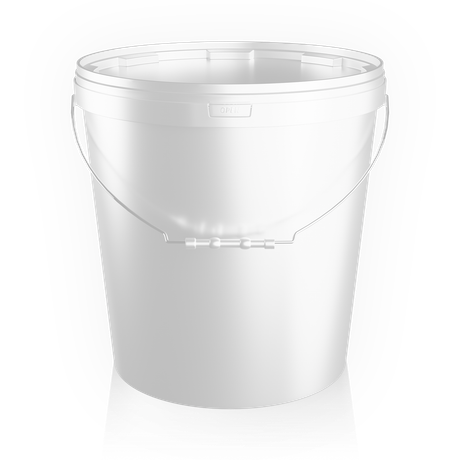
You can buy plastic buckets in Semey directly from the factory. Semey sits on the Irtysh River and since 2022 has been the administrative center of Abai Region, a land of steppe livestock farming. The city has long lived on meat and dairy processing, and its bazaars sell horse meat, kazy (horse-meat sausage), kurt, and irimshik. For these products, HTI makes buckets from 560 ml to 15 L, plus containers for cafes and delivery: molded in the Bishkek Free Economic Zone (FEZ), shipped to Semey by the pallet within the EAEU, with order estimates from a sales manager by phone.
Which sizesSemey's butchers and dairy producers need
A meat processor, a dairy farmer, and a shashlik cafe each need different packaging, even when they trade right across the street from each other. Each of the fourteen buckets lists an Abai Region product, who in Semey needs it, what handle it has, and how much it weighs empty.
Sour cream, kaymak, spices, and mustard for the counter.
Kurt, marinades, and prep for the shift.
Ground meat, pickles, feed, and renovation.
Containers for cafes, delis, and bazaar vendors.
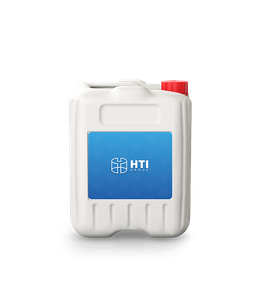
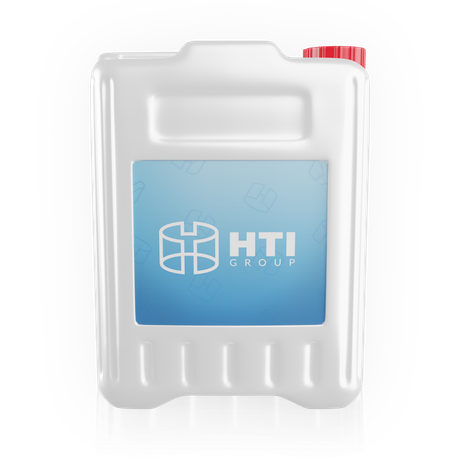
Jerry cans for brine, vinegar, and oil used by processors and canteens.
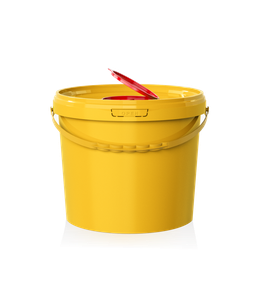
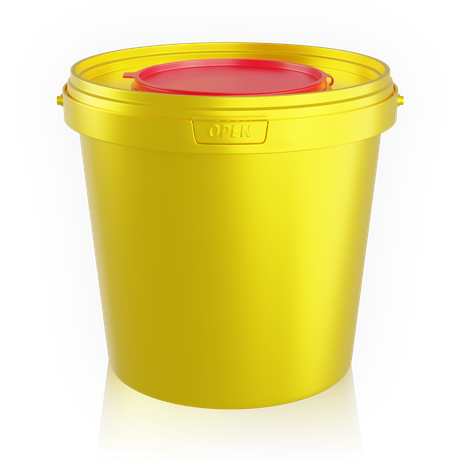
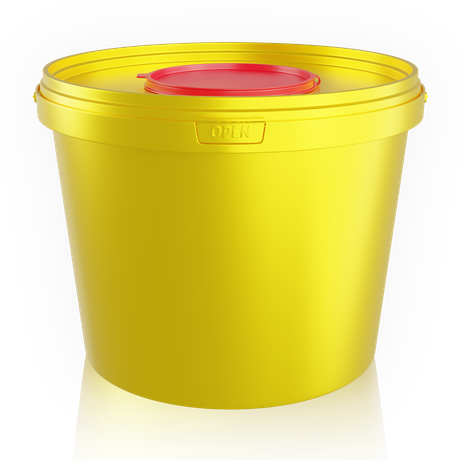
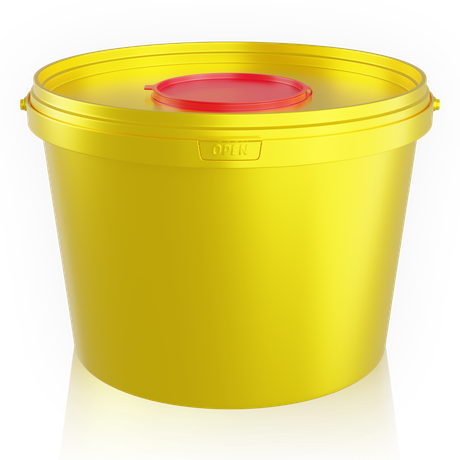
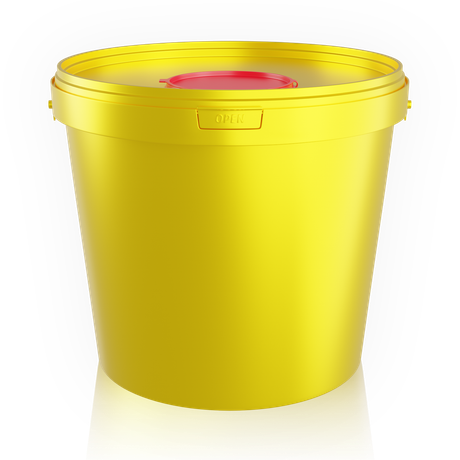
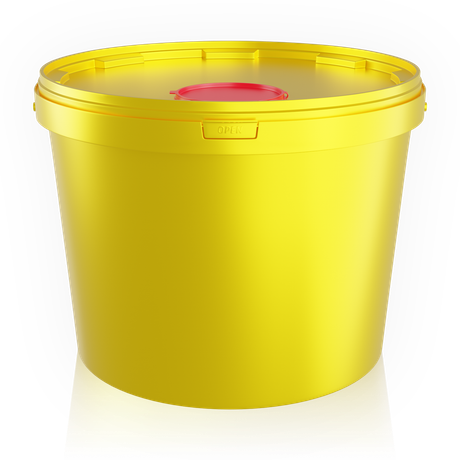
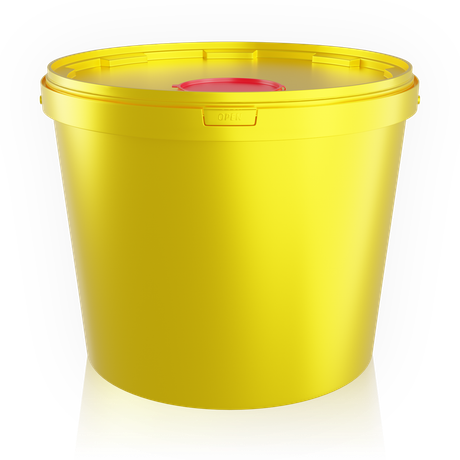
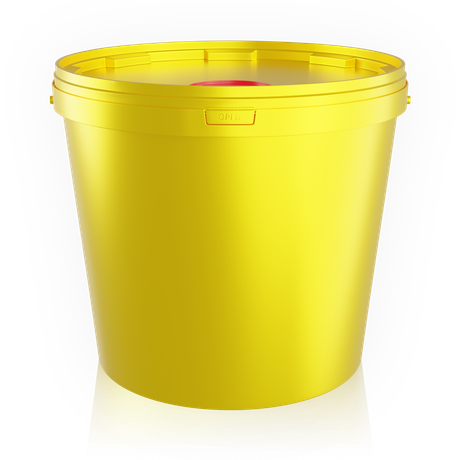
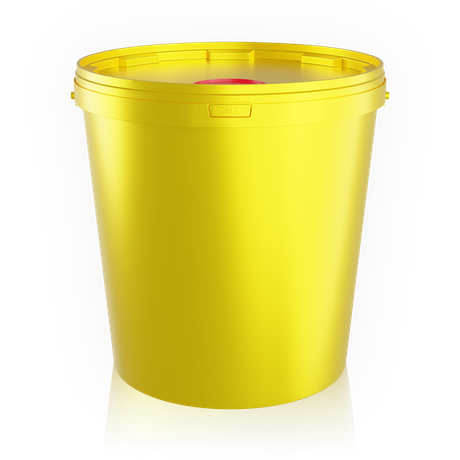
Yellow (Class B) and red (Class C) medical waste buckets (by Kyrgyz sanitary classification) for Semey's hospitals, clinics, and veterinary inspectors.
Packaging at the same scale: body width and height from the factory's product cards
Bazaar · PKS560
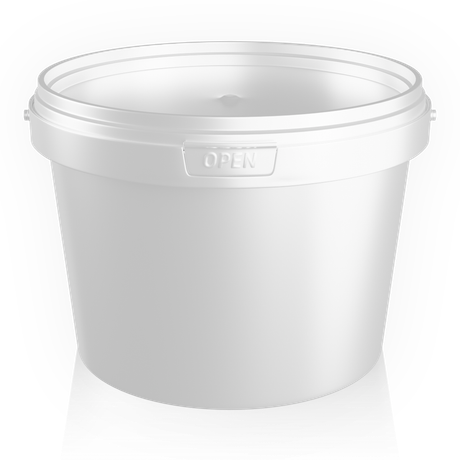
560 ml plastic bucket
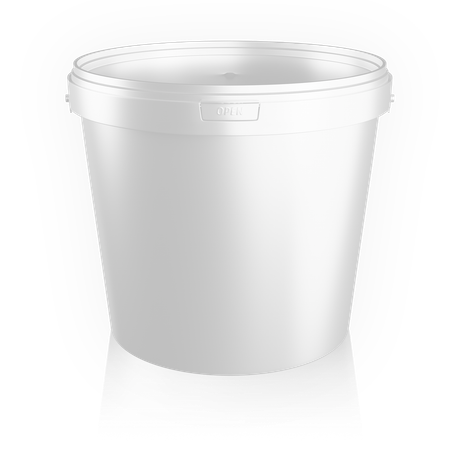
Sour cream and kaymak from dairies and farmers: no handle, just side lugs, 23 g empty.
Empty weight matters to anyone who sells by weight: the 560 ml bucket weighs just 23 g, so the customer pays almost nothing for the packaging. A shashlik cafe marinates one evening's worth of meat in 5.6 L, while ready-to-cook producers working in shifts choose 11.5 L. The containers in the table have no handles: they're for cafes that deliver ready meals around the city.
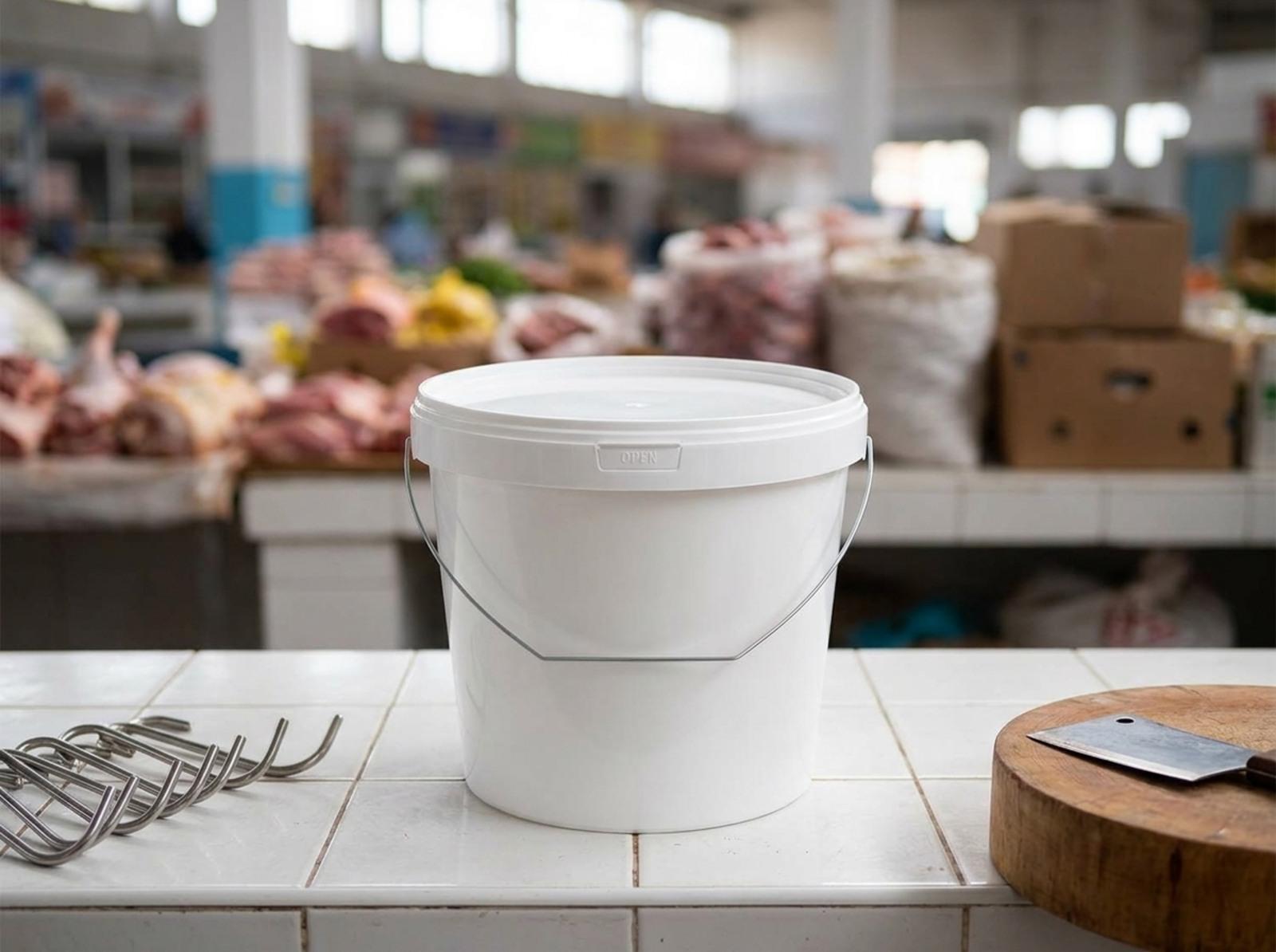
Shoppers judge meat and dairy by eye before they ever reach for their wallets. Here, packaging builds trust: a clean wall, an intact tamper-evident seal, and a lid that stays put in the truck. These are the four bucket features producers in Semey and across Abai Region ask about.
Ready-to-cook food production11.5 L: holds about 12.6 L to the brim
Marinade arrives without spills
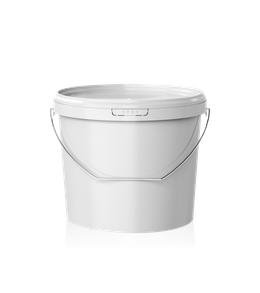
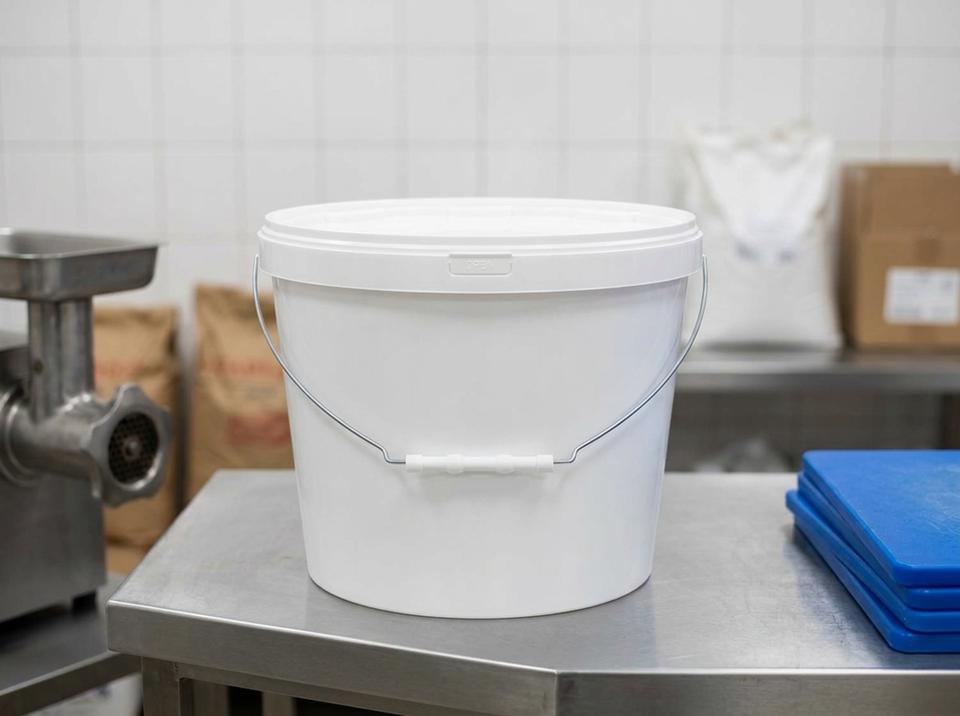
The lid snaps into the double rim all the way around, so a bucket of marinated meat rides safely in the truck from the processing shop to the cafe. The walls taper toward the base, so the cook can lift the pieces out whole for the grill instead of digging them out of corners.
Proof it hasn't been opened
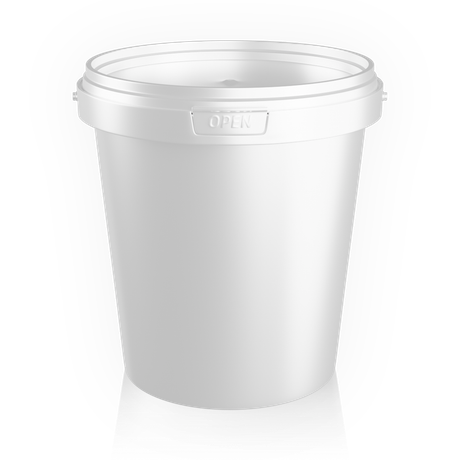
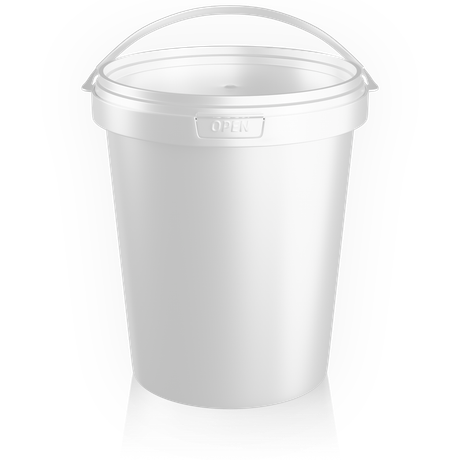
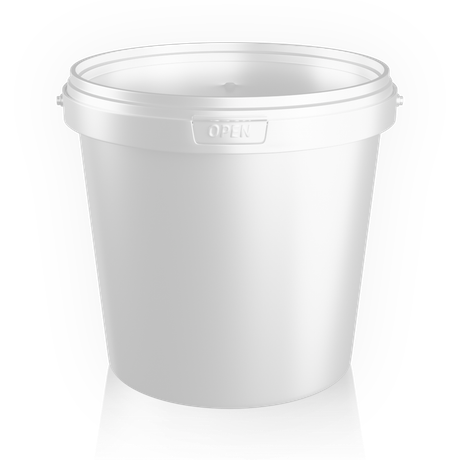
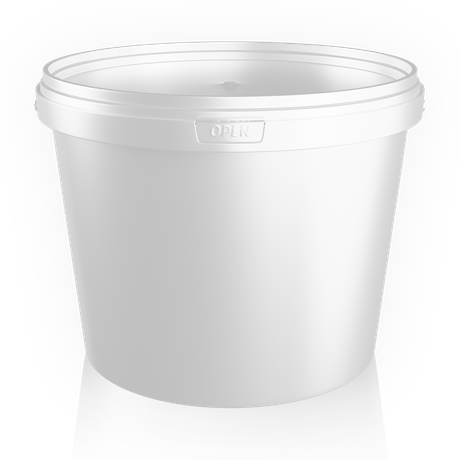
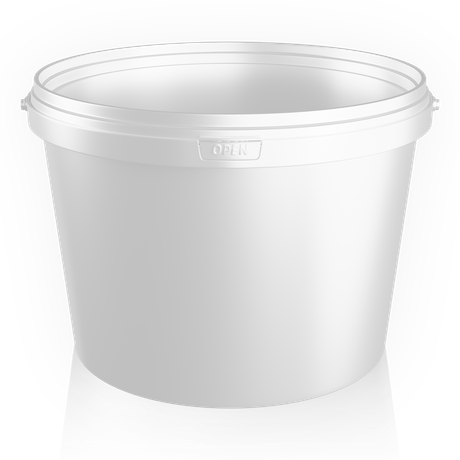
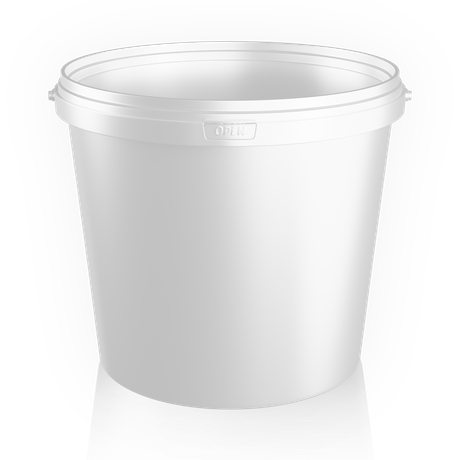
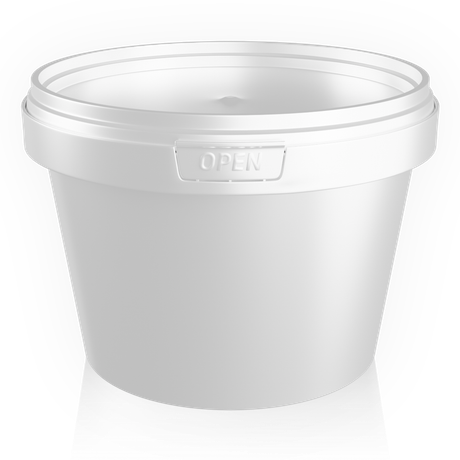
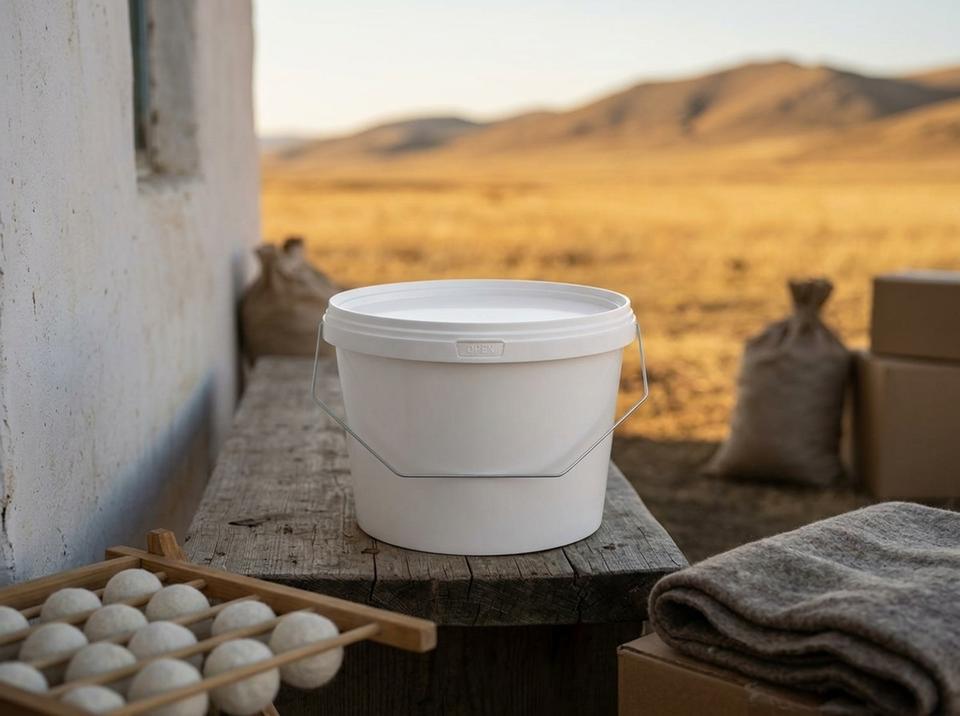
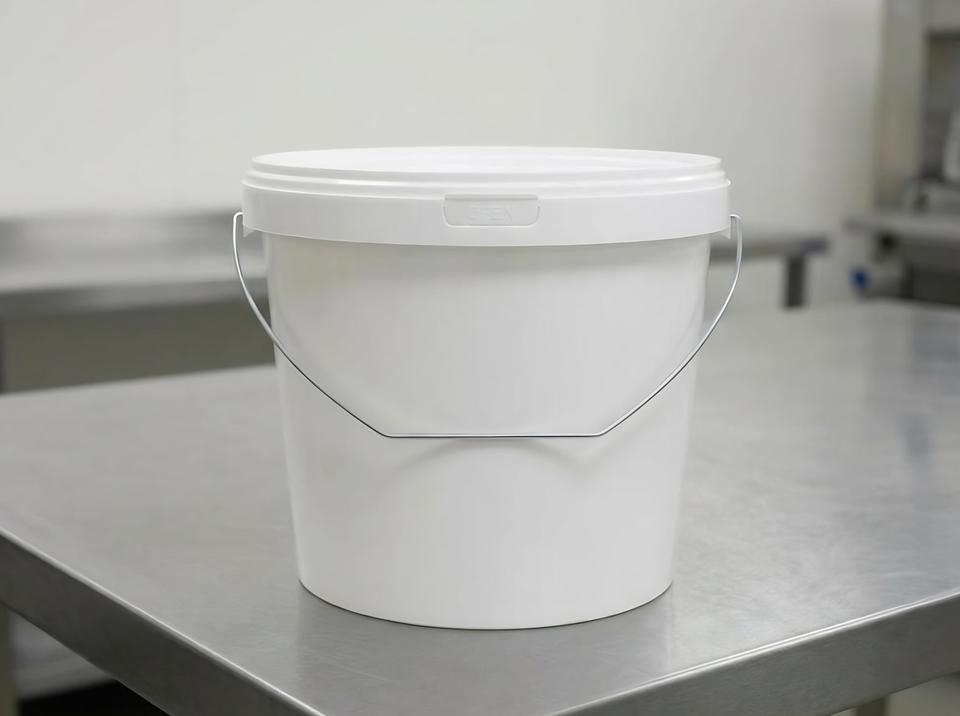
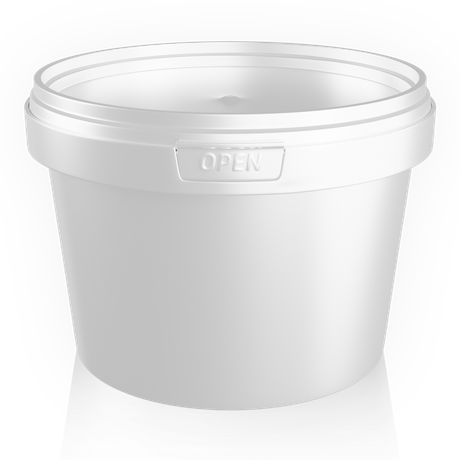
The tear strip embossed with OPEN under the lid rim is torn off only when the bucket is first opened. For sour cream and kaymak at the bazaar, that's simple proof the bucket left the producer sealed.
Lightweight packaging for selling by weight
At the market, kurt, irimshik, and sour cream are sold by weight, and every gram of packaging counts. The 560 ml bucket weighs 23 g, the one-liter bucket 36 g, and the three-liter bucket 95 g, so subtracting the tare on the scale is easy.
Your farm's name on the wall
The farm's name and phone number go on with a label or with in-mold labeling (IML), where the image is fused into the wall during molding. The design won't wash off, and shoppers remember who they bought their kaymak from and come back to the same stall.
Finder
From the market counterto the cafe kitchen
A small farm often sells in several places at once: at the bazaar, to neighborhood stores, and under contract to cafes. For that kind of distribution, it's easier to put together a lineup of several sizes that share the same lid design and tamper evidence than to source packaging from different suppliers.
Sour cream, kaymak, and cottage cheese by weight: 560 ml or 1 L, holding about 0.56 and 1 kg of sour cream.
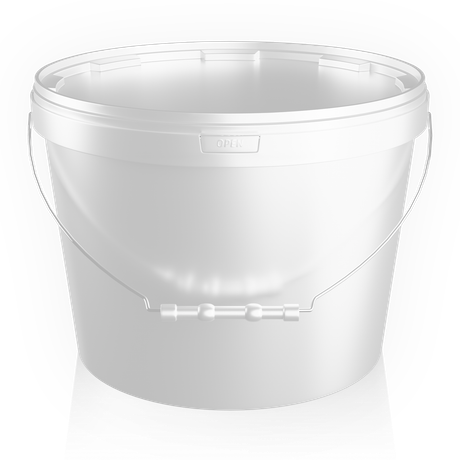
Kurt and irimshik for the market: 3 L with a bail handle; in a clear body, the goods are visible without lifting the lid.
Shashlik cafes and delis: 5.6 L for marinade, and 11.5 L for ready-to-cook producers.
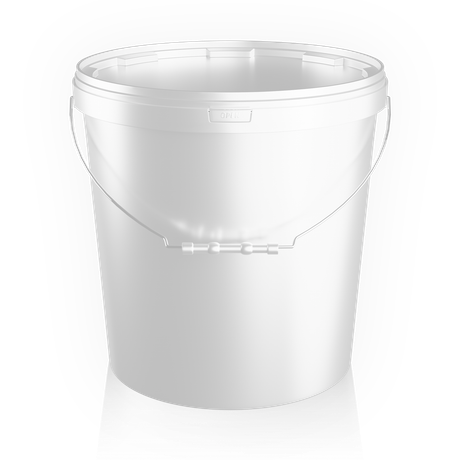
Sauerkraut and pickles for canteens: 15 L, about 15.8 kg with brine, bail handle with plastic grip.
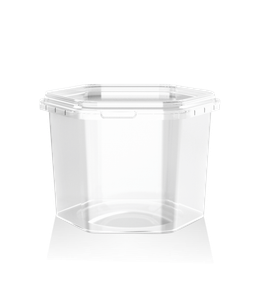
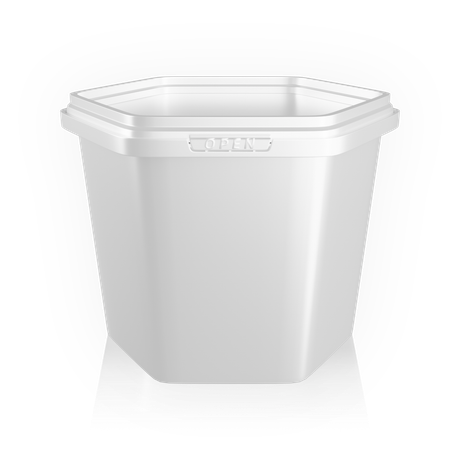
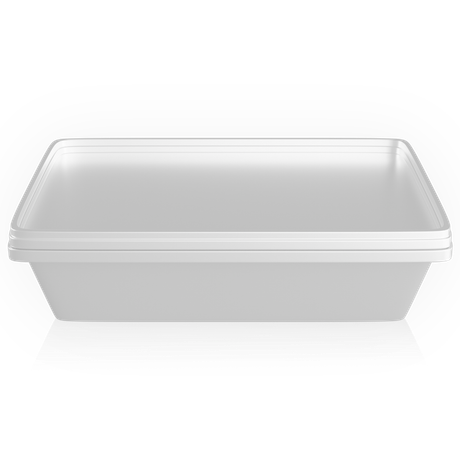
Hot food delivery: the hexagonal 400 ml container or the 750 ml tray for a main course with a side.
Shipment estimate
How much packagingfits in one delivery
Choose an item and quantity, and we'll show the pallet count, units rounded up to full pallets, total nominal capacity in liters, empty packaging weight, and the truck you'll need.
Straight-line distance. Click a city to open its page.
HTI has no warehouse in Semey: packaging ships directly from the plant in Ak-Chiy village, Bishkek FEZ. Orders go to Kazakhstan by the pallet via a freight carrier, with the shipment handled within the EAEU. Buyers with their own truck can pick up pallets from the factory warehouse. Your sales manager quotes delivery time and cost when processing your order, once the pallet count is known. Buckets and containers of different sizes can ship together. Farms in the region's outlying districts usually find it easier to receive packaging in Semey and haul it onward with their own vehicles.
We have no warehouse or office in Semey. You order by phone at +996 222 600 292, and your packaging arrives by the pallet from our plant in the Bishkek FEZ via a freight carrier within the EAEU.
Your sales manager prices each order, taking into account sizes, quantity, handle type, and branding. Shipping cost to Semey is quoted when you place your order. List your whole lineup at once, buckets and containers alike, so you get one combined estimate.
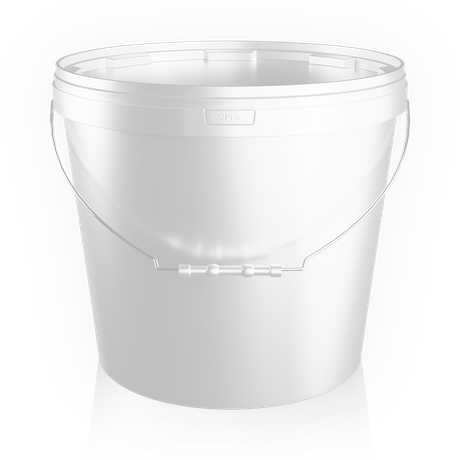
A shashlik cafe usually gets by with 5.6 L and a metal or plastic handle, while ready-to-cook producers choose 11.5 or 15 L with a bail handle and plastic grip. The lid snaps into the double rim, so a bucket of marinade can travel in a truck.
Yes, for dry dairy products buyers choose 2.3 or 3 L. A clear body shows the product through the wall, while a white one is chosen for a label with the farm's name.
Yes. For a small order, we apply a label to the finished bucket; for large runs, we use IML: the image is fused into the wall during molding and won't wash off.
Hexagonal 250 and 400 ml for soups, sauces, and salads; round 385 and 550 ml for single-portion dishes; and the flat 750 ml tray for a main course with a side. All are polypropylene, white or clear, with a lid.
It depends on the size: 7,200 at 560 ml, 2,800 at 3 L, 1,920 at 5.6 L, and 816 at 11.5 or 15 L. Empty buckets nest inside each other, so pallets pack tightly.
Catalog
Buckets and containersfor Semey
The catalog lists every size with dimensions, tare weight, and handle options. For what to consider when packing marinated meat, see our detailed marinated meat buckets page.
Tell us what you'll be packing and how much you sell per week. A sales manager will suggest a set of sizes and work out how many pallets of packaging you'll need for your first month.