Want to learn more about our packaging or find the right fit for your business? Request a callback, and our specialist will call you at a time that suits you. Tell us about your product, and we'll help you choose the best option.
Order a callback from a specialist
Want to learn more about our solutions or find the perfect solution for your business? Leave a request for a callback and our specialist will contact you at a convenient time. Together we will find the optimal solution to make your business thrive!
Request a callback from our HR team
Interested in our openings and career opportunities? Leave your contact details and our HR team will get back to you shortly. We'll answer your questions and explain how to join the HTI Group team.
Order a callback from a specialist
Would you like to learn more about our job openings and career opportunities? Leave your contact information, and our HR department will get in touch with you shortly. We will answer all your questions and provide detailed information on how to become part of the HTI Group team.
Mon-Fri, 9:00 AM-5:00 PM · Factory in the Bishkek Free Economic Zone, Ak-Chiy village
Atyrau and Kulsary
Plastic bucketsin the Atyrau Region
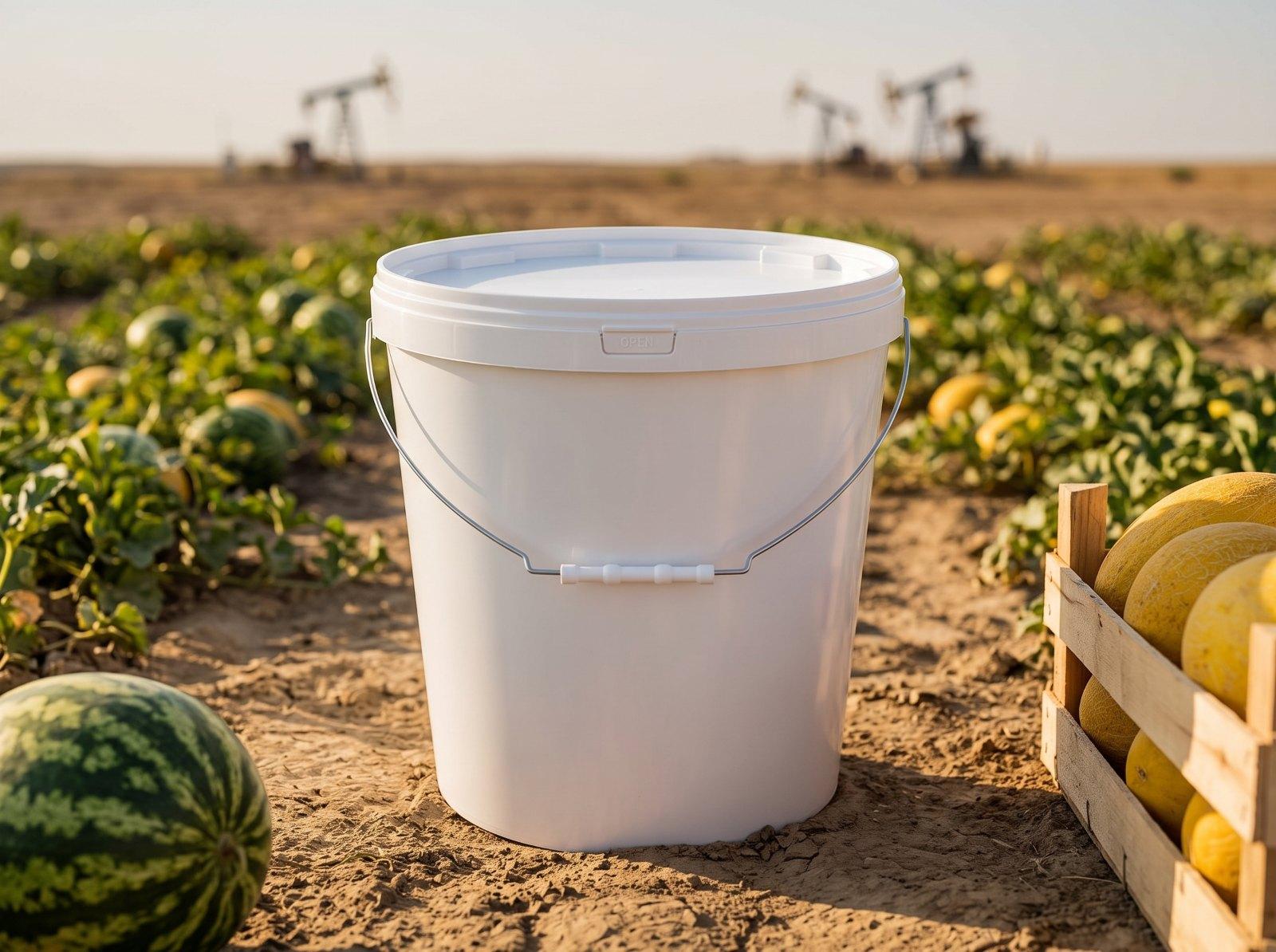
Atyrau Region lies on the northern shore of the Caspian Sea, along the lower Ural River. Oil and gas fields with rotational work camps operate here side by side with Ural and Caspian fishermen and melon farms. Each needs its own packaging: buckets for salting fish and packing roe, for sauces in work camp kitchens, for grease and cleaning products, and for salted watermelons and tomatoes. HTI makes food-grade buckets from 560 ml to 21 L and ships them to the region by the pallet.
All fourteen of our sizes, with what people in Atyrau Region put in them. Small buckets go to fish shops and delis, medium ones to work camp kitchens, and large ones to fishermen, melon farms, and oilfield service companies. Tap a card to see dimensions and photos.
Roe, sauces for fish, and jam for the counter.
Canteens, catering, marinades, and preserves.
Fish salting, melons, grease, and cleaning products.
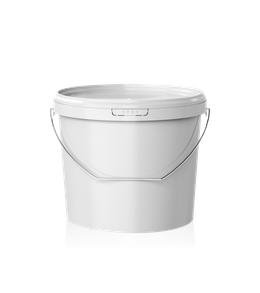
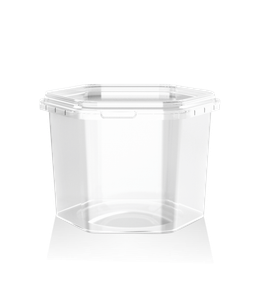
Containers for fish shops, work camp canteens, and catering.
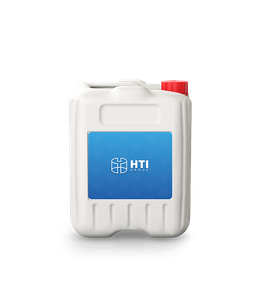
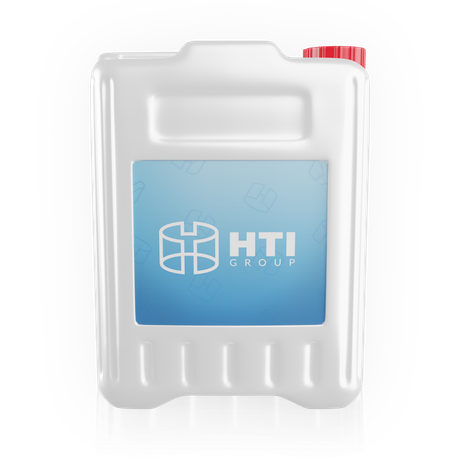
Jerry cans for fishermen's drinking water and fleet cleaning solutions.
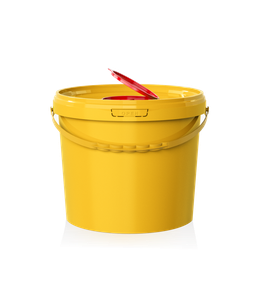
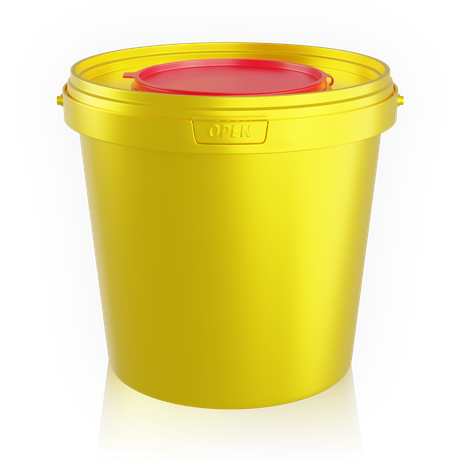
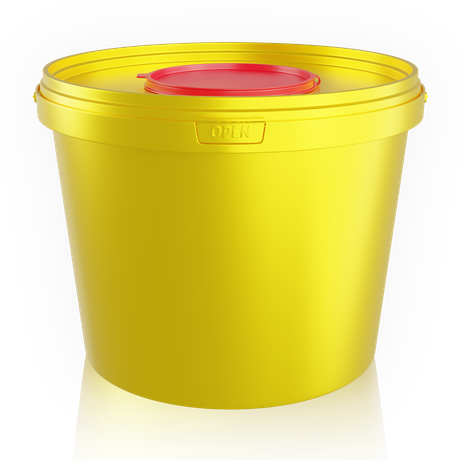
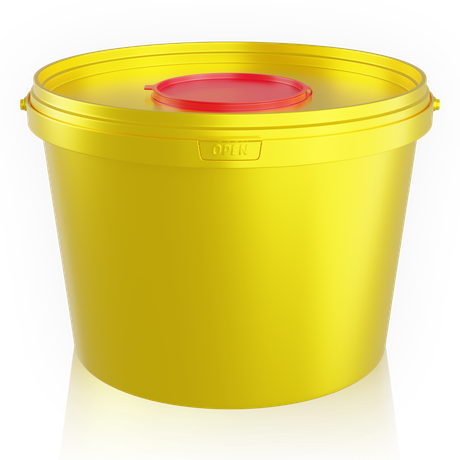
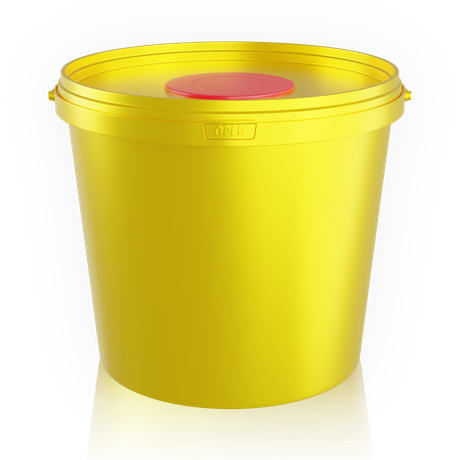
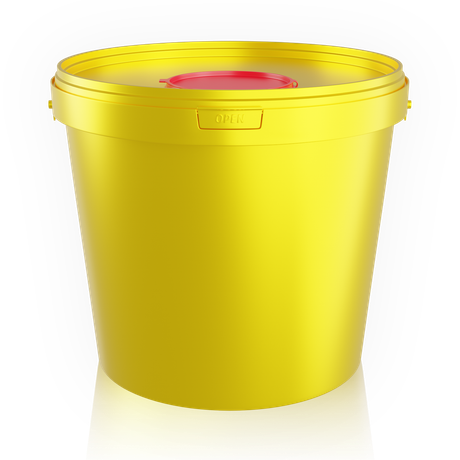
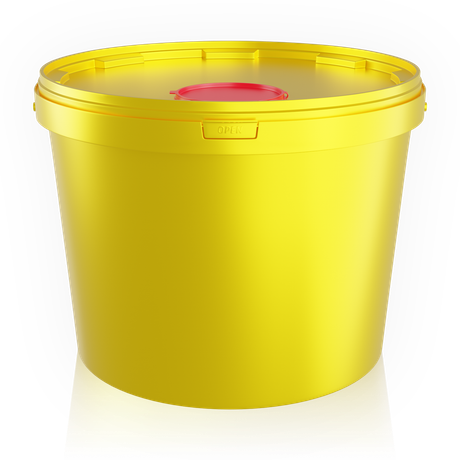
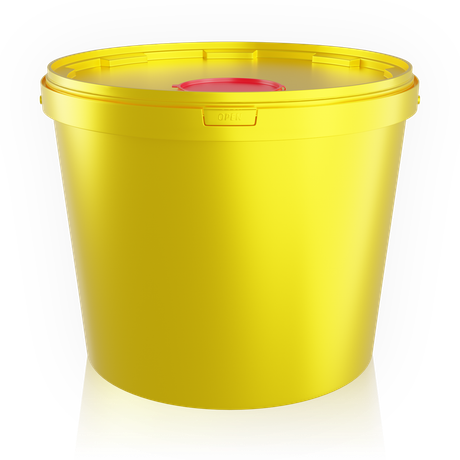
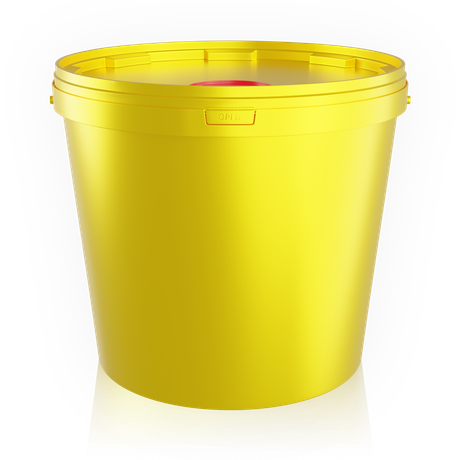
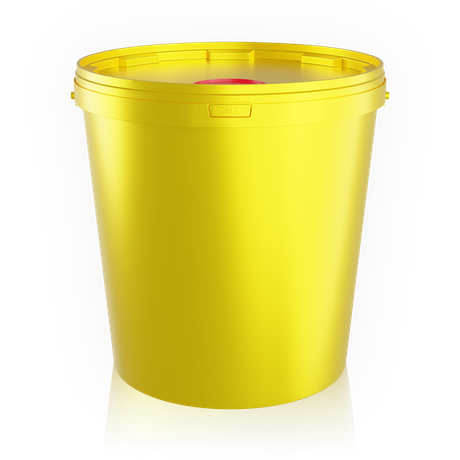
Yellow and red buckets for hospitals, work camp first-aid posts, and vets.
Packaging at the same scale: body width and height from the factory's product cards
Retail · PKS560
560 ml plastic bucket
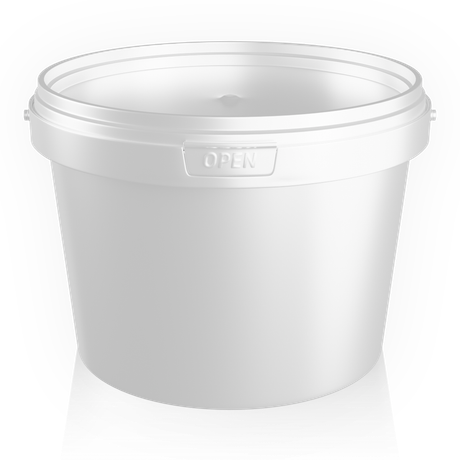
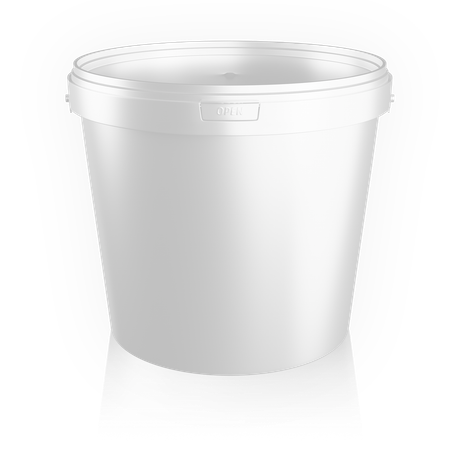
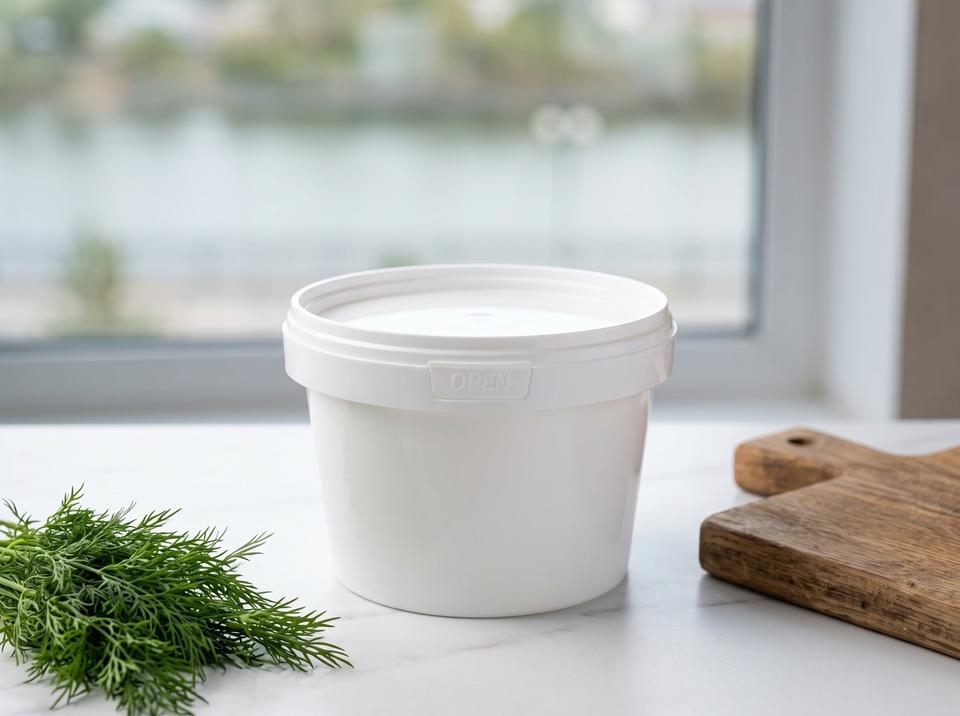
Lightly salted river fish roe for fish shops: a low bucket with no handle sits right on the ice in the display case.
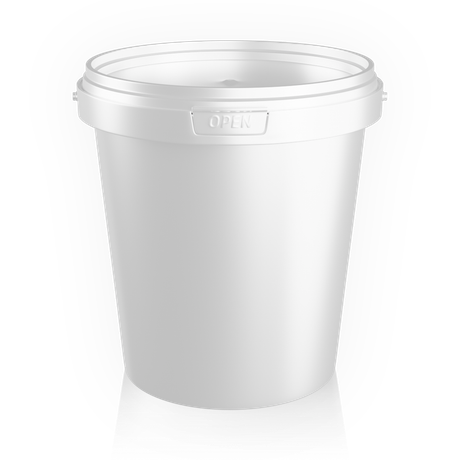
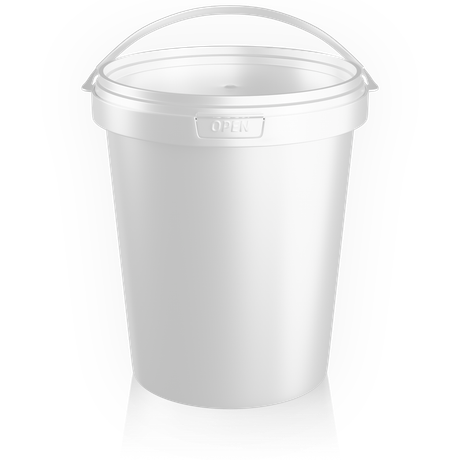
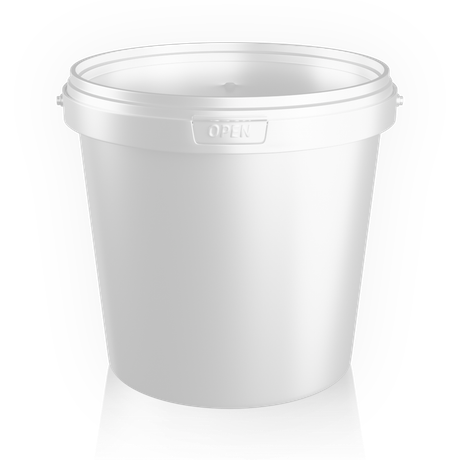
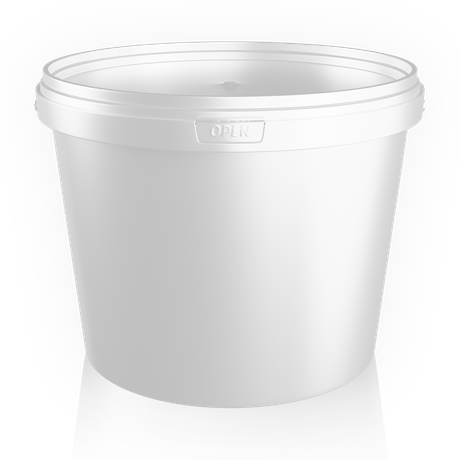
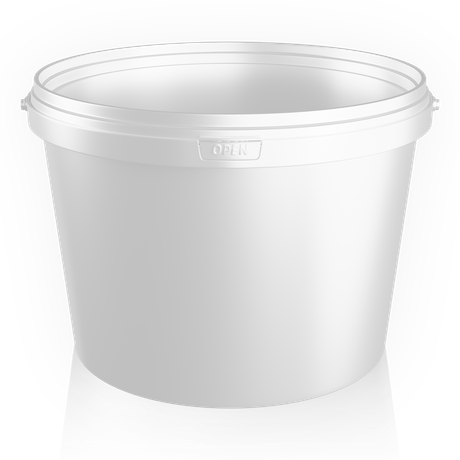
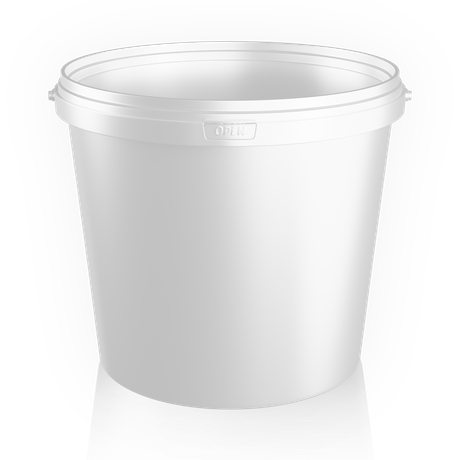
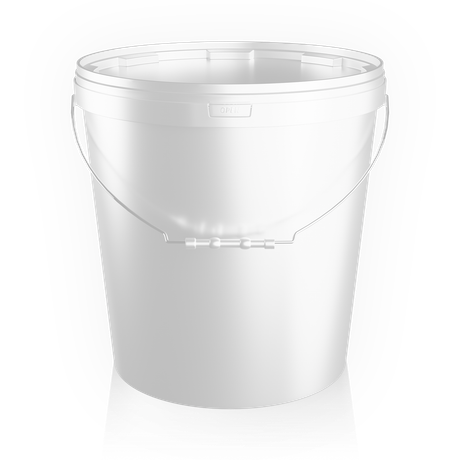
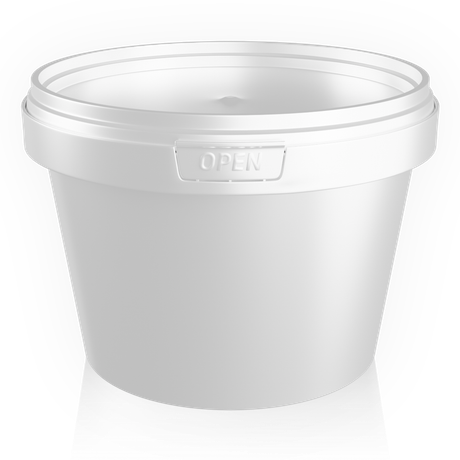
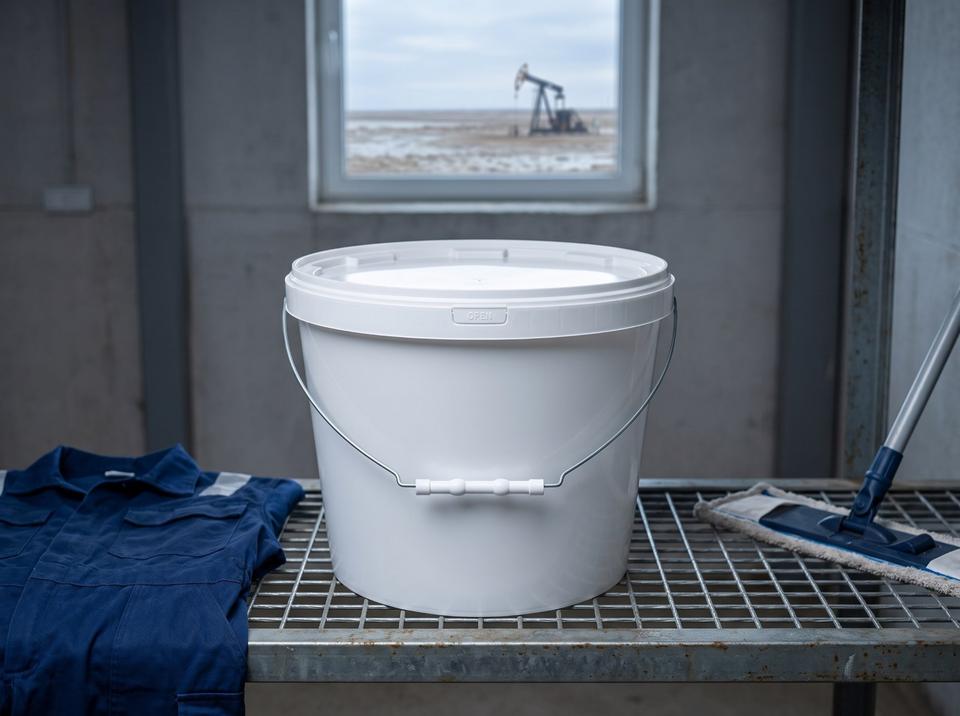
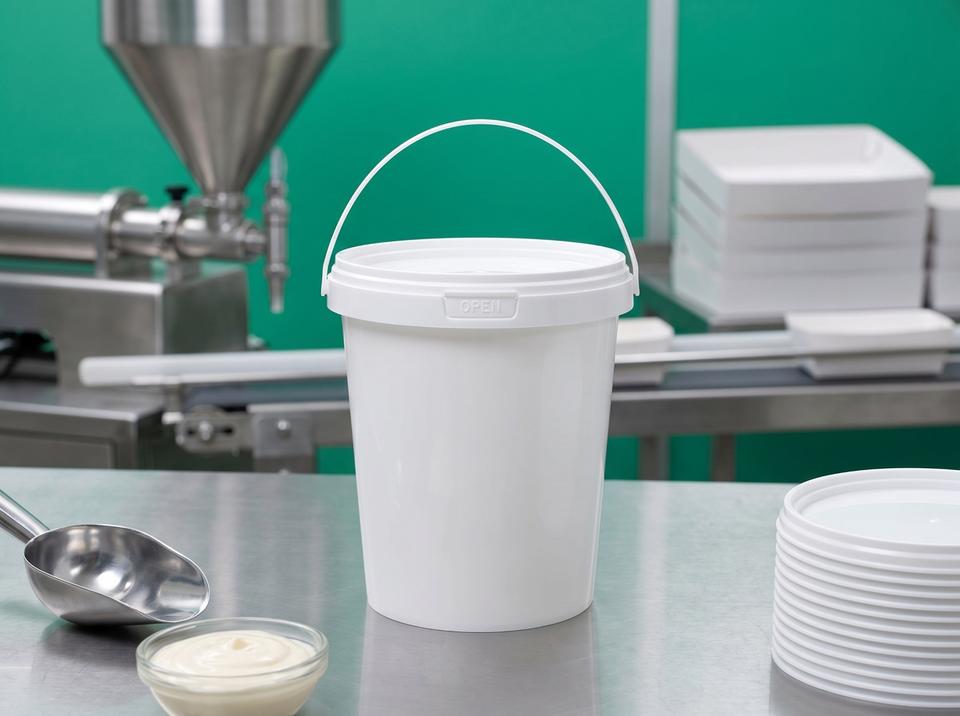
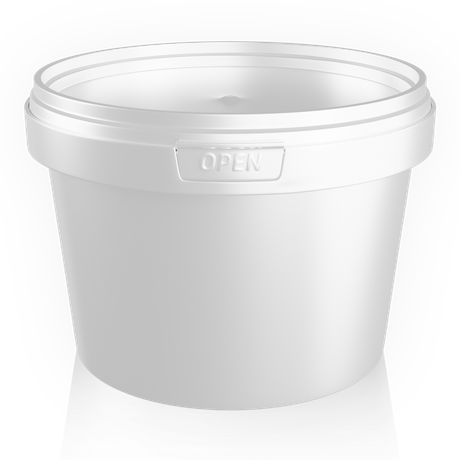
Our buckets are tapered and nest inside each other, so a fisherman or melon grower can keep a whole season's packaging in a shed. Every bucket has a flat lid that seats into a double rim and comes with an OPEN tamper-evident tear strip.
Regional products
Fish, melons, work camps:which size for which product
The region has three different kinds of packaging buyers, and each does the math their own way: fishermen by the salting season, melon growers by the harvest, and kitchens by the shift. The table lists the products, the go-to size for each, and how many of those buckets fit on a pallet.
Fish and melons need large buckets, so fewer fit on a truck: 600 to 816 per pallet. Small buckets for roe and jam come by the thousands, so one pallet can last a fish shop a long time. Different sizes can easily ship on the same truck.
The lower Ural River was feeding people with fish long before oil came along, and today oil fields and service companies operate right alongside the fishermen. That's how the region ended up with four groups of bucket buyers. Their seasons differ: fishermen live by the fishing seasons, melon growers by the harvest, and kitchens run nonstop as long as the shifts keep going.
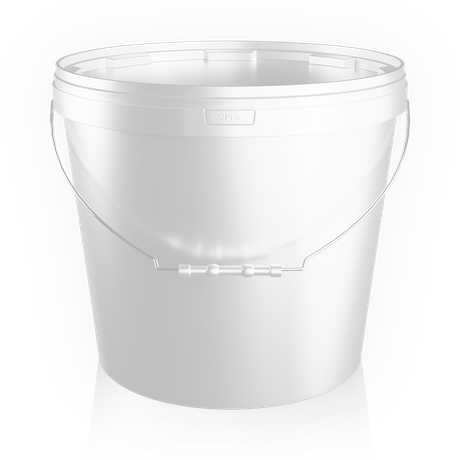
Salting by the river15 L: 303 mm opening, 40 g bail handle with plastic grip
Ural and Caspian fish
Vobla, wild carp, and pike-perch are salted before air-drying. The 15 L bucket is the one for salting: the wide opening lets you lay fish in layers, and the lid keeps the bucket closed while the fish cures. Roe is packed in small 560 ml buckets that sit on ice in the display case.
Work camp kitchens
Caterers cook meals for the camps and oil fields. Sauces and mayonnaise are easy to keep in 5.6 L buckets, adjika and tomato sauce in 3.8 L, and ready-made salads for the serving line in 3 L. The OPEN tear strip shows the cook the bucket arrived sealed.
Oil fields and services
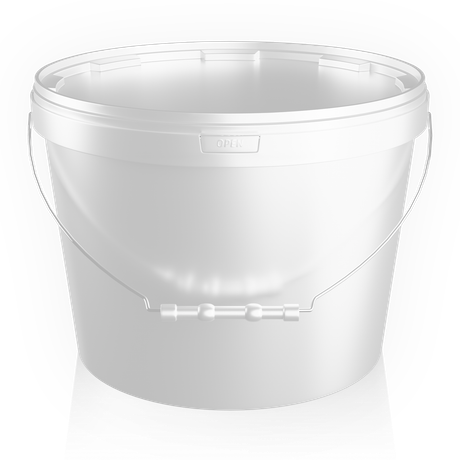
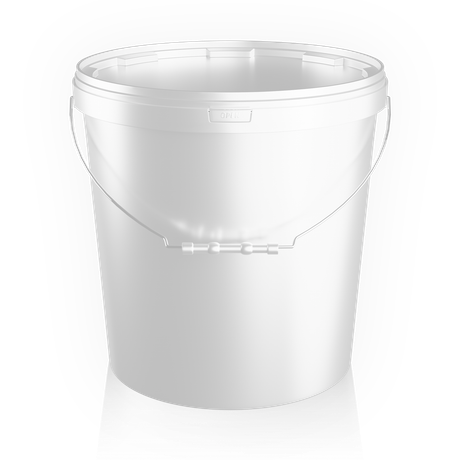
Service companies need grease for pumps and equipment, and dormitories need cleaning products. For grease, they choose the 18 L bucket with a 332 mm opening; for shower and laundry gels, the 11.5 L with a bail handle and plastic grip.
Melon farms
The region's watermelons and melons are salted, cooked into jam, and sold at markets. The 21 L bucket works for salting, one liter for jam on the counter, and marinated tomatoes sell best in clear 2.3 L buckets.
Order calculator
Units to palletsin one minute
Choose a bucket and enter a quantity, and the calculator shows the pallets right away. An example from the lower Ural: a fishing cooperative buying 1,000 of the 15 L buckets for the salting season needs two pallets. A catering kitchen that needs 5,000 of the 5.6 L buckets for mayonnaise will need three pallets.
Item
BucketsContainersJerry cansMedical buckets
How many pieces you need
pcs
Pallets can't be split, so the count is rounded up.
Buckets for fish, kitchens, and melons can be combined on one truck.
Jerry cans don't nest, so fewer fit on a pallet.
How to buy
From your requestto pallets in Atyrau or Kulsary
We sell buckets direct from the factory, with a minimum order of one pallet. The process is the same for a fisherman near Atyrau and a kitchen in Kulsary.
1
Tell us about your product
What you'll pack, which sizes, how many, and where to deliver. If you need your brand on the bucket, mention it up front.
2
Get a recommendation and a price
Our sales manager will suggest sizes and handles, work out the pallets, and quote the order price including freight.
3
Approve your order
Pallets are assembled at our plant in the Bishkek Free Economic Zone (FEZ). For in-mold labeling (IML), we approve the artwork with you first, then mold the production run.
4
Receive your shipment
A freight carrier hauls the pallets, and the shipment is handled within the EAEU. The paperwork for your order arrives with the buckets.
HTI factory warehouse · Ak-ChiyFreight carrier, within the EAEU
HTI factory warehouse · Ak-ChiyFreight carrier, within the EAEU
Buckets ship to Atyrau Region from the HTI plant in the Bishkek FEZ, Ak-Chiy village. A freight carrier hauls the pallets, the shipment is handled within the EAEU, and your sales manager confirms delivery time and cost when pricing your order. HTI has no warehouse in the region; every order is assembled at the plant for the specific buyer.
Fishermen and melon growers need their packaging before the season starts. Order salting buckets early, before the rush of the catch, and buckets for salting watermelons before the melon harvest begins.
Work camp kitchens are better off keeping enough buckets on hand for several rotations. Empty buckets stack and take up little room in the storeroom.
Atyrau Region
Nearbyand across the country
Where we ship buckets
Towns with their own page are linked: there you'll find packaging matched to local needs.
The version you choose determines how your product looks on the counter and how the bucket survives the trip out to the oil fields. The same model comes in two body colors and with different finishes, so it's best to decide before your order is priced.
Clear
Pickled tomatoes, eggplant caviar, and melon jam show through the wall. At the market, shoppers choose these products by eye, without opening the lid.
White
For fish shops and kitchens: the white body is opaque, and a label with the product name, date, and ingredients is easy to read.
OPEN seal
The tear strip under the lid rim shows the bucket hasn't been opened since filling. For caviar and sauces, that's a real selling point.
IML printing
A fish processor's or caterer's logo is fused into the bucket wall during molding and won't wash off. To test the waters, you can start with a label.
Questions and answers
Questionsfrom the Atyrau Region
Didn't find your answer?A sales manager replies Mon-Fri, 9:00 AM-5:00 PM, Bishkek time
Directly from the HTI plant. We sell buckets in orders of one pallet or more and ship them to Atyrau, Kulsary, and towns and villages across the region. Call +996 222 600 292 or request a callback.
Your sales manager prices each order based on size, quantity, handle type, color, and printing. Delivery cost is included in the same estimate.
We ship by the pallet from our plant in the Bishkek FEZ through a freight carrier, and the shipment is processed within the EAEU. Your sales manager confirms delivery time and cost when you place the order.
No. We always ship from our plant in Ak-Chiy village. Each order is put together for you, and you can pick it up yourself if you prefer.
Most often the 15 L with a 303 mm opening and a bail handle with plastic grip. For smaller batches, buyers choose 8 or 11.5 L. Learn more on our fish and caviar buckets page.
Small 560 ml buckets with no handle: they're low and stable and sit well on the ice in a display case. The OPEN tear strip under the rim shows shoppers the bucket hasn't been opened.
Yes, the buckets are molded from food-grade polypropylene. Kitchens use 5.6 L for sauces and 3 and 3.8 L for salads. For more on food service packaging, see our HoReCa page.
Yes, with a label or IML, where the image is fused into the wall during molding. You agree on the artwork and run size with your sales manager.
Catalog
Bucket catalogfor the Atyrau Region
The catalog lists dimensions, empty weights, and photos of every bucket. Atyrau and Kulsary each have their own page, and for the neighboring coast, see the Mangystau Region page.
Tell us your product, the size, and the town where you need the buckets. Your sales manager will pick the right packaging and work out the pallets and freight.