Want to learn more about our packaging or find the right fit for your business? Request a callback, and our specialist will call you at a time that suits you. Tell us about your product, and we'll help you choose the best option.
Order a callback from a specialist
Want to learn more about our solutions or find the perfect solution for your business? Leave a request for a callback and our specialist will contact you at a convenient time. Together we will find the optimal solution to make your business thrive!
Request a callback from our HR team
Interested in our openings and career opportunities? Leave your contact details and our HR team will get back to you shortly. We'll answer your questions and explain how to join the HTI Group team.
Order a callback from a specialist
Would you like to learn more about our job openings and career opportunities? Leave your contact information, and our HR department will get in touch with you shortly. We will answer all your questions and provide detailed information on how to become part of the HTI Group team.
Mon-Fri, 9:00 AM-5:00 PM · Factory in the Bishkek Free Economic Zone, Ak-Chiy village
Turkestan and Kentau
Plastic bucketsin the Turkestan Region
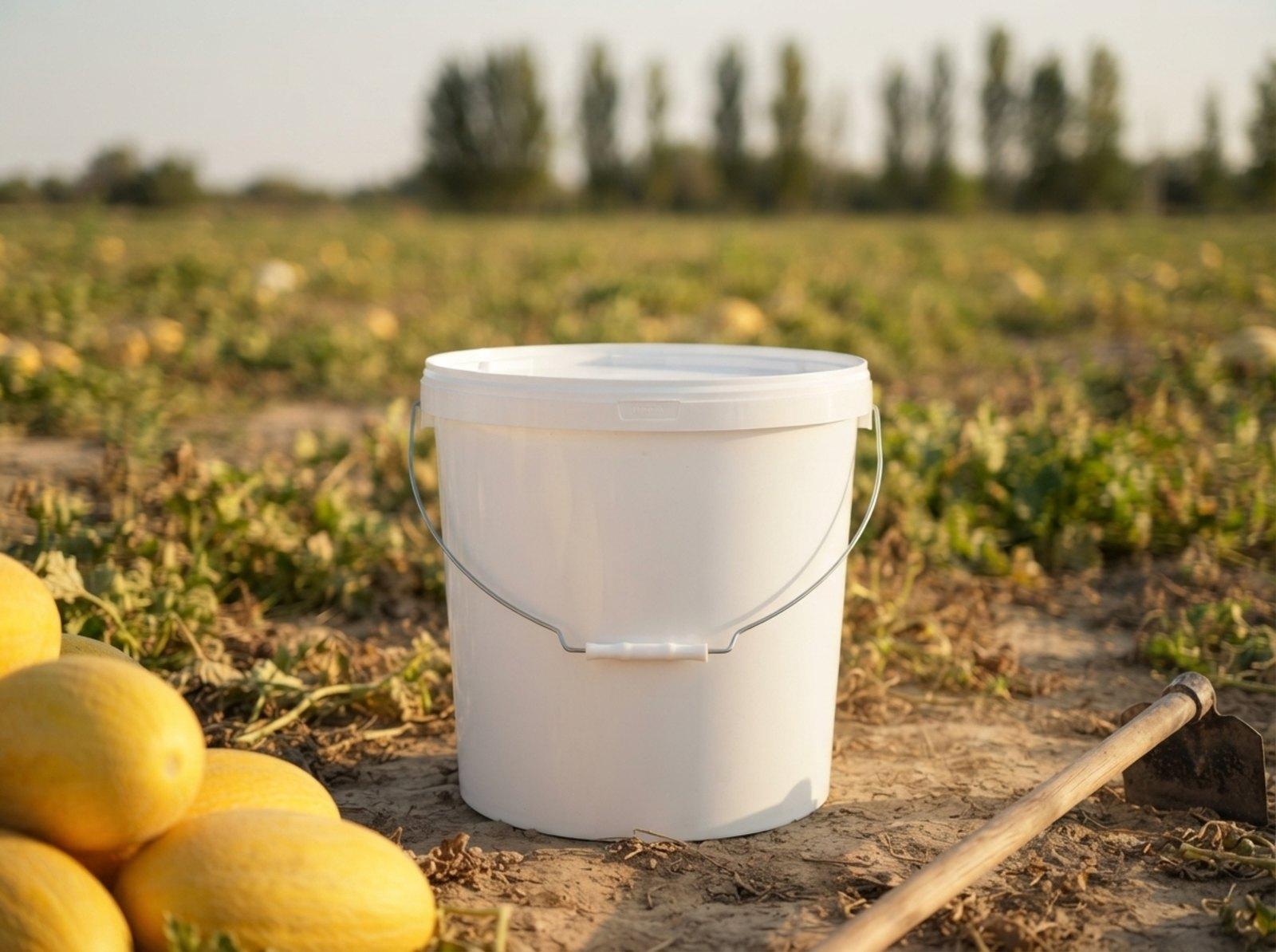
Cotton and melons in the south, orchards and farms in the foothills, fish from the Shardara Reservoir, cafes serving visitors to Turkestan, and kitchens at the Saryagash health resorts: every district in the region has its own product and its own measure. The HTI plant molds food-grade buckets from 560 ml to 21 L and ships them to the region by the pallet. Here you'll find every size with its local uses, picks by town, a pallet calculator, and how to order.
Every bucket in the HTI lineup has a job to do in Turkestan Region. The sizes are split into three groups, and each size lists the local product most often packed in it. Each card opens that size's page with dimensions, empty weight, and photos.
The right measure for shoppers carrying the product home.
Prep for cafes, delis, and small processing shops.
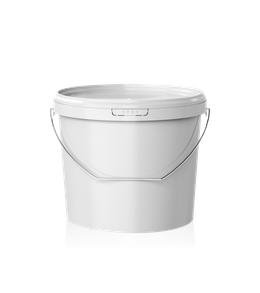
Fieldwork, pickling, wholesale, and construction mixes.
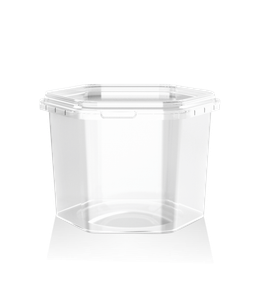
Containers for roadside cafes, bazaars, and shops serving pilgrims.
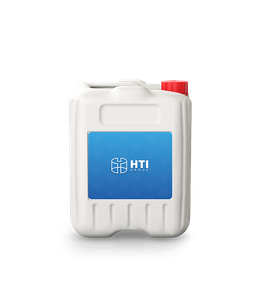
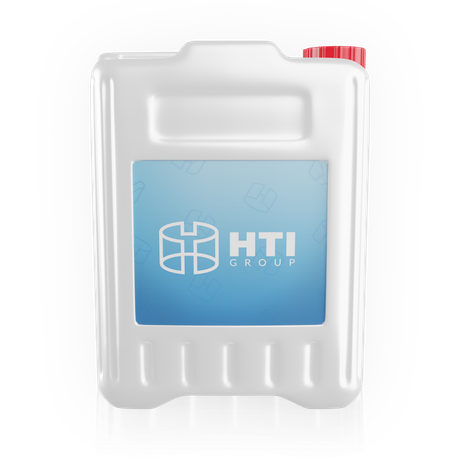
Jerry cans for shubat (fermented camel milk) from camel farms and drinking water for distant pastures.
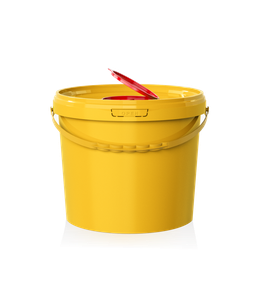
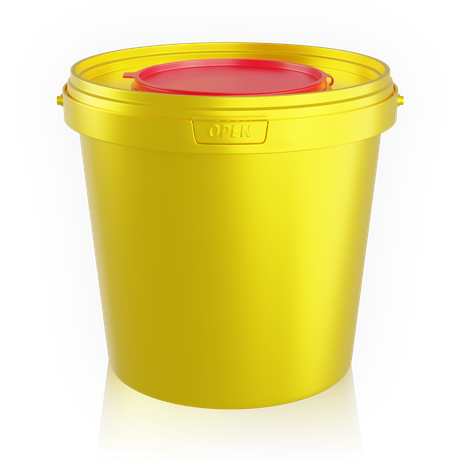
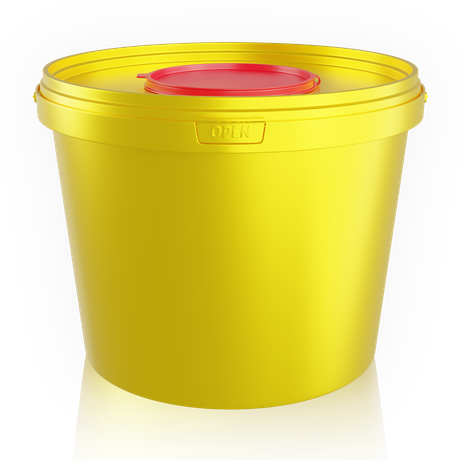
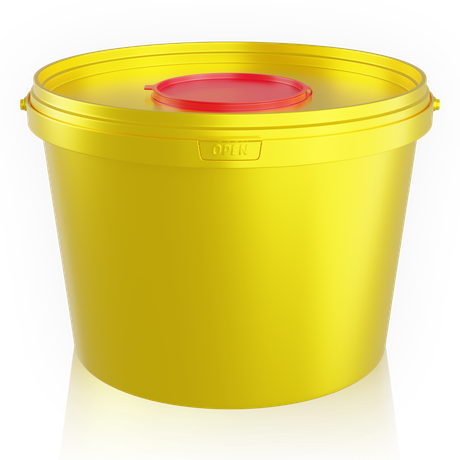
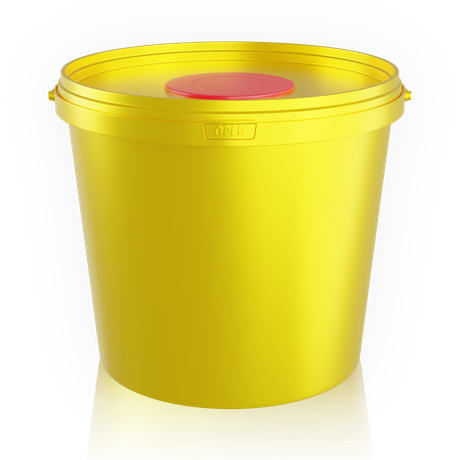
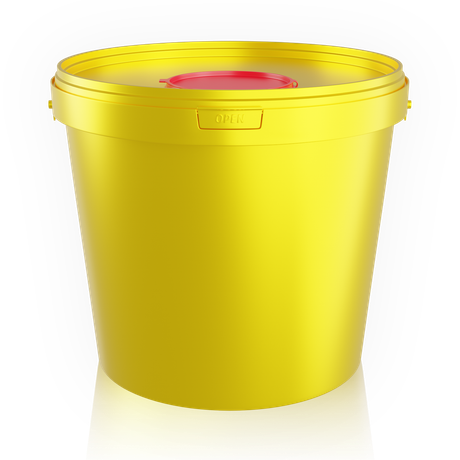
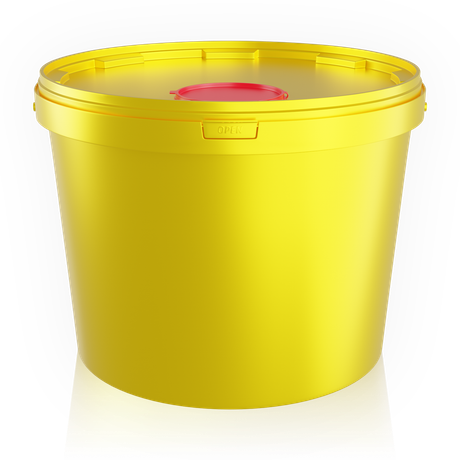
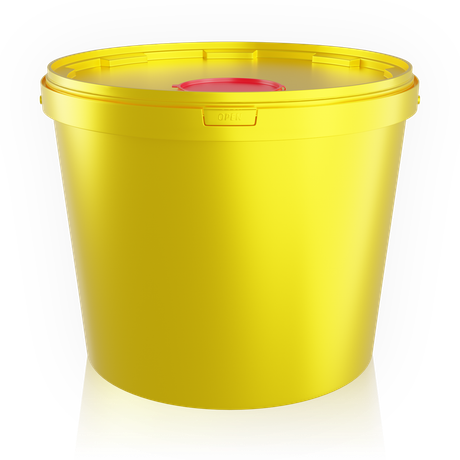
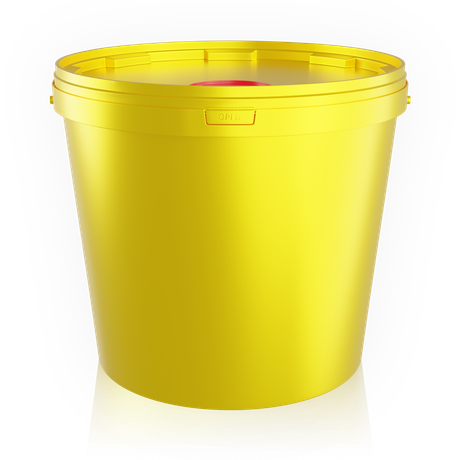
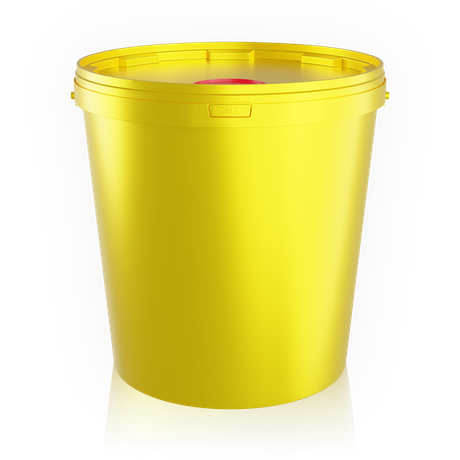
Yellow (Class B) and red (Class C) medical waste buckets (by Kyrgyz sanitary classification) for district hospitals, maternity hospitals, health resorts, and village outpatient clinics.
Packaging at the same scale: body width and height from the factory's product cards
Retail size · PKS560
560 ml plastic bucket
Suzma and kaymak at Turkestan market stalls: visitors pick up dairy in small portions for the road.
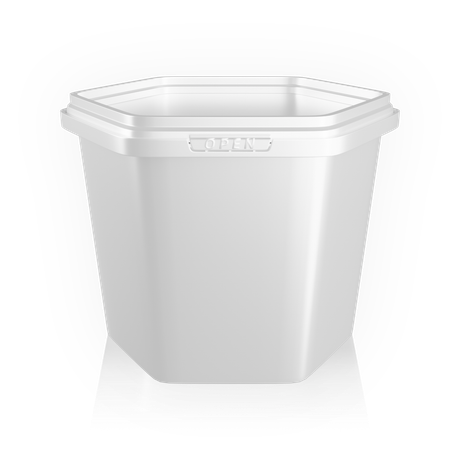
Mountain honey from Tulkubas District is offered for tasting along the road to the Aksu-Zhabagly Nature Reserve: the 250 ml hexagonal container weighs just 13 g.
A mobile medical unit makes the rounds of the region's remote villages: the exam table and equipment are cleaned with wipes from a dispenser bucket that travels with the team.
Infectious disease wards at the region's district hospitals run at full capacity in summer: red 5.6 L buckets for Class C waste stand outside the patient rooms.
Maternity hospitals in Turkestan and the region's district centers, where the birth rate is high: the on-duty shift carries out a yellow 11.5 L bucket by its plastic handle.
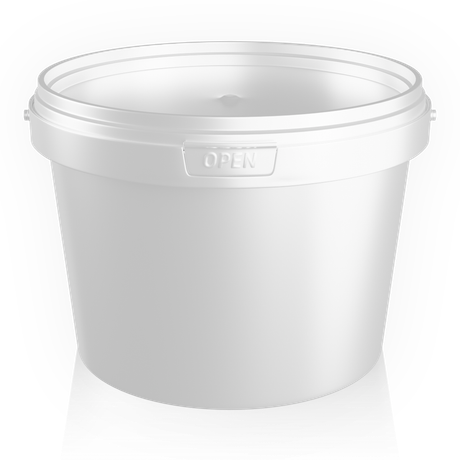
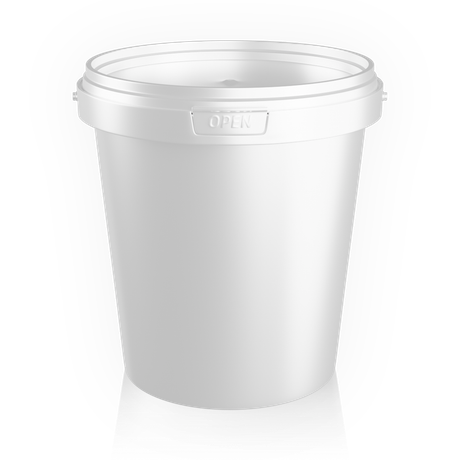
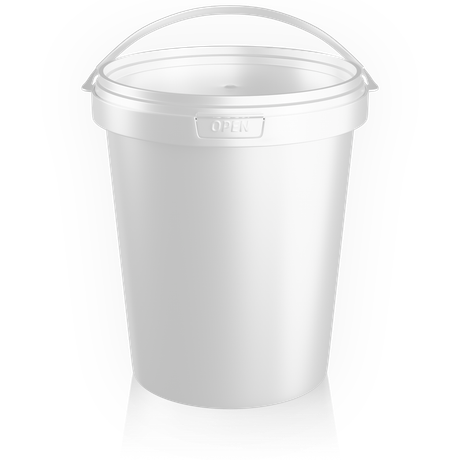
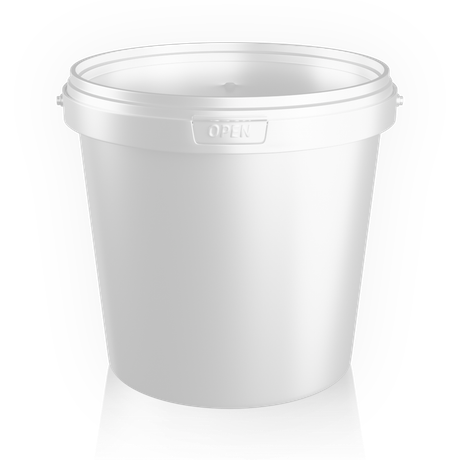
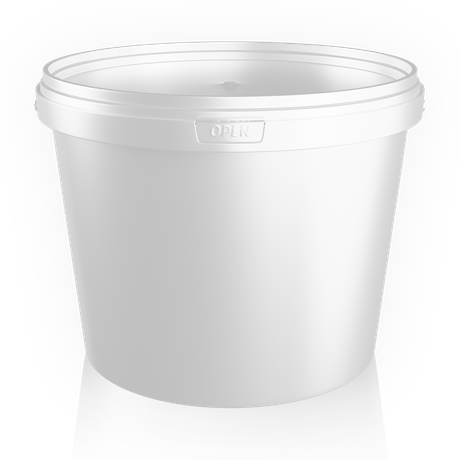
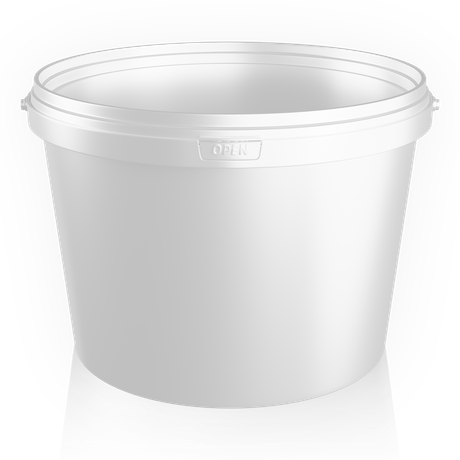
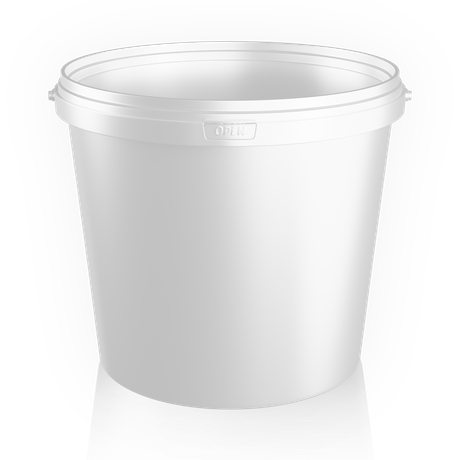
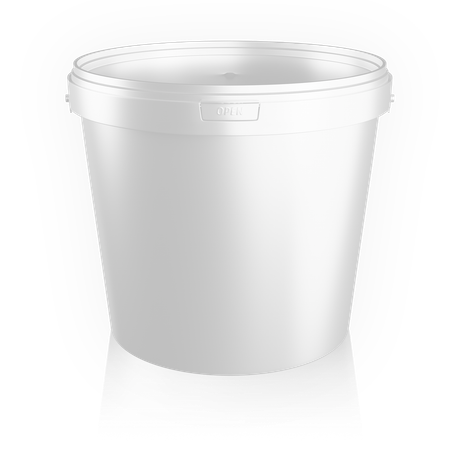
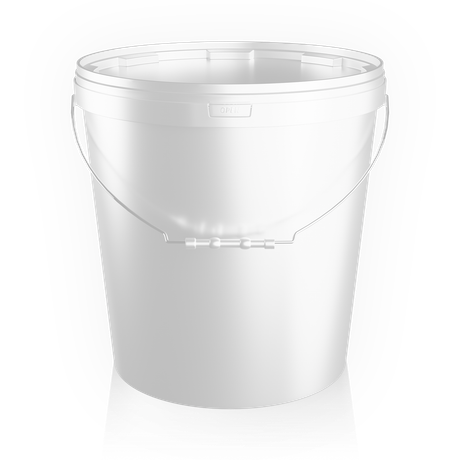
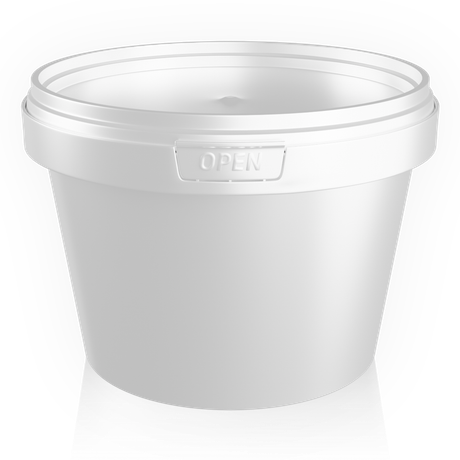
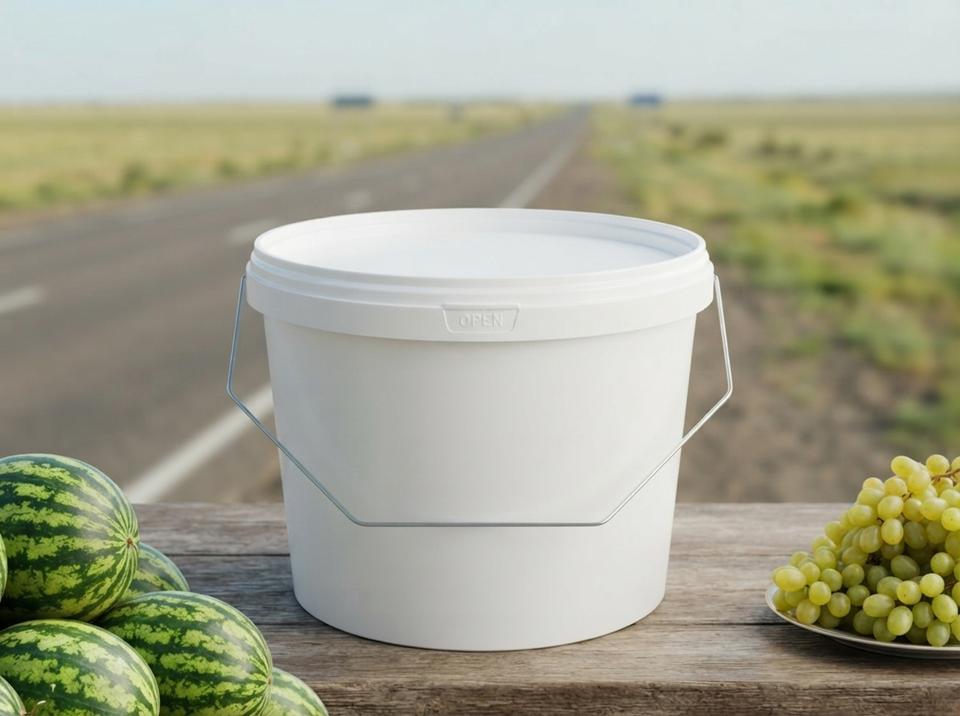
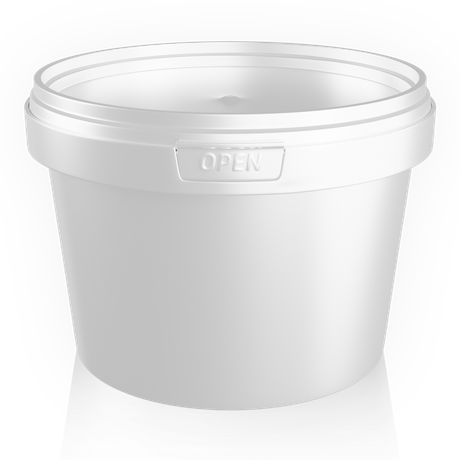
Every bucket has a tapered body, so empty buckets nest inside each other on the pallet and a truck carries thousands of them at a low weight. The flat lid seats into a double rim, and below it is a tamper-evident tear strip embossed with OPEN.
Picks by town
From Zhetysai to Kentau:what's packed, and in which buckets
The product changes from town to town across the region: cotton and melons in the south, fish and rice along the Syr Darya, dairy and orchards in the foothills, and factories and renovation work in Kentau. The table shows each place's main product, the usual starting size, and units per pallet.
Pallet quantities vary widely: a pallet takes 7,200 of the 560 ml buckets but only 600 of the 21 L. If your order mixes small retail sizes with large harvest buckets, your sales manager will lay everything out across pallets so the truck leaves full.
Bucket demand in the region comes from four very different worlds. Each has its own product measure, its own route to the customer, and therefore its own bucket size.
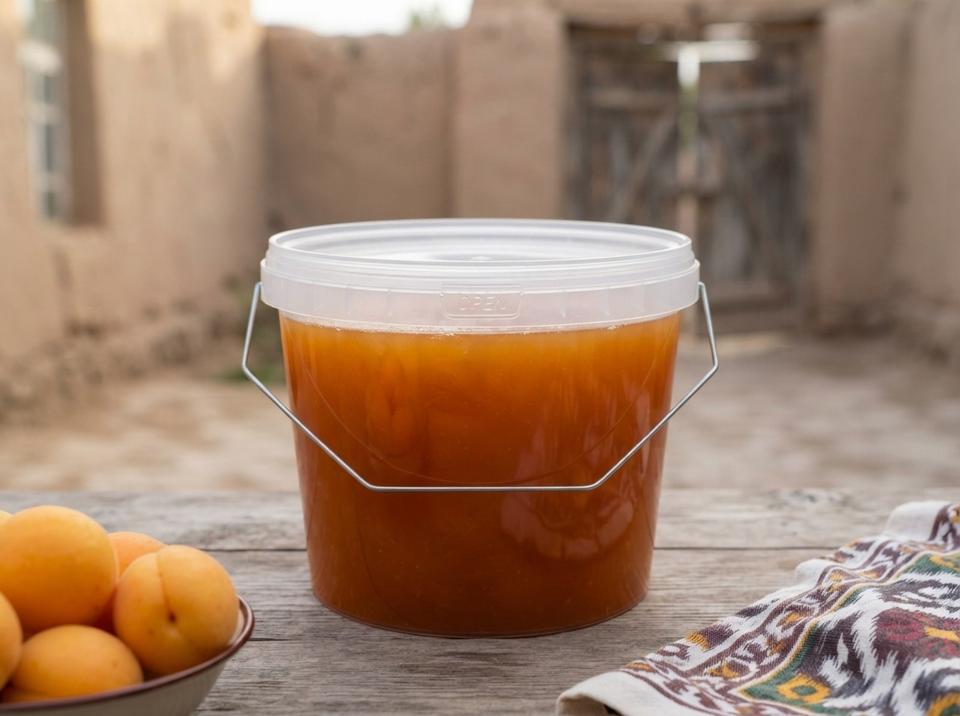
Jam in the courtyard2.3 L: 3,300 per pallet
Cotton and melons in the south
Zhetysai and the neighboring districts plant cotton, melons, and watermelons. Melons go into jam and candied fruit, packed in clear 2.3 and 3 L buckets, while seeds and fertilizer wait for planting time in lidded 21 L buckets.
The Syr Darya and Shardara
Fish from the reservoir is salted and marinated for sale. Cafes and resellers find 5.6 and 8 L handy, while large batches go into 11.5 L buckets with a bail handle and plastic grip.
Visitors to Turkestan and Saryagash
Pilgrims and tourists head to Turkestan, and vacationers to the Saryagash health resorts. Kitchens need 3.8 to 5.6 L buckets for prep, and shops need single-serve 560 and 850 ml sizes for honey, kurt, and sweets for the road.
Kentau and construction in the regional capital
In industrial Kentau and the fast-growing regional capital, buckets are bought for mixes and paint. Crews need 18 and 21 L with a 332 mm opening, and paint and coatings packers need the same sizes with their own branding.
Order calculator
Palletsfor your season
Choose a size and enter your quantity for the season, and the calculator works out the pallets. An example from the south of the region: a farm that makes melon jam and plans for 9,000 clear 2.3 L buckets needs three pallets. A fish processor in Shardara ordering 1,000 of the 8 L buckets will need two.
Item
BucketsContainersJerry cansMedical buckets
How many pieces you need
pcs
Pallets are counted whole, so the result is rounded up.
One truck can carry pallets of different sizes.
Jerry cans (5 and 10 L) don't nest, so they have their own pallet quantities.
How to buy
How your order travelsfrom call to unloading
An order from a farm in Shardara and one from a factory in Kentau go through the same four steps. Buckets are sold in orders of one pallet or more.
1
Request
Call us or leave your number for a callback. Tell us what you pack, which sizes and how many units you need, and which town to deliver to.
2
Selection and pricing
Your sales manager will match your product to the right size and handle, convert units into pallets, and price the order including freight to your district.
3
Molding and assembly
If you want your brand on the bucket, the label or in-mold labeling (IML) artwork is approved first. Then your order is assembled at our plant in the Bishkek Free Economic Zone (FEZ).
4
Shipping
A freight carrier takes the pallets to the region, with the shipment processed within the EAEU. The shipping documents arrive with the truck.
Straight-line distance. Click a city to open its page.
Every order leaves from the HTI plant in Ak-Chiy village, Bishkek FEZ: we have no pickup points in the region. A freight carrier takes the buckets to Kazakhstan by the pallet, and the shipment is processed within the EAEU. Your sales manager quotes delivery time and cost along with the order price once the pallet count and address are clear.
Farms in the same district benefit from pooling their orders: when several buyers from Zhetysai or Shardara order at the same time, the truck can be loaded more efficiently. Let your sales manager know you're happy to share a load with your neighbors.
The region has its own demand calendar. Melon and cotton growers need packaging by late summer, Turkestan's cafes ahead of the tourist rush, and builders by spring. Ordering before the peak saves you the rush and last-minute size substitutions.
Turkistan Region
Nearbyand across the country
Cities in the region
Every town in the region has its own page with bucket picks for local products. Shymkent is administratively separate from the region, so it has its own page.
Handle, color, branding:choosing for your sales channel
The same bucket is ordered in different versions. The choice depends on where the product meets the customer: at the bazaar, on a store shelf, or in a cafe kitchen.
Clear body
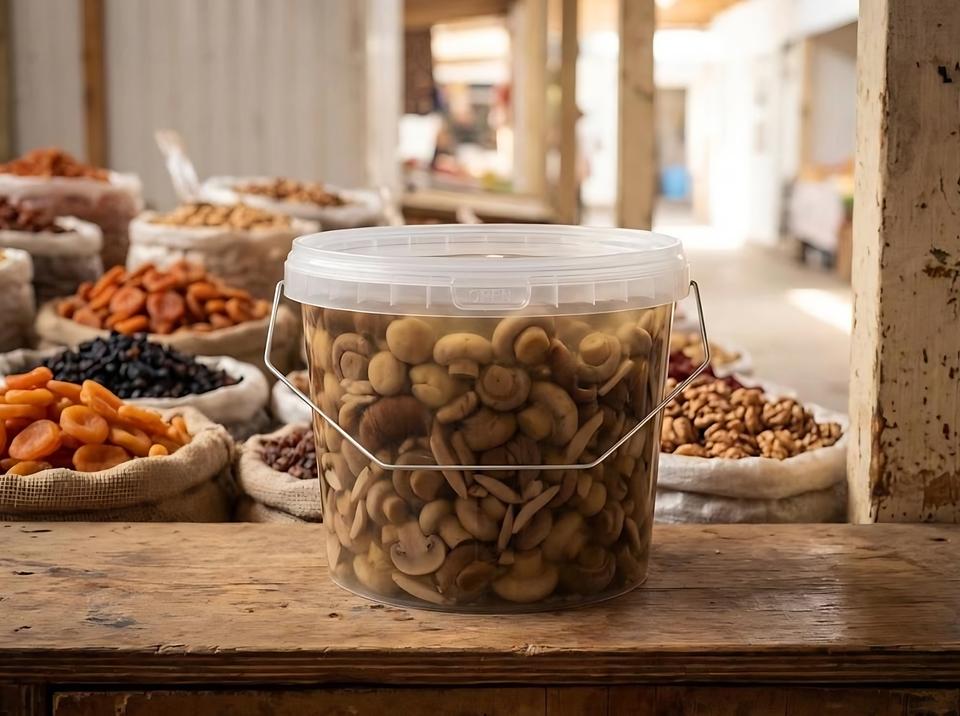
Melon jam, honey, and marinated fish show through the wall, so bazaar shoppers decide on the spot. Every size comes in clear, from 560 ml to 21 L.
Bail handle with plastic grip
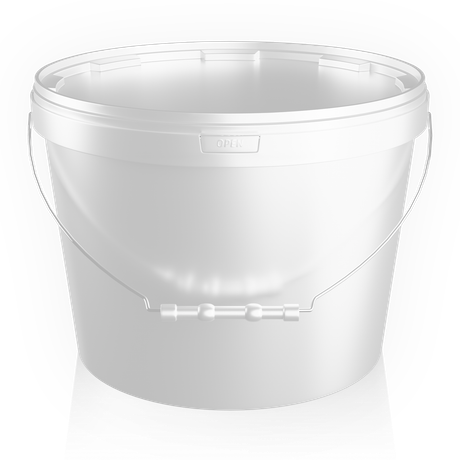
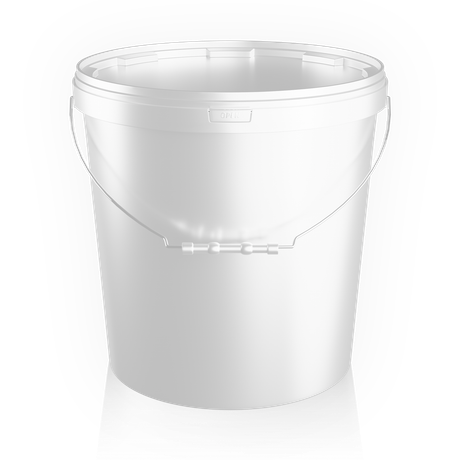
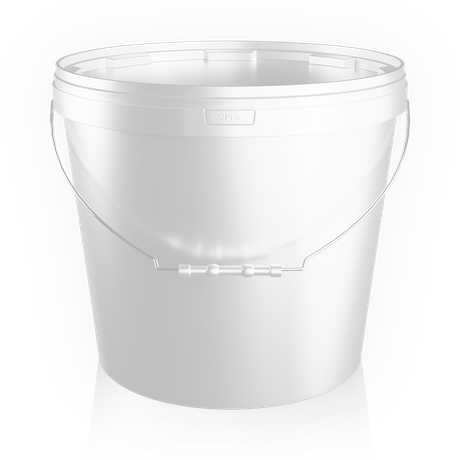
On the 8, 11.5, 15, 18, and 21 L sizes, the metal bail handle comes with a plastic grip. It won't dig into your palm when you carry a bucket of produce or mix to the truck.
OPEN seal
Under the lid rim is a tamper-evident tear strip with embossed lettering. As long as it's intact, nobody has opened the bucket since filling.
IML for long-term branding
The image is fused into the wall during molding and won't wash off. For a trial order, a label on a white body is enough.
Questions and answers
Questionsfrom the Turkestan Region
Didn't find your answer?A sales manager replies Mon-Fri, 9:00 AM-5:00 PM, Bishkek time
Directly from the HTI plant: buckets are sold in orders of one pallet or more and ship from our production site near Bishkek. Call +996 222 600 292 or send a request, and your sales manager will pick the right sizes for your product.
Your sales manager prices each specific order based on size, quantity, handle, color, and printing, and includes freight to your town in the same estimate.
By the pallet from our plant in the Bishkek FEZ via a freight carrier, with the shipment processed within the EAEU. Your sales manager confirms the delivery time when you place the order.
No. Every order is assembled at the plant in Ak-Chiy village and goes straight to the customer, with no transshipment warehouses along the way.
A clear 2.3 or 3 L bucket, so the color and thickness show on the counter. A liter of jam weighs about 1.33 kg, so a full 2.3 L bucket comes to roughly three kilograms and is easy to carry.
Small batches go into 5.6 and 8 L buckets, wholesale batches into 11.5 L with a bail handle and plastic grip. Learn more on our buckets for fish and caviar page.
Yes. Small and large sizes, as well as jerry cans, travel together, each model on its own pallet. That makes the order easier to receive and count.
Yes, with a label or IML, where the image is fused into the wall during molding. You approve the artwork with your sales manager before the production run starts.
Catalog
Bucket catalogfor the Turkestan Region
The catalog has the dimensions, empty weight, and photos of every bucket. There's a separate page on packaging for Turkestan, the regional capital, another on Shymkent, the big city next door, and one on Kyzylorda Region, downstream on the Syr Darya.