Want to learn more about our packaging or find the right fit for your business? Request a callback, and our specialist will call you at a time that suits you. Tell us about your product, and we'll help you choose the best option.
Order a callback from a specialist
Want to learn more about our solutions or find the perfect solution for your business? Leave a request for a callback and our specialist will contact you at a convenient time. Together we will find the optimal solution to make your business thrive!
Request a callback from our HR team
Interested in our openings and career opportunities? Leave your contact details and our HR team will get back to you shortly. We'll answer your questions and explain how to join the HTI Group team.
Order a callback from a specialist
Would you like to learn more about our job openings and career opportunities? Leave your contact information, and our HR department will get in touch with you shortly. We will answer all your questions and provide detailed information on how to become part of the HTI Group team.
Mon-Fri, 9:00 AM-5:00 PM · Factory in the Bishkek Free Economic Zone, Ak-Chiy village
Karaganda and Temirtau
Plastic bucketsin the Karaganda Region
The coal basin's mines, Temirtau's steelworks, the fishing shore of Lake Balkhash, and Karaganda's new neighborhoods go through buckets every day: for grease and paint, for canteen pickles, and for sour cream and honey sold at the market. The HTI plant makes all 14 sizes, from 560 ml to 21 L, in-house and ships them to the region by the pallet. This page covers every size, picks for local jobs, an order calculator, and how to buy.
In Karaganda Region, every size has its usual job: small ones go to the store counter, medium ones to the kitchen and the repair bay, and large ones to warehouses, construction sites, and salting. Each card links to the size's page with dimensions, empty weight, and photos.
Retail packs for counters, markets, and neighborhood stores.
Canteen kitchens, delis, and repair bays.
Grease storage, construction sites, salting, and preserving.
Containers for mine and plant canteens, Balkhash cafes, and lunch delivery.
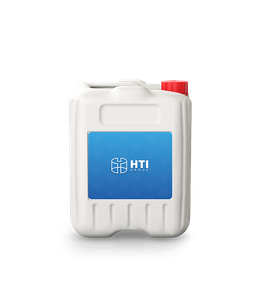
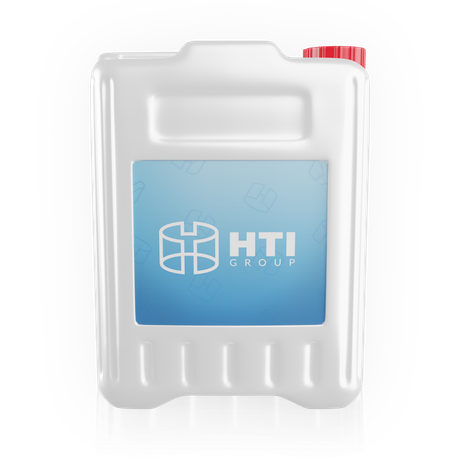
Jerry cans for washer fluid, antifreeze, and cleaning concentrates.
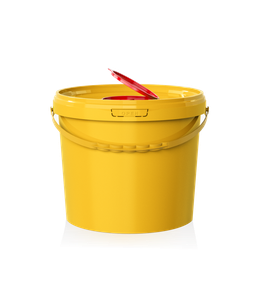
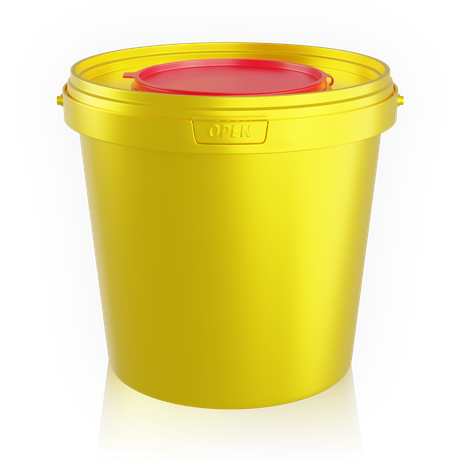
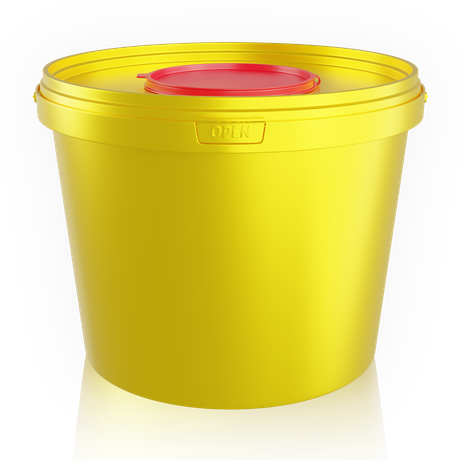
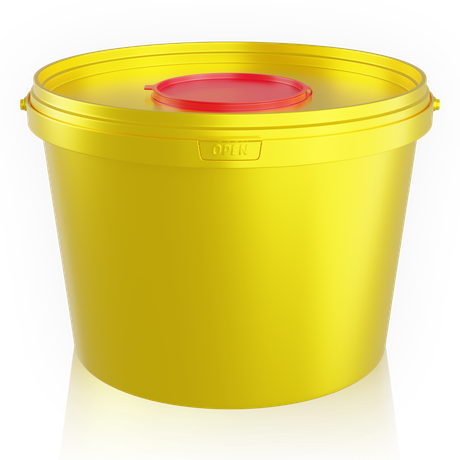
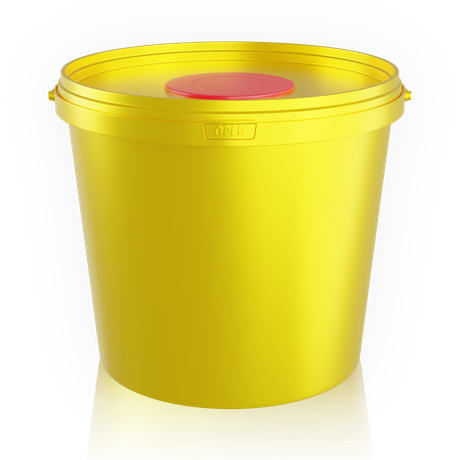
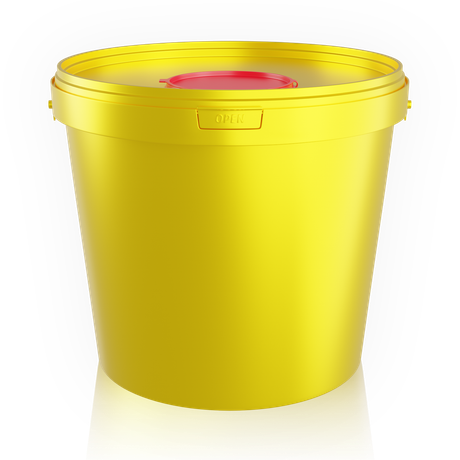
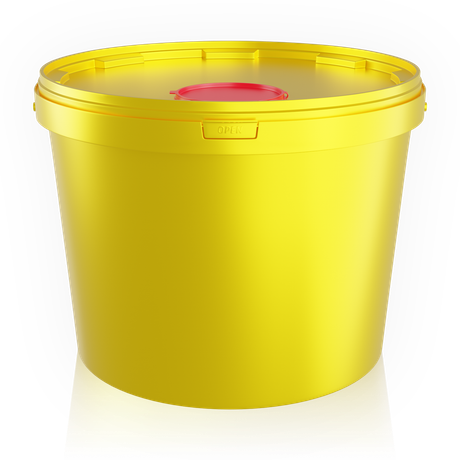
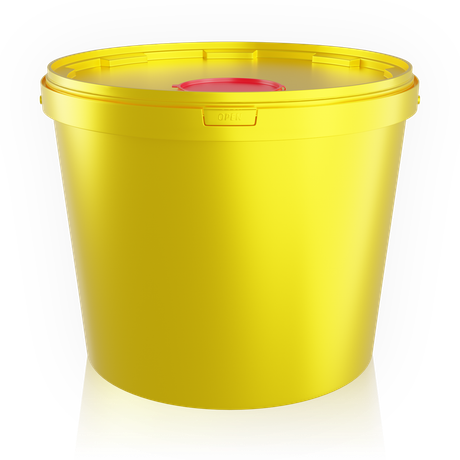
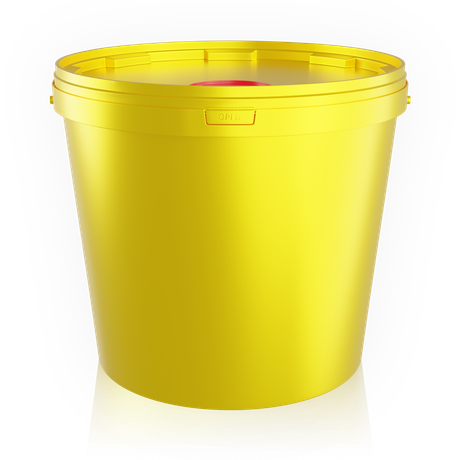
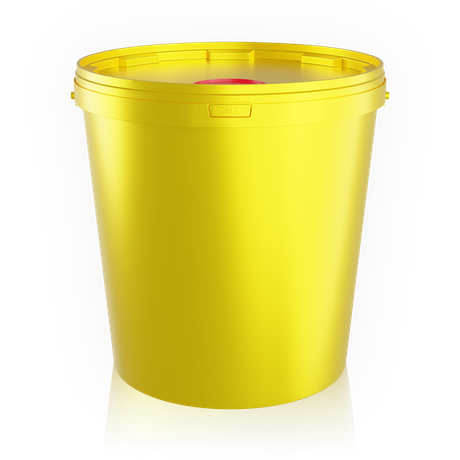
Yellow Class B and red Class C medical waste buckets (by Kyrgyz sanitary classification) for hospitals, company medical units, and mine first-aid stations.
Packaging at the same scale: body width and height from the factory's product cards
Counter · PKS560
560 ml plastic bucket
Sour cream and kaymak from farms on Karaganda's outskirts for neighborhood store display cases.
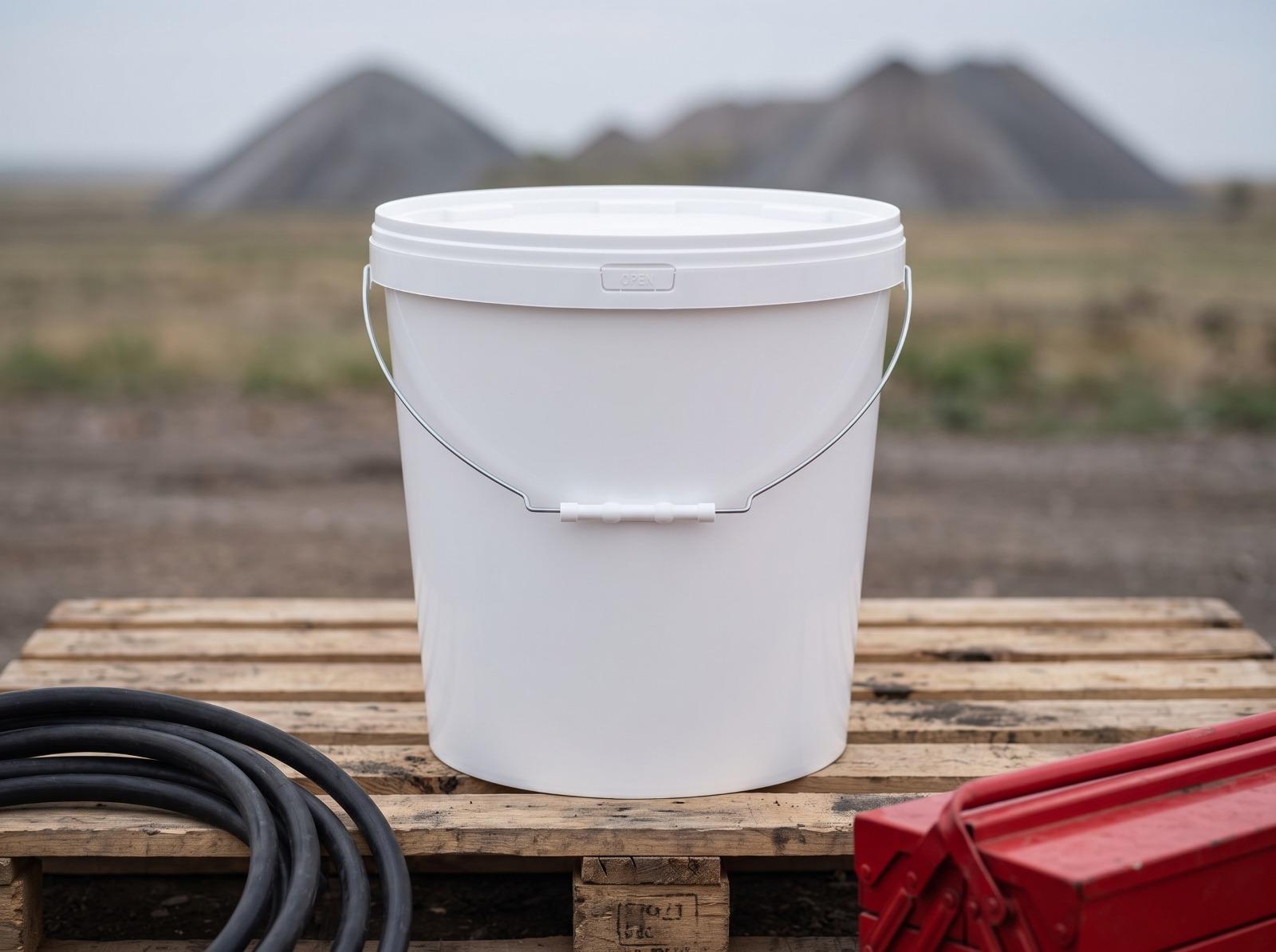
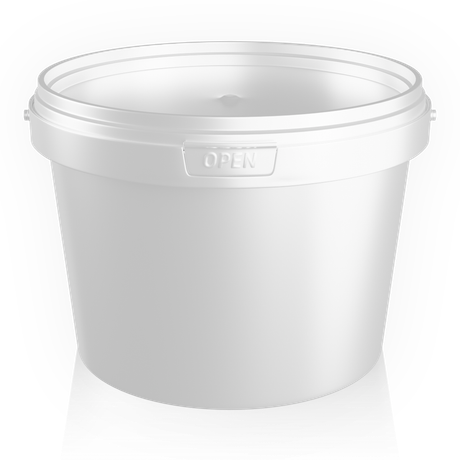
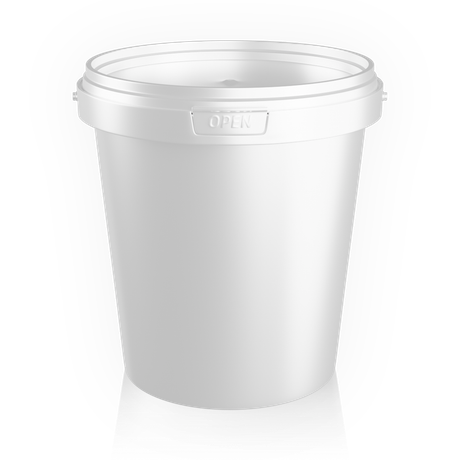
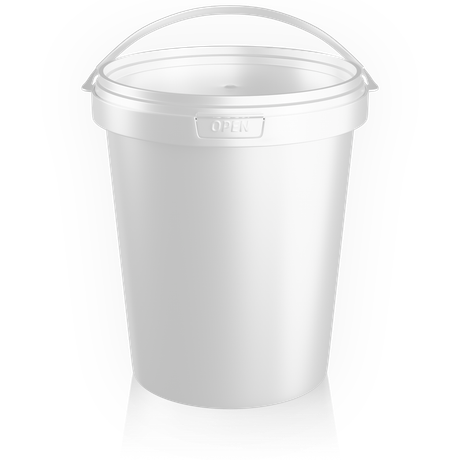
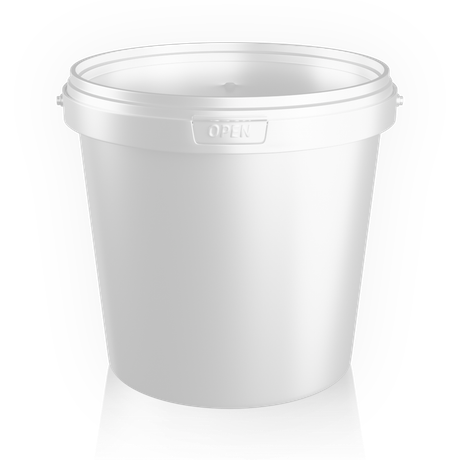
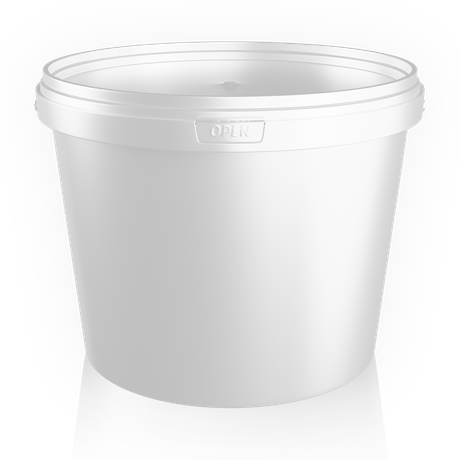
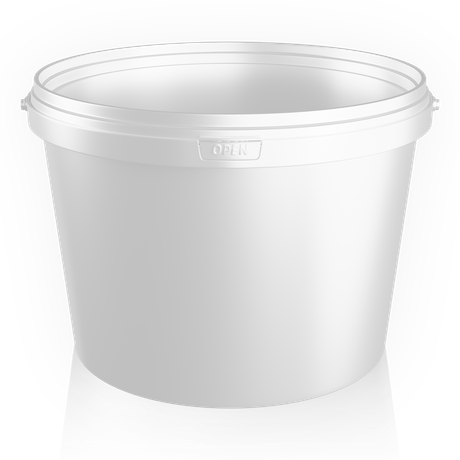
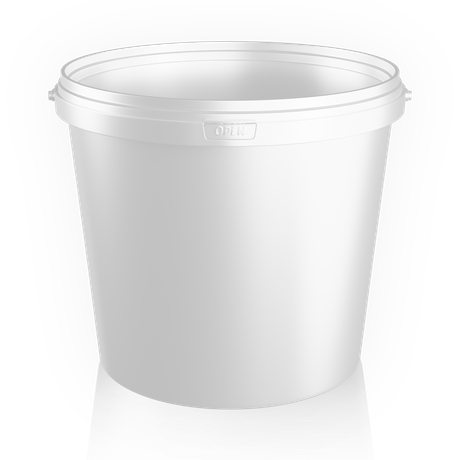
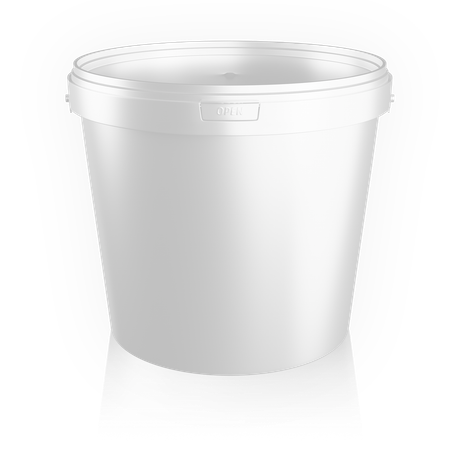
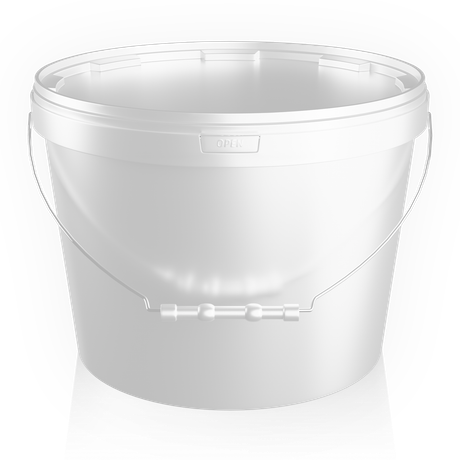
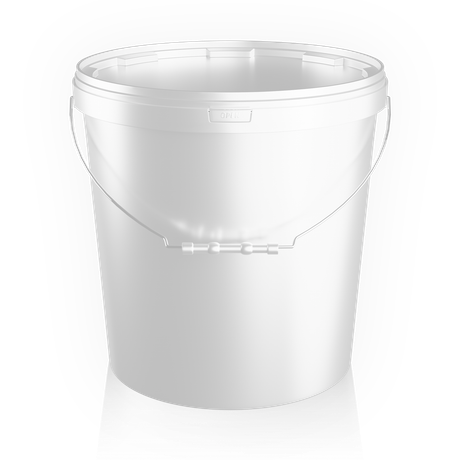
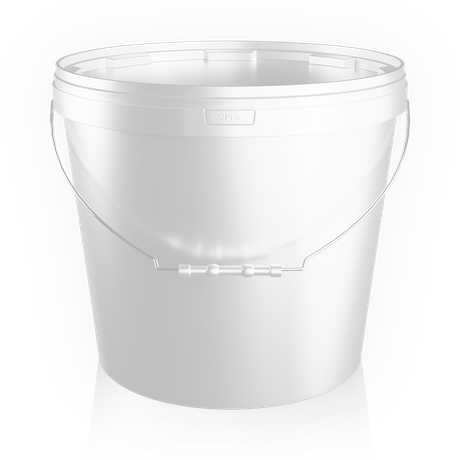
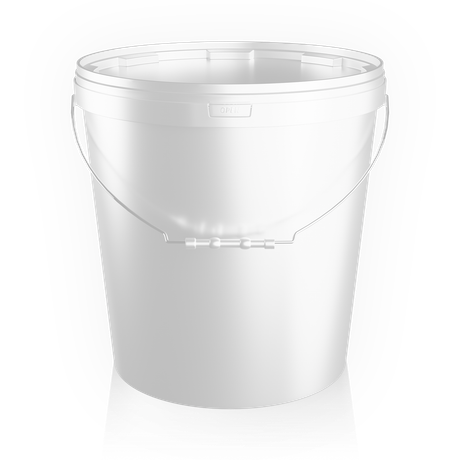
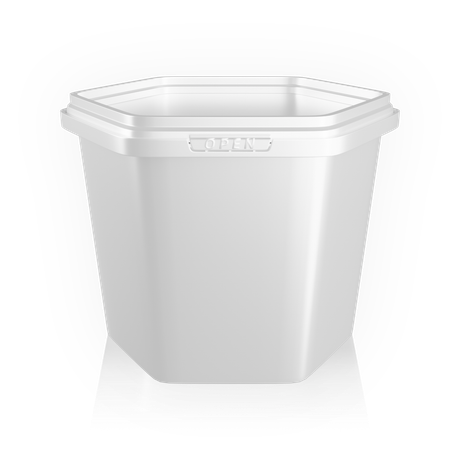
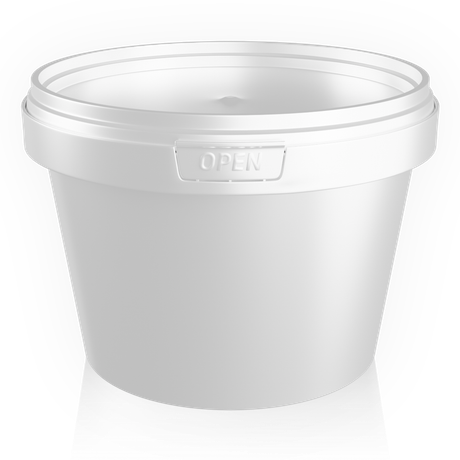
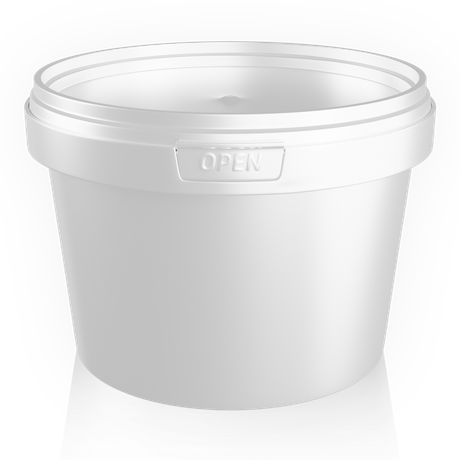
The buckets taper toward the base, so empties nest inside each other and a pallet carries packaging, not air. On every size, the lid seats into a double rim, and under the rim there's an OPEN tamper-evident tear strip with embossed lettering.
Finder
What's packedin the Karaganda Region, and in which bucket
Demand in the region rests on three pillars: industry with its maintenance and canteens, city retail and delis, and dachas and fishing on Lake Balkhash. For each job, the table shows the usual starting size and how many of those buckets fit on a pallet.
The pallet column helps you plan a truck. A pallet holds 600 of the 21 L buckets, while the same space takes 7,200 small sour cream buckets. That's why an industrial order ships as several pallets of large buckets, while a dairy often fits everything on one.
Karaganda Region is big and varied: the coal basin and steel industry in the center, Lake Balkhash in the south, and dachas and farms around the cities. Bucket buyers fall into four groups, and each one chooses packaging by its own criteria.
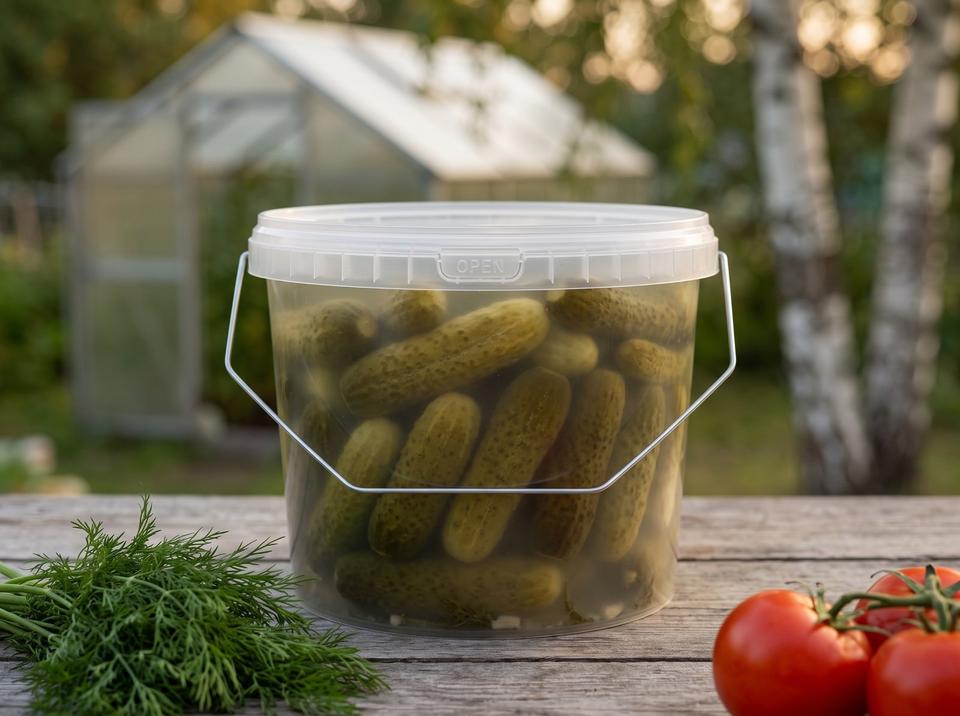
Dacha preserves3 L: about 3.2 kg of cucumbers with brine
Mines and steel
The companies themselves and their contractors buy large packaging: 5.6 L for repair bay grease, 15 L for cleaning pastes, and 21 L for enamel paint. The lid, seated in a double rim, keeps coal and ore dust out while the bucket sits on site between shifts.
Canteens and delis
Kitchens that feed shift workers get pickles, cottage cheese, and salads in large batches. The 18 L bucket opens across its full diameter so the cook can ladle the food out, while delis in town pack Korean carrot salad and other salads for sale in 900 ml and 1 L buckets.
The Balkhash shore
Fishers and fish salters pack the catch into 11.5 and 15 L buckets and take them to the plant with the lids on. Summer cafes by the lake buy small buckets for sauces, and fish stall vendors keep salted fish on the counter in 5.6 L buckets.
Construction and dachas
Karaganda keeps building new residential neighborhoods, and construction crews need 18 and 21 L buckets for putty, adhesive, and mixing water. Dacha owners around the cities buy the same sizes for their harvest, and 2.3 and 3 L buckets for homemade preserves to sell.
Calculation
Palletsfor your order
Enter the bucket and quantity, and the calculator converts units into pallets. An example from a worker canteen: the kitchen orders 1,200 of the 18 L buckets a year for pickles, which is exactly two pallets. A deli that needs 5,000 of the 900 ml buckets fits them on one pallet with room to spare.
Item
BucketsContainersJerry cansMedical buckets
How many pieces you need
pcs
Pallets ship whole, so the result is always rounded up.
You can combine pallets of different sizes in one truck.
Jerry cans stand on the pallet individually, so fewer fit than buckets.
How to buy
How to buybuckets direct from the factory
We sell direct from the factory, in orders of one pallet or more. The process is the same for a mine canteen, a plant in Temirtau, and a fish salter on Lake Balkhash.
1
Request
Call us or leave your number for a callback. Tell us what you'll pack, which sizes you need, how many, and which town in the region to deliver to.
2
Selection and pricing
Your sales manager will match your product to a size and handle, convert units into pallets, and quote the order price including delivery.
3
Your order in production
Your order is put together at our plant warehouse in the Bishkek Free Economic Zone (FEZ). If you want your brand on the side, the in-mold labeling (IML) or label artwork is approved first.
4
Shipping
A freight carrier takes the pallets to Kazakhstan, the shipment is processed within the EAEU, and the documents travel with the cargo.
Delivery
Shipping to Karaganda,Temirtau, Balkhash, and district centers
Straight-line distance. Click a city to open its page.
Every order leaves from one place: the HTI plant in Ak-Chiy village, Bishkek FEZ. A freight carrier takes the pallets to Karaganda Region, the shipment stays within the EAEU, and your sales manager gives you delivery time and cost when pricing your order. HTI has no warehouse in the region, so each order is assembled at the plant for a specific request.
A company with its own truck doesn't have to wait for a carrier: you can pick up the pallets right from the factory warehouse. Smaller buyers in the same town sometimes save by teaming up to fill a truck together; let your sales manager know in advance.
Demand in the region is seasonal. Fish salters on Lake Balkhash stock up on packaging before the fishing season, dacha owners before the harvest, and builders before spring, while canteens and company services buy on an annual plan. An order placed before the season lets us put all your sizes into one shipment without a rush.
Karaganda Region
Nearbyand across the country
Cities in the region
The links lead to city pages with packaging picks for local industries and markets.
The same bucket looks different depending on where it's going: a company warehouse, a market stall, or a chain store shelf. Here are four versions and where each one pays off in Karaganda Region.
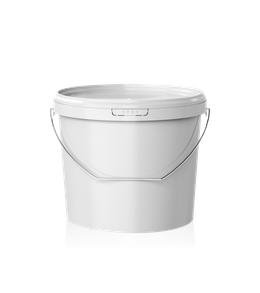
White for the warehouse
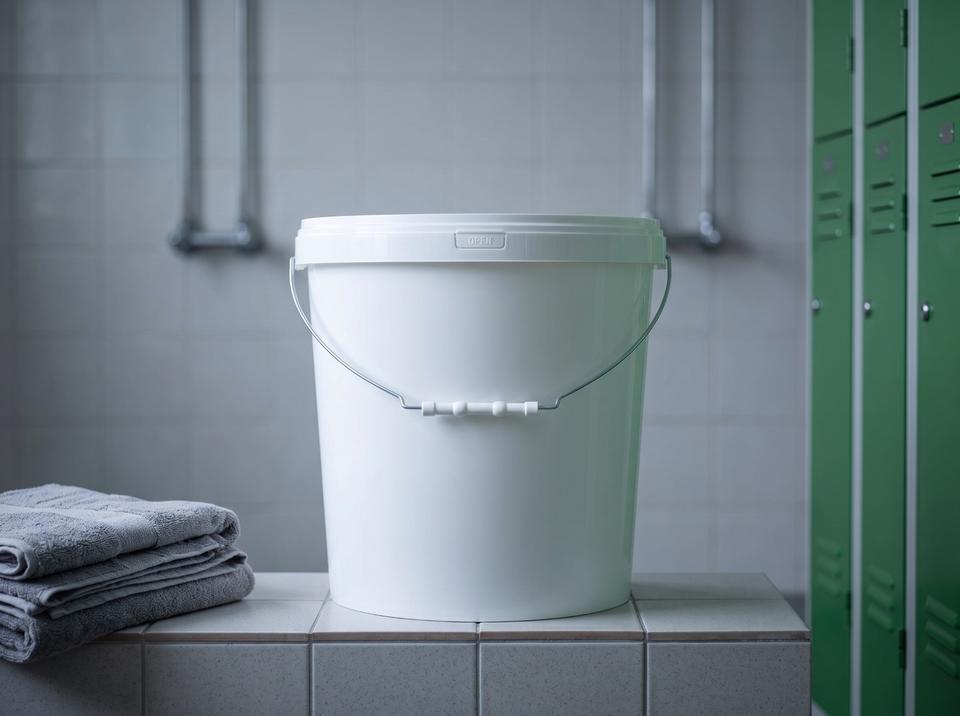
Grease, paste, and paint are stored in white buckets: dirt shows up on them, and marker writing and department labels are easy to read.
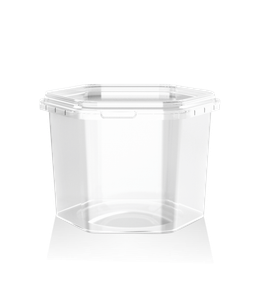
Clear for the market
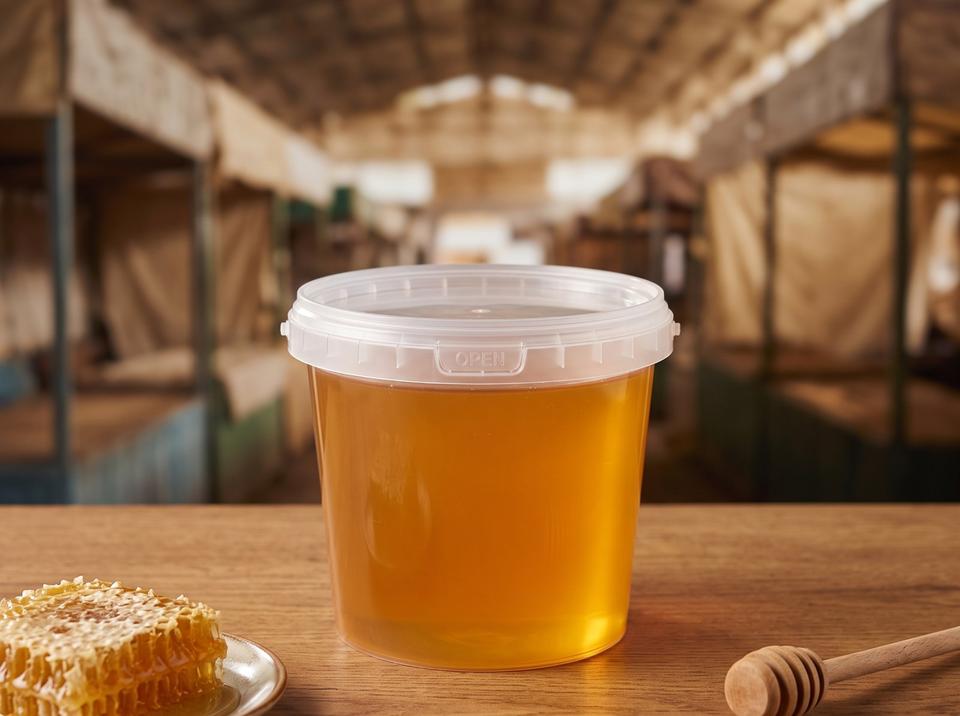
Honey, pickles, and caviar show through the wall, so shoppers can choose by eye. Clear polypropylene is available in every size from 560 ml to 21 L.
OPEN seal
Neither the storekeeper nor the customer needs to take off the lid: an intact seal under the rim means the bucket hasn't been opened since filling.
IML with your logo
The image is fused into the wall during molding and survives washing. A label works well for a first order, and IML for regular runs.
Questions and answers
Questionsfrom buyers in the Karaganda Region
Didn't find your answer?A sales manager replies Mon-Fri, 9:00 AM-5:00 PM, Bishkek time
Directly from the HTI plant: we sell buckets in orders of one pallet or more and ship them to the region straight from the Bishkek FEZ. Call +996 222 600 292 or send a request, and our sales manager will pick the sizes and work out shipping to your town.
Your sales manager prices each specific order. The price depends on bucket size, quantity, handle, body color, and printing, and freight to Karaganda or your district center is added to the same estimate.
By freight carrier, in full pallets: from our plant in the Bishkek FEZ to your town, with the shipment processed within the EAEU. Your sales manager quotes the transit time and freight cost, and if you have your own transport, you can collect the pallets at the plant.
No. There's just one warehouse, at our plant in Ak-Chiy village, Bishkek FEZ, and every order ships from there.
Usually the 5.6 L for a repair bay, 800 ml and 1 L for retail, and 21 L for a fuel and lubricants depot. The wide opening lets you take grease out with a spatula; learn more on our lubricant buckets page.
The 11.5 and 15 L buckets: their 295 and 303 mm openings let you lay the fish in neat rows, and the lid keeps it covered while it cures on the way to the plant. For a size-by-size breakdown, see our buckets for fish and caviar page.
Yes, different sizes ship together, each on its own pallet. That makes it easier for your purchasing team to receive the shipment and distribute it among departments.
Yes, with a label or IML. In the warehouse, it helps tell different departments' packaging apart, and in stores, it makes your product recognizable.
Catalog
Bucket catalogfor the Karaganda Region
The catalog has dimensions, empty weight, and photos for every bucket. The region's cities have their own pages: Karaganda, Temirtau, Shakhtinsk, and Saran, and the neighboring copper country is covered on our Ulytau Region page.
Tell us the materials and products, your approximate monthly usage, and your town in the region. Our sales manager will pick the sizes and work out the pallets and freight.