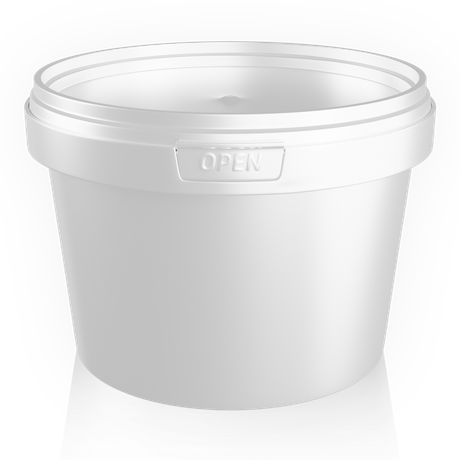
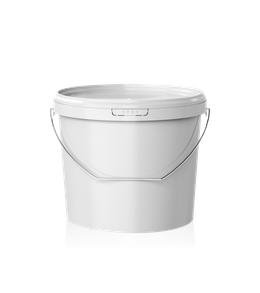
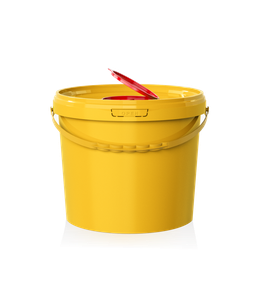
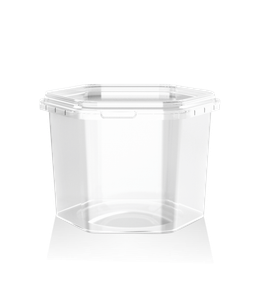
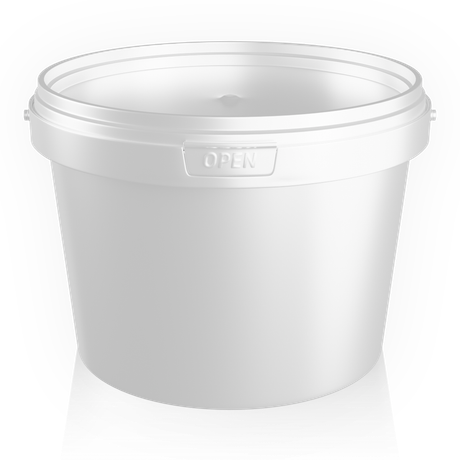
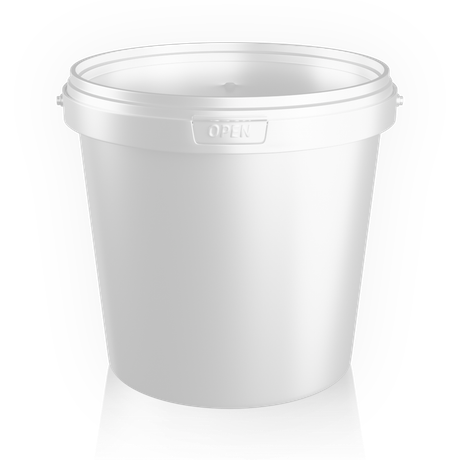
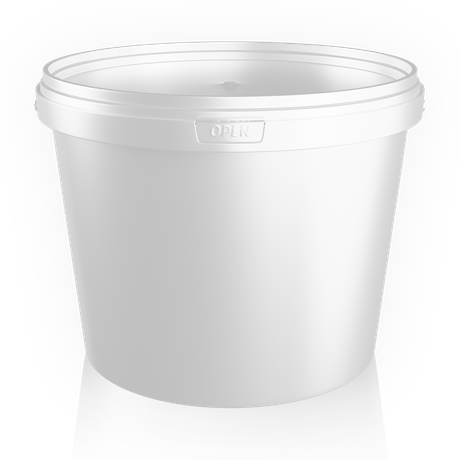
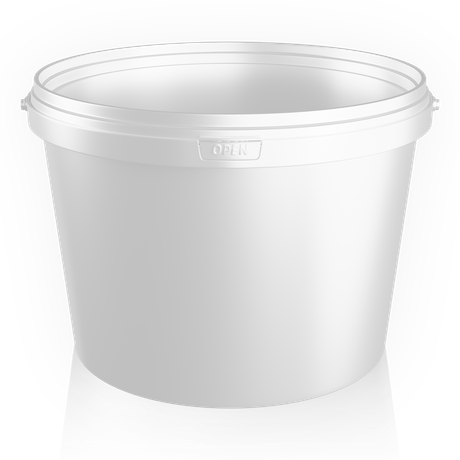
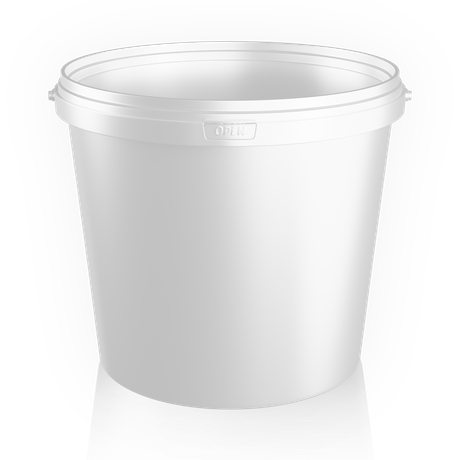
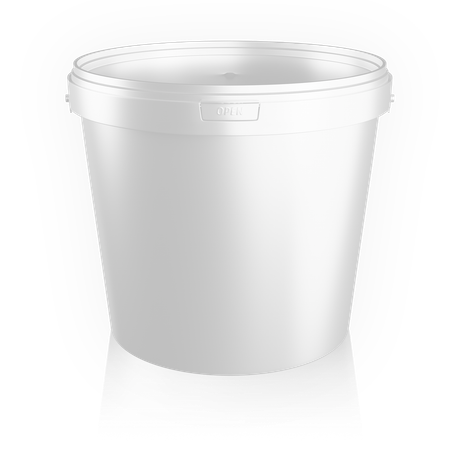
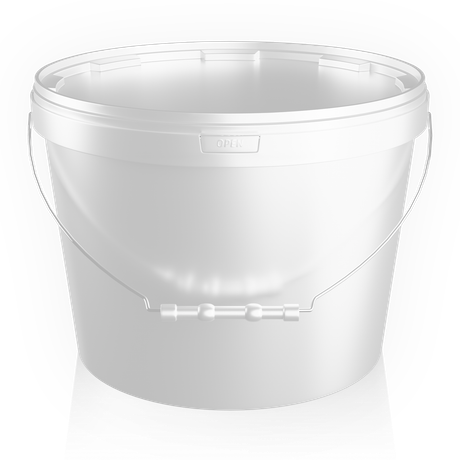
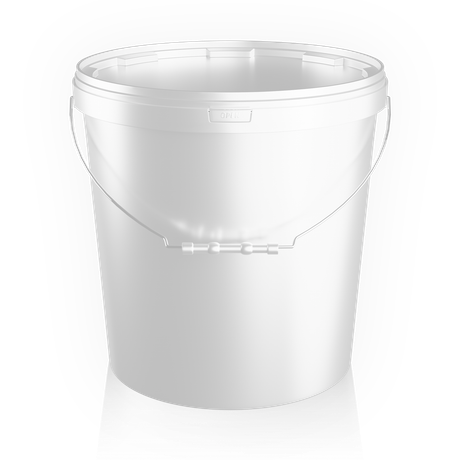
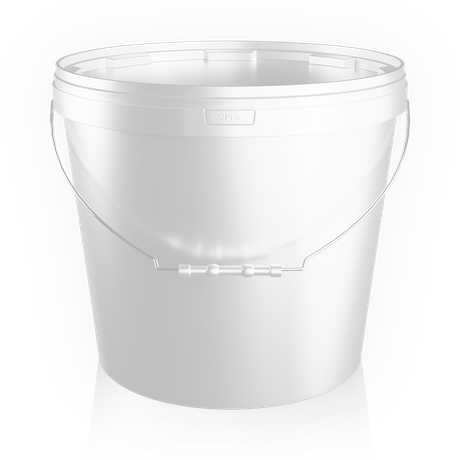
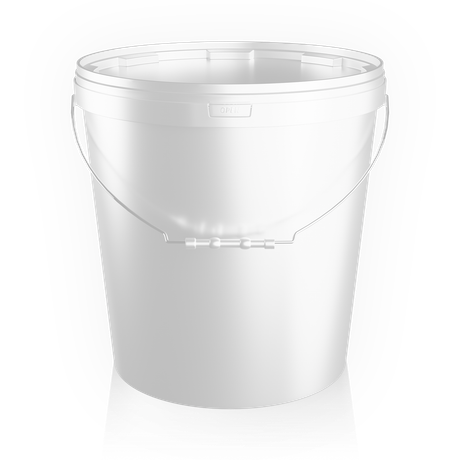
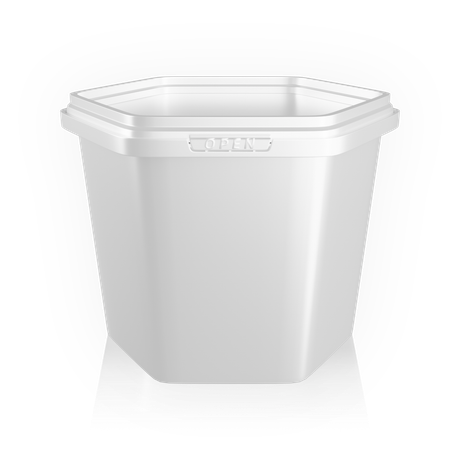
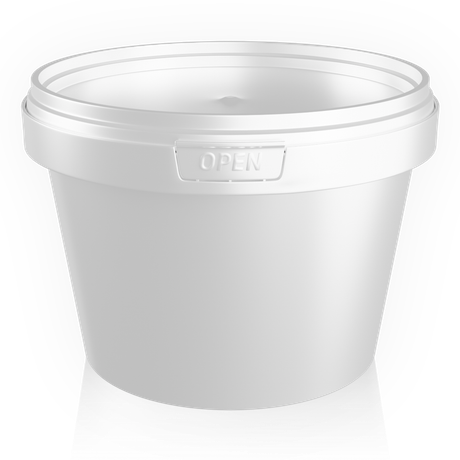
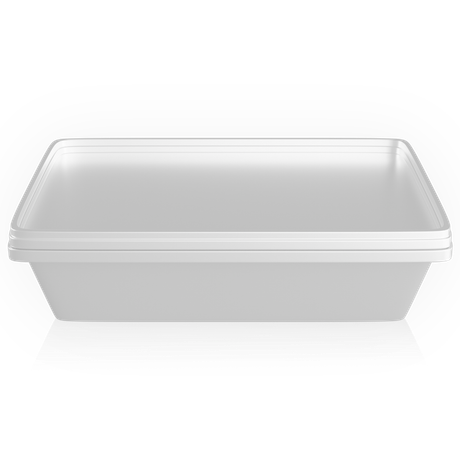
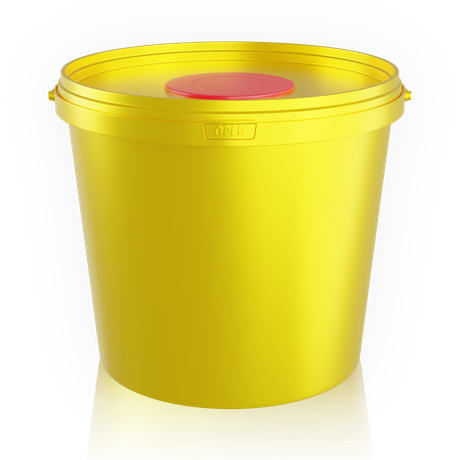
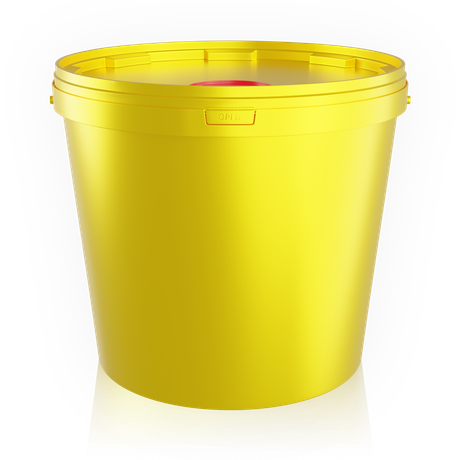
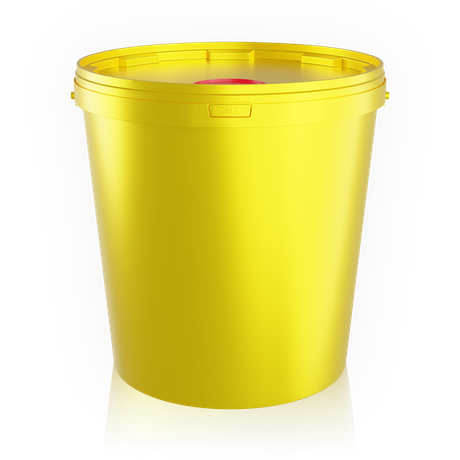
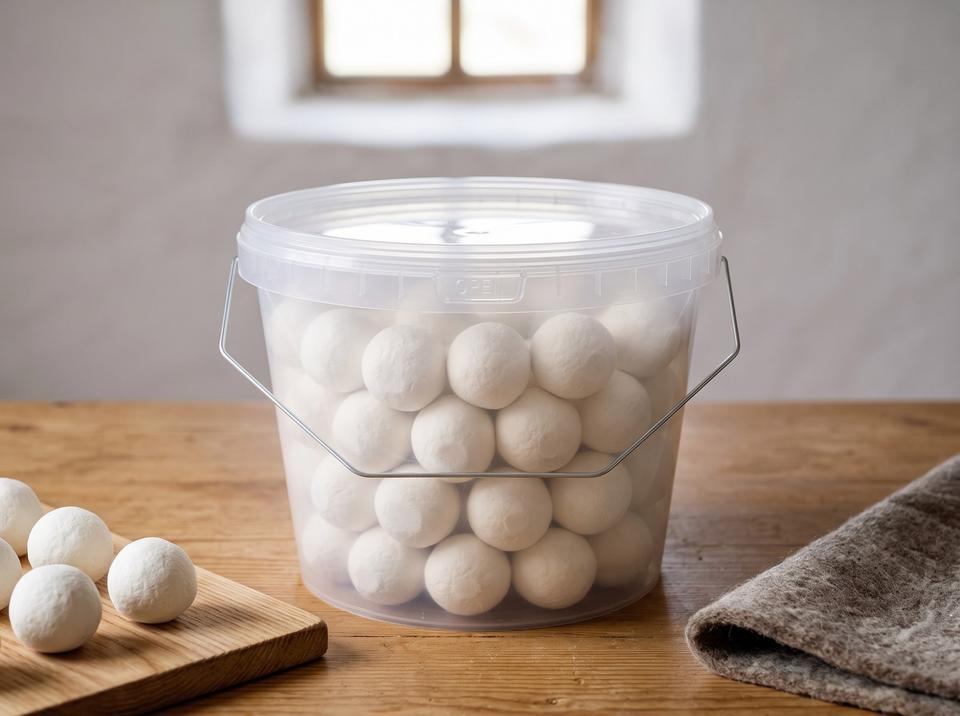
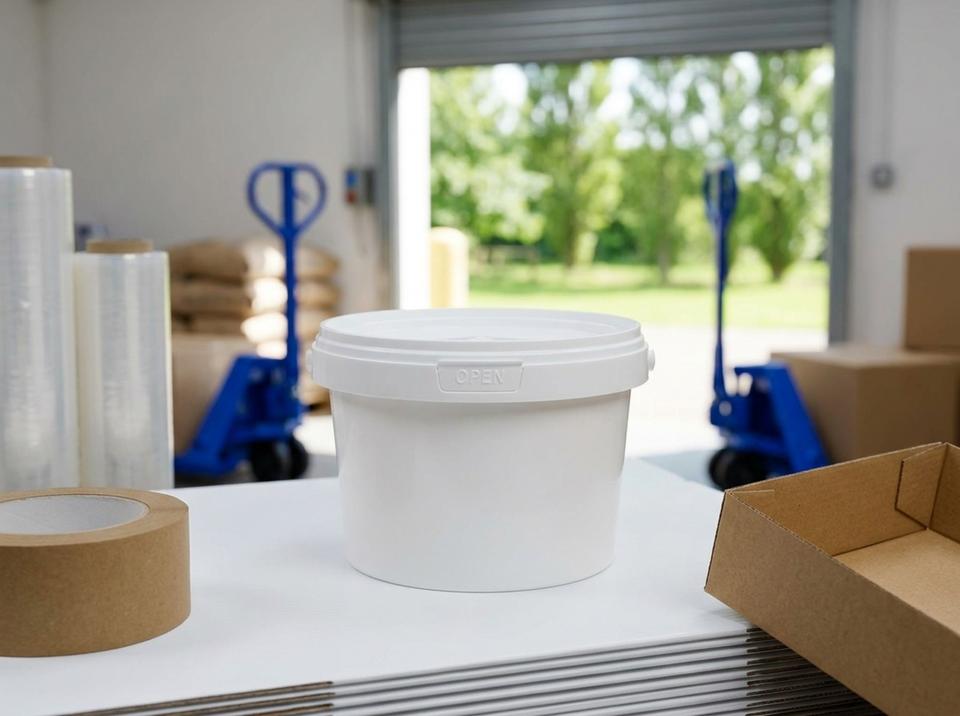
560 ml plastic bucket
Sour cream and kaymak from farms near Semey: the low, handleless bucket is easy to line up in a display case.
- Opening
- Ø 118 mm
- Height
- 80 mm
- Empty weight
- 23 g
- Per pallet
- 7,200 pcs
Plastic buckets14 sizes · 560 ml to 21 L
Medical buckets9 sizes · 1 to 21 L
Food containers5 formats · 250 to 750 ml
Plastic jerry cans5 L and 10 L
Plastic buckets16 models, 560 ml - 21 L
Medical buckets10 models, 1 - 21 L
Food containers5 models, 250 - 750 ml
Plastic canisters5 and 10 L
塑料桶16 个型号,560 毫升 - 21 升
食品容器5 个型号,250 - 750 毫升
塑料方桶5 升和 10 升Hello! We'll suggest the right size for your product, calculate pallets, and quote a price for your order.
Abai Region is a land of steppe and rolling hills where farmers raise sheep, horses, and cattle, while meat and dairy processors work in Semey and in towns along the railway. Meat, kurt (dried curd), sour cream, valley honey, and livestock feed are stored and sold in buckets. The HTI plant molds food-grade buckets from 560 ml to 21 L and ships them by the pallet to Semey, Ayagoz, and the region's district towns. Below you'll find which size suits which product, an order estimate, and how to buy.

The HTI range is split into three size groups. Each bucket is labeled with what buyers in Abai Region use it for, from a small bucket of sour cream on a Semey store counter to large buckets for freshly extracted honey and winter feed. Click a card to open that size's page with dimensions, tare weight, and photos.
For the store counter, the corner shop, and shoppers who carry their purchase home by hand.
For delis, roadside cafes, and small producers.
For apiaries, farms, meat processors, and renovation work.
Containers for dairy, kurt, honey, and takeout meals.
Jerry cans for drinking water at winter camps and fluids for machinery.
Yellow (Class B) and red (Class C) medical waste buckets (by Kyrgyz sanitary classification) for the region's hospitals, health posts, and vets.

Sour cream and kaymak from farms near Semey: the low, handleless bucket is easy to line up in a display case.

Irimshik and sweet cottage cheese for the market stall: with a plastic handle, shoppers can carry the bucket home without a bag.

Honey from local apiaries as a gift: the clear wall shows whether it's light or dark.

Pickles and salads for Semey delis: the molded-in handle is cast in one piece with the body, so it never comes loose.

A liter of honey weighs about 1.42 kg. It's the beekeeper's best-selling size at the district bazaar.

Kurt and irimshik sold by weight: the 175 mm opening easily fits a hand holding a scoop.

Cottage cheese for canteens and highway cafes: three liters fits neatly on a fridge shelf.

Sauce and adjika for Semey's shashlik cafes: a 200 mm opening, the same as the three-liter bucket.

Marinated meat for cafes and delivery: the metal bail handle can take the weight of a bucket filled to the brim.

Ground meat and cuts for delis: the eight-liter bucket with a plastic grip is easy to carry one-handed from the prep room to the cooler.

Compound feed and salt for a farmstead on a distant pasture: the tight lid keeps out steppe dust.

Sauerkraut and pickled cucumbers for canteens in Kurchatov: about 15.8 kg, brine included.

Tile adhesive and putty for renovation jobs in Semey: a mixer paddle fits through the 332 mm opening.

Freshly extracted honey at the apiary, stored until sale: nearly 30 kg in one bucket.

Single portions of kaymak and sour cream for Semey canteens: the 250 ml hexagonal container.

Irimshik and sweet cottage cheese for bazaar shoppers: the round 385 ml container holds one purchase.

Kurt in small packs for train travelers at Turksib stations: 400 ml under a lid.

Urzhar District honey as a gift: the round 550 ml container holds about 0.78 kg.

Beshbarmak and manty to go from Semey cafes: a flat tray with a lid.

Drinking water for winter camps and for the flock out on the steppe: a 5 L jerry can with a molded-in handle.

Antifreeze and oil for farm machinery across the region: ten liters with a screw cap.

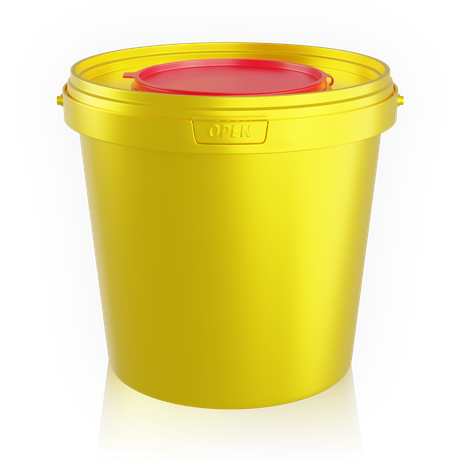
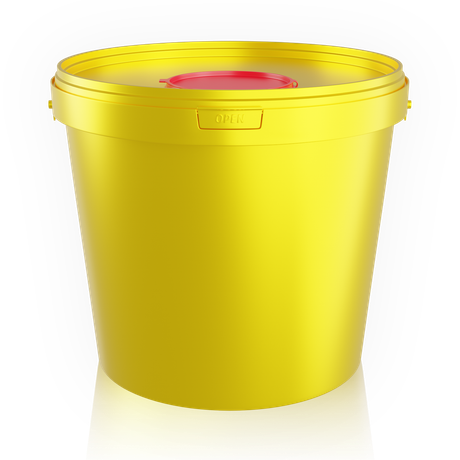
Village health posts in Urzhar District: after each shot, the needle goes into the needle remover, and a one-liter bucket sits on the medic's desk.

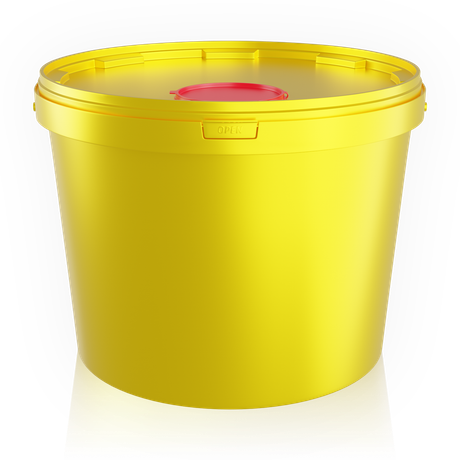
School nurses' offices in Ayagoz: cotton and ampoules after vaccinations, yellow body, Ø 175 mm.

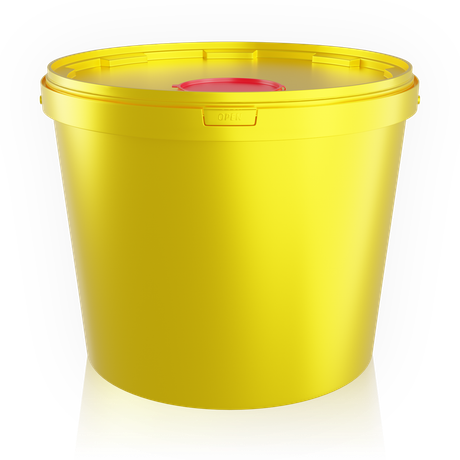
Mobile vaccination teams in remote villages: syringes go through the needle remover, and the three-liter bucket rides along in the team's vehicle.

Slaughterhouses and meat shops in Semey: a 75 mm opening in the lid dispenses hand-sanitizing wipes.

Trauma unit at Semey's emergency hospital: dressings go into a red Class C bucket.

Vets serving sheep flocks and horse herds: used supplies from vaccinations before sogym (the late-fall slaughter), 11.2 L.

District hospitals across the region: a ward's daily waste, plastic handle, 307 g empty.

Medical center in Kurchatov: waste from a whole floor, 18 L under a tight lid.

Remote villages: waste is picked up only every few weeks, so they choose the 21 L bucket.
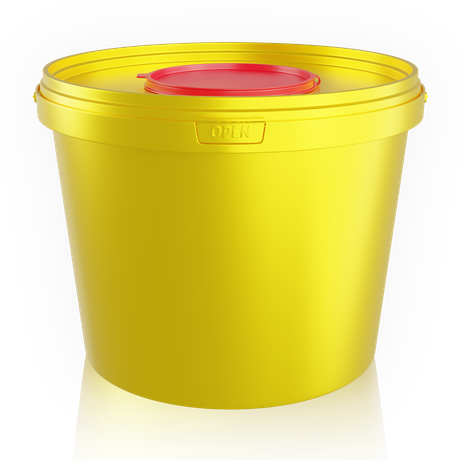
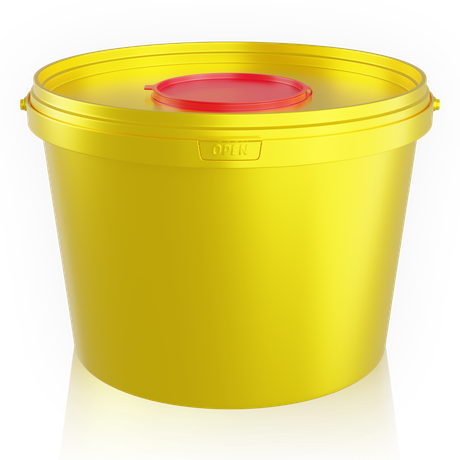
Empty buckets nest inside each other, so there's almost no wasted space in the truck. The flat lid snaps into the double rim, and the OPEN tamper-evident tear strip beneath it shows the bucket hasn't been opened yet.
The region trades in what the steppe provides: meat, milk, and honey, and in the towns, renovation work adds to the mix. We've listed the products most often packed in buckets, the size to start with, and the handle that suits it.
| Product | Who buys | Bucket | Handle | Learn more |
|---|---|---|---|---|
| Honey | apiaries in the region's valleys | 1 L | plastic | honey buckets |
| Sour cream, kaymak | dairy plants and farms | 560 ml | no handle, side lugs | dairy products |
| Kurt, irimshik | farmers selling at the bazaar | 2.3 L | metal or plastic | kurt and cheese |
| Marinated meat | shashlik cafes and delis | 5.6 L | metal | marinated meat |
| Ground meat, ready-to-cook products | meat processors | 8 L | metal with plastic grip | packaging for meat plants |
| Premixes, compound feed | farms and winter camps | 21 L | metal with plastic grip | feed and premixes |
| Putty, adhesive | renovation crews | 18 L | metal or plastic | putty and primer |
A liter of honey weighs about 1.42 kg, so a 21 L bucket fresh from the extractor weighs nearly 30 kg: that's exactly why it needs a bail handle with a plastic grip. A 560 ml bucket of sour cream weighs just over half a kilo, so it needs no handle; people simply pick it up by the rim.
Farms here are scattered across the steppe, but they sell in Semey, in the district towns, and along the railway. Each buyer has a top question about a bucket: Will it survive the road? How much does it weigh empty? How does it look on the counter?

The fall slaughter, known as sogym, produces a lot of meat in a short time, and Semey's processors turn it into ground meat, cuts, and marinated meat. For that they use 8 and 11.5 L buckets with a plastic grip on the bail, while shashlik cafes and other cafes get 5.6 L buckets that fit on a fridge shelf.
Sour cream, kaymak, and cottage cheese from farms around Semey sell in neighborhood stores and at the market. For the display case, the handleless 560 ml bucket works well; canteens take 3 L; and kurt and irimshik are packed in 2.3 L buckets so they're easy to weigh out.
Honey from the region's valleys goes to district bazaars and to Semey. Beekeepers extract into 21 L buckets, which hold about 30 kg, then decant into one-liter and 850 ml buckets for retail: the clear body shows off the honey's color at a glance.
In Semey and the district towns, people renovate apartments and build houses. Crews need 18 and 21 L buckets for mixes and mixing water, while small producers that pack their own putty use the same buckets with their own label.
Choose a size and quantity, and the calculator works out the pallets. Example: a dairy near Semey fills 12,000 sour cream buckets (560 ml) per quarter. That's two pallets, since one pallet holds 7,200. For an apiary extracting into 21 L buckets, one pallet holds 600.
We sell in orders of one pallet or more, direct from the factory. The steps are the same for a meat processor in Semey and an apiary near Urzhar.
Call us or leave your number on the site. Tell us what you'll be packing, which sizes and how many you need, and where to deliver.
Your sales manager will suggest buckets for your product, work out the pallet count, and quote the order price. Delivery to Semey or a district town is built into the same estimate.
Pallets are assembled at our plant in the Bishkek Free Economic Zone (FEZ). If you need your own label or in-mold labeling (IML) on the buckets, the artwork is approved before molding.
A freight carrier takes your order to Kazakhstan, with the delivery handled within the EAEU. The cargo documents travel with the pallets.

Buckets leave for Abai Region by the pallet from our plant in Ak-Chiy village, Bishkek FEZ. A freight carrier delivers them, the shipment is handled within the EAEU, and your sales manager quotes delivery time and cost along with the order price. HTI has no warehouse in the region: every order is assembled at the plant.
Farms in remote districts usually take delivery in Semey or Ayagoz and haul it onward with their own vehicles. Give your sales manager the exact delivery point for a more accurate shipping estimate.
It's best for apiaries to order packaging before extraction, and for meat processors before the fall slaughter. In season, everyone needs buckets at the same time, so it's safer to have your order already sitting in your warehouse.
Semey and Ayagoz are linked: their pages match packaging to local producers.
On the steppe, buckets often travel a long way by hand: from the truck to the pen, from the processing room to the cafe. So beyond size, buyers choose the handle, body color, and branding.
On the 8, 11.5, 15, 18, and 21 L buckets, the metal bail handle comes with a plastic grip, so a full bucket won't cut into your palm, even if you carry it across the whole yard.
Shoppers can see honey, kurt, and irimshik through the wall without lifting the lid. Clear buckets come in every size from 560 ml to 21 L.
Under the lid rim there's a tear strip with embossed lettering. As long as it's intact, nobody has opened the bucket since it was filled, and for sour cream and meat that's a strong selling point.
A farm or shop name goes on with a label or IML. With IML, the image is fused into the wall during molding and survives any amount of washing.

Directly from the HTI plant: we sell by the pallet and ship from our production site in Bishkek. Call +996 222 600 292 or request a callback, and a sales manager will pick the right sizes for your product.
Your sales manager prices each order: sizes, quantity, handle type, color, and branding all play a part. Shipping to Semey or a district town is included in the same estimate.
By the pallet from our plant in the Bishkek FEZ via a freight carrier, with the shipment handled within the EAEU. Your sales manager confirms delivery time and cost when you place your order.
No. Everything ships from our plant in Ak-Chiy village, assembled for each specific order. We have no warehouses or pickup points in Kazakhstan.
Most often 2.3 or 3 L: the wide opening makes it easy to scoop out dry product. A clear bucket shows off the goods, while a white one takes a label. Learn more on our kurt and cheese buckets page.
In a 5.6 or 8 L bucket: the lid snaps into the double rim and won't pop off in the truck. See the size breakdown on our marinated meat buckets page.
Yes, different bucket sizes, jerry cans, and containers can be combined in one truck. Each model is on its own pallet, so receiving goes quickly.
Yes. For a small order, a label on the finished bucket works well; for regular runs, go with IML, which makes the image part of the wall.
Dimensions, tare weights, and photos of every size are in the catalog. There's also a dedicated page on packaging for Semey, plus one for neighboring East Kazakhstan Region.

Tell us what you pack and how much you sell per month. A sales manager will suggest sizes and work out the pallets and delivery to your town or village.