Want to learn more about our packaging or find the right fit for your business? Request a callback, and our specialist will call you at a time that suits you. Tell us about your product, and we'll help you choose the best option.
Order a callback from a specialist
Want to learn more about our solutions or find the perfect solution for your business? Leave a request for a callback and our specialist will contact you at a convenient time. Together we will find the optimal solution to make your business thrive!
Request a callback from our HR team
Interested in our openings and career opportunities? Leave your contact details and our HR team will get back to you shortly. We'll answer your questions and explain how to join the HTI Group team.
Order a callback from a specialist
Would you like to learn more about our job openings and career opportunities? Leave your contact information, and our HR department will get in touch with you shortly. We will answer all your questions and provide detailed information on how to become part of the HTI Group team.
Mon-Fri, 9:00 AM-5:00 PM · Factory in the Bishkek Free Economic Zone, Ak-Chiy village
Aktobe and the whole region
Plastic bucketsin the Aktobe Region
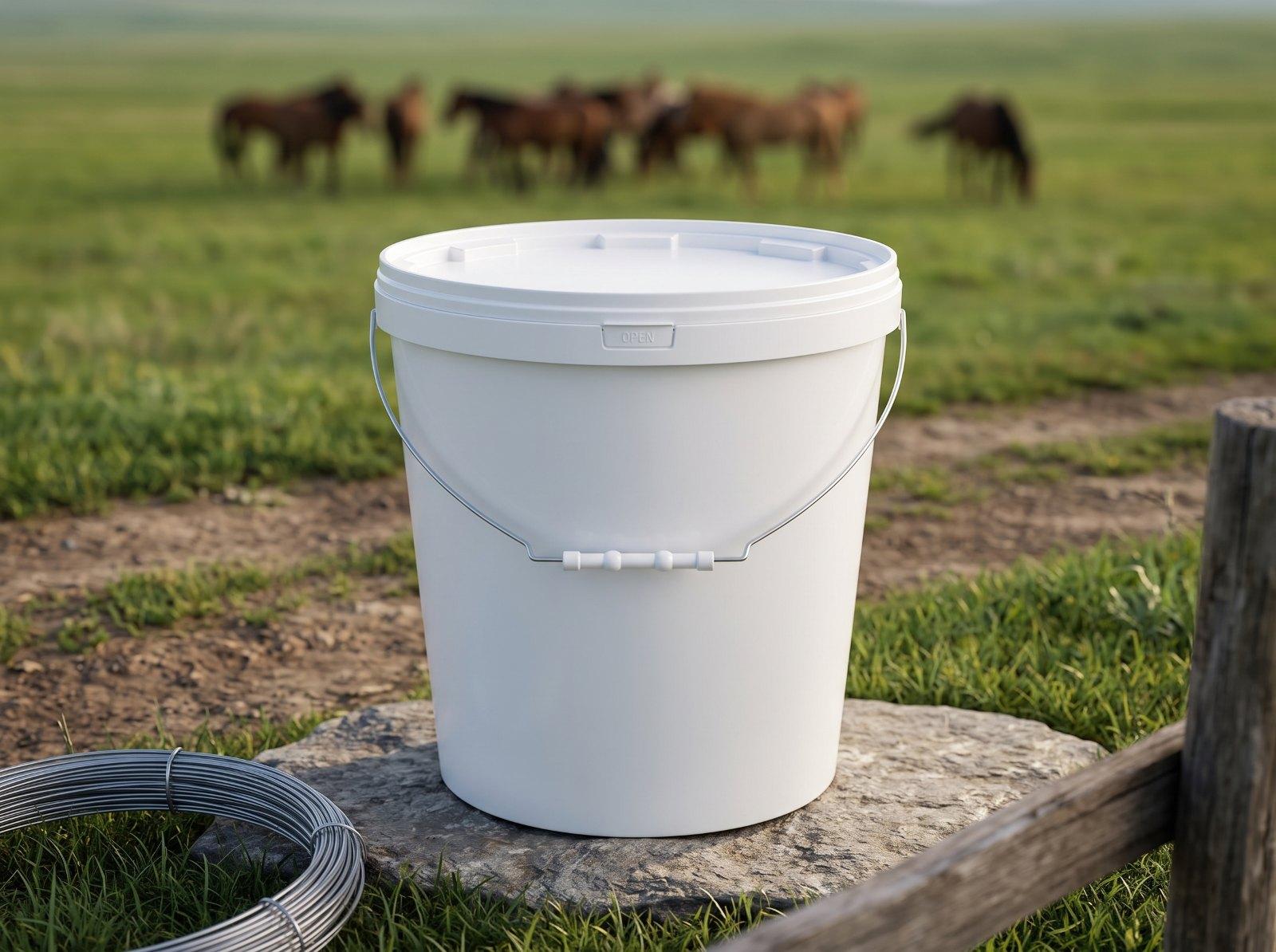
Aktobe Region's economy rests on four pillars: mining, oil and gas fields with their work camps, the railroad with its junction at Kandyagash, and livestock herding on the steppe. Each of them needs buckets with lids: for machinery grease, for sauces in worker canteens, for meat and milk from farms, and for feed at winter pastures. HTI molds food-grade buckets from 560 ml to 21 L and ships them to the region by the pallet, straight from the factory.
Fourteen bucketsand their jobs on the steppe and in the oil fields
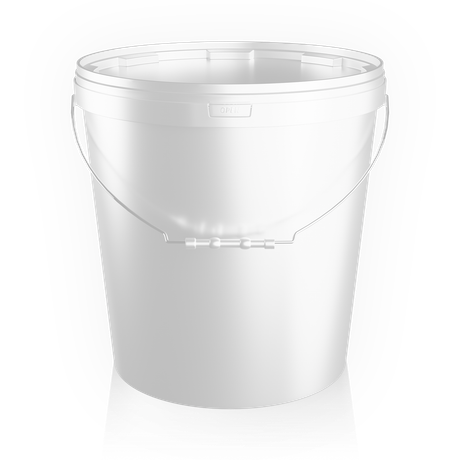
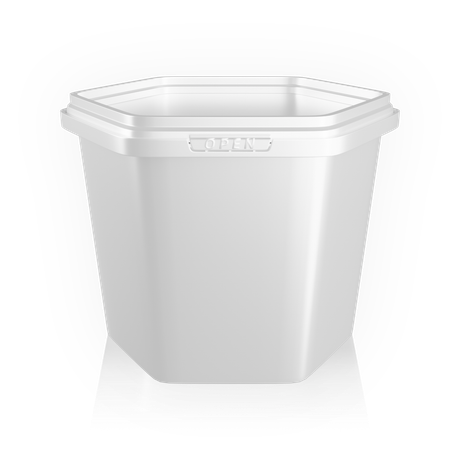
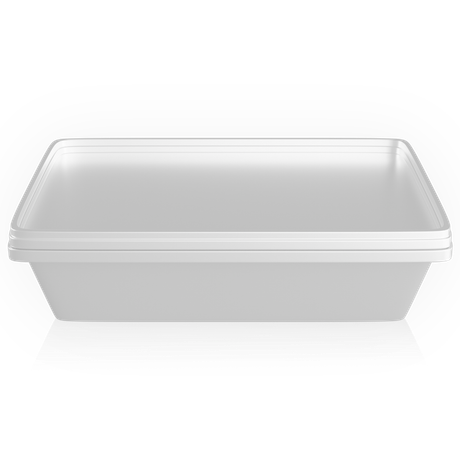
Here is every size we make, from a small countertop bucket to 21 L for farms and production shops. Under each one is the job buyers from Aktobe and the region's districts most often order it for. Each card links to the size's page with dimensions, empty weight, and photos.
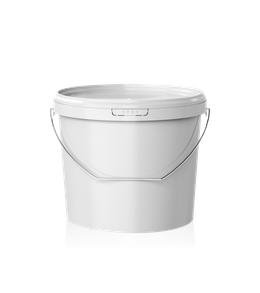
Retail packs for stores, markets, and delis.
Canteen kitchens, roadside cafes, and meat processing shops.
Workshops, dormitories, farms, and grease packers.
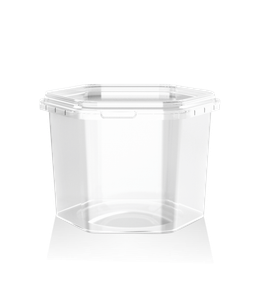
Containers for work camp canteens, oil field caterers, and steppe farms.
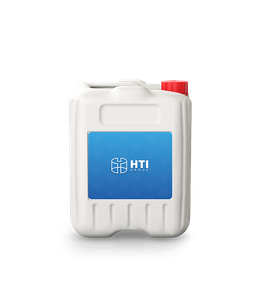
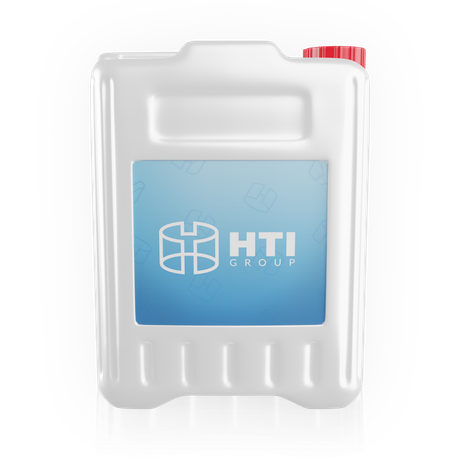
Jerry cans for crew drinking water and technical fluids at vehicle depots.
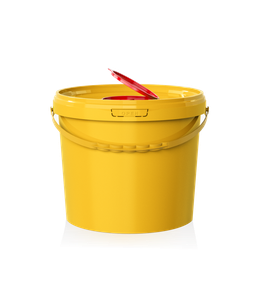
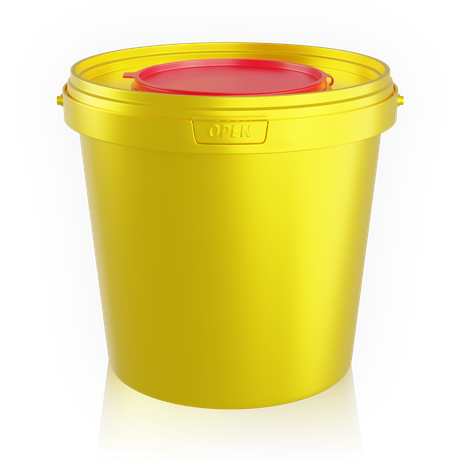
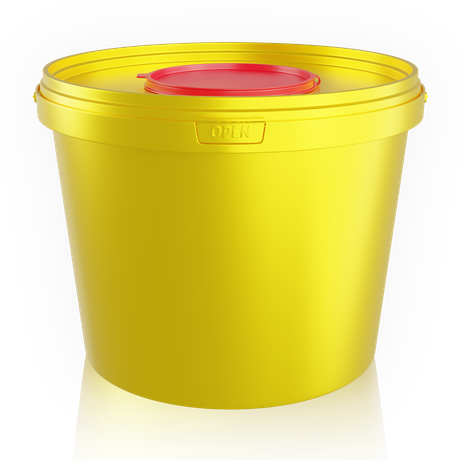
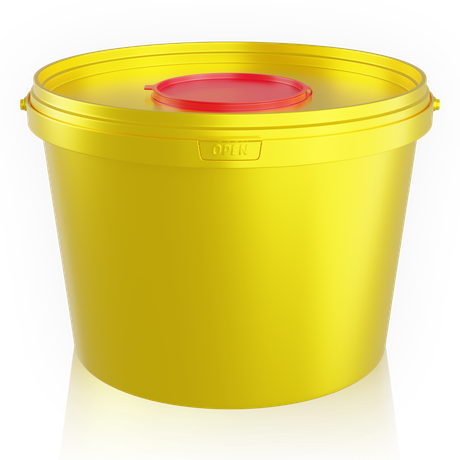
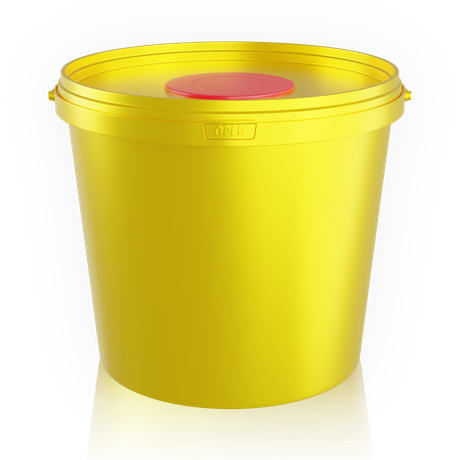
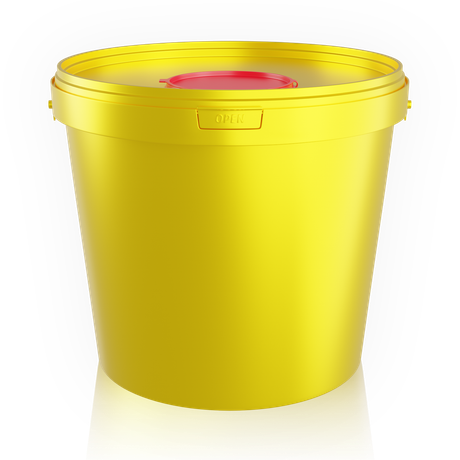
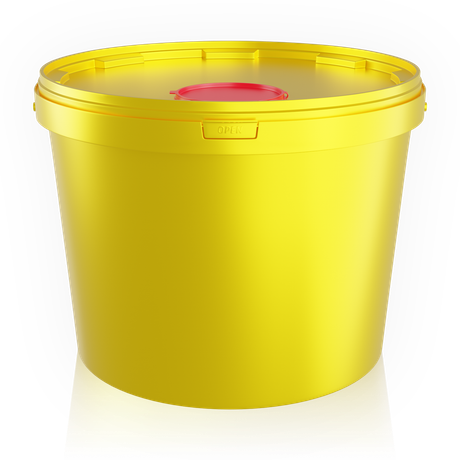
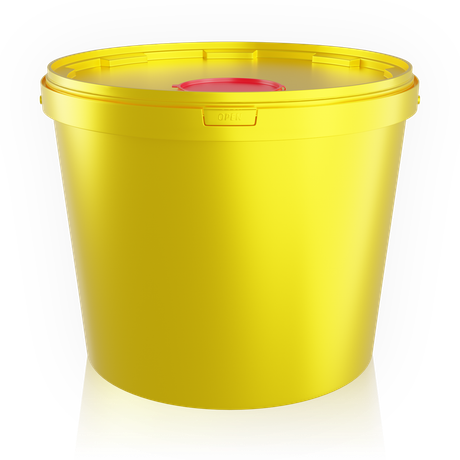
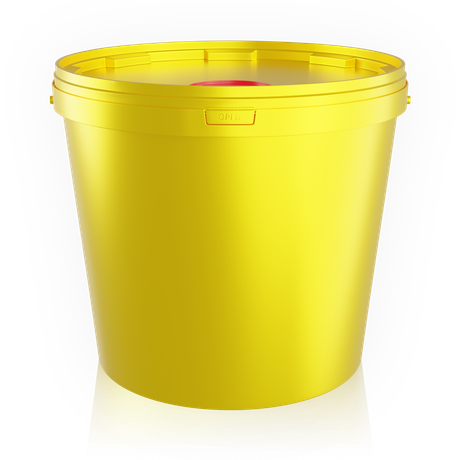
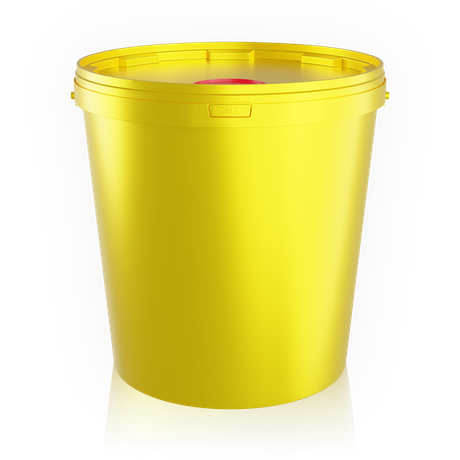
Yellow (Class B) and red (Class C) medical waste buckets (by Kyrgyz sanitary classification) for hospitals, mine first-aid stations, and work camps.
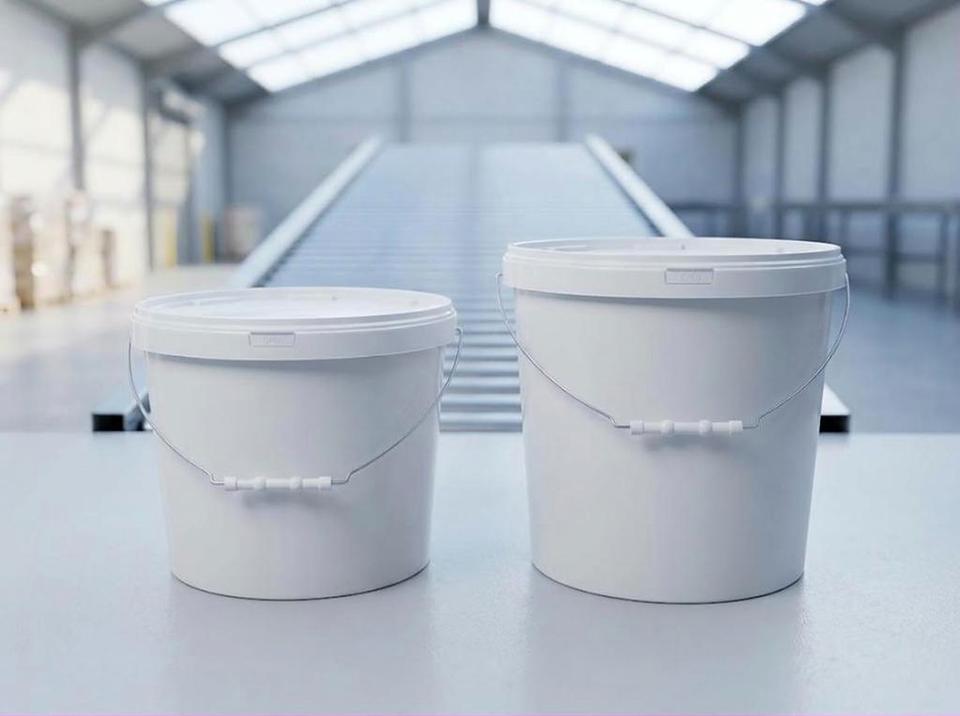
Packaging at the same scale: body width and height from the factory's product cards
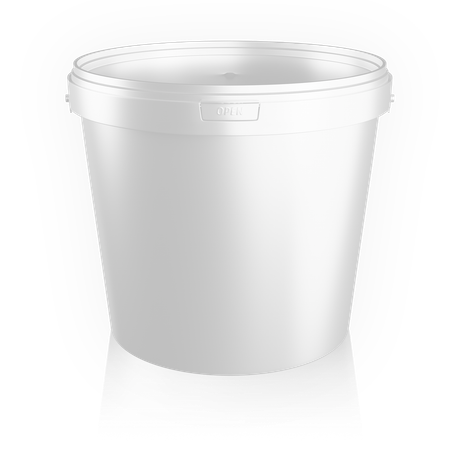
Retail · PKS560
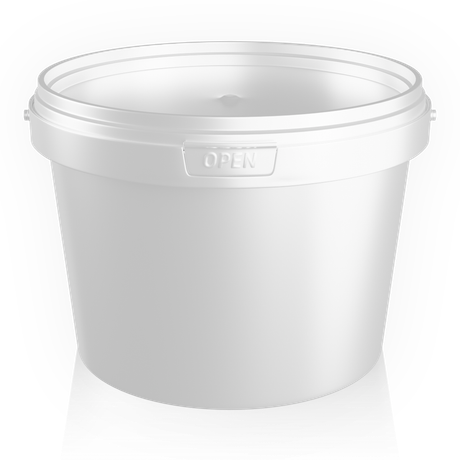
560 ml plastic bucket
Sary mai (clarified butter) and kaymak from steppe farms for Aktobe store counters: the low bucket has no handle and fits right into a display case.
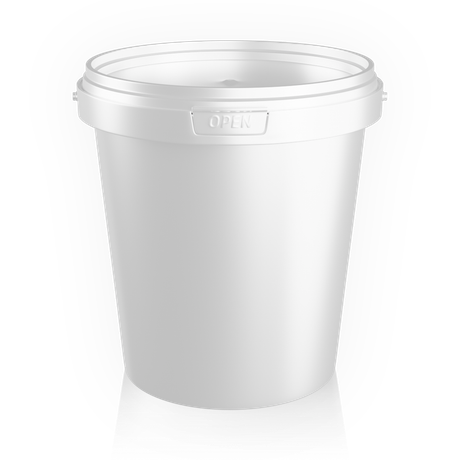
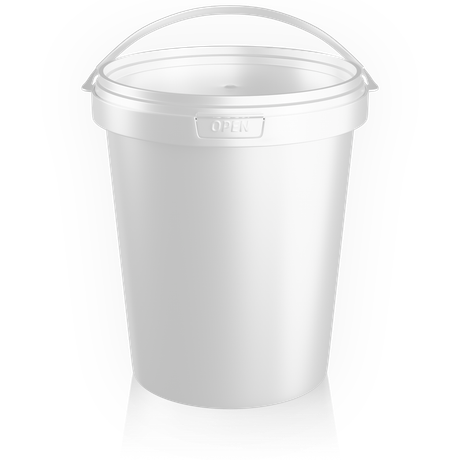
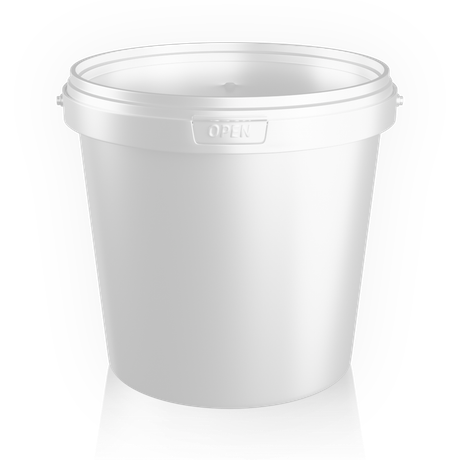
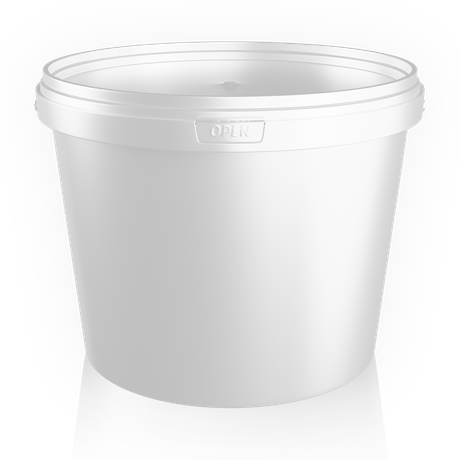
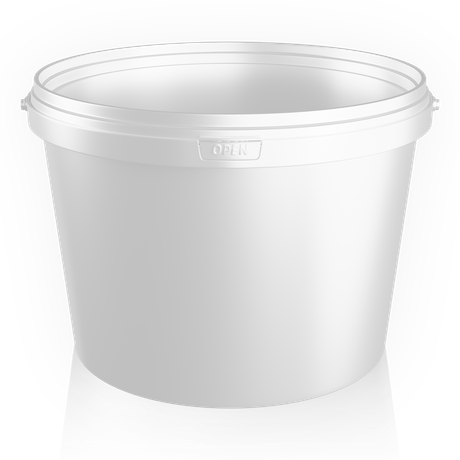
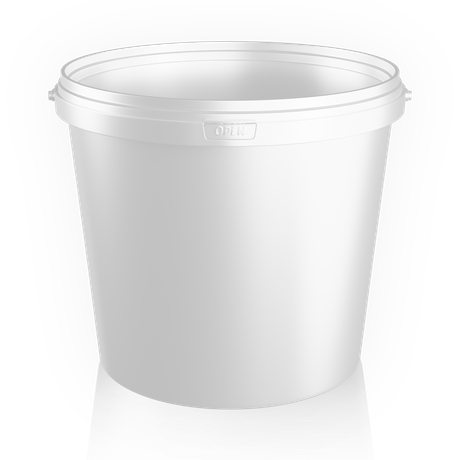
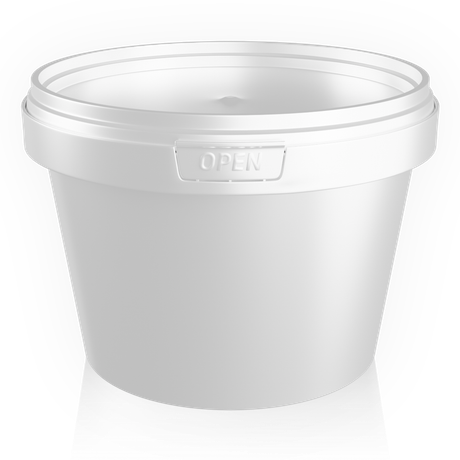
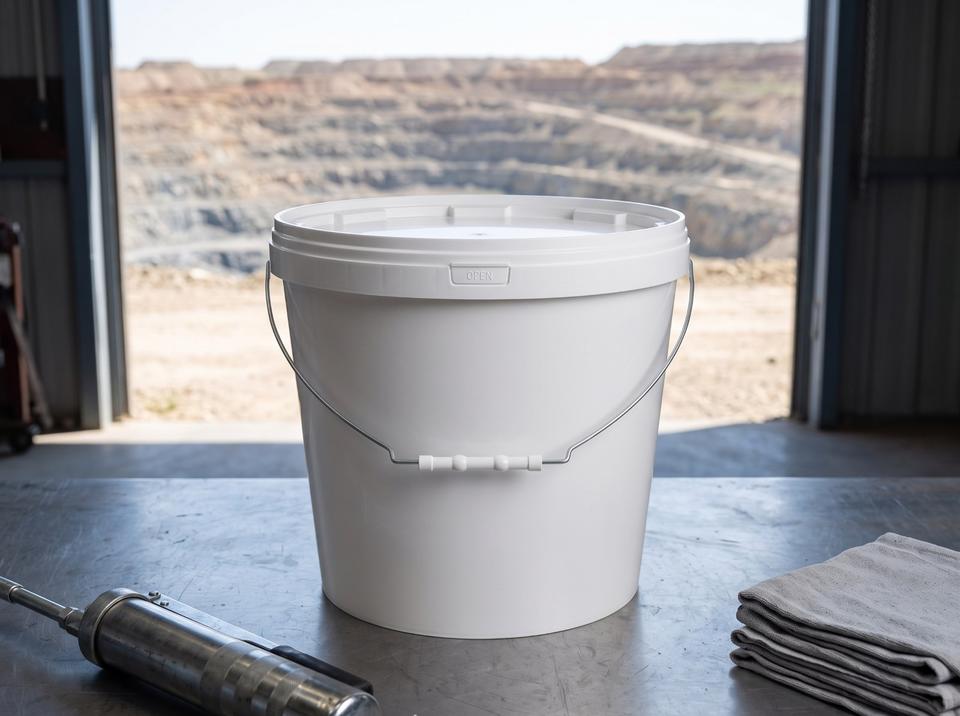
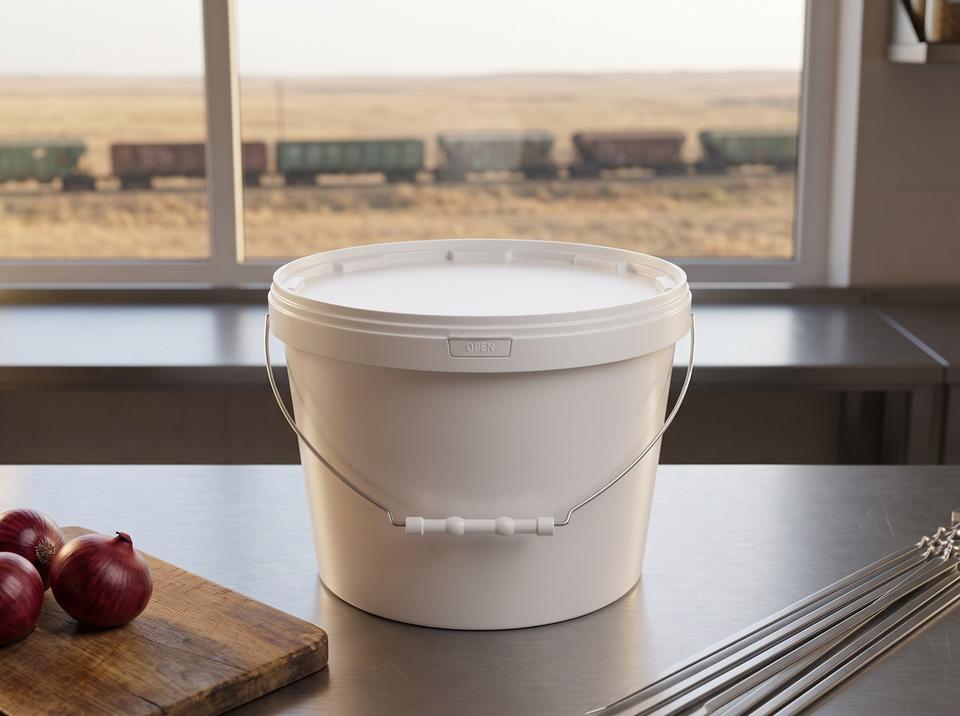
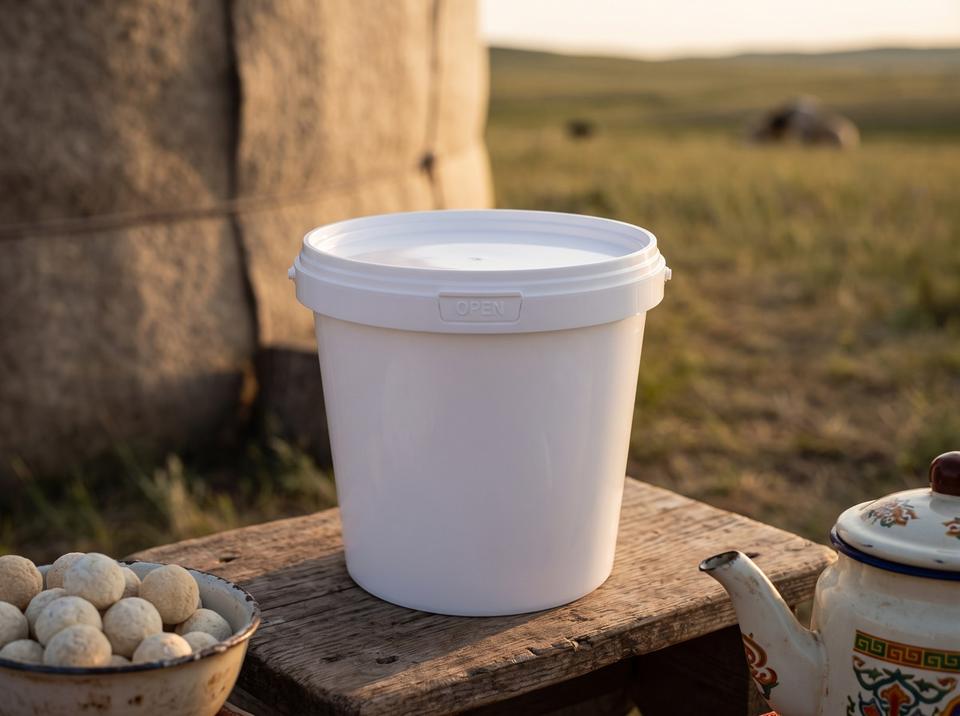
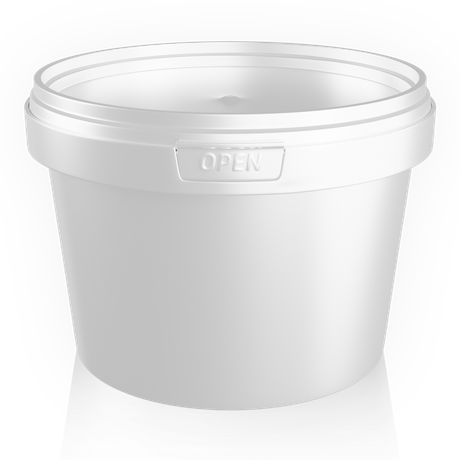
Every bucket has a tapered body, so empty buckets of the same size nest in a stack and take up almost no room in a farm or oil field storeroom. The flat lid seats into a double rim, and below the rim is a tamper-evident tear strip embossed with the word OPEN.
Pick by task
What's packedin the Aktobe Region, and in what sizes
Buyers in the region rarely use one bucket for everything: a canteen, a workshop, and a farm each have different products and go through them at different rates. The table shows which size is usually the first pick for each job and how many of those buckets fit on a pallet.
Pallet quantities vary enormously: a pallet holds 6,480 of the 1 L buckets but only 600 of the 18 L. So a farm buying small sour cream packs and a workshop buying grease buckets will get very different unit counts for the same number of pallets.
It's a big region with a varied economy: open-pit mines in one district, oil workers in another, the railroad running between them, and all around, the steppe with its winter pastures. Everyone needs buckets, but each buyer picks them differently.
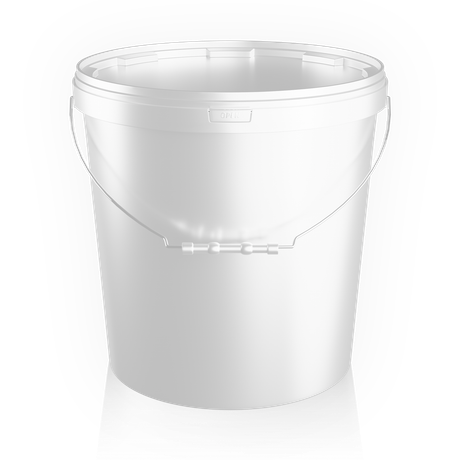
Repair shop at the mine18 L: 332 mm opening, 60 g bail handle with plastic grip
Mining
Repair shops at open-pit mines go through grease, cleaning pastes, and machinery compounds. The 18 and 21 L buckets with a metal bail handle suit them: both have a 332 mm opening, so a spatula or grease paddle fits in easily, and the plastic grip doesn't dig into your palm when you carry a full bucket to the excavator.
Oil, gas, and work camps
Canteens and caterers feed the oil field crews, and the dormitories need laundry detergent and cleaning products. Kitchens take sauces and pickles in 3.8 and 5.6 L buckets, and the camp's housekeeping service uses 15 L buckets for household cleaning products.
Railroad
Kandyagash, Emba, and Shalkar sit on the main line, and cafes, stores, and repair services cluster around their stations. Cafes need small buckets for dressings and takeout salads, while track crews need large buckets with lids for consumables.
Steppe livestock
Sheep and horse herds supply meat, milk, kurt, and sary mai. For the market, these go into 560 ml and 1 L buckets; for cafes and processing shops, into 8 L buckets for marinating; and at winter pastures, compound feed and supplements are kept in 21 L buckets with a tight lid.
Number of pallets
Estimate your orderbefore you call a sales manager
Enter the bucket size and quantity, and the calculator converts units into pallets. A local example: a shop packing grease for mining equipment orders 1,200 of the 18 L buckets, which comes to two pallets. A work camp kitchen that needs 3,000 of the 5.6 L buckets for sauces over six months also fills two pallets.
Item
BucketsContainersJerry cansMedical buckets
How many pieces you need
pcs
Pallets ship whole, so the result is always rounded up.
You can put grease buckets and food buckets in one order, with each model on its own pallet.
Jerry cans have their own pallet quantities because they don't nest.
Five steps to packaging with your logo
How to buy bucketsfrom Aktobe or a district center
We sell direct from the factory, in orders of one pallet or more. The steps are the same for a mine near Khromtau and a farm near Alga.
1
Tell us what you need
What you'll pack or store, which sizes and how many, and which town or village to deliver to. If you want your logo on the buckets, bring it up right away.
2
Get a quote
Your sales manager will match buckets and handles to your product, convert units into pallets, and quote the order price including freight.
3
Confirm your order
We prepare your pallets at the plant warehouse in the Bishkek Free Economic Zone (FEZ). For in-mold labeling (IML), the artwork is approved first, and then the run is molded.
4
Receive your pallets
A freight carrier takes the cargo to Kazakhstan, the shipment is processed within the EAEU, and the documents travel with the pallets.
Straight-line distance. Click a city to open its page.
Orders ship from the HTI plant in Ak-Chiy village, Bishkek FEZ: a freight carrier picks up the pallets and takes them to the region, with the shipment processed within the EAEU. HTI has no warehouse in Aktobe Region, so each order is assembled for a specific customer. Your sales manager quotes delivery time and cost along with the bucket price. If you have your own truck, you can pick up the pallets from the factory warehouse.
Oil fields and mines find it easiest to order packaging around their crew rotation and maintenance schedules, so each order arrives before the current stock runs out. Buckets of the same size nest inside each other, so a whole season's supply fits on a couple of racks at the base.
For farms, fall is what matters. Winter feed is bought before the cold sets in, so order buckets for it in advance, together with small packs for sour cream and kurt, and you won't have to send a truck twice.
Aktobe Region
Nearbyand across the country
Where we deliver buckets
Linked towns have their own page with packaging picks for local needs.
The same bucket comes in different versions. The right one depends on who will open it: a canteen cook, a mechanic, or a shopper at the market.
Bail handle with plastic grip
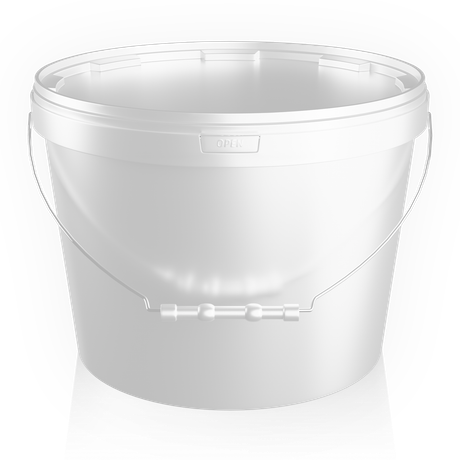
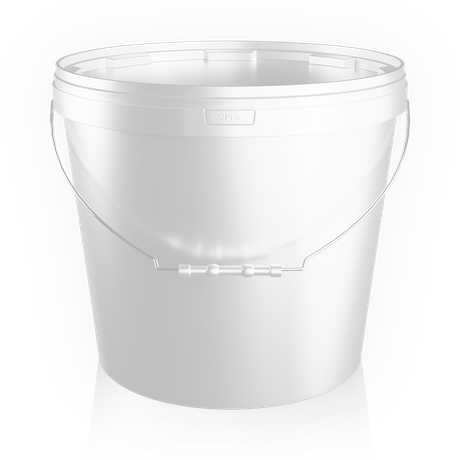
The 8, 11.5, 15, 18, and 21 L buckets come with a metal bail handle and a plastic grip. Choose the bail handle when full buckets have to be carried a long way: from the storeroom to the machines, or from the truck to the kitchen.
White body
For Aktobe stores and worker canteens: a white bucket is opaque, and a label with the product name, ingredients, and date is easy to read.
Clear body
Kurt, sary mai, and salads sell better at the market when shoppers can see the product. Clear polypropylene is available in every size from 560 ml to 21 L.
Tamper evidence
The OPEN tamper-evident tear strip under the lid rim shows that the bucket hasn't been opened since filling. That matters for sauces in the kitchen and for grease in the storeroom.
Questions and answers
Questionsfrom buyers in the Aktobe Region
Didn't find your answer?A sales manager replies Mon-Fri, 9:00 AM-5:00 PM, Bishkek time
Directly from the HTI plant: we sell buckets in orders of one pallet or more and ship them to Aktobe and the region's district centers. Call +996 222 600 292 or request a callback, and our sales manager will pick the right sizes for your product.
Your sales manager prices each order individually. The price depends on bucket size, quantity, handle type, body color, and logo printing. Freight to your town is included in the same estimate.
By the pallet from our plant in the Bishkek FEZ via a freight carrier, with the shipment processed within the EAEU. Your sales manager confirms delivery time and cost when you place the order.
No. All orders ship from our plant in Ak-Chiy village, and each one is assembled to order. You can also pick up the pallets yourself from the factory warehouse.
Usually the 18 or 21 L: a 332 mm opening and a metal bail handle with plastic grip. Details are on our lubricant buckets page.
The 5.6 L for mayonnaise and ketchup, and the 3.8 L with a 200 mm opening for pickles and salads. The lid's OPEN tear strip shows the cook that the bucket wasn't opened before it reached the kitchen.
Yes. Different sizes go on one truck, with each model on its own pallet. That makes the shipment easier to receive and distribute among your storerooms.
Yes, with a label or IML, where the image is fused into the wall during molding. A label is more practical for a first order, and IML for regular runs.
Catalog
Bucket catalogfor the Aktobe Region
The catalog has every size, empty weight, and handle option. For packaging in the city itself, see our plastic packaging in Aktobe page, and for the neighboring Ural River area, there's a West Kazakhstan Region page.
Tell us what goes in the bucket, how many you need, and which town in the region to deliver to. Our sales manager will pick the sizes and handles and convert your order into pallets.