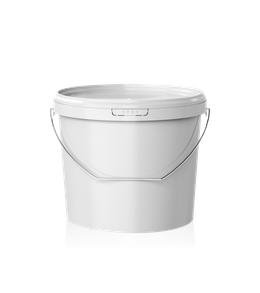
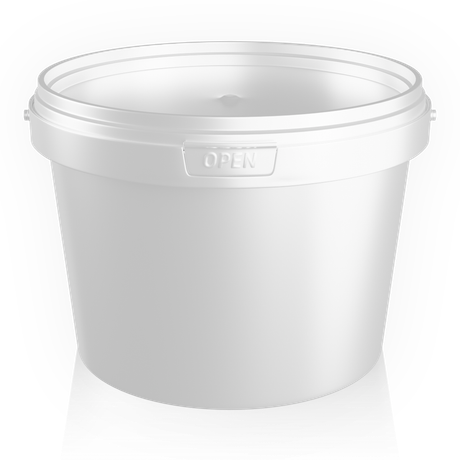
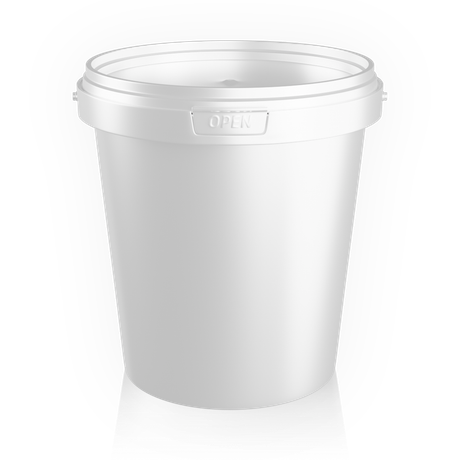
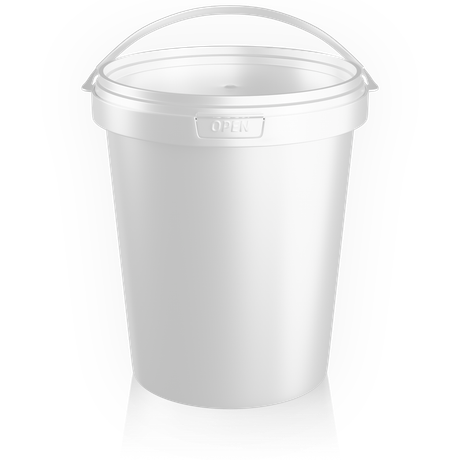
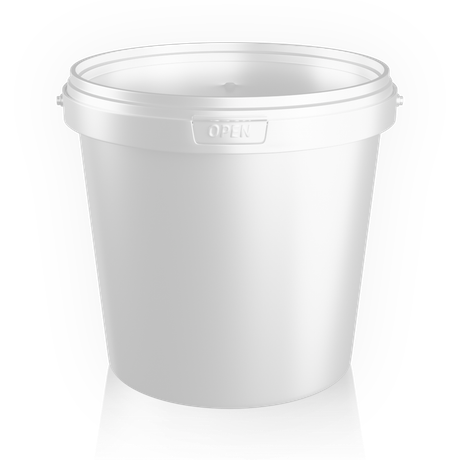
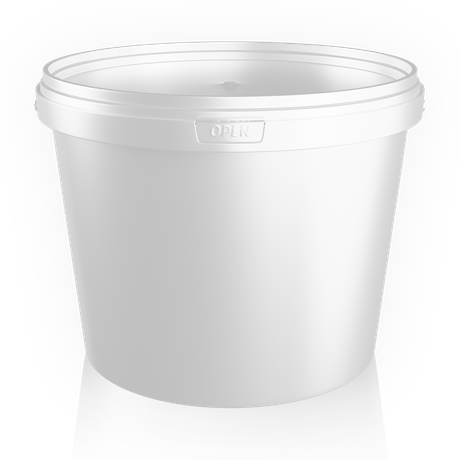
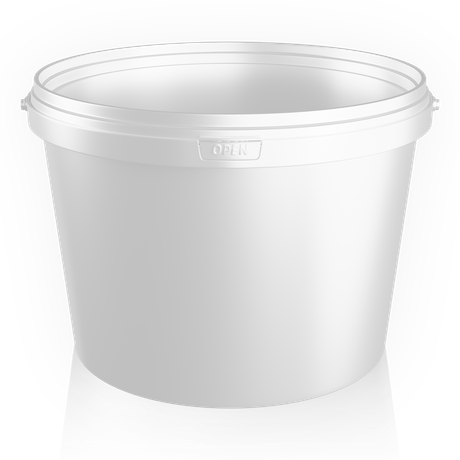
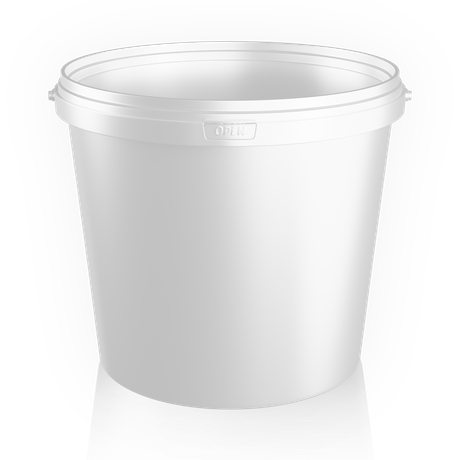
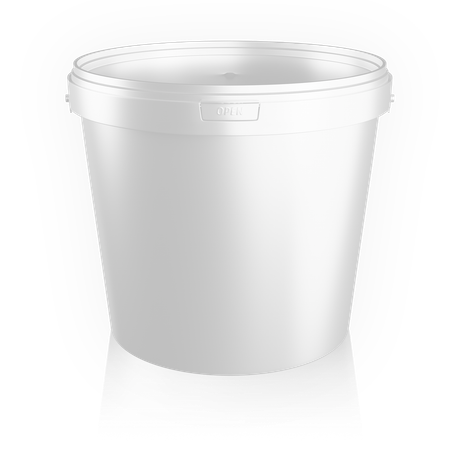
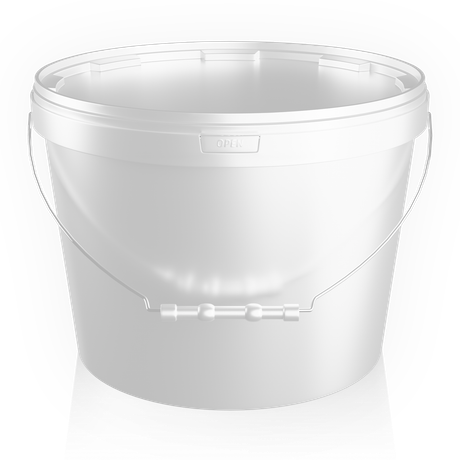
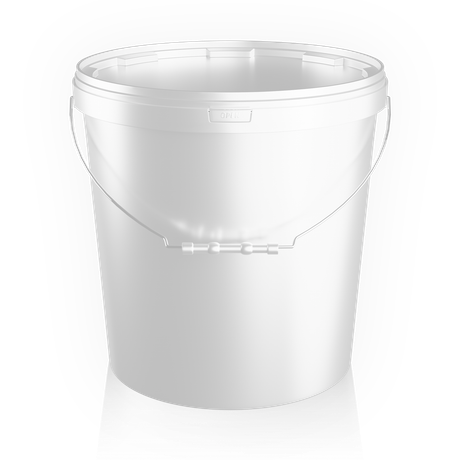
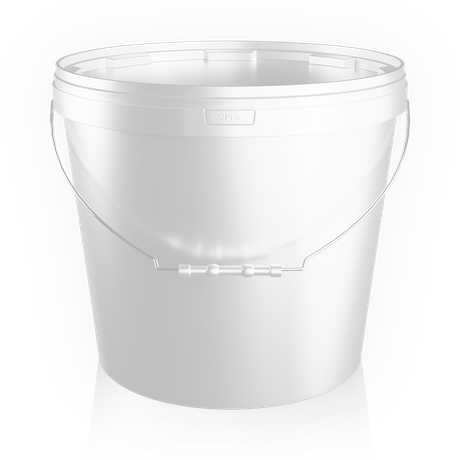
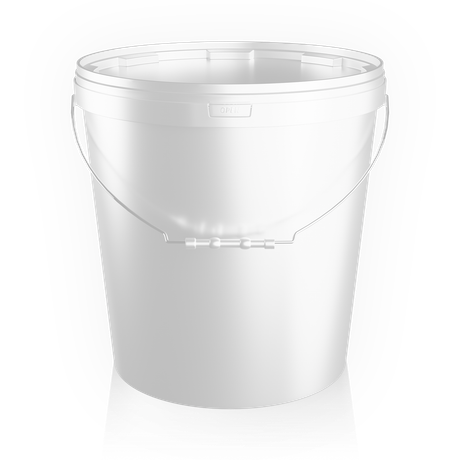
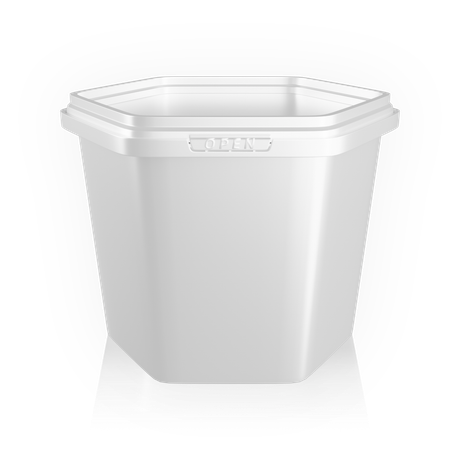
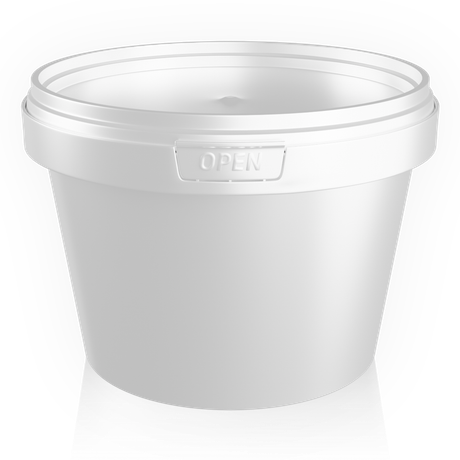
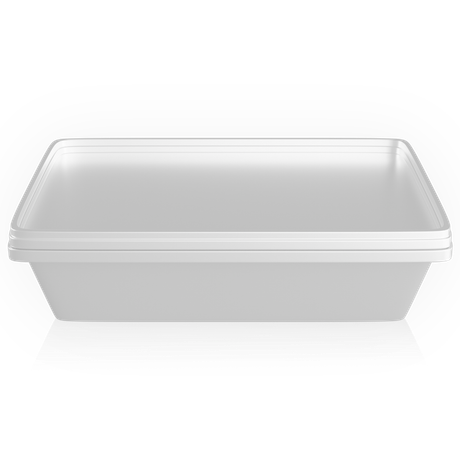
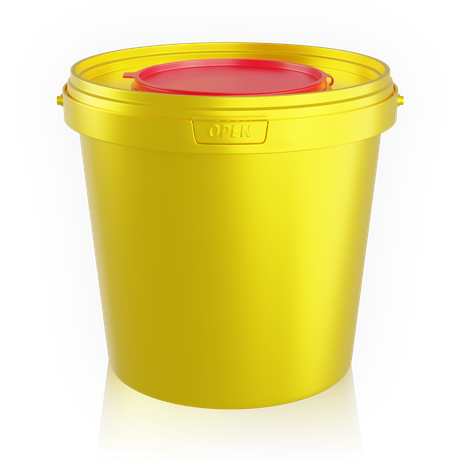
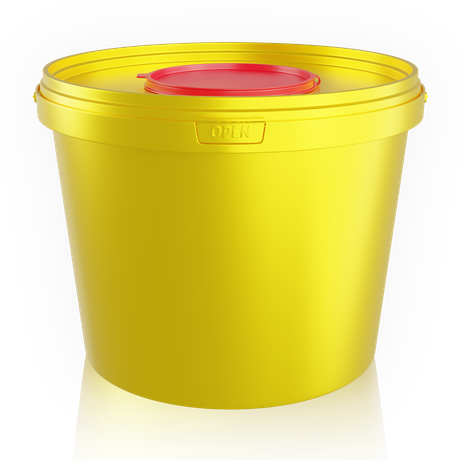
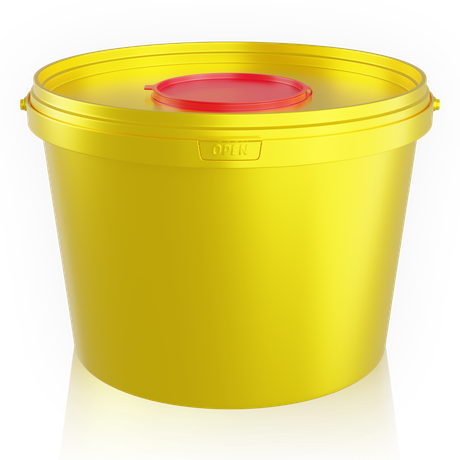
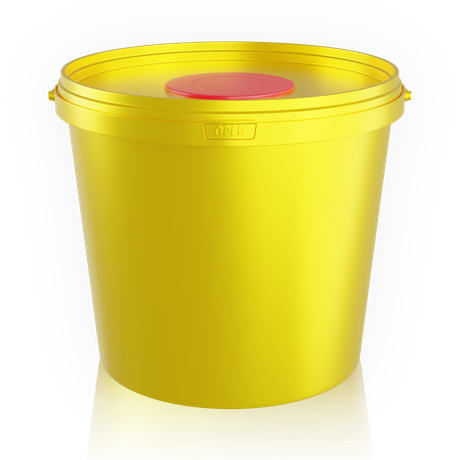
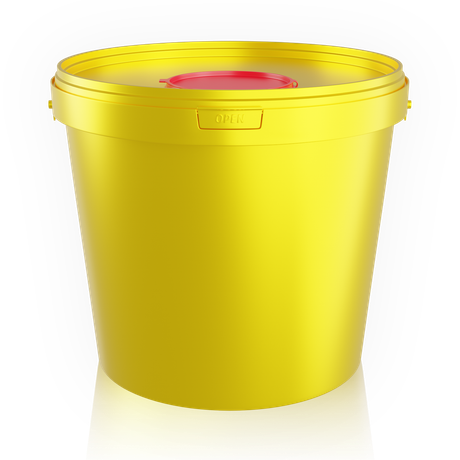
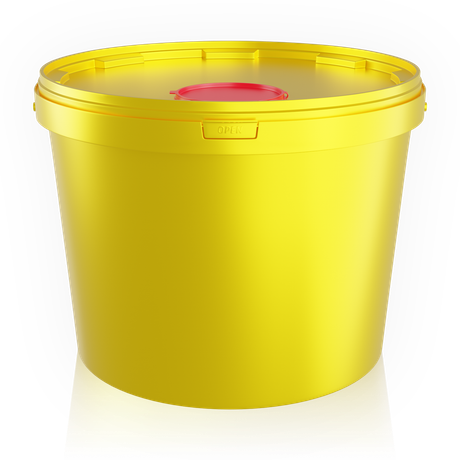
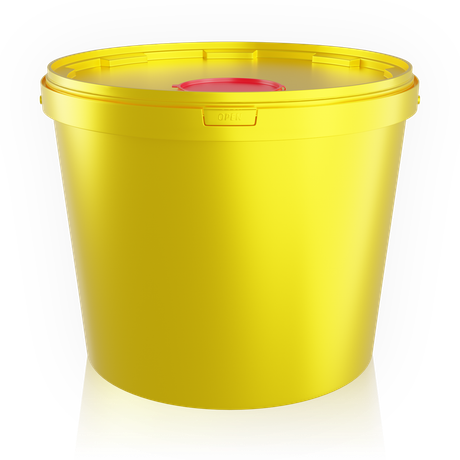
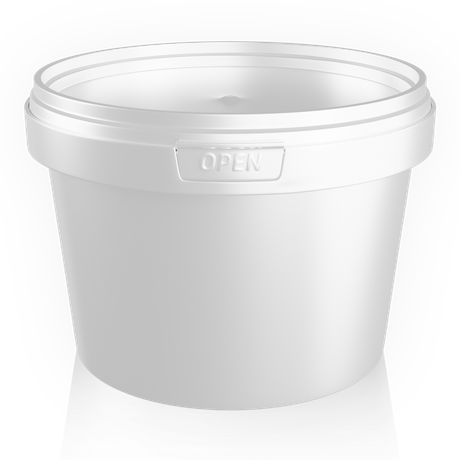
560 ml plastic bucket
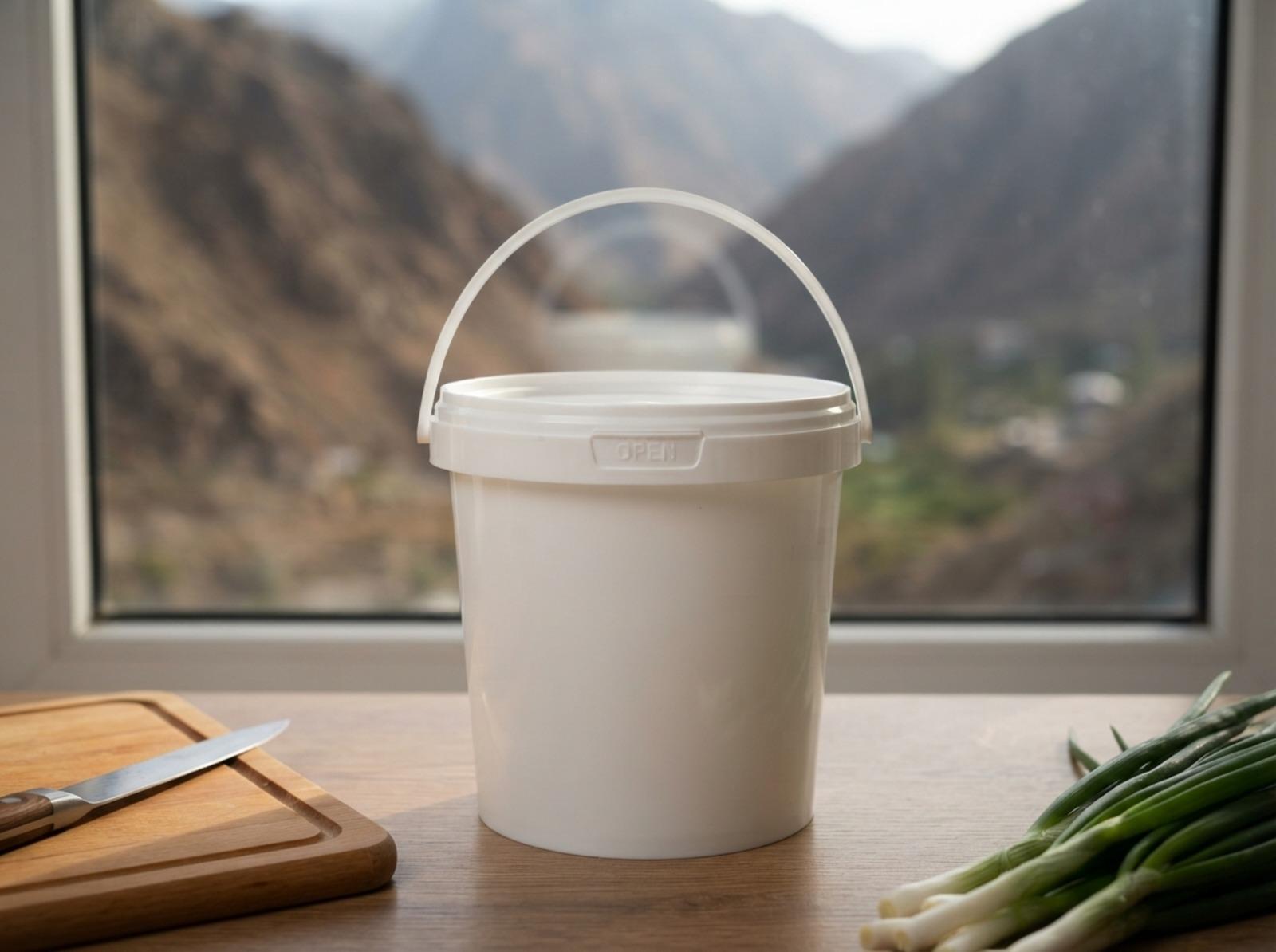
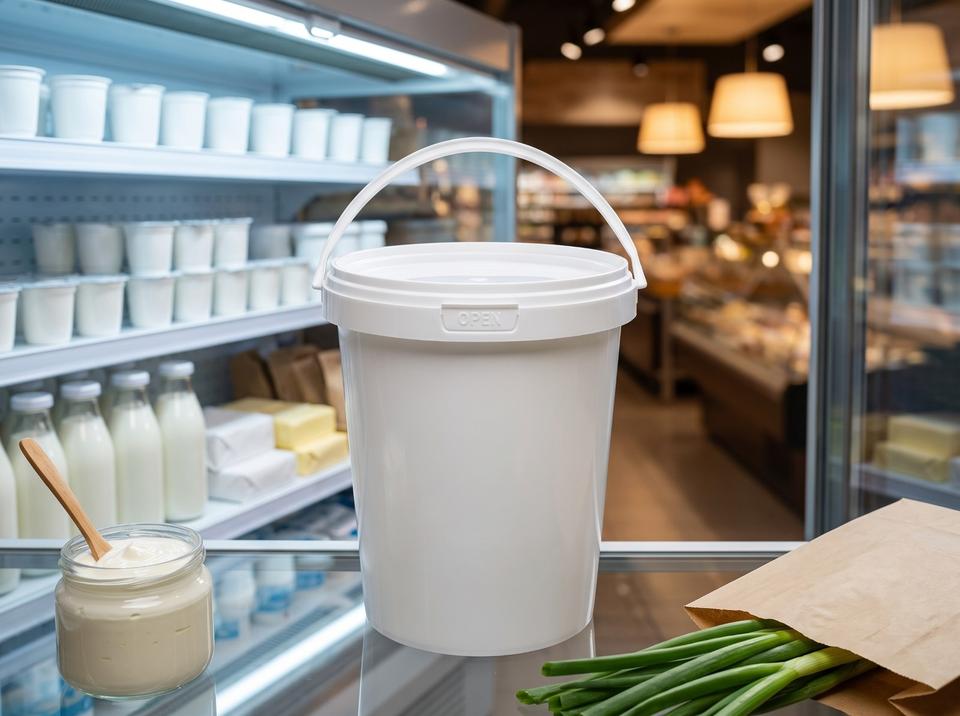
Cottage cheese and sour cream for a store's dairy cooler: the low buckets stack two tiers high.
- Opening
- Ø 118 mm
- Height
- 80 mm
- Empty weight
- 23 g
- Per pallet
- 7,200 pcs
Plastic buckets14 sizes · 560 ml to 21 L
Medical buckets9 sizes · 1 to 21 L
Food containers5 formats · 250 to 750 ml
Plastic jerry cans5 L and 10 L
Plastic buckets16 models, 560 ml - 21 L
Medical buckets10 models, 1 - 21 L
Food containers5 models, 250 - 750 ml
Plastic canisters5 and 10 L
塑料桶16 个型号,560 毫升 - 21 升
食品容器5 个型号,250 - 750 毫升
塑料方桶5 升和 10 升Hello! We'll suggest the right size for your product, calculate pallets, and quote a price for your order.
Kara-Kul is a hydropower town next to the Toktogul cascade power plants, in the mountain valley of the Naryn River. People here buy less packaging for the harvest and more for city life: dairy for store display cases, salads for delis, prepped food for canteens, and paint for apartment renovations. The best-selling size at the counter is the 900 ml bucket with a handle molded in one piece with the body. All HTI buckets reach Kara-Kul by freight carrier.
Kara-Kul, Jalal-Abad Region: buckets across the region

In this hydropower town, buckets earn their keep in shops, delis, canteens, and apartments. The cards below show where each of HTI's fourteen sizes comes in handy in Kara-Kul.
Dairy, salads, and sweets by the register.
Prepped food for delis, canteens, and cafes.
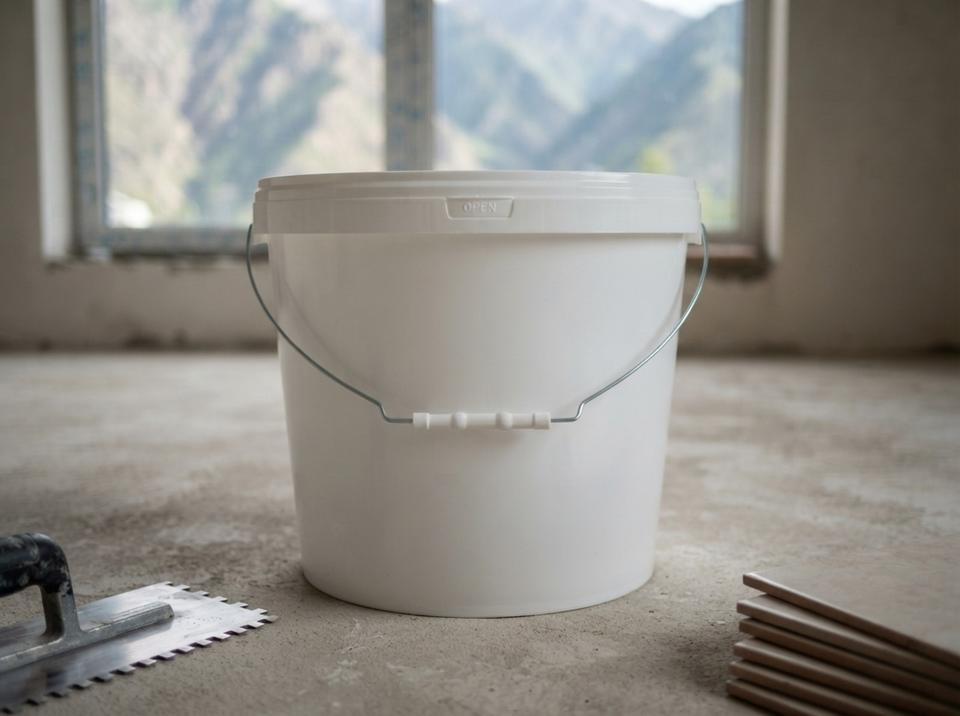
Paint, dry mixes, and household storage.
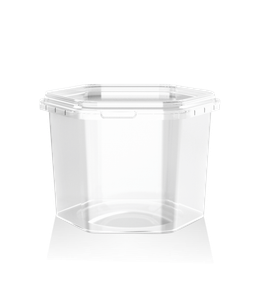
Containers for delis, neighborhood shops, and the hydropower plant canteen.
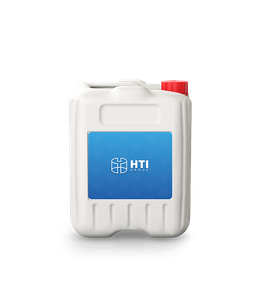
Jerry cans for industrial oil and drinking water.
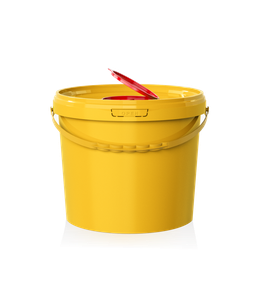
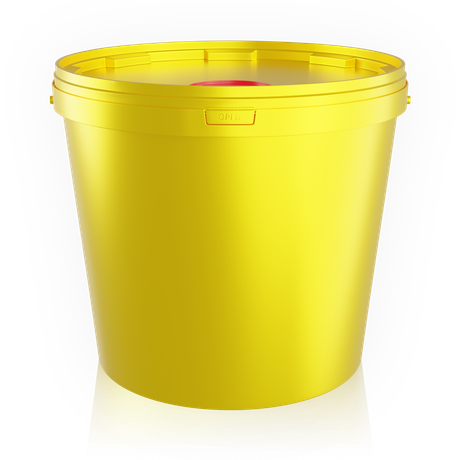
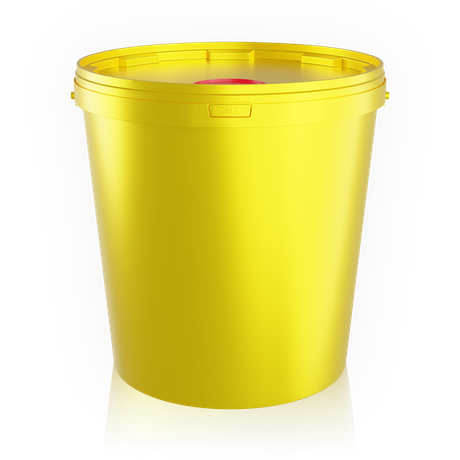
Yellow and red buckets for the hospital, the outpatient clinic, and the hydropower plant's first-aid station.

Cottage cheese and sour cream for a store's dairy cooler: the low buckets stack two tiers high.

Korean carrot salad and other salads to go: shoppers carry the bucket home from the deli by its plastic handle.

Mountain apiary honey for shops and cafes along the Bishkek-Osh highway near town.

The dairy case staple for suzma, sour cream, and kaymak, with a handle molded in one piece with the body.

A liter of jam or preserves for tea, about 1.33 kg, for grocery store shelves.

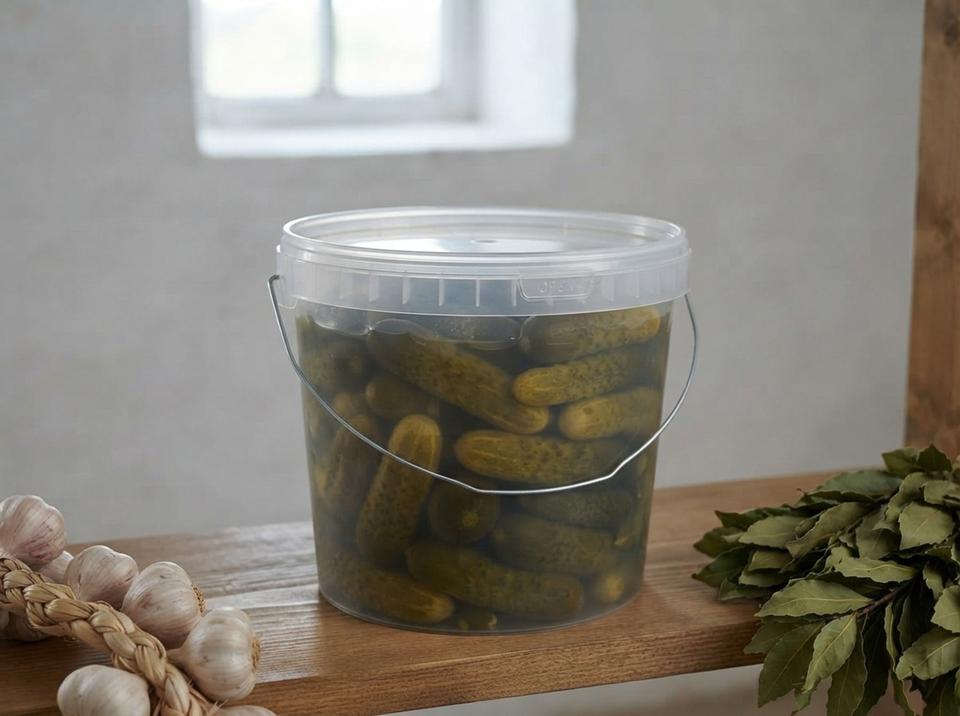
Home-style pickles for neighborhood shops: the clear wall shows off the cucumbers and peppers.

Ground meat and dough for pelmeni at delis that make dumplings to order.

Ketchup, adjika, and dressings for the canteen that feeds the power plant crews: a ladle fits through the 200 mm opening.

Pickled cabbage and carrots for canteens: the lid keeps the bucket closed on the pantry shelf.

Shashlik meat for highway cafes: the bail handle with a plastic grip takes the weight of a heavy bucket.

Potatoes and onions from the storeroom to the canteen kitchen in a sturdy bucket with a bail handle.

Water-based paint for renovating apartments and stairwells around town.

Self-leveling floor compound and plaster for apartment renovations: the bucket with a bail handle and plastic grip is easy to carry up the stairs.

Feed for chickens and goats at private homes on the edge of town: a large bucket with a lid.

Single servings of sour cream and suzma for a deli: a 250 ml hexagonal container in the dairy case.

A single-serving salad from the neighborhood deli: a 385 ml round container with a lid.

Snacks and Korean carrot salad to go for power plant shifts: a 400 ml hexagonal container.

Soup or a main course from the canteen to take home: a 550 ml round container with a tight lid.

A hot meal to take to the hydropower plant: a cutlet with a side in a 750 ml tray, lid on top.

Transformer and turbine oil for sampling and top-ups in the workshop: 5 L with a molded-in handle.

Drinking water for the crew at the dam: ten liters with a screw cap.

The hydropower plant's first-aid station: injections and shift checkups, and a one-liter bucket with a needle remover in the lid.

Town outpatient clinic: in the vaccination room, ampoules and swabs go into yellow 2.3 L buckets.

Inpatient treatment room: syringes from IV drips go in through the needle remover.

Dental office: disinfecting wipes from a dispenser bucket.

The town's urgent care clinic: dressings, with a red bucket for Class C waste (by Kyrgyz sanitary classification).

Clinical lab: test tubes from power plant workers' medical checkups, in an 11.2 L bucket.

Kara-Kul obstetricians: a day's ward waste in a yellow 11.5 L bucket.

Ambulance crews on the mountain highway: a week's disposables in an 18 L bucket.

Waste goes to the regional capital along a mountain highway, so until the next run it waits in a 21 L bucket.
The 900 ml bucket holds 975 ml filled to the brim and weighs 34 g. Its handle isn't a separate attachment: it's molded in one piece with the body, so there's nothing to fit during packing, and shoppers can pick the bucket up by the handle right away.
The table starts with the dairy case, the main reason people in Kara-Kul buy small buckets, and ends with home renovation. Each size shows its brim-full capacity, and the last column links to a page with a detailed guide to the product.
| Where | What goes in | Volume | Brim-full | Learn more |
|---|---|---|---|---|
| Dairy case | suzma, sour cream, kaymak | 900 ml | 975 ml | dairy products |
| Store fridge | cottage cheese | 560 ml | 650 ml | grocery stores |
| Deli | Korean carrot salad and other salads | 800 ml | 900 ml | Korean salads |
| Deli | dough and ground meat | 3 L | 3.28 L | dough buckets |
| Canteen | sauces and dressings | 3.8 L | 4.1 L | mayonnaise and sauces |
| Highway cafe | marinated meat | 8 L | 9.326 L | HoReCa packaging |
| Apartment renovation | paint | 15 L | 16.56 L | paint buckets |
The 560 ml bucket holds 650 ml filled to the brim, and the 800 ml holds 900 ml. That headspace keeps the product off the lid: sour cream and salads are filled only to the nominal capacity, so the lid seats cleanly. For a deli, it also means a neat look on the counter, with no product smeared under the lid.
Kara-Kul lives on hydropower and the highway: the town has neighborhood stores, delis, canteens, and cafes for travelers on the Bishkek-Osh highway. Harvests aren't the main story here, but there's plenty of town retail and food service. Here are the four bucket buyers you'll meet most often.

A dairy case is easy to stock with buckets from one series: 900 ml for suzma and sour cream, 560 ml for cottage cheese and kaymak. Matching buckets stand neatly in the fridge, and the OPEN tear strip shows shoppers the package hasn't been opened.
Salads, Korean carrot salad, and appetizers sold by weight are kept in 800 ml and 3 L buckets, and takeout goes in small buckets with handles. Customers can easily carry their salad home and keep the rest under the lid.
Kitchens that feed the shift crews stock up in advance: sauces in 3.8 L buckets, pickles and marinated vegetables in 5.6 L. The tapered bucket washes out quickly, and the empties stack away in the storeroom.
People in town renovate their apartments both on their own and with hired crews. Paint goes in 15 L buckets, construction mixes in 18 L buckets with a bail handle and plastic grip, and once washed out, the buckets are reused for water and household chores.
Enter the size and the number of buckets, and the calculator works out the pallets. For example, several neighborhood stores ordering together for the quarter need 8,000 of the 900 ml buckets for their dairy cases: that's two pallets. A canteen that needs 3,000 of the 3.8 L buckets for sauces also fits on two.
The minimum order is one pallet of a single size, but you can combine several sizes in one shipment. Here's how it works.
List what you sell or make: dairy, salads, sauces, paint. From that list, your sales manager will know which sizes you need.
Your sales manager will pick the buckets and lay out your order by pallet, then quote the order price and shipping terms to Kara-Kul when you place the order.
Your pallets are packed at the HTI plant in the Bishkek Free Economic Zone (FEZ), in Ak-Chiy village. If you want your brand on the buckets, we approve the artwork with you first.
A freight carrier delivers your order. You can also pick up the buckets from the plant yourself, in your own vehicle.

Buckets for Kara-Kul are stored and shipped only from the HTI plant in the Bishkek FEZ, Ak-Chiy village: HTI has no warehouses in the town or anywhere in the region. A freight carrier handles transport, and your sales manager gives you the transit time and cost when you place your order.
Stores and delis find it convenient to order several months' worth of packaging at once: a pallet holds thousands of small buckets, so one pallet keeps a display case stocked for a long time. The empty buckets nest inside each other and stack in the back room, taking up almost no space between deliveries.
If your truck makes runs to Bishkek, you can pick up the buckets at the plant and bring them back to Kara-Kul along with other goods.
A canteen and a store next door can easily buy together: small buckets for the display case and medium ones for the kitchen go in one shipment, and the freight carrier delivers them as a single load.

The links lead to the region page and nearby towns.
In a town store, the bucket is the package the shopper sees. The version you choose can decide whether the product leaves the shelf.
The 900 ml bucket comes with a handle molded in one piece with the body. Shoppers carry suzma or sour cream home by the handle, and the store doesn't have to fit one separately.
Cucumbers, peppers, and salads in a clear bucket are visible right on the shelf. The clear version is available across the whole lineup, including the small 560 and 900 ml buckets.
For dairy in a store, this is the strongest selling point: as long as the tear-off tab under the rim is intact, nobody has opened the bucket since it was filled.
Delis and small dairies can sell under their own name: start with a label, then switch to in-mold labeling (IML) for ongoing runs, with the design fused into the wall.
Directly from the HTI plant, in orders of one pallet or more. Call +996 222 600 292 or, if you prefer, request a callback on our website: your sales manager will pick the right sizes for your store, deli, or renovation project.
For suzma and sour cream, the 900 ml with a molded-in handle; for cottage cheese and kaymak, the 560 ml. More on our dairy buckets page.
Your sales manager prices each order individually. Quantity, body color, and printing all matter, and shipping to Kara-Kul is added to the quote when you place the order. If you need several sizes, name them all up front and you'll get one quote for the whole order.
A freight carrier delivers them: the pallets are loaded at the plant and sent south along the highway. Your sales manager gives you the delivery time and cost when you place your order.
No, HTI has no store or warehouse in town. Our only warehouse is at the plant in Ak-Chiy village, and every order ships from there, including those to Kara-Kul.
Yes, our buckets are made of food-grade polypropylene and work well for prepared foods. For a detailed guide, see our Korean salad buckets page.
Yes. Small buckets for dairy and large ones for paint go in one shipment, each size on its own pallet.
Yes, with a label or IML. IML is the choice for ongoing runs: the design is fused into the wall and won't wash off.
Dimensions and handle options for every size are in the catalog. For an overview, see the Jalal-Abad Region page, and for the neighboring town on the reservoir, see the Toktogul page.

Tell us what you sell and how many buckets you go through each month. Your sales manager will pick the sizes and give you delivery terms to Kara-Kul.