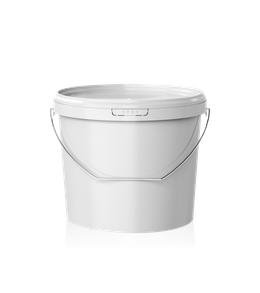
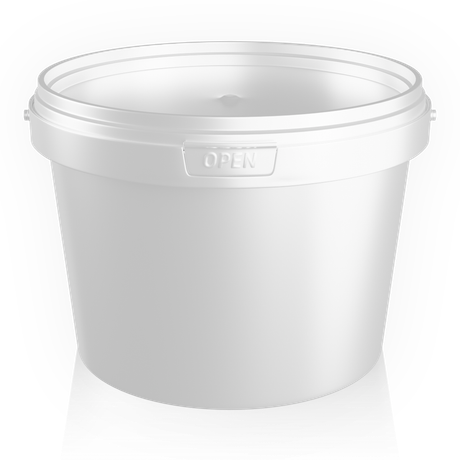
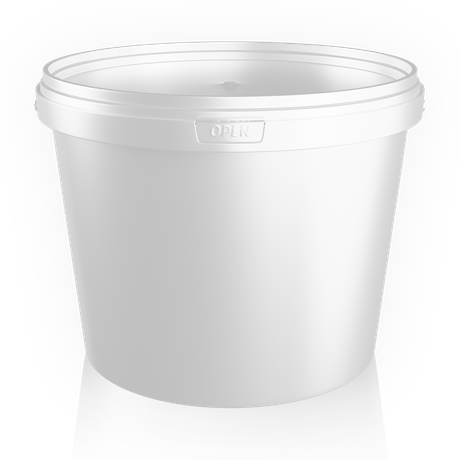
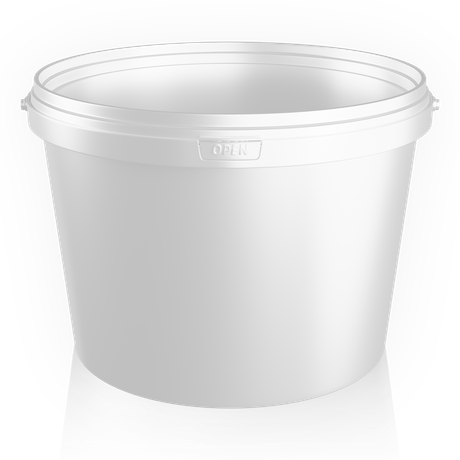
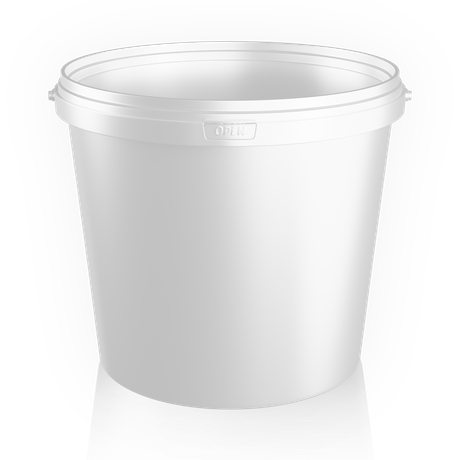
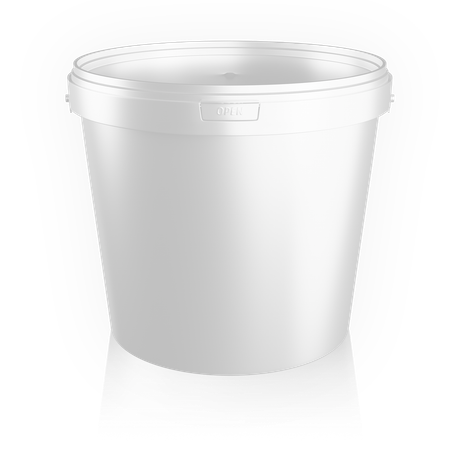
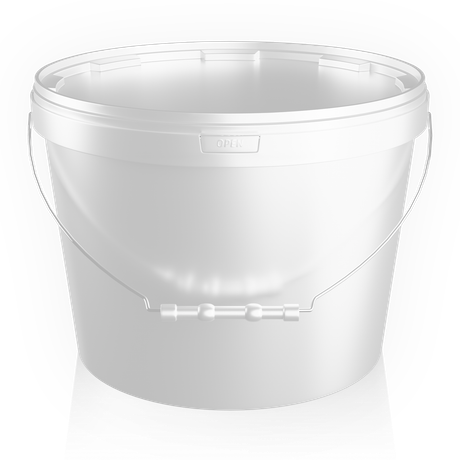
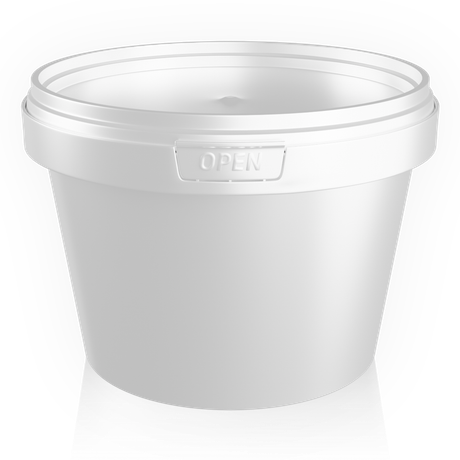
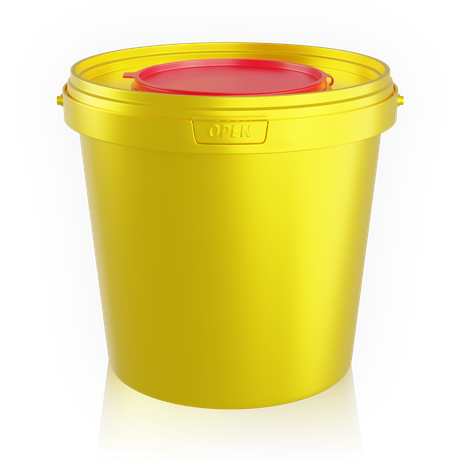
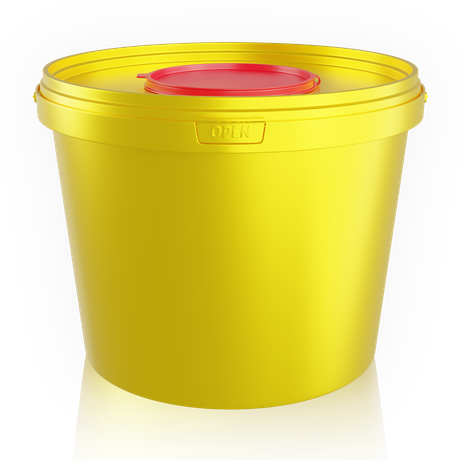
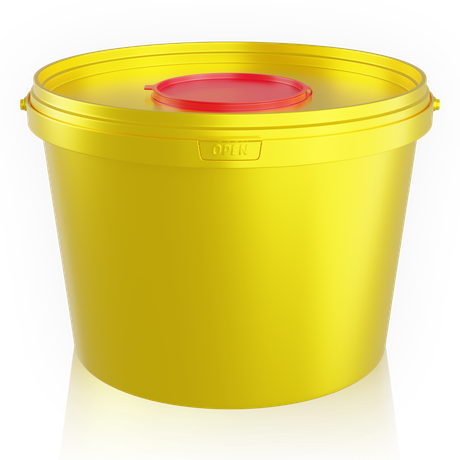
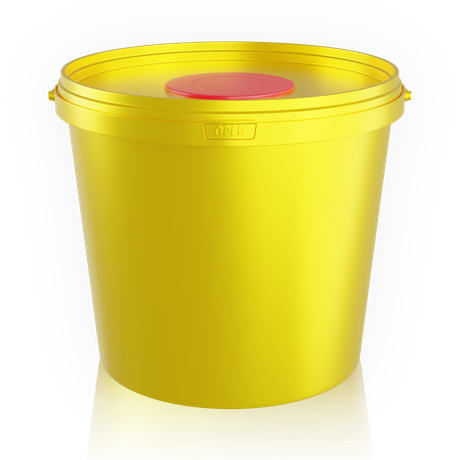
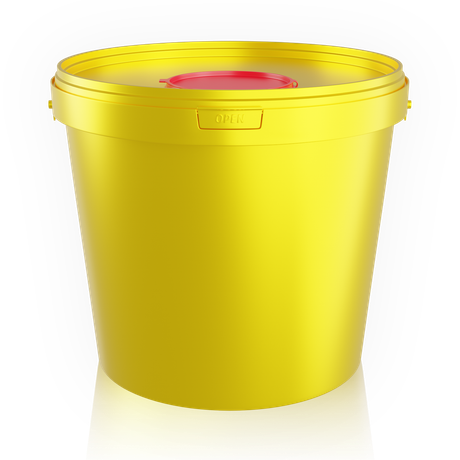
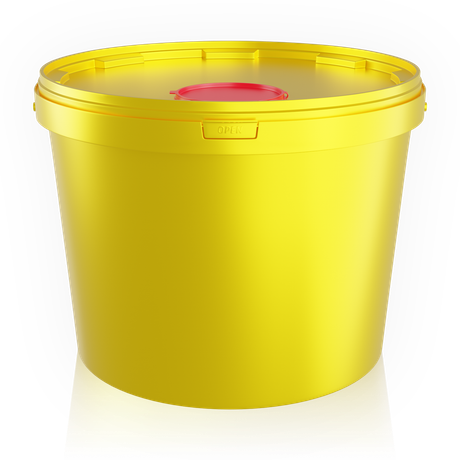
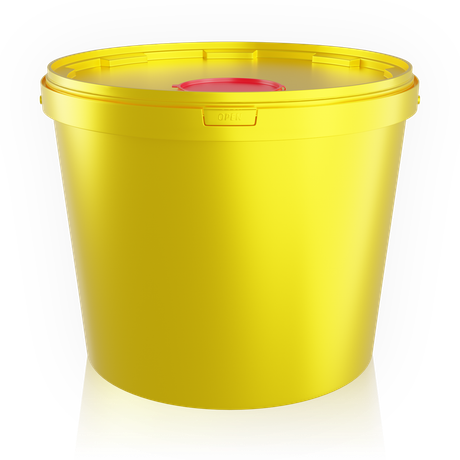
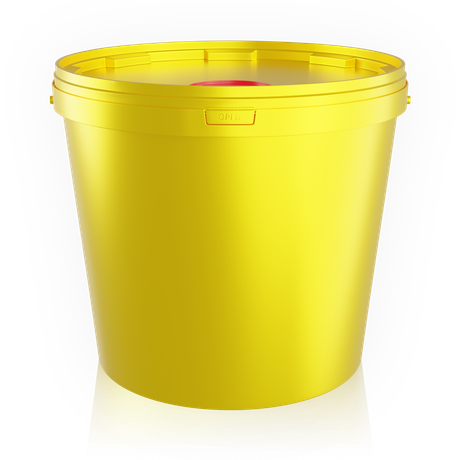
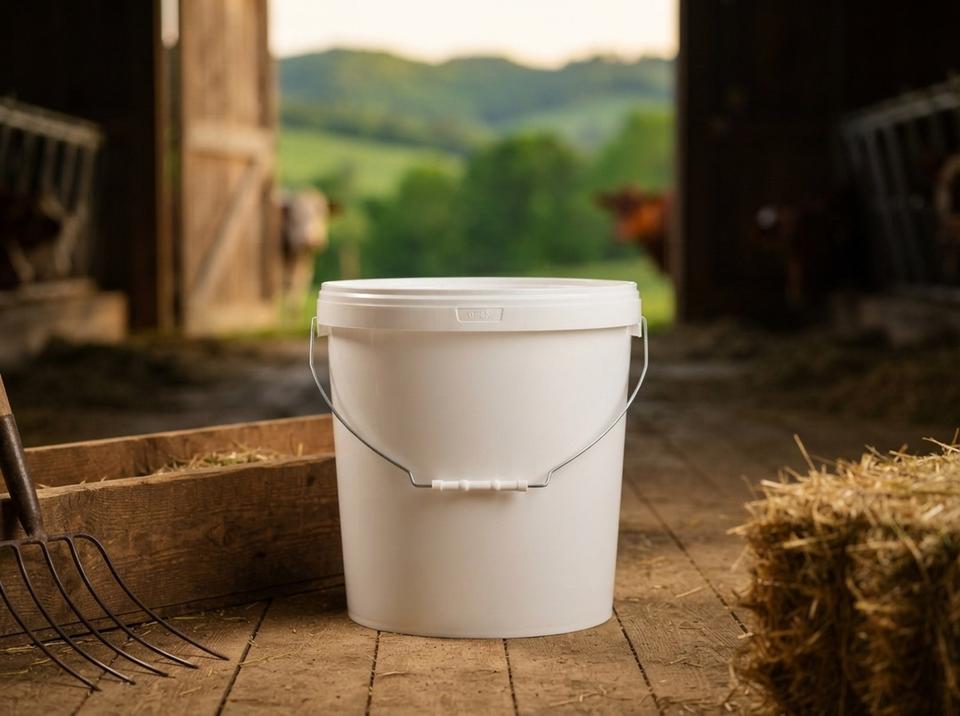
560 ml plastic bucket
Fresh kaymak for morning tea: a farm wife sets this low, handleless bucket out on her bazaar stall.
- Opening
- Ø 118 mm
- Height
- 80 mm
- Empty weight
- 23 g
- Per pallet
- 7,200 pcs
Plastic buckets14 sizes · 560 ml to 21 L
Medical buckets9 sizes · 1 to 21 L
Food containers5 formats · 250 to 750 ml
Plastic jerry cans5 L and 10 L
Plastic buckets16 models, 560 ml - 21 L
Medical buckets10 models, 1 - 21 L
Food containers5 models, 250 - 750 ml
Plastic canisters5 and 10 L
塑料桶16 个型号,560 毫升 - 21 升
食品容器5 个型号,250 - 750 毫升
塑料方桶5 升和 10 升Hello! We'll suggest the right size for your product, calculate pallets, and quote a price for your order.
Kerben is the center of Aksy District, where orchards and walnut groves sit next to mountain pastures. From here, farmers take kurt, suzma, kaymak, and butter to market, and in the fall, walnuts and dried fruit. For dairy, the go-to bucket here is the 3 L: a wide opening, a metal or plastic handle, and a tight-fitting lid. The full HTI bucket lineup reaches Kerben by freight carrier.
Kerben, Jalal-Abad Region: buckets across the region

Most of the demand in Kerben comes from livestock farmers selling dairy, so small and medium buckets sell better here than large ones. But the district's orchards and walnut groves need packaging too, and each size below comes with its own local example.
Kaymak, suzma, and butter for the bazaar.
Dry and moist goods for shops and cafes.
Walnuts, fruit, and feed for the farm.
Containers for kaymak, suzma, kurt, and dried fruit.
Jerry cans for water at pastures and herders' camps.
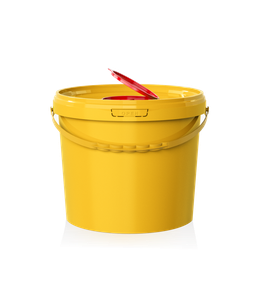
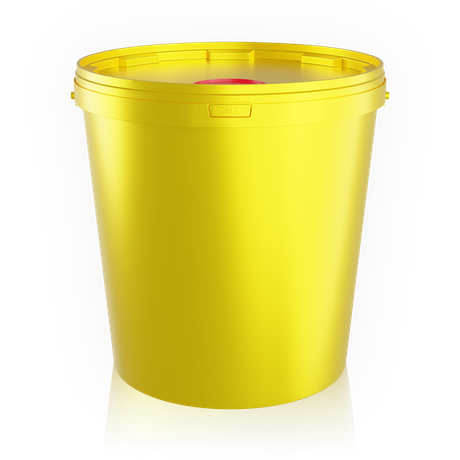
Yellow and red buckets for the district hospital, rural health posts, and vets.

Fresh kaymak for morning tea: a farm wife sets this low, handleless bucket out on her bazaar stall.

Suzma with herbs for cafes in the district center: the plastic handle makes the bucket easy to carry.

Homemade butter from mountain pastures for neighborhood stores in Kerben.

Homemade katyk (fermented milk): the handle is molded in one piece with the body and won't snap off in a shopping bag.

A liter of mountain honey, about 1.42 kg, from apiaries in the walnut groves of Aksy.

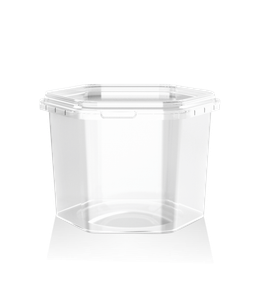
Green walnut preserves: the clear wall shows off the dark whole nuts.

The district's top size: kurt sold by weight at the bazaar, with the lid keeping dust and flies off the kurt balls.

Moist kurt and brined cheese for shops: a ladle fits easily through the opening.

Shelled walnuts for a wholesaler: the rigid lidded bucket protects the kernels in transit.

Suzma and ayran for cafes that buy fermented dairy every day.

Picking walnuts in the groves: a bucket with a plastic grip gets carried from tree to tree all day.

Dried apples and pears in bulk: under the lid, they're safe from dust and insects.

Milk from the evening milking on its way to the separator: the bucket with a plastic grip gets carried across the whole yard.

Compound feed and bran for cows and sheep: a big lidded bucket that lasts the whole winter.

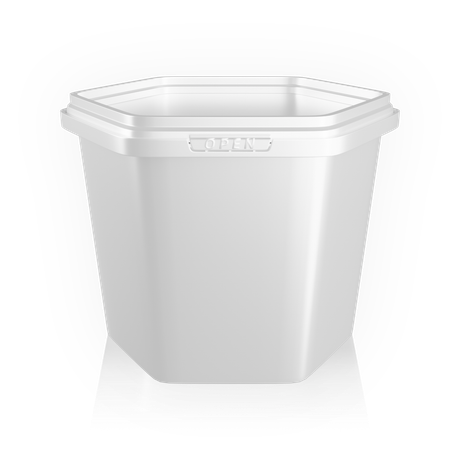
Single servings of kaymak for morning tea at cafes in the district center: the 250 ml hexagonal container.

Suzma with herbs for bazaar shoppers: the 385 ml round container weighs 16 g.

Small kurt balls as a road-trip snack for kids: 400 ml with a lid.

Dried apricots and dried apples from Aksy orchards: 550 ml round containers, 18.8 g empty.

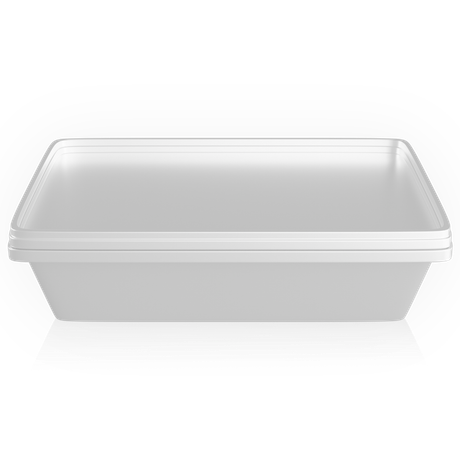
Lunch for a shepherd out on the pasture: meat and flatbread in a flat tray with a lid.

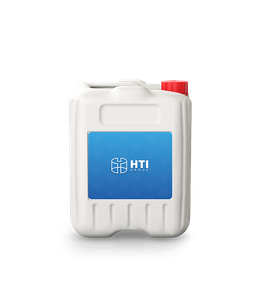
Water for shepherds on the pasture and on the road to the jailoo (high summer pasture): 5 L, and the empty jerry can weighs 240 g.

Water for livestock and the herders' camp on the jailoo: ten liters, and the jerry can weighs 420 g.

Aksy District Hospital: injections, with the needle removed on the lid valve; the one-liter bucket weighs 36 g empty.

Rural health posts in mountain villages: ampoules after injections; the yellow 2.3 L bucket weighs 62 g.

School vaccinations across the district: syringes go through the needle remover valve, 95 g empty.

Vets serving dairy farms: hand sanitizing wipes from a dispenser bucket, 110 g empty.

Wound care room: a red bucket for Class C waste (by Kyrgyz sanitary classification), 153 g, plastic handle.

Vets on the pastures: used supplies from vaccinating flocks, 11.2 L and 271 g empty.

Kerben maternity hospital: a full day's waste, and the yellow bucket weighs 307 g.

Family medicine center: a week's combined waste, 18 L, 526 g empty.

Until the waste leaves the district: 21 L with a lid, and the empty bucket weighs 620 g.
Kurt, kaymak, and butter are sold by weight, so the weight of the packaging itself matters. The 560 ml bucket weighs 23 g, the 900 ml 34 g, and the 3 L 95 g, so sellers can easily subtract the tare on the scale.
The table starts with dairy, the main reason people in Kerben buy buckets, and ends with walnuts and feed. The empty bucket weight is listed for anyone who sells by weight.
| Product | Volume | Tare weight | Handle | Learn more |
|---|---|---|---|---|
| Dry kurt | 3 L | 95 g | metal 13.4 g or plastic 5.0 g | kurt and cheese |
| Moist kurt, brined cheese | 3.8 L | 110 g | metal 13.4 g or plastic 5.0 g | dairy plants |
| Kaymak | 560 ml | 23 g | none, lugs only | dairy products |
| Katyk | 900 ml | 34 g | molded-in | tamper evidence |
| Butter | 850 ml | 32.5 g | plastic or molded-in | butter |
| Shelled walnuts | 5.6 L | 156 g | metal or plastic | nuts and dried fruit |
| Farm feed | 21 L | 620 g | metal with plastic grip | feed and premixes |
The 3 L and 3.8 L buckets share the same 200 mm opening and the same pallet quantity: 2,800 units. The difference is height: 137 mm versus 176 mm. The low bucket works better for dry kurt on the counter, the tall one for moist products in brine.
Aksy District lives on livestock, orchards, and walnuts, and Kerben brings it all to its market and sends it on. Here are four typical bucket buyers, each with their own go-to size, from 560 ml to 21 L.

In summer there's more milk than can be sold fresh, so it gets turned into kurt, suzma, and butter. Kurt sold by weight goes into 3 L buckets, kaymak and butter into 560 and 850 ml, and fermented dairy for cafes into 8 L.
A market seller needs packaging that closes and lines up in a row. Buckets of one size stand evenly, the lid keeps dust off the product, and the OPEN tear strip shows nobody has touched the contents.
In the fall, walnuts are picked into 11.5 L buckets with a plastic grip, and the shelled kernels are transferred into 5.6 L buckets for the wholesaler. In a rigid bucket, the kernels don't crumble the way they do in a sack.
On the farms themselves, buckets are working tools too: compound feed and bran are stored in 21 L buckets, and milk is carried to the separator in 18 L. The lid keeps the feed from getting damp in the barn.
Enter the number of buckets, and the calculator works out the pallets. For example, a livestock cooperative in Aksy packs its kurt into 5,000 of the 3 L buckets over a season: that's two pallets. If it also sells kaymak in 12,000 of the 560 ml buckets, that adds two more.
The minimum order is one pallet. Here's the whole process, from the first call to buckets in your yard.
Name your product: kurt, kaymak, butter, walnuts. Tell us how many buckets you need for the season and whether you want your own label or in-mold labeling (IML).
Your sales manager will suggest sizes for your product and the way you sell it, work out the pallets, and quote the order price.
Your pallets are packed at the HTI plant in the Bishkek Free Economic Zone (FEZ), in Ak-Chiy village. If you're going with IML, we approve the artwork with your name first.
A freight carrier brings the pallets to Kerben. Your sales manager quotes the transit time and cost when you place your order, and you can choose pickup instead of delivery.

The HTI plant and its only warehouse are in Chuy Region, in the Bishkek FEZ, Ak-Chiy village. Buckets ship to Kerben and the villages of Aksy District by the pallet via freight carrier. Your sales manager quotes the transit time and cost when you place your order, and if you prefer, you can pick up the order from the plant yourself.
The dairy season starts when the livestock goes out to pasture, and by then you need packaging for kurt and kaymak on hand. Place your order before the season starts so it can be put together without a rush.
If several families in one village make kurt, a joint order works out better: one pallet holds 2,800 of the 3 L buckets, which are easy to split between households.
Walnuts and dried fruit come in the fall, dairy from spring through late fall. A farm that does both can split its order into two shipments: buckets for kurt and kaymak in spring, and buckets for the crop before the walnut harvest.

The links lead to the region page and nearby towns.
At the market, people buy kurt and kaymak from sellers they know; in stores, they go by the label. Where you sell determines which bucket version you need.
White kurt and yellow butter show up well through a clear wall. This version is available in every size in the lineup.
For stores in Jalal-Abad and Bishkek, a white bucket works better: a label with your farm's name and ingredients reads clearly on it.
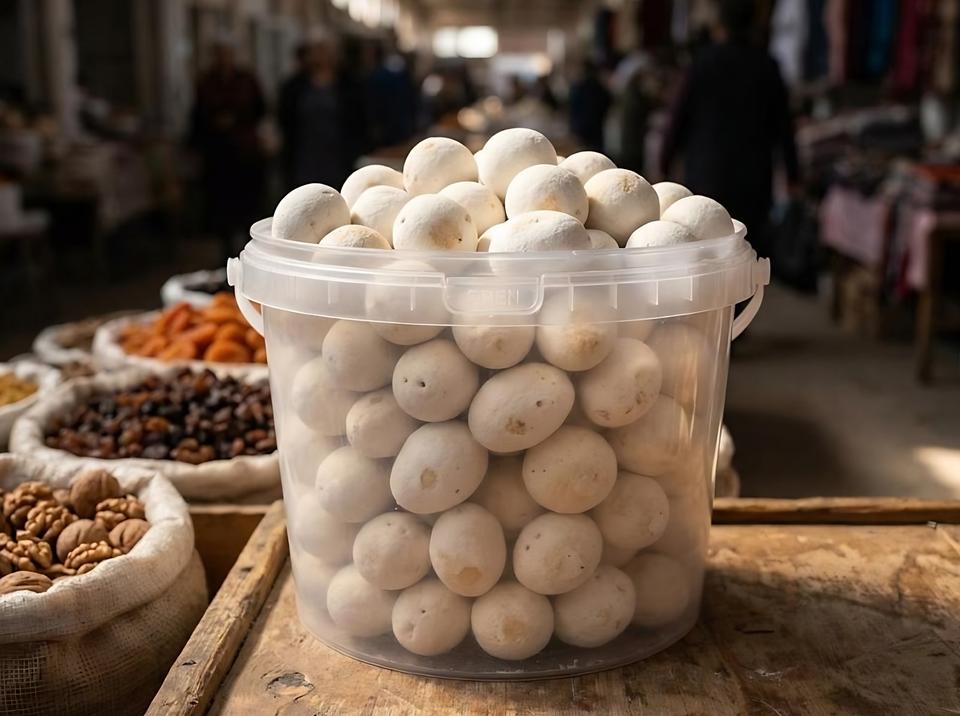
Shoppers check dairy more carefully than anything else. An intact tear-off seal under the rim shows that nobody has opened the bucket since it was filled.
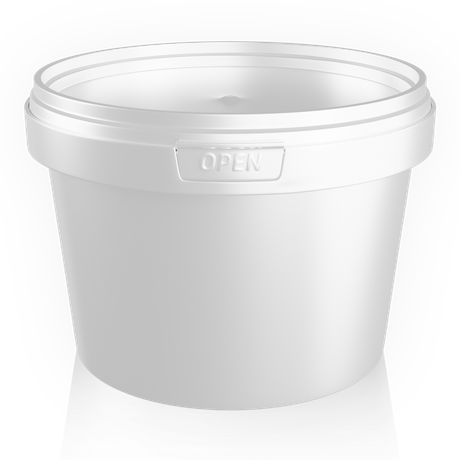
The three-liter bucket comes with a metal bail handle or a plastic handle. Plastic is enough for the bazaar, while metal is the usual choice for carrying full buckets around the farm.

From the HTI plant, with no middlemen: buckets are sold in orders of one pallet or more. Call +996 222 600 292 and tell us your product, and your sales manager will pick the sizes and work out shipping to Kerben.
For dry kurt sold by weight, the 3 L; for moist kurt and brined cheese, the 3.8 L. Details on our kurt and cheese buckets page.
Your sales manager prices each order individually: quantity, handle, color, and printing all affect the total. They'll give you delivery terms to Kerben along with the price, so you see the full amount right away.
By freight carrier: pallets ship from the plant in the Bishkek FEZ. Transit time and cost are confirmed when you place your order, and pickup from the plant is also an option.
No, HTI has no warehouse or store in Kerben, or in any other town in the region. Orders always ship from the plant in Ak-Chiy village.
Yes, the buckets are molded from food-grade polypropylene. Kaymak packs well in 560 ml, butter in 850 ml. More on our dairy buckets page.
For wholesale, the 5.6 L with a lid; for retail, one-liter buckets. More on packaging for walnuts on our nut and dried fruit buckets page.
Yes. A label for your first order, and IML for ongoing runs: the design is fused into the wall during molding and won't rub off.
Every size, with dimensions and handle options, is in the catalog. For a regional overview, see the Jalal-Abad Region page; the neighboring walnut country is covered on the Bazar-Korgon page.

Tell us how many buckets you go through in a season and in which sizes. Your sales manager will pick the packaging and give you delivery terms to Kerben.