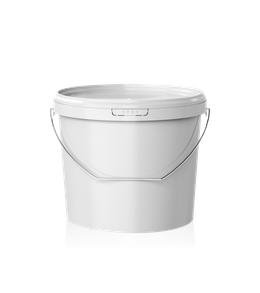
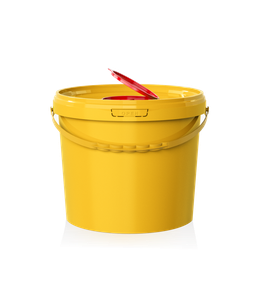
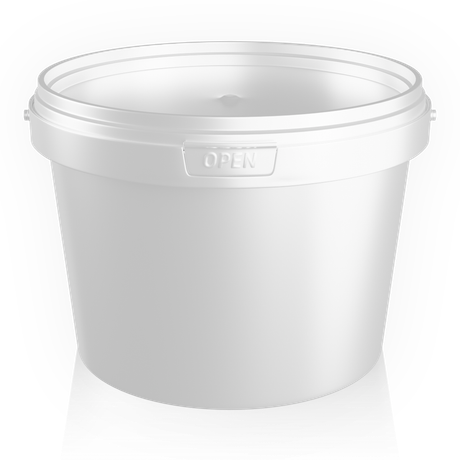
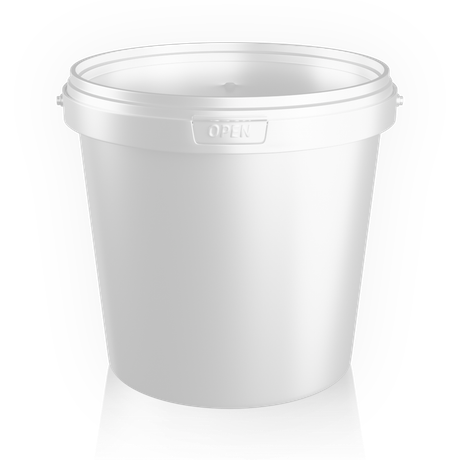
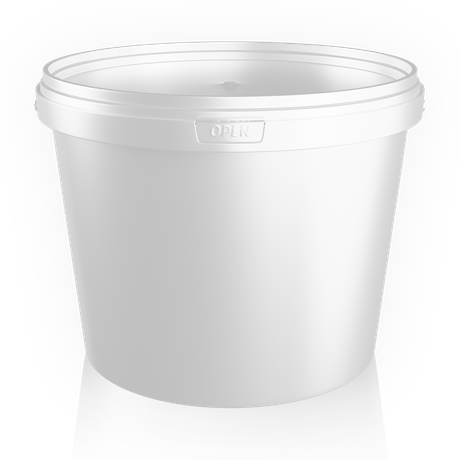
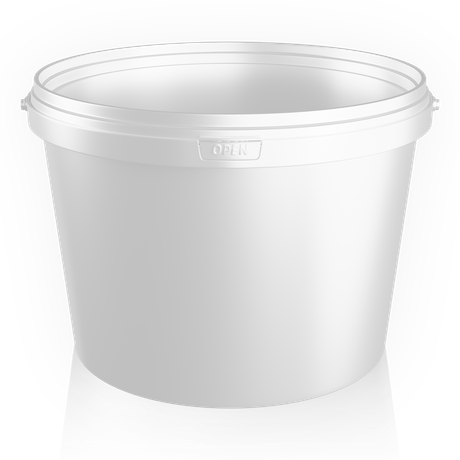
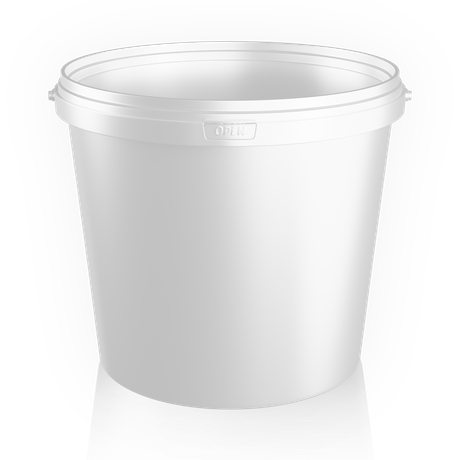
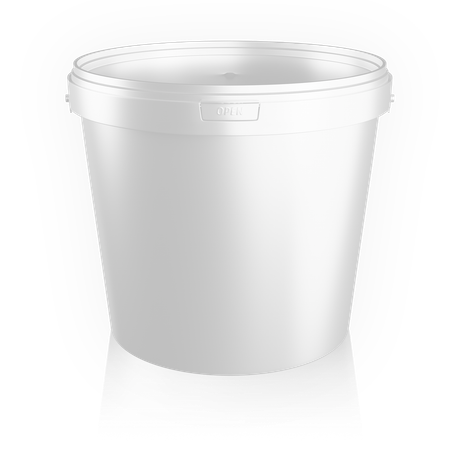
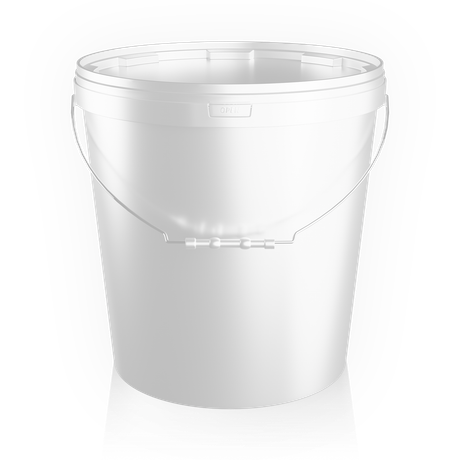
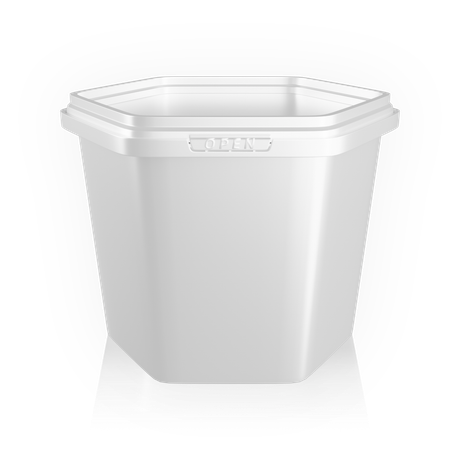
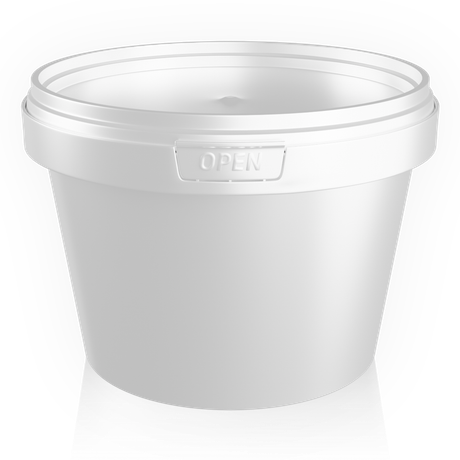
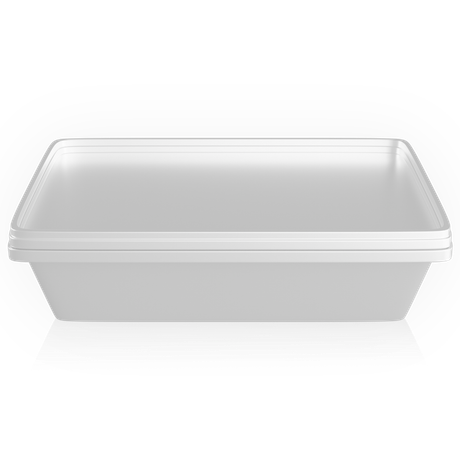
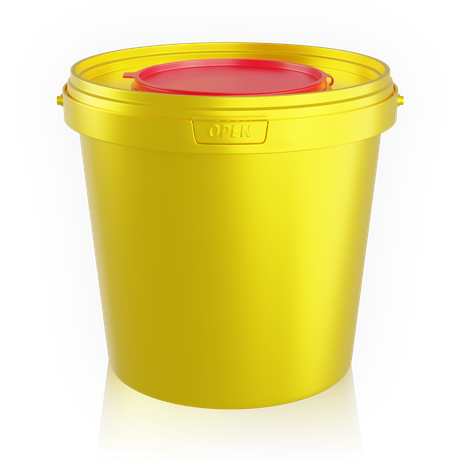
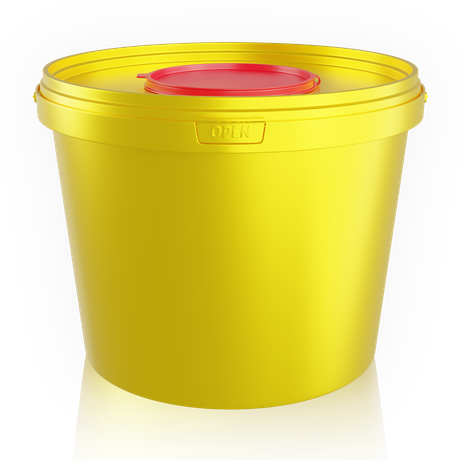
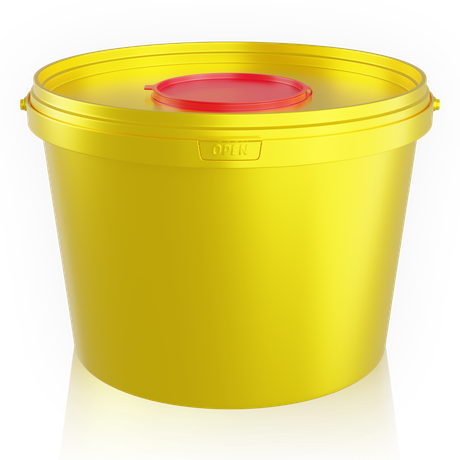
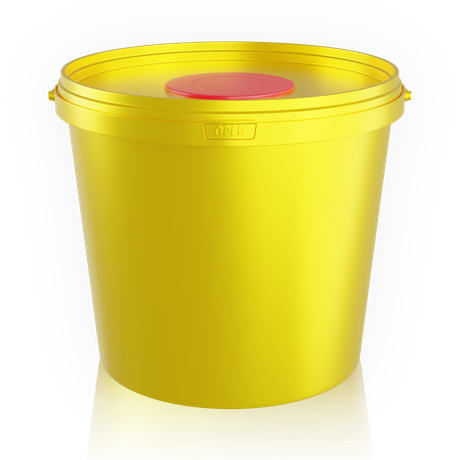
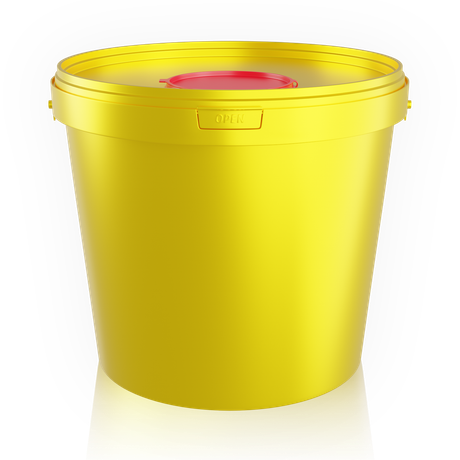
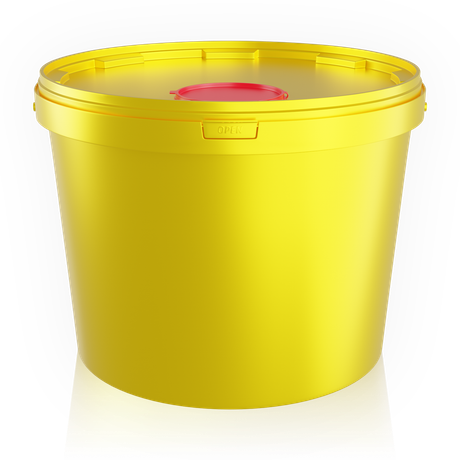
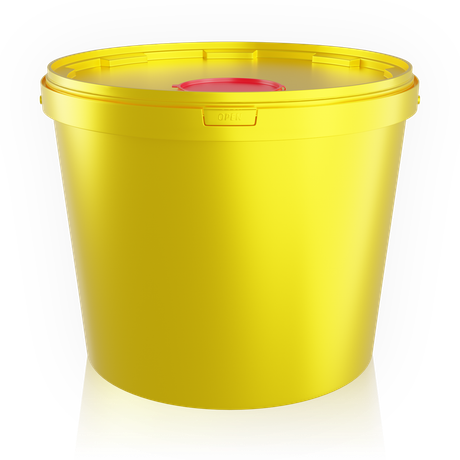
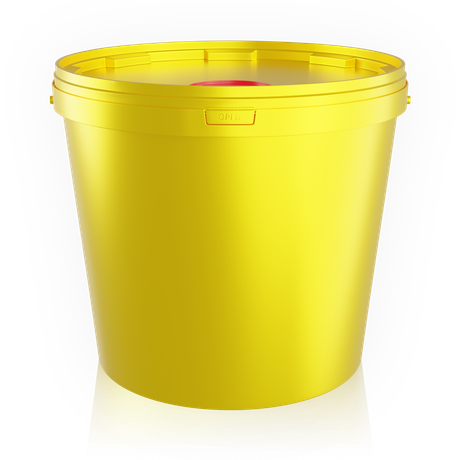
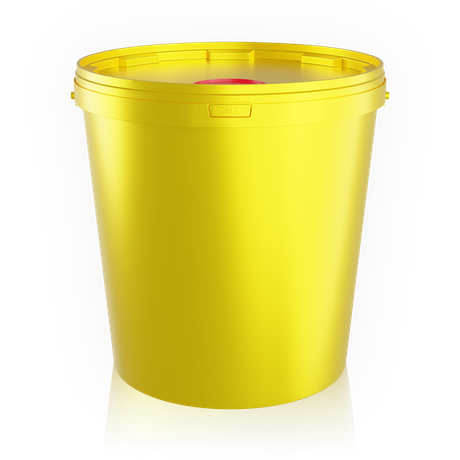
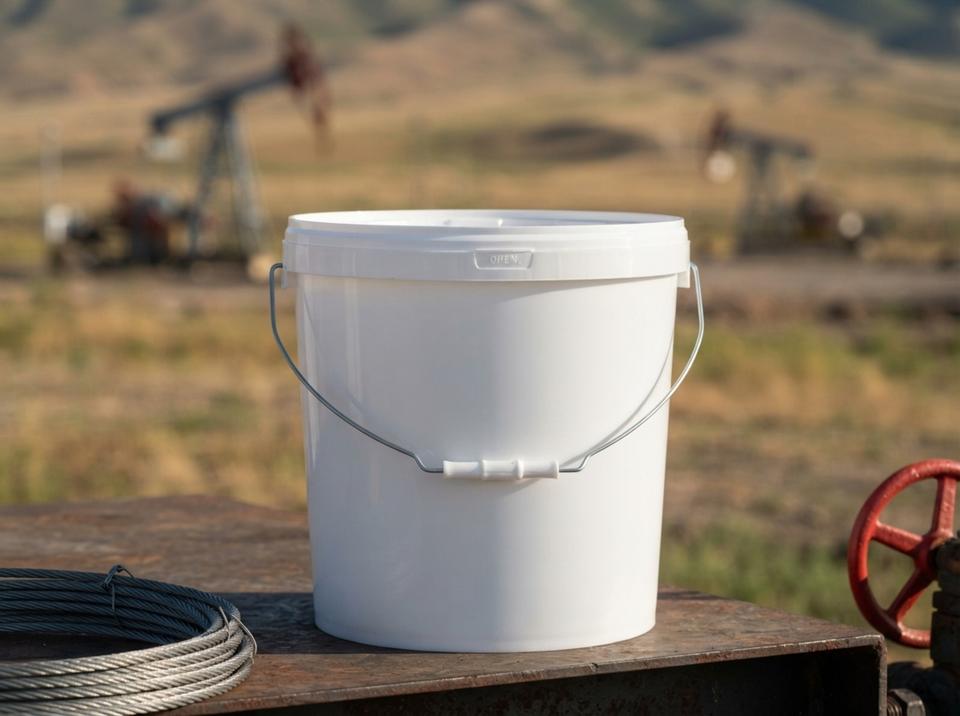
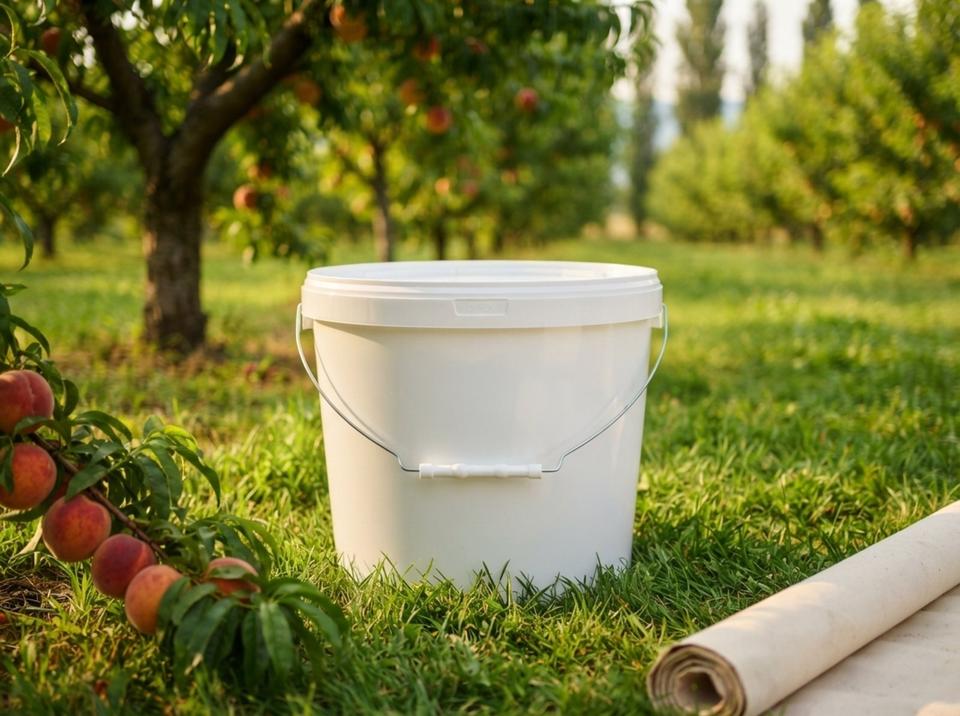
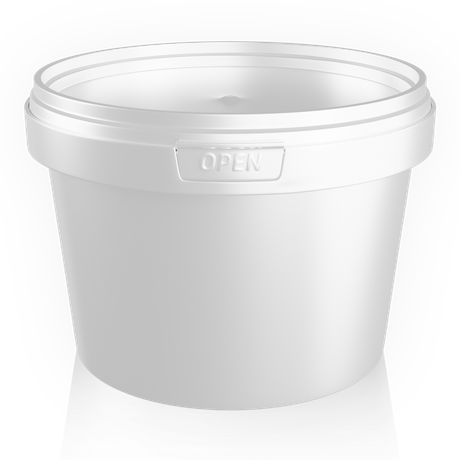
560 ml plastic bucket
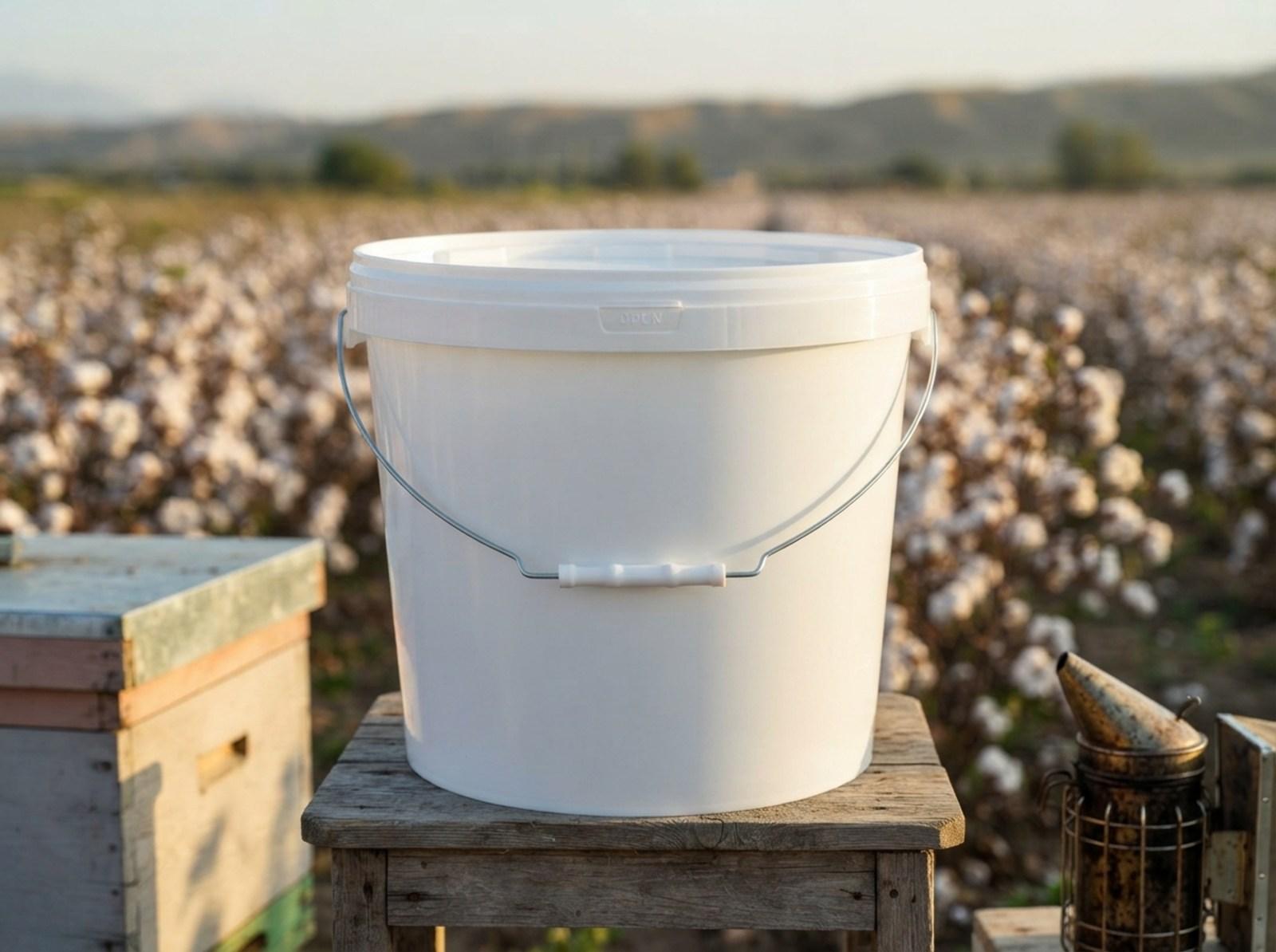
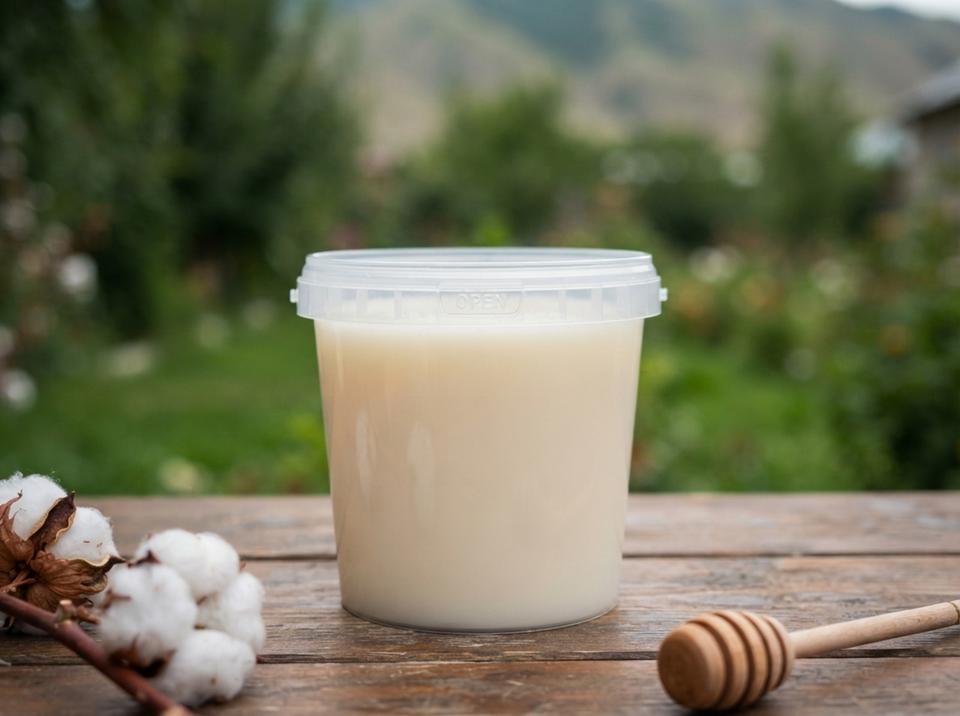
A sampler of light cotton honey: people buy the small bucket to try a variety that's new to them.
- Opening
- Ø 118 mm
- Height
- 80 mm
- Empty weight
- 23 g
- Per pallet
- 7,200 pcs
Plastic buckets14 sizes · 560 ml to 21 L
Medical buckets9 sizes · 1 to 21 L
Food containers5 formats · 250 to 750 ml
Plastic jerry cans5 L and 10 L
Plastic buckets16 models, 560 ml - 21 L
Medical buckets10 models, 1 - 21 L
Food containers5 models, 250 - 750 ml
Plastic canisters5 and 10 L
塑料桶16 个型号,560 毫升 - 21 升
食品容器5 个型号,250 - 750 毫升
塑料方桶5 升和 10 升Hello! We'll suggest the right size for your product, calculate pallets, and quote a price for your order.
Kochkor-Ata in Nooken District rests on two pillars: the oil fields around town and the cotton fields and orchards in the valley. Beekeepers who place their hives near flowering cotton need an 18 L bucket for honey extraction above all; oil workers need buckets for grease; and orchards and vegetable gardens need them for picking and preserves. HTI ships all of these sizes to Kochkor-Ata by freight carrier.
Kochkor-Ata, Jalal-Abad Region: buckets across the region

Beekeepers, oil workers, and growers use different buckets, but you can order them all at once. Below is the full HTI lineup, with what each size is used for in Kochkor-Ata and Nooken District.
Honey and dairy for the counter and the bazaar.
Kitchens, canteens, and small food producers.
Honey extraction, harvest, and grease.
Containers for honey, jam, and oil workers' lunches.
Jerry cans for cottonseed oil and oil-field fluids.
Yellow and red buckets for the hospital, outpatient clinics, and the oil field first-aid post.

A sampler of light cotton honey: people buy the small bucket to try a variety that's new to them.

Kaymak from a home farm for the bazaar: shoppers carry the bucket by its plastic handle along with the rest of their shopping.

Honey as a gift in a handleless bucket: it packs neatly into a box alongside fruit.

Suzma for teahouses and roadside cafes in the district: the handle is molded in one piece with the body.

A one-liter bucket of cotton honey weighing about 1.42 kg, the valley apiaries' main retail pack.

Peach and apricot jam from valley orchards: the clear wall works like a shop window.

Marinated tomatoes and peppers from gardens around town, for sale at the market.

Sauces and dressings for canteens where crews from the surrounding oil fields eat lunch.

Marinated meat for the weekend: with a 224 mm opening, pieces go in and come out by hand.

Spring feed for the bees: with a plastic grip on the bail handle, a full bucket gets carried across the whole apiary.

Picking peaches and apples in valley orchards: the bucket with a plastic grip doesn't strain your arm.

Flushing fluids and pastes for workshops that repair oil-field equipment.

Extracting cotton honey: about 25 kg per bucket, and the 332 mm opening fits right under the extractor's honey gate.

Heavy grease for pumps and pumpjacks in the oil fields around Kochkor-Ata.

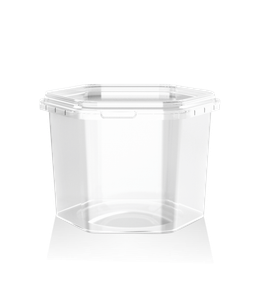
A taste of cotton honey with tea at a teahouse: the 250 ml hexagonal container goes right onto the dastarkhan (the traditional table spread).

Single servings of peach jam for a cafe near the oil field: 385 ml round containers.

Cappings and honeycomb from the apiary as a gift: 400 ml, with a clear wall that shows off the cells.

A shift lunch for a well operator: meat and a side dish in a 550 ml round container.

Plov for an oil crew out in the field: a 750 ml tray for each worker, lids on until lunch.

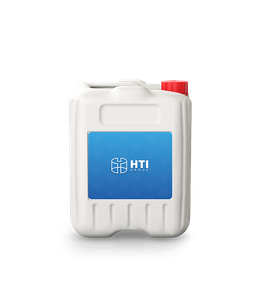
Locally pressed cottonseed oil for retail: a 5 L jerry can with a screw cap.

Flushing fluid and oil for pumpjacks: 10 L, with a molded-in handle on top.

Oil field first-aid post: shots for the rotation crew, with the needle left behind the valve of the one-liter bucket.

Rural outpatient clinic in Nooken District: swabs and ampoules, a yellow 2.3 L bucket by the nurse's desk.

Vaccinating cotton pickers before the season: syringes go in through the valve, 3 L for a field visit.

Kochkor-Ata dental office: disinfecting wipes come out one at a time through the 75 mm valve.

Burns and cuts at the oil field: dressings from the urgent care clinic go into a red bucket for Class C waste (by Kyrgyz sanitary classification).

City hospital: a day's waste from the internal medicine ward, a yellow 11.2 L bucket.

Vet for the cotton villages: vials and syringes after treating cows, plastic handle, 11.5 L.

Nooken District maternity hospital: 18 L with a lid, a yellow bucket for Class B waste.

Hospital waste storage area: 21 L, with the buckets kept closed until the special collection truck arrives.
The 18 L bucket has a single handle: a 60 g metal bail handle with a plastic grip. At an apiary, where full buckets get moved many times a day, metal with a grip is more comfortable. A plastic handle is lighter and suits anyone who sets the bucket down once and leaves it there.
Buyers in Kochkor-Ata fall into three groups, each with its own set of sizes. The table is split by group, so you can put together an order for your operation right away.
| Who | What goes in | Volume | Handle | Learn more |
|---|---|---|---|---|
| Apiary | freshly extracted honey | 18 L | metal 60 g with plastic grip | honey buckets |
| Apiary | retail honey | 1 L | plastic, 1.3 g | packaging for beekeepers |
| Apiary | beeswax and propolis | 5.6 L | metal or plastic | beeswax and propolis |
| Oil field | grease | 21 L | metal with plastic grip | grease buckets |
| Oil field | pastes and flushing fluids | 15 L | metal, 40 g, with plastic grip | packaging for auto repair shops |
| Orchard and vegetable garden | picking peaches and apples | 11.5 L | metal with plastic grip | farms |
| Orchard and vegetable garden | jam and preserves | 2.3 L | metal 13.4 g or plastic 3.4 g | jam and fruit butter |
One shipment can cover all three groups: buckets of different sizes each go on their own pallet but travel in the same freight carrier truck. That's handy when the beekeeper and the grower are neighbors or the same family. An oil field workshop can join the shipment too if its order is ready at the same time.
Nooken District means cotton and orchards in the valley and oil fields around Kochkor-Ata. Here are the four orders that most often come in from the town and nearby villages. Two are for food, one is industrial, and one involves the jerry cans HTI makes alongside its buckets.

Cotton is a honey plant, and valley apiaries extract a light honey that crystallizes over time. It goes into 18 L buckets, about 25 kg each, and once it sets, it's easy to scoop out through the wide 332 mm opening.
Oil mills and packers bottle cottonseed oil for cooking and plov. For that, HTI makes 5 L and 10 L jerry cans with a screw cap and a flat front panel for your label.
Pumpjacks, pumps, and oil-field machinery all need lubrication. Heavy grease is kept in 21 L buckets with a plastic grip on the bail handle, and pastes and flushing fluids for the workshops in 15 L.
Peaches, apples, and apricots are picked into 11.5 L buckets, while jam and marinated vegetables for sale go into 2.3 L and 3 L. At the market, a clear bucket shows off the product better than any sign, and a white one with a label suits stores.
Choose a bucket and enter the quantity: the calculator gives you the number of pallets. For example, an apiary that fills 700 of the 18 L buckets in a season will need two pallets. An oil mill that needs 250 of the 10 L jerry cans will need three.
Buckets are sold in orders of one pallet or more. Here's what happens between your first call and unloading when you order from Kochkor-Ata or any village in Nooken District.
Tell us what you'll be packing: honey, grease, jam. If you need your own brand on the bucket, say so right away.
Your sales manager will pick the sizes and handles, work out the pallets, and quote the order price, along with transit time and shipping cost.
Your order is put together at the HTI plant in the Bishkek Free Economic Zone (FEZ), Ak-Chiy village. With in-mold labeling (IML), the artwork is approved before the run is molded.
A freight carrier takes the pallets to Kochkor-Ata. If you have your own truck, you can pick up the order at the plant.

HTI buckets, jerry cans, and containers are stored only at the plant in Ak-Chiy village, Bishkek FEZ: there's no warehouse in Kochkor-Ata or Jalal-Abad. A freight carrier delivers orders to Nooken District, and your sales manager quotes the transit time and cost when you place your order.
Apiaries should order their extraction buckets before the cotton blooms, and orchards before the first peaches. That way your order won't collide with the seasonal peak, and it can be put together without a rush.
Pickup from the plant is also an option if you come to Bishkek with a truck: the pallets are loaded right at the plant.
For oil fields and workshops, the season matters less than for apiaries: grease is needed all year round. It's easier for them to order several months' worth of buckets at once and keep the empties stacked until they're needed.

The links lead to nearby towns and the region page.
Honey and jam sell on looks, grease on a reliable lid, and wholesale honey on packaging that arrives intact. Each product calls for its own version.
Light cotton honey in a clear bucket looks appetizing before anyone even tastes it. Clear buckets are molded in every size, from the sampler to 21 L.
For grease and pastes, color doesn't matter; the lid does. It seats into the double rim and keeps oil-field dust out.
When honey goes wholesale to Bishkek or Osh, an intact tab under the rim shows the bucket hasn't been opened since it was filled.
The apiary name and honey variety go on with a label or IML. The fused-in design won't rub off or peel, even after washing.

Directly from the HTI plant, in orders of one pallet or more. Call +996 222 600 292 and describe your operation: apiary, oil field, or orchard. Your sales manager will suggest sizes and work out the shipping.
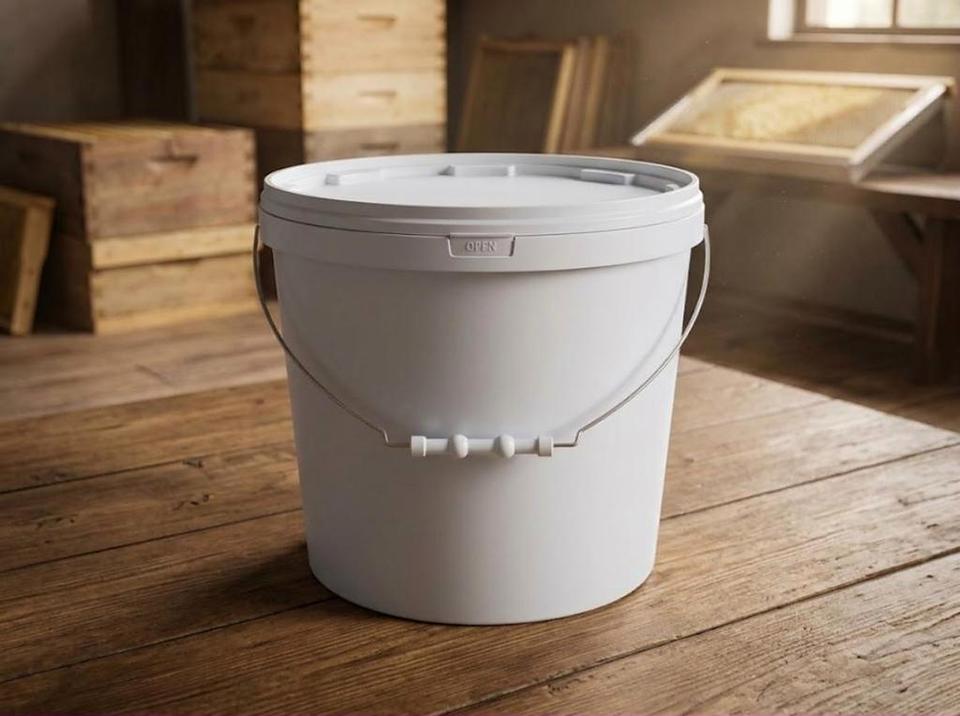
Most often the 18 L: it holds about 25 kg of honey, and its 332 mm opening fits easily under the extractor's honey gate. More on our honey buckets page.
Your sales manager prices each order individually: quantity, handle option, color, and printing all matter. If you need other sizes too, list them up front, and everything will be quoted as one order. An apiary often needs just two items: 18 L for extraction and one-liter buckets for retail.
By the pallet, via freight carrier from the plant in the Bishkek FEZ. Your sales manager will quote the transit time and cost when you place your order.
HTI has no warehouse in Kochkor-Ata. Without a freight carrier, the only way to get the buckets is to pick them up at the plant in Ak-Chiy village.
Yes, people use the 15 L and 21 L with a metal bail handle and plastic grip. See our grease buckets page for details. Once a bucket has held grease, it shouldn't be reused for food.
Yes, 5 L and 10 L jerry cans with screw caps. A pallet holds 180 and 100 of them, respectively. More on our oil jerry cans page.
Yes, with a label or IML, where the design is fused into the wall during molding. IML pays off for ongoing runs, while a label is enough for a trial batch.
The catalog has every size with dimensions, weight, and handle options. For an overview of the whole region, see the Jalal-Abad Region page; the neighboring mountain town is covered on the Mailuu-Suu page.

Tell us how many buckets you need for the season and in which sizes. Your sales manager will work out the pallets and give you shipping terms to Kochkor-Ata.