Want to learn more about our packaging or find the right fit for your business? Request a callback, and our specialist will call you at a time that suits you. Tell us about your product, and we'll help you choose the best option.
Order a callback from a specialist
Want to learn more about our solutions or find the perfect solution for your business? Leave a request for a callback and our specialist will contact you at a convenient time. Together we will find the optimal solution to make your business thrive!
Request a callback from our HR team
Interested in our openings and career opportunities? Leave your contact details and our HR team will get back to you shortly. We'll answer your questions and explain how to join the HTI Group team.
Order a callback from a specialist
Would you like to learn more about our job openings and career opportunities? Leave your contact information, and our HR department will get in touch with you shortly. We will answer all your questions and provide detailed information on how to become part of the HTI Group team.
Mon-Fri, 9:00 AM-5:00 PM · Factory in the Bishkek Free Economic Zone, Ak-Chiy village
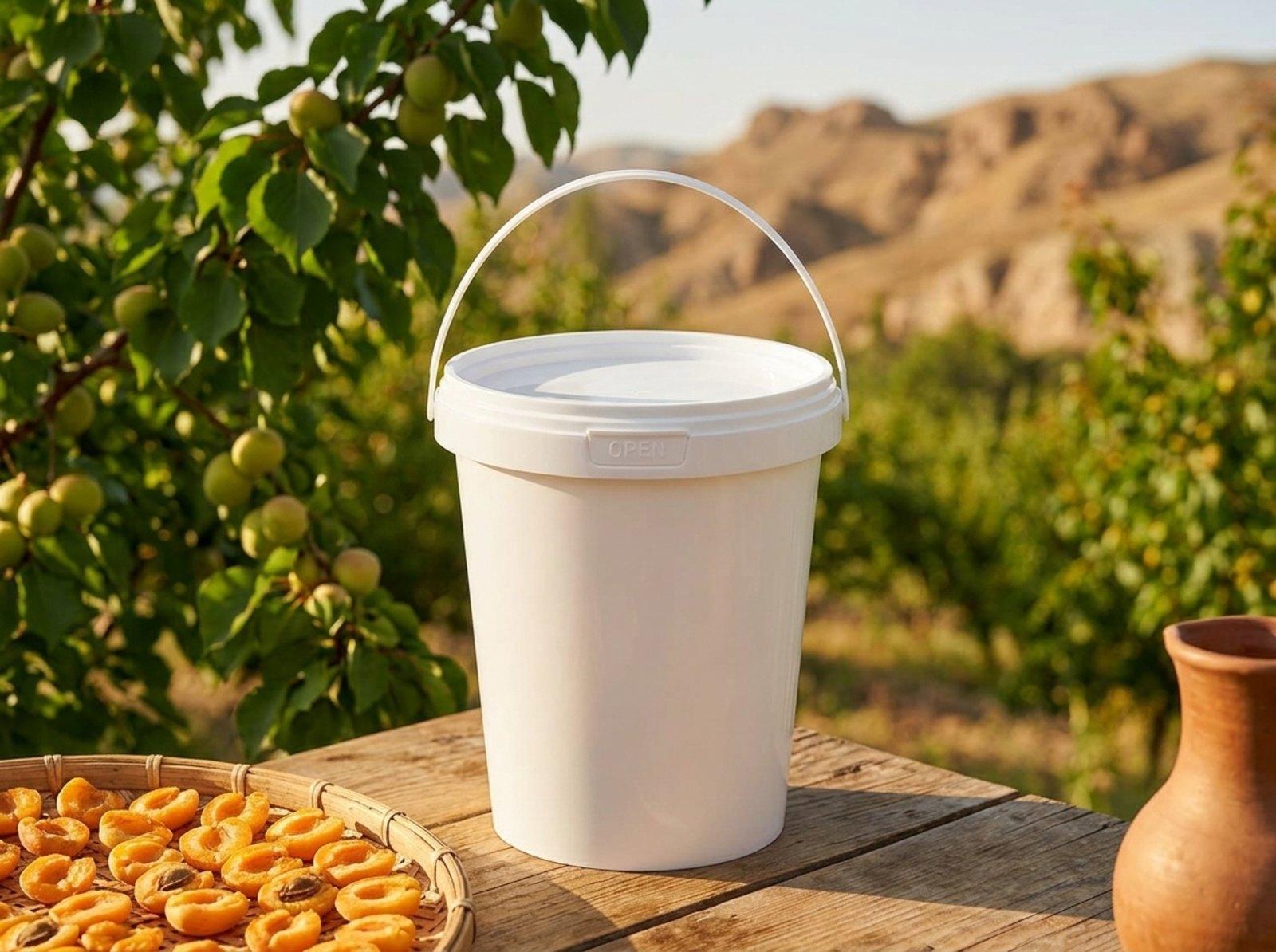
Apricot country
Plastic bucketsand packaging in Batken
You can buy plastic buckets in Batken directly from the manufacturer. Batken Region is Kyrgyzstan's apricot country: its dried apricots, both pitted and whole (uryuk), and its jam end up at bazaars all over the country. Beyond the orchards, the region is known for coal mining in Sulukta and Kyzyl-Kiya, while villages keep busy building homes and running small food workshops. In the Bishkek Free Economic Zone (FEZ), HTI molds food-grade buckets from 560 ml to 21 L, plus 5 L and 10 L jerry cans, and ships them by freight carrier to Batken, Kyzyl-Kiya, Sulukta, and Isfana.
In Batken, apricots are sold three ways: dried, cooked, and as a semi-finished ingredient for pastry makers. Each needs its own packaging, so we've gone through the whole lineup: for each of the fourteen buckets, you'll see what it's used for in the region, how much it holds, and what handle it has.
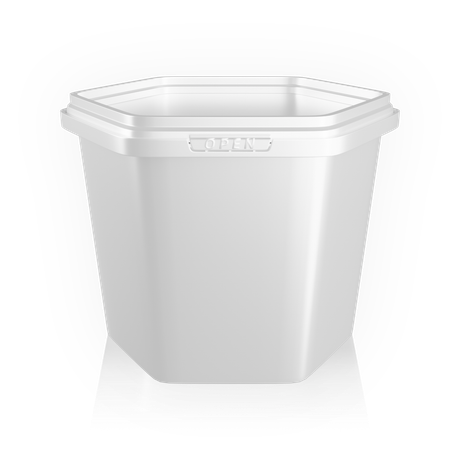
Preserves, jam, and dried apricots in shopper-size portions.
Preserves, dried fruit, and jam for pastry makers.
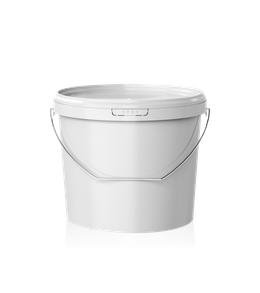
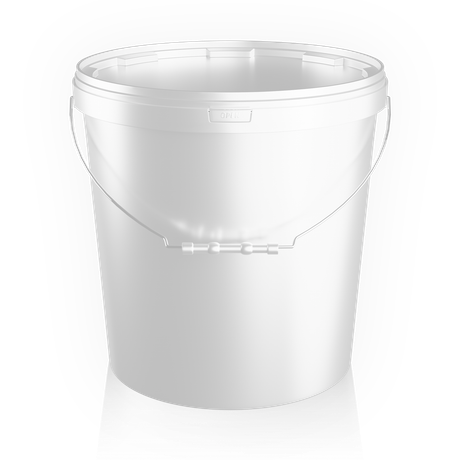
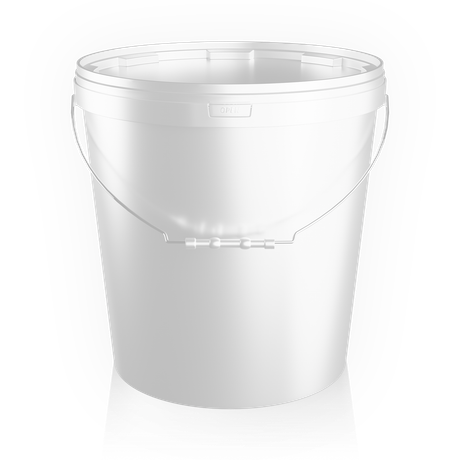
Paint, whitewash, bulk dried apricots, and rice for the winter.
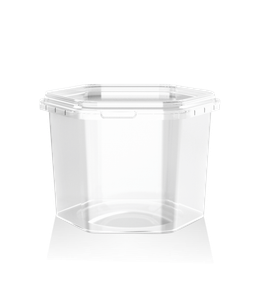
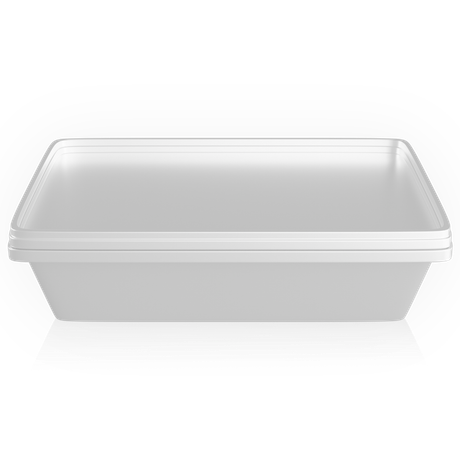
Containers for roasted apricot pits, dried fruit, jam, and lunches to go.
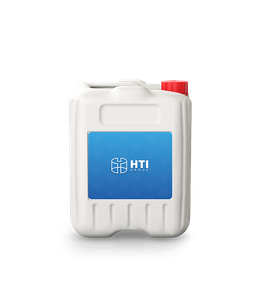
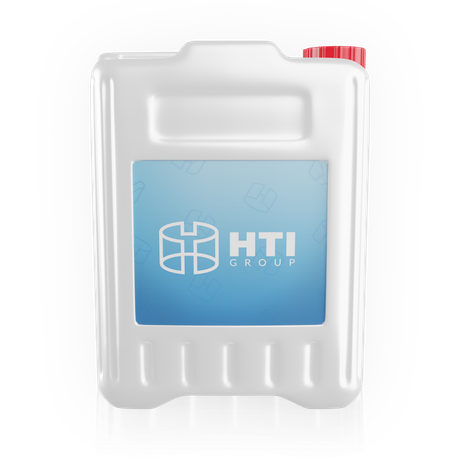
Jerry cans for orchard water and automotive fluids for trucks.
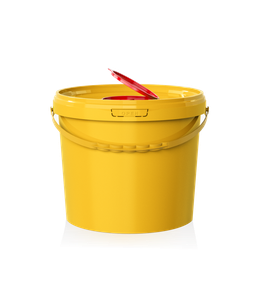
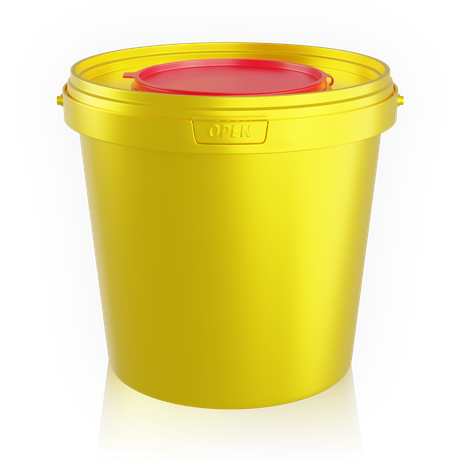
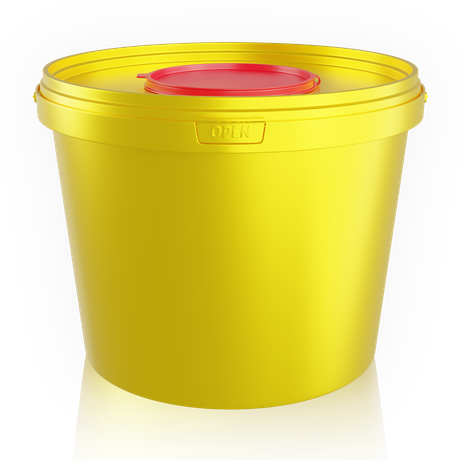
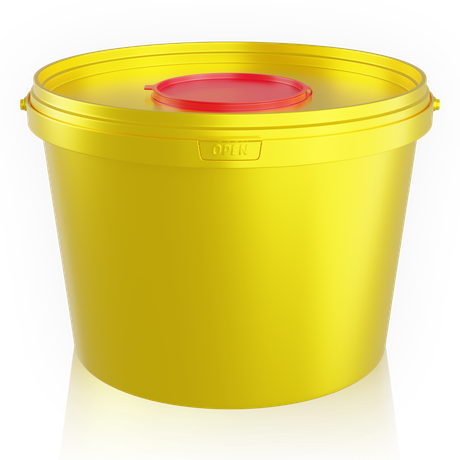
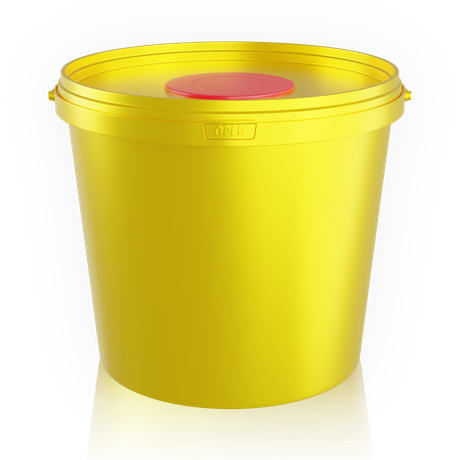
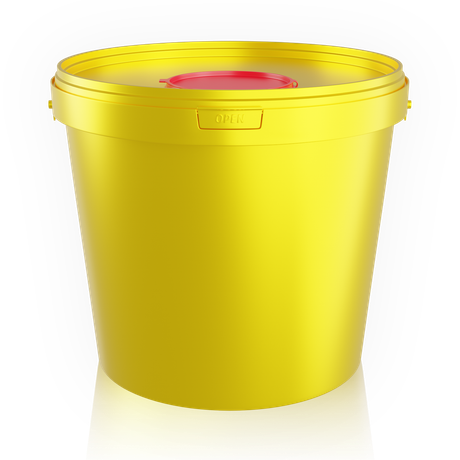
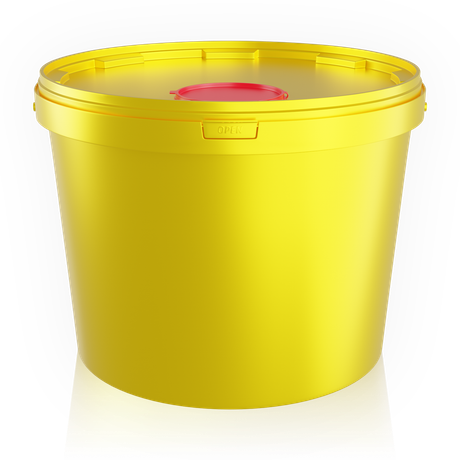
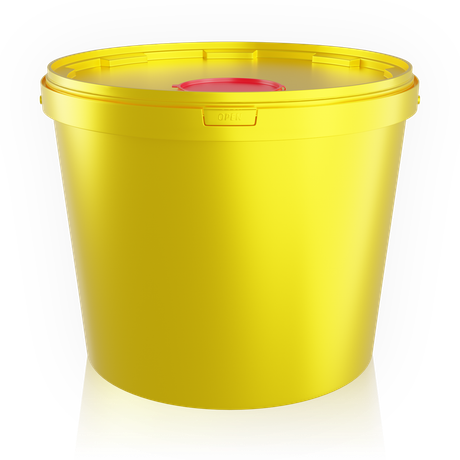
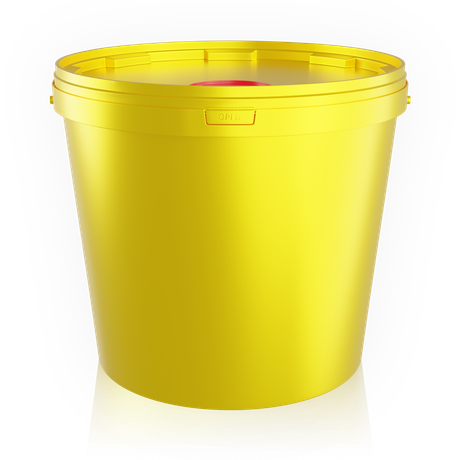
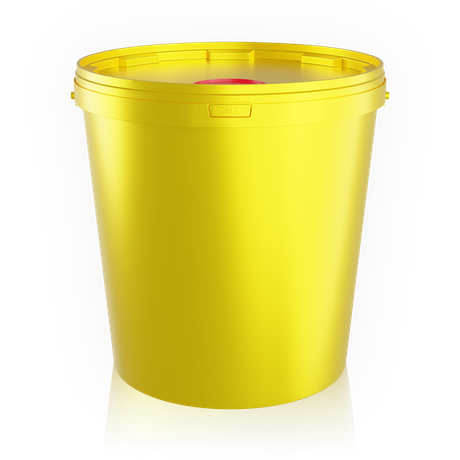
Yellow (Class B) and red (Class C) buckets, by Kyrgyz sanitary classification, for the hospital, rural health posts, and mine first-aid stations.
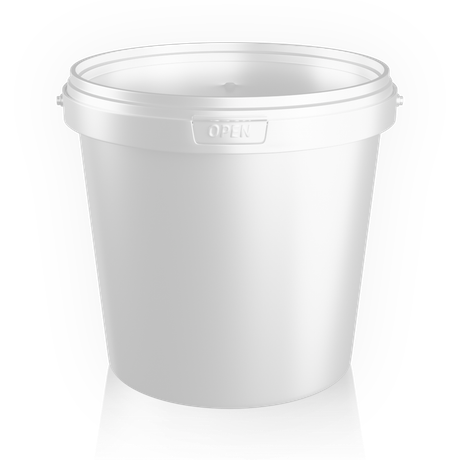
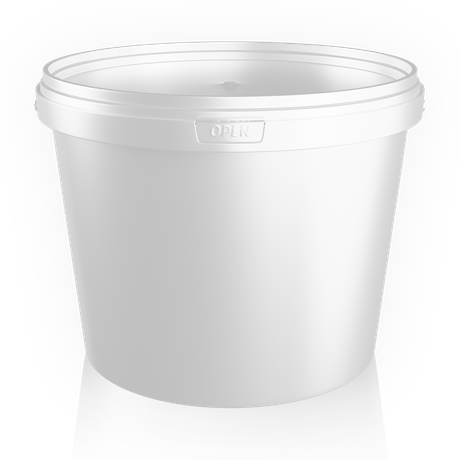
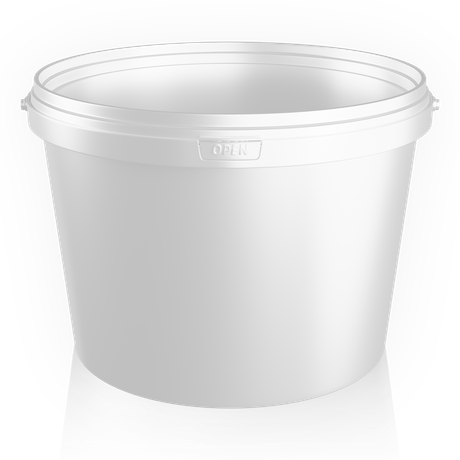
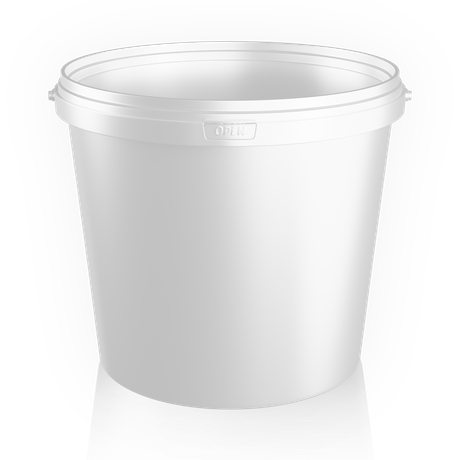
Packaging at the same scale: body width and height from the factory's product cards
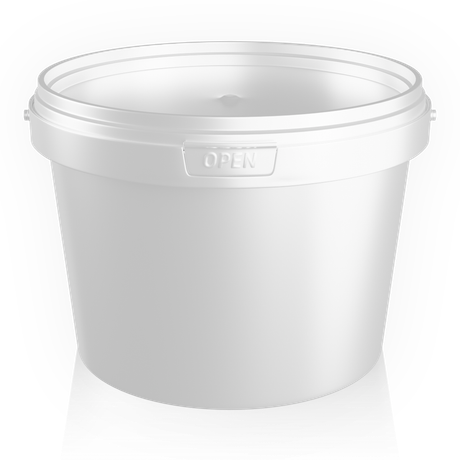
Tea table · PKS560
560 ml plastic bucket
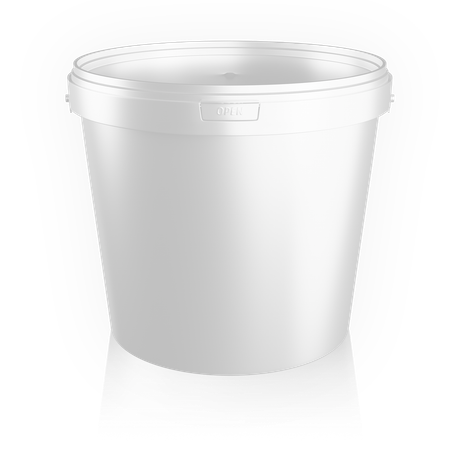
Apricot preserves for bazaar shoppers to sample: about 0.74 kg in a bucket with no handle, just side lugs.
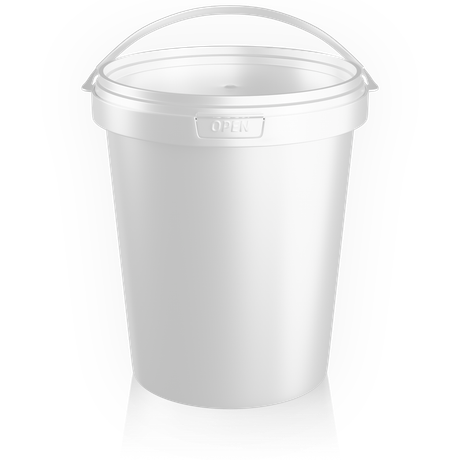
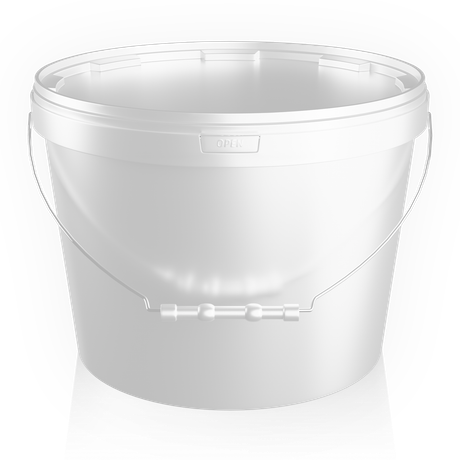
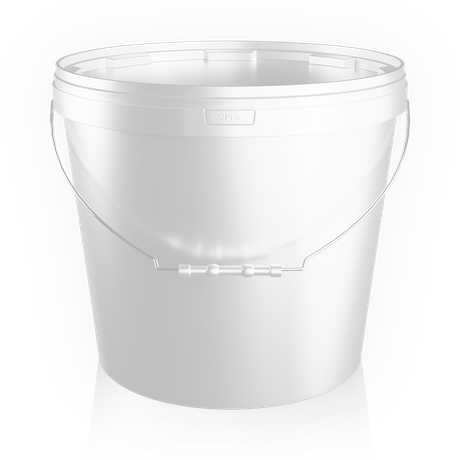
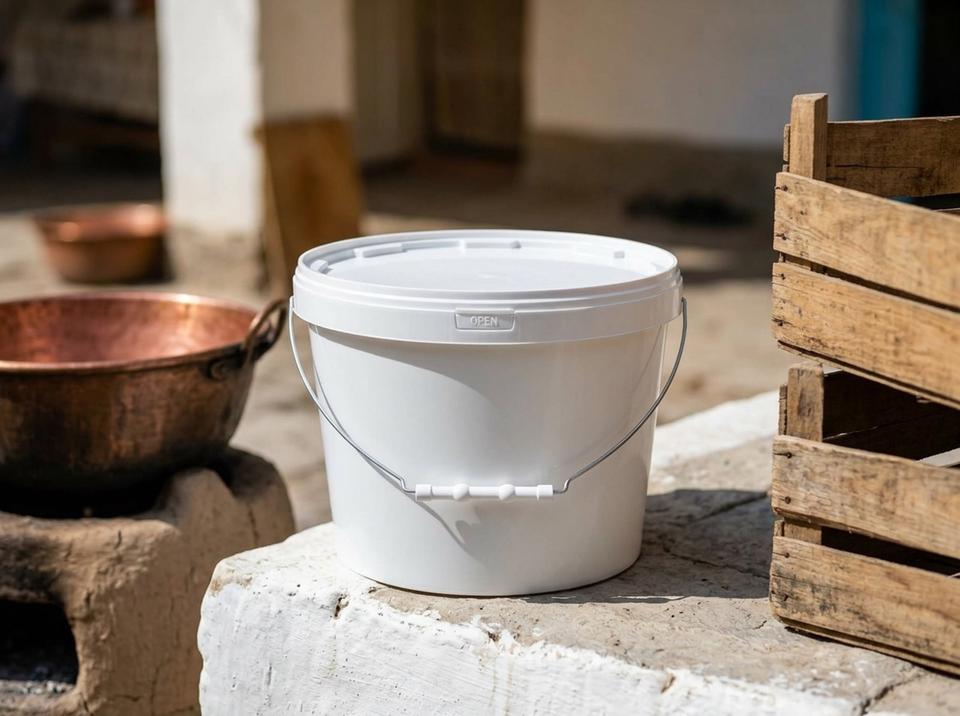
For the same apricots, a farm usually keeps two sizes: a small one for retail and 8 L for pastry makers who buy jam as an ingredient. An 8 L bucket of jam weighs over 10 kg, so it comes with a metal bail handle and plastic grip. Dried apricots are measured by brim-full capacity, since the weight of dried fruit depends on the variety and how dry it is.
When the harvest ripens all at once,packaging makes the difference
Apricots don't wait: the whole orchard ripens at almost the same time, and within a few weeks the fruit has to be dried, cooked, or sold. If you run short of buckets at the peak of the season, it's too late to reorder. That's why Batken farms choose their packaging ahead of time and look at the following.
In the yard, by the cauldron8 L: over 10 kg of jam in one bucket
A harvest in a few weeks
Farms bring in their entire year's supply of buckets before the first apricot ripens. Empty buckets nest inside each other: 3,300 of the 2.3 L buckets fit on one pallet, so you don't need a warehouse, just a corner of the house.
No crushed apricots
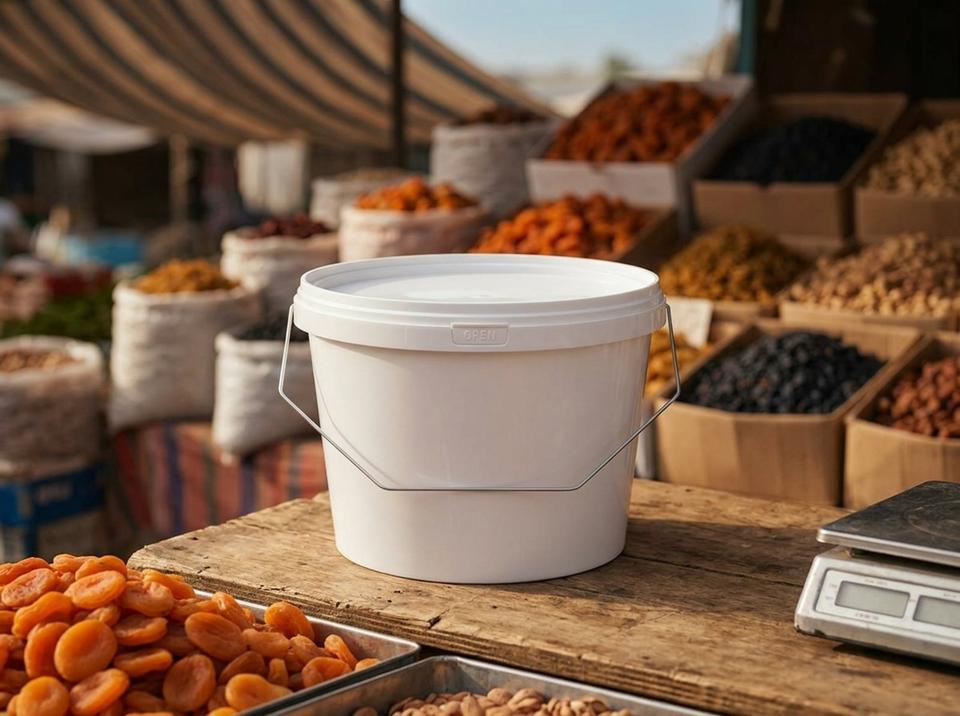
Dried apricots in a bag get crushed under other sacks in the truck bed. A bucket has a rigid wall and a full-diameter lid, so the fruit reaches Osh or Bishkek exactly as it was packed. And the wide opening makes it easy to scoop right at the stall.
Dust stays out
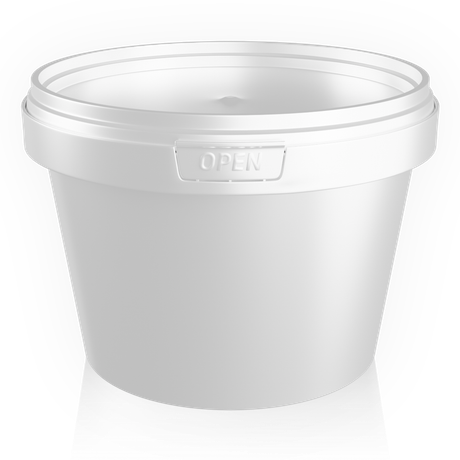
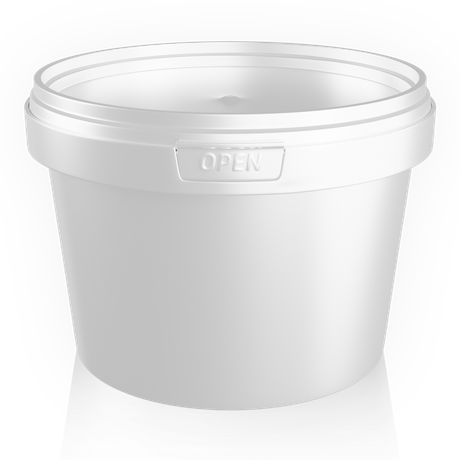
A southern bazaar in summer is hot and dusty. The lid seats into a double rim and closes off the whole bucket, while the OPEN tamper-evident tear strip tells shoppers no one has opened the jam since filling.
Apricots under your own name
Batken apricots are well known, and the district's name on a bucket helps sell them. Labels go on finished buckets, while for larger runs, in-mold labeling (IML) is the way to go: the design is fused into the wall during molding and won't wash off.
Sizes
Dried, cooked,or semi-processed
The easiest way to choose packaging is by the form your apricots leave the farm in and who will buy them. The five pointers below cover almost every request we get from Batken Region.
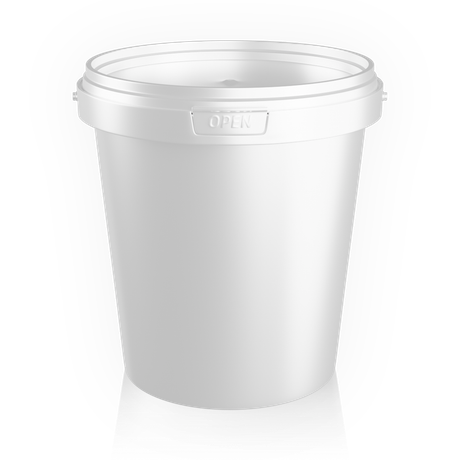
Jam for stores in Osh and Bishkek: 900 ml with a molded-in handle or 850 ml, about 1.1 to 1.2 kg of product.
Preserves for the bazaar: 2.3 L or 3 L, so shoppers can take home a family supply in one go.
Pitted and whole dried apricots and other dried fruit: 3 L or 3.8 L, preferably clear, so the product shows without opening.
Ingredients for bakeries and pastry makers: 8 L or 11.5 L with a plastic grip on the bail handle.
Garages and vehicle depots in mining towns: 10 L jerry cans, easy to add to the same shipment.
Shipment estimate
How much packagingfits in one delivery
Choose an item and quantity, and we'll show the pallet count, units rounded up to full pallets, total nominal capacity in liters, empty packaging weight, and the truck you'll need.
Straight-line distance. Click a city to open its page.
We ship only from our plant in the Bishkek FEZ, Ak-Chiy village: HTI has no warehouse in the south. A freight carrier delivers to Batken, Kyzyl-Kiya, Sulukta, Isfana, and villages across the region. Many farms send their own dried apricots and jam north, so if you have a carrier heading back empty from Bishkek, they can pick up pallets of buckets at the plant. Your sales manager confirms delivery time and cost when you place the order. It's best to order in spring, before the orchards bloom, so the buckets are already on the farm by the first picking.
The 3 L and 3.8 L buckets: a 200 mm opening and a lid that comes off completely, so you can scoop out the fruit. A clear body shows off the product, while white is the choice for a bright label.
About 3.1 kg, since a liter of jam weighs roughly 1.33 kg. The bucket holds 2.444 L brim-full, but it's best to leave a little headspace so the lid seats evenly in the rim.
It depends on how you sell it. The 900 ml bucket has a molded-in handle, formed in one piece with the body. The 850 ml comes with a plastic handle or a molded-in one, and its narrow body lets you stock shelves tightly.
Yes, by freight carrier from our plant in Ak-Chiy. Delivery time and cost depend on the address and order size, and your sales manager confirms both when you place the order.
Yes, pallet pickup from our plant in the Bishkek FEZ is available to small farms and processing plants alike. Let your sales manager know the day you're coming so your order is ready to load.
On size, color, handle type, quantity, and printing. Your sales manager calculates the exact price for your order: call +996 222 600 292.
For a small order, use a label on the finished bucket; for larger runs, go with IML. You approve the artwork with your sales manager, and the image stays on the bucket through any amount of washing.
Catalog
Packaging for Batkenin the HTI catalog
Dimensions, weights, and handles for every bucket are on the individual size pages. If you make jam as an ingredient, check out our buckets for jam and fruit butter page, and for dried fruit, see buckets for dry goods.
Tell us your expected harvest and how you sell it: as dried apricots, preserves, or jam for pastry makers. Our sales manager will break it down by size, work out the number of pallets, and suggest which part of the order is best in clear plastic.