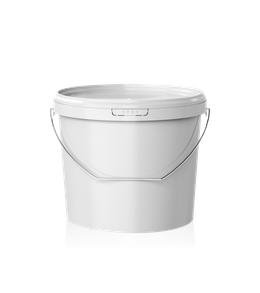
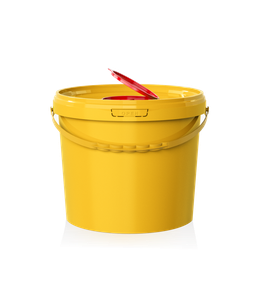
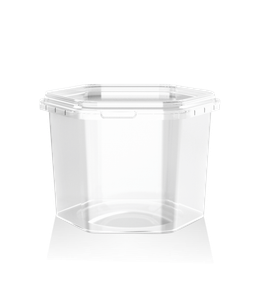
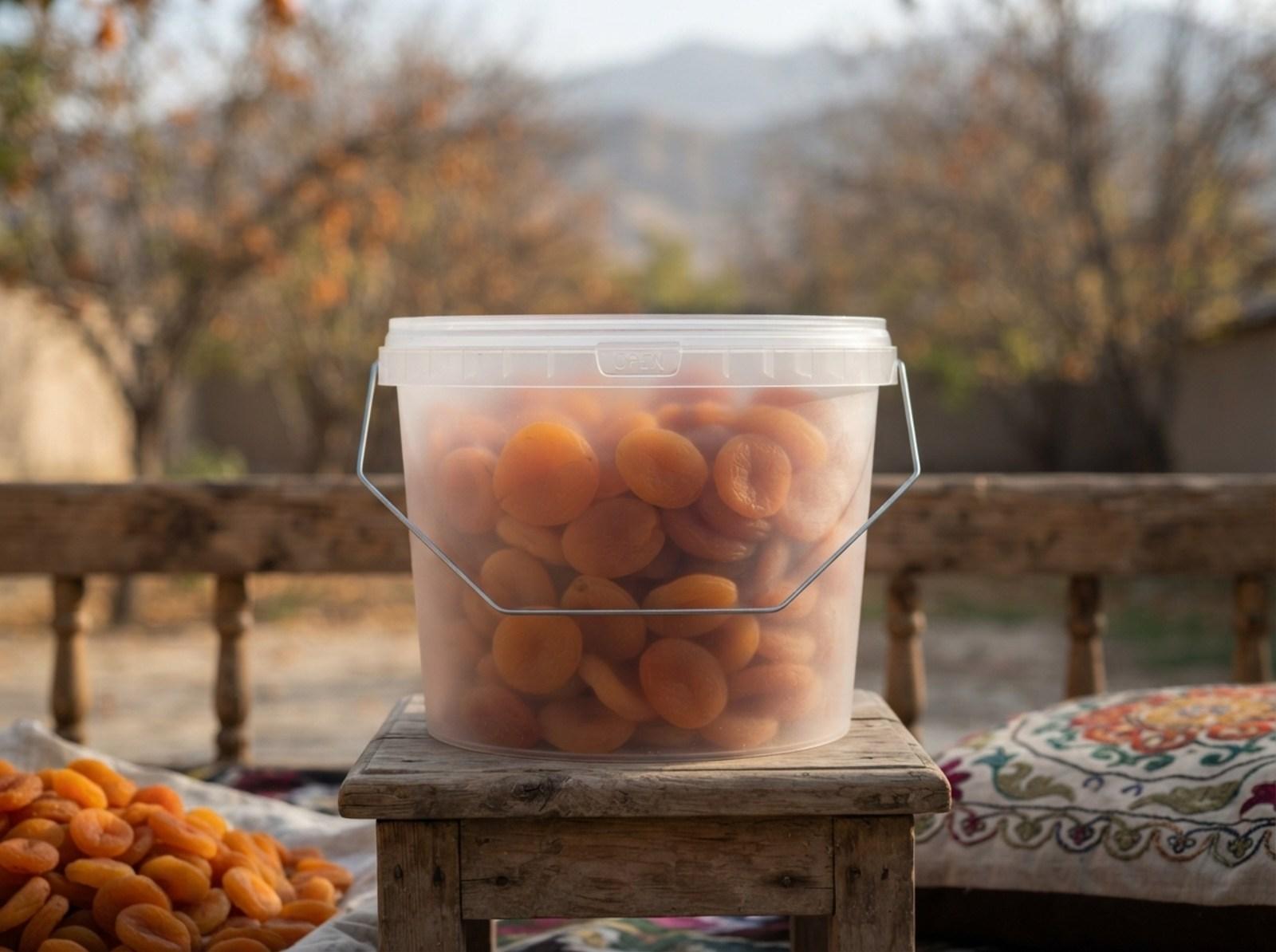
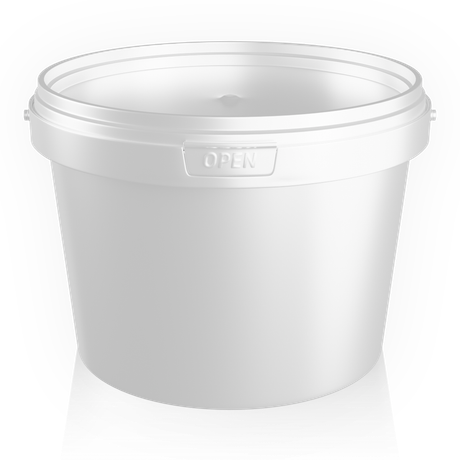
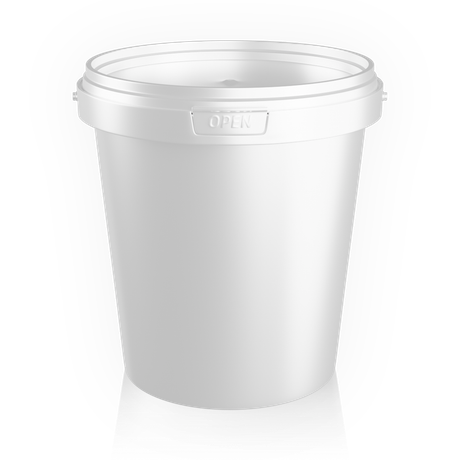
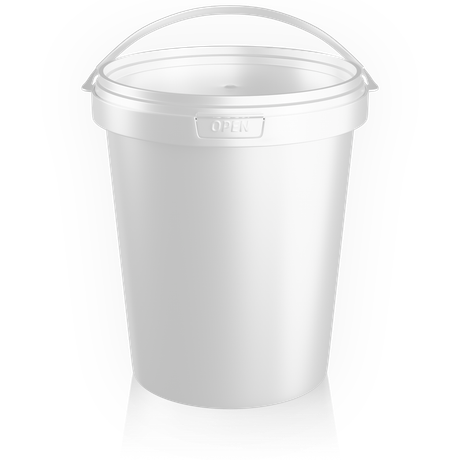
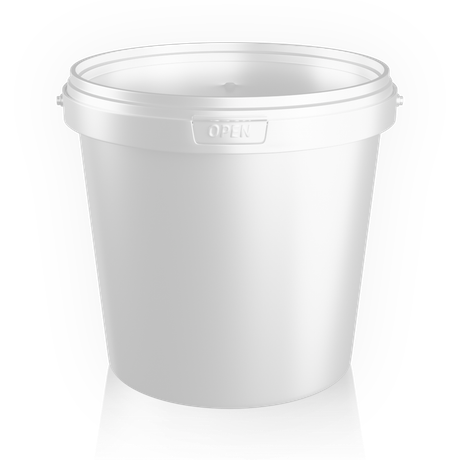
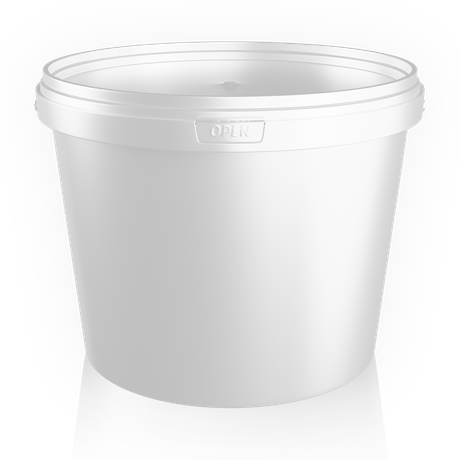
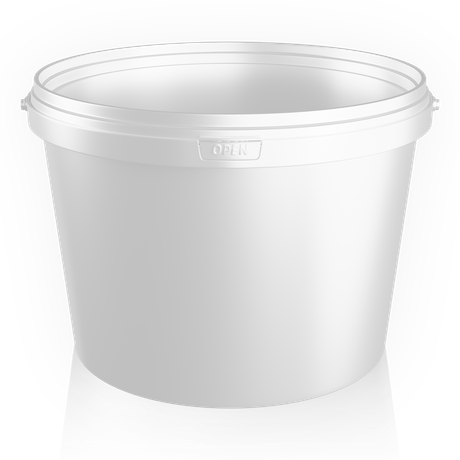
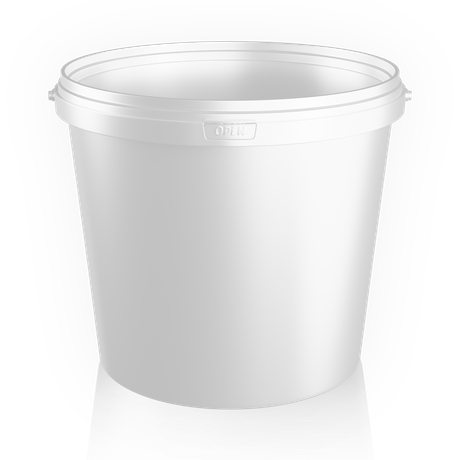
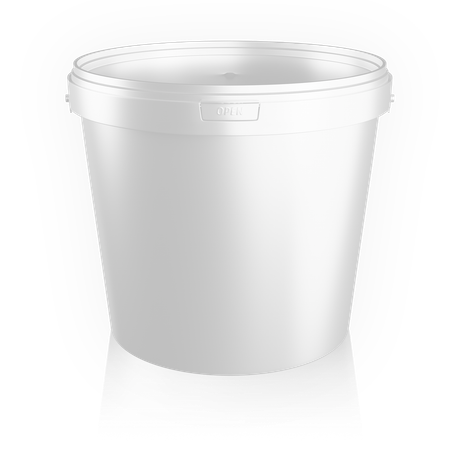
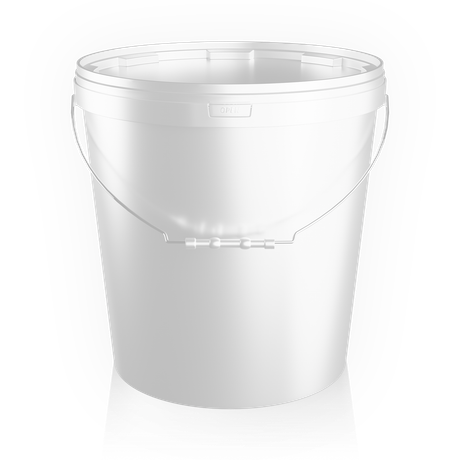
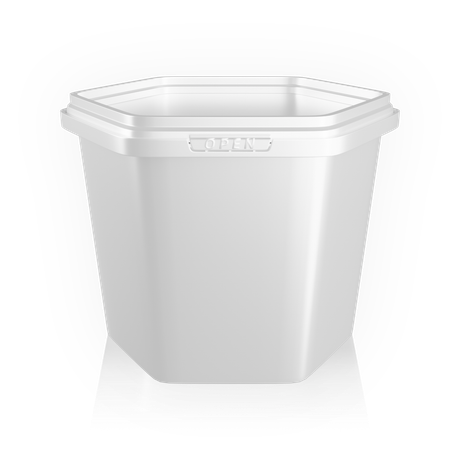
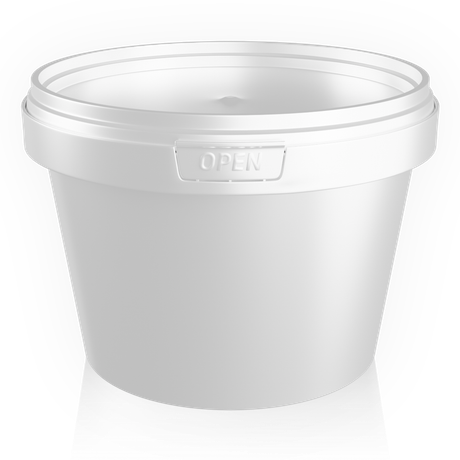
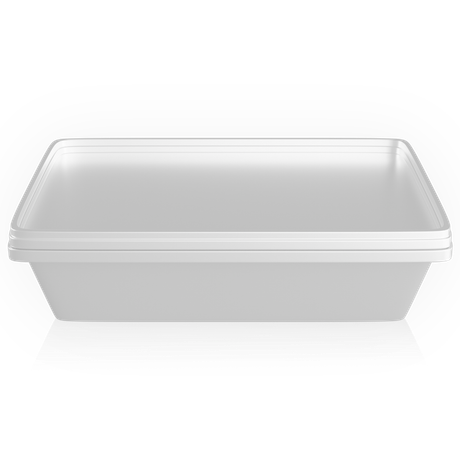
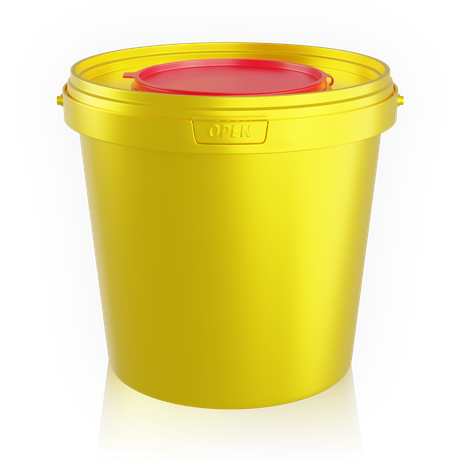
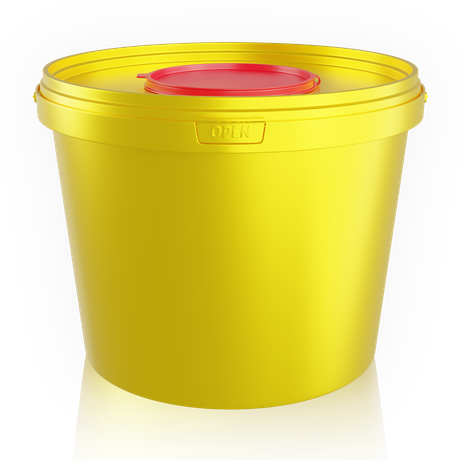
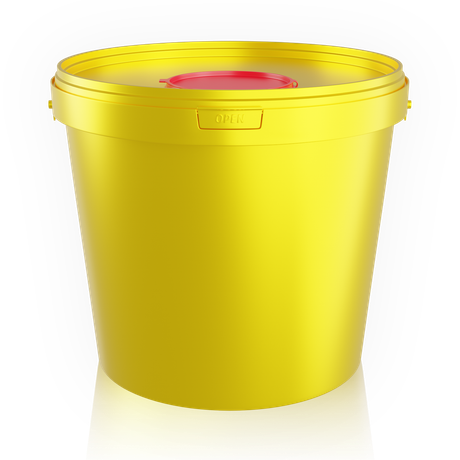
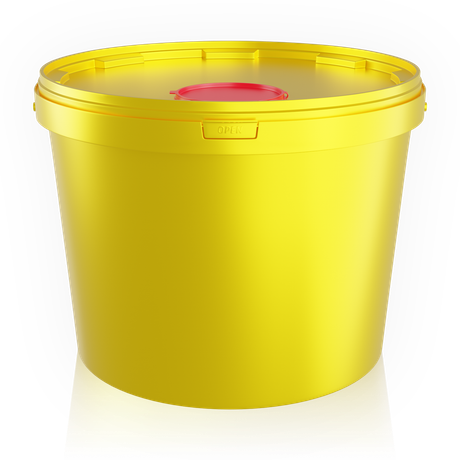
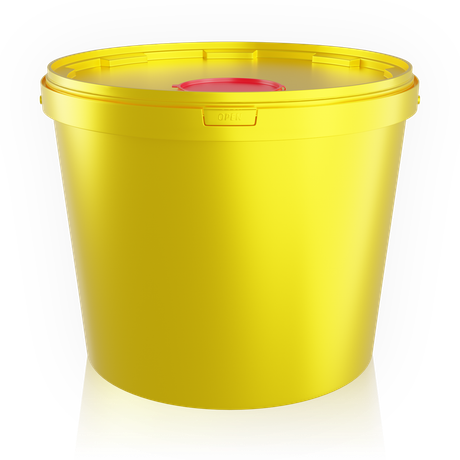
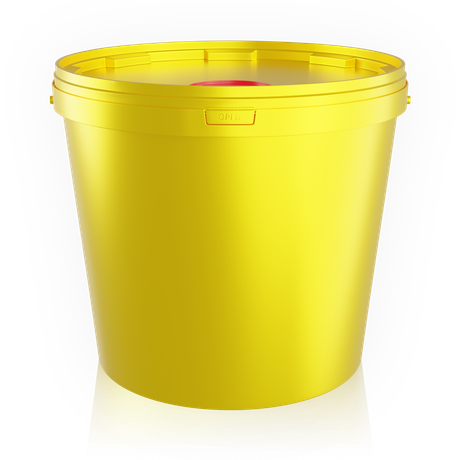
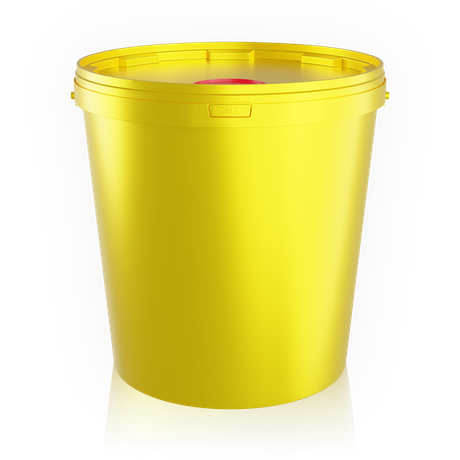
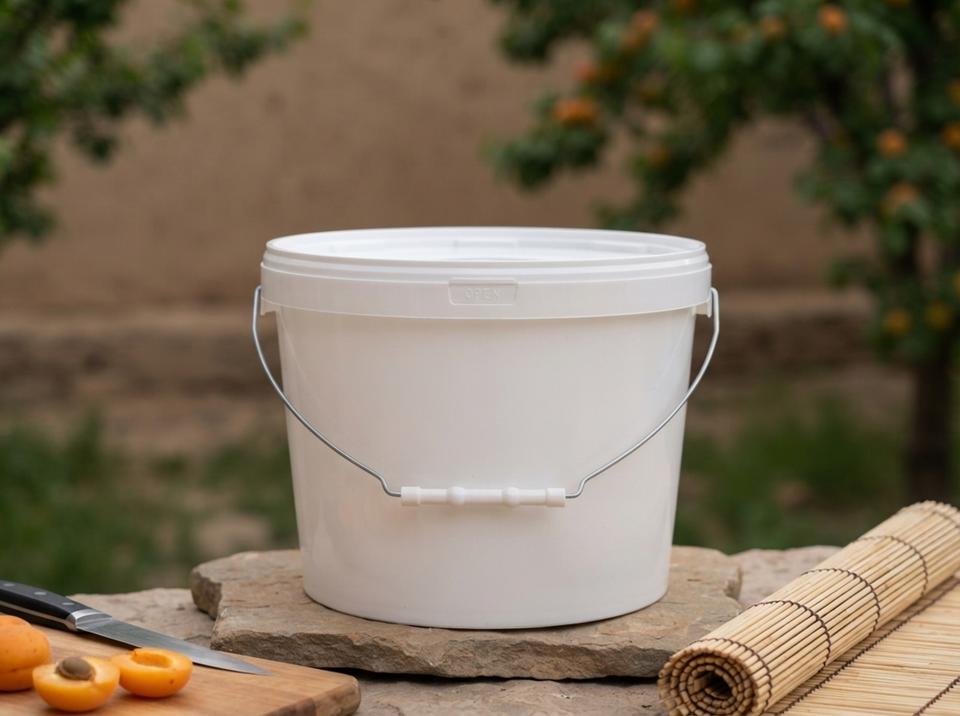
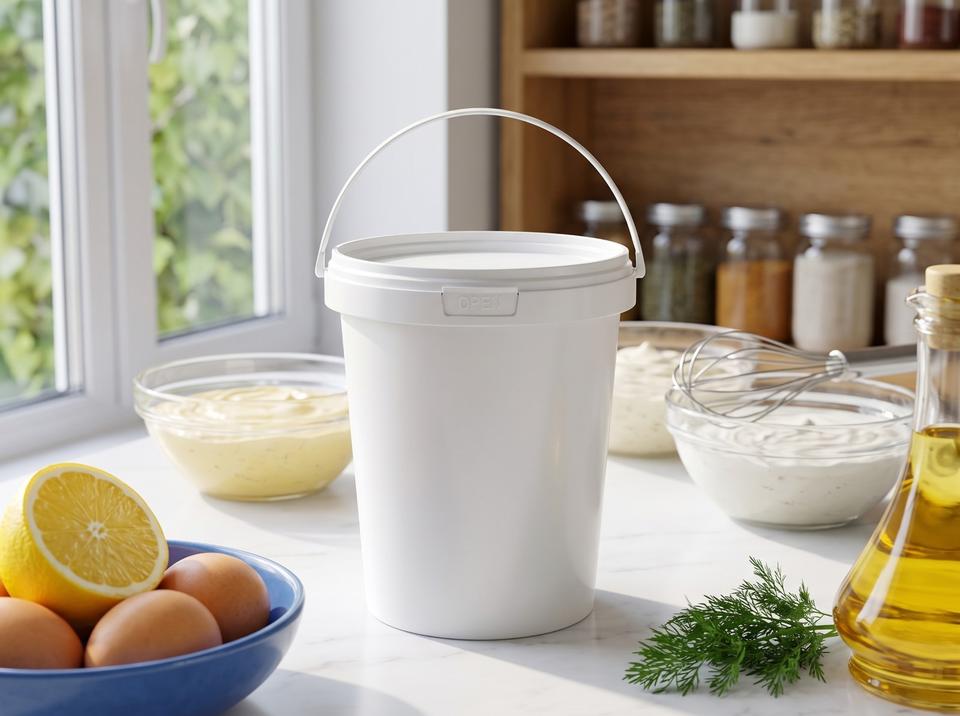
560 ml plastic bucket
Small portions of dried apricots for tea: clear buckets with no handle are lined up in rows on the counter.
- Opening
- Ø 118 mm
- Height
- 80 mm
- Empty weight
- 23 g
- Per pallet
- 7,200 pcs
Plastic buckets14 sizes · 560 ml to 21 L
Medical buckets9 sizes · 1 to 21 L
Food containers5 formats · 250 to 750 ml
Plastic jerry cans5 L and 10 L
Plastic buckets16 models, 560 ml - 21 L
Medical buckets10 models, 1 - 21 L
Food containers5 models, 250 - 750 ml
Plastic canisters5 and 10 L
塑料桶16 个型号,560 毫升 - 21 升
食品容器5 个型号,250 - 750 毫升
塑料方桶5 升和 10 升Hello! We'll suggest the right size for your product, calculate pallets, and quote a price for your order.
Isfana is the center of Leilek District in western Batken Region, on the border with Tajikistan. The main crop here is apricots: they're picked, dried on rooftops and in yards, and sold fresh or dried, both pitted and whole (uryuk). HTI has a bucket for every step along the way, from 560 ml for the market stall to 21 L for wholesale buyers. Buckets travel to Isfana from our plant by freight carrier.
Isfana, Batken Region: buckets across the region

Apricots go through several stages on the farm, and each one needs its own packaging. The groups below run from the market stall to the orchard, and each size shows the job it does in Leilek District. Click to open the bucket's page with dimensions and photos.
Pitted and whole dried apricots and jam in shopper-size portions.
Preserves, dried apricots for sale, and the family's own supply.
Picking, drying, and wholesale shipping.
Containers for apricot pits, dried apricots, and lunch in the orchard.
Jerry cans for water during drying and for the pickers.
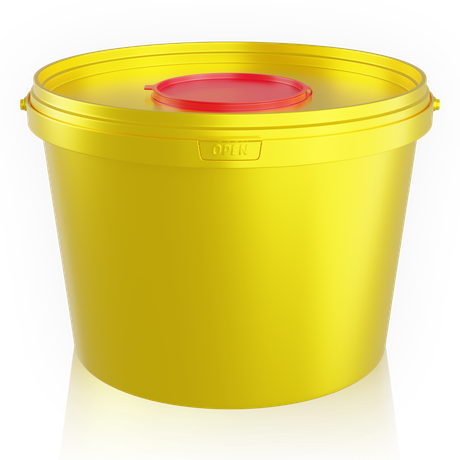
Yellow and red buckets for the district hospital, rural health posts, and the vet.

Small portions of dried apricots for tea: clear buckets with no handle are lined up in rows on the counter.

Apricot jam as a gift: a plastic handle makes the bucket easy to carry home in a bag.

Unpitted dried apricots (uryuk) in a clear body: shoppers can see how well the fruit is dried.

For local shops: apricot butter in a bucket with a handle molded in one piece with the body.

Dried apricots in a parcel for relatives in other cities: the one-liter bucket with a lid won't get crushed on the way.

Dried apricots for the family's winter supply: the clear wall shows off the color and variety.

Dried apricots for the bazaar and resellers: a scoop slides easily through the 200 mm opening.

Kompot (a stewed fruit drink) and sliced apricots in syrup for local cafes: a wide opening that fits a ladle.

Premium dried apricots for a wholesale buyer from Osh: the metal bail handle makes the bucket easy to load.

Sorting the harvest: fruit for jam goes in one bucket, fruit for drying in another.

Straight from the tree into the bucket: the plastic grip on the metal bail handle won't rub your palm raw over a long day of picking.

Halved apricots go from the tree up to the drying roof in a fifteen-liter bucket.

Fertilizer for young apricot trees: the lid keeps it dry until spring.

Dried apricots for a wholesale buyer: twenty-one liters under a lid, so nothing gets crushed during loading.

Apricot pits roasted with salt, a snack for tea: a 250 ml hexagonal container sits by the register.

A serving of dried apricots in syrup for local cafes: a 385 ml round container with a lid.

Pitted dried apricots to mail to family: the clear 400 ml containers hold their shape in the box.

Whole dried apricots and jida (oleaster) sold by weight at the bazaar: a 550 ml round container, with the fruit visible through the wall.

Plov to go for pickers in the orchard: a 750 ml flat tray that closes with a lid.

Water for the roof where the apricots dry and for pickers in the orchard: five liters, with a handle molded into the body.

A drinking water supply for the yard during drying days: ten liters in a jerry can with a screw cap.

Treatment room at Leilek District Hospital: the valve in the lid removes the needle, yellow body.

Rural health posts in border villages: dressings and shots for pickers during the season, yellow 2.3 L bucket.

Vaccination day at an Isfana school: syringes with needles go into the bucket through the valve.

Dental office: wipes for disinfecting the chair come out one at a time through the dispenser lid.

District hospital surgeon: cuts and bruises at the height of the harvest, red bucket for Class C waste (by Kyrgyz sanitary classification).

Leilek District vet: supplies used to vaccinate sheep before they're driven to pasture, 11.2 L.

Isfana maternity ward: yellow body, a full day's waste, plastic handle.

Family medicine center: a week of appointments in one 18 L bucket under a tight lid.

Waste is collected from Isfana only every few weeks, so it builds up in a 21 L bucket with the lid closed.
Every bucket tapers toward the bottom, so the empties nest in a stack: a whole apricot season's supply takes up little room in the house. Each lid has an OPEN tear strip under the rim that comes off at first opening.
Ripe apricots don't keep for long, so the whole harvest passes through several hands in a short time. The table shows which bucket you need at each stage and how many of them fit on a pallet.
| Stage | Process | Volume | Per pallet | Learn more |
|---|---|---|---|---|
| Picking | picking fruit off the tree | 11.5 L | 816 | farms |
| Sort by | sorting for drying and jam | 8 L | 840 | berry buckets |
| Drying | carrying fruit up to the roof | 15 L | 816 | large buckets |
| Cooking | jam and preserves | 2.3 L | 3,300 | jam and fruit butter |
| Wholesale | dried apricots for buyers | 5.6 L | 1,920 | packers |
| Retail | dried apricots, pitted and whole, at the bazaar | 3 L | 2,800 | nuts and dried fruit |
During picking and drying, the bucket is a tool, so growers choose white ones with a bail handle and plastic grip. For selling, they go with a clear body: dried apricots and preserves sell themselves on color. Wholesale buyers care more about weight and the lid, while bazaar shoppers care about how the fruit looks.
In Leilek District, almost every household is tied to apricots. Farms differ in how they sell the harvest: fresh, dried, or cooked. That decides the bucket mix: a family drying apricots on the roof buys different sizes than one making jam for the bazaar.

The fruit is halved, spread out on a flat roof or in the yard, and dried in the sun. Carrying it up is easiest in 11.5 to 15 L buckets: the grip on the bail handle won't cut into your fingers, and the lid covers the fruit while the bucket waits by the ladder.
Wholesale buyers collect dried apricots in bulk. In lidded 5.6 to 21 L buckets, the fruit reaches Osh and Bishkek uncrushed and dust-free, and the empty buckets can go back into service for the next harvest.
Ripe fruit that won't be dried gets cooked into preserves and jam. Clear 2.3 L buckets work well for the bazaar, and 900 ml buckets with a molded-in handle for stores.
At the bazaar, pitted and whole dried apricots sell from clear 850 ml and 3 L buckets: shoppers see the fruit through the wall, and the lid keeps out dust and flies.
Choose a size and quantity, and the calculator shows the pallets. An example from Leilek District: a farm getting ready for the season orders 1,600 of the 11.5 L buckets for picking and drying, which comes to two pallets of 816. Add 2,500 clear 3 L buckets for the bazaar, and that's one more pallet.
HTI sells buckets direct from the factory in orders of one pallet and up. It's best to order before the season starts, while the orchard is still in bloom or just setting fruit.
Tell us how big a harvest you expect and how you sell your apricots. Our sales manager will help you break it down by size.
You'll get the number of buckets and pallets, the order price, and shipping terms to Isfana: your sales manager will confirm timing and cost with the freight carrier.
Buckets are packed at the HTI plant in the Bishkek Free Economic Zone (FEZ), Chuy Region. For in-mold labeling (IML) orders, the artwork is approved first.
A freight carrier brings the pallets to Isfana. You can also pick up the order yourself if your truck is heading south from Bishkek.

The HTI plant is in Chuy Region, in the Bishkek FEZ, Ak-Chiy village. It's our only shipping point: we have no warehouse in Isfana, Batken, or other towns in the south. A freight carrier takes the buckets to Leilek District, and your sales manager will tell you how long it takes and what it costs when you place the order.
Dried apricots often head north to be sold. If your truck is coming back empty from Bishkek, you can load it with pallets of buckets right at the plant.
Empty buckets come nested, so a season's order can be stored in a pantry or under a shed roof until the first harvest.
Buckets for picking and drying are needed first, and those for jam and dried apricot sales a little later. It's easiest to order everything at once so you're not waiting on a second truck at the height of the season.

The region and nearby towns with their own pages are linked.
Any bucket with a bail handle will do for the orchard and drying, but for selling, the version you choose matters a lot. A clear wall, a tamper-evident seal, and your farm's name help shoppers pick your product over the rest.
Shoppers see the color of the dried apricots through the wall and choose without opening the lid. Clear buckets come in every size.
For picking and carrying fruit up to the roof, growers use buckets of 8 L and up: the metal bail handle with plastic grip sits comfortably in your palm even when the bucket is full.
The seal under the rim is torn off at first opening. Wholesale buyers and bazaar shoppers can see the dried apricots haven't been repacked since filling.
A label or IML print with your farm's name makes your product recognizable. IML is fused into the wall during molding and stays on the bucket after washing.

From the manufacturer, the HTI plant. We take orders of one pallet and up at +996 222 600 292, and a freight carrier delivers them to Isfana.
The price depends on size, quantity, body color, handle, and printing. Your sales manager will calculate it for your order once they know what you need and how much.
A freight carrier brings the order from our plant in Chuy Region. Timing and cost depend on the order size, and your sales manager confirms both when you place the order.
No, HTI has no warehouse or pickup point in the south. We ship from our plant in Ak-Chiy, so it's best to order early, before the season.
The 11.5 L bucket with a metal bail handle and plastic grip: it's easy to carry fruit in, and the grip won't cut into your palm. For carrying halved fruit up to the roof, growers use the 15 L.
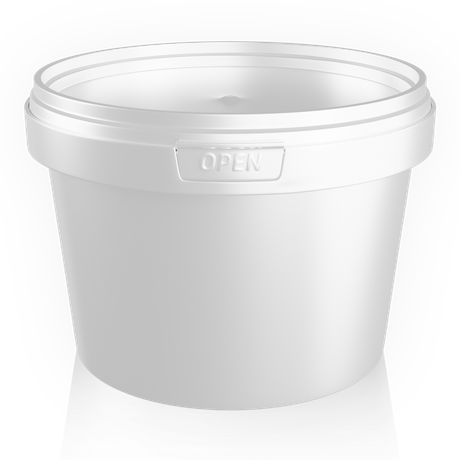
In clear 850 ml and 3 L buckets: the product is on display, and the lid keeps out dust. Learn more on our buckets for dried fruit page.
Yes, pickup from our plant in the Bishkek Free Economic Zone is available. Let your sales manager know when you're coming, and the pallets will be ready to load.
Yes: with a label for a small order or IML printing for ongoing runs. The artwork is approved in advance, and the image won't wash off.
The catalog shows dimensions, empty weight, and photos of every bucket. For the region as a whole, see the Batken Region page, and for nearby towns, the Sulukta and Batken pages.

Tell us your expected harvest and how you sell it. Our sales manager will work out the buckets for the orchard, drying, and the stall, plus shipping to Isfana.