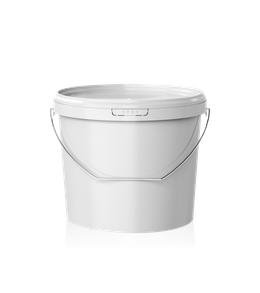
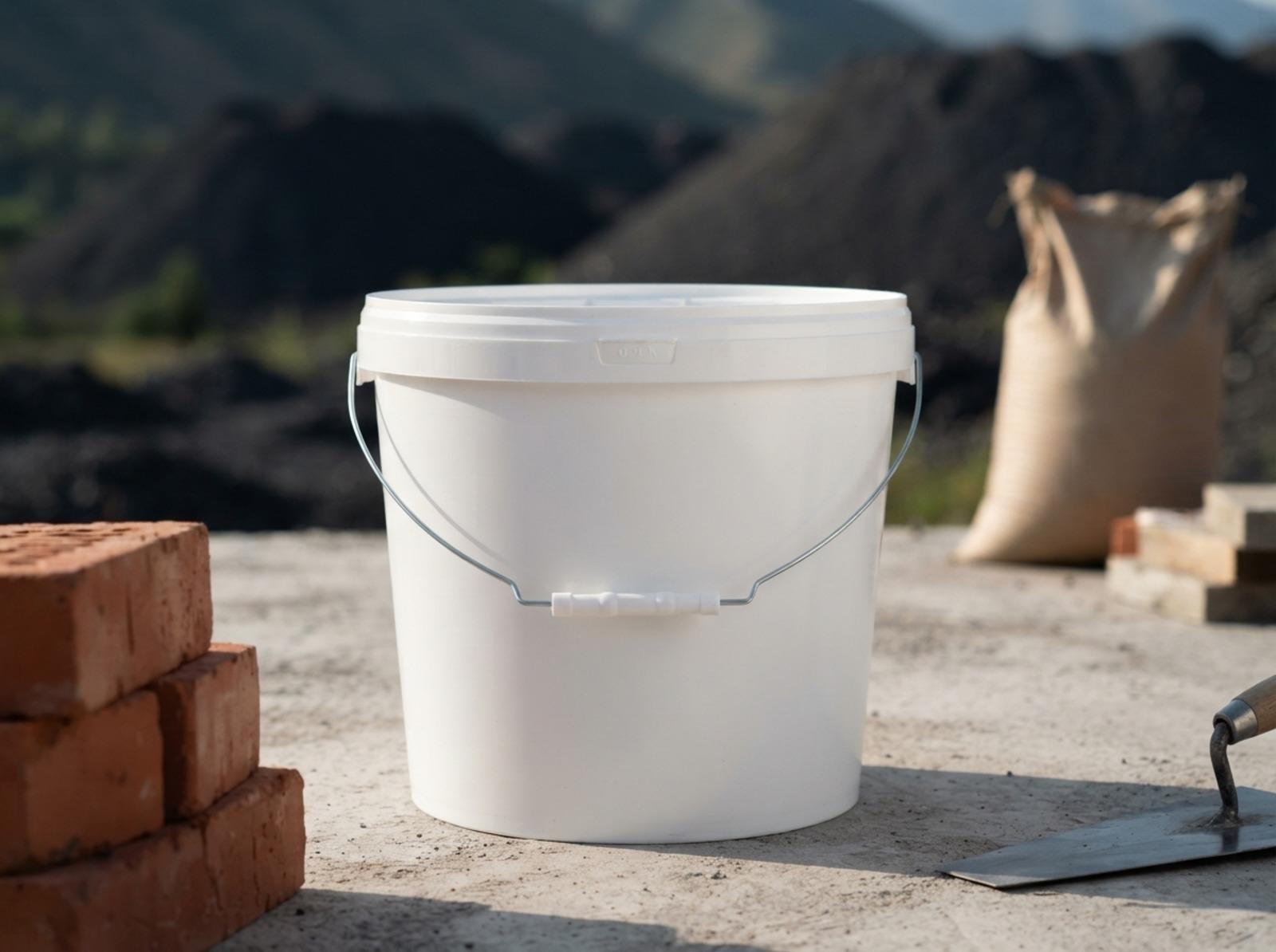
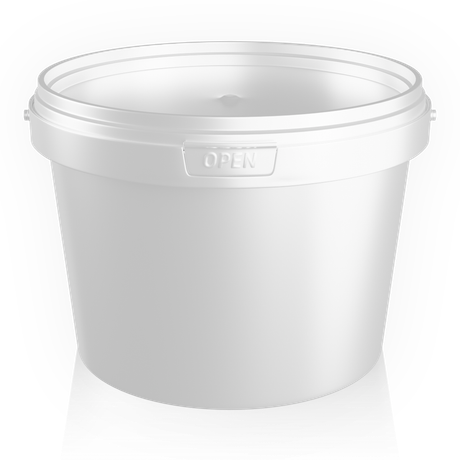
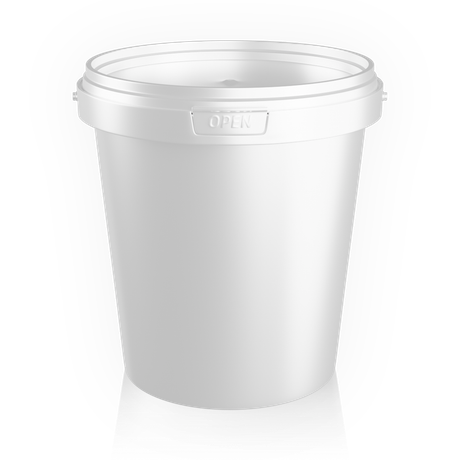
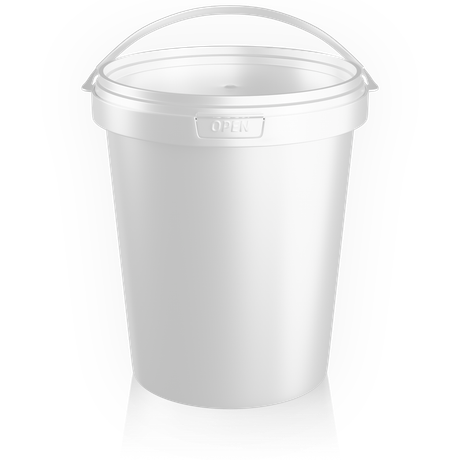
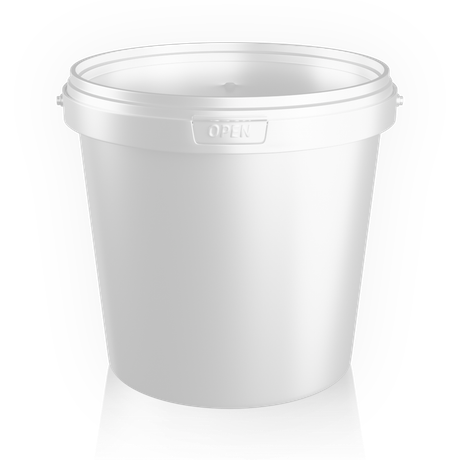
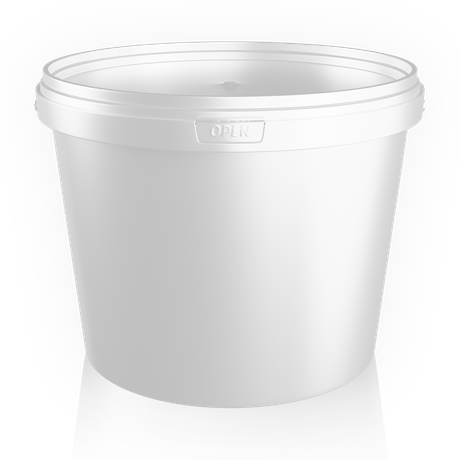
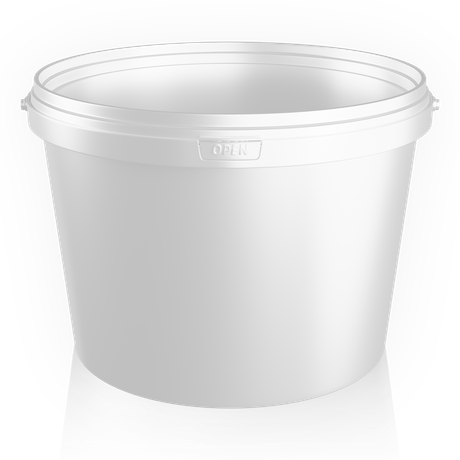
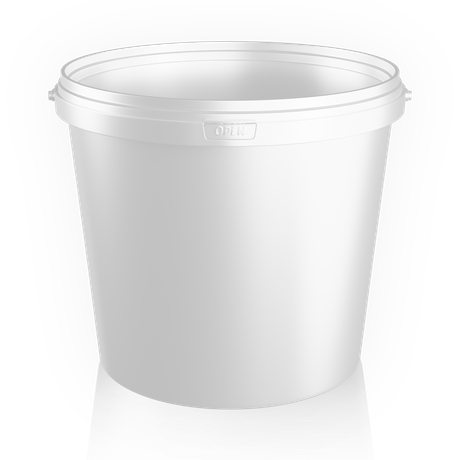
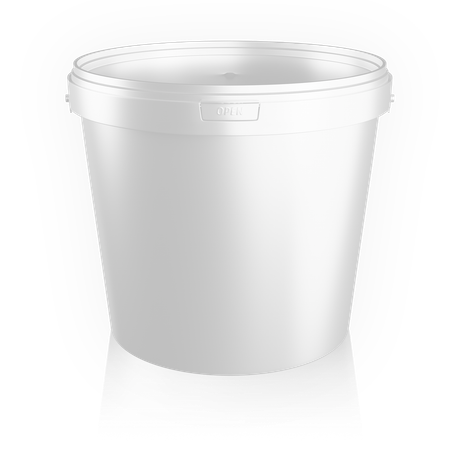
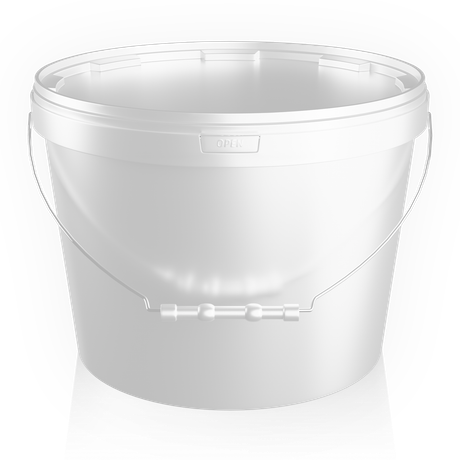
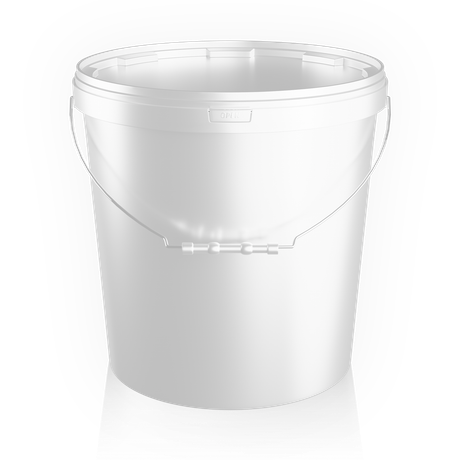
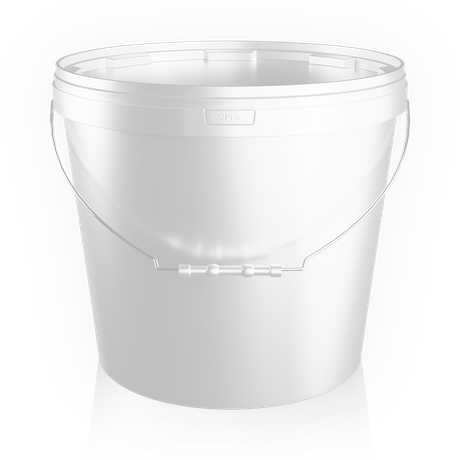
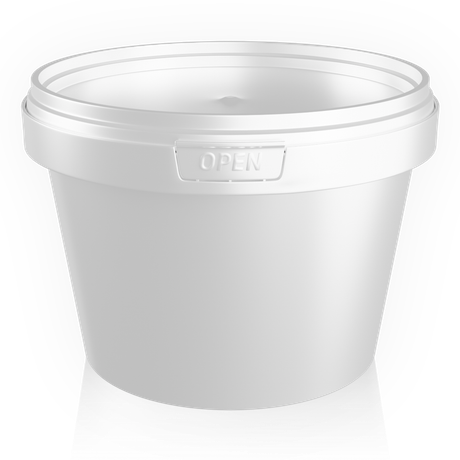
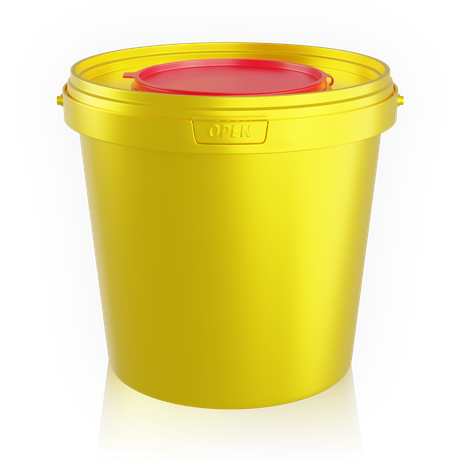
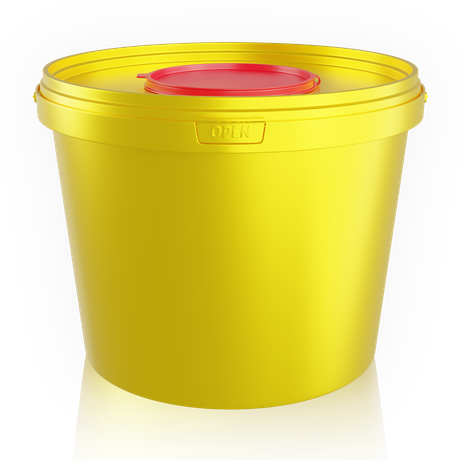
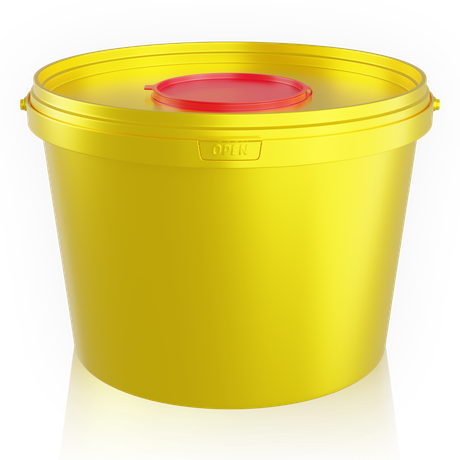
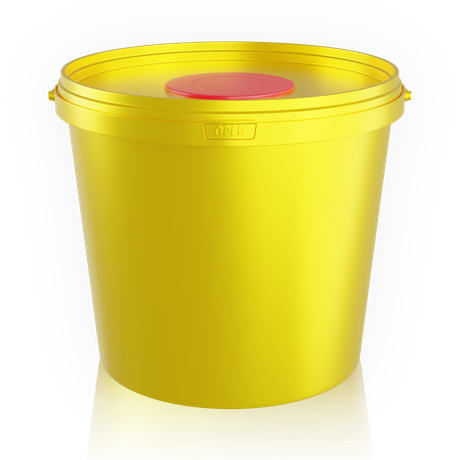
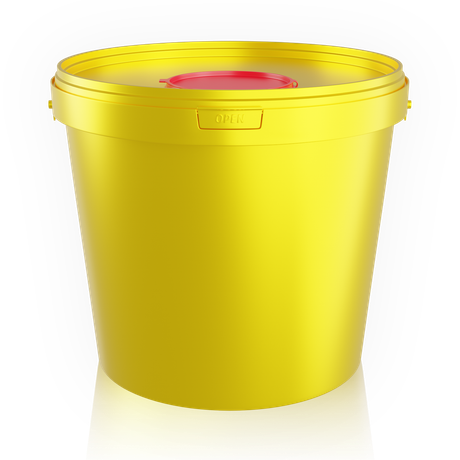
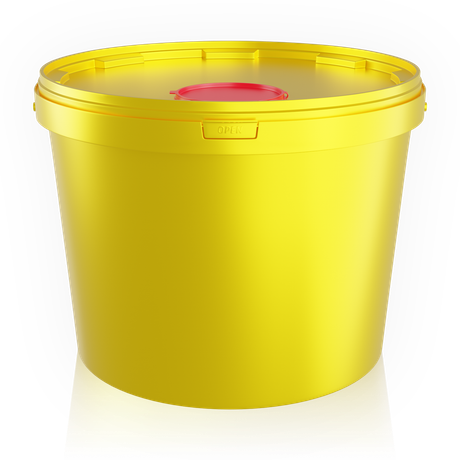
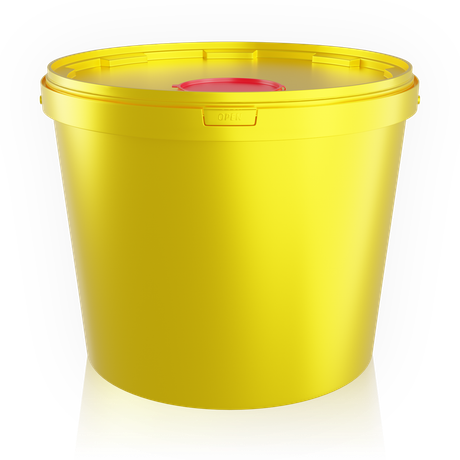
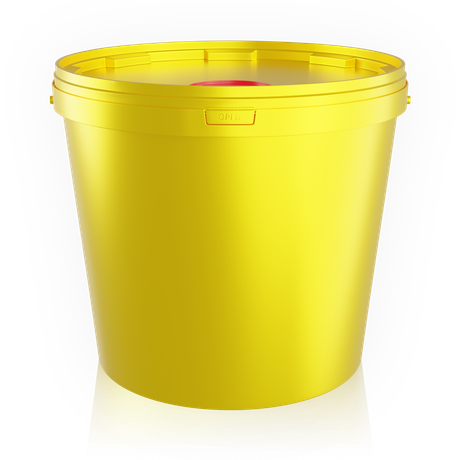
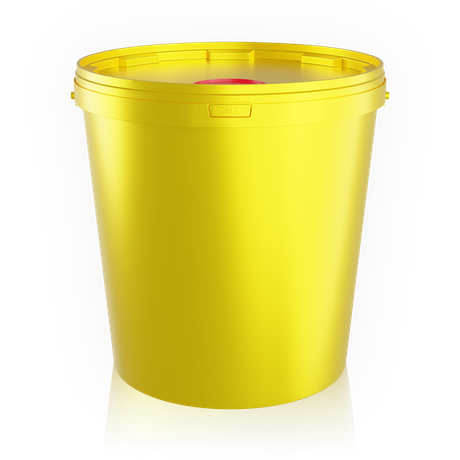
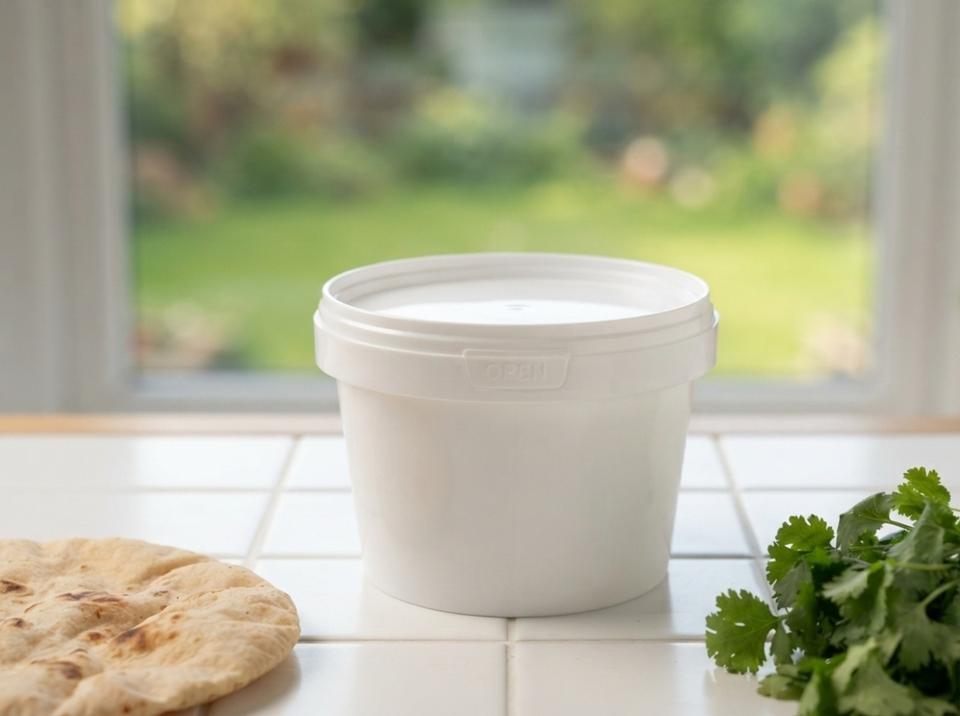
560 ml plastic bucket
Single-serve sour cream and kaymak for the market's dairy row: a low bucket with no handle.
- Opening
- Ø 118 mm
- Height
- 80 mm
- Empty weight
- 23 g
- Per pallet
- 7,200 pcs
Plastic buckets14 sizes · 560 ml to 21 L
Medical buckets9 sizes · 1 to 21 L
Food containers5 formats · 250 to 750 ml
Plastic jerry cans5 L and 10 L
Plastic buckets16 models, 560 ml - 21 L
Medical buckets10 models, 1 - 21 L
Food containers5 models, 250 - 750 ml
Plastic canisters5 and 10 L
塑料桶16 个型号,560 毫升 - 21 升
食品容器5 个型号,250 - 750 毫升
塑料方桶5 升和 10 升Hello! We'll suggest the right size for your product, calculate pallets, and quote a price for your order.
Kyzyl-Kiya is a coal-mining town in Batken Region with its own market and nonstop construction: homes, shops, and workshops. Finishing crews need buckets for mixes and paint, traders for packing goods, and canteens and cafes for prepped food. HTI makes buckets from 560 ml to 21 L in food-grade polypropylene and ships them to Kyzyl-Kiya by freight carrier.
Kyzyl-Kiya, Batken Region: buckets across the region

A finishing crew, a market trader, and a cook need different buckets, so the lineup is split into three groups. Under each size, you'll see how it's used in town. Click a card to see dimensions, empty weight, and photos.
Packs shoppers carry in one hand.
Prepped food, grease, and small repairs.
Paint, putty, adhesive, and mixing water.
Containers for delis, shashlik cafes, and the market's dairy row.
Jerry cans for primer sold by the liter and car care fluids for trucks.
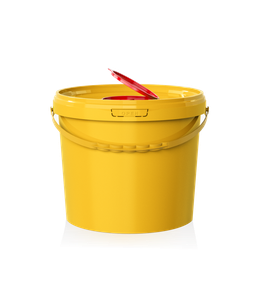
Yellow (Class B) and red (Class C) buckets, by Kyrgyz sanitary classification, for the hospital, the mine's first-aid station, and private practices.

Single-serve sour cream and kaymak for the market's dairy row: a low bucket with no handle.

Korean carrot salad and other salads to go from delis by the market: a plastic handle for the shopper.

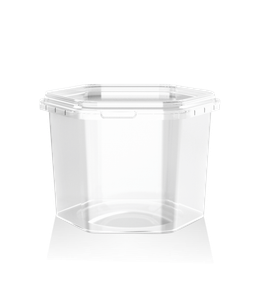
Nuts and dried fruit to serve with tea, sold at the market: the clear body with no handle shows off the goods.

Mayonnaise-based sauces and adjika for shashlik cafes: the molded-in handle won't separate from the wall.

Tile grout and primer in small packs for building supply stores by the market.

Batken apricot jam for the town's grocery shops: about three kilograms per bucket.

Nails, screws, and fasteners in the market's building supply rows: the lid keeps small parts from spilling.

Pickles and sauerkraut for canteens where miners and builders eat lunch.

Grease for mining equipment: the wide opening makes it easy to scoop out with a spatula.

Marinated shashlik meat: local cafes go for the eight-liter bucket with a plastic grip on the bail.

Water for mixing and rinsing tools on site: a comfortable weight to carry.

Crews carry wall and ceiling paint around the site in a fifteen-liter bucket, and the lid keeps it from drying out.

For finishing crews: putty and tile adhesive in the standard eighteen-liter size.

Waterproofing and plaster mix for the foundations of homes going up in new neighborhoods.

Adjika and shashlik sauce at local cafes: a single-serve 250 ml hexagonal container.

Sour cream and kaymak for dairy-row shoppers: a 385 ml round container, one per purchase.

Korean-style salads from delis by the market: the 400 ml hexagonal container closes with a lid.

Soup and lagman to go from the canteen for shift workers: a 550 ml round container.

Shashlik with a side and flatbread to go: a 750 ml flat tray with lid.

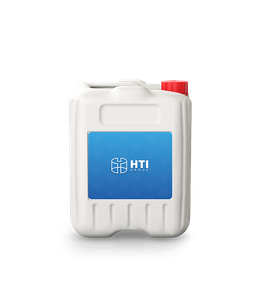
Primer and sealer sold by the liter in the building supply rows: a 5 L jerry can.

Windshield washer fluid and antifreeze for trucks at the open-pit coal mine: 10 L, with a handle molded into the body.

Treatment room at the town clinic: a yellow one-liter bucket with a needle remover for taking needles off safely.

A private dental office near the market: a shift's worth of disposables in a 2.3 L bucket with a plastic handle.

The mine's first-aid station: syringes from the shift's injections, and the needle remover in the lid keeps the paramedic's hands safe.

A pharmacy with a treatment room: antiseptic wipes come out through the 75 mm dispenser opening, and the bucket sits by the exam table.

The town hospital's surgical ward: dressings go into a red Class C bucket.

Infectious disease office: a red 11.2 L bucket with a tight-fitting lid.

The town's ambulance service: a day's worth of crew supplies in a yellow bucket carried by its plastic handle.

Kyzyl-Kiya's maternity hospital: ward waste goes into a yellow 18 L bucket for Class B waste.

The hospital's waste holding area: a 21 L bucket with a tight lid holds waste until the truck arrives.
The buckets nest inside each other, so even a big order takes up little room in a store or a crew's storeroom. The lid seats into the double rim and stays put while the bucket rides to the job site in a truck bed.
The table shows who buys buckets in town, what they use them for, the size they usually start with, and the empty bucket weight. Empty weight matters if you sell a mix or food by weight, packaging included.
| Buyer | Task | Volume | Empty bucket weight | Learn more |
|---|---|---|---|---|
| Finishing crew | putty, adhesive | 18 L | 526 g | putty and primer |
| Building supply seller | paint and primer sold by the liter | 15 L | 450 g | paint |
| Foundation builders | waterproofing, mastic | 21 L | 620 g | mastic and waterproofing |
| Mine workshop | equipment grease | 5.6 L | 156 g | greases |
| Canteen | pickles, salads | 3.8 L | 110 g | salads |
| Market trader | sour cream, kaymak | 560 ml | 23 g | dairy |
| Shashlik cafe | marinated meat | 8 L | 250 g | marinated meat |
If you sell a mix by weight, subtract the empty bucket weight from the total: 526 g for the 18 L bucket and 620 g for the 21 L. For small packs at the market, the packaging weighs next to nothing: the 560 ml bucket comes in at just 23 g.
Kyzyl-Kiya is known as a coal town, and today it's also building, trading, and feeding the people who work in the mines and on job sites. In each of these, a bucket with a lid does a different job: builders care about the bail handle, traders about the lid and how the goods look, and cooks about a wide opening.

Crews carry putty, adhesive, and paint from floor to floor in 15 to 21 L buckets. The metal bail handle with a plastic grip doesn't cut into your palm, and the empty bucket goes on to hold water and construction debris.
Traders move goods from sacks and boxes into buckets with lids: dairy in 560 ml, salads in 800 ml, and fasteners and small parts in 3 L. Empty buckets nest in a stack that fits under the counter.
Grease and pastes for mining equipment are kept in 5.6 and 8 L buckets. The lid keeps coal dust out, and the wide opening makes spatula work easy.
Kitchens that feed miners and builders make pickles and marinades in large batches. The 3.8 and 8 L sizes work well for that, and for lunches to go, there are containers with lids.
Choose a bucket and enter a quantity, and the calculator works out the pallets. Example: a building supply seller packs putty and orders 1,200 of the 18 L buckets for the season, which is exactly two pallets of 600. Add 300 of the 5.6 L buckets for workshop grease, and that's one more pallet.
HTI sells buckets direct from the factory, with no middlemen, in orders of one pallet or more. Here's how ordering works.
Tell us what you'll store or sell, which sizes, and how many you need. For construction, name the mix; for the market, the product and how you sell it.
Your sales manager will work out the pallets and the order price, then check delivery time and cost to Kyzyl-Kiya with the freight carrier.
Buckets are put together at our plant in Ak-Chiy village, Bishkek Free Economic Zone (FEZ). If you've ordered in-mold labeling (IML), the artwork proof is approved first, then molding starts.
A freight carrier brings the pallets to town. If it's more convenient, pick up the buckets from the factory with your own truck.

HTI has no warehouse in Kyzyl-Kiya or anywhere in Batken Region: everything ships from our plant in Ak-Chiy village, Bishkek FEZ. Your order is put together there and handed to a freight carrier, which delivers the pallets to town. Your sales manager confirms delivery time and cost when preparing your quote.
Demand for mixes picks up in spring when construction season starts, so order buckets for putty and paint ahead of time. Empty buckets come nested in stacks and won't take up much room in a store's stockroom.
If several buyers' orders are headed to town at the same time, they can ship on one truck. Let your sales manager know if you'd like to combine your order with those of your neighbors at the market.
A putty bucket doesn't get thrown out after the job: it's washed and keeps working on site for a long time, holding water, mortar, or tools. That's why crews often buy extra.

The region and nearby towns with their own pages are linked.
A job-site bucket and a market-stall bucket are chosen by different criteria. On site, it comes down to the handle and strength; at the market, it's the body and labeling. Here's what matters in Kyzyl-Kiya.
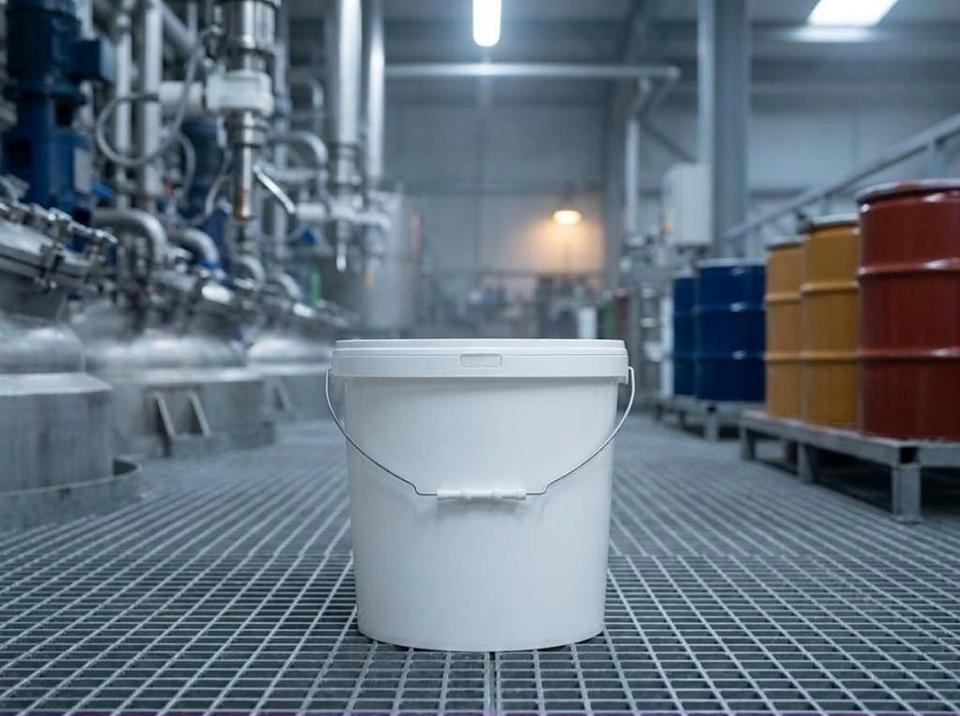
Buckets from 8 L up come with a metal bail handle and plastic grip. For mixes and paint, the grip is especially handy, since a full bucket is heavy.
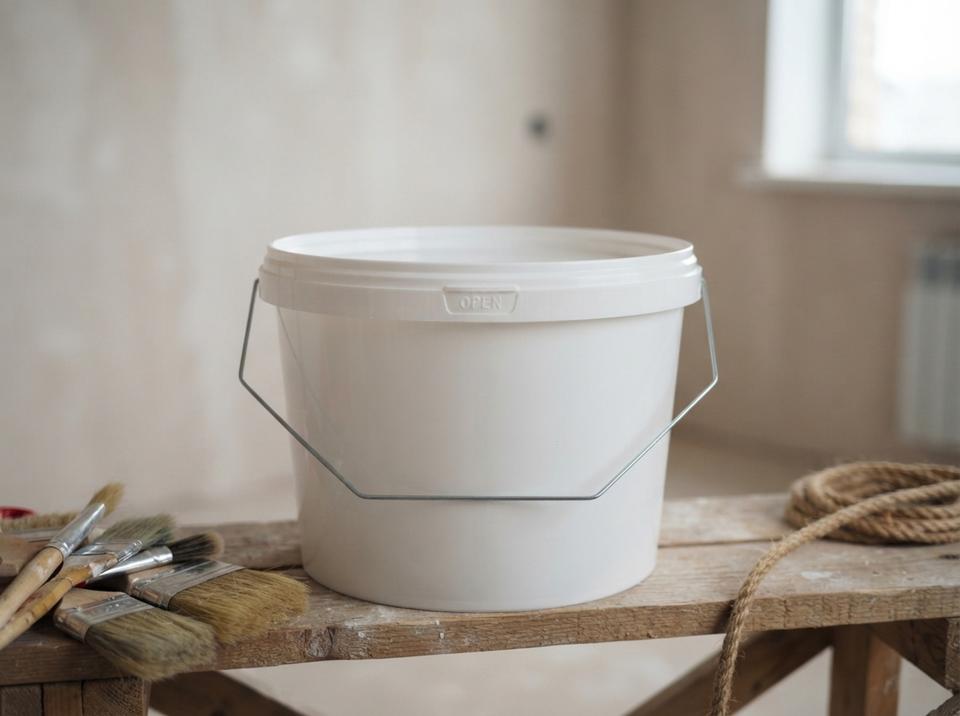
A white bucket is the go-to packaging for building materials: a label with the mix name, coverage, and instructions reads clearly on it.
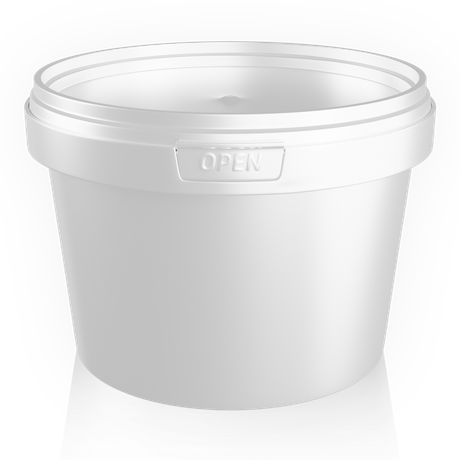
The OPEN tamper-evident tear strip under the rim shows store shoppers that the bucket of paint or mix hasn't been opened since it was filled.
If you package mixes under your own brand, the IML artwork is fused into the wall during molding and won't rub off on site or in the wash.

Order directly from the HTI plant: call +996 222 600 292 or request a callback. Buckets are sold in orders of one pallet or more, and a freight carrier delivers them to Kyzyl-Kiya.
The price depends on size, quantity, handle, color, and printing, so your sales manager calculates it for your specific order. There's no general price list on the site.
A freight carrier takes the pallets south from the factory. Delivery time and shipping cost depend on the order size, and your sales manager will give you both when you place the order. You can also pick up the buckets from the factory yourself.
No. HTI has one warehouse, at our plant in Ak-Chiy village, Bishkek FEZ. Your order ships from there straight to you.
Most often the 18 L bucket with a metal bail handle and plastic grip. For tips on choosing a bucket for your mix, see our putty and primer buckets page.
Yes, for thick grease, the 5.6 and 8 L sizes are popular: the wide opening lets you work with a spatula, and the lid keeps dust off the grease. Liquid oils are easier to pour into jerry cans.
Yes. Buckets in different sizes, white and clear, plus jerry cans, can go in one order, with each size on its own pallet.
Yes, with a sticker or IML printing. For ongoing packaging under your own brand, IML is more practical: the artwork won't wear off with use or washing.
Every size, with dimensions and empty weight, is in the HTI catalog. For a regional overview, see the Batken Region page, and for the neighboring mining towns, the Sulukta and Kadamjay pages.

Tell us the product or material, the bucket size, and roughly how much you go through per month. Your sales manager will pick the buckets and work out the pallets and shipping to Kyzyl-Kiya.