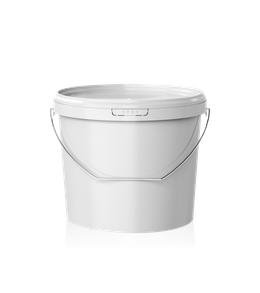
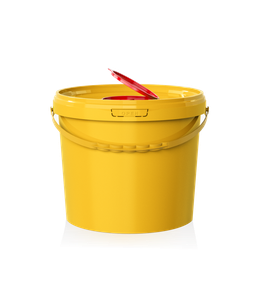
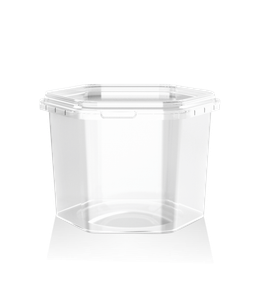
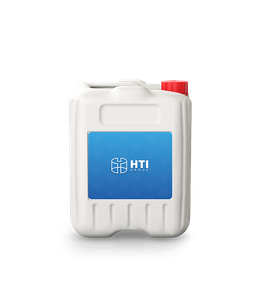
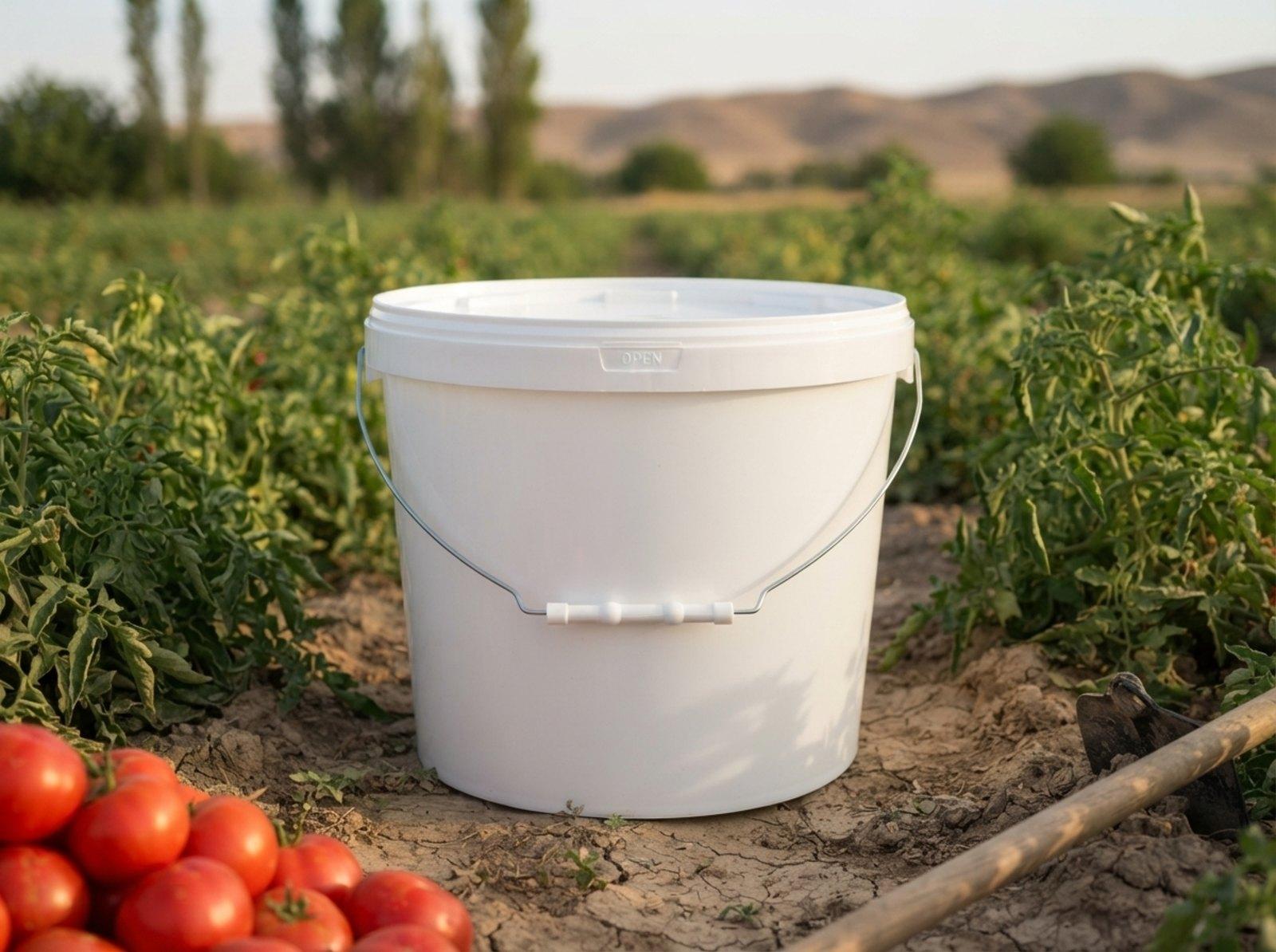
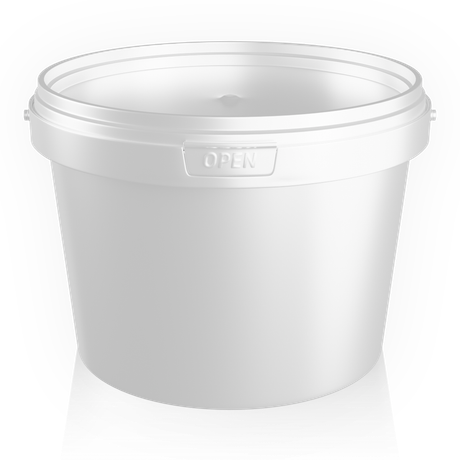
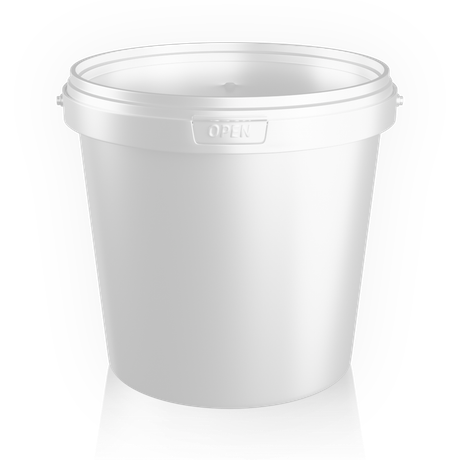
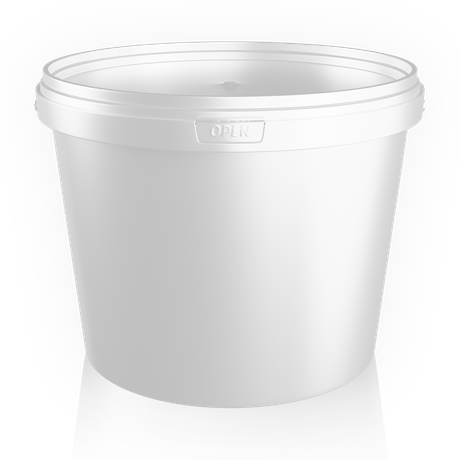
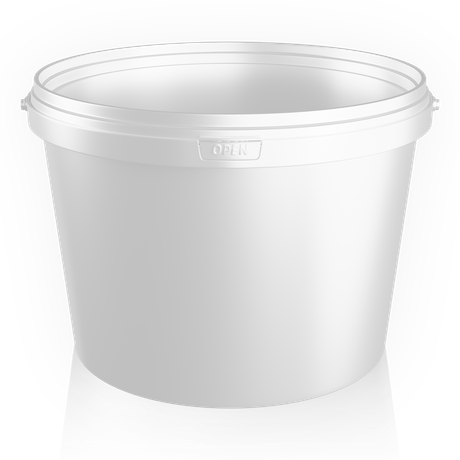
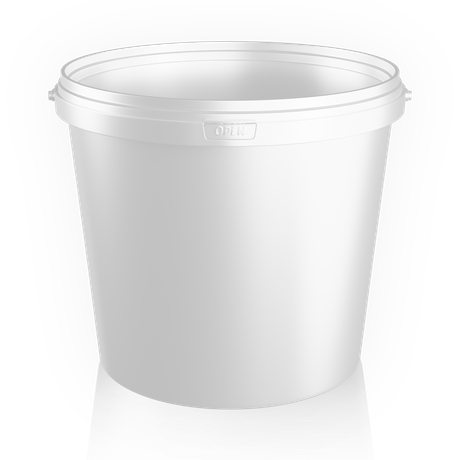
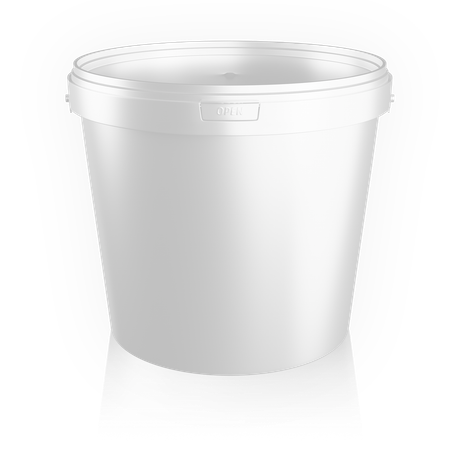
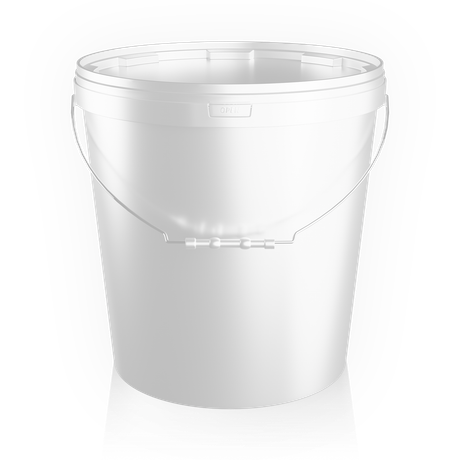
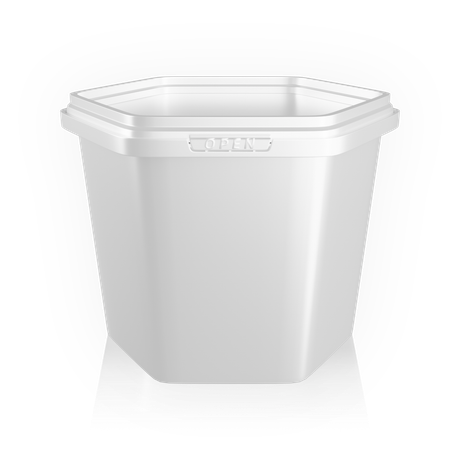
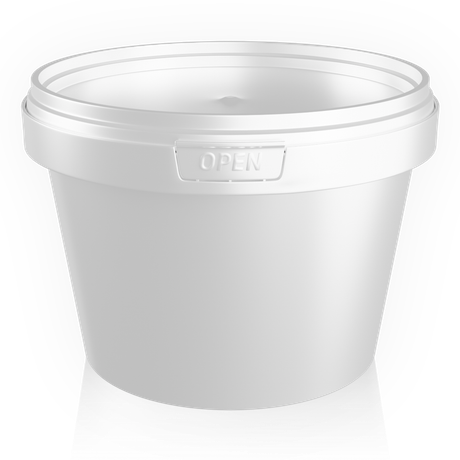
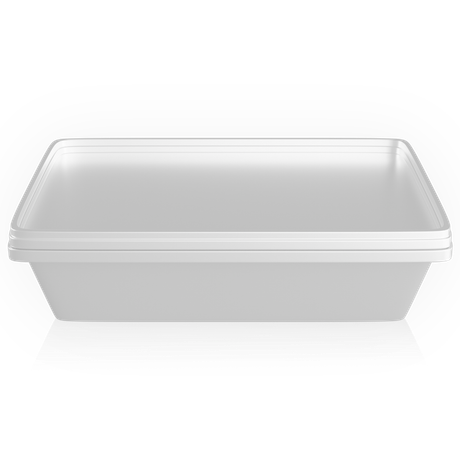
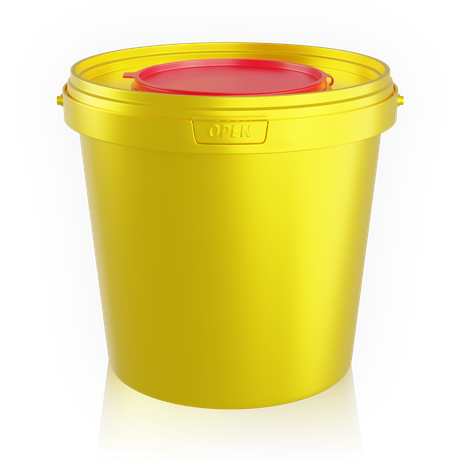
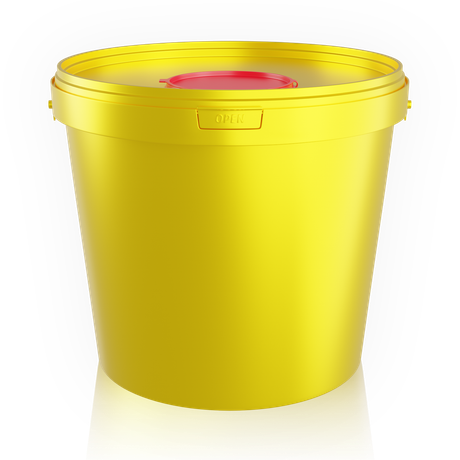
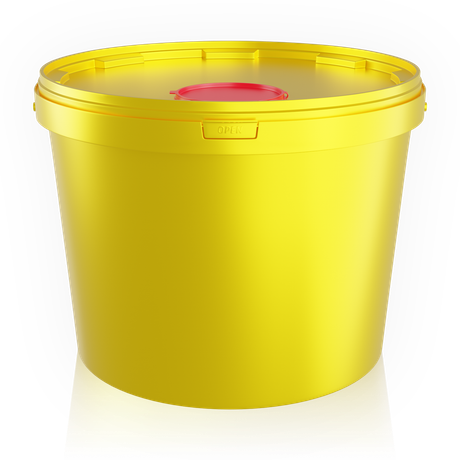
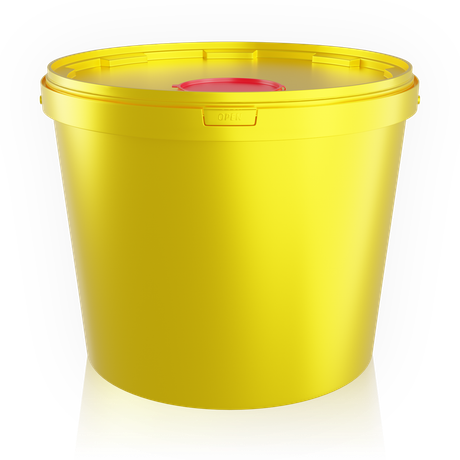
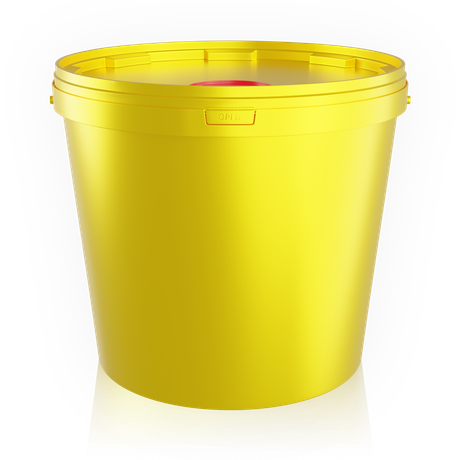
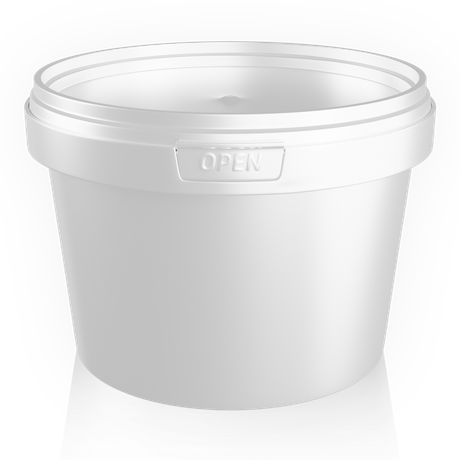
560 ml plastic bucket
Hot red pepper sauce for the counter: the small bucket fits in a customer's palm.
- Opening
- Ø 118 mm
- Height
- 80 mm
- Empty weight
- 23 g
- Per pallet
- 7,200 pcs
Plastic buckets14 sizes · 560 ml to 21 L
Medical buckets9 sizes · 1 to 21 L
Food containers5 formats · 250 to 750 ml
Plastic jerry cans5 L and 10 L
Plastic buckets16 models, 560 ml - 21 L
Medical buckets10 models, 1 - 21 L
Food containers5 models, 250 - 750 ml
Plastic canisters5 and 10 L
塑料桶16 个型号,560 毫升 - 21 升
食品容器5 个型号,250 - 750 毫升
塑料方桶5 升和 10 升Hello! We'll suggest the right size for your product, calculate pallets, and quote a price for your order.
Aravan is a farming district of Osh Region on the border with Uzbekistan, where cotton and rice are sown and lots of vegetables are grown. Tomatoes, peppers, cucumbers, and cabbage go to southern bazaars both fresh and pickled, and rice goes by the sack and in gift packs. For all this produce, the HTI plant makes food-grade buckets from 560 ml to 21 L with tight-fitting lids and ships them to Aravan by freight carrier.
Aravan is in Osh Region: buckets across the region

Vegetable growers, rice farmers, and cotton farms buy buckets for different jobs, so the lineup is split into three groups. Under each size is its typical use in Aravan District. Click a card to see dimensions and photos.
Sauces, appetizers, and single portions.
Pickles, salads, and rice for cafes and the bazaar.
Field harvest, large-batch pickling, fertilizer.
Containers for sauces, salads, and lunches in the field.
Jerry cans for vinegar and brine, plus water for field crews.
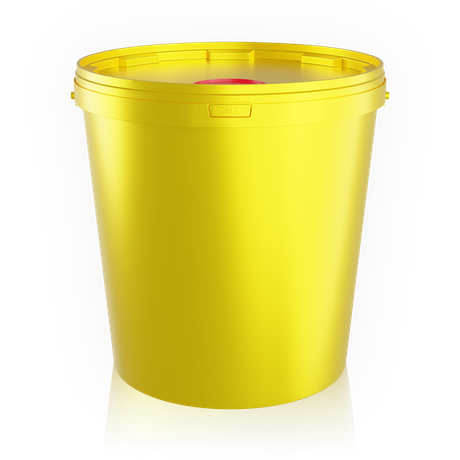
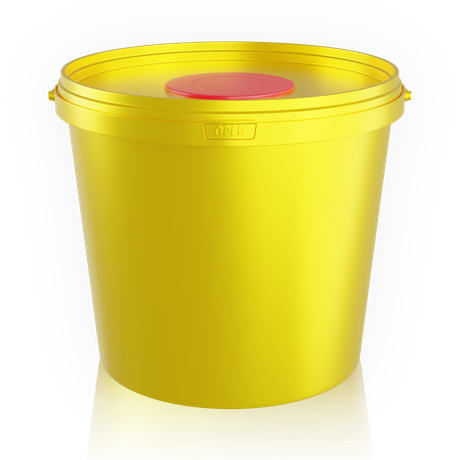
Yellow and red buckets for the district hospital, rural health posts, and the vet.

Hot red pepper sauce for the counter: the small bucket fits in a customer's palm.

Korean carrot salad and cabbage salad to go: a plastic handle to carry the purchase home.

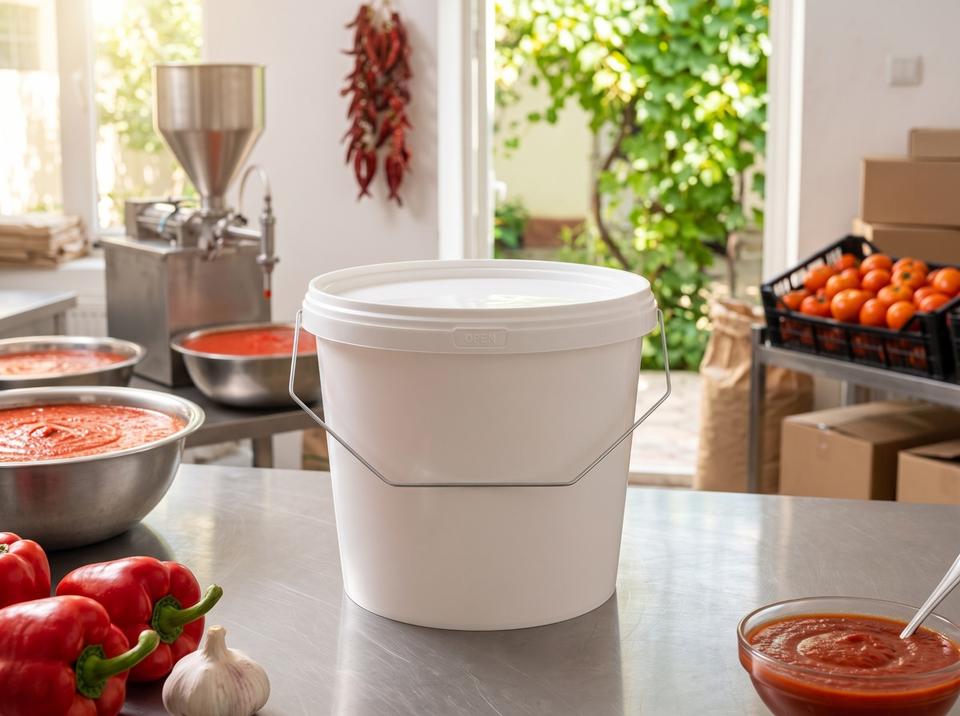
Homemade tomato paste in a clear body: the deep red color shows at a glance.

Adjika for shashlik cafes and other eateries in the district, in a bucket with a handle molded in one piece with the body.

Lecho and vegetable spread for the bazaar: the one-liter bucket sits neatly on a store shelf.

Marinated tomatoes for the bazaar: the bucket holds about 2.4 kg, brine included.

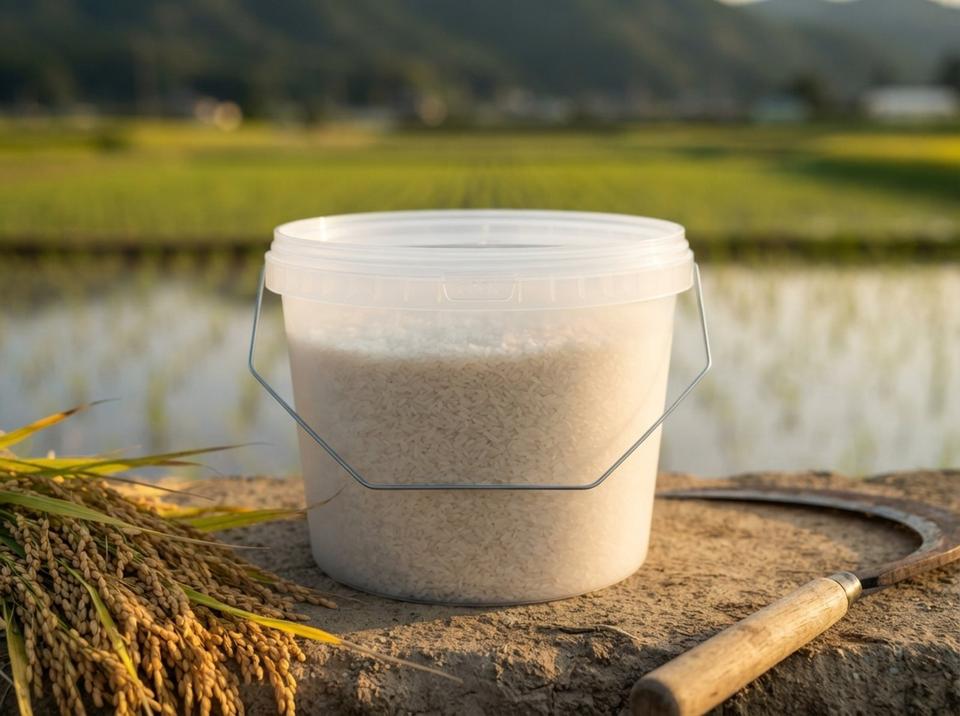
Rice as a gift or a sample for customers: the clear wall shows the grain without opening the bucket.

Sauerkraut with carrots for canteens: a 200 mm opening that tongs fit into easily.

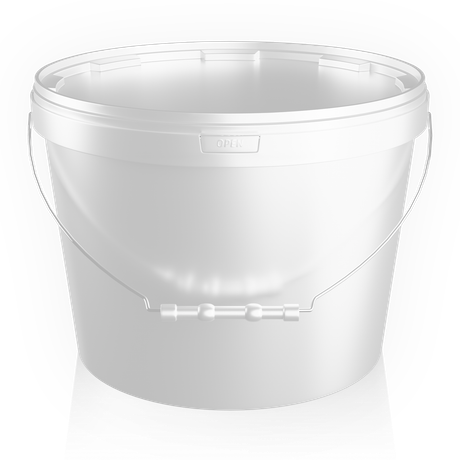
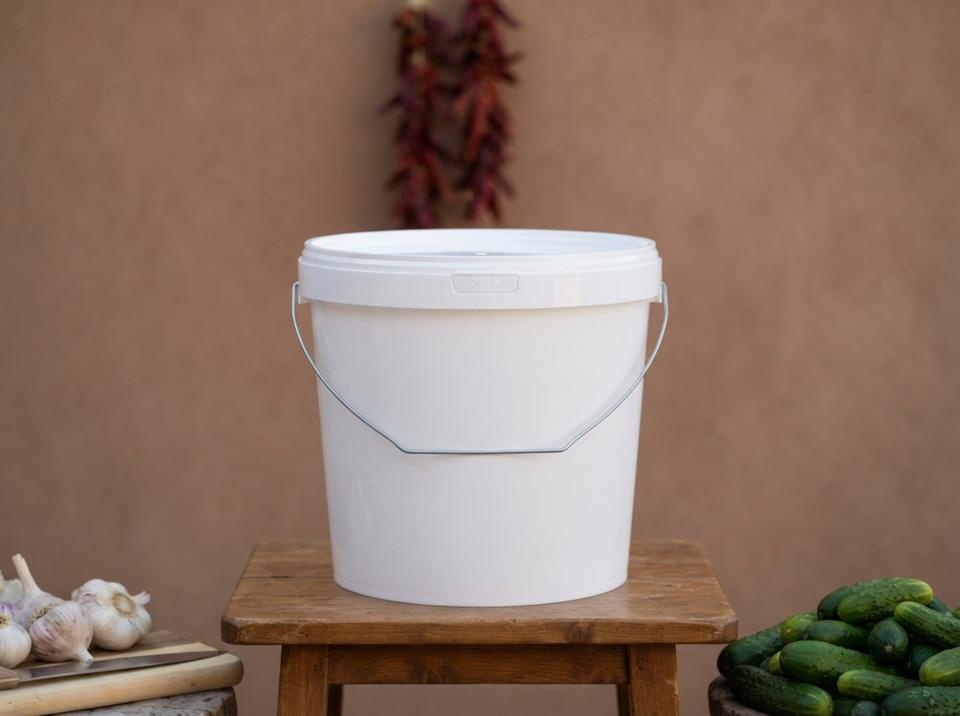
The go-to teahouse bucket: almost 6 kg of pickled vegetables, with a metal bail handle that takes the weight.

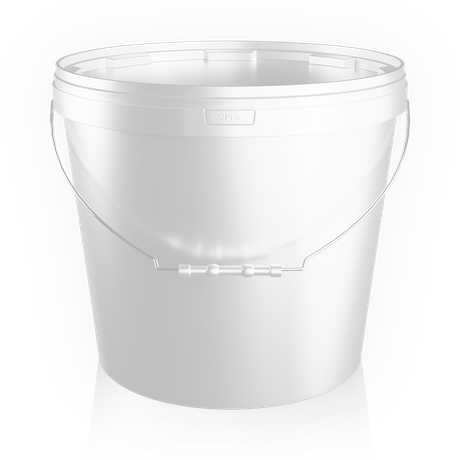
Pickled hot peppers for bazaar wholesalers: eight liters, with a plastic grip on the bail handle.

Tomatoes and peppers straight from the garden: the bucket doesn't buckle under the load, and the grip protects your palm.

Cabbage pickled in large batches: a lidded bucket replaces an open tub.

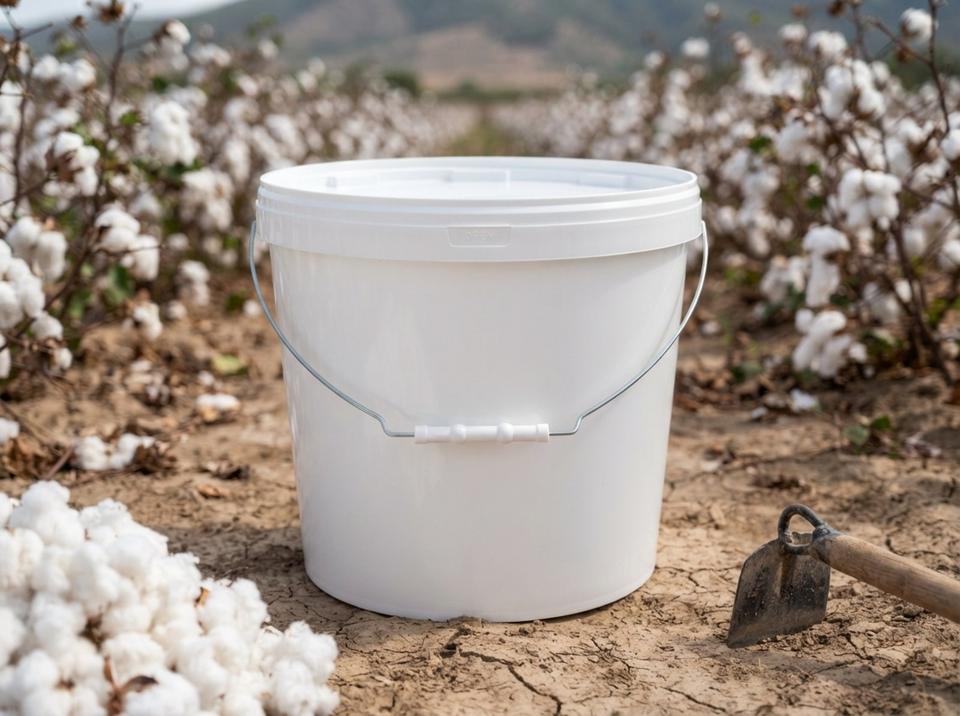
Mineral fertilizer for the vegetable garden: easy to carry along the rows, and the lid keeps out moisture.

Bulk rice for resellers: a large lidded bucket won't tear like a sack and keeps out dust.

A single serving of hot pepper sauce for plov: the 250 ml hexagonal container for the teahouse table.

Takeout achichuk (tomato and onion salad) made with Aravan tomatoes: round 385 ml containers with lids.

Homemade eggplant caviar in a sample size: 400 ml, about 0.42 kg including the oil.

Pickled peppers, enough for one meal: the round 550 ml container.

Lunch for an irrigation worker in the field: plov and salad in the flat tray with a lid.

Vinegar and brine for batch pickling: a 5 L jerry can next to the vats.

Water in the field while weeding cotton and rice: ten liters, molded-in handle.

Aravan hospital treatment room: the one-liter bucket, 121 mm tall, sits on the side table, and needles go into the valve.

A rural health post near the border: cotton wool and ampoules after seeing local dehkan farmers, in a yellow 2.3 L bucket.

Before the cotton harvest, medics make the rounds of the field crews: the valve on a three-liter bucket takes the needle off the syringe.

A dental office in the district center: disinfectant wipes, one at a time, from a dispenser lid.

Surgeon's office: cuts from the vegetable harvest, with dressings going into a red Class C bucket (by Kyrgyz sanitary classification).

District vet: supplies used on cows and bulls at household farms, 11.2 L.

Aravan maternity hospital: the on-duty shift hands over a closed yellow 11.5 L bucket.

Family medicine center: a day's waste from all the exam rooms, 18 L, plastic handle.

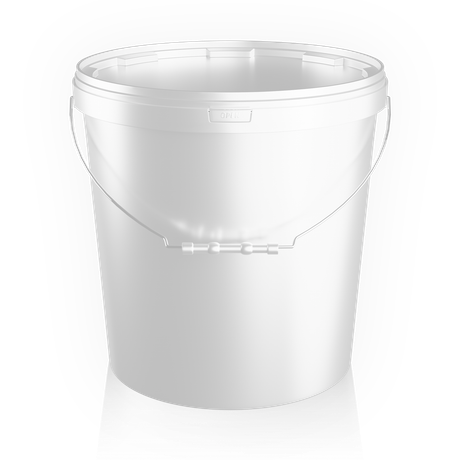
Until it's hauled to Osh: 21 L with a lid, yellow or red body depending on the waste class.
The buckets taper toward the bottom and nest inside each other, so a whole pickling season's worth of empty packaging takes up little space. The flat lid seats into a double rim, and the OPEN tamper-evident tear strip shows the bucket hasn't been opened.
Aravan farms count their harvest in kilograms but order packaging in liters. The table converts one to the other for pickles, where a liter weighs about 1.05 kg including brine. For rice, the weight depends on the variety and moisture, so we list the brim-full capacity instead.
| Crop | What you pack | Volume | Fill guide | Learn more |
|---|---|---|---|---|
| Tomatoes | marinated tomatoes | 2.3 L | about 2.4 kg | pickles |
| Carrots, cabbage | salads for delis | 3.8 L | about 4 kg | Korean salads |
| Peppers | adjika and hot sauces | 900 ml | 975 ml brim-full | adjika and mustard |
| Cucumbers, peppers | pickles for teahouses | 5.6 L | about 5.9 kg | cafes and canteens |
| Cabbage | large-batch pickling | 15 L | about 15.8 kg | canneries |
| Rice | gift packs | 3 L | 3.28 L brim-full | dry goods |
| Rice | wholesale and family supply | 21 L | 21.9 L brim-full | packers |
Pickles are filled slightly below the brim: the lid presses down into the double rim, and a bucket filled to the top would spill brine onto the table. That's why the weights in the table are based on the bucket's nominal capacity, not its brim-full capacity.
In Aravan District, few farms live off a single crop: vegetables, rice, and cotton grow on neighboring plots, and the produce goes to southern bazaars and cafes. Here are four typical jobs local farms buy buckets for.

Tomatoes, cucumbers, and peppers ripen almost all at once, so they get pickled in batches. For the bazaar, people choose the clear 2.3 L bucket; for teahouses and canteens, the 5.6 L with a metal bail handle.
Korean carrot salad, cabbage salad, and spicy adjika sell well at markets and cafes. Delis do well with the 3.8 L and its 200 mm opening; for the counter, there's the 900 ml with a molded-in handle.
Rice is sold by the sack, but part of the harvest is easier to pack in buckets: 3 L gift packs and big 21 L buckets for wholesalers. The clear wall shows off the grain, and the lid keeps out dust.
In cotton fields and vegetable gardens, buckets carry fertilizer, water, and small tools. Farmers go for 15 to 21 L: the metal bail handle with a plastic grip won't cut into your hand, and the lid keeps fertilizer from getting damp.
Choose a size and enter how many buckets you'll go through in a season. An example from Aravan District: a pickle maker ships 2,000 of the 5.6 L buckets to teahouses. That's two pallets, since one pallet holds 1,920. And 3,000 clear 2.3 L buckets for the bazaar fit on a single pallet.
HTI buckets are sold direct from the factory, in orders of one pallet or more. Here's how an order from Aravan District works.
Tell us your product, pack size, and quantity: for example, pickles in 5.6 L buckets for teahouses or rice in 3 L buckets for gifts. If you need your logo on the bucket, mention it on the first call.
Your sales manager will suggest buckets, estimate the pallets, and quote the order price. They'll check shipping cost and transit time to Aravan with the freight carrier and include them in the quote.
The buckets are palletized at the plant in the Bishkek Free Economic Zone (FEZ), Ak-Chiy village. For in-mold labeling (IML), the artwork is approved first.
A freight carrier delivers the pallets to Aravan. Farms that haul their own vegetables north can pick up the order from the plant in their own truck.

HTI's production and shipping are in one place: the plant in Chuy Region, in the Bishkek FEZ. We have no separate warehouse in Aravan, Osh, or any other southern city, so each order is assembled just for you. A freight carrier takes it to Aravan, and your sales manager tells you the transit time and cost when you place the order.
Empty buckets are packed in nested stacks, so a pallet is light for its size. Once it arrives, it's easy to split up among the sheds and summer kitchens where the pickling happens.
Pickling starts with the first tomatoes, so it's best to order packaging ahead, while the vegetables are still ripening. Rice farms need their buckets later, at harvest time, and those can go in the same shipment.

Links mark the region and nearby towns that have their own pages.
People buy pickles and salads with their eyes, so the bucket version matters for sales as much as the recipe does.
Shoppers can see red tomatoes and green cucumbers through the wall from across the aisle. Clear polypropylene is available in every size, all the way up to 21 L.
A white body is the choice for stores and cafes, where a label with the product name and ingredients matters, and for rice packed under your own brand.
Under the lid rim is the OPEN tamper-evident tear strip. For pickles that get resold down the line, it's a simple way to show the bucket hasn't been opened.
The image is fused into the wall during molding and stays put through washing. For ongoing runs of pickles or rice, that beats a stick-on label.

Order direct from the HTI plant by calling +996 222 600 292 or requesting a callback. Buckets are sold in orders of one pallet or more, and a freight carrier delivers them to Aravan.
Your sales manager prices each order individually: the price depends on size, quantity, color, handle, and printing. Give us all the details up front, and you'll get a single quote that includes shipping.
Transit time and cost depend on the order size and the freight carrier, so your sales manager confirms them when you place the order. If it's more convenient, you can pick up the buckets from the plant yourself.
No, there's no warehouse in Aravan or Osh. Buckets ship only from the plant in the Bishkek FEZ, Ak-Chiy village.
Most often, the 5.6 L with a metal bail handle: it holds almost 6 kg of vegetables with brine. For more on choosing, see our pickle buckets page.
Yes, the buckets are molded from food-grade polypropylene. For gift packs, the clear 3 L and 3.8 L work well; for wholesale, the 21 L with a bail handle and plastic grip.
Yes, buckets in different sizes and 5 L and 10 L jerry cans can go in one shipment. Jerry cans don't nest, so they take up more pallets.
Yes, with a label or IML printing. IML is fused into the wall during molding and doesn't come off in the wash, so it's ideal for ongoing runs.
The catalog lists every size with its dimensions and empty weight. For an overview of the whole region, see the Osh Region page; nearby towns are covered on the Kara-Suu and Nookat pages.
Tell us your products, pack sizes, and how many buckets you go through in a season. Your sales manager will pick the packaging and work out the pallets and shipping to Aravan.