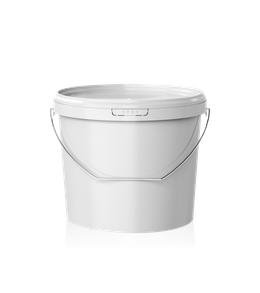
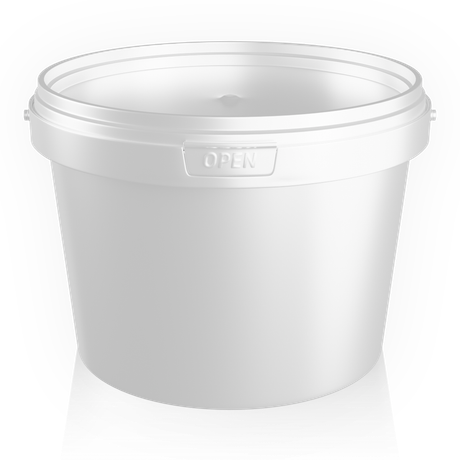
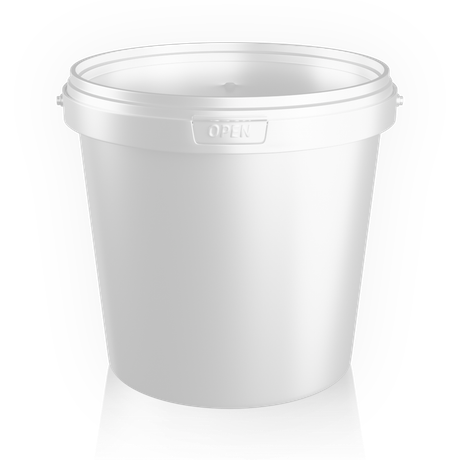
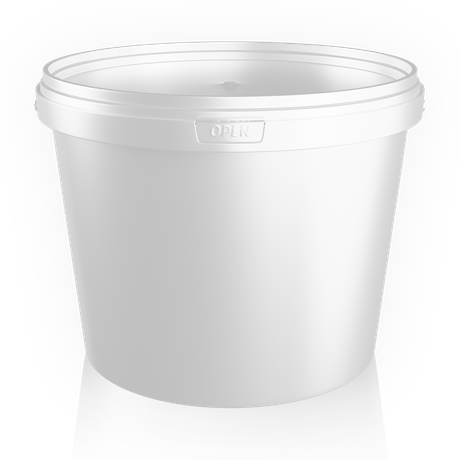
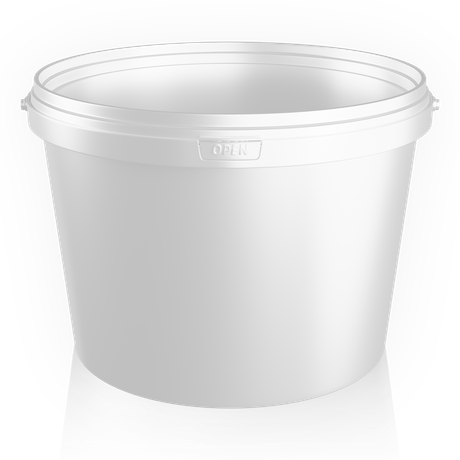
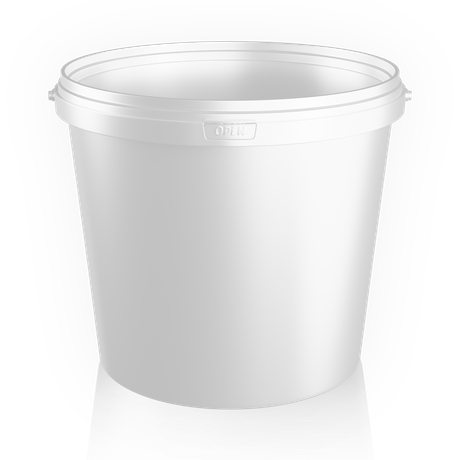
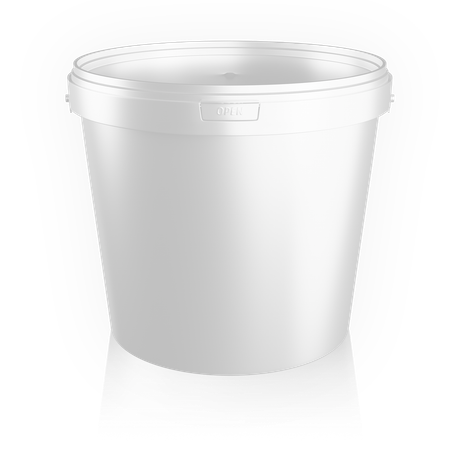
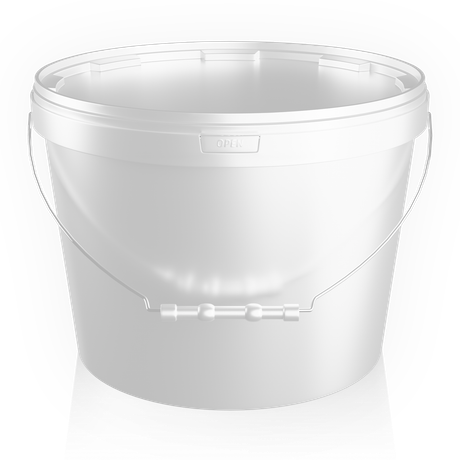
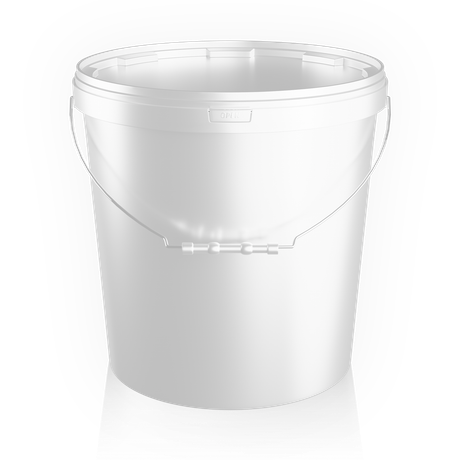
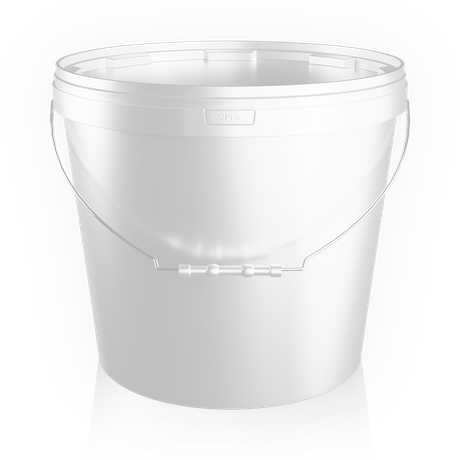
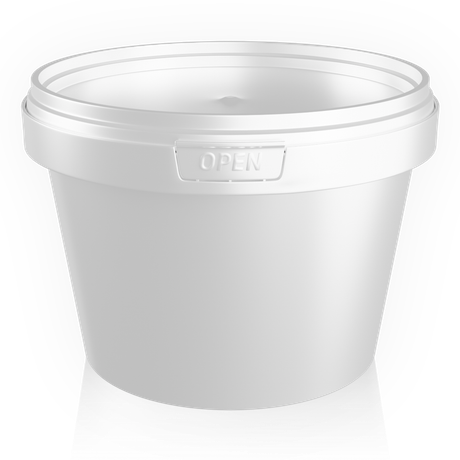
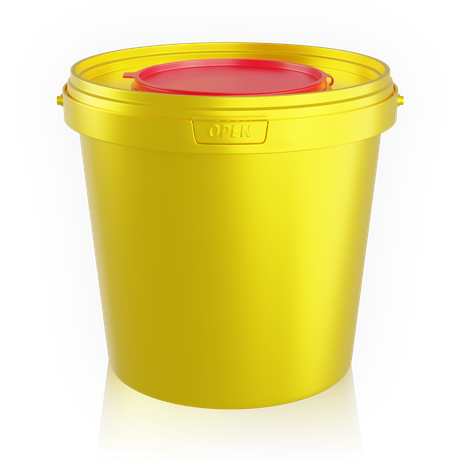
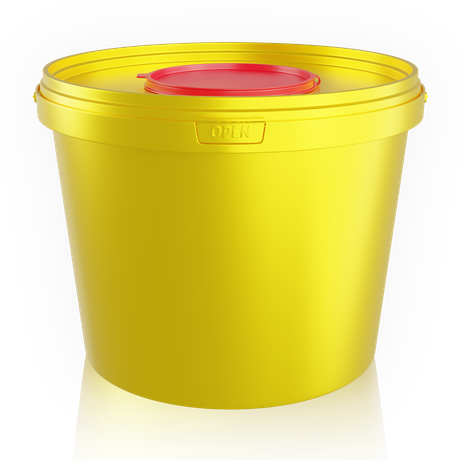
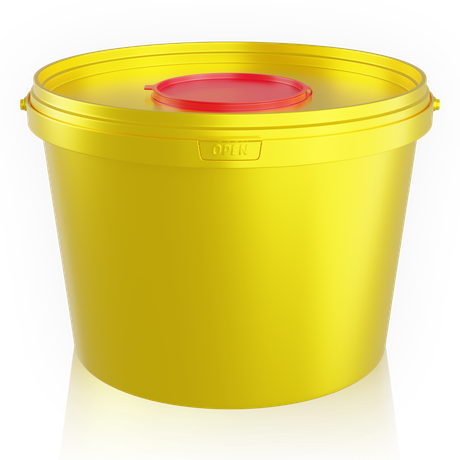
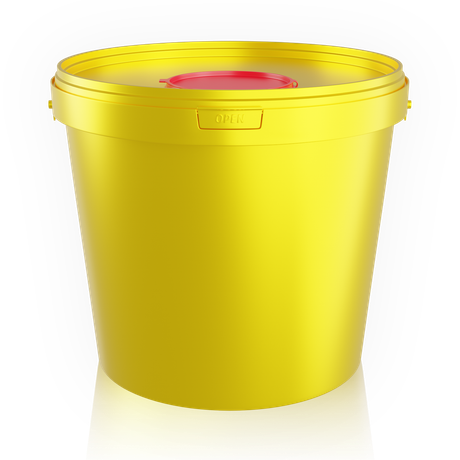
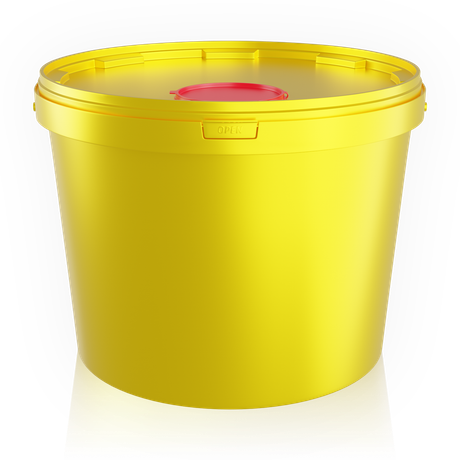
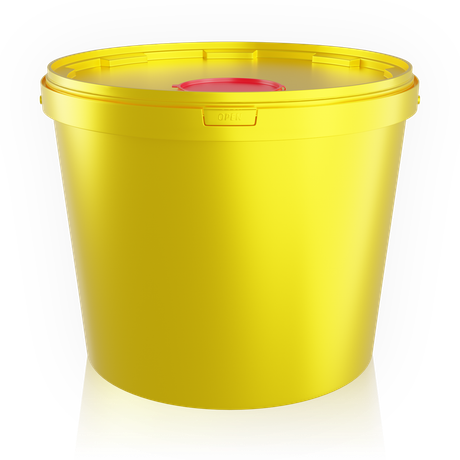
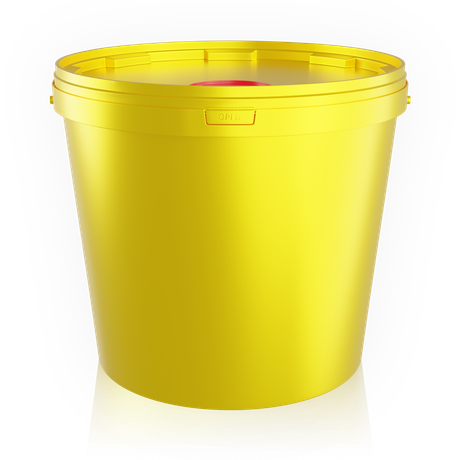
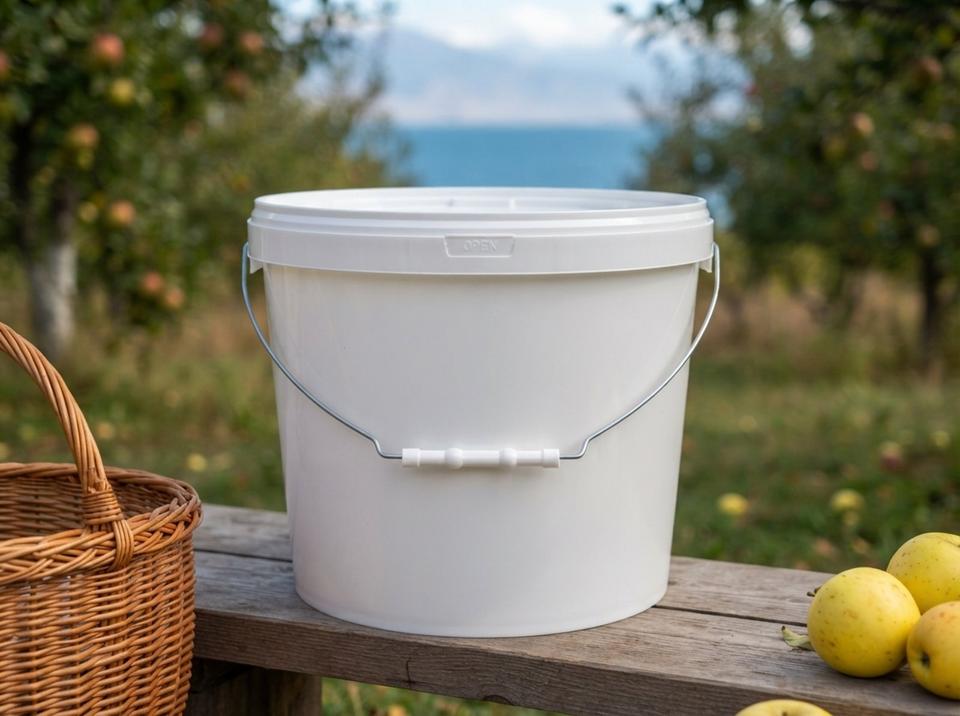
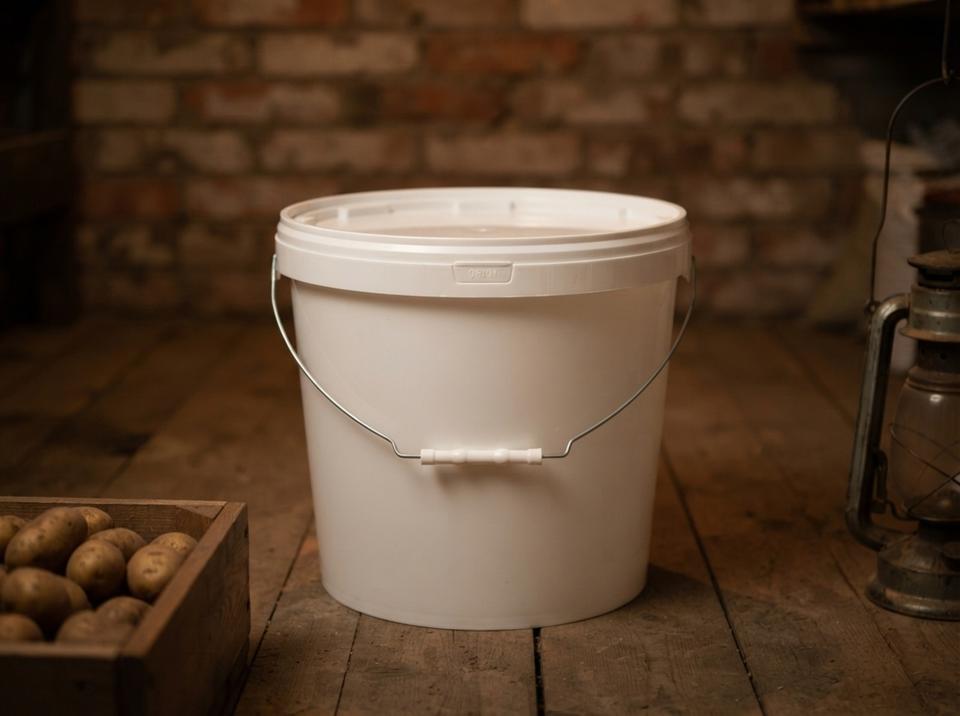
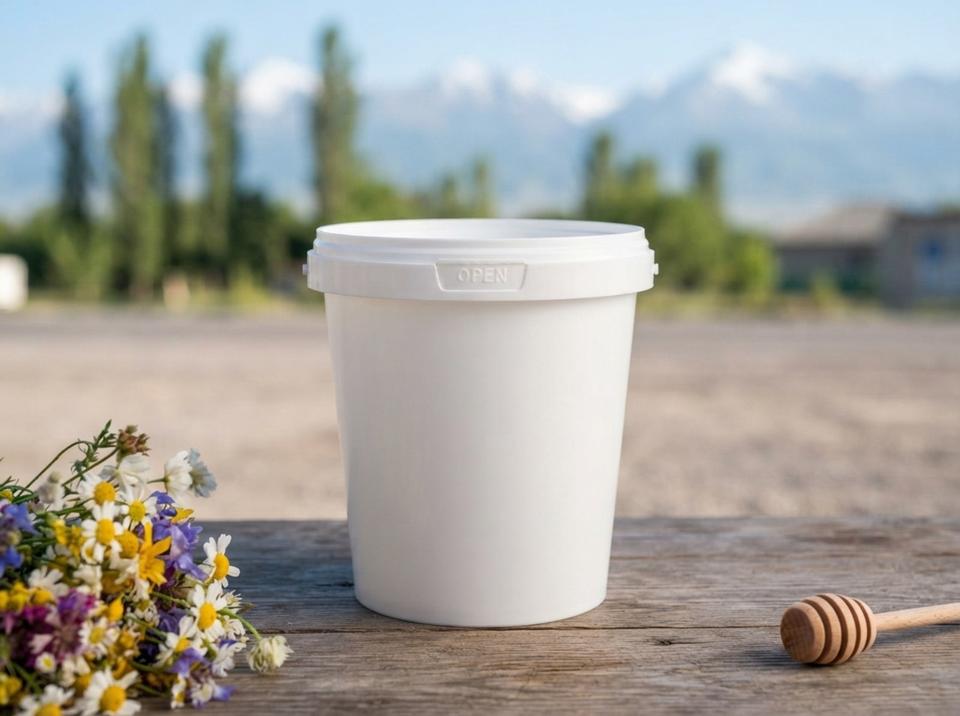
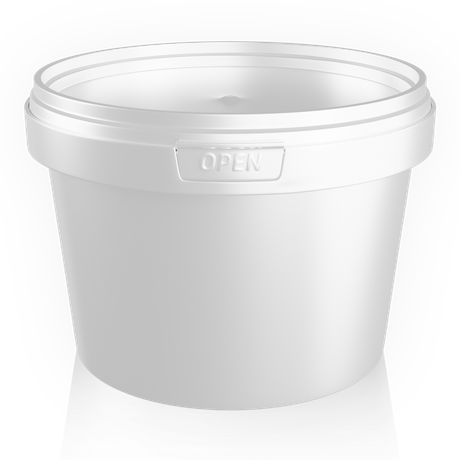
560 ml plastic bucket
Kaymak for breakfast at east-shore guesthouses: the small handleless bucket goes straight on the table.
- Opening
- Ø 118 mm
- Height
- 80 mm
- Empty weight
- 23 g
- Per pallet
- 7,200 pcs
Plastic buckets14 sizes · 560 ml to 21 L
Medical buckets9 sizes · 1 to 21 L
Food containers5 formats · 250 to 750 ml
Plastic jerry cans5 L and 10 L
Plastic buckets16 models, 560 ml - 21 L
Medical buckets10 models, 1 - 21 L
Food containers5 models, 250 - 750 ml
Plastic canisters5 and 10 L
塑料桶16 个型号,560 毫升 - 21 升
食品容器5 个型号,250 - 750 毫升
塑料方桶5 升和 10 升Hello! We'll suggest the right size for your product, calculate pallets, and quote a price for your order.
Tüp (Tyup) is the administrative center of Tüp District, at the eastern end of Issyk-Kul. The district is known for its potatoes, and people here also grow apples, keep bees, and raise livestock. For the harvest, honey, dairy, and feed, HTI makes food-grade buckets from 560 ml to 21 L, white or clear, with a lid and an OPEN tamper-evident tear strip, and ships them to Tüp by freight carrier from our plant in the Bishkek Free Economic Zone (FEZ). Below: which size suits which job, how to calculate pallets, and how to order.
Tüp is in Issyk-Kul Region: buckets across the region

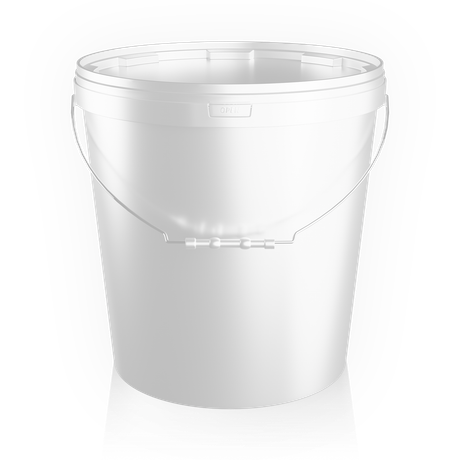
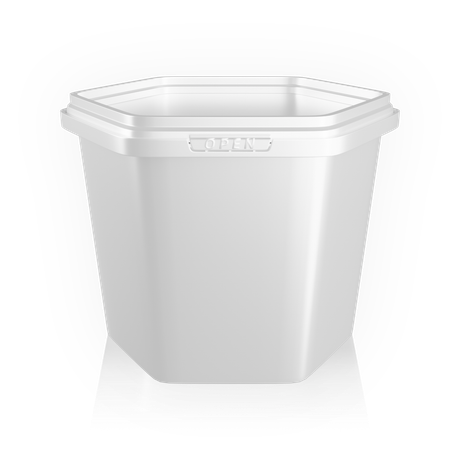
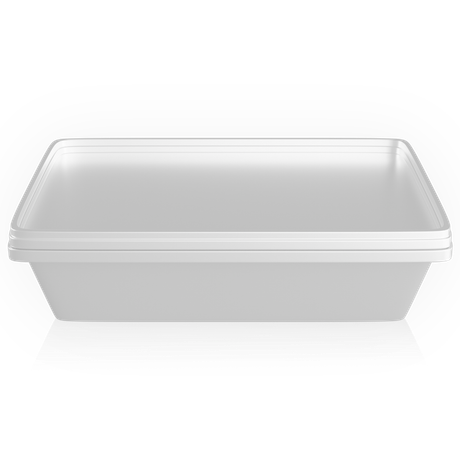
Each size is labeled with what it's used for in Tüp District, from a bucket for seed potatoes to a small bucket of honey for a tourist. Click to see dimensions, tare weight, and photos.
Honey, kaymak, and jam for stalls and guesthouses.
Fruit butter, preserves, and food for cafes and canteens.
Potatoes, apples, seeds, and feed.
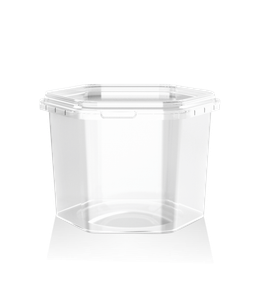
Containers for jam, honey, salads, and lunch in the field.
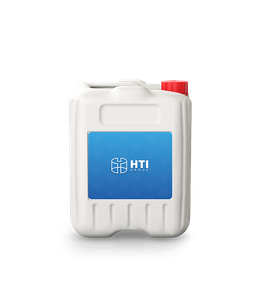
Water jerry cans for fields, orchards, and apiaries.
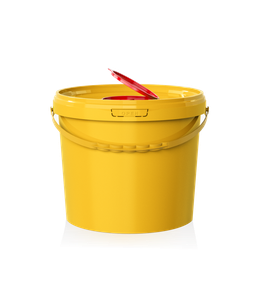
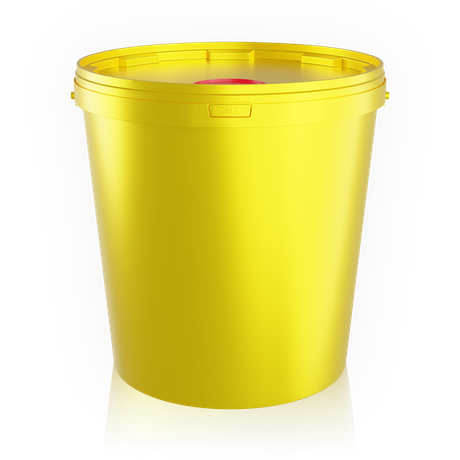
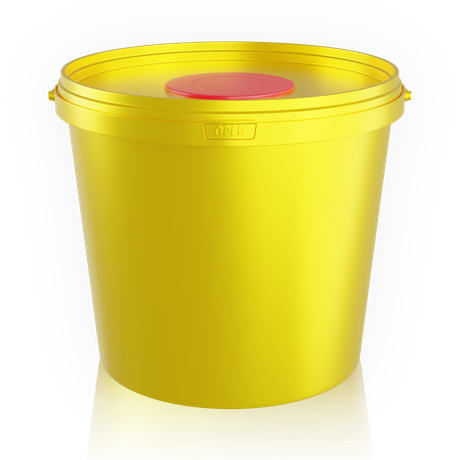
Yellow and red buckets for the district hospital, rural health posts, and vets.

Kaymak for breakfast at east-shore guesthouses: the small handleless bucket goes straight on the table.

Sea buckthorn jam for tourists on the east shore: with a plastic handle, it's easy to take along.

Honey from Tüp apiaries in a tall clear bucket: buyers see the color without opening the lid.

Potato salad and pickles for Tüp cafes: the molded-in handle makes the bucket easy to grab from the shelf.

A liter of honey, about 1.42 kg, is a handy buy for tourists traveling around the lake.

Apple butter from local orchards in a clear bucket: about 3 kg, and you can see how thick it is.

Pickled mushrooms and cucumbers for roadside stalls along the east shore.

Marinated shashlik meat for local cafes: the bucket with a bail handle goes into the walk-in cooler.

Wholesale kaymak and butter for Karakol stores: a bucket with a metal bail handle.

Sauerkraut and fermented carrots for local canteens and cafes: the bail handle with a plastic grip takes the full weight.

Apple picking in east-shore orchards: the bucket with a plastic grip on the bail handle goes from tree to crate.

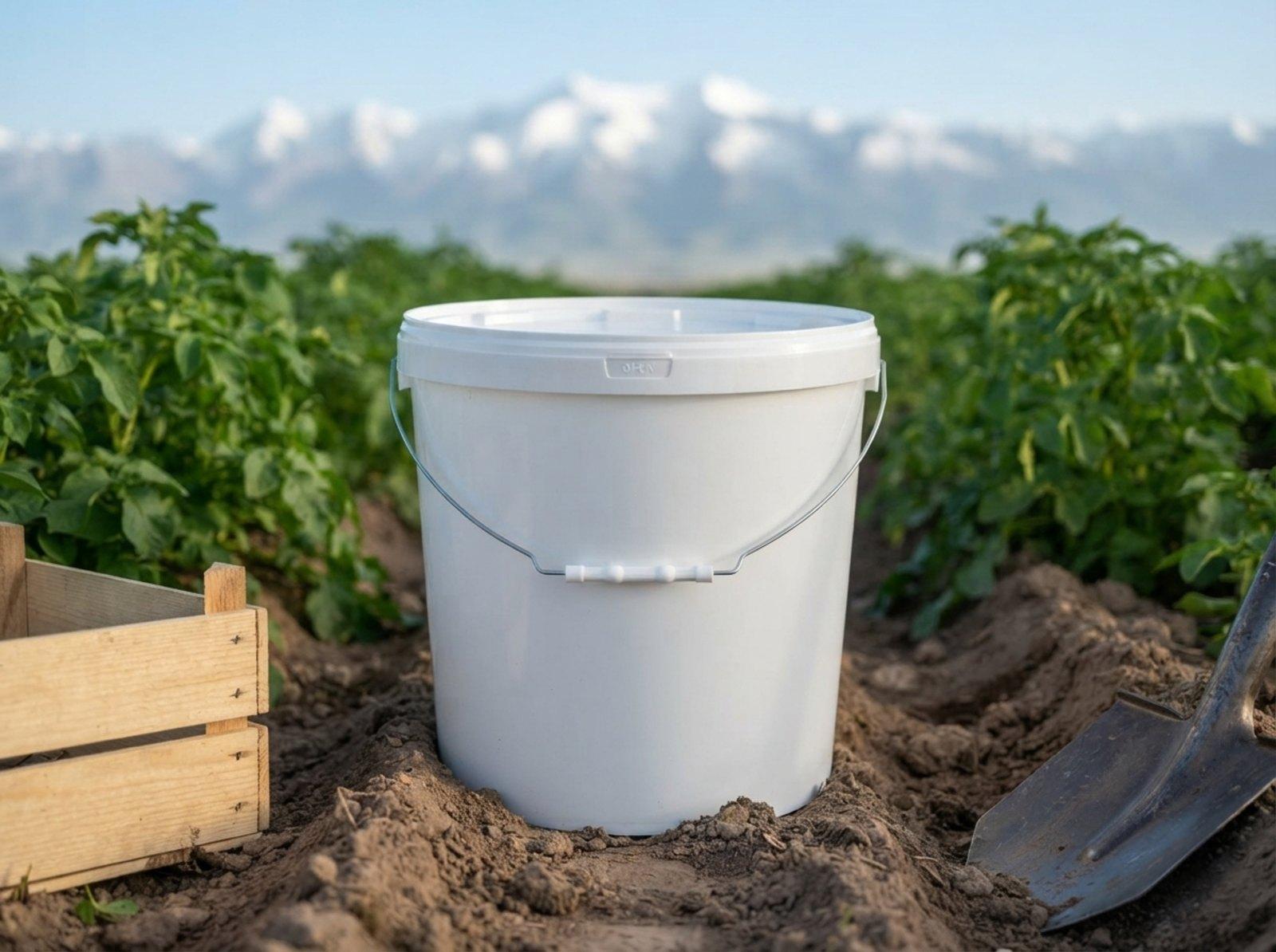
Potato harvest in Tüp District: the bucket is filled along the furrow and emptied into sacks at the edge of the field.

Sorting seed potatoes for spring: the 18 L with a lid is kept in the cellar next to the harvest.

Grain and cracked feed for wintering livestock: the bucket with a tight lid sits right in the barn.

A serving of sea buckthorn jam for a guest: a 250 ml hexagonal container with morning tea.

Takeout at Tüp cafes: potato salad in 385 ml round containers, one per person.

A small purchase from a beekeeper: 400 ml of honey, about 0.57 kg.

Dried apples from local orchards for tourists on the road: 550 ml round containers.

Lunch for potato diggers in the field: a main with a side in a flat tray with a lid.

Water in the field during the potato harvest: a 5 L jerry can per crew.

Water for the apiary and orchard on hot days: ten liters with a screw cap.

Tüp District Hospital: in the treatment room, the needle goes behind the valve of the 1 L bucket.

Rural health posts in potato-growing villages: cotton balls and ampoules during harvest season, in yellow 2.3 L buckets.

School vaccination day: syringes with needles go through the valve, with a 3 L bucket by the desk.

Dairy workers and the farm vet: disinfecting wipes come out through a 75 mm valve in the lid.

Surgical room: harvest injuries, with a red bucket for Class C waste (by Kyrgyz sanitary classification).

Veterinary lab: consumables from milk and honey testing, 11.2 L with a lid.

The district hospital's obstetric station: the closed 11.5 L bucket is handed over at shift change.

Vets ahead of winter: vials and syringes from treating herds go into the 18 L bucket.

Storage until the run to Karakol: 21 L, yellow body, plastic handle.
Potatoes and apples are harvested in the fall, and buckets reach Tüp by freight carrier, so it makes sense to order ahead and keep them in a stack: empty buckets nest inside each other. Every bucket has a flat lid and an OPEN tamper-evident tear strip.
The table starts in the field and ends at the stall. Each row shows a farm task in Tüp District, the size, the handle, and the number of buckets per pallet. We gave the handle its own column because it matters more for potatoes and apples than for honey.
| Task | Volume | Handle | Per pallet | Learn more |
|---|---|---|---|---|
| Potato harvest | 15 L | metal with plastic grip | 816 | farms |
| Seed potatoes | 18 L | metal with plastic grip, or plastic | 600 | large buckets |
| Apple picking | 11.5 L | metal with plastic grip | 816 | buckets with metal bail handles |
| Apple butter | 2.3 L | metal or plastic | 3,300 | jam and fruit butter |
| Retail honey | 850 ml | plastic or molded-in | 7,200 | honey buckets |
| Kaymak, sour cream | 560 ml | no handle, side lugs | 7,200 | dairy products |
| Winter feed | 21 L | metal with plastic grip | 600 | feed and premixes |
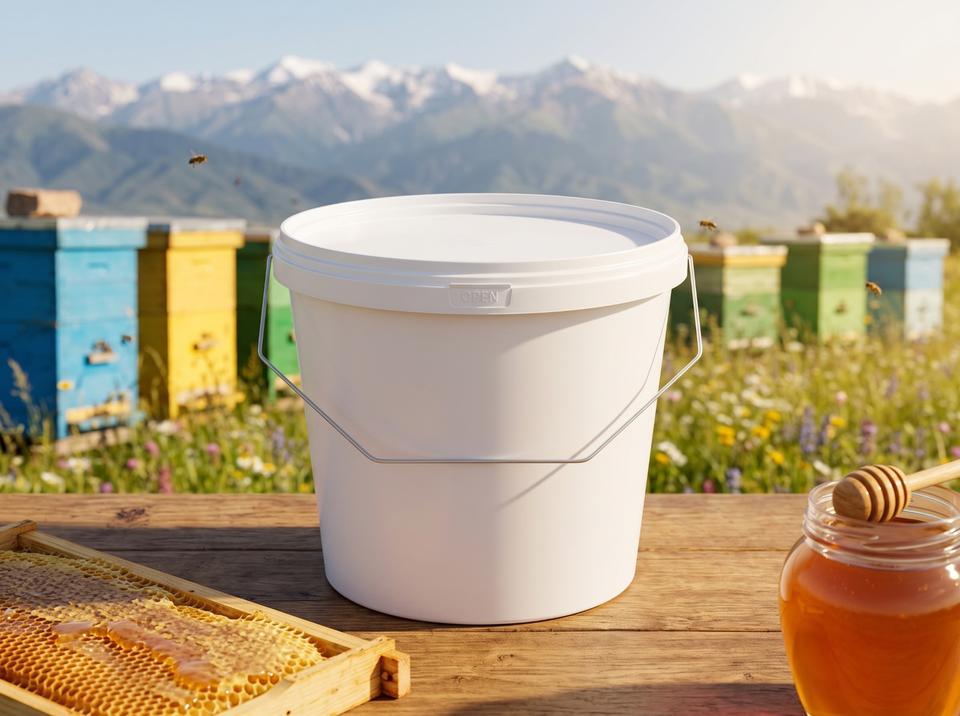
In the field, you need a bail handle with a plastic grip: a full bucket of potatoes is heavy, and thin wire without a grip cuts into your palm. At the stall, the handle matters less, so honey and kaymak go into small buckets: the 560 ml comes without a handle, and the others with a light plastic one.
Eastern Issyk-Kul is above all about the land: fields, orchards, and pastures. That gives Tüp District four groups of bucket buyers, each with its own ordering season.

Potatoes are the district's main crop. For the harvest, farms use the 15 L with a plastic grip; for sorting seed potatoes, the 18 L with a lid; and between seasons, the empty buckets stand stacked in the barn.
Apples are picked into the 11.5 L size, and second-grade fruit is cooked into apple butter and packed in clear 2.3 L buckets for tourists and Karakol stores. Each bucket holds about 3 kg of apple butter, and the color shows through the wall.
Honey from Tüp apiaries sells at roadside stands and wholesale. Tourists buy the 850 ml or 1 L size, wholesale buyers get 5.6 L buckets, and honey straight from the extractor goes into large buckets: the 21 L holds about 30 kg of honey.
Farms and households in the district keep cows and sheep. Kaymak and sour cream are packed in 560 ml buckets for stores and guesthouses, and winter feed is stored in the 21 L with a lid. For wholesalers from Karakol, butter and kaymak go in the 5.6 L.
Choose a size and how many buckets you need for the harvest or the selling season. An example from Tüp District: a potato farm needs 1,200 of the 15 L buckets, which is two pallets. A neighboring apiary takes 3,000 of the 850 ml buckets, which is one pallet.
Buckets travel to the east shore by freight carrier. The process is the same for a potato farm, an orchard, or an apiary.
Tell us your product or task, the sizes, the quantity, and your village in Tüp District. We can also talk about putting your farm's logo on the bucket during that first call.
Your sales manager will suggest sizes and handles for potatoes, apples, or honey, estimate the number of pallets, and give you a price. You'll learn the delivery cost and time when you place the order.
Your order is assembled at the factory warehouse in Ak-Chiy. If you've ordered IML printing, the artwork with your name is approved before molding.
A freight carrier takes the order to Tüp or a village in the district. The bucket paperwork travels with the shipment.

Buckets bound for Tüp start their trip at the HTI plant in Ak-Chiy village, Bishkek Free Economic Zone (FEZ). From there, a freight carrier picks up the pallets and takes them along the lake to the east shore, to Tüp and the district's villages. Your sales manager confirms delivery time and cost when you place the order.
HTI has no warehouse in Tüp, or in any other town in the region: every order is assembled at the plant. If you drive to Bishkek in your own vehicle, you can pick up the buckets yourself.
For the potato and apple harvest, order buckets in midsummer so they arrive before work begins. Beekeepers should have their packaging on hand by spring, livestock farms by the time herds return from the pastures, and potato growers by late summer.
Farms in the same village often order together: one shipment to a shared address is simpler than several small ones. Tell your sales manager how many neighbors are joining the order.

Buckets reach towns and villages across Issyk-Kul Region by freight carrier. The links lead to packaging guides for each place.
In Tüp District, the same farm often both grows and sells. In the field, a sturdy handle matters; at the stall, it's how the product looks and whether the package is untouched.
For potatoes and apples: the 11.5, 15, 18, and 21 L buckets have a metal bail handle with a plastic grip.
Roadside buyers can see apple butter and honey right through the wall. Every size is available in clear.
A tourist buying honey at the roadside can tell from the intact seal under the rim that the bucket hasn't been opened.
Your apiary or orchard name is applied with a label or by in-mold labeling (IML), which fuses the image into the wall during molding.

Direct from the HTI plant: the buckets are molded in the Bishkek Free Economic Zone (FEZ) and shipped to Tüp by freight carrier in orders of one pallet or more. Call +996 222 600 292 or request a callback, and your sales manager will pick the right buckets for potatoes, apples, or honey.
Your sales manager prices your order based on size, quantity, handle, color, and printing. The delivery cost comes in the same quote.
By freight carrier from the plant. Your sales manager confirms delivery time and cost when you place the order. If neighboring farms are also buying packaging, it's convenient to ship the orders together.
No, there's no warehouse in the region. All buckets ship from the plant in Ak-Chiy, where you can also pick them up yourself. If you haul potatoes or honey to Bishkek, it's easy to load your empty truck with buckets on the way back.
The 15 L with a metal bail handle and plastic grip: a full bucket is easy to carry, and empty ones nest inside each other. For more on packaging for farms, see our farms and agribusinesses page.
Yes. For retail, producers use the clear 2.3 L, which holds about 3 kg of apple butter; for cafes, 3.8 to 5.6 L. See our page on buckets for jam and fruit butter for a full rundown.
In midsummer: the freight carrier needs time for the trip, and the packaging should arrive before the potato and apple harvest begins.
Yes, with a label or IML. The artwork is approved with your sales manager before the run is molded.
All dimensions, tare weights, and photos are in the catalog. For farms along the whole shore, see the Issyk-Kul Region page, and neighbors may find packaging in Karakol useful.

Tell us what you harvest or pack and which village you're in. We'll suggest the size and handle and calculate pallets along with shipping.