Want to learn more about our packaging or find the right fit for your business? Request a callback, and our specialist will call you at a time that suits you. Tell us about your product, and we'll help you choose the best option.
Order a callback from a specialist
Want to learn more about our solutions or find the perfect solution for your business? Leave a request for a callback and our specialist will contact you at a convenient time. Together we will find the optimal solution to make your business thrive!
Request a callback from our HR team
Interested in our openings and career opportunities? Leave your contact details and our HR team will get back to you shortly. We'll answer your questions and explain how to join the HTI Group team.
Order a callback from a specialist
Would you like to learn more about our job openings and career opportunities? Leave your contact information, and our HR department will get in touch with you shortly. We will answer all your questions and provide detailed information on how to become part of the HTI Group team.
Mon-Fri, 9:00 AM-5:00 PM · Factory in the Bishkek Free Economic Zone, Ak-Chiy village
Packaging for the wholesale bazaar
Plastic bucketsand packaging in Kara-Suu
You can buy plastic buckets in Kara-Suu direct from the manufacturer. Kara-Suu is known across the south for its wholesale bazaar: traders come here for dried fruit, spices, pickles, honey, and oil, then take the goods to villages and towns across Osh and Jalal-Abad Regions. The goods arrive in sacks, metal cans, and barrels and leave in small packs for shoppers. For this kind of repacking, the HTI Group plant in the Bishkek Free Economic Zone (FEZ) molds food-grade buckets from 560 ml to 21 L, in white and clear, plus 5 L and 10 L jerry cans.
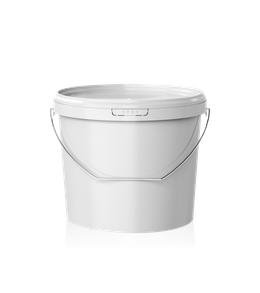
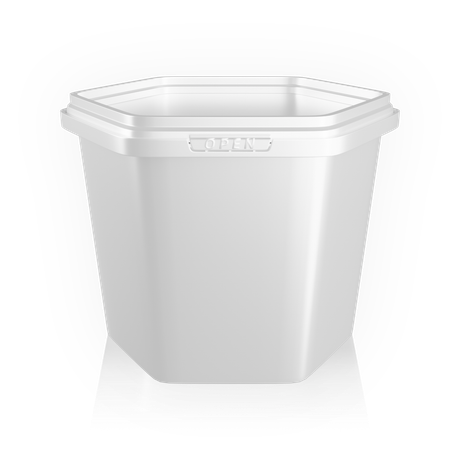
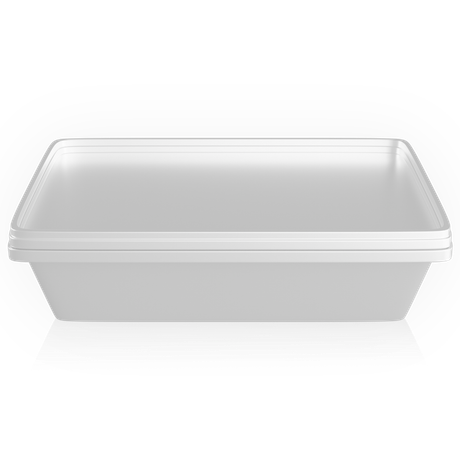
At a wholesale bazaar, every row sells its own goods, and each needs its own packaging. Here's the whole lineup sorted by Kara-Suu's bazaar rows: under each of the fourteen buckets, you'll see what goes in it and which body works best. Clear shows off the goods; white leaves room for the seller's label.
Spices, sweets, nuts, and honey in small portions.
Pickles, dried fruit, and rice for the home and the teahouse.
Bulk buys for resale, canteens, and renovation work.
Containers for premium spices, sweets, and takeout food.
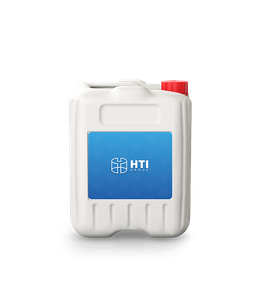
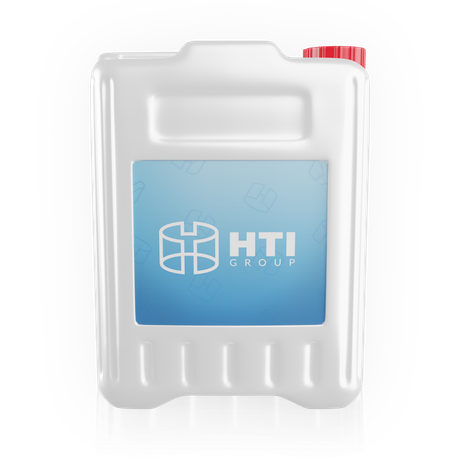
Jerry cans for oil, poured to order or sold wholesale.
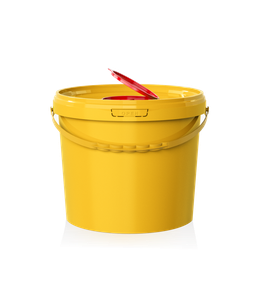
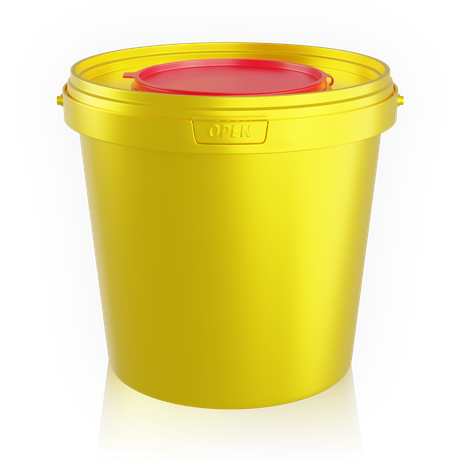
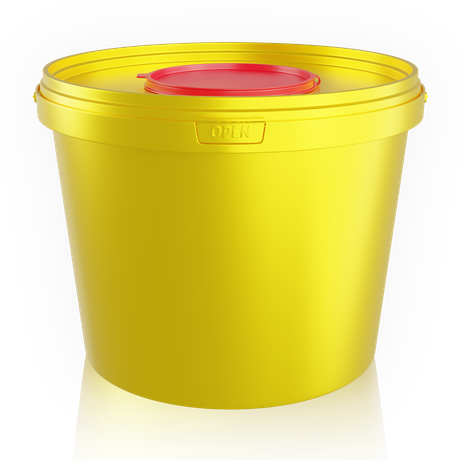
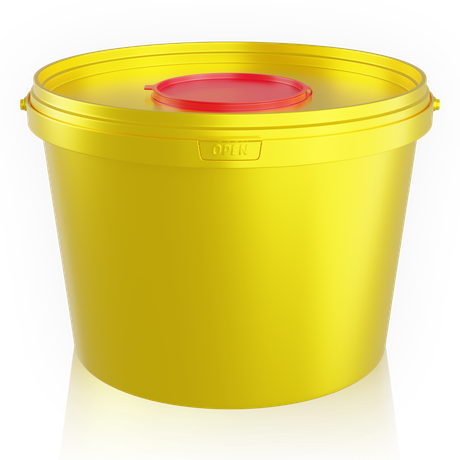
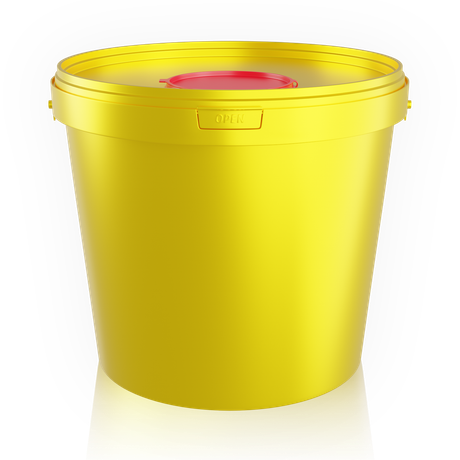
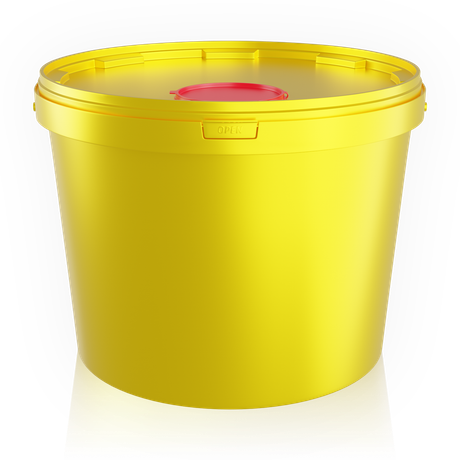
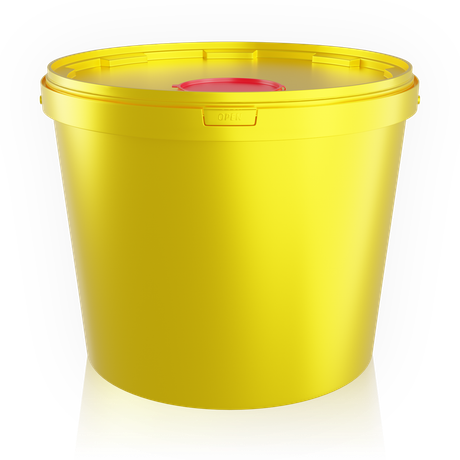
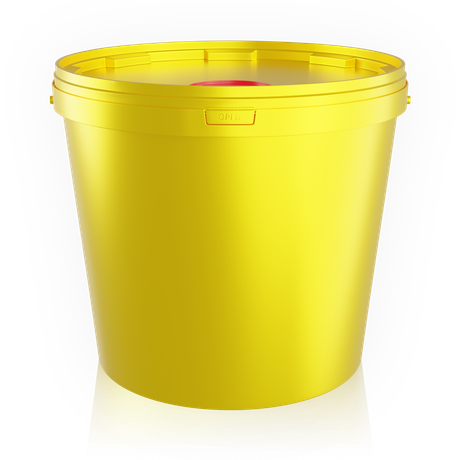
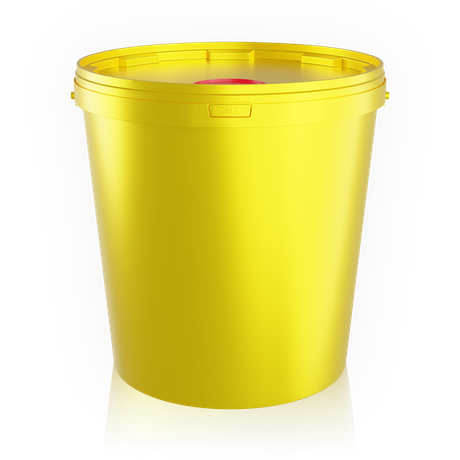
Yellow for Class B, red for Class C (by Kyrgyz sanitary classification): for the hospital, pharmacies, and the bazaar's veterinary inspectors.
Packaging at the same scale: body width and height from the factory's product cards
By weight · PKS560
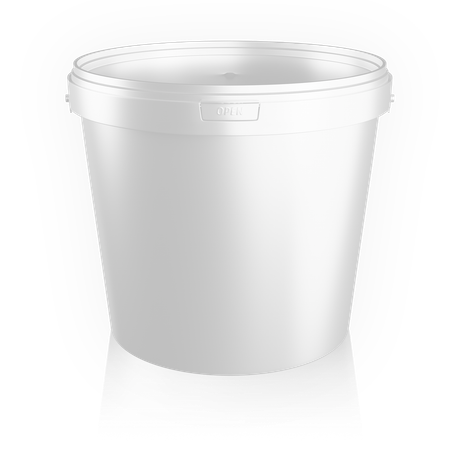
560 ml plastic bucket
Spice row: cumin, barberries, and ground pepper in small portions, with a clear body that shows off the color of the spice.
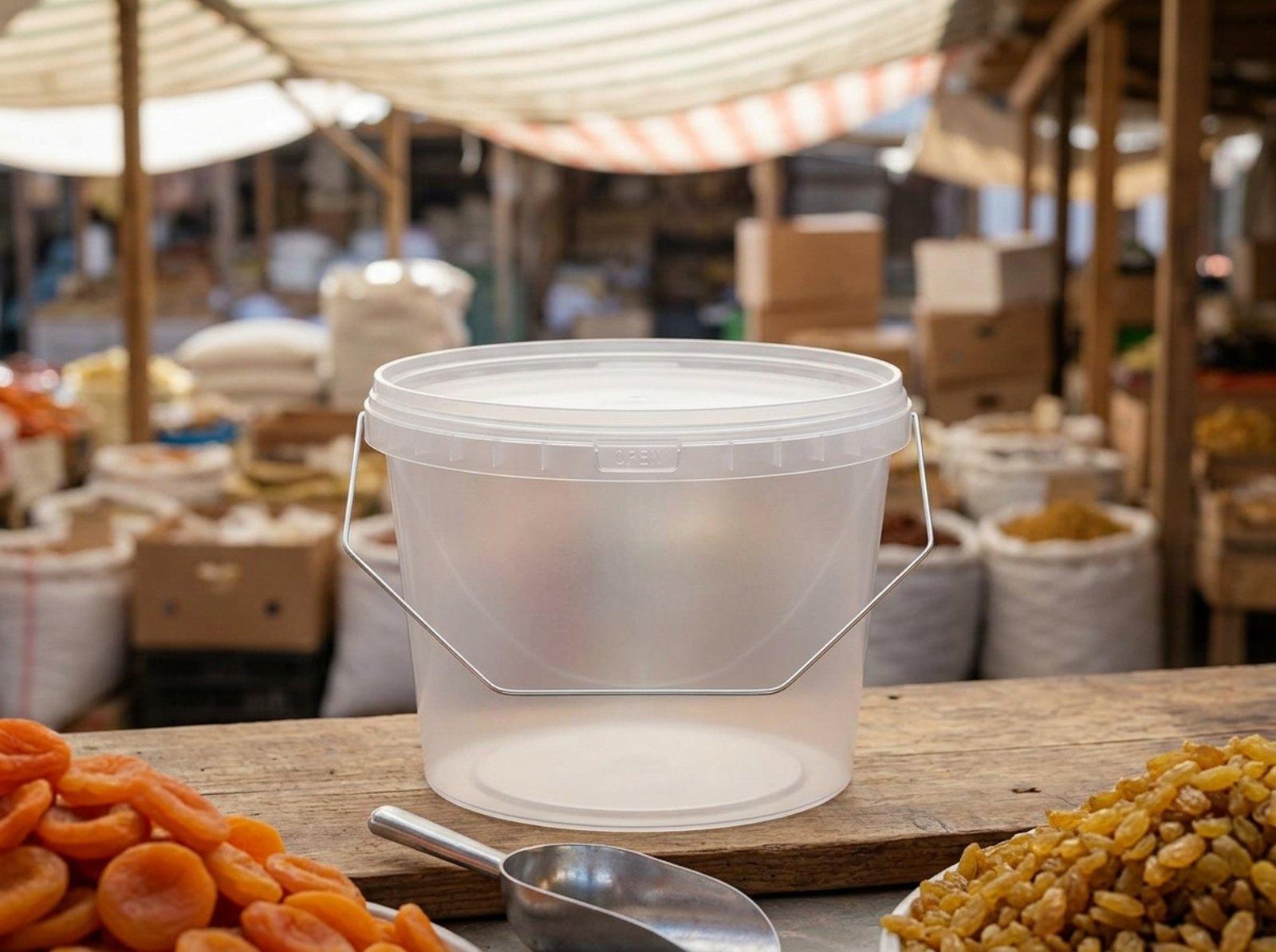
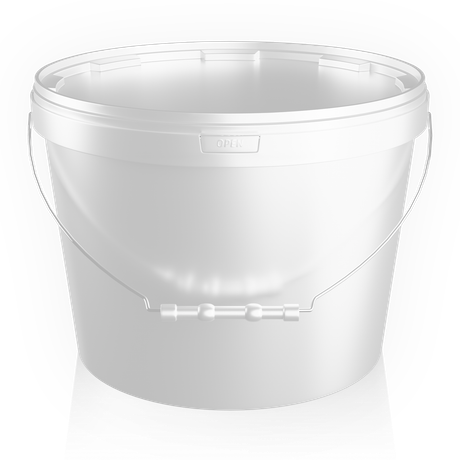
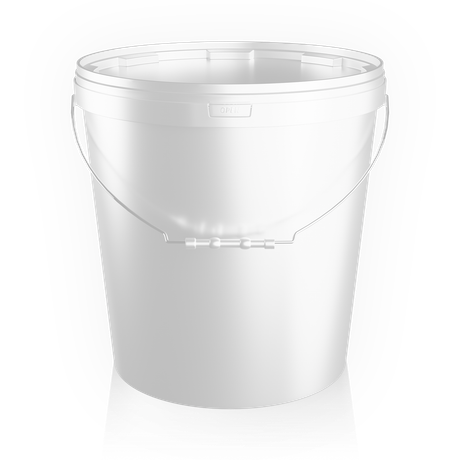
Dried fruit row: dried apricots, raisins, and uryuk (whole dried apricots) to see a family through the winter, in a clear bucket with a metal bail handle.
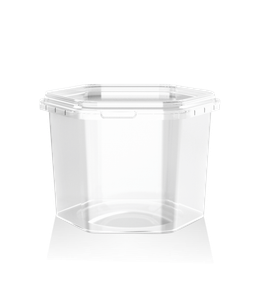
A clear body is the way to go wherever shoppers choose by eye: they want a good look at dried apricots, pickles, and spices before they buy. White is for goods sold under your own name and for bulk purchases, where weight and the lid matter more than looks. The oil jerry can comes in white only, but its flat front panel takes a label neatly.
A trader at a wholesale bazaar makes money on the gap between buying big and selling small. Packaging plays a part at every step, from what the goods are collected in at the supplier to what a shopper from the next district carries them home in. Here are four places where a bucket with a lid saves a reseller a lot of hassle.
Buying from the beekeeper15 L: about 21.3 kg of honey in one bucket
Repacking without waste
Dried fruit and spices reach the trader in bulk and sell by the kilo or less. A bucket with a wide opening is easy to fill with a scoop right over the sack, close, and put on the shelf: nothing spills, and nothing picks up dust from the aisle.
A display without a display case
A bazaar stall is a board under an awning, with little room to spare. Clear buckets lined up in a row show the color of dried apricots, raisins, or pickled tomatoes with the lid still on. Shoppers choose for themselves, and the seller doesn't have to open every bucket.
Goods for someone else's stall
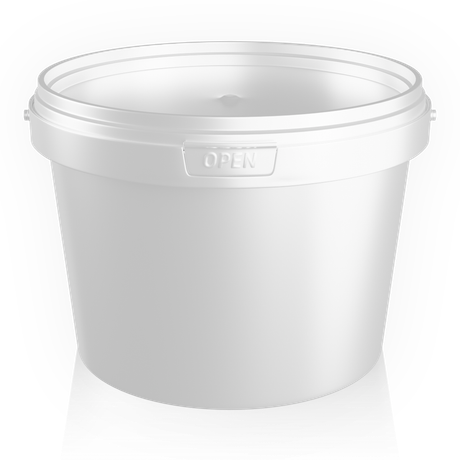
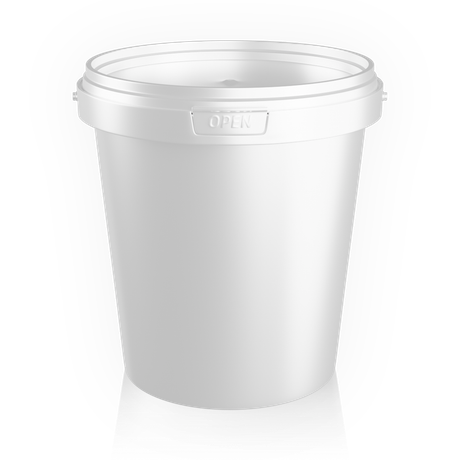
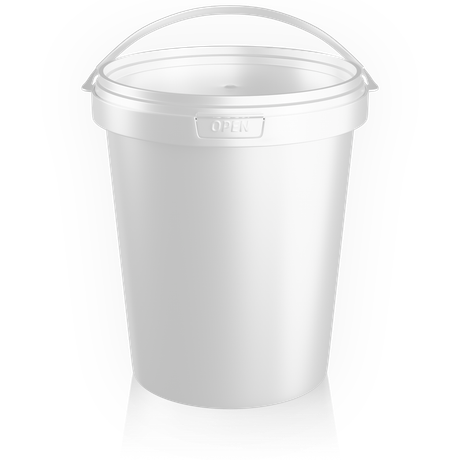
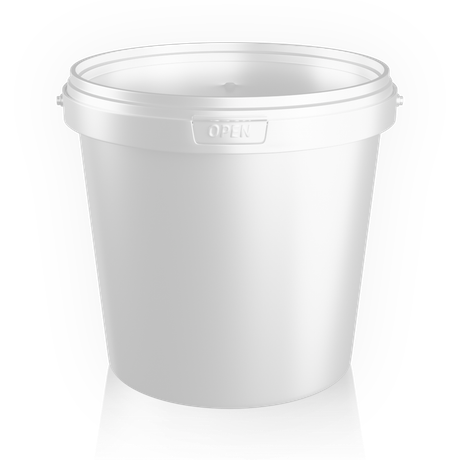
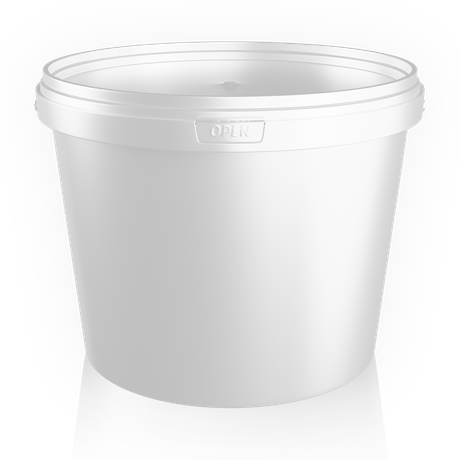
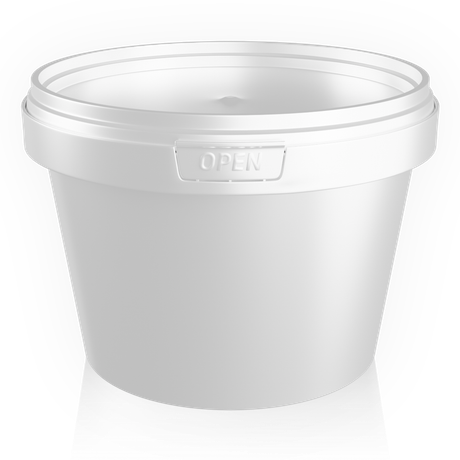
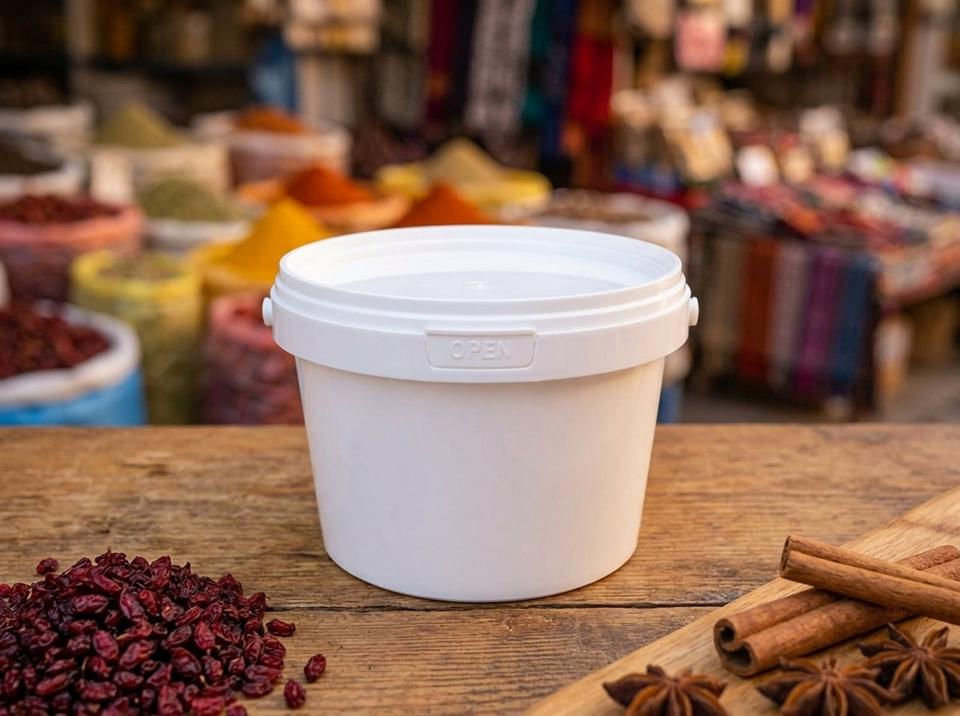
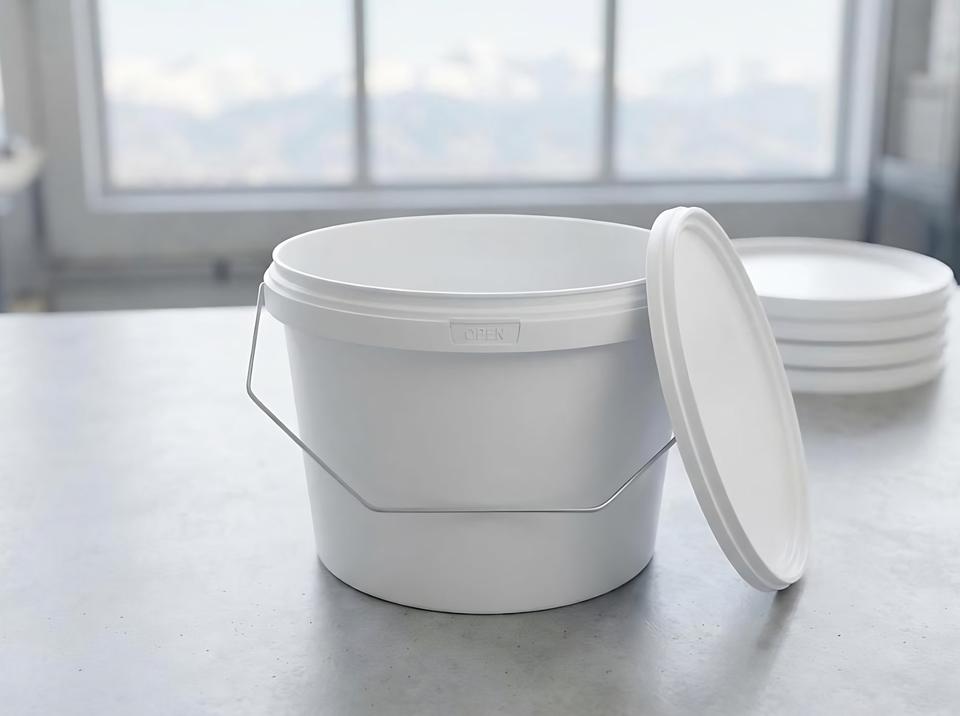
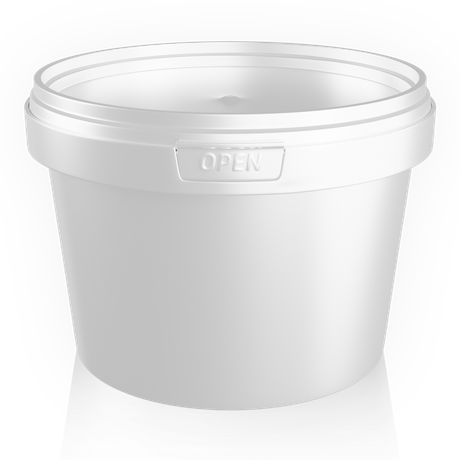
Many Kara-Suu buyers are traders themselves: they buy packed goods and resell them back in their villages. The OPEN tamper-evident tear strip under the rim, with its embossed lettering, shows both them and their customers that nobody has opened the bucket since it was packed.
The ride home in the trunk
Goods leave the bazaar in car trunks, minibuses, and truck beds, mixed in with other purchases. The lid snaps into the double rim and stays on over bumpy roads, and the metal bail handle makes it easy to carry the bucket from the stall to the car.
How to choose
Two sizesfor every product
Experienced traders keep a pair for every product: a large bucket for buying and storage and a small one for selling. That way the goods get transferred once instead of being shuffled between sacks, boxes, and bags. Here are the pairs that suit Kara-Suu's bazaar rows best.
Spices: stock in 5.6 L, sell in 560 ml or 800 ml. Shoppers buy a small portion that lasts a family a long time.
Dried fruit: stock in 11.5 L, display in 3 L. The 3 L bucket has a 200 mm opening, so a scoop goes in easily.
Pickles: 5.6 L for the batch, 2.3 L for the shopper, which is about 2.4 kg including brine.
Honey: 15 L for buying from the apiary, the one-liter size for retail, and 2.3 to 3 L for customers stocking up for winter.
Oil: a 5 L jerry can for home kitchens, 10 L for cafes and canteens.
Shipment estimate
How much packagingfits in one delivery
Choose an item and quantity, and we'll show the pallet count, units rounded up to full pallets, total nominal capacity in liters, empty packaging weight, and the truck you'll need.
Straight-line distance. Click a city to open its page.
HTI has no warehouse or representatives in Kara-Suu: all buckets and jerry cans ship from the plant in the Bishkek FEZ, Ak-Chiy village. A freight carrier takes the order south. The carrier is chosen when you place your order, and that's when your sales manager tells you the transit time and cost. If you drive to Bishkek for goods yourself, you can pick up the pallets at the plant and load them into the same truck. Empty buckets stack one inside another, so a pallet takes up little room in a trader's storage container. By fall, when new-crop dried fruit and the first pickles hit the bazaar, it's best to have your packaging on hand.
Call +996 222 600 292 and list the sizes and quantities you need. We'll assemble the order at the plant in Ak-Chiy and hand it over to a freight carrier, which delivers the pallets to Kara-Suu. Your sales manager will confirm the transit time and shipping cost when processing your order.
Small 560 ml and 800 ml buckets work best: the shopper takes the whole portion, and the lid keeps aisle dust off the spices. For the seller's own stock, 3 to 5.6 L buckets are easy to scoop from.
About 2.4 kg including brine: a liter of pickles weighs roughly 1.05 kg. The bucket's brim-full capacity is 2.444 L, but don't fill it right up to the lid, or the brine will splash out when the lid is pressed into the rim.
Yes. Small and large buckets, white and clear, and 5 L and 10 L jerry cans all go in one shipment. Your sales manager will work out how many pallets each item takes: unlike buckets, empty jerry cans don't nest.
There's no price list on the website: your sales manager prices each order individually. The price depends on sizes, quantity, body color, handle, and printing. Give us all the details at once, and you'll get a single total.
Yes. For a small order, a label with your name, phone number, and stall number at the bazaar does the job. For large runs, in-mold labeling (IML) is the way to go: the design is fused into the wall during molding and won't rub off, even if the bucket gets handled with wet hands all day.
Point to the OPEN tear strip under the lid rim. It's torn off the first time the bucket is opened, so an intact strip means nobody has touched the honey since it was packed. To a buyer from another village, that says more than anything a seller could say.
Catalog
Packaging for resellersand packers in the south
Dimensions, weight, and handle options for every bucket are in the catalog and on the individual size pages. If you're putting together a range for stores, see our guide to packaging for packers and wholesalers; terms for neighboring Osh are on the packaging in Osh page.
Tell us what goods you pack and your rough weekly volume. Your sales manager will pick size pairs for buying and retail, estimate the number of pallets, and explain shipping terms to Kara-Suu.