Want to learn more about our packaging or find the right fit for your business? Request a callback, and our specialist will call you at a time that suits you. Tell us about your product, and we'll help you choose the best option.
Order a callback from a specialist
Want to learn more about our solutions or find the perfect solution for your business? Leave a request for a callback and our specialist will contact you at a convenient time. Together we will find the optimal solution to make your business thrive!
Request a callback from our HR team
Interested in our openings and career opportunities? Leave your contact details and our HR team will get back to you shortly. We'll answer your questions and explain how to join the HTI Group team.
Order a callback from a specialist
Would you like to learn more about our job openings and career opportunities? Leave your contact information, and our HR department will get in touch with you shortly. We will answer all your questions and provide detailed information on how to become part of the HTI Group team.
Mon-Fri, 9:00 AM-5:00 PM · Factory in the Bishkek Free Economic Zone, Ak-Chiy village
Grain, farms, Burabay
Plastic bucketsand packaging in Kokshetau
We sell plastic buckets in Kokshetau direct from the factory. Kokshetau is the capital of Akmola Region, where the year is split between fields and livestock: in the fall, after harvest, farms stock up on feed; dairy farms milk cows and make sour cream year-round; and meat is prepared ahead of winter. In summer, the nearby resort of Burabay (Borovoye) comes alive with cafes, hotels, and stalls selling honey and berries. For all of this, HTI Group molds food-grade buckets, containers, and jerry cans in the Bishkek Free Economic Zone (FEZ) and ships them to Kokshetau buyers by the pallet within the EAEU.
In Akmola Region, packaging gets used in waves. In summer, the buyers are cafes and hotels by the Burabay lakes, apiaries, and berry pickers; in the fall, grain farms and smallholdings; and in late fall, those preparing meat for winter. Under each of the 14 buckets, you'll see when it's needed most and for what product.
Sour cream, honey, and berries for vacationers and city residents.
Jam, pickles, and meat for winter.
Feed, premixes, and smallholding supplies.
Containers for lakeside cafes, farms, and resort canteens.
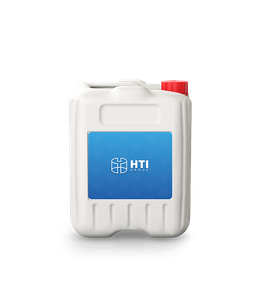
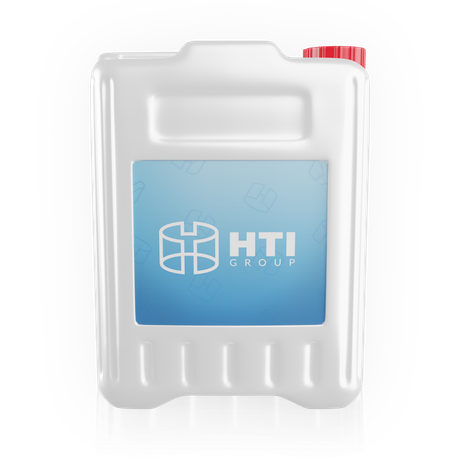
Jerry cans for drinking water, cooking oil, and winter washer fluid.
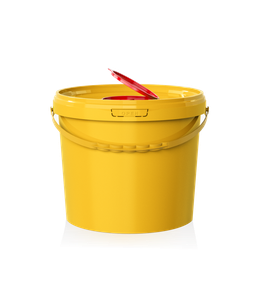
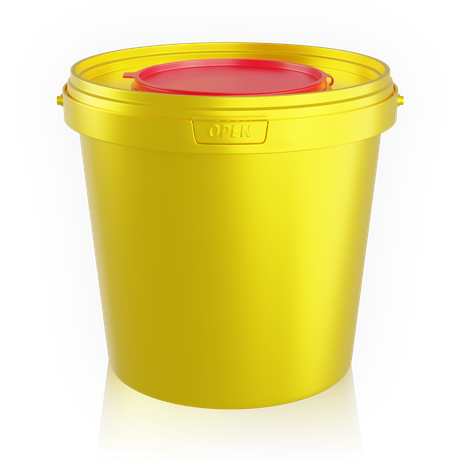
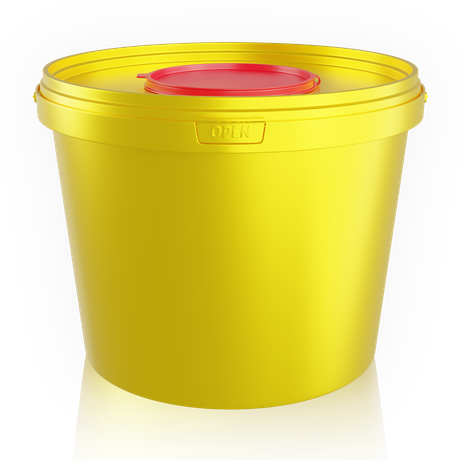
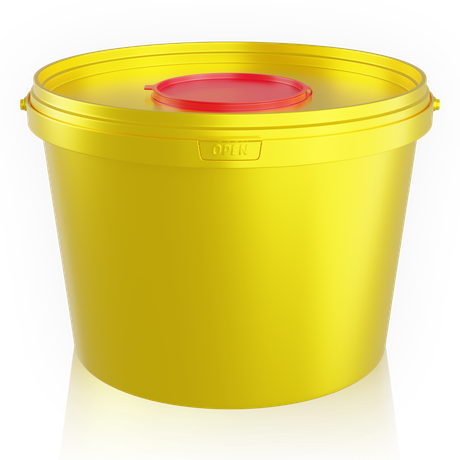
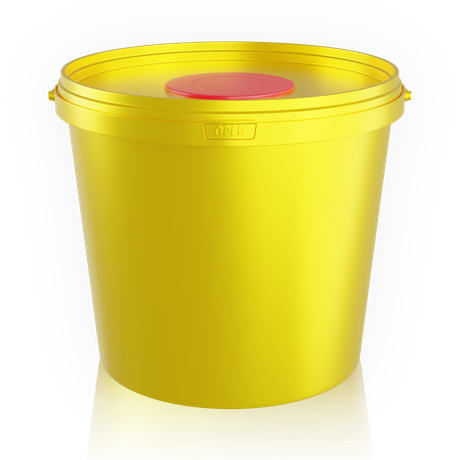
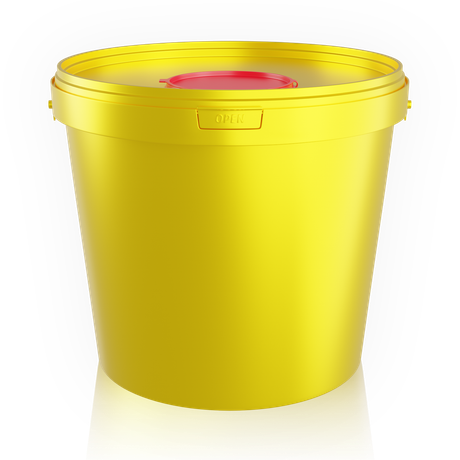
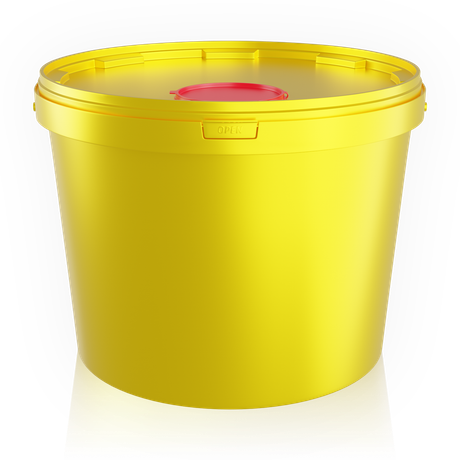
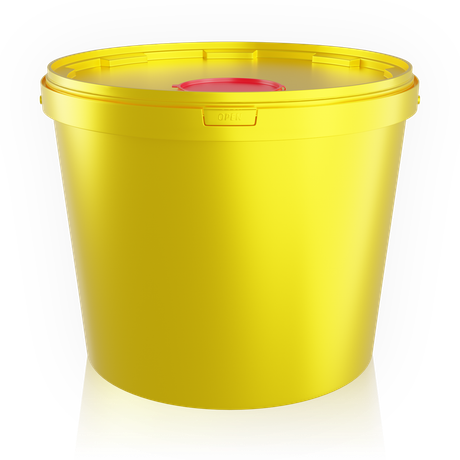
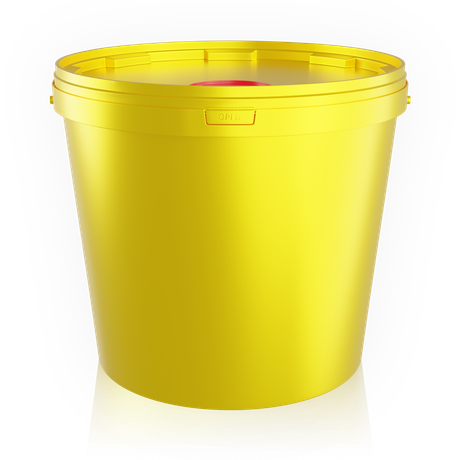
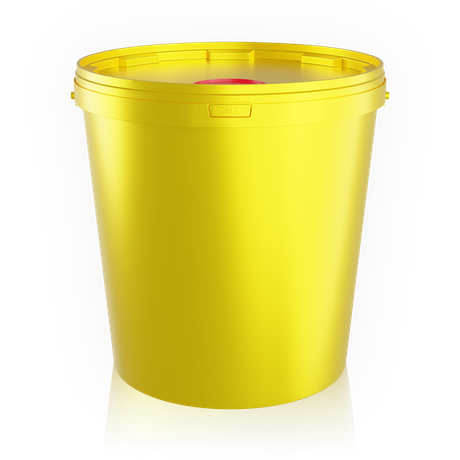
Yellow (Class B) and red (Class C) buckets, by Kyrgyz sanitary classification, for hospitals, outpatient clinics, and vets.
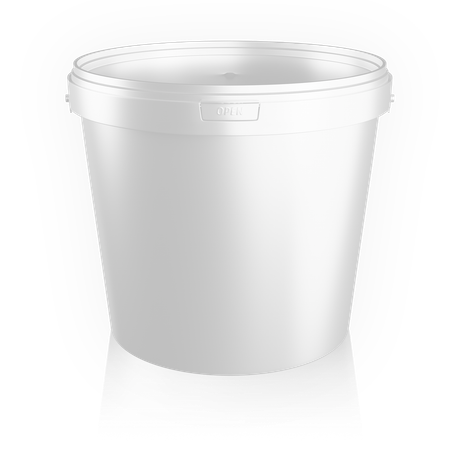
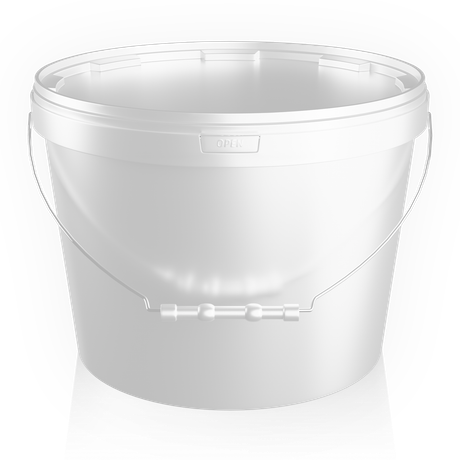
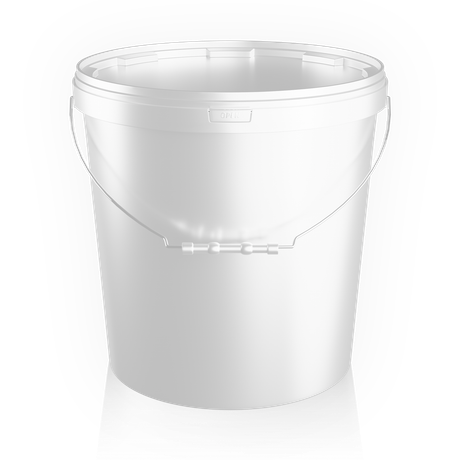
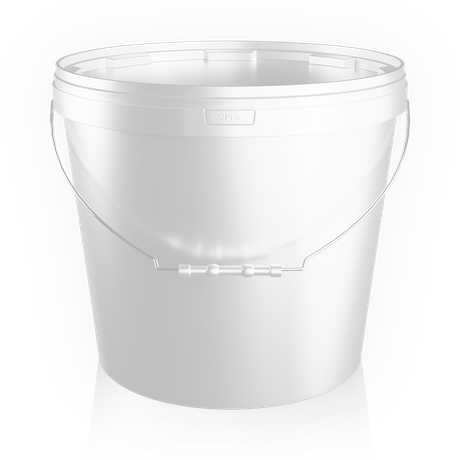
Packaging at the same scale: body width and height from the factory's product cards
Summer · PKS560
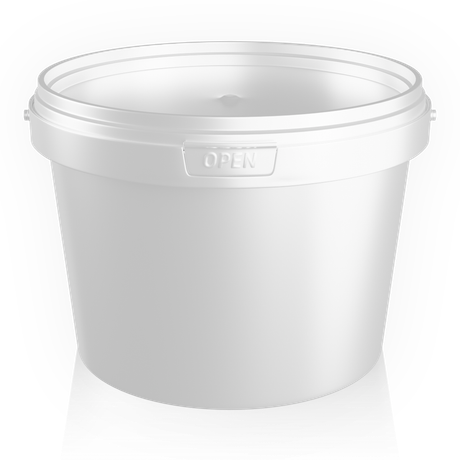
560 ml plastic bucket
Year-round, peaking in summer: farm sour cream and kaymak for families heading to the lakes.
The top of the table is the short resort summer: lakeside cafes run at full tilt for a few months and need lots of containers all at once. Feed and meat belong to the fall, so their packaging is best brought in as a separate shipment closer to harvest. Dairy buckets and jerry cans get used at a steady rate, so it pays to keep stock on hand rather than wait for the next truck.
Packaging buyers in Kokshetau almost always fall into one of two groups. The first is steppe agriculture: grain, livestock, milk, smallholdings, and small on-farm processing shops. The second is the Burabay resort area, where cafes, resort canteens, and stalls with local products open for the summer. They expect different things from their packaging.
Farm storehouse15 L: 303 mm top, 816 buckets per pallet
Livestock supplements, kept covered
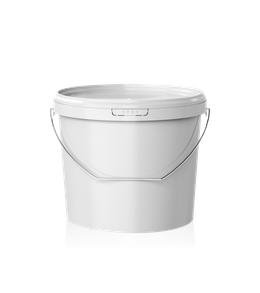
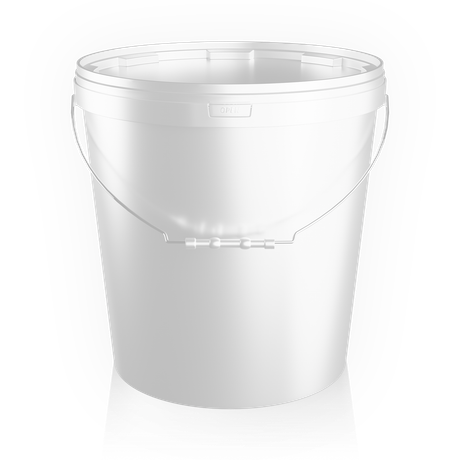
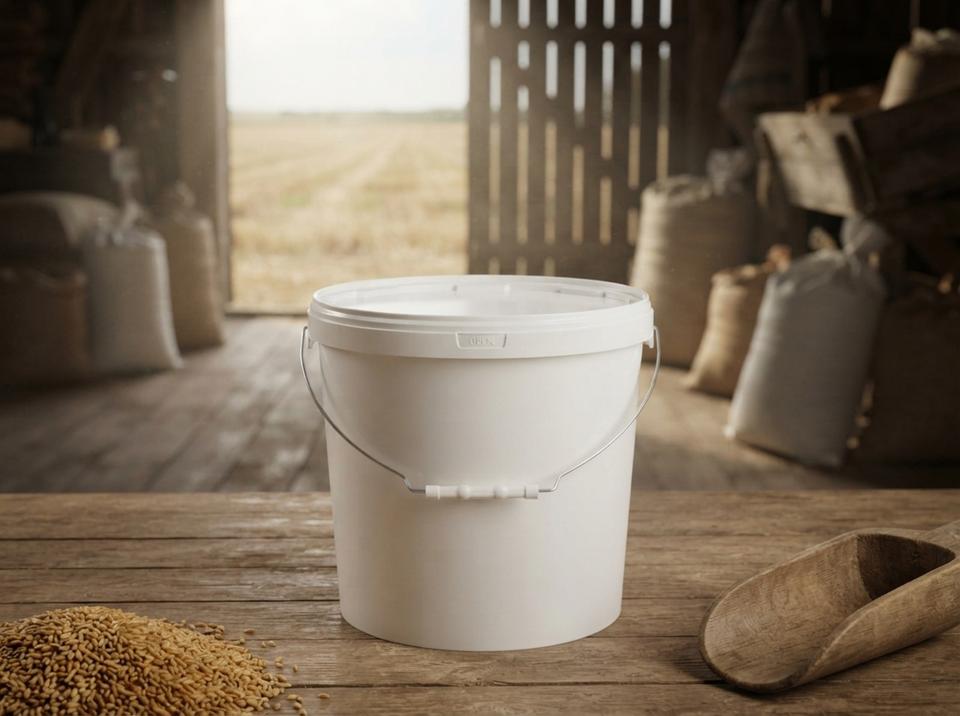
Premixes get used a little at a time, and a torn bag in the barn quickly picks up moisture and dust. The 15 L bucket gets closed after every feeding: the lid snaps into the double rim, and the bail handle with plastic grip lets you carry a full bucket to the pen with one hand.
A farm on the road to the lakes
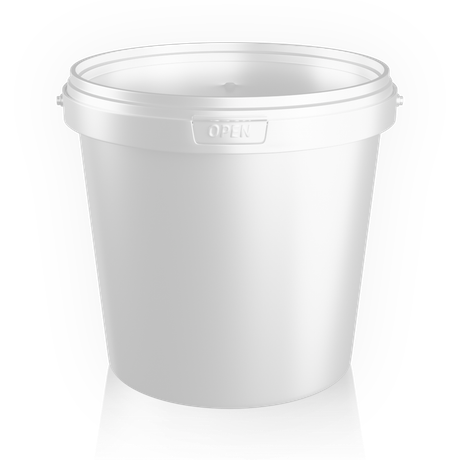
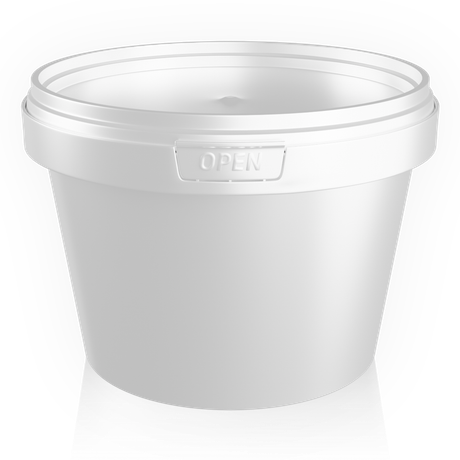
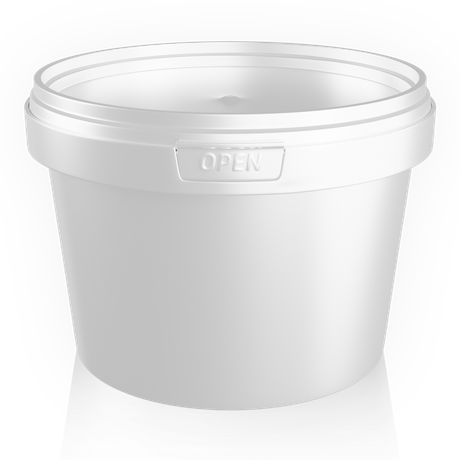
Sour cream and kaymak are bought by families heading off on vacation. The 560 ml bucket weighs 23 g and takes up little room in a bag, and an intact OPEN tamper-evident tear strip under the lid tells shoppers no one has touched the product since it was packed.
Resort kitchen
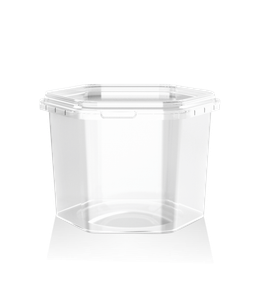
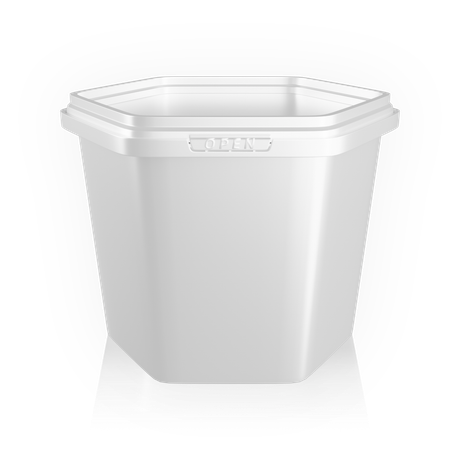
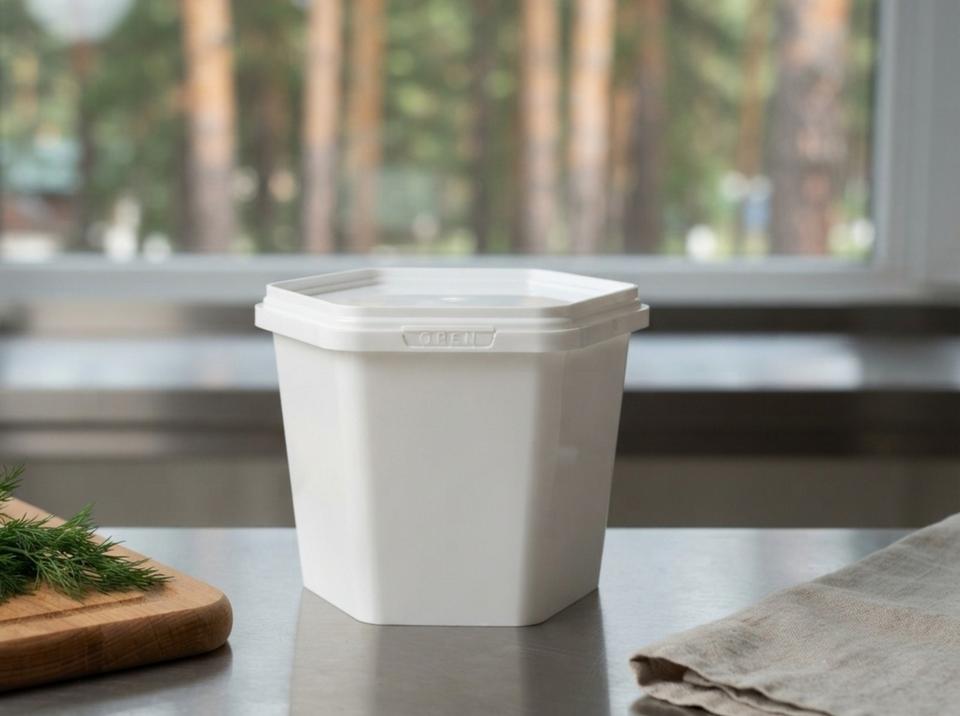
In summer, a resort canteen feeds guests three times a day and packs meals to go. The 250 and 400 ml hexagonal containers store in stacks, and empty buckets for prepped food nest inside each other, so they don't crowd the pantry before the season opens.
Burabay honey and berries
Tourists love taking local honey and jam home. A clear body on a one-liter or 2.3 L bucket shows off the product's color, while a white one carries a label with the apiary's or farm's name.
How to choose
Order for the seasonwithout leftover stock
Farms and cafes in Kokshetau are more likely to get the timing wrong than the size: the packaging arrives after peak sales have passed. So start by asking yourself "when?" and then choose the size. The guidelines below help you put together one order for the whole season.
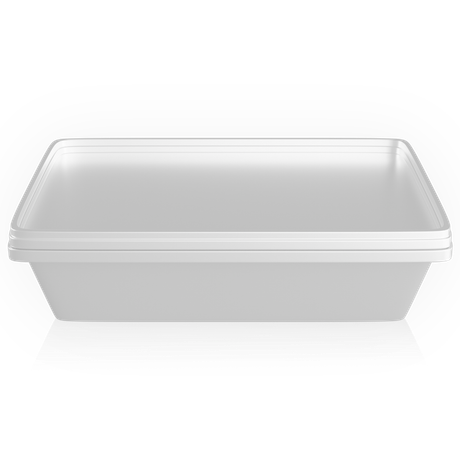
Lakeside cafes: hexagonal 250 ml containers for sauces and 400 ml for salads, plus the 750 ml tray for hot dishes. It's best to order before the season starts.
Dairy farms: 560 ml for the counter and 3 L for cottage cheese sold to canteens and cafes.
Apiaries and berry growers: 1 L and 2.3 L in a clear body, so shoppers can see the product at a roadside stall.
Smallholdings and grain farms: 15 L or 11.5 L with a bail handle and plastic grip for premixes and feed additives.
Meat for sogym and for delis: 8 L. The bucket fits on a fridge shelf, and the metal bail handle with plastic grip takes the weight.
Shipment estimate
How much packagingfits in one delivery
Choose an item and quantity, and we'll show the pallet count, units rounded up to full pallets, total nominal capacity in liters, empty packaging weight, and the truck you'll need.
Item
BucketsContainersJerry cansMedical buckets
How many pieces you need
pcs
Logistics
How pallets travelfrom Ak-Chiy to the Akmola Region
Straight-line distance. Click a city to open its page.
HTI Group has no warehouse in Kokshetau or Burabay: every order ships straight from our production site in the Bishkek FEZ, Ak-Chiy village. A freight carrier takes the packaging to Akmola Region by the pallet within the EAEU, and a farm with its own truck can pick up pallets at the plant. Buckets and containers of the same size travel nested in stacks, while jerry cans stand on the pallet one by one. When you place your order, your sales manager confirms the delivery cost and the arrival date in Kokshetau. Resort cafes are better off receiving their summer stock on one truck back in spring, and farms should order feed packaging before harvest begins.
The basic set: 250 and 400 ml hexagonal containers for takeout sauces, salads, and appetizers, plus the 750 ml flat tray for hot dishes. For kitchen prep, 3.8 and 5.6 L buckets work well. More on our packaging for cafes and restaurants page.
For jam and preserves, clear 1 and 2.3 L buckets work well: a liter of jam weighs about 1.33 kg, so a 2.3 L bucket holds roughly 3 kg. Fresh berries on the counter go in the same kind of bucket: a scoop fits easily through the 175 mm opening.
Yes, for dry feed additives, farms choose 11.5 and 15 L with a metal bail handle and plastic grip, and 5.6 L is enough for a small backyard farm. A size-by-size breakdown is on our feed and premix buckets page.
The price depends on sizes, quantity, handle type, and printing, so your sales manager calculates it for your order. They'll quote shipping to Kokshetau separately and confirm the lead time when processing your order. Phone: +996 222 600 292.
Pallets ship from our plant in the Bishkek Free Economic Zone via a freight carrier within the EAEU, or you can pick them up with your own transport. We have no warehouse in Kazakhstan. The full step-by-step process is in our article on ordering packaging to Kazakhstan.
Yes. For a small order, we apply a label; for large runs, we use in-mold labeling (IML): a printed film is placed in the mold and becomes part of the wall during molding, so the print won't wash off. The artwork is approved with your sales manager.
Yes, your order can combine different items, and your sales manager works out the pallets for each one. For reference, a pallet holds 17,600 of the 400 ml containers, 816 of the 15 L buckets, or 100 of the 10 L jerry cans.
Catalog
HTI catalogfor Kokshetau farms and cafes
Each size's page lists the opening diameter, height, empty weight, and units per pallet: handy numbers for estimating space in a farm storeroom or a cafe pantry. For milk, sour cream, and cottage cheese packaging, see our dairy buckets page, and apiaries will find our packaging for beekeepers page useful.
Tell us how many guests a day you expect in summer and what you're serving: salads, shashlik, baked goods, or dairy. A sales manager will pick containers and buckets, work out the pallets for the season, and advise what to bring in up front and what to restock midsummer.