Want to learn more about our packaging or find the right fit for your business? Request a callback, and our specialist will call you at a time that suits you. Tell us about your product, and we'll help you choose the best option.
Order a callback from a specialist
Want to learn more about our solutions or find the perfect solution for your business? Leave a request for a callback and our specialist will contact you at a convenient time. Together we will find the optimal solution to make your business thrive!
Request a callback from our HR team
Interested in our openings and career opportunities? Leave your contact details and our HR team will get back to you shortly. We'll answer your questions and explain how to join the HTI Group team.
Order a callback from a specialist
Would you like to learn more about our job openings and career opportunities? Leave your contact information, and our HR department will get in touch with you shortly. We will answer all your questions and provide detailed information on how to become part of the HTI Group team.
Mon-Fri, 9:00 AM-5:00 PM · Factory in the Bishkek Free Economic Zone, Ak-Chiy village
For work camps and the steppe
Plastic bucketsand packaging in Aktobe
In Aktobe, you can buy plastic buckets directly from the factory. Aktobe Region is home to oil and gas fields with work camps, a chemical industry, and steppe farms that raise livestock and grow grain. Shift crews need meals and water, meat and dairy plants need to pack their products, and farms need to store technical fluids. For all of this, HTI Group makes containers, buckets, and jerry cans in the Bishkek Free Economic Zone (FEZ) and ships them to Aktobe by the pallet within the EAEU.
HTI packagingfor farms and businesses across the Aktobe Region
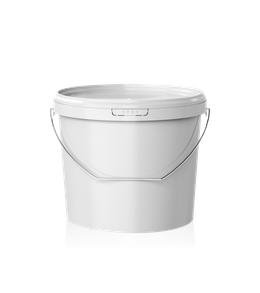
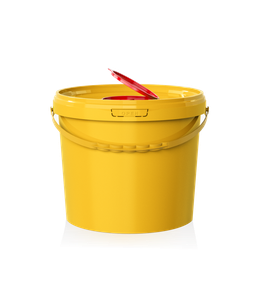
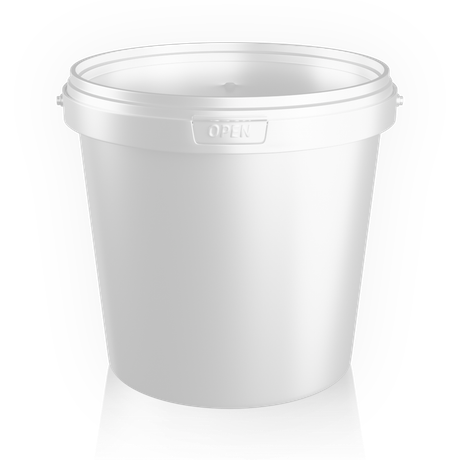
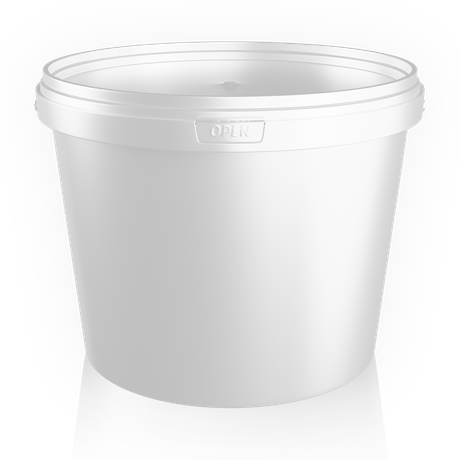
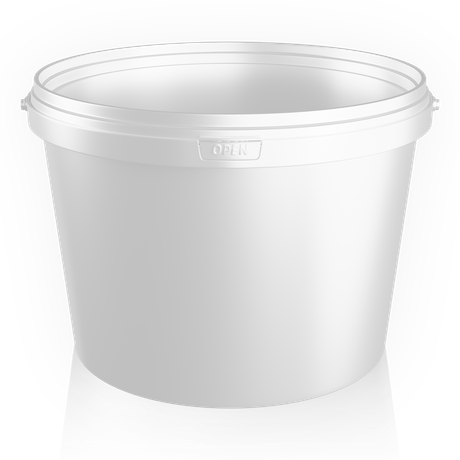
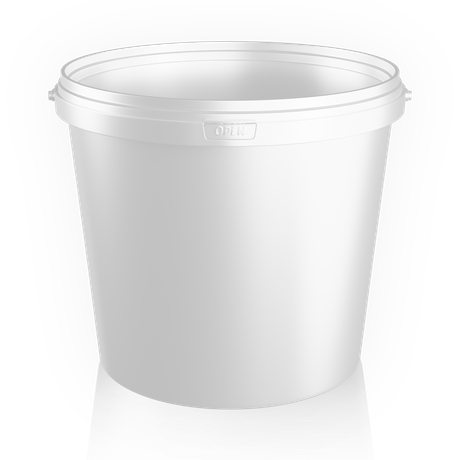
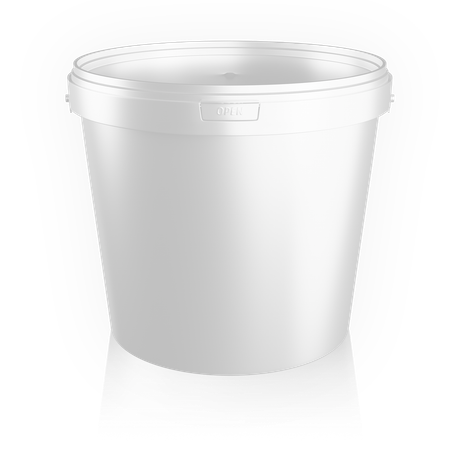
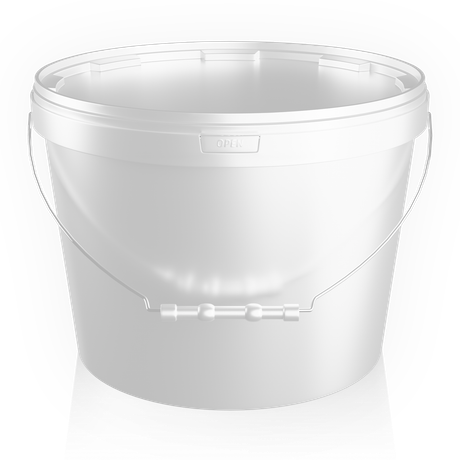
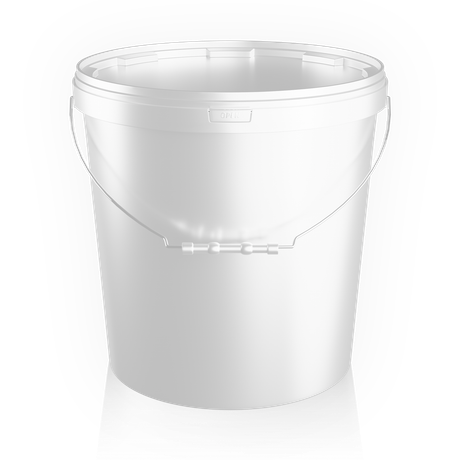
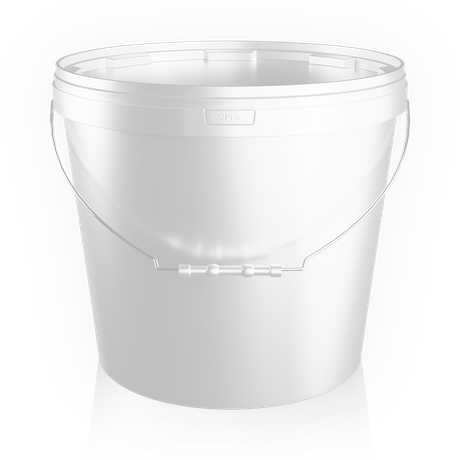
Packaging buyers here are quite different from city cafes: oil field caterers, meat processing shops, farms, and work camp housekeeping services. Under each of the 14 buckets, you'll see who uses it, what goes inside, and what handle it has.
Sour cream, sauces, and kurt for canteens and stores.
Farm dairy, pickles, and preserves for work camp kitchens.
Marinades, cleaning products, and feed for winter pastures.
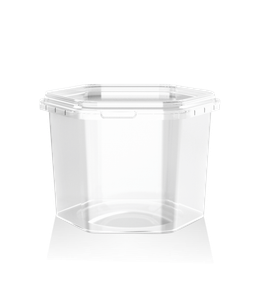
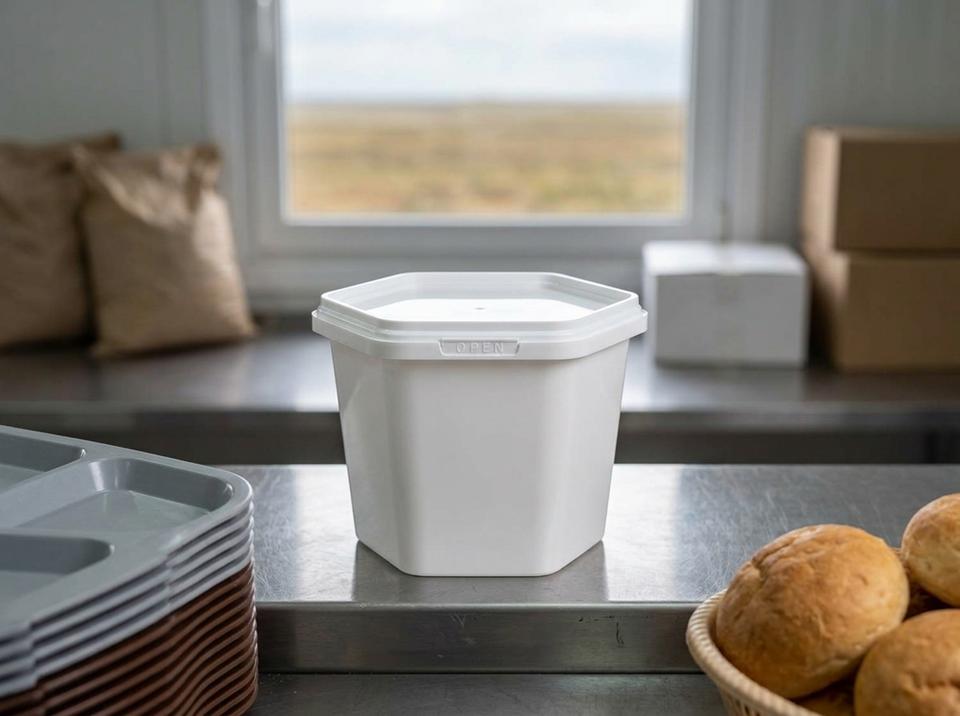
Containers and a tray for work camp canteens, catering, and lunch delivery.
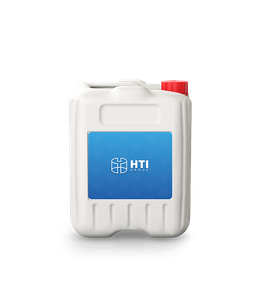
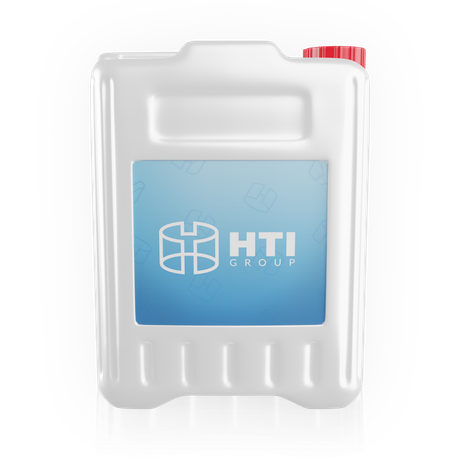
Jerry cans with screw caps for water and technical fluids.
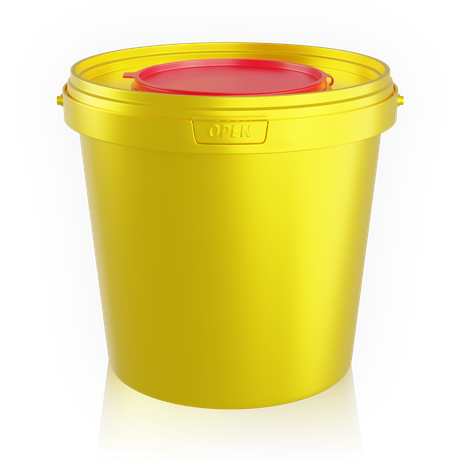
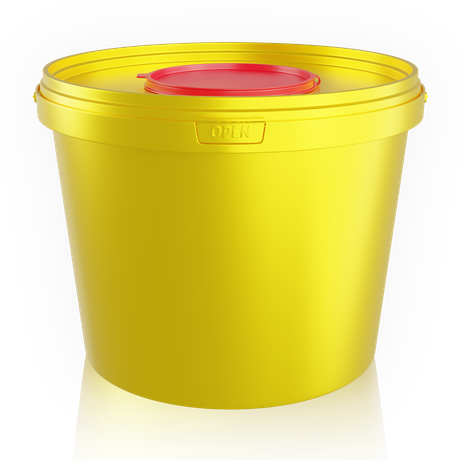
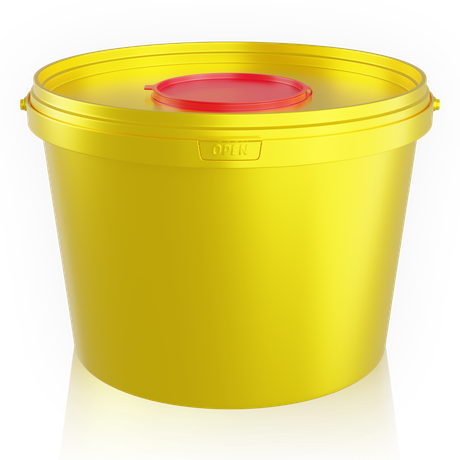
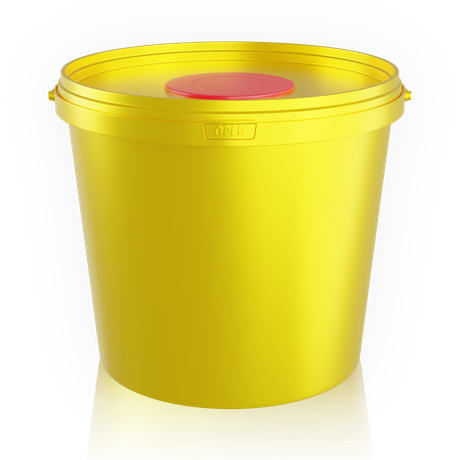
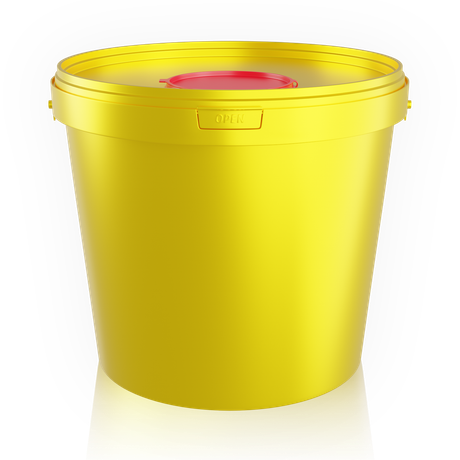
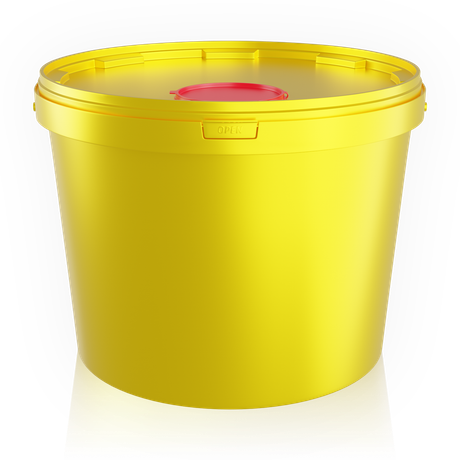
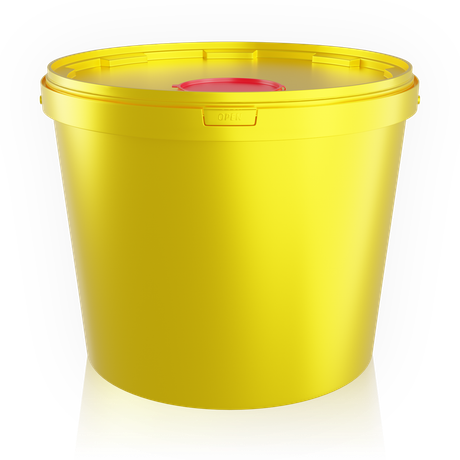
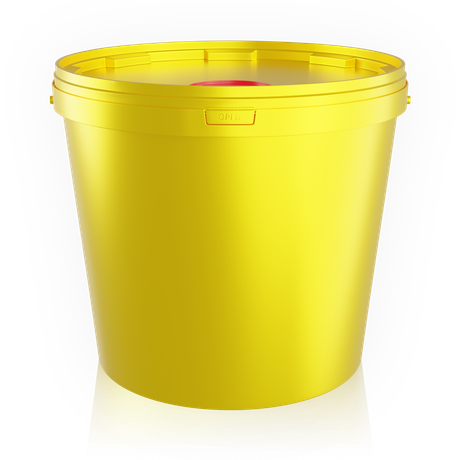
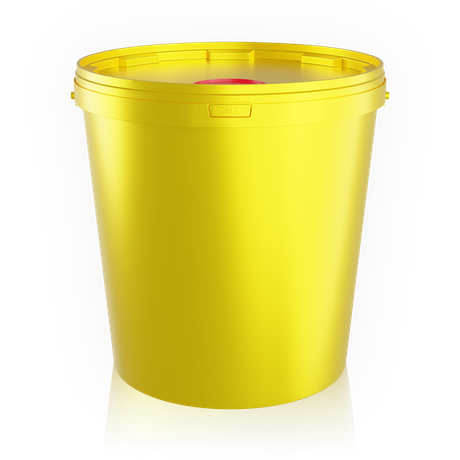
Yellow (Class B) and red (Class C) medical waste buckets (by Kyrgyz sanitary classification) for hospitals, outpatient clinics, and first-aid stations.
Packaging at the same scale: body width and height from the factory's product cards
Portions · PKS560
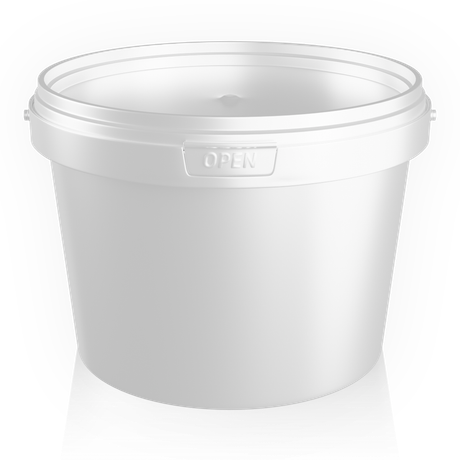
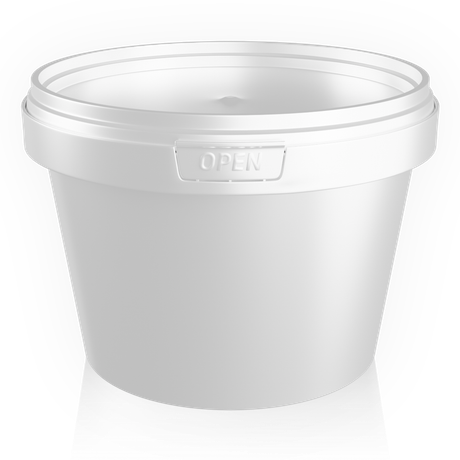
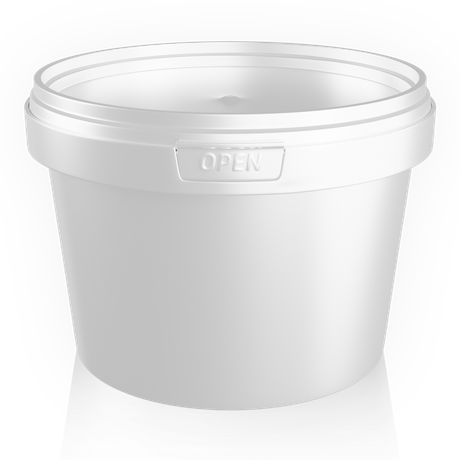
560 ml plastic bucket
Aktobe dairy shops: sour cream and kaymak from steppe farms; no handle, with side lugs.
Half the table is packaging for people who work far from town: meal portions, water, and cleaning products. The other half is for processors of steppe produce. If your business does both, say it runs a farm and feeds its own crew, your sales manager will put every item into a single estimate.
A site on the steppe is far from any store, and if your packaging runs out or proves impractical, you can't replace it quickly. That's why packaging for work camps and farms should have strength to spare and hold up on long hauls.
Work camp canteenThe 400 ml container weighs 16.5 g
Individually portioned lunches
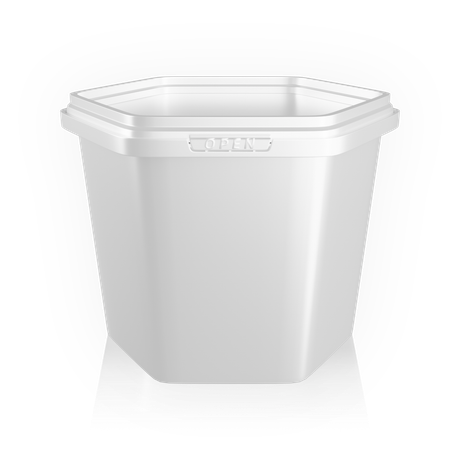
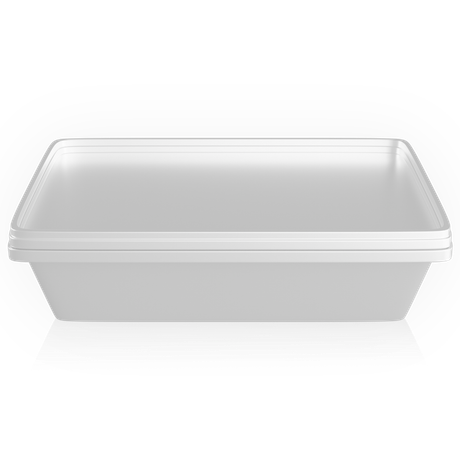
When a shift eats on site, meals are portioned into containers ahead of time. The 400 ml hexagonal container suits a salad or side dish, and the 750 ml flat tray a main course. Each portion has its own lid.
Water for the field
At 240 mm tall, the 5 L jerry can fits under a seat or in a vehicle's storage box. The handle is molded in one piece with the body, the cap screws on, and ribs at the base make the bottom stronger.
Meat from steppe farms
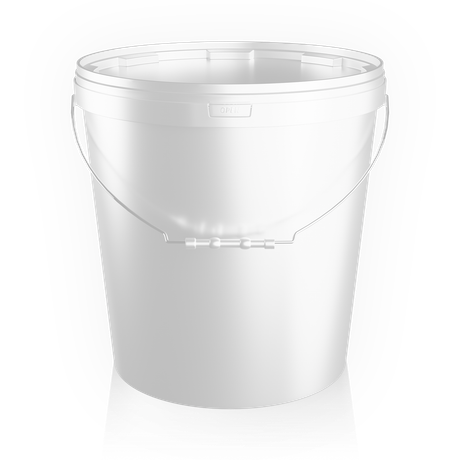
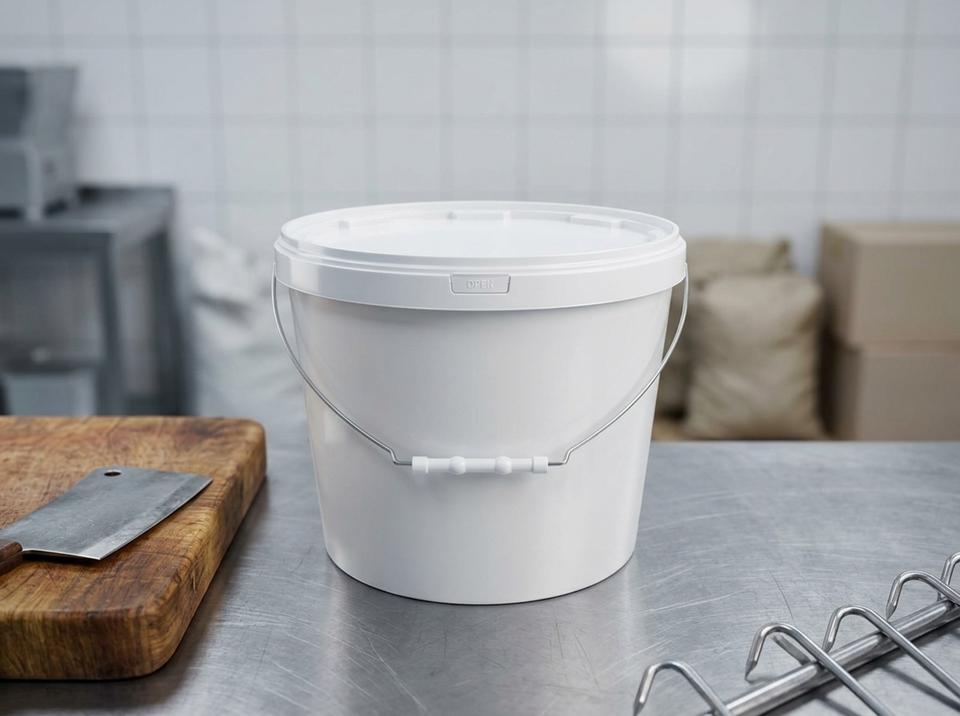
Beef and lamb from the region are marinated in large batches. The 11.5 L bucket with a metal bail handle and plastic grip takes the weight of meat and marinade, and its wide 295 mm opening lets you lay in the pieces without fuss.
Fewer trips to the site
Empty buckets nest inside each other, and so do containers. The truck that hauls food supplies to the oil field can carry packaging for the whole rotation without taking up half the cargo space. On site, the stack is unpacked as needed.
How to calculate
How much packagingto stock per rotation
For a work camp canteen, working out how much packaging you need is simpler than it looks: people per shift, times the number of packed meals, times the length of the rotation. Below is a step-by-step method that keeps you from running out of containers mid-shift. Round the total up: a spare stack of containers at the base costs less than a missed lunch on site.
Add water: divide the crew's daily allowance in liters by 5 or 10 to get the number of 5 L jerry cans or 10 L jerry cans per day.
Budget separately for cleaning products for the camp laundry and housekeeping; they're easy to keep in 15 L buckets.
Convert units into pallets: a pallet holds 180 of the 5 L jerry cans, 100 of the 10 L, or 816 of the 15 L buckets.
Shipment estimate
How much packagingfits in one delivery
Choose an item and quantity, and we'll show the pallet count, units rounded up to full pallets, total nominal capacity in liters, empty packaging weight, and the truck you'll need.
Straight-line distance. Click a city to open its page.
Packaging for Aktobe leaves our plant in Ak-Chiy village, Bishkek FEZ; HTI has no warehouse in Aktobe Region. Your order is palletized and shipped by a freight carrier within the EAEU, or you can send your own truck to the plant. Nested buckets and containers take up little space, and jerry cans travel on separate pallets. Your sales manager will confirm the arrival date and freight cost when processing your order. Caterers working on the oil fields find it convenient to schedule deliveries around crew rotations, so the next batch of packaging arrives before the current one runs out.
For main courses, the 750 ml flat tray; for salads and sides, the 250 and 400 ml hexagonal containers; and for soup, the round 385 or 550 ml. All are polypropylene with lids, and the empties store nested in stacks.
Crews and field teams use the 5 and 10 L jerry cans for water: they have a screw cap and a comfortable molded-in handle. For more on choosing one, see our page on water jerry cans.
For large batches, the 8 and 11.5 L buckets with a metal bail handle and plastic grip; for retail sales of ready-made marinade, the 2.3 or 3.8 L. The bucket closes with a flat lid that seats into a double rim.
Your sales manager prices each specific order based on the item mix, quantity, handle type, and printing. Call +996 222 600 292 and tell us how many people are on a shift and how long the rotation lasts.
No. We ship by the pallet directly from our plant in the Bishkek FEZ, within the EAEU. Your sales manager confirms delivery time and cost to Aktobe when you place the order.
Yes, buckets can carry a label or in-mold labeling (IML), where the image is fused into the wall during molding and won't wash off. Learn more about the technology on our IML printing page.
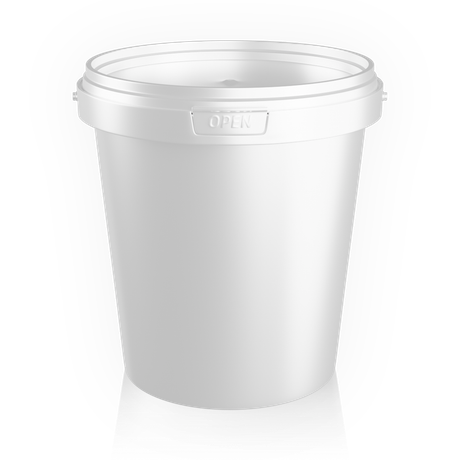
No, both have a 200 mm opening; the only difference is height: 176 and 137 mm. That's handy for a dairy farm selling sour cream and cottage cheese in two pack sizes, since both take up the same width in a display case.
Catalog
HTI catalogfor Aktobe and the region
The catalog lists every size of container, bucket, and jerry can, along with handle options and pallet quantities. For tips on choosing packaging for hot meals and catering, see our page on food delivery containers.
Tell us how many people are on a shift, how long the rotation lasts, and what you cook. Our sales manager will put together a set of containers, jerry cans, and buckets and convert it into pallets so your packaging lasts until the next delivery. If you serve several camps on different fields, list them all and we'll do a separate estimate for each.