Want to learn more about our packaging or find the right fit for your business? Request a callback, and our specialist will call you at a time that suits you. Tell us about your product, and we'll help you choose the best option.
Order a callback from a specialist
Want to learn more about our solutions or find the perfect solution for your business? Leave a request for a callback and our specialist will contact you at a convenient time. Together we will find the optimal solution to make your business thrive!
Request a callback from our HR team
Interested in our openings and career opportunities? Leave your contact details and our HR team will get back to you shortly. We'll answer your questions and explain how to join the HTI Group team.
Order a callback from a specialist
Would you like to learn more about our job openings and career opportunities? Leave your contact information, and our HR department will get in touch with you shortly. We will answer all your questions and provide detailed information on how to become part of the HTI Group team.
Mon-Fri, 9:00 AM-5:00 PM · Factory in the Bishkek Free Economic Zone, Ak-Chiy village
Mining town on the Tobol
Plastic bucketsin Lisakovsk
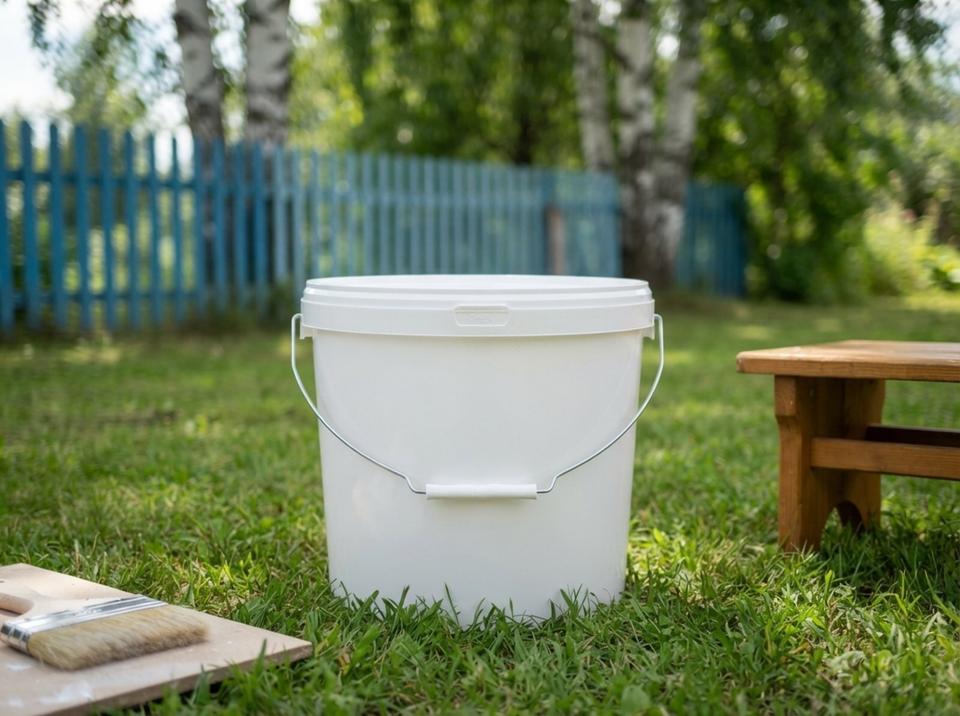
Lisakovsk stands on the Tobol River, and the town has two sides. One is iron ore mining, with its workshops, canteens, and workwear laundries. The other is life by the river: dachas, vegetable gardens, fishing, and the market. Both need buckets: for grease and cleaning products, for kitchen pickles, for dacha berries and preserves, for the day's catch, and for fence paint. All fourteen HTI sizes, from the smallest 560 ml to 21 L, arrive in Lisakovsk by the pallet straight from the factory.
Under each of the fourteen sizes, we note what it's used for in Lisakovsk: at the mine, in a canteen, at the dacha, or by the river. Each card links to the bucket's page with dimensions, empty weight, and photos.
Shops, the market, gifts from the dacha.
Berries, canteens, workshops, the catch.
Harvest, laundry, repairs, and painting.
Containers for dacha preserves, fish from the Tobol, and lunches sent out to the pit.
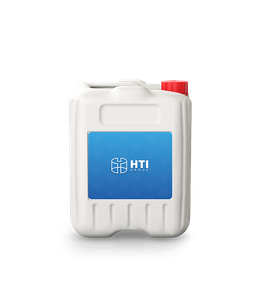
Jerry cans for laundry gel and water for the dacha.
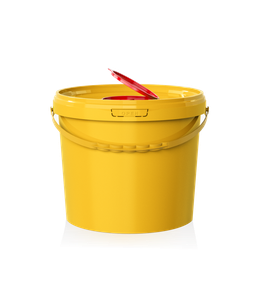
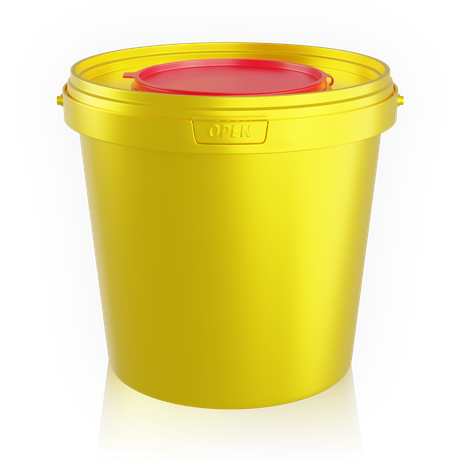
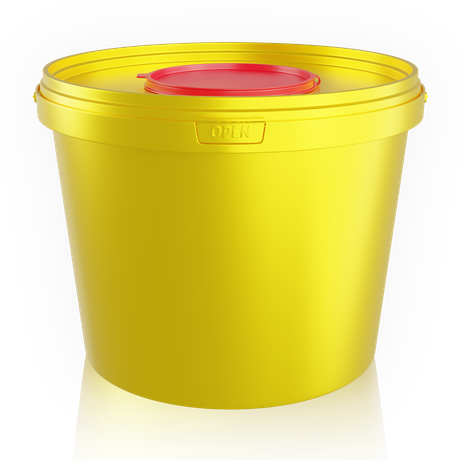
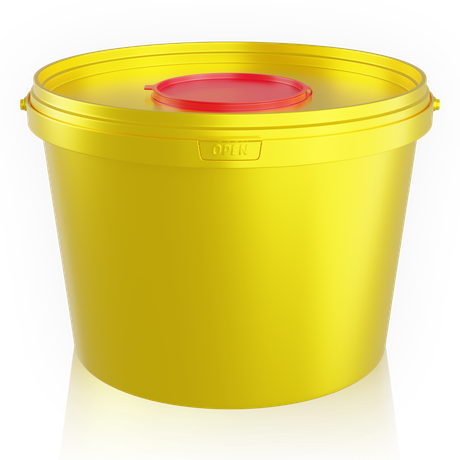
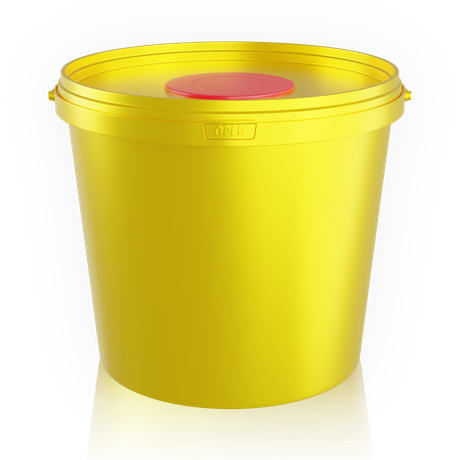
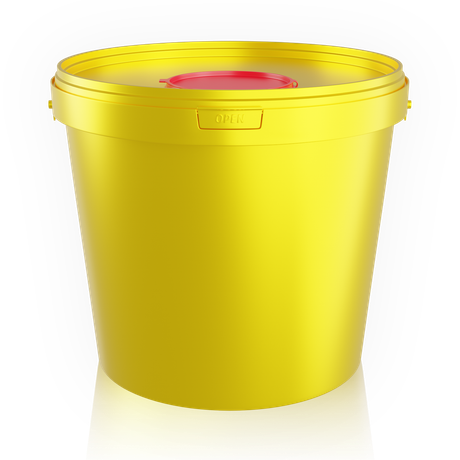
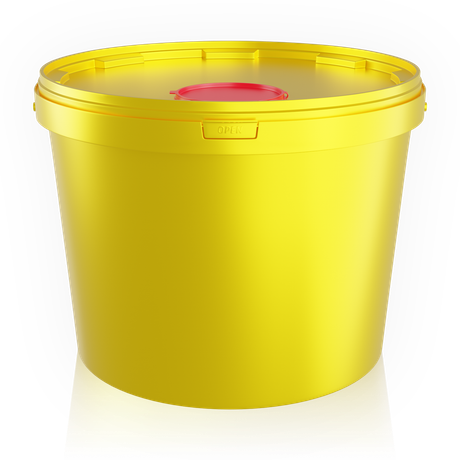
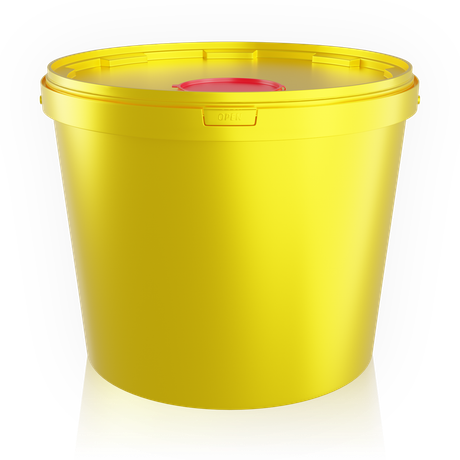
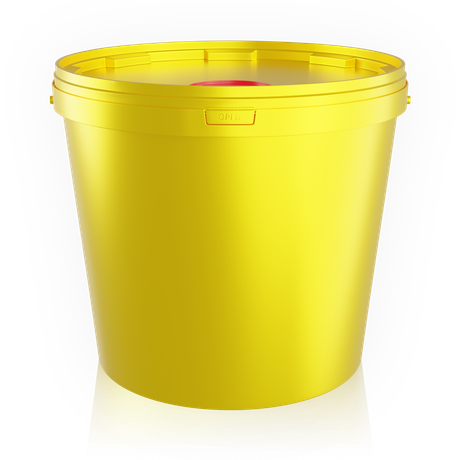
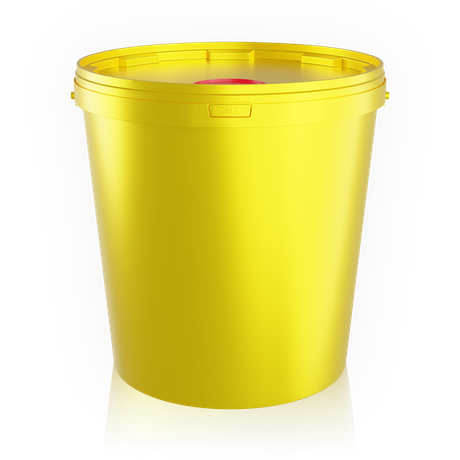
Yellow and red buckets for the hospital, the outpatient clinic, and the mine's first-aid station.
Packaging at the same scale: body width and height from the factory's product cards
Small · PKS560
560 ml plastic bucket
Cottage cheese and sour cream from regional farms for neighborhood stores in Lisakovsk.
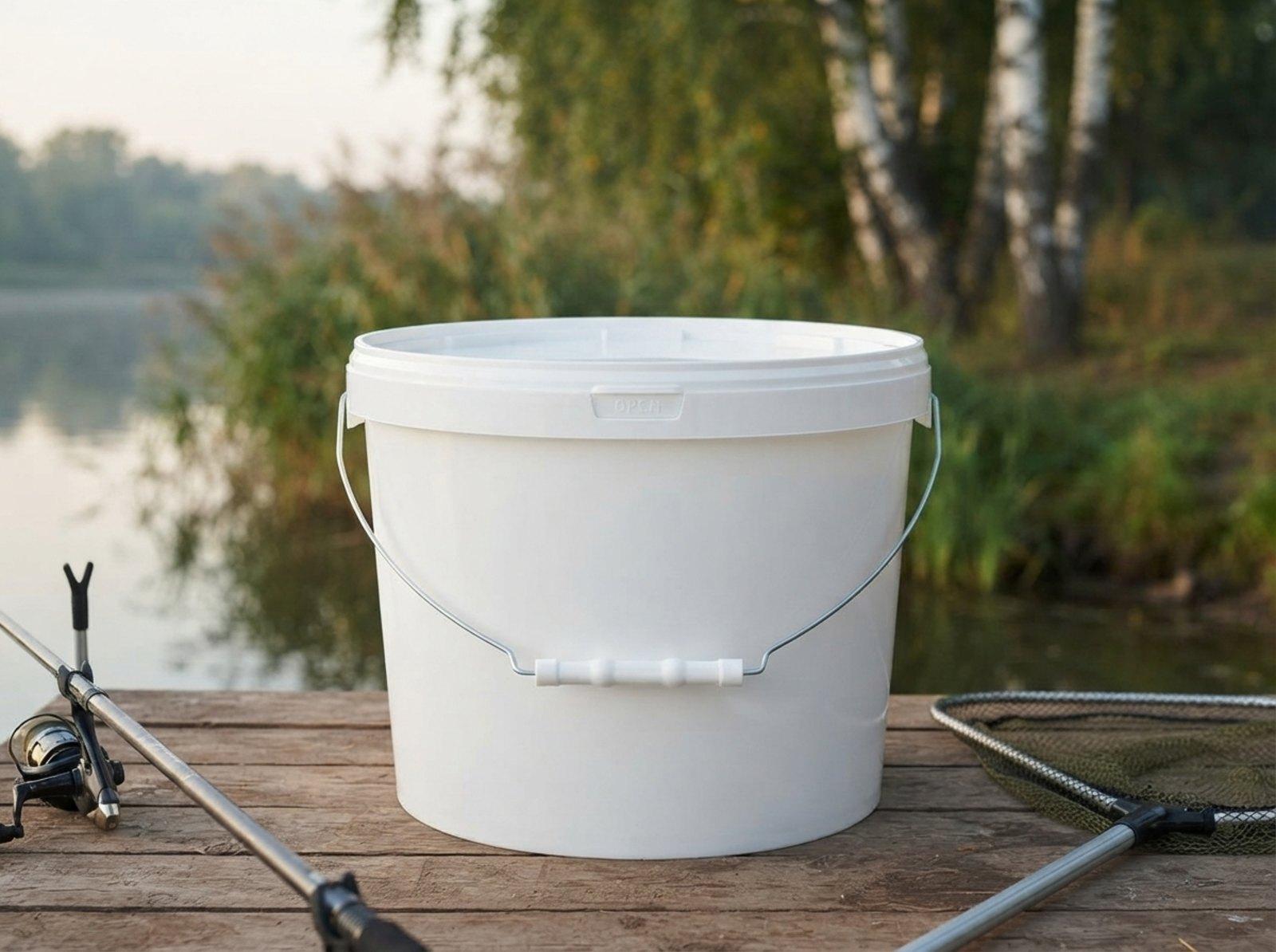
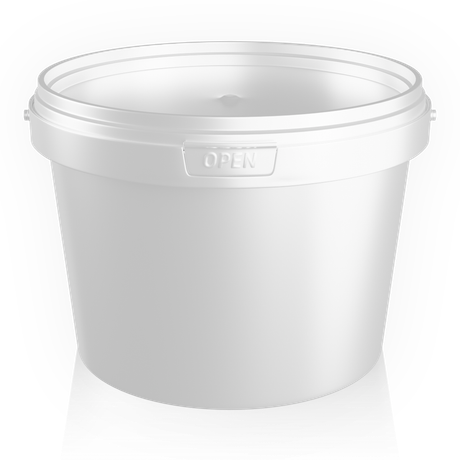
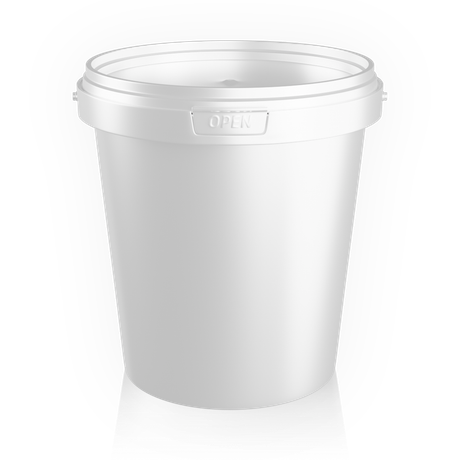
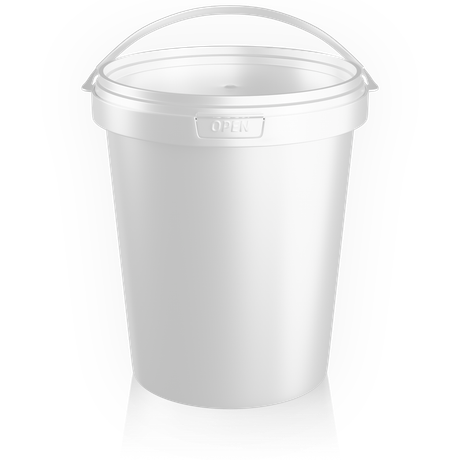
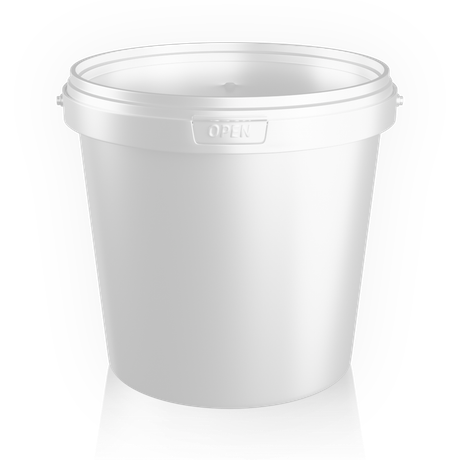
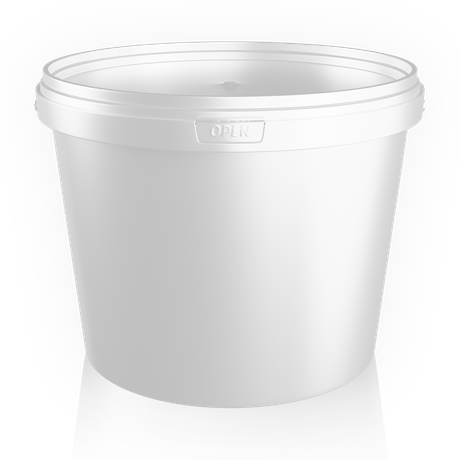
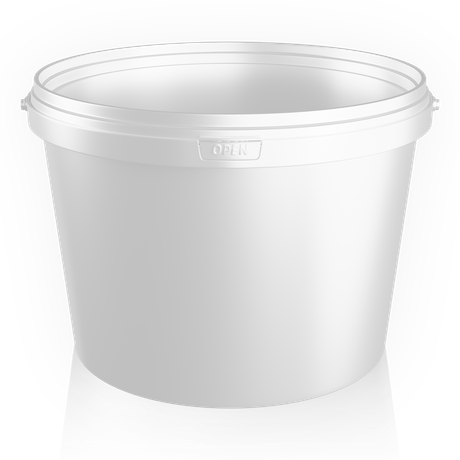
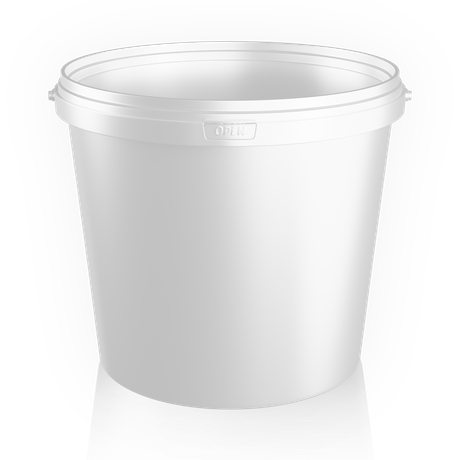
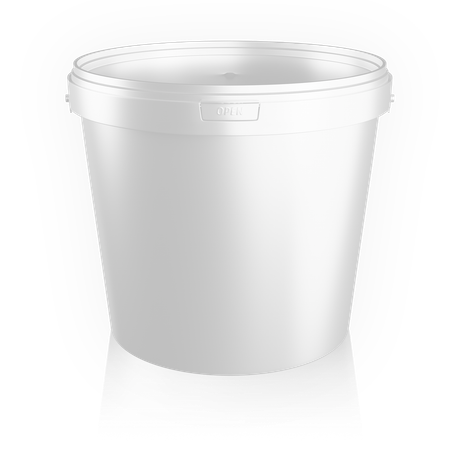
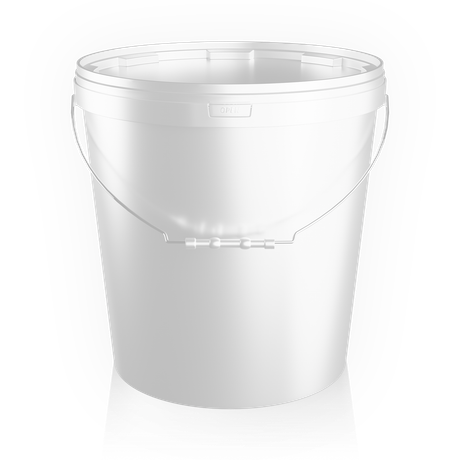
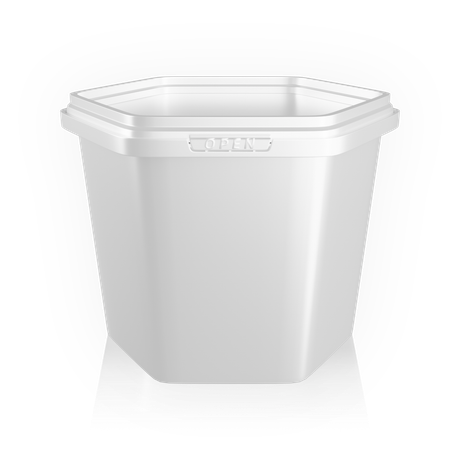
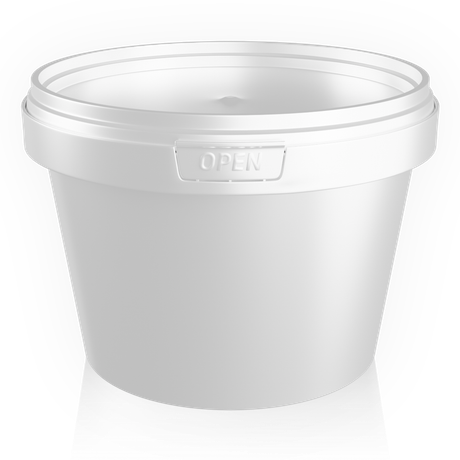
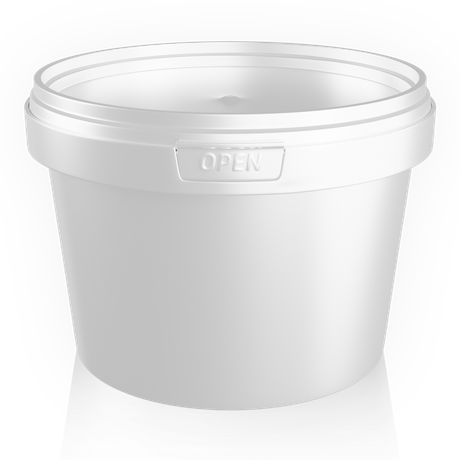
The buckets taper toward the bottom, so empty ones nest inside each other, and a supply at the dacha or in the mine storeroom fits on one shelf. Every flat lid snaps into a double rim, and the OPEN tear strip under the rim shows whether the bucket has been opened.
A year in Lisakovsk
Season by season:which bucket you need and when
In a river town, demand for packaging follows the calendar. Spring is for renovations, summer for berry picking and fishing, fall for pickling, and the mine and its services work year-round. The table shows which size you need when and how many buckets fit on a pallet.
It's best to plan summer and fall items ahead and order them together: 2.3 L buckets for berries and 11.5 L for pickles travel in the same truck. Build the mine's sizes into the annual plan so the supply doesn't run out mid-quarter.
Lisakovsk is small, but its bucket buyers are very different. Mining services count packaging in pallets and annual plans, a dacha owner buys a dozen buckets for the harvest, and an angler a couple for the catch. Here are the four groups and what matters most to each.
Dacha harvest3.8 L: 200 mm opening, clear wall
The mine and its services
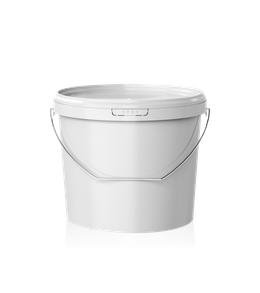
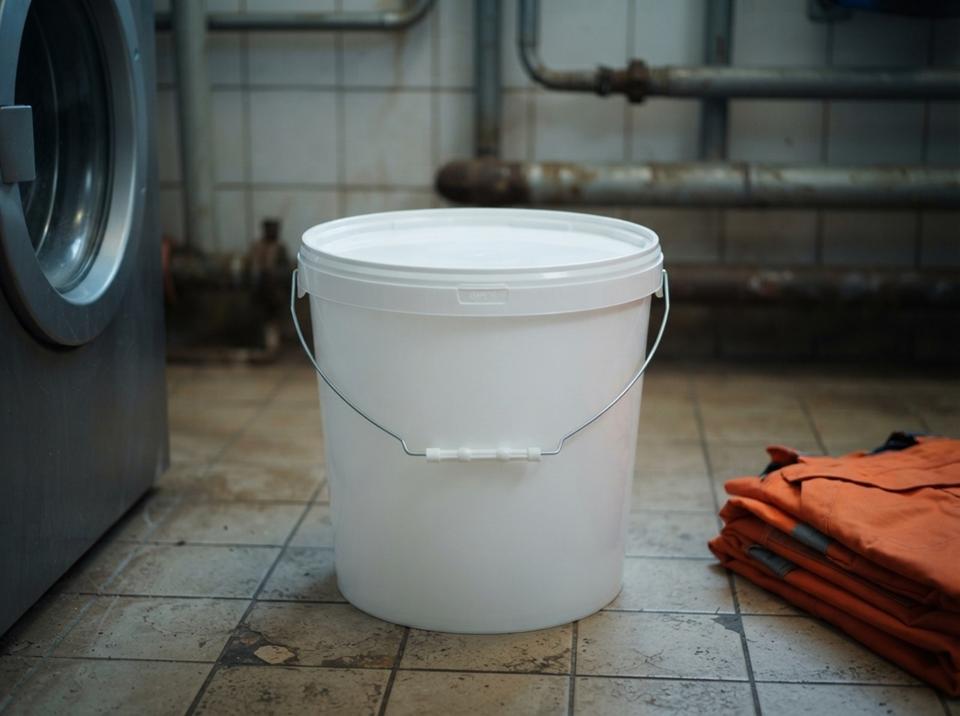
Workshops keep grease in 5.6 L buckets, locker rooms keep hand paste in 3 L, and the workwear laundry keeps powders and pastes in 15 L. The lid seated in the double rim keeps out ore dust, and the white body is easy to label with a marker.
Dachas along the Tobol
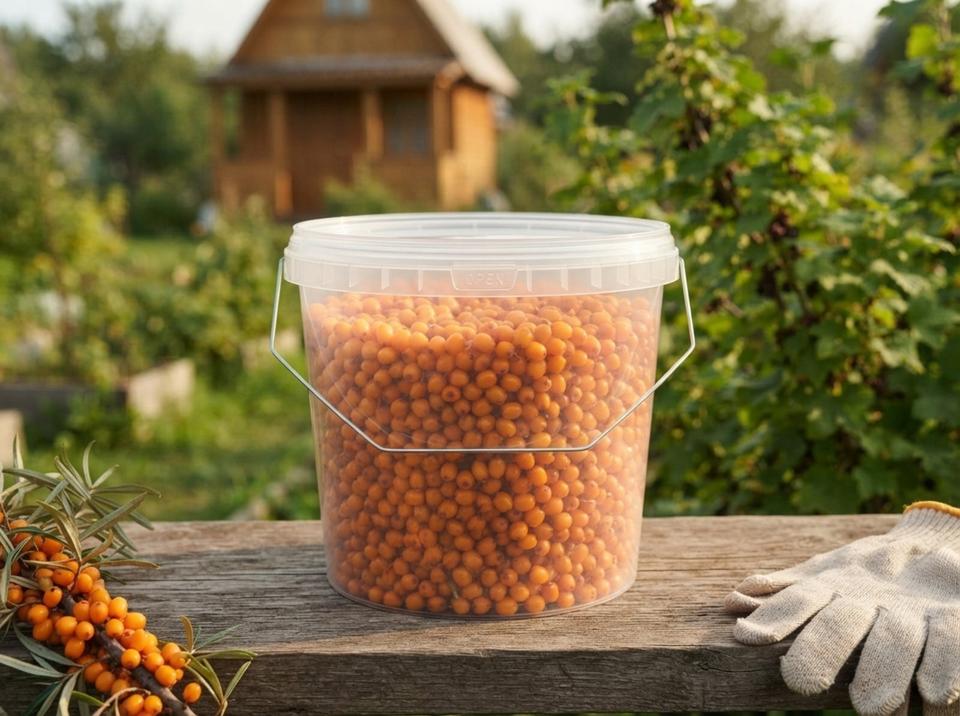
Sea buckthorn and currants are picked into clear 2.3 and 3.8 L buckets, and garden produce is carried in the 11.5 L, where the bail handle with a plastic grip spares your hand. Jam for selling to neighbors is easy to portion into 800 ml.
Fishing
The catch is salted in an 8 L bucket with a wide opening, and lightly salted fish keeps in the fridge in 850 ml. The lid keeps the salted fish covered on the way back from the river, and the empty bucket is washed and taken on the next fishing trip.
Canteens and stores
The mining company's canteens get salads and pickles in 3.8 and 11.5 L buckets. Neighborhood stores sell sour cream and cottage cheese in 560 ml and portions of sauerkraut in 900 ml.
Calculation
How many palletsLisakovsk will need
Choose a size and the number of buckets, and the calculator converts them into pallets. Take a mining company canteen: for fall pickling, it orders 1,700 of the 11.5 L buckets, which is already three pallets, since one holds 816. A dacha cooperative buying 2,000 of the 2.3 L buckets for everyone's berries needs just one pallet.
Item
BucketsContainersJerry cansMedical buckets
How many pieces you need
pcs
Pallets can't be split, so the calculator rounds up.
Buckets for the mine and for dacha owners can ship in one truck.
Jerry cans don't nest, so they have their own pallet quantity.
How to order
From your callto pallets in Lisakovsk
Buckets are sold direct from the factory in orders of one pallet or more. The process is the same for a mine service, a canteen, or a dacha cooperative: four steps, and almost everything is settled in your first conversation with a sales manager.
1
Call or email
Tell us the product or material, bucket size, quantity, and delivery address. If you want a logo on the wall, mention it right away.
2
Price and pallets
Your sales manager will choose the handle and color, calculate the pallets, and quote the order price including freight to Lisakovsk.
3
Order assembly
At the plant in the Bishkek Free Economic Zone, we assemble the pallets. If you need a logo, you first approve the IML artwork, and then molding begins.
4
Shipping
A freight carrier delivers the pallets to Lisakovsk, the shipment is handled as trade within the EAEU, and you receive the documents for the buckets together with the pallets.
Straight-line distance. Click a city to open its page.
Orders for Lisakovsk ship from the HTI plant in the Bishkek Free Economic Zone, Ak-Chiy village. HTI has no warehouses in Lisakovsk, Rudny, or Kostanay. A freight carrier delivers the pallets to the Tobol, and the shipment is handled as trade within the EAEU. Your sales manager quotes the freight cost and transit time together with the bucket price.
Pickup is also an option: you can collect the pallets with your own truck straight from the factory warehouse. Orders from neighbors in Rudny and Kostanay can sometimes go in a single run, so ask about it when you send your request.
Dacha owners and canteens should order buckets for berries and pickles before summer, and builders before the finishing season starts. Mine services usually buy on an annual plan and receive their orders on a schedule.
Receiving the delivery is easy, pallet by pallet: each model is stacked separately, the buckets are nested, and the OPEN tear strip on every lid is intact.
Kostanay Region
Nearbyand across the country
Nearby towns
Pages for the region and nearby towns, with buckets matched to local businesses.
In Lisakovsk, the same bucket is used at both the mine and the dacha. Choose the version based on where the bucket will work and who will see it: a storekeeper, a cook, a market shopper, or a dacha neighbor.
Clear for berries
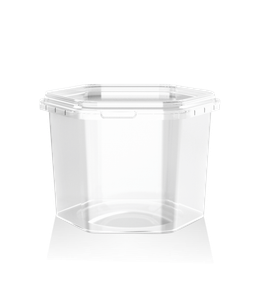
Sea buckthorn, currants, and jam look better through the wall than with any label. Every size in the lineup comes with a clear body.
White for the mine
Grease, paste, and powders go in a white body: dirt shows on it, and marker labels are readable from a distance.
Bail handle with plastic grip
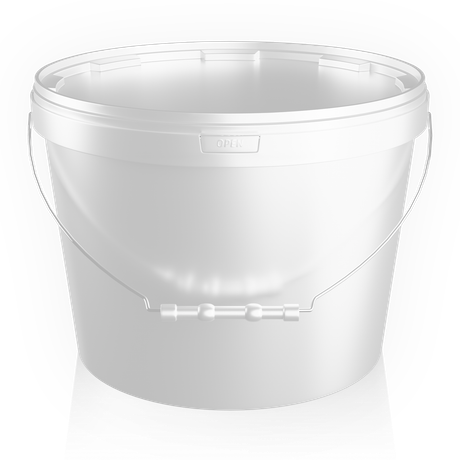
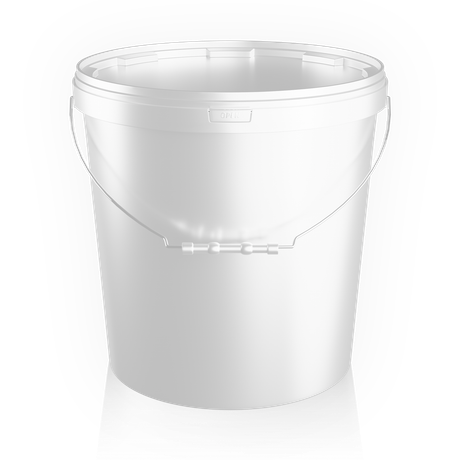
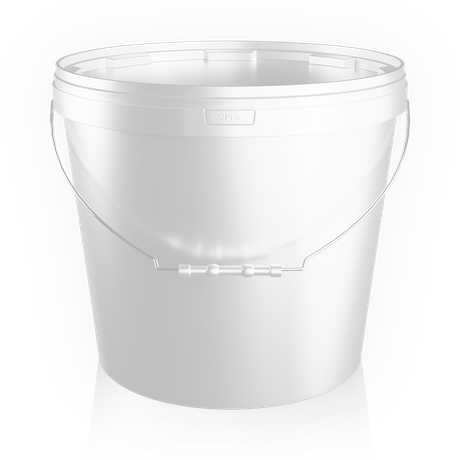
Buckets from 8 L up have a metal bail handle with a plastic grip, so a full bucket of produce or fish won't dig into your palm.
Your canteen or plant brand
A canteen or plant name can go on as a label, and for a regular product you can order IML: the image becomes part of the wall and won't wash off.
Questions and answers
Questionsfrom buyers in Lisakovsk
Didn't find your answer?A sales manager replies Mon-Fri, 9:00 AM-5:00 PM, Bishkek time
Buckets for Lisakovsk are sold by the HTI plant itself, in orders of one pallet or more. Call our sales team at +996 222 600 292: tell us what you'll store, and a sales manager will suggest the right sizes.
Your sales manager calculates the price based on size, quantity, handle, color, and printing. Freight to Lisakovsk is included in the same quote.
A freight carrier: the buckets travel on pallets, and the shipment follows EAEU rules. Your sales manager confirms transit time and delivery cost when you place the order, and you can also collect the pallets from the factory with your own truck.
No, HTI has no warehouse in town. Every order is put together specifically for you at the plant in the Bishkek Free Economic Zone, Ak-Chiy village.
The 8 L works well: a 276 mm opening that takes whole fish and a bail handle with a plastic grip. For a small catch, the 5.6 L is enough. Learn more on our buckets for fish and caviar page.
Clear 2.3 and 3.8 L buckets: the berries show through the wall, and the lid keeps out dust. See our buckets for berries page for details.
Yes, for grease, mines use the 5.6 L in workshops and the 21 L in storage. If the formulation is unusual, test its compatibility with polypropylene on a trial order first.
Yes, with a label or with IML. For a canteen's or plant's regular product, IML is the better choice: the design doesn't wear off during washing.
Catalog
Bucket catalogfor Lisakovsk
Dimensions, weights, and photos of all buckets are in the catalog. General terms for the region are on the Kostanay Region page, the neighboring mining town is covered on the packaging for Rudny page, and the regional capital on the packaging for Kostanay page.
Tell us what you'll store, how many buckets you need, and for which season. Your sales manager will choose the sizes, calculate the pallets to Lisakovsk, and suggest which items are more cost-effective to ship together in one truck.