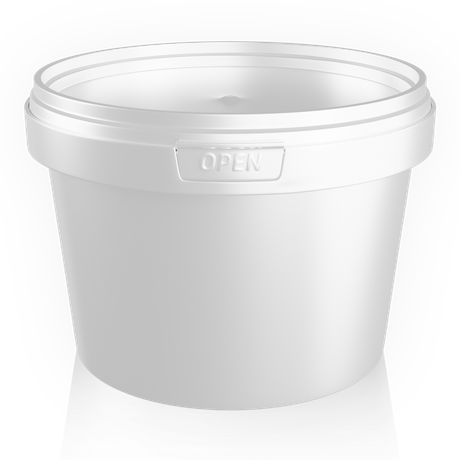
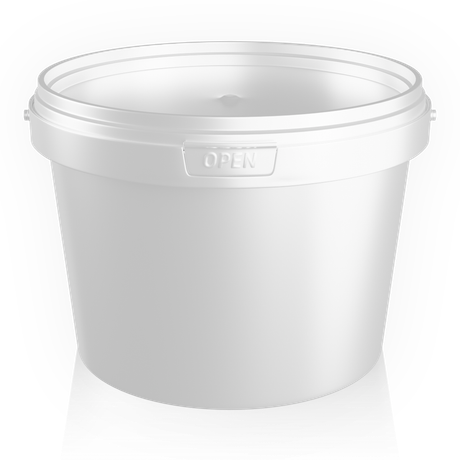
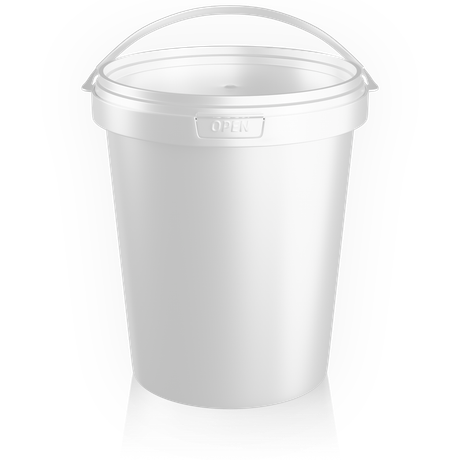
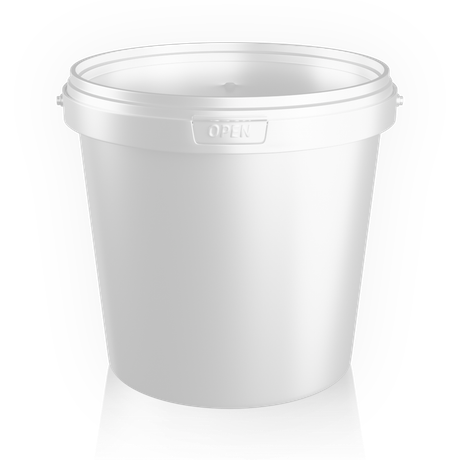
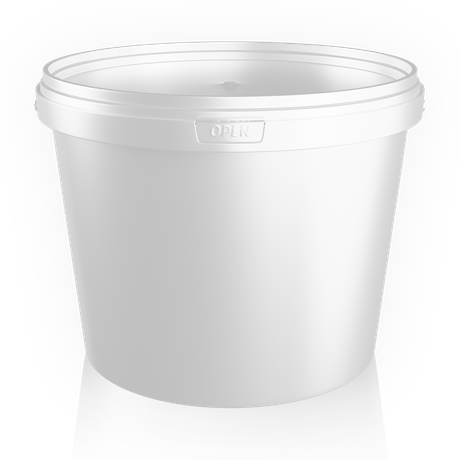
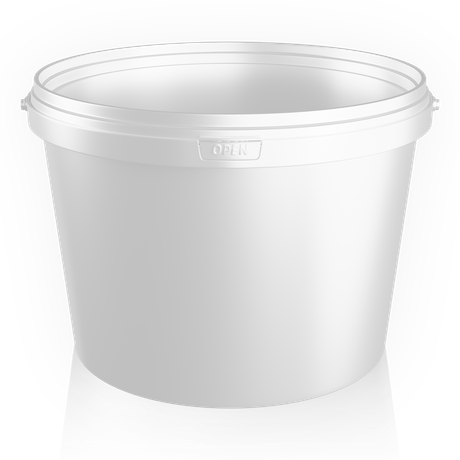
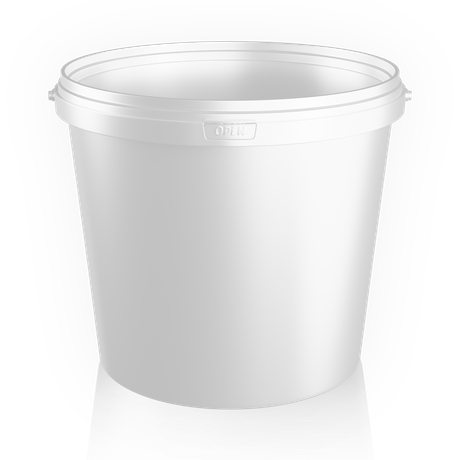
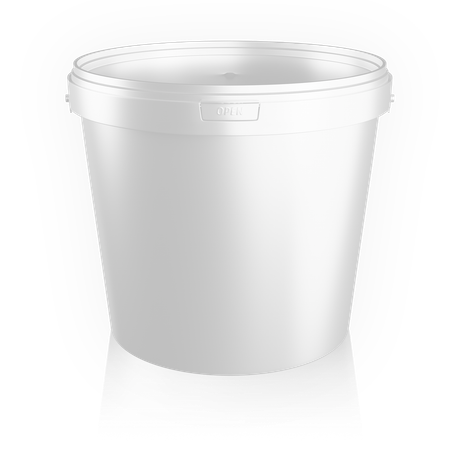
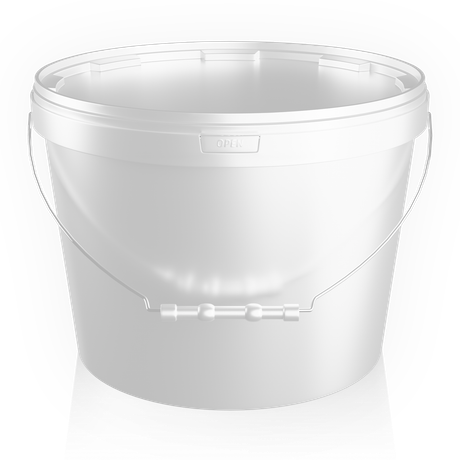
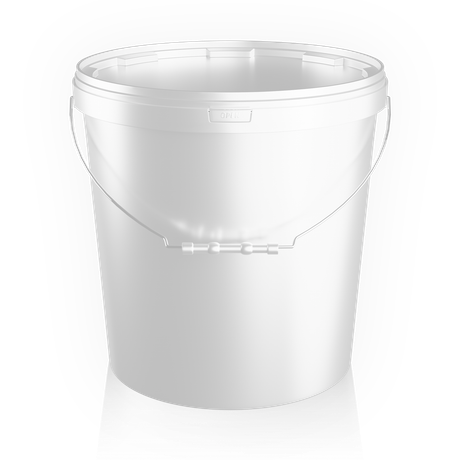
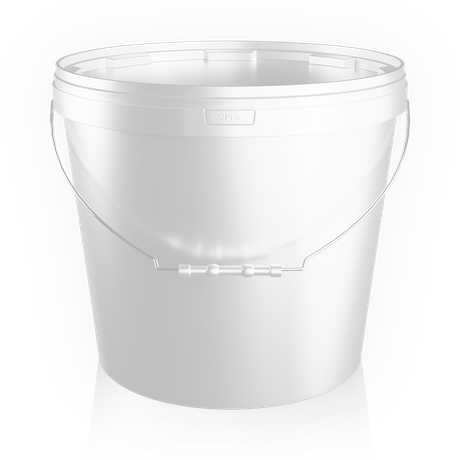
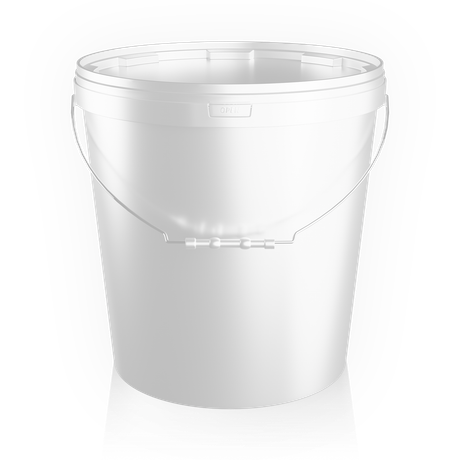
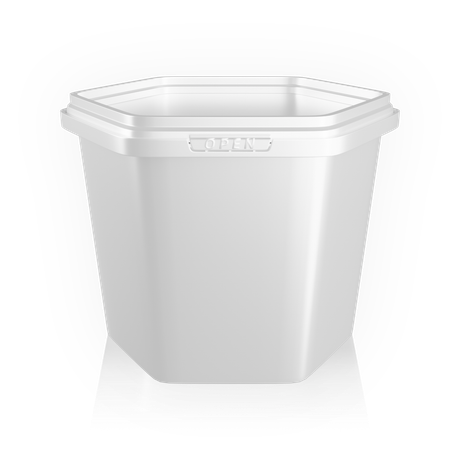
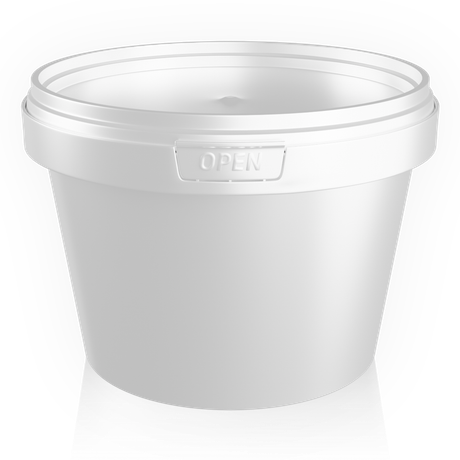
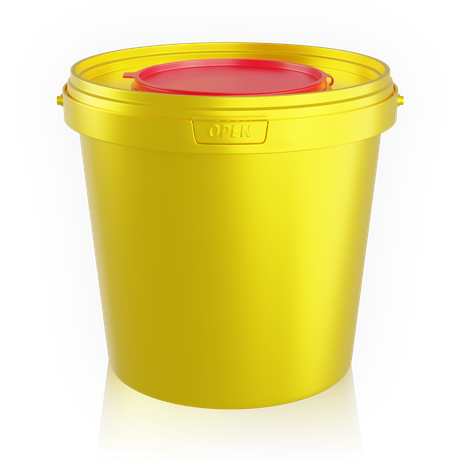
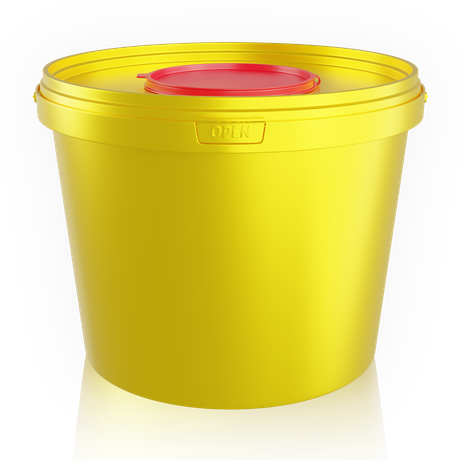
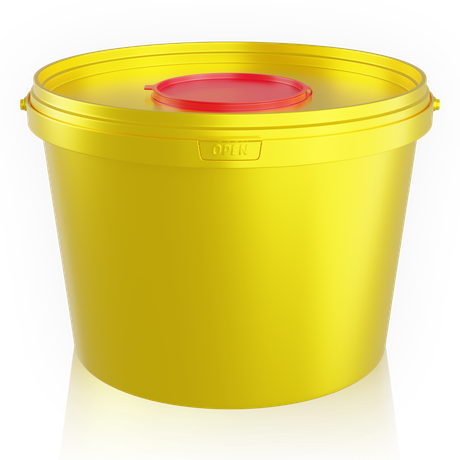
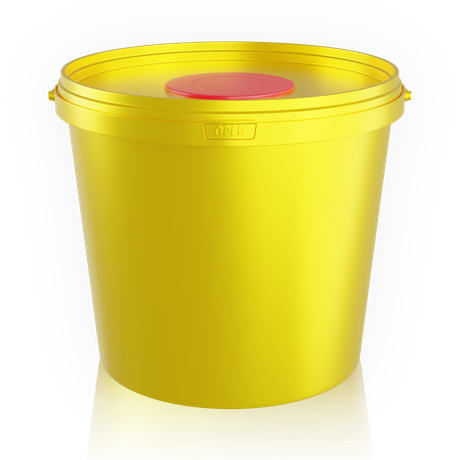
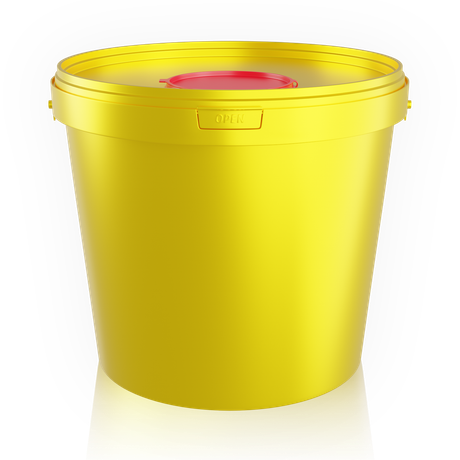
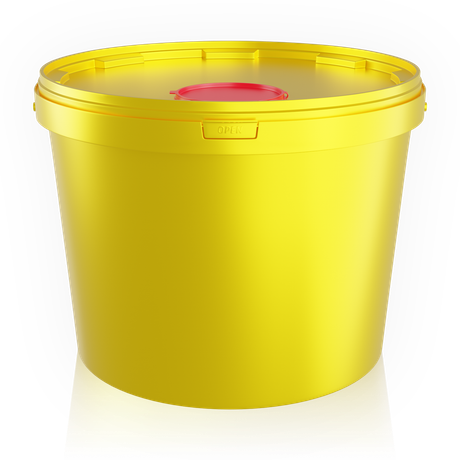
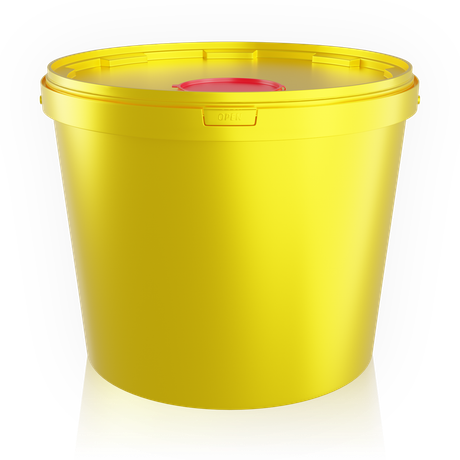
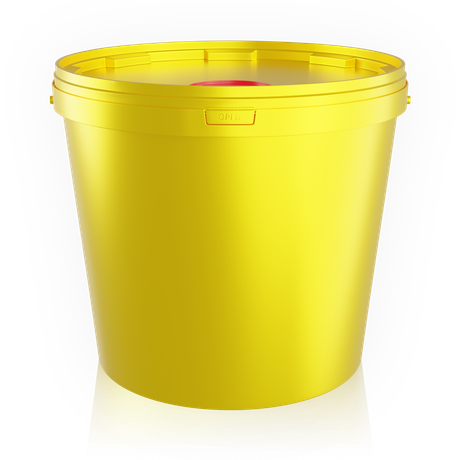
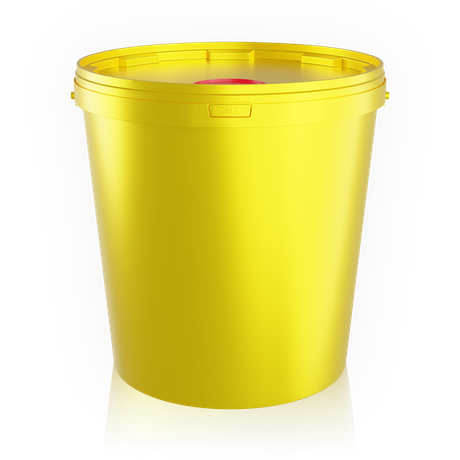
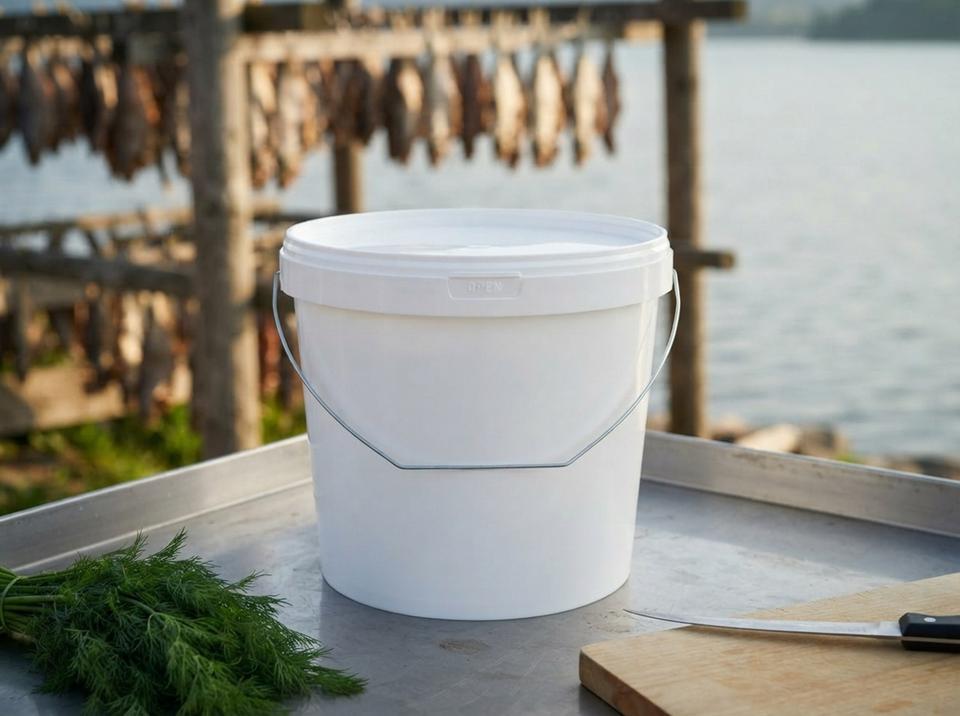
560 ml plastic bucket
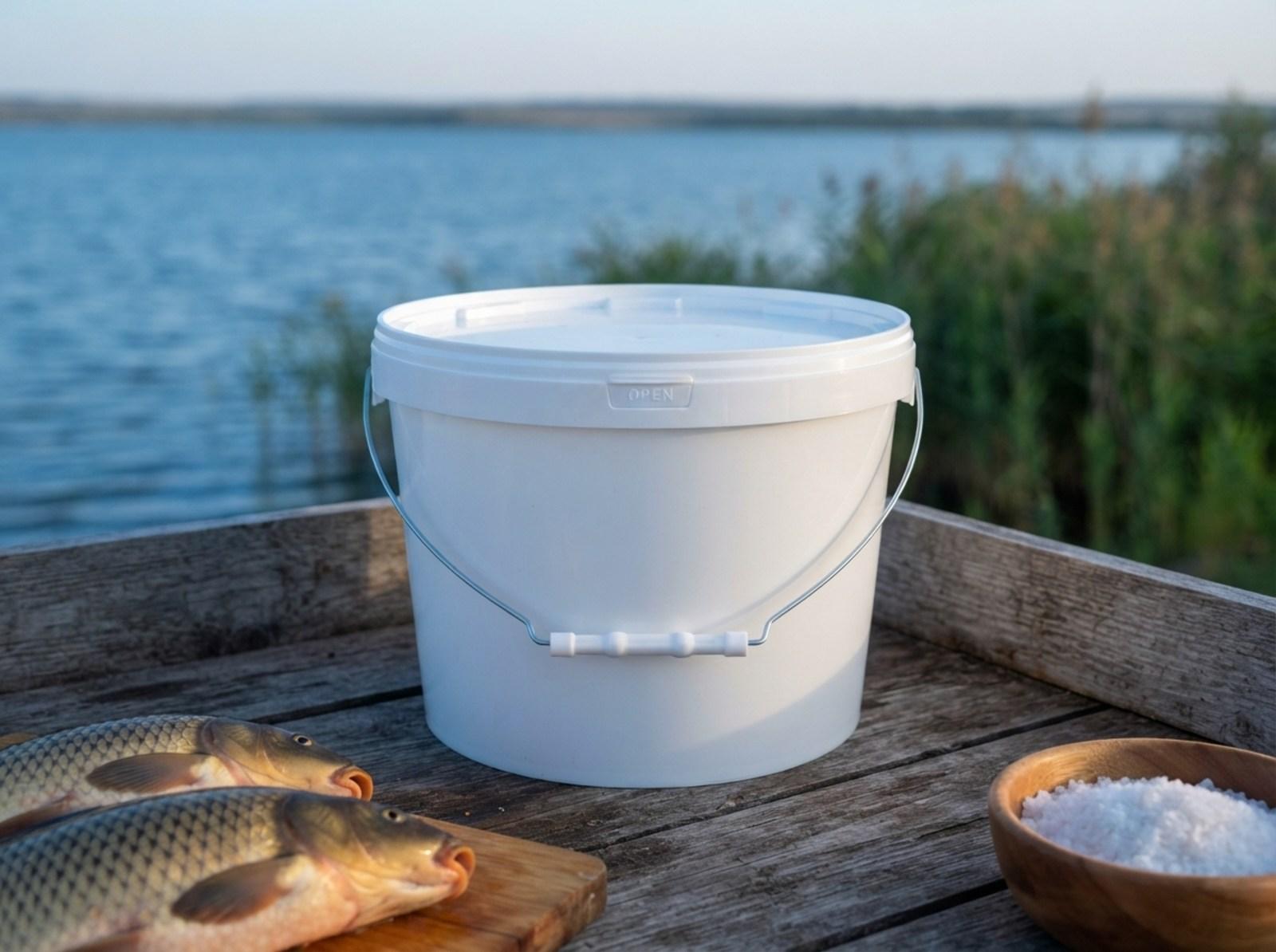
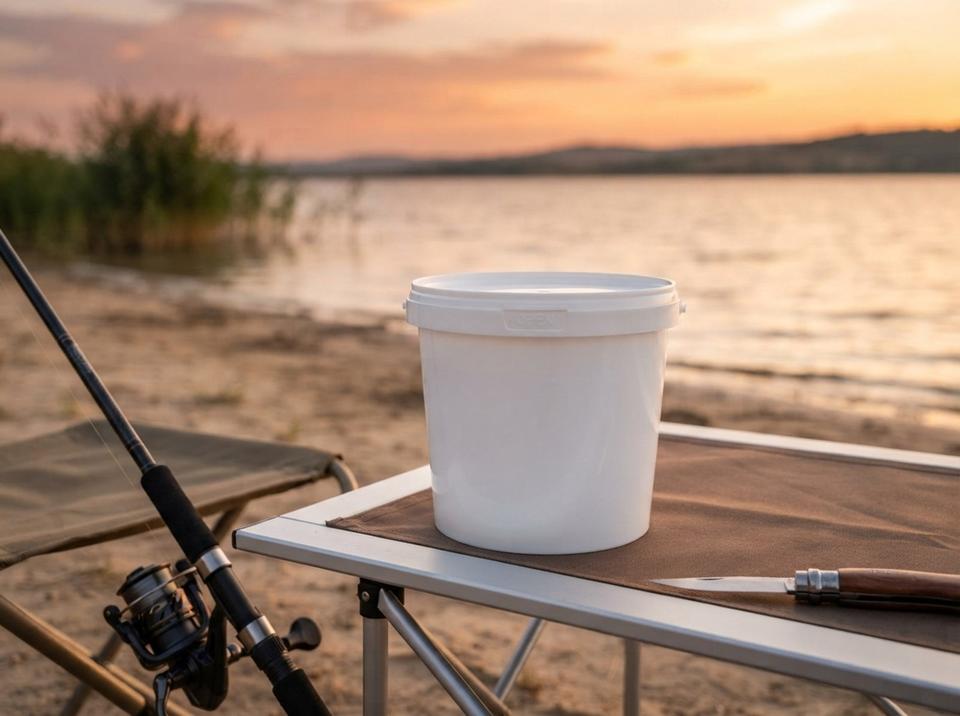
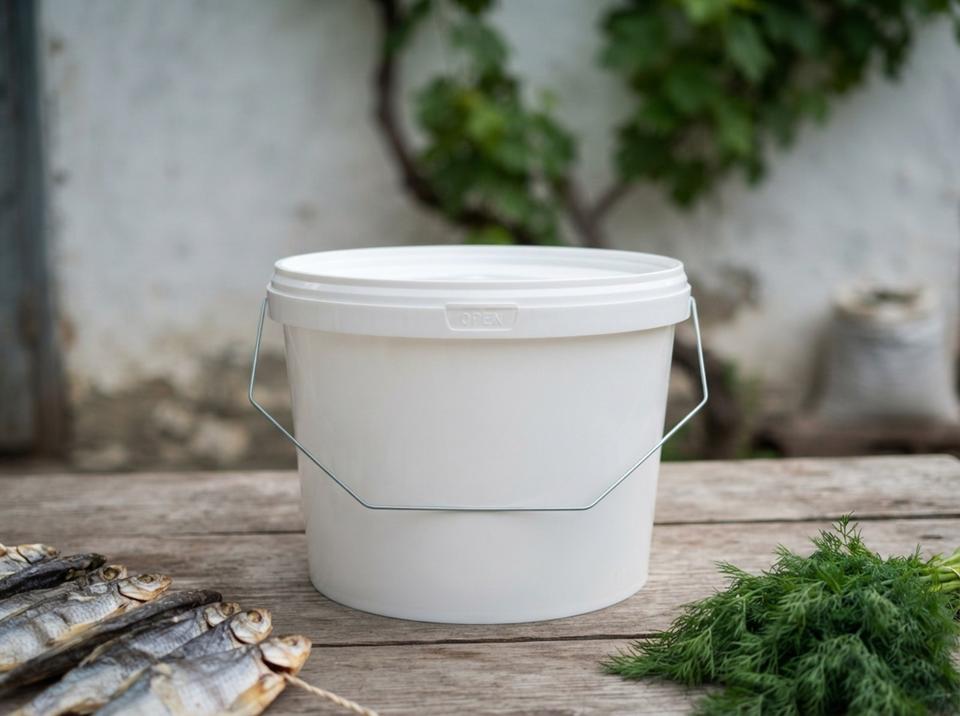
Lightly salted roe for the market counter: a small bucket with no handle, with the OPEN tear strip intact until purchase.
- Opening
- Ø 118 mm
- Height
- 80 mm
- Empty weight
- 23 g
- Per pallet
- 7,200 pcs
Plastic buckets14 sizes · 560 ml to 21 L
Medical buckets9 sizes · 1 to 21 L
Food containers5 formats · 250 to 750 ml
Plastic jerry cans5 L and 10 L
Plastic buckets16 models, 560 ml - 21 L
Medical buckets10 models, 1 - 21 L
Food containers5 models, 250 - 750 ml
Plastic canisters5 and 10 L
塑料桶16 个型号,560 毫升 - 21 升
食品容器5 个型号,250 - 750 毫升
塑料方桶5 升和 10 升Hello! We'll suggest the right size for your product, calculate pallets, and quote a price for your order.
Shardara sits on a large reservoir on the Syr Darya, and the town's main product is fish: it's salted, air-dried, marinated, and sold locally and to travelers. Rice paddies and melon fields surround the town, and recreational anglers come to the shore. For all of this, HTI makes food-grade buckets with lids in 14 sizes, from 560 ml to 21 L, and ships them to Shardara by the pallet. Below you'll find bucket picks for fish, rice, and recreation on the water, an order calculator, and how to order.
Shardara, Turkestan Region: buckets across the region

In Shardara, a bucket's main job is fish: it's used for salting, hauling, and selling. But the town also has rice, melons, and cafes for vacationers. Under each size, you'll find its local job.
Roe, bait, and single servings for shoppers.
Salt-cured fish, marinades, and cafe prep.
Large lots of fish, rice, and feed.
Containers for the fish stalls, shoreside cafes, and beach vendors.
Jerry cans for cooking oil in kitchens and drinking water on the shore.
Yellow and red buckets for the district hospital, rural outpatient clinics, and first-aid posts by the water.

Lightly salted roe for the market counter: a small bucket with no handle, with the OPEN tear strip intact until purchase.

Bait and bloodworms for recreational anglers: a small bucket with a plastic handle to carry down to the water.

Groundbait for fishing the reservoir, sold retail: a compact bucket with no handle that fits in a backpack.

Sauce for fried fish at shoreside cafes: the molded-in handle is cast in one piece with the body.

Marinated fish pieces for vacationers taking a treat home: the handle makes it easy to carry on the road.

A clear bucket of fish marinated with onions for the fish stalls: shoppers can see the product.

Dried fish on the fish stall counter, with a lid that keeps out flies and dust.

Cooked rice and salads for cafes by the reservoir: a ladle fits easily through the 200 mm opening.

Spice-cured fish in small batches: the metal bail handle takes the weight of a bucket full of brine.

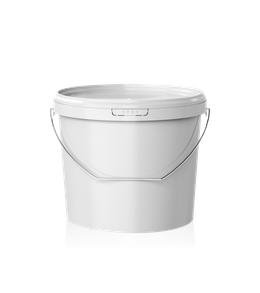
The go-to size for salting the catch: a 40 g bail handle with a plastic grip, and a comfortable weight to carry in one hand.

Large salt-cured fish for wholesalers: the 295 mm top lets big pieces go in easily.

Fresh catch from the boat to the salting shop: a bucket with a metal bail handle and plastic grip.

Rice from local paddies for cafes and canteens, with a lid that keeps the grain dust-free.

Feed for poultry and livestock in villages along the shore: the largest bucket in the lineup.

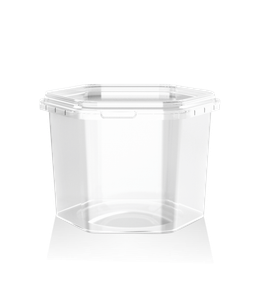
Shoreside cafes on the reservoir serve zander hye (Korean-style marinated fish) by the portion in a 250 ml hexagonal container that weighs 13 g.

Sliced smoked bream is sold to beachgoers in round 385 ml containers: the flat 54 mm body fits neatly in a cooler bag.

Ground zander for fish patties, for home cooks shopping at the Shardara market: the 400 ml hexagonal container, 17,600 per pallet.

Melon and watermelon slices from nearby fields are sold on the reservoir beach in round 550 ml containers with no handle, with the lid keeping out sand.

Fried carp with rice to go from a cafe by the dam: in the 122×173 mm flat tray, the fish lies in one whole piece.

Shoreside cafes buy vegetable oil for frying fish in 5 L jerry cans: molded-in handle, 240 g empty.

Recreational anglers bring a weekend supply of drinking water to the reservoir shore: a 10 L jerry can with a screw cap.

The first-aid post at the Shardara hydropower plant: an injection for the operator on shift, with the syringe going into a 1 L bucket and the needle into the lid valve.

The lifeguard station and beach first-aid post on the reservoir: in summer they treat scrapes and burns, and cotton wool and gloves go into a yellow 2.3 L bucket.

The treatment room at the Shardara outpatient clinic: after an injection, the syringe goes into a 3 L bucket, Ø200×137 mm, and the valve holds back the needle.

The emergency department at Shardara District Hospital: gurneys are disinfected with wipes from a 3.8 L bucket, and the lid with a 75 mm opening keeps the roll covered.

The district hospital surgeon during the fishing season: a hook in the palm, a knife cut while cleaning fish. After the anesthetic shot, the syringe goes into a yellow 5.6 L bucket and the needle stays in the valve.

Shardara's infectious disease ward in summer: Class C waste (by Kyrgyz sanitary classification) goes into a red 11.2 L bucket, which is carried out closed by its plastic handle.

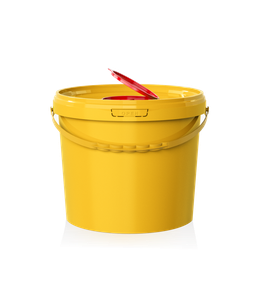
Outpatient clinics in the rice-growing villages of Shardara District: waste from appointments and dressings goes into a yellow 11.5 L bucket, 307 g empty.

The maternity ward at Shardara District Hospital: an 18 L bucket stands on each floor, and the 526 g body is carried out by its plastic handle.

Shardara is far from the big cities, so between waste collection runs the hospital keeps closed 21 L buckets, 620 g empty.
Fish packaging needs the basics: a tight lid, a wide opening, and easy washing. On every HTI bucket, the lid seats into a double rim, and empty buckets nest inside each other for stacked storage.
In Shardara, fish travels from the boat to the buyer, and each step needs its own bucket. The table follows that path, ending with rice for cafes. Start with the row closest to your business and check the ones around it: a fish salter often needs both large buckets for wholesale and small ones for the fish stalls.
| Stage | Product | Volume | Per pallet | Guide |
|---|---|---|---|---|
| From the boat | fresh catch | 15 L | 816 | fish processing |
| Pickling | spice-cured fish | 8 L | 840 | fish and caviar |
| Wholesale | large salt-cured fish | 11.5 L | 816 | pickles and salt-curing |
| Fish stalls | dried fish | 3 L | 2,800 | food-grade buckets |
| Counter | lightly salted roe | 560 ml | 7,200 | tamper evidence |
| Shore | groundbait for fishing | 850 ml | 7,200 | small buckets |
| Cafe | rice from local paddies | 18 L | 600 | dry goods |
The best-selling size for fish is 8 L: a bucket of fish and brine is still easy to carry in one hand, and 840 fit on a pallet. For wholesale lots, salters switch to 11.5 L, and for retail, to clear 2.3 L buckets.
This waterside town buys packaging for the catch, for salting, for rice, and for recreation. Four groups of buyers means four different sets of sizes. What they share: the product is either wet or loose and dry, so the bucket has to close tightly and wash out easily.

The catch comes off the boat in 15 L buckets with a bail handle and plastic grip, gets salted in 8 L buckets, and goes to wholesalers in 11.5 L buckets for large lots. See our page on packaging for fish processing for details.
At the market, marinated fish is sold from clear 2.3 L buckets, dried fish is kept under a lid in 3 L buckets, and roe is packed in 560 ml buckets with an OPEN tear strip.
Cafes and canteens store rice from local paddies in lidded 18 L buckets. Melon growers use 21 L buckets for fertilizer and 11.5 L for picking.
Recreational anglers buy groundbait and bait in small buckets, while shoreside cafes keep prepped food in 3.8 and 5.6 L buckets. To go with fried fish, the kitchen will also want sauces in 900 ml buckets.
Enter the number of buckets you need and choose a size, and the calculator shows the pallets right away. A fish salter in Shardara who orders 1,600 of the 8 L buckets for the season needs two pallets. A fish stall ordering 4,000 clear 2.3 L buckets also needs just two.
Buckets are sold in orders of one pallet or more, direct from the factory. The steps are the same for a salter, a cafe, or a fish stall, and a request that names the product and quantity up front moves fastest.
Name your product: fresh catch, salted fish, roe, or rice. Add the sizes, quantity, and a delivery address in Shardara or the district.
Your sales manager will pick the buckets, convert units into pallets, and quote the order price with delivery to Shardara.
If you want your own brand on the bucket, the artwork is approved first. Without printing, we assemble the order right away.
Pallets leave our plant in the Bishkek Free Economic Zone (FEZ) via a freight carrier, and the shipment is processed within the EAEU. The documents travel with the cargo.

Every order for Shardara is assembled at the HTI plant in Ak-Chiy village, Bishkek FEZ. A freight carrier takes the pallets to Kazakhstan, and the shipment is processed within the EAEU. Your sales manager confirms delivery time and cost when you place the order, once the pallet count is worked out.
HTI has no warehouses by the reservoir, so it's best to order packaging for the salting season before the main catch starts coming in.
Small salters can save by teaming up: several orders from Shardara go into one truck, and each buyer gets their own pallets.
Empty buckets arrive nested in stacks. Unload the pallets under a shelter and take buckets off the stacks as you salt: that keeps the packaging clean right up to the season.
Pages for the region and other towns, with packaging matched to local products.
Fish comes with brine and a strong smell, so a bucket here needs a reliable lid and easy carrying. Here are four features that make salters choose plastic buckets.
The flat lid seats into a double rim and keeps the product sealed in transit. The OPEN tear strip shows the bucket hasn't been opened.
The 8, 11.5, and 15 L buckets come with a metal bail handle and plastic grip. You can carry a full bucket of fish and brine without chafing your palm.
Fish marinated with onions and spices shows through the wall, so shoppers can choose without opening the bucket. Clear buckets come in every size.
Smooth walls wash clean of brine, so the bucket can go back into service for the same fish. Learn more about buckets for fish and caviar.

Directly from the HTI plant: orders of one pallet or more ship from our production site in Bishkek and travel to Shardara via a freight carrier. Call +996 222 600 292 or request a callback.
Most often the 8 L with a 40 g metal bail handle and plastic grip, or the 11.5 L for large lots. For selling marinated fish at retail, clear 2.3 L buckets work well.
Your sales manager prices each order based on size, quantity, handle type, color, and printing. Shipping to Shardara is quoted in the same estimate.
No, HTI has no warehouses or pickup points in town. All orders ship from our plant in Ak-Chiy village and are delivered straight to the address you give your sales manager.
By the pallet via a freight carrier, with the shipment processed within the EAEU. Your sales manager confirms delivery time and cost when you place the order.
Yes. For retail, sellers use 560 ml and 1 L buckets molded from food-grade polypropylene. The OPEN tear strip under the rim shows shoppers the roe hasn't been opened since packing.
The 800 and 850 ml sizes suit groundbait and bait: a small bucket fits in a backpack and closes with a lid. For a fishing tackle shop, a label with your own brand works well.
Yes, with a label or IML. With IML, the image is fused into the wall during molding and won't wear off, even after washing out brine. Learn more about IML.
All dimensions, empty weights, and photos are in the catalog. To see what buyers in other districts choose, visit the Turkestan Region page, and the neighboring towns of Arys and Zhetysai have their own pages.

Tell us your product, how much you salt per season, and where you sell. Our sales manager will pick the buckets and calculate the pallets and shipping to Shardara. If you sell both wholesale and retail, they'll suggest a pair of sizes that covers both channels.