Want to learn more about our packaging or find the right fit for your business? Request a callback, and our specialist will call you at a time that suits you. Tell us about your product, and we'll help you choose the best option.
Order a callback from a specialist
Want to learn more about our solutions or find the perfect solution for your business? Leave a request for a callback and our specialist will contact you at a convenient time. Together we will find the optimal solution to make your business thrive!
Request a callback from our HR team
Interested in our openings and career opportunities? Leave your contact details and our HR team will get back to you shortly. We'll answer your questions and explain how to join the HTI Group team.
Order a callback from a specialist
Would you like to learn more about our job openings and career opportunities? Leave your contact information, and our HR department will get in touch with you shortly. We will answer all your questions and provide detailed information on how to become part of the HTI Group team.
Mon-Fri, 9:00 AM-5:00 PM · Factory in the Bishkek Free Economic Zone, Ak-Chiy village
Cotton, melons, and vegetables
Plastic bucketsin Zhetysai
Zhetysai is a cotton and melon town in the south of Turkestan Region, where melons, tomatoes, and peppers grow on irrigated fields. The harvest isn't only sold fresh: melons are cooked into jam and candied, vegetables go into lecho (pepper and tomato relish), pastes, and pickles, and lunch is driven out to the crews in the fields. The HTI range covers all of this with 14 sizes, from 560 ml to 21 L, and every one of them ships to Zhetysai by the pallet, direct from the factory.
Most buyers in Zhetysai work with the harvest one way or another: they process it, sell it, or feed the people who bring it in. That's why demand here starts with the product, not the liters. Below is what the town and the surrounding district put into each of the 14 sizes.
Jam, candied fruit, and sauces for retail.
Harvest processing and crew lunches.
Harvesting, pickling, and bulk orders.
Containers for bazaar delis, toi celebrations, and field camp lunches.
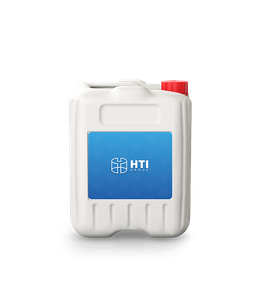
Jerry cans for cottonseed oil and drinking water for the pickers.
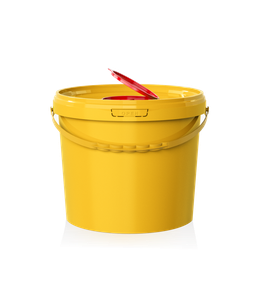
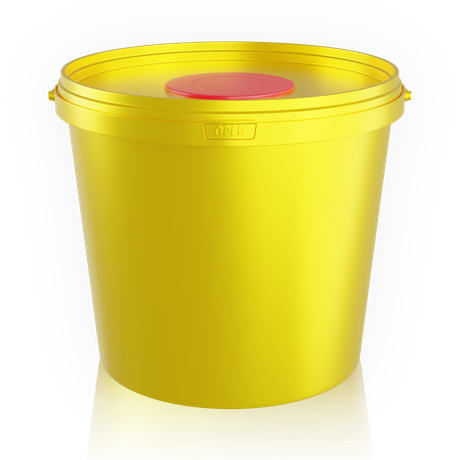
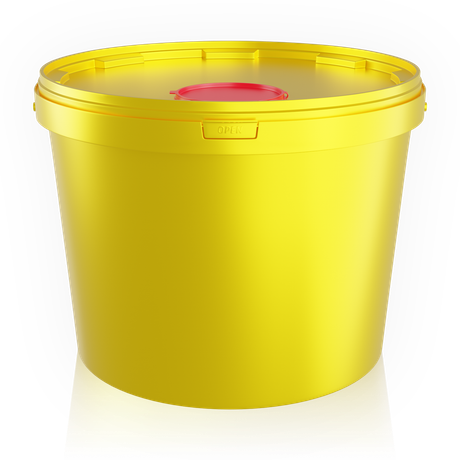
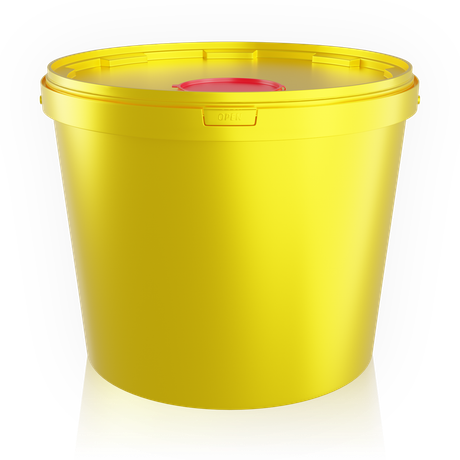
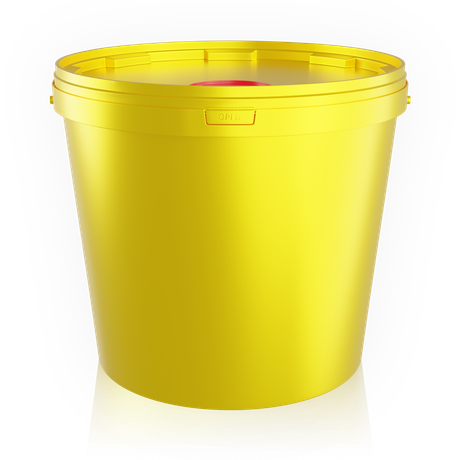
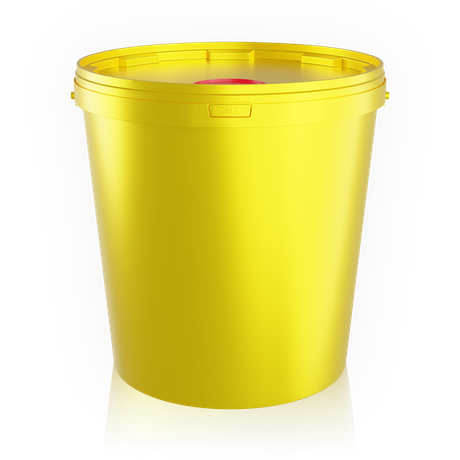
Yellow and red buckets for the district hospital, the outpatient clinic, and rural health posts in the villages.
Packaging at the same scale: body width and height from the factory's product cards
Counter · PKS560
560 ml plastic bucket
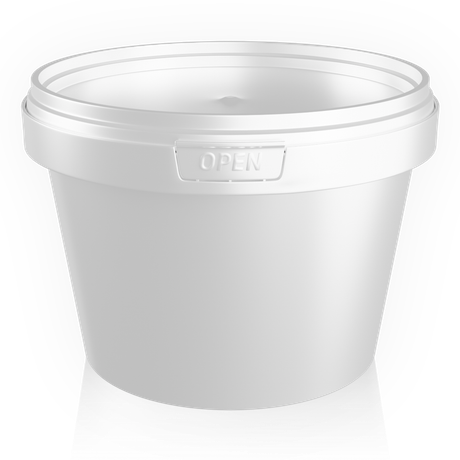
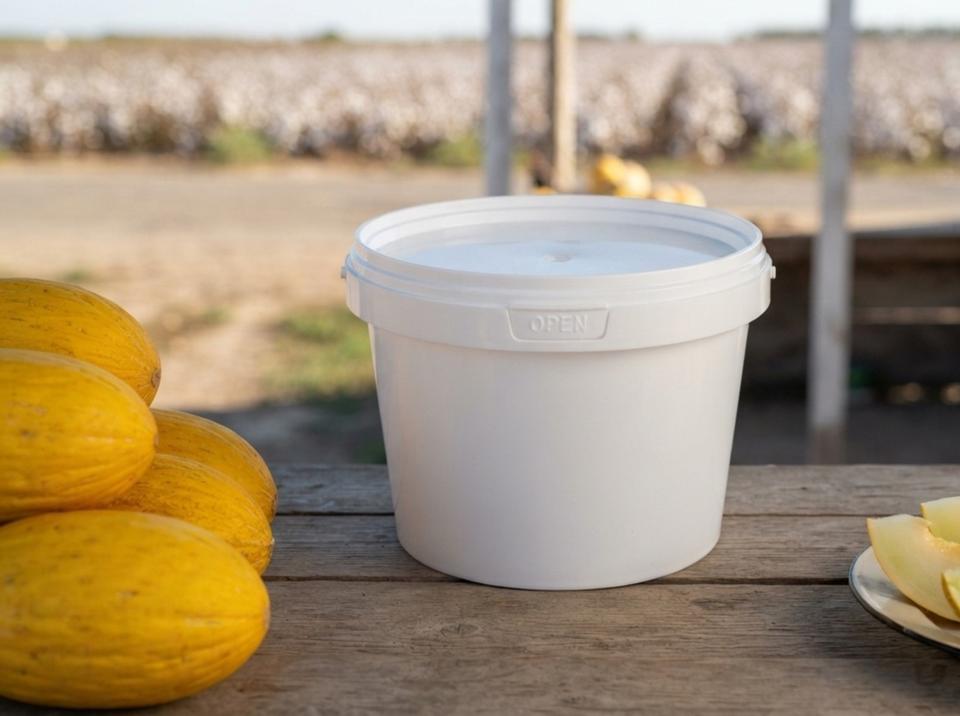
Candied melon for the retail counter: a small bucket with no handle, and the OPEN tear strip stays intact until purchase.
Lightly salted cucumbers from the district's greenhouses in market tasting portions: round 385 ml containers with no handle stand on the counter in two rows.
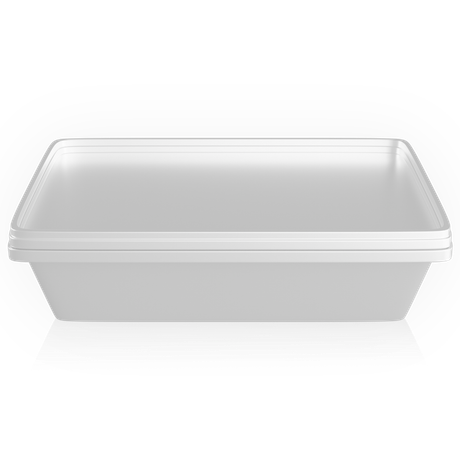
Lunch for a cotton-field crew is handed out in trays: samsa (savory pastries) or manty (steamed dumplings) in the flat 122×173 mm container, 15,000 per pallet.
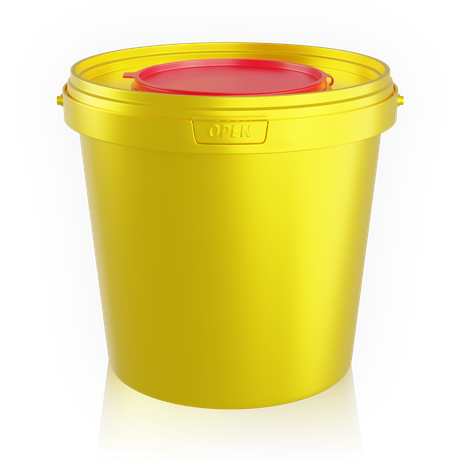
A health post in a cotton-growing village: after a shot, the needle comes off on the lid's needle remover, and the syringe goes into a yellow 1 L bucket.
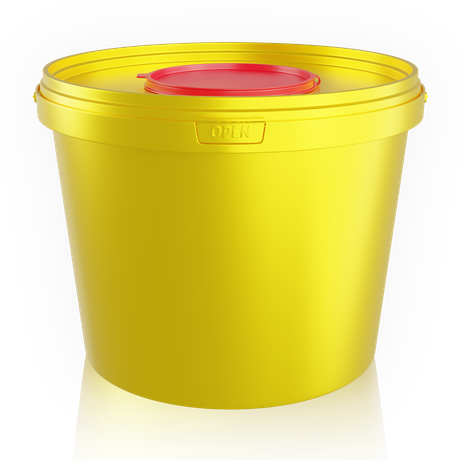
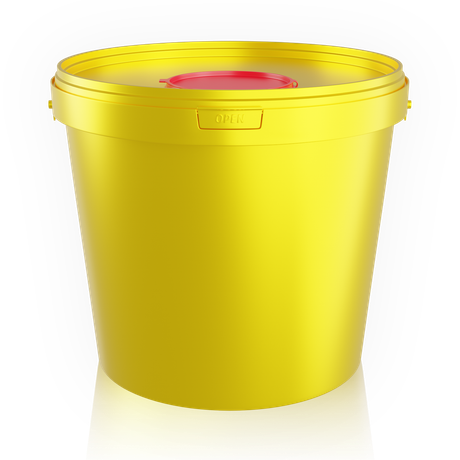
Heatstroke in the field: the medic checks blood pressure and applies a compress, then takes the used cotton balls and gloves away in a yellow 2.3 L bucket with a lid.
The vaccination room at the Zhetysai children's clinic: the district has plenty of kids, and after each shot, the syringe goes into a 3 L bucket as the needle remover takes off the needle.
A medic at a field camp during the cotton harvest: pickers' hands are cleaned with wipes, and a 3.8 L dispenser bucket, 110 g empty, rides along in the car.
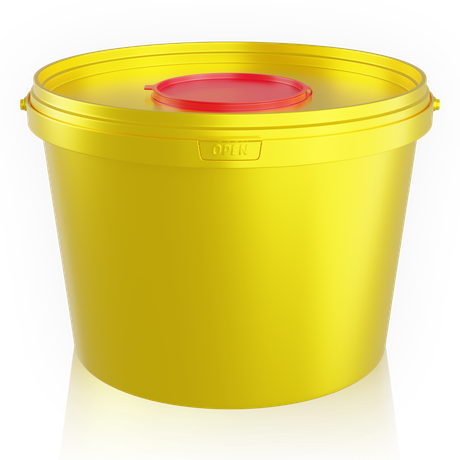
The district hospital's wound care room during the cotton harvest: scraped hands and machinery injuries. Bandages and syringes go into a 5.6 L bucket, 153 g empty.
A border district's infectious disease ward in the summer heat: Class C waste (by Kyrgyz sanitary classification) goes into a red 11.5 L bucket measuring Ø295×234 mm.
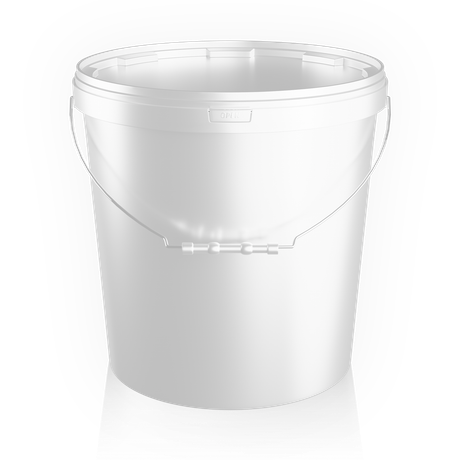
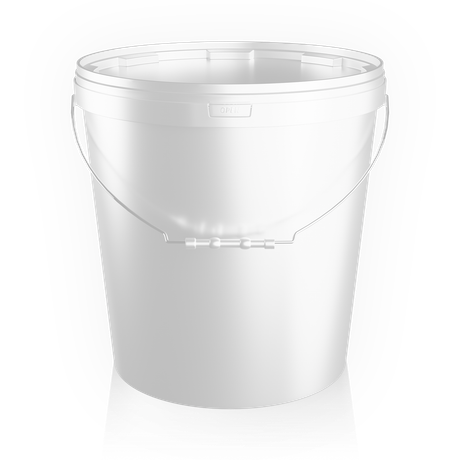
Villages along the irrigation canals send their waste to the district center. Until the next pickup run, the outpatient clinic keeps it in a closed 21 L bucket with a plastic handle.
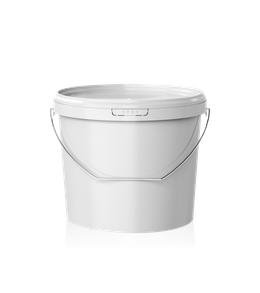
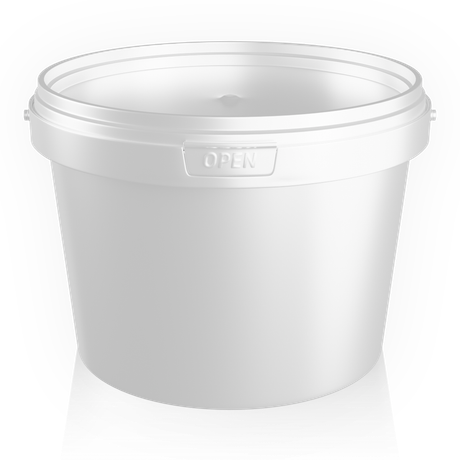
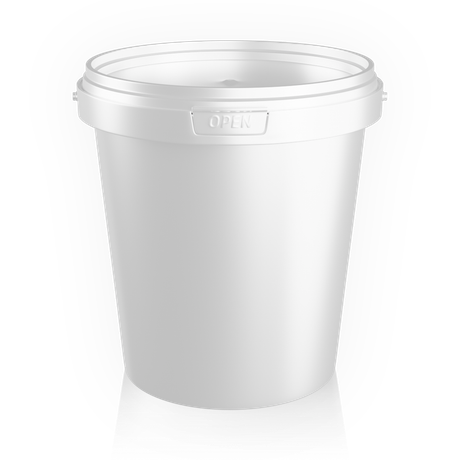
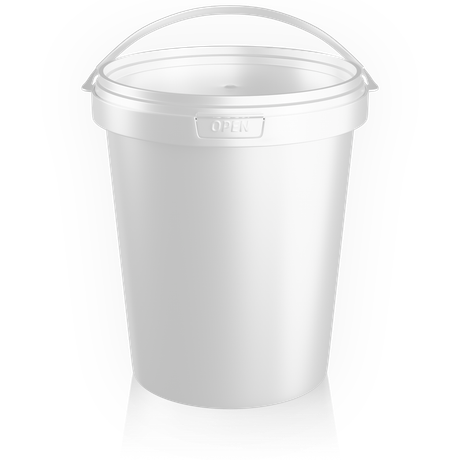
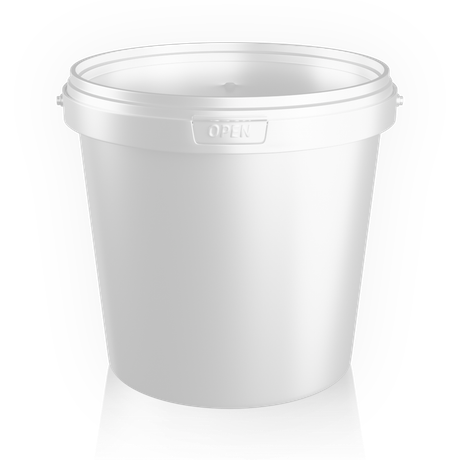
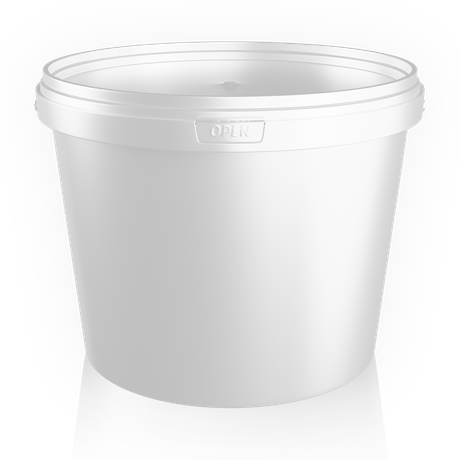
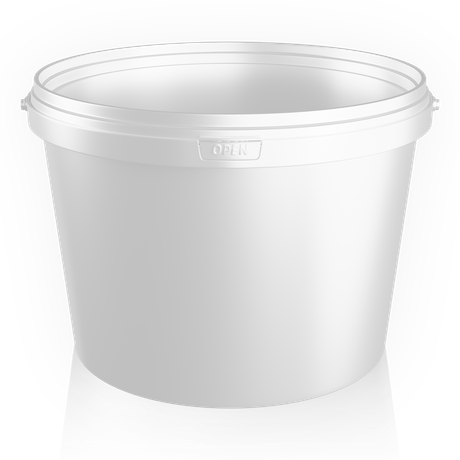
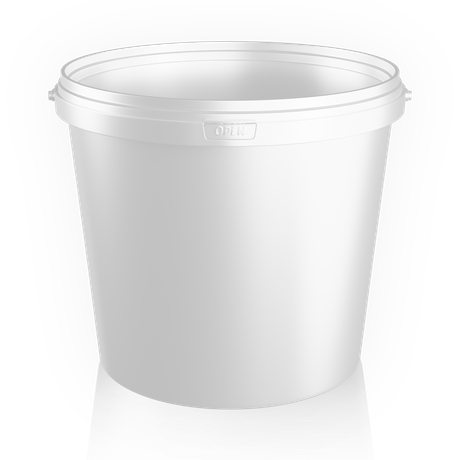
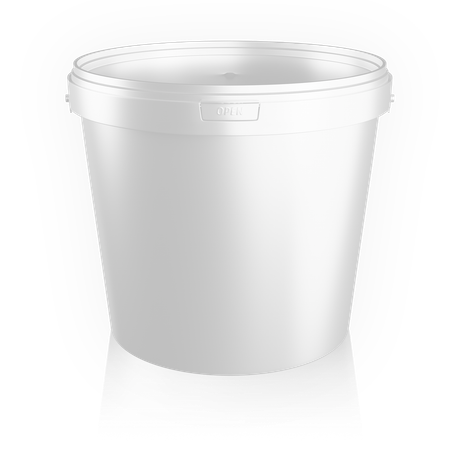
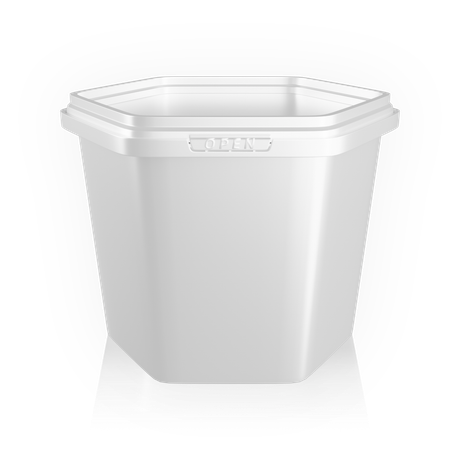
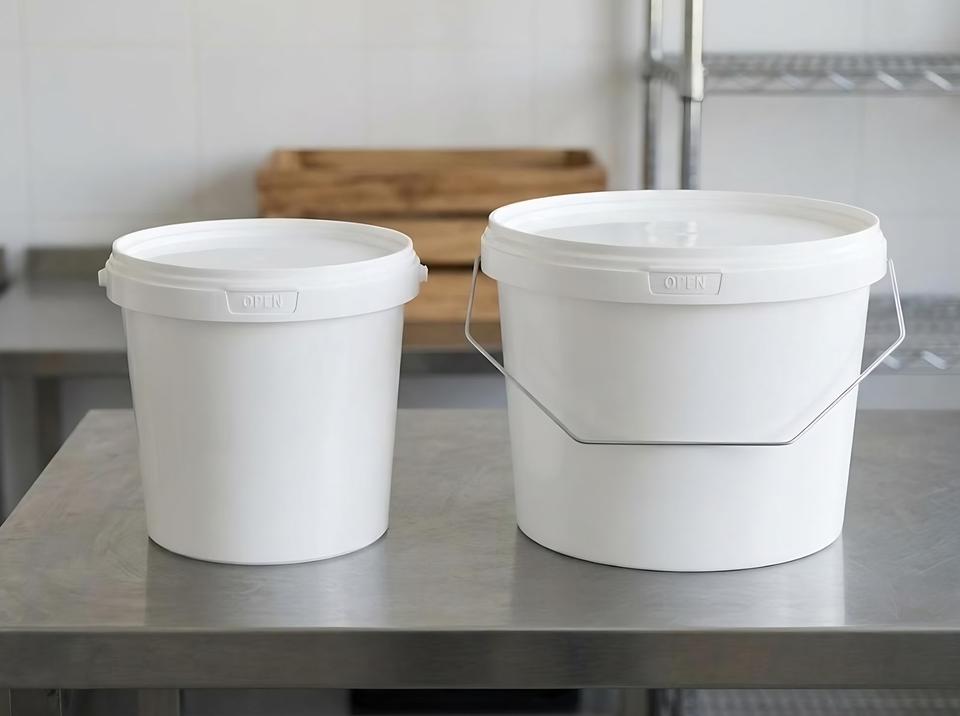
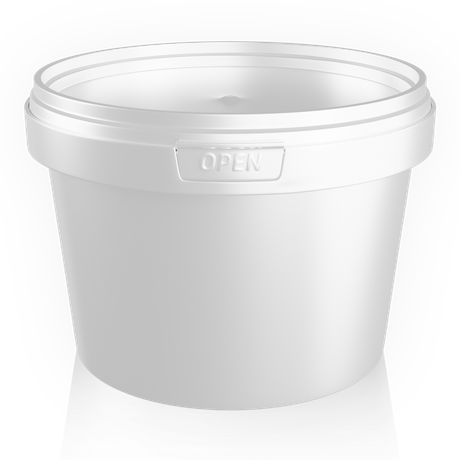
All the buckets are tapered and nest in stacks, so you can bring in packaging well before the processing season and keep it in a corner of the workshop. The flat lid seats into a double rim, and below it sits a tamper-evident tear strip embossed with the word OPEN.
Product and size
What gets cooked and pickledin Zhetysai
Harvest processing drives most of the town's demand for packaging. The table shows the district's main products, the size to start with, and how many buckets fit on a pallet.
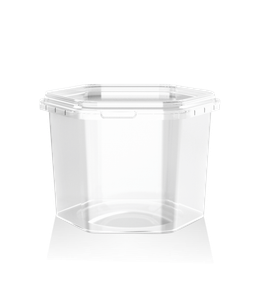
For melon processing, the clear 2.3 L bucket offers the best value: a pallet holds 3,300 of them, and each one takes about three kilograms of jam. For market samples, add small 800 ml and 1 L buckets. Kitchens use lecho and tomato paste a little at a time, so buckets up to 3.8 L work better: they're easy to move around in a deli fridge.
Jam makers, vegetable growers,field camps, and the market
Four groups of packaging buyers in Zhetysai work around the harvest. They buy different sizes, but they all plan their buckets by the season, not by the month: melons, tomatoes, and peppers each ripen in their own weeks, and the packaging has to be ready in advance.
Melon jam2.3 L: about three kilograms of jam
Melon jam workshops
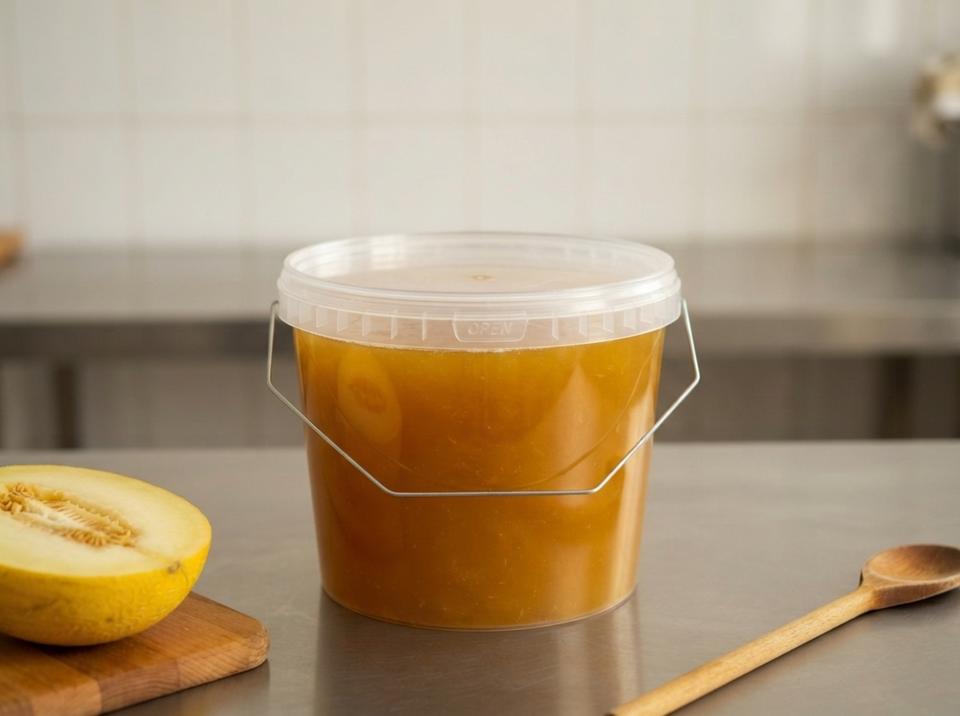
The melon is cut up, cooked down, and packed into clear 2.3 and 3 L buckets. The color and fruit pieces show through the wall, so market shoppers can choose by eye. The 1 L bucket is for trial purchases.
Pickling and lecho
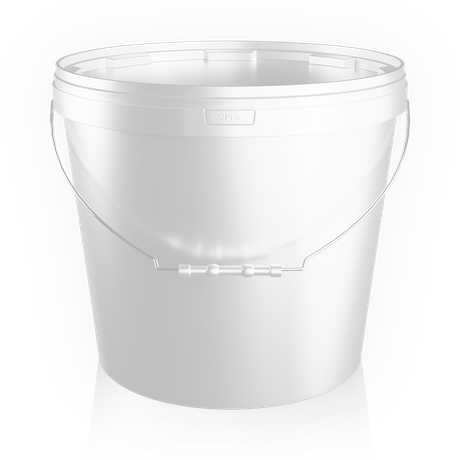
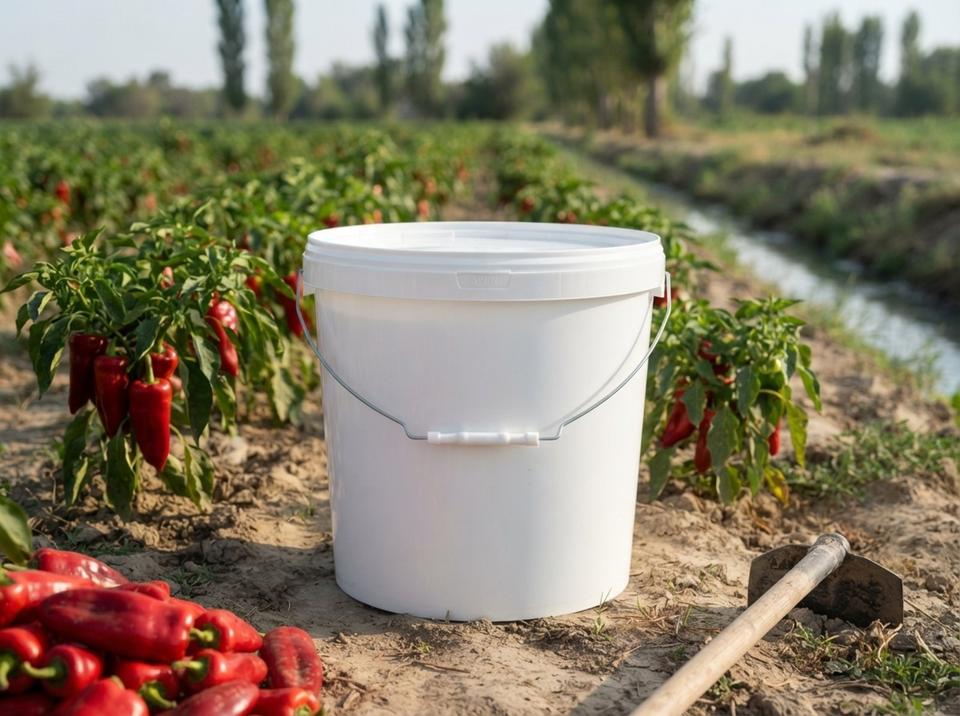
Tomatoes, peppers, and eggplants are put up for winter. Lecho and adjika are packed in 3 and 3.8 L buckets, and tomatoes in brine go into the 11.5 L bucket with its wide 295 mm top.
Field camps
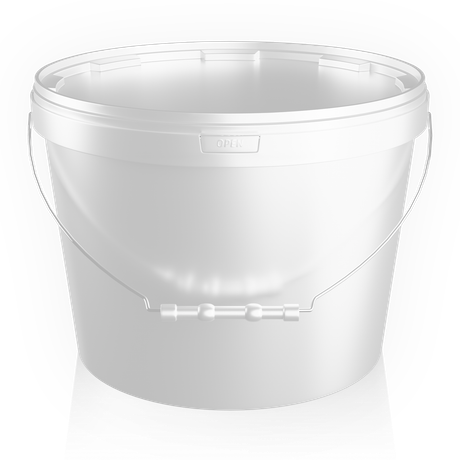
Lunch goes out to the cotton-field crew in a 5.6 L bucket with a lid and metal bail handle. Drinking water is kept in jerry cans with screw caps.
Market and shops
Candied fruit, jam, and sauces go to retail in small buckets from 560 ml to 1 L. The OPEN tear strip under the rim shows shoppers the bucket hasn't been opened since it left the workshop.
Order calculator
Palletsfor processing season
Choose a size and quantity, and the calculator will work out the pallets. A jam workshop in Zhetysai orders 6,000 clear 2.3 L buckets for the season, which is two pallets. Add 2,000 small 1 L buckets for samples, and that's one more.
Item
BucketsContainersJerry cansMedical buckets
How many pieces you need
pcs
For jam and candied fruit, it's easy to combine 2.3 L buckets and small 560 ml buckets in one truck.
Rounded up: a partial pallet counts as a full one.
Jerry cans have their own pallet count: 180 five-liter or 100 ten-liter cans.
How to buy
Ordering from Zhetysaiin four steps
We sell buckets from one pallet up and ship them direct from the factory. The process is the same for a workshop, a vegetable grower, and a field camp; the only differences are the sizes and whether you want your brand on the body.
1
Product and season
Tell us what you'll be packing, when processing starts, and how much product you're planning. That's all your sales manager needs to suggest sizes.
2
Sizes and price
You'll get a bucket selection, the number of pallets, and the order price including freight to Zhetysai.
3
Decoration
You can add your workshop's name with a label or in-mold labeling (IML). The artwork is approved before molding, and if you don't need printing, this step is skipped.
4
Shipping
Pallets are put together at our plant in the Bishkek Free Economic Zone (FEZ) and handed over to a freight carrier, with the shipment processed within the EAEU. The documents travel with the cargo.
Straight-line distance. Click a city to open its page.
Orders for Zhetysai leave from the HTI plant in Ak-Chiy village, Bishkek FEZ. A freight carrier delivers the pallets to Kazakhstan, and the shipment is processed within the EAEU. Your sales manager confirms delivery time and cost when you place your order.
HTI has no warehouses of its own in Zhetysai or the neighboring districts, so order your processing packaging before the harvest. Once melons and tomatoes are pouring in, a workshop has no time to go hunting for buckets.
Neighboring farms can combine their orders into one truck. Each model rides on its own pallet, so on arrival it's easy to split the load between workshops and field camps.
If your workshop makes jam and pickles vegetables at the same time, order clear and white buckets together. Your sales manager will put them on one truck, and you'll have packaging for both products in time for the start of processing.
Turkistan Region
Nearbyand across the country
Towns near Zhetysai
Pages for nearby towns and the whole region, with packaging matched to local products.
Directly from the HTI plant: we sell buckets in orders of one pallet or more and ship them from our production site in Bishkek. Call +996 222 600 292 or request a callback.
The clear 2.3 L bucket: it holds about three kilograms of jam, a measure market shoppers understand. Add 1 L buckets for samples and 3.8 L for confectioners.
Your sales manager prices your specific order based on size, quantity, handle, color, and printing, and quotes freight to Zhetysai in the same estimate.
No, HTI has no warehouse in town. Buckets ship from our plant in Ak-Chiy village, Bishkek FEZ, and a freight carrier brings them to you.
By the pallet, via a freight carrier, within the EAEU. Your sales manager confirms delivery time and cost when you place your order.
Yes. The buckets are molded from food-grade polypropylene and close with a lid. The usual pick is the 5.6 L with a metal bail handle, and after work, the bucket is washed and used again.
The 11.5 L bucket: its 295 mm top lets tomatoes come out whole, and a liter of pickles with brine weighs about 1.05 kg. For details, see our pickle buckets page.
Yes, with a label or IML. A label is simpler for a first order, and IML is better for ongoing production.
Catalog
All bucketswith dimensions and photos
The catalog shows the dimensions, empty weight, and handle options for every size. There's a separate overview for Turkestan Region, and neighboring towns have their own pages: Saryagash and Shardara.
Tell us your product, your processing volume for the season, and where you sell. Your sales manager will pick clear or white buckets and work out the pallets and freight. If you're just starting to pack jam, you'll also get advice on a sensible trial order to begin with.