Want to learn more about our packaging or find the right fit for your business? Request a callback, and our specialist will call you at a time that suits you. Tell us about your product, and we'll help you choose the best option.
Order a callback from a specialist
Want to learn more about our solutions or find the perfect solution for your business? Leave a request for a callback and our specialist will contact you at a convenient time. Together we will find the optimal solution to make your business thrive!
Request a callback from our HR team
Interested in our openings and career opportunities? Leave your contact details and our HR team will get back to you shortly. We'll answer your questions and explain how to join the HTI Group team.
Order a callback from a specialist
Would you like to learn more about our job openings and career opportunities? Leave your contact information, and our HR department will get in touch with you shortly. We will answer all your questions and provide detailed information on how to become part of the HTI Group team.
Mon-Fri, 9:00 AM-5:00 PM · Factory in the Bishkek Free Economic Zone, Ak-Chiy village
Dzungarian Alatau
Plastic bucketsin Tekeli
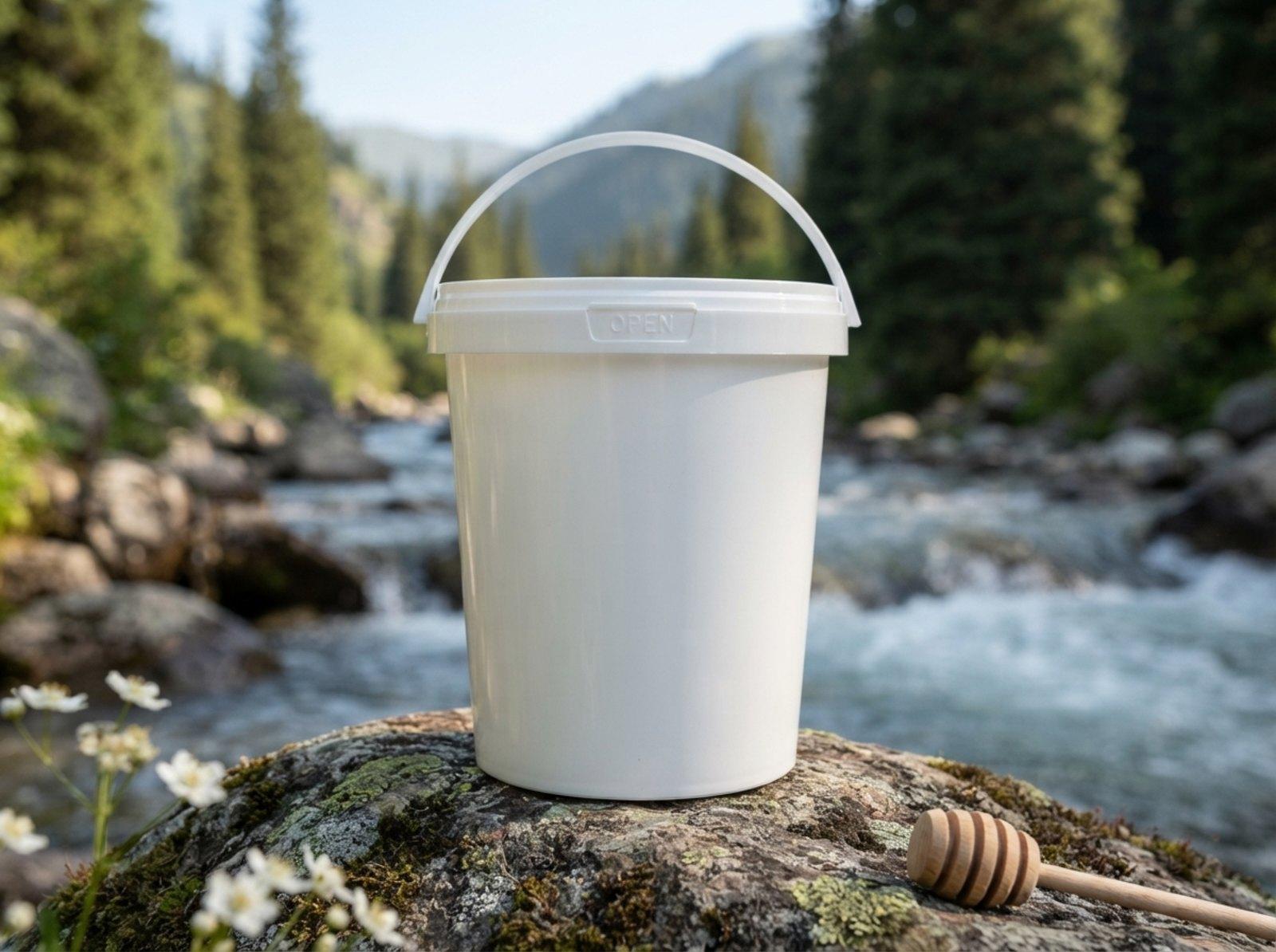
Tekeli is a mountain town in a gorge of the Dzungarian Alatau. People come here for the mountain air and hiking, the surrounding meadows are dotted with apiaries, and local honey sells both to tourists and to wholesalers from the cities. Guesthouses and cafes feed visitors, while families in private homes keep vegetable gardens and put up food for winter. For honey, kitchens, and households, HTI makes buckets in 14 sizes, from a tasting-size portion to a bucket for freshly extracted honey.
In Tekeli, buckets are most often filled with honey, but demand goes beyond the apiary: guesthouses need buckets for the kitchen, and households need them for winter supplies and home repairs. Under each size, you'll find how it's used in this mountain town.
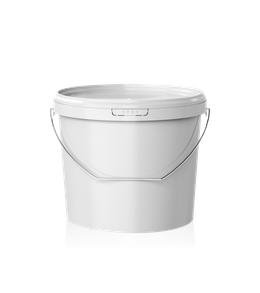
Portions for tourists and market shoppers.
Guesthouses, cafes, and home supplies.
Honey extraction, wholesale, and household needs.
Containers for beekeepers, guesthouses, and cafes near the gorge.
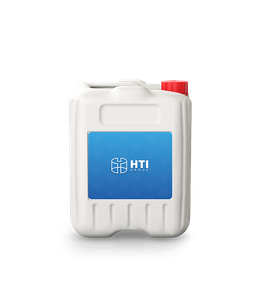
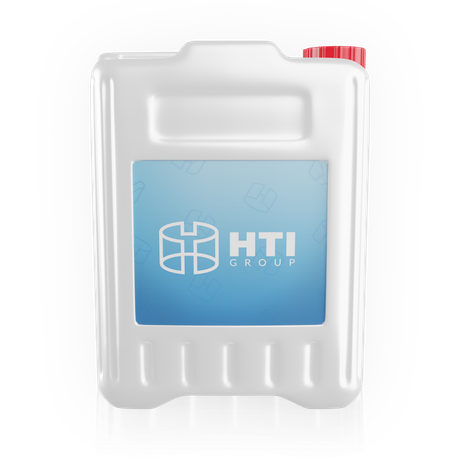
Jerry cans for spring water and bee-feeding syrup.
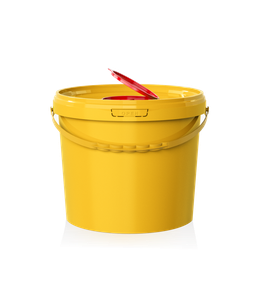
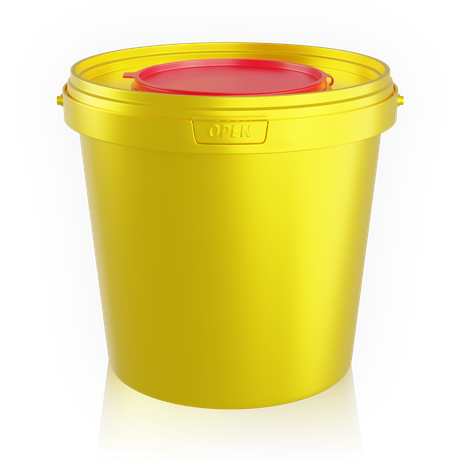
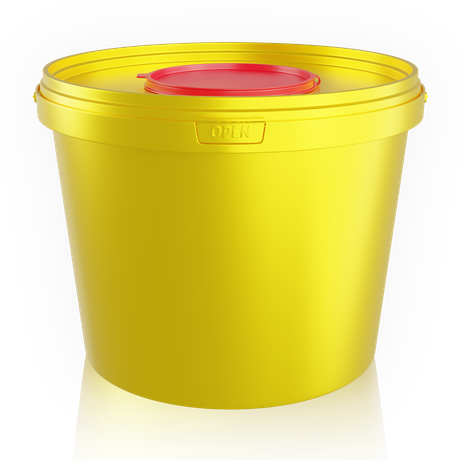
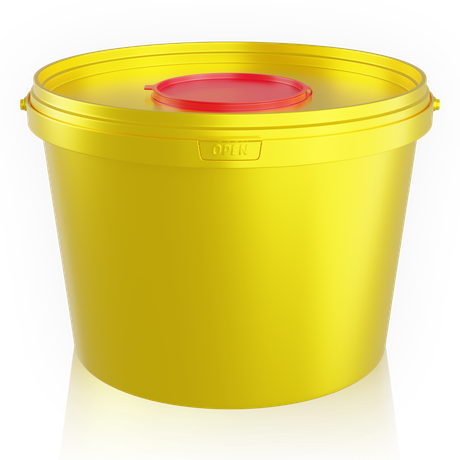
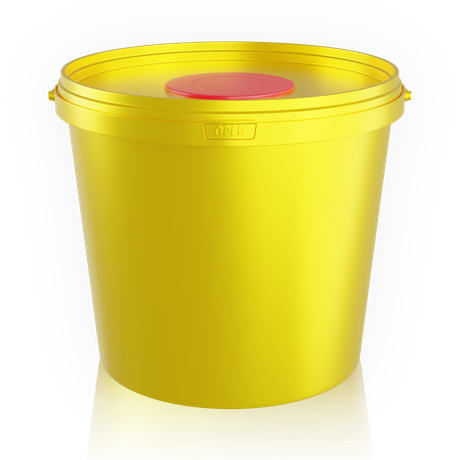
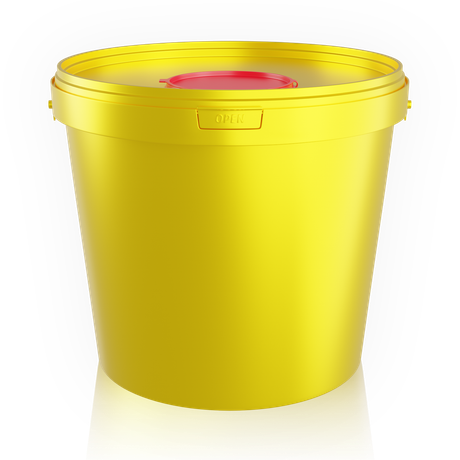
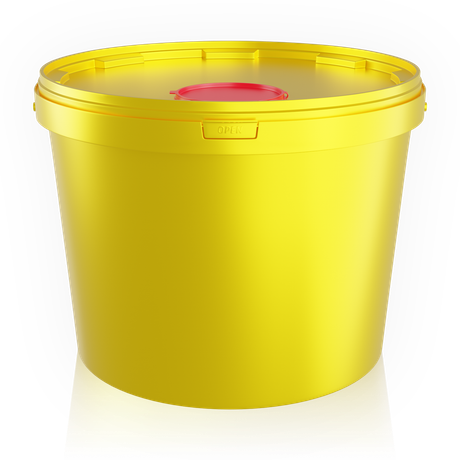
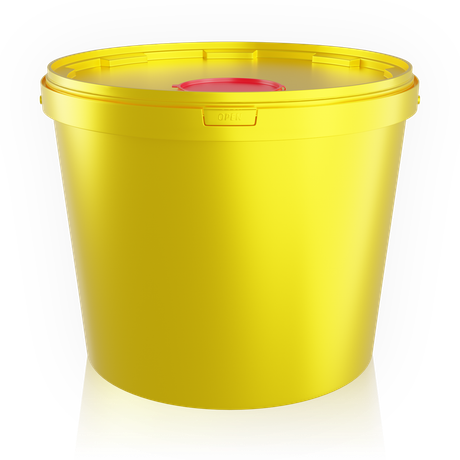
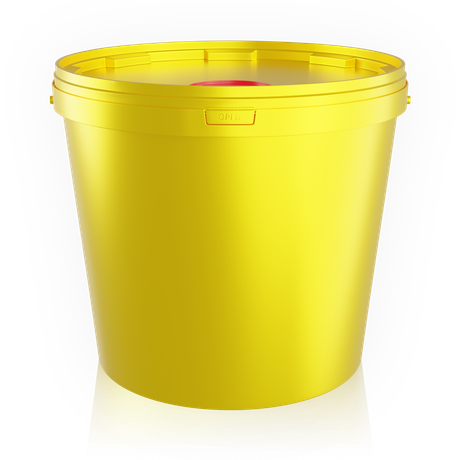
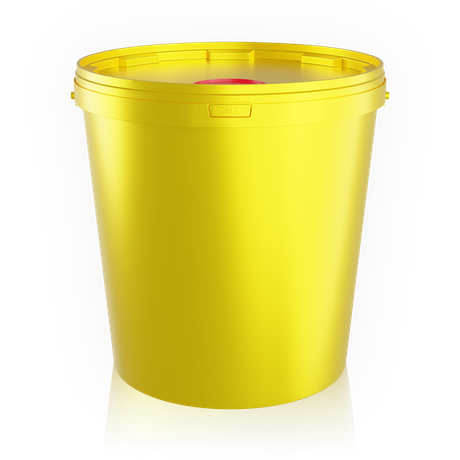
Yellow and red buckets for Tekeli's hospital, outpatient clinic, and first-aid posts at tourist camps.
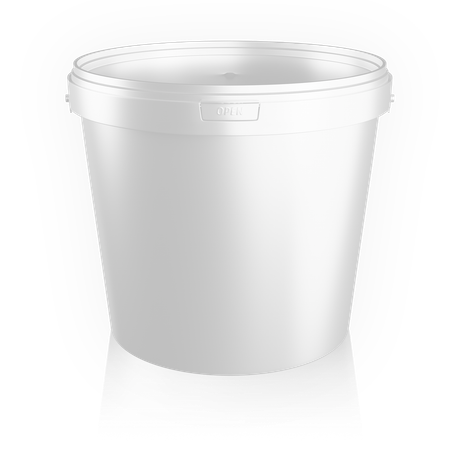
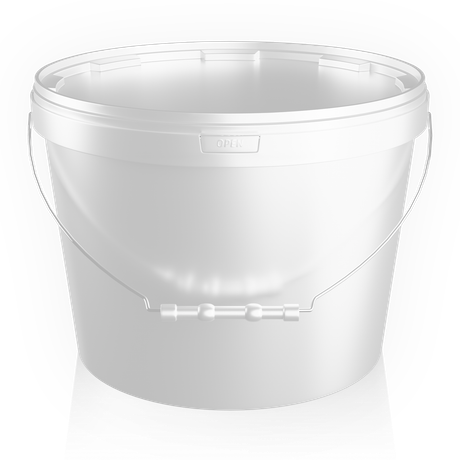
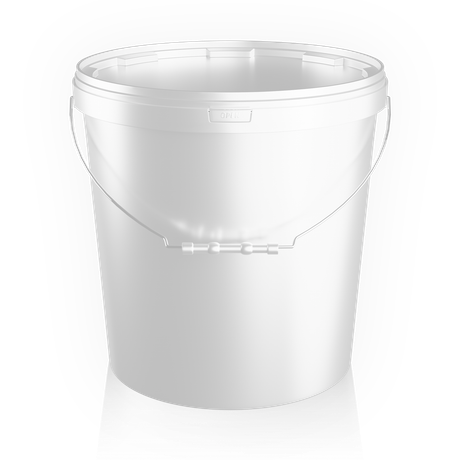
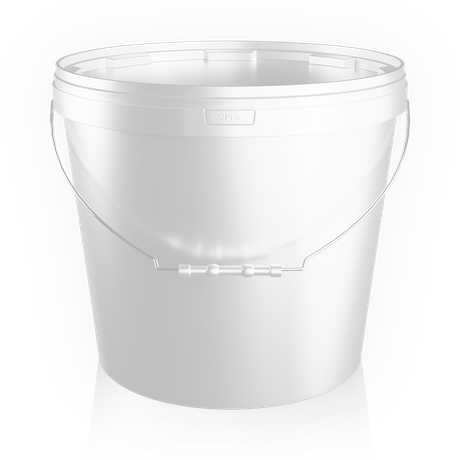
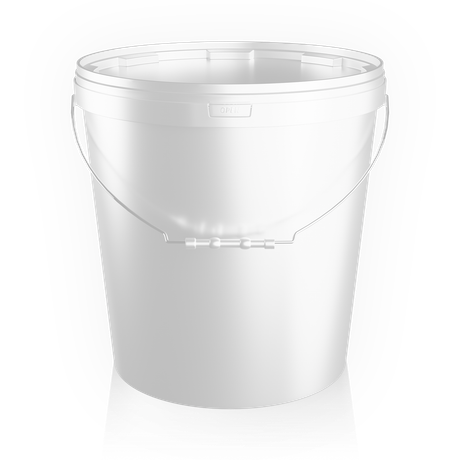
Packaging at the same scale: body width and height from the factory's product cards
Gifts · PKS560
560 ml plastic bucket
Honey samples for resort guests: the small bucket fits in a backpack.
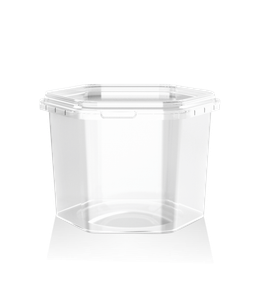
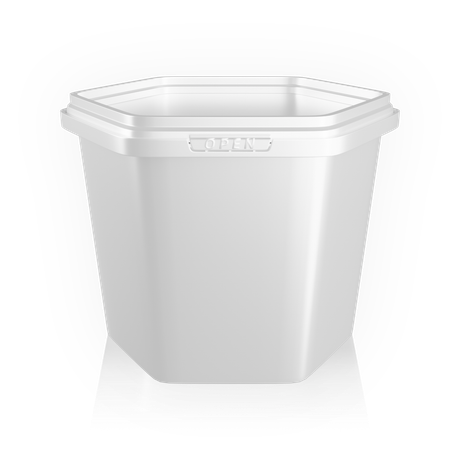
Bee bread and a piece of honeycomb from a mountain apiary for tourists to take on the road: the 250 ml hexagonal container weighs just 13 g empty and takes up almost no room in a backpack.
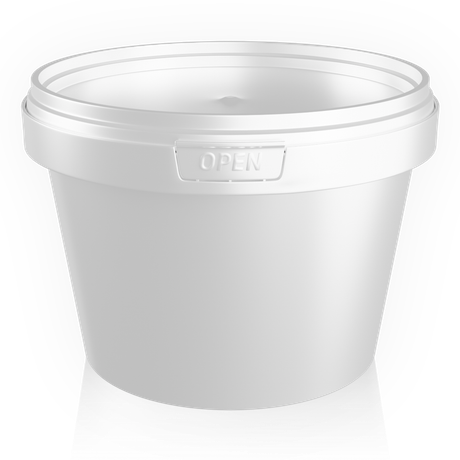
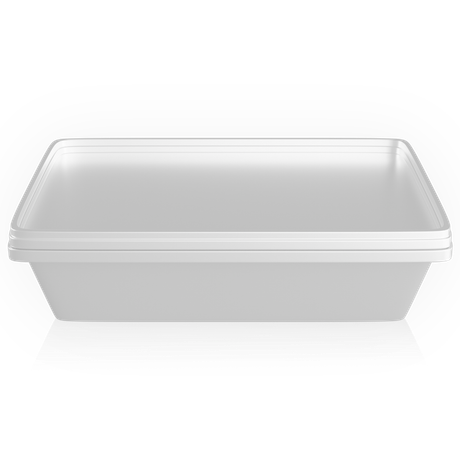
Trail food for a hike in the Dzungarian Alatau (nuts, dried apricots, raisins): the 550 ml round containers with lids won't weigh down a backpack, at 18.8 g empty.
Treatment room at the Tekeli outpatient clinic: after a retired miner gets an injection, the needle comes off into the valve of a 1 L bucket, Ø 132.5 × 121 mm.
First-aid post at a tourist camp in the gorge: scrapes and blisters after a trek, with cotton and bandages tossed into a yellow 2.3 L bucket weighing 62 g.
Massage and physical therapy room at a resort in the gorge: after each guest, the table is cleaned with a wipe dispensed through the 75 mm opening in the lid.
Dislocations and cuts on mountain trails: the Tekeli emergency room puts used dressings into a red 5.6 L bucket for Class C waste (by Kyrgyz sanitary classification), with a valve in the lid.
Tekeli ambulance crews answer calls both in town and from tourists up in the gorge: at the end of each shift, used supplies go into yellow 11.5 L buckets with plastic handles at the station.
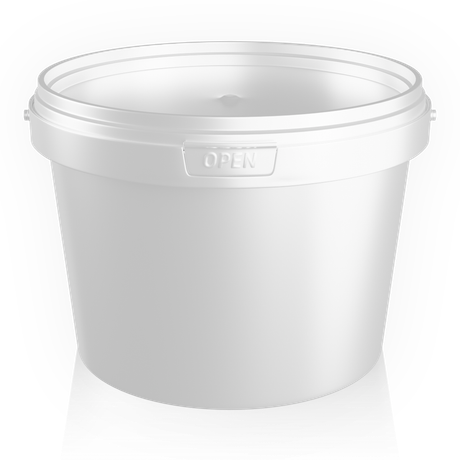
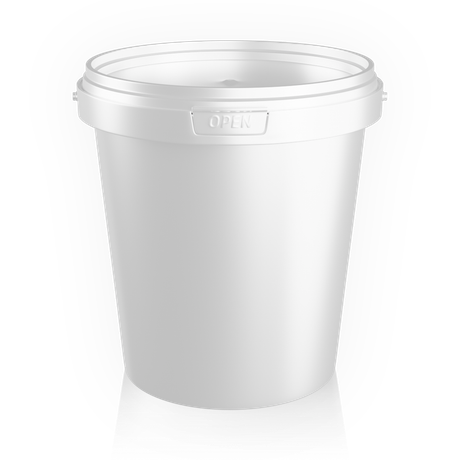
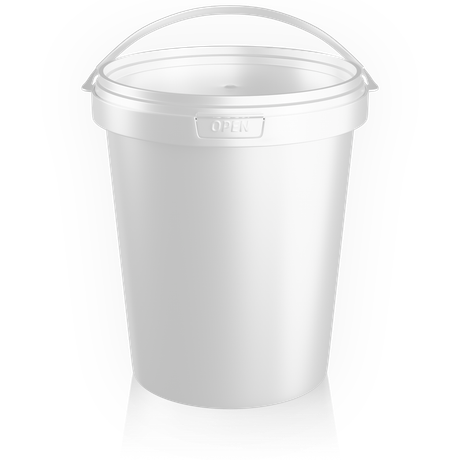
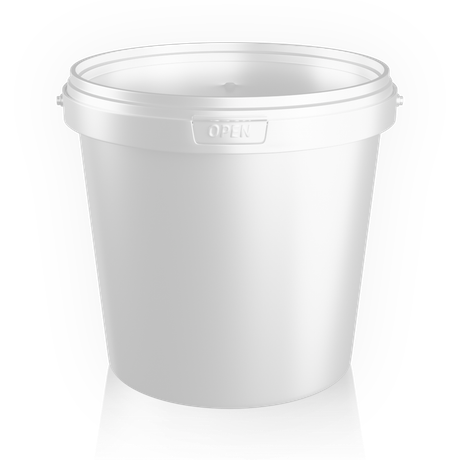
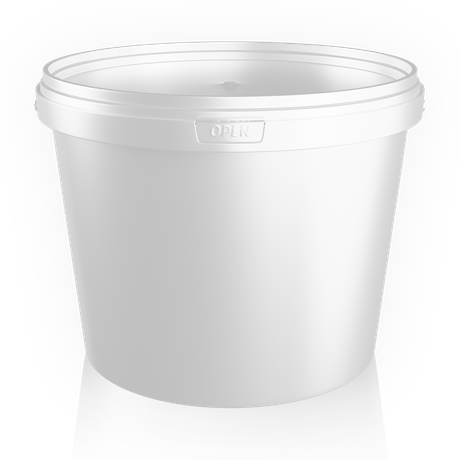
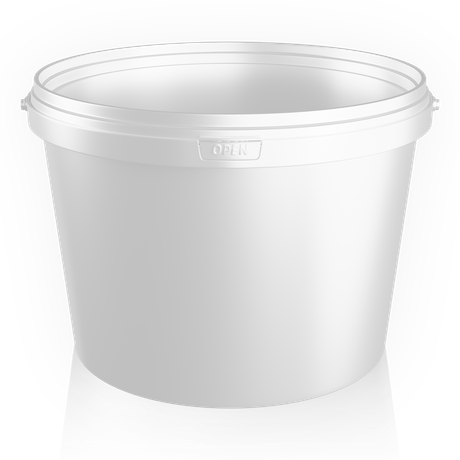
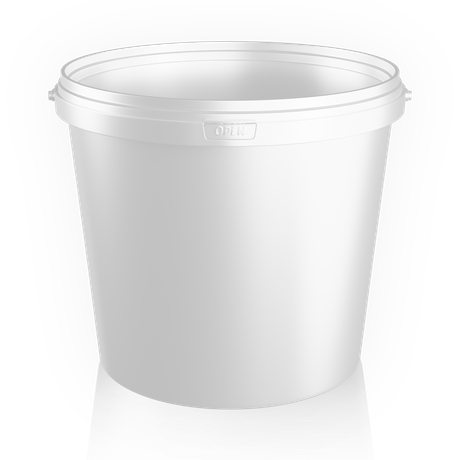
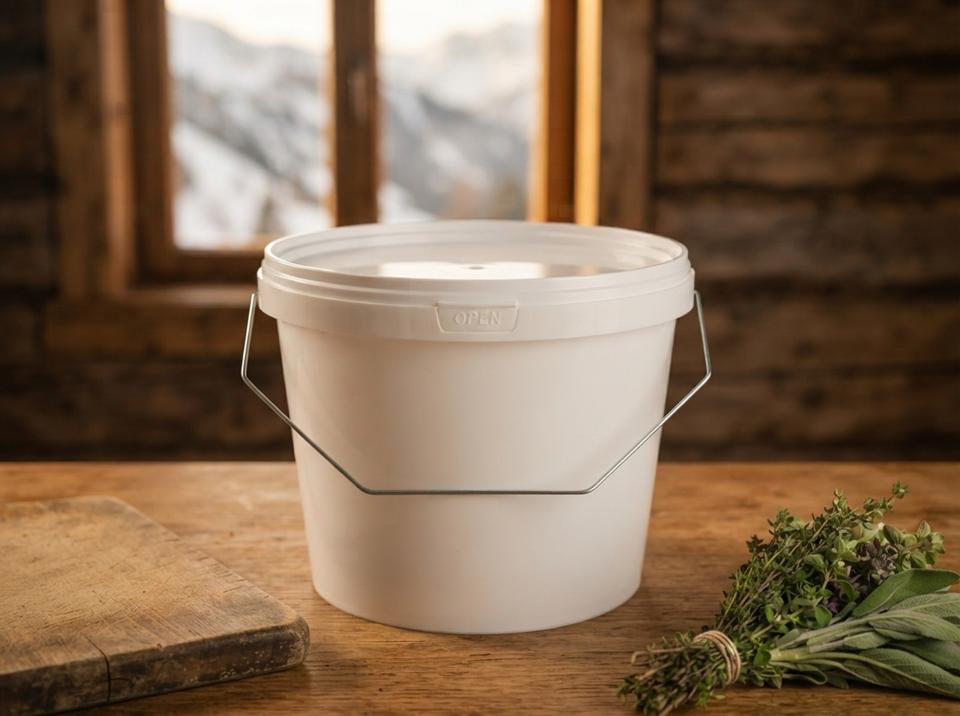
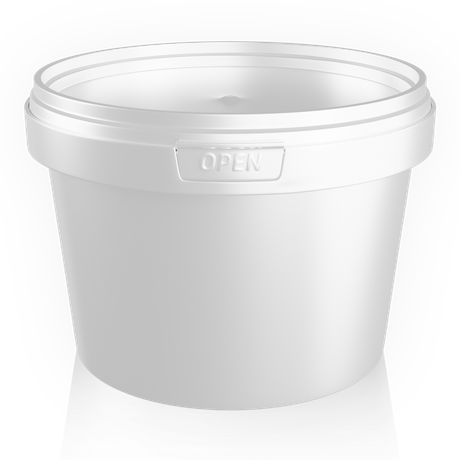
All buckets taper toward the bottom, so crystallized honey can be scooped out to the last spoonful, and empty buckets nest inside each other. The first time you open the lid, you tear off the OPEN tamper-evident tear strip.
Honey in kilograms
How much honeya bucket holds, and who buys it
Beekeepers count their harvest in kilograms, while buyers choose a bucket by size. This table connects the two: how much honey fits in each nominal capacity and who most often buys that pack size.
A liter of honey weighs about 1.42 kg, so a bucket is always heavier than its liters suggest. That works well for resellers: the 5.6 L holds about 8 kg, so orders come out in round numbers. Tourists, on the other hand, care about light weight: a 560 ml bucket of honey weighs under a kilogram and won't drag down a backpack.
A mountain town doesn't have many packaging buyers, but their needs vary. Beekeepers care about how much honey a bucket holds, guesthouses about convenience in the kitchen, and tourists about getting their purchase home still sealed. Here are the four main customer types.
Guesthouse kitchen2.3 L: 175 mm opening, 3.4 g plastic handle
Mountain meadow apiaries
Hives in the valleys of the Dzungarian Alatau produce honey that's sold to tourists and in Taldykorgan and Almaty. Freshly extracted honey goes into 21 L buckets, wholesale into 15 and 5.6 L, and retail into 1 L and 850 ml.
Tourists and gifts
Visitors to the mountain town buy honey to take home. They need a small clear bucket with a handle that travels well in the car: the lid seats into the double rim, and the OPEN tear strip shows the lid has never been removed.
Guesthouses and cafes
Guesthouse kitchens cook breakfasts and shashlik for groups. The 2.3 to 3.8 L buckets suit sour cream and sauces, and the 8 L suits marinated meat.
Pre-season repairs
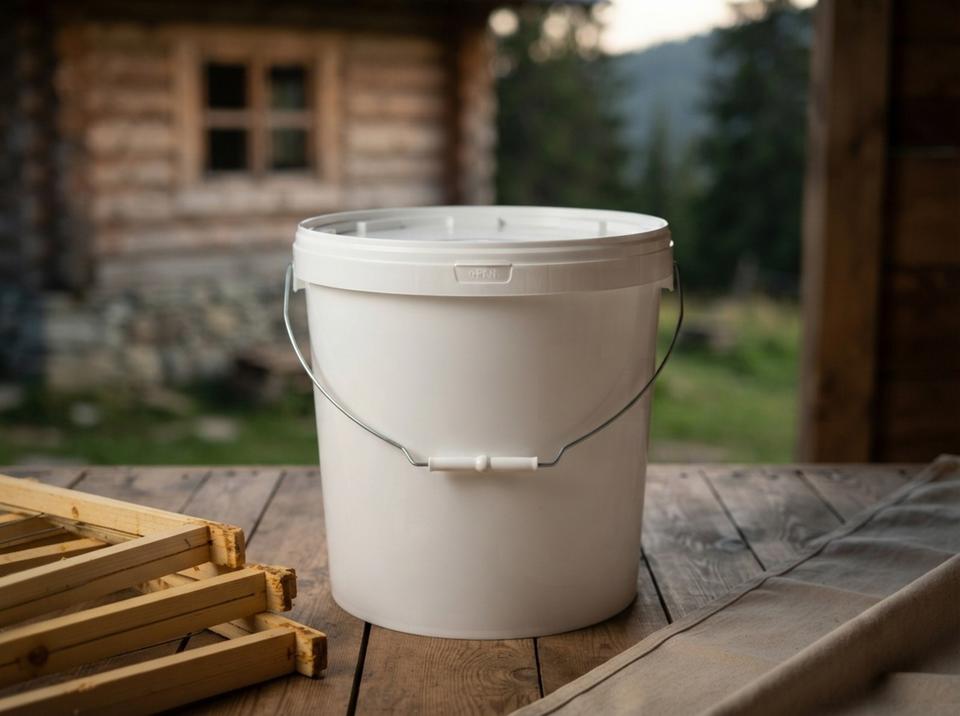
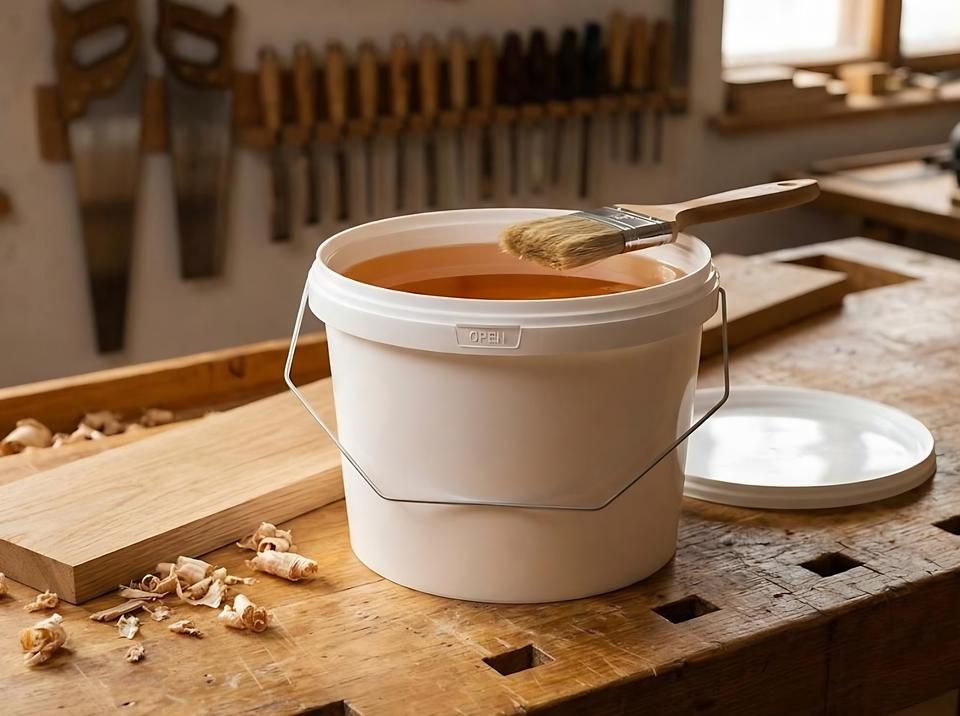
In spring, guesthouses get a refresh: owners varnish log walls, paint, patch with putty, and repair bathhouses. A 3 L bucket is enough for varnish, while mixes and paint call for 15 to 18 L with a metal bail handle and plastic grip.
Calculation
Palletsfor apiaries and recreation centers
The calculator converts the number of buckets into pallets. An apiary packing honey for tourists in 4,000 of the 900 ml buckets gets one pallet, since a pallet holds 7,200 of them. If the same apiary adds 500 of the 15 L buckets for wholesale, the order grows by one more pallet.
Item
BucketsContainersJerry cansMedical buckets
How many pieces you need
pcs
Pallets are counted whole: even ten extra buckets mean one more pallet.
You can order honey buckets and kitchen buckets together.
Jerry cans for water or oil have their own units per pallet.
Sort
How to orderbuckets for Tekeli
You buy directly from the factory, in orders of one pallet or more. Small apiaries find it easier to order together with their neighbors.
1
How much honey
Estimate your expected honey in kilograms and divide by the weight of honey in your chosen bucket: about 1.42 kg in 1 L, almost 30 kg in 21 L.
2
Talk to a sales manager
Your sales manager will check the math, suggest sizes for retail and wholesale, group them into pallets, and quote the cost with delivery to Tekeli.
3
Your own brand
If you sell honey under your apiary's name, choose a label or in-mold labeling (IML). The artwork is approved before molding.
4
Shipping
Pallets leave our plant in the Bishkek Free Economic Zone (FEZ) with a freight carrier, and delivery to Kazakhstan is processed within the EAEU.
Straight-line distance. Click a city to open its page.
Orders for Tekeli ship from the HTI plant in Ak-Chiy village, Bishkek FEZ. We have no warehouse or pickup point in Tekeli or Taldykorgan. A freight carrier delivers the pallets as a shipment within the EAEU, and your sales manager includes delivery time and cost in the quote.
The mountain road and seasonal demand are good reasons to order early: get your extraction buckets before the honey flow starts, and your tourist-season packaging before the season opens.
Several apiaries in the same gorge can share a pallet of identical buckets and split it locally. That makes packaging easier to source, and the truck doesn't head into the mountains half empty. Empty buckets arrive in stacks and can wait in a shed or on a covered porch until the honey flow.
Zhetysu Region
Nearbyand across the country
Near Tekeli
These links lead to the region page and nearby towns, each with its own bucket picks.
Honey sells in different ways: to tourists by the road, to stores in town, and to wholesalers. Each buyer has one key question about the bucket, and there's a version that answers it.
Clear for tourists
The color of honey is the first thing a buyer looks at. A clear wall shows both runny and crystallized honey without opening the bucket.
A seal for stores
Stores are more willing to take honey when they can see the bucket hasn't been opened. The OPEN tamper-evident tear strip under the rim shows that at a glance.
A plastic grip for wholesale
A 15 or 21 L bucket of honey weighs over 20 kg. A metal bail handle with a plastic grip makes carrying it bearable.
IML for your apiary brand
Artwork with your apiary's name is fused into the wall during molding. A bucket branded this way stays with the customer and reminds them where to buy honey next time.
Questions and answers
Questionsfrom Tekeli beekeepers and guesthouse owners
Didn't find your answer?A sales manager replies Mon-Fri, 9:00 AM-5:00 PM, Bishkek time
Directly from the HTI plant. Call +996 222 600 292, tell us your product and quantity, and your sales manager will put together an order of one pallet or more with delivery to Tekeli.
There's no list price per bucket: the cost depends on size, quantity, handle type, body color, and printing. Send us your list, and your sales manager will come back with a price for the order and the freight cost to Tekeli.
By the pallet via a freight carrier, as a shipment within the EAEU. When you place your order, your sales manager will tell you when the truck will reach Tekeli and what the trip costs.
No. Buckets ship only from our plant in Ak-Chiy, and HTI has no warehouse in Kazakhstan. The upside is that each order is put together for you, with exactly the sizes and body color you chose.
Usually the 21 L: it holds almost 30 kg of honey and has a 332 mm opening and a bail handle with a plastic grip. More on our packaging for beekeepers page.
Clear 560 ml, 850 ml, or 1 L buckets. Buyers can see the color, and an intact OPEN tear strip tells them no one has touched the honey since it was packed. Read more in our article on honey buckets.
Yes, beeswax and propolis are stored in white buckets with a tight-fitting lid. Details on our beeswax and propolis buckets page.
Yes, with a label or IML. With IML, the image is molded together with the wall and won't rub off. Details on our IML printing page.
Catalog
All bucket sizesfor Tekeli
The catalog has dimensions and weight for every bucket. For an overview of the whole region, see our Zhetysu Region page; neighboring Taldykorgan has its own page.