Want to learn more about our packaging or find the right fit for your business? Request a callback, and our specialist will call you at a time that suits you. Tell us about your product, and we'll help you choose the best option.
Order a callback from a specialist
Want to learn more about our solutions or find the perfect solution for your business? Leave a request for a callback and our specialist will contact you at a convenient time. Together we will find the optimal solution to make your business thrive!
Request a callback from our HR team
Interested in our openings and career opportunities? Leave your contact details and our HR team will get back to you shortly. We'll answer your questions and explain how to join the HTI Group team.
Order a callback from a specialist
Would you like to learn more about our job openings and career opportunities? Leave your contact information, and our HR department will get in touch with you shortly. We will answer all your questions and provide detailed information on how to become part of the HTI Group team.
Mon-Fri, 9:00 AM-5:00 PM · Factory in the Bishkek Free Economic Zone, Ak-Chiy village
Karatal District
Plastic bucketsin Ushtobe
Ushtobe is the administrative center of Karatal District, known for its rice, and a station on the Turksib railway. The town is surrounded by rice paddies and vegetable gardens, with vegetable processing plants, delis, and family smallholdings. For every stage from field to counter, the HTI plant has a bucket to match: from 560 ml for a single serving of salad to 21 L for fertilizer and feed.
Buckets from field to counter:14 sizes for Ushtobe
The Karatal District harvest travels a long way: field, processing plant, deli, and counter. Each stage needs its own bucket, and below you'll see where each size is used in Ushtobe. Click a card to open the page with its dimensions.
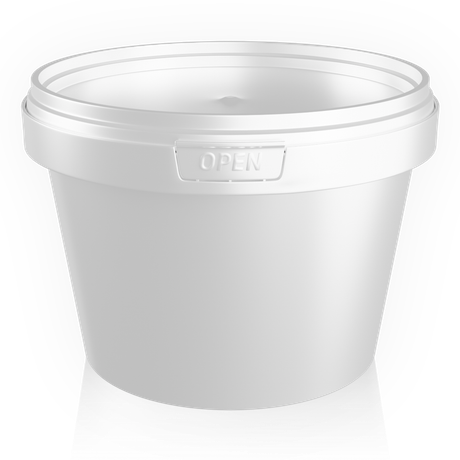
Salads, sauces, and preserves in single servings.
Pickles, marinades, and cafe kitchens.
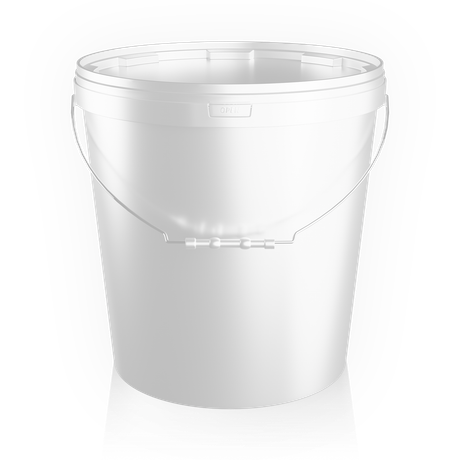
Harvesting, feed, and fertilizer.
Containers for salad stalls, delis, and canteens near the station.
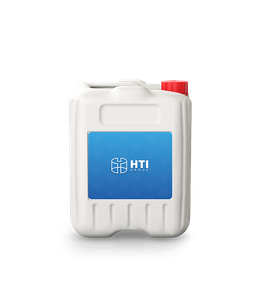
Jerry cans for soy sauce, vinegar, and liquid fertilizer for the fields.
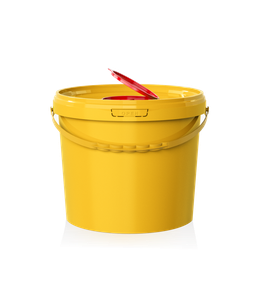
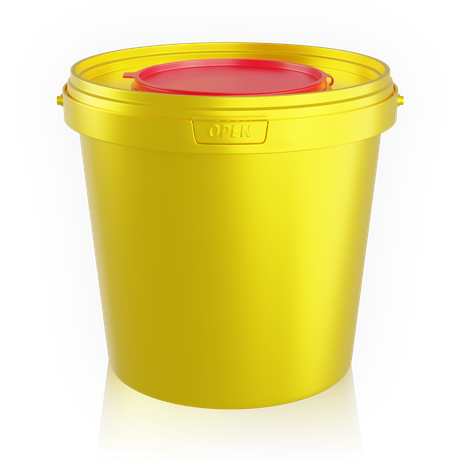
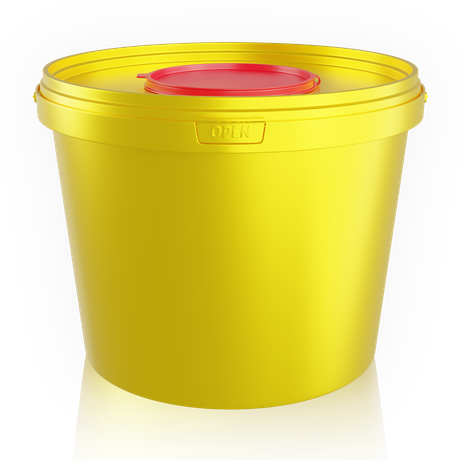
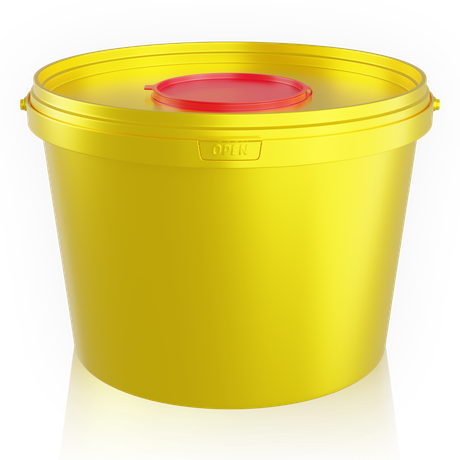
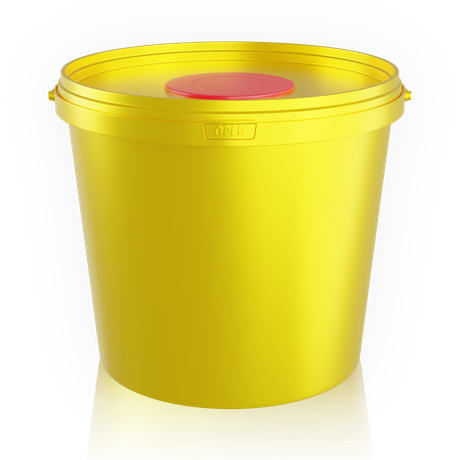
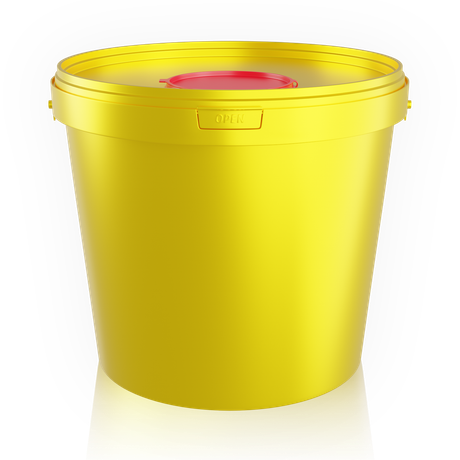
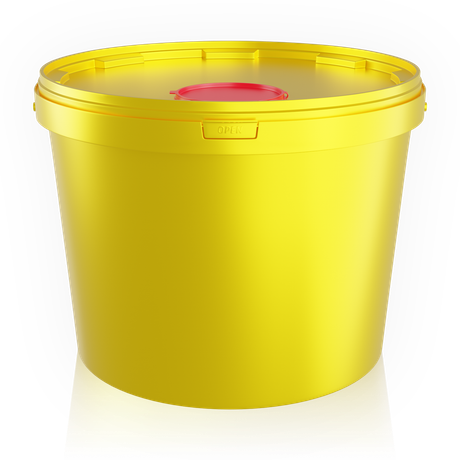
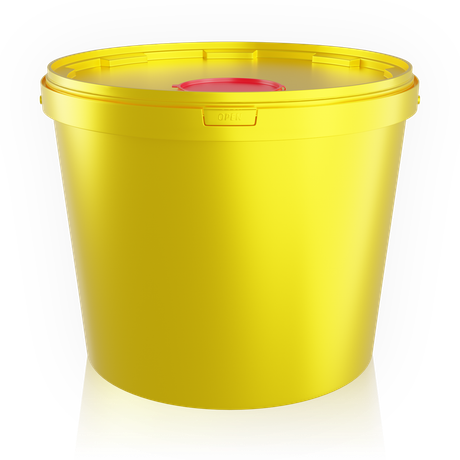
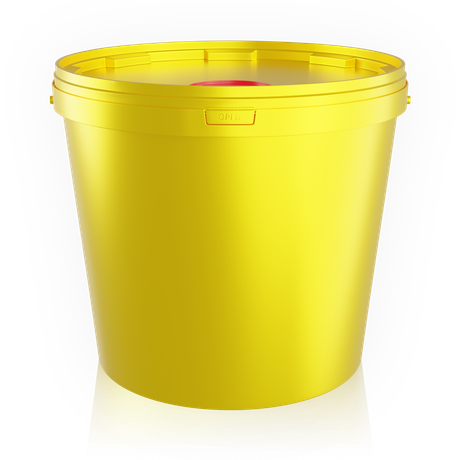
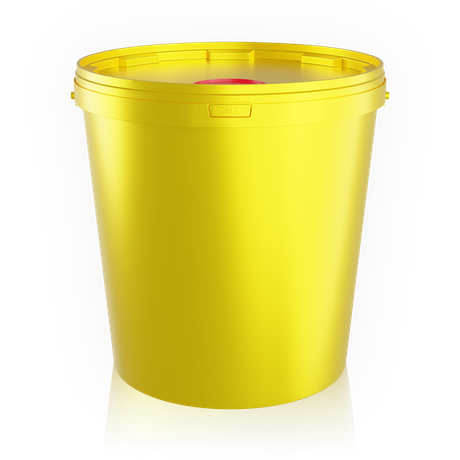
Yellow and red buckets for the district hospital, outpatient clinic, and rural health centers.
Packaging at the same scale: body width and height from the factory's product cards
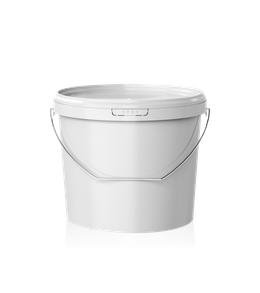
Counter · PKS560
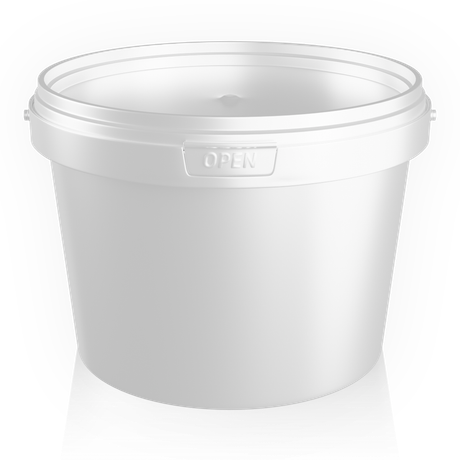
560 ml plastic bucket
Korean carrot salad (morkovcha) and cabbage salad in single-lunch portions for delis near the train station.
Health post at Ushtobe station on the Turksib: railway workers get checked before their shift, and tongue depressors and cotton go into a yellow 2.3 L bucket.
Ultrasound room at the district clinic: gel is cleaned off the probe and exam table with wipes pulled from a 3.8 L bucket through the 75 mm opening in the lid.
Cuts from the onion harvest and bruises on the threshing floor: the district hospital surgeon drops dressings into a red 5.6 L bucket for Class C waste (by Kyrgyz sanitary classification).
Brine and marinade weigh almost the same as water, so a bucket of pickles is easy to calculate: about 1.05 kg per liter. Empty buckets nest inside each other and take up little room at the plant until pickling season starts.
The harvest chain
From the rice paddyto the counter: what Ushtobe buys
The table follows the product's path from field to plant and on to the buyer. Each stage lists the main size, handle type, and a page with details.
Fields and farmyards need large buckets with plastic grips, plants need medium ones, and counters need small ones. A plant that grows and sells its own vegetables can order the whole chain on one truck. Each model rides on its own pallet, so it's easy to distribute to the field, plant, and shop on arrival.
Ushtobe is a farming town, and almost every bucket buyer here is tied to the harvest one way or another: some grow it, some process it, and some sell it or feed the people passing through the station. Many families wear several hats: they work the garden in summer, pickle and preserve in the fall, and sell their preserves at the bazaar in winter. That's where the four typical orders come from.
Processing plant8 L: about 8.4 kg of vegetables in marinade
Rice growers
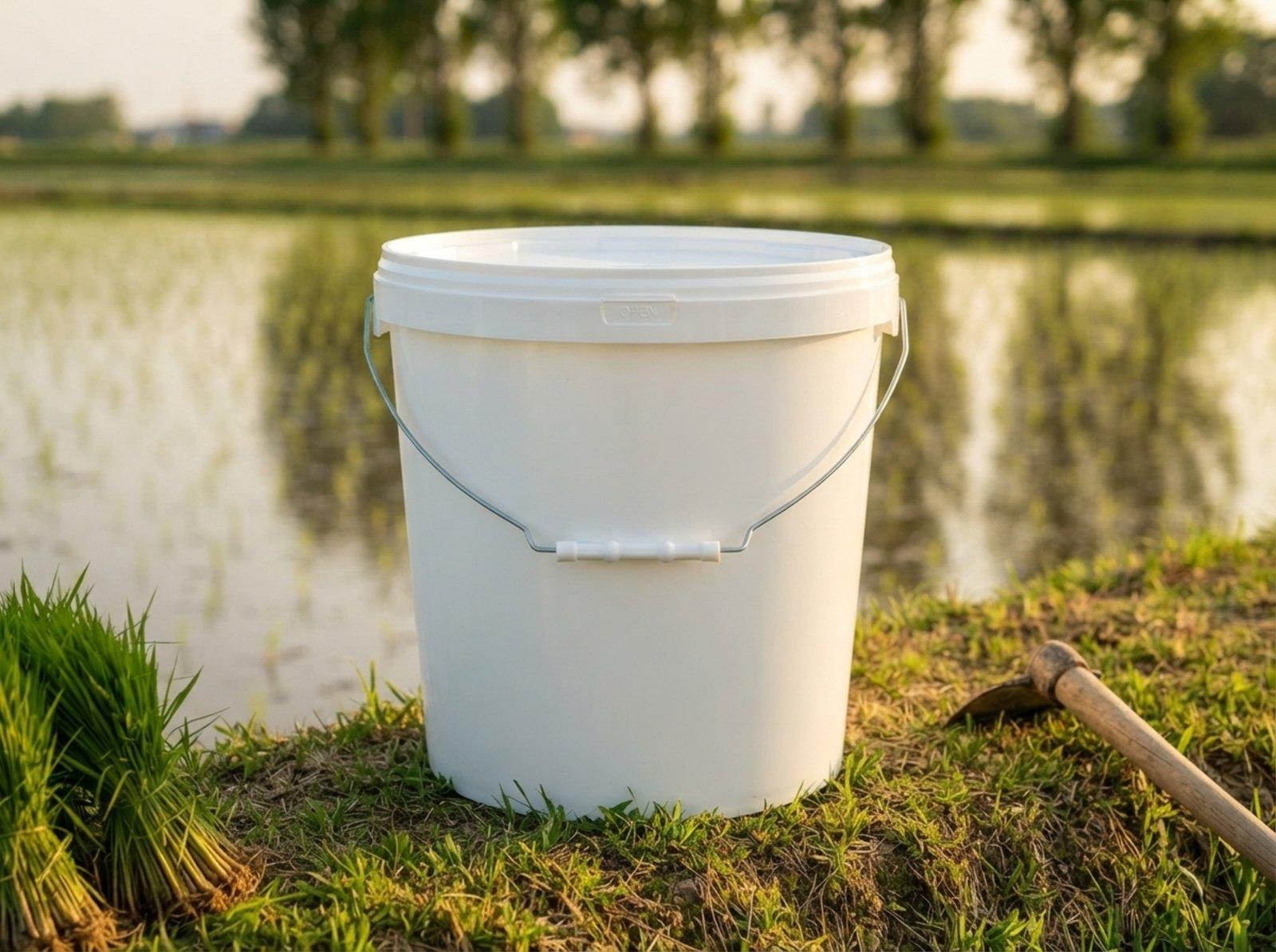
Karatal District is rice country, and out in the fields buckets are needed for fertilizer, seed, and small tools. Growers buy the 18 and 21 L with tight lids to keep the contents dry and dust-free.
Gardens and preserving
Tomatoes, peppers, eggplant, and cabbage from local gardens get salted and pickled. Processing plants need 5.6 and 8 L buckets for shipping to stores and canteens, and retail needs clear 2.3 and 3 L buckets.
Delis and salads
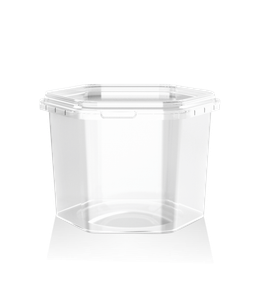
Spicy carrot and cabbage salads are sold by weight. Delis find the 2.3 and 3.8 L buckets handy: the salad shows through the clear wall, and tongs fit easily through the opening.
Station and cafes
The Turksib railway runs through Ushtobe, and cafes and canteens at the station and along the highway feed passengers and drivers. They need small 900 ml buckets for sauces and 3.8 L for sauerkraut and salads.
Order calculator
Palletsfor vegetable gardens and processing shops
Enter the size and number of buckets, and the calculator shows the pallets. A pickled vegetable plant that needs 3,000 of the 5.6 L buckets for the season gets two pallets, since one holds 1,920. A rice farm buying 400 of the 21 L buckets for fertilizer fits on one.
Item
BucketsContainersJerry cansMedical buckets
How many pieces you need
pcs
We round up: a partial pallet ships as a full one.
Buckets for the field and the plant can go on the same truck.
Jerry cans for liquid fertilizer have fewer units per pallet.
How to order
Placing an orderfrom Ushtobe
In orders of one pallet or more, directly from the factory. The steps are the same for a rice farm and a deli.
1
Harvest in kilograms
Estimate how much produce you'll pickle. With brine, a liter weighs about 1.05 kg, so a 5.6 L bucket holds about 5.9 kg.
2
Call
Give your sales manager the product, sizes, and quantity. They'll pick the buckets, split them into pallets, and quote a price with delivery to Ushtobe.
3
Label
If your preserves go to stores under your own name, agree on a label or in-mold labeling (IML), where the artwork becomes part of the wall.
4
Pallets on the road
A freight carrier picks up the finished pallets at our plant in the Bishkek Free Economic Zone (FEZ). For Kazakhstan, this is a shipment between EAEU countries, and your sales manager confirms the timing.
Straight-line distance. Click a city to open its page.
Buckets for Ushtobe are loaded at the HTI plant in Ak-Chiy village, Bishkek FEZ. We have no warehouse in Ushtobe, Taldykorgan, or anywhere in Kazakhstan. A freight carrier hauls the pallets as a shipment within the EAEU, and your sales manager gives you delivery time and cost when preparing your quote.
Vegetable plants start pickling toward the end of summer, so it pays to get those buckets in advance. Rice growers need fertilizer buckets by spring, before the paddies are flooded.
If several farms in the district use the same buckets, a shared pallet is simpler, and the truck travels fully loaded. Delis and canteens that use packaging at a steady rate are better off arranging regular deliveries of the same set of sizes.
Karatal District
Nearbyand across the country
Nearby in Zhetysu
Follow the links for bucket picks for nearby towns and the whole region.
For pickles and salads, the bucket's version matters as much as its size. Choose four details carefully before your first order: changing them mid-season is a hassle once your labels and customer habits are set.
Clear wall
Cucumbers, peppers, and Korean carrot salad are visible on the counter, so shoppers can choose without asking you to open the bucket.
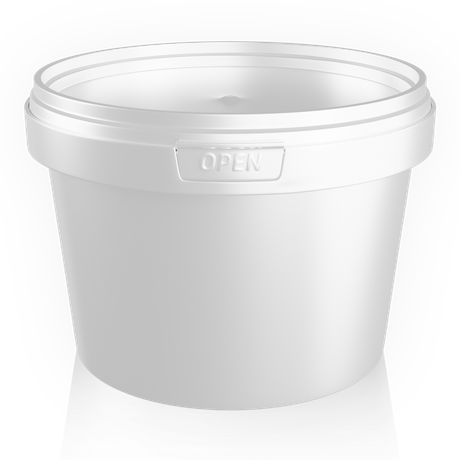
OPEN seal
The tamper-evident tear strip at the edge of the lid stays intact until first opening, so a canteen or store can see right away that the bucket hasn't been opened since pickling.
Metal or plastic
For 2.3 to 5.6 L buckets, you can choose a metal bail handle or a plastic handle. Metal suits processing plants better; light plastic suits retail.
Label or IML
Your plant's name and ingredients can go on a label or be fused into the wall during molding with IML.
Questions and answers
Questionsfrom Ushtobe and the Karatal District
Didn't find your answer?A sales manager replies Mon-Fri, 9:00 AM-5:00 PM, Bishkek time
Directly from the manufacturer: the HTI plant sells buckets in orders of one pallet or more. Call +996 222 600 292 and tell us what you salt, pickle, or store, and our sales manager will suggest sizes and arrange delivery to Ushtobe.
The price is calculated for each order based on size, quantity, handle, color, and printing. Your sales manager will quote the order and the freight to Ushtobe at the same time.
By the pallet via a freight carrier, as a shipment from Kyrgyzstan within the EAEU. Your sales manager will give you the transit time and freight cost when you order, and buckets are always loaded at our plant in Ak-Chiy.
No. Buckets are stored and shipped only at our plant in Ak-Chiy village, Bishkek FEZ. Each order is put together for you, so the truck carries exactly the sizes, handles, and body color you chose.
For delis, clear 2.3 or 3.8 L buckets; for shipping to cafes, 5.6 L. More on our Korean salad buckets page.
Yes: dry fertilizer is stored in 18 and 21 L buckets with tight lids, and liquid fertilizer in 5 and 10 L jerry cans. Details on our fertilizer buckets page.
With brine, a liter weighs about 1.05 kg: the 3 L holds about 3.2 kg, the 5.6 L about 5.9 kg, and the 8 L about 8.4 kg.
Yes, with a label or IML. A label is enough for a trial order, while IML, with the image fused into the wall, pays off for ongoing production.
Catalog
The HTI size rangefor Ushtobe
Check the catalog for each bucket's dimensions and weight. Our Zhetysu Region page covers the whole region, and the Tekeli page covers the neighboring mountain town.
Tell us your product and how many kilograms you plan to pack this season. From those numbers, we'll work out exactly which buckets you need and how many pallets.