Want to learn more about our packaging or find the right fit for your business? Request a callback, and our specialist will call you at a time that suits you. Tell us about your product, and we'll help you choose the best option.
Order a callback from a specialist
Want to learn more about our solutions or find the perfect solution for your business? Leave a request for a callback and our specialist will contact you at a convenient time. Together we will find the optimal solution to make your business thrive!
Request a callback from our HR team
Interested in our openings and career opportunities? Leave your contact details and our HR team will get back to you shortly. We'll answer your questions and explain how to join the HTI Group team.
Order a callback from a specialist
Would you like to learn more about our job openings and career opportunities? Leave your contact information, and our HR department will get in touch with you shortly. We will answer all your questions and provide detailed information on how to become part of the HTI Group team.
Mon-Fri, 9:00 AM-5:00 PM · Factory in the Bishkek Free Economic Zone, Ak-Chiy village
Orchards, honey, and a lake
Plastic bucketsin Esik
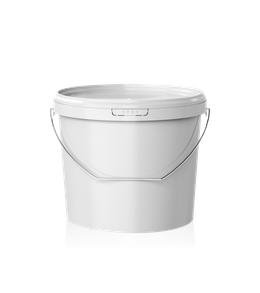
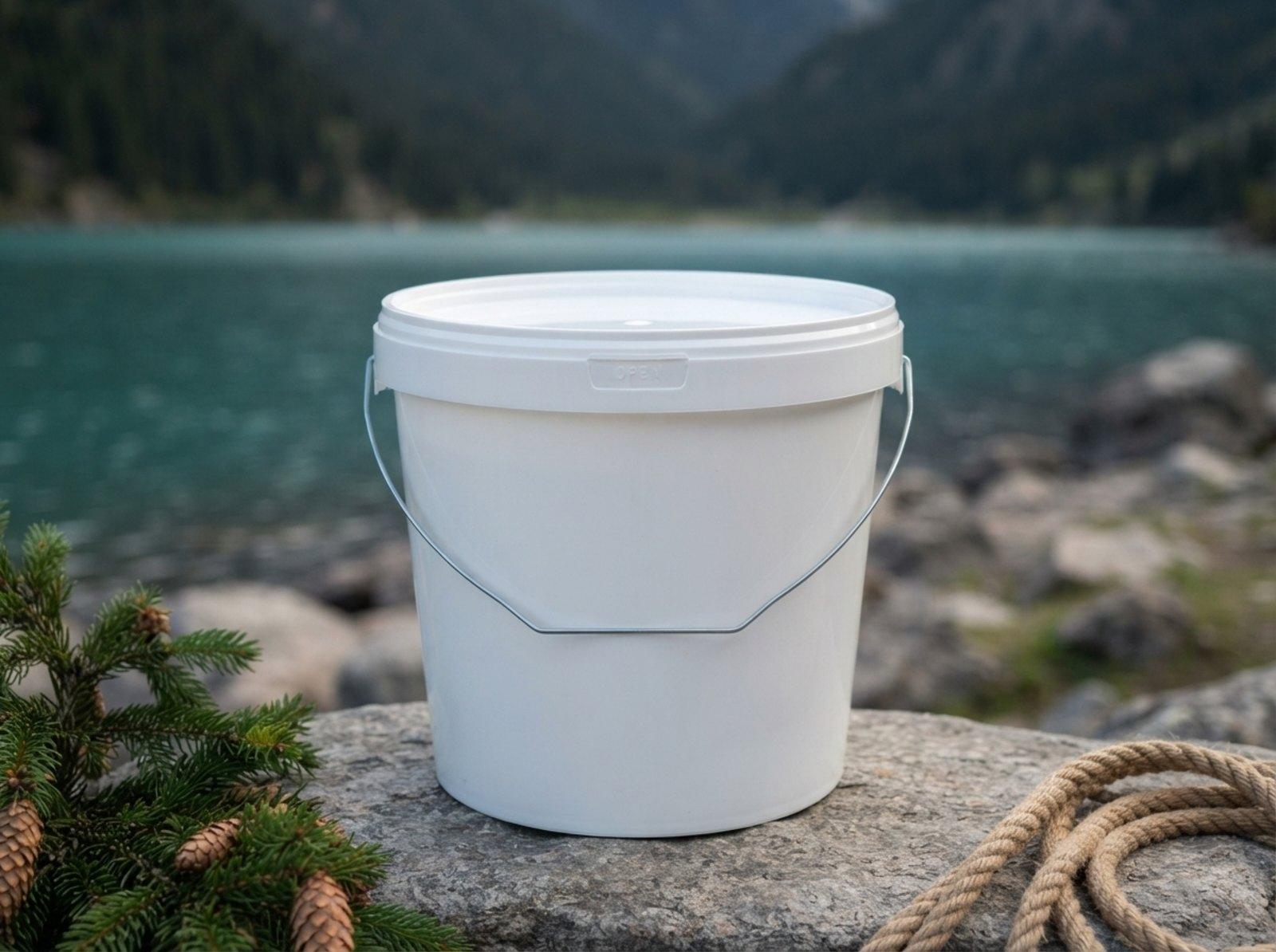
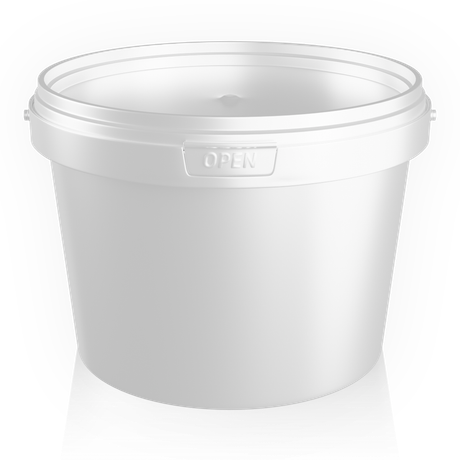
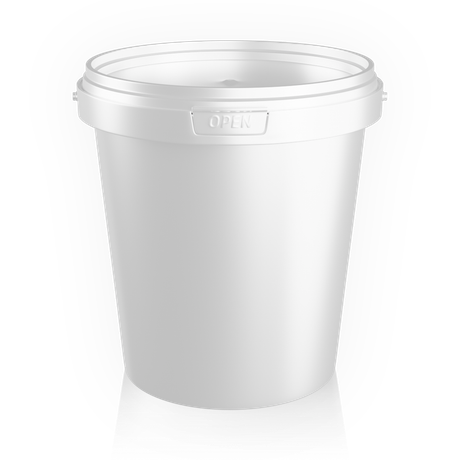
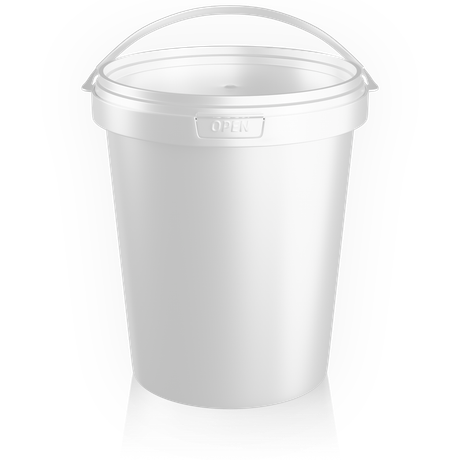
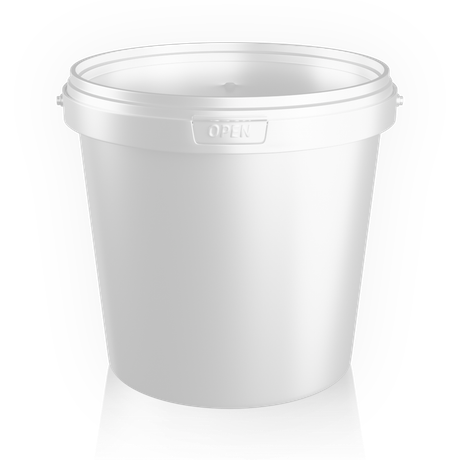
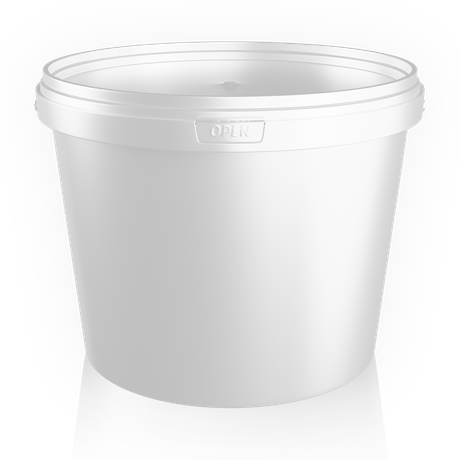
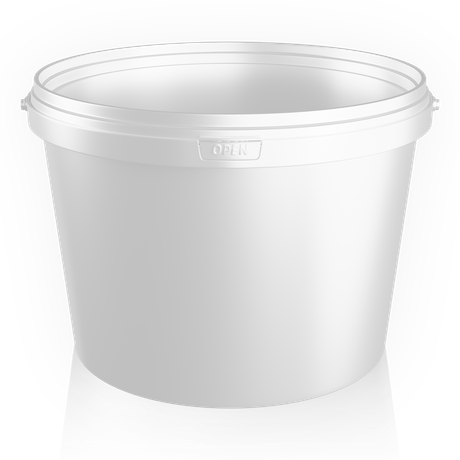
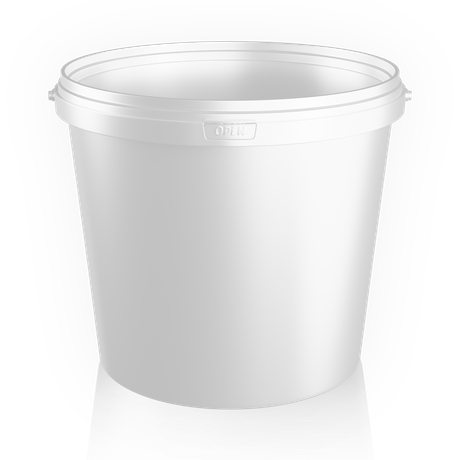
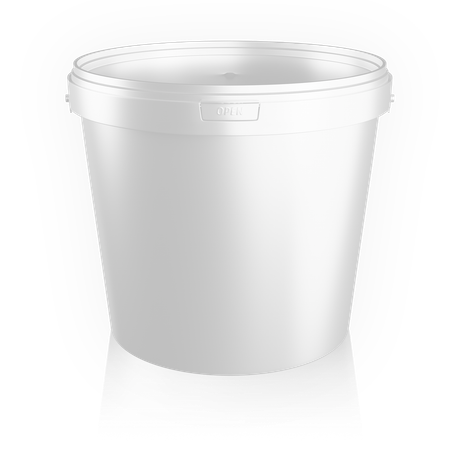
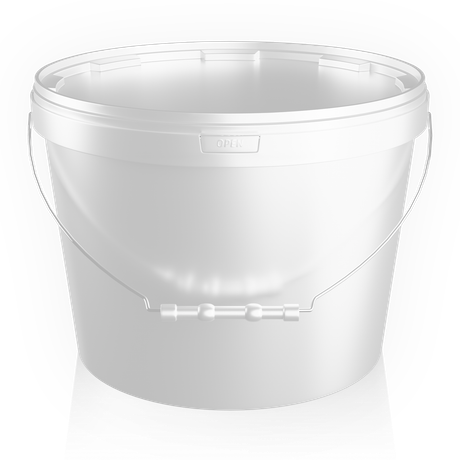
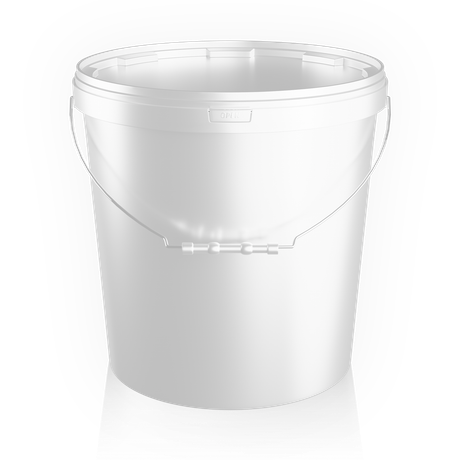
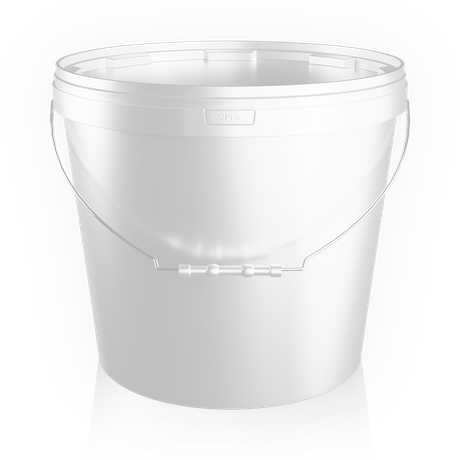
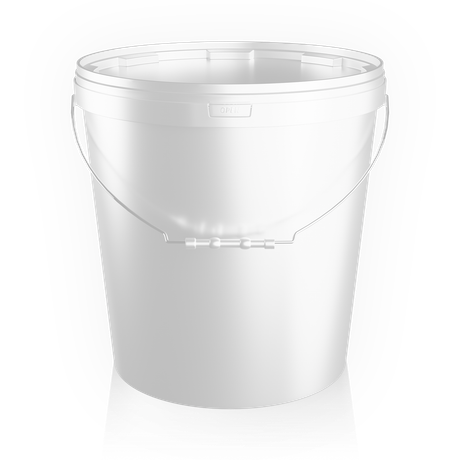
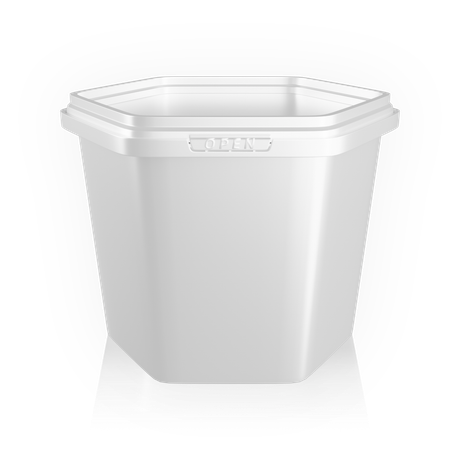
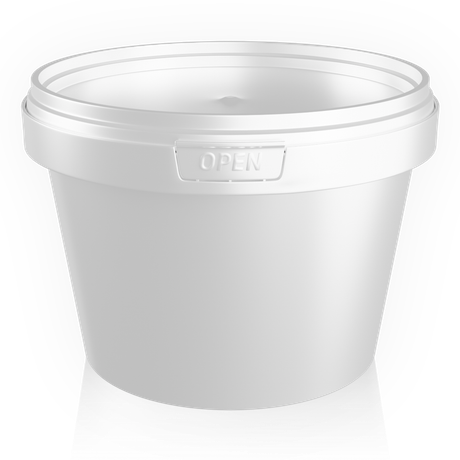
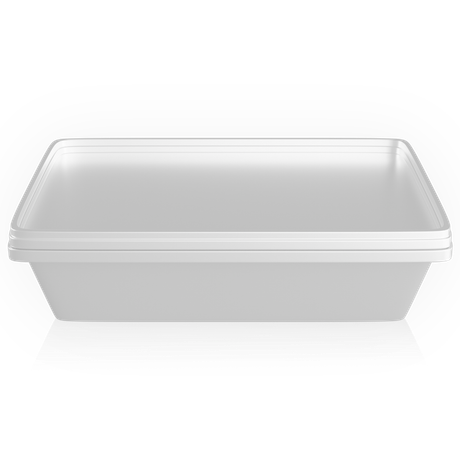
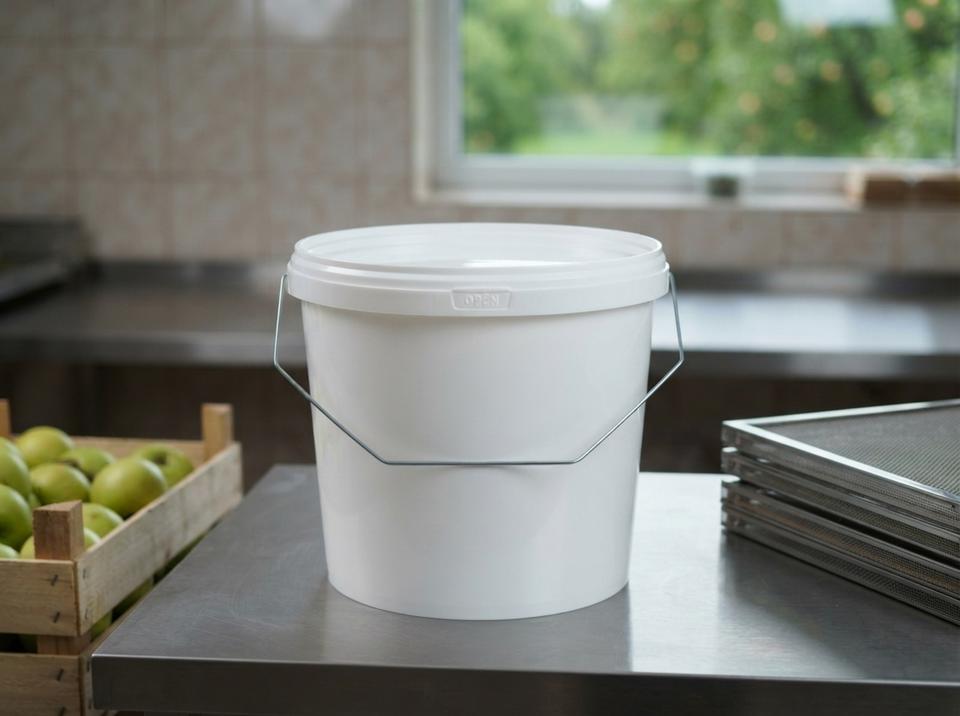
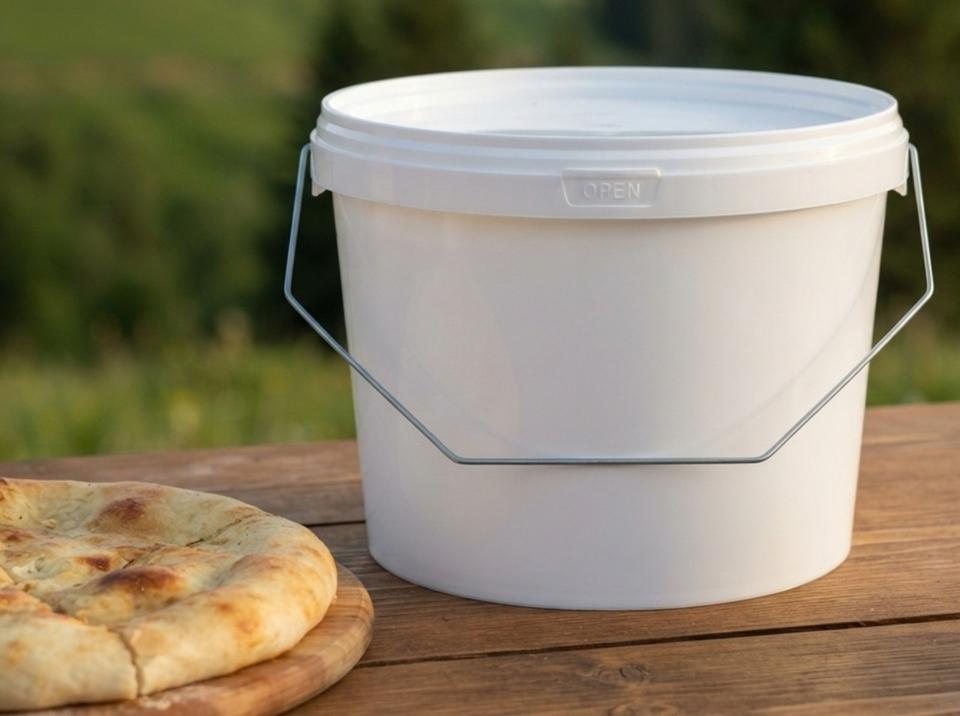
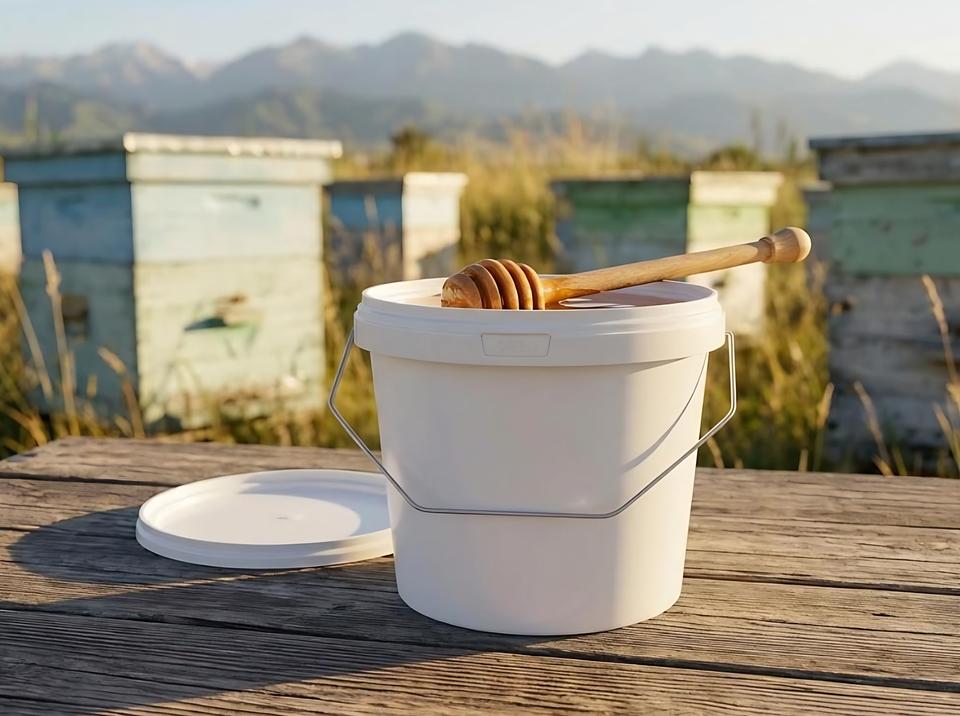
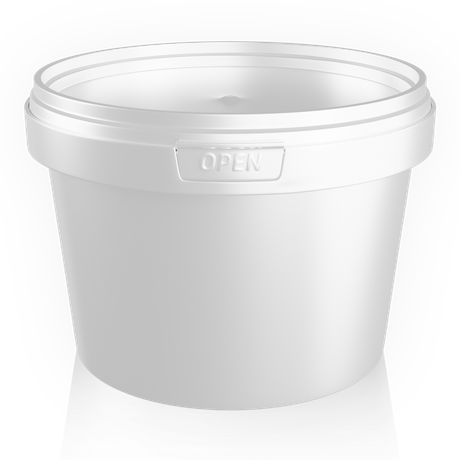
Esik, the administrative center of Enbekshikazakh District, sits among orchards at the foot of the mountains. Visitors come for Lake Esik and the burial mounds where the "Golden Man" was found, while the local economy runs on apples and other fruit, apiary honey, and guesthouses for tourists. All of these businesses need packaging, and the HTI plant supplies Esik with its full line of food-grade buckets, from small 560 ml buckets to large 21 L ones, in white or clear, with a flat lid and an OPEN tamper-evident tear strip.
Esik sells to three markets at once: tourists on their way to the lake, shoppers in town, and wholesalers from Almaty. Below, we've matched a size to each of them. Each card opens the bucket's page with dimensions and empty weight.
A bucket Esik visitors take home in the car.
Cafes and guesthouses: sour cream, marinades, pickles.
Harvesting, honey extraction, wholesale orders.
Containers for guesthouses, lakeside cafes, and souvenir shops.
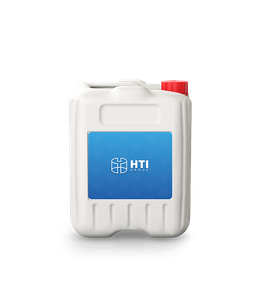
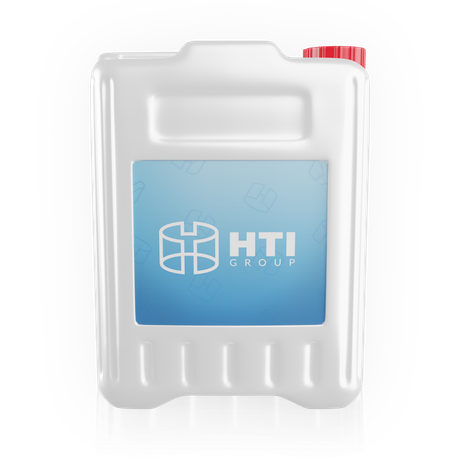
Drinking water jerry cans for tourists, orchards, and apiaries.
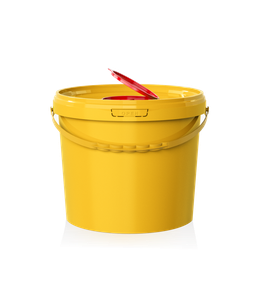
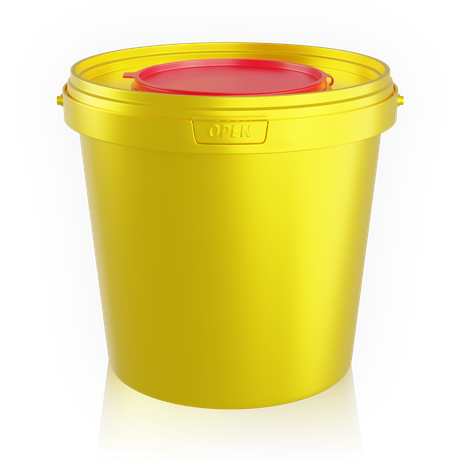
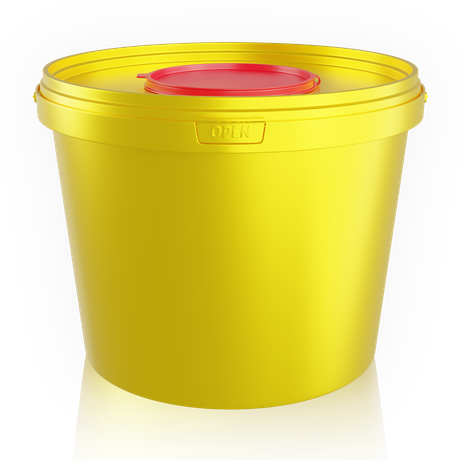
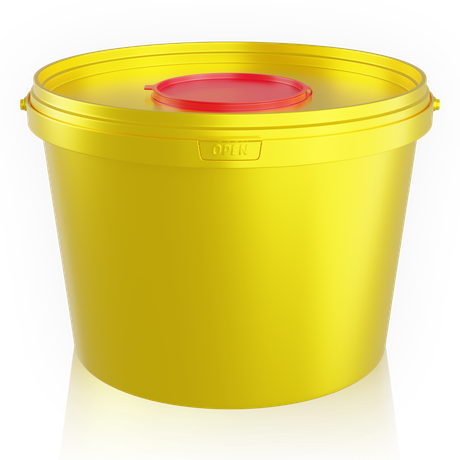
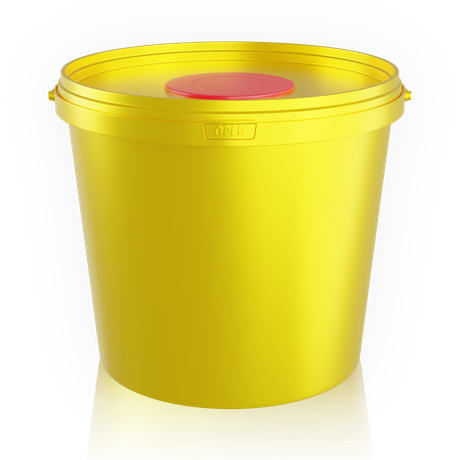
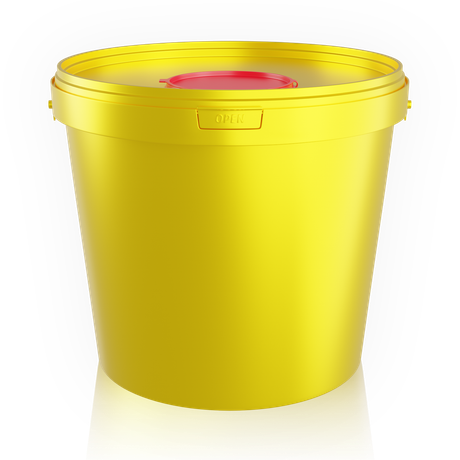
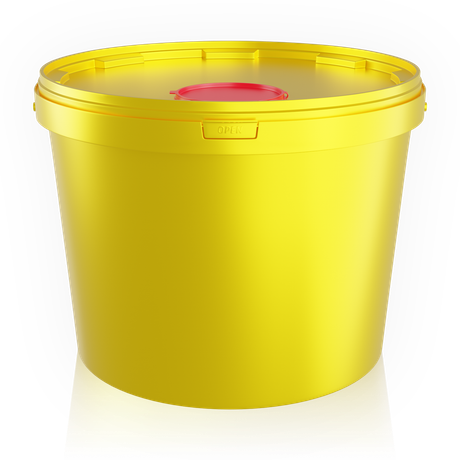
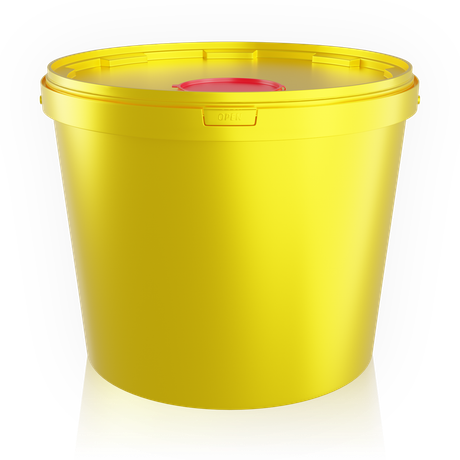
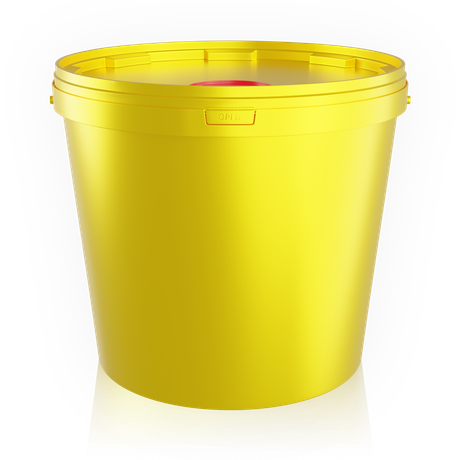
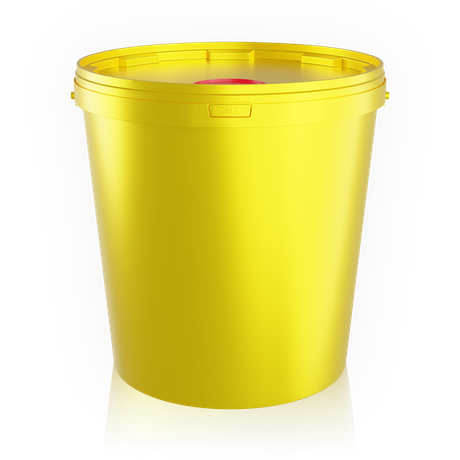
Yellow and red buckets for the district hospital, the outpatient clinic, and first-aid stations at recreation areas.
Packaging at the same scale: body width and height from the factory's product cards
Take-home · PKS560
560 ml plastic bucket
Kaymak for breakfast at guesthouses on the road to the lake: one bucket serves a big group's table.
Sweet cherries and apples at harvest time in the district's orchards: the plastic grip on the bail handle lets you carry a full bucket without hurting your hand.
The opening grows with capacity: from 118 mm on small buckets to 332 mm on the 18 L and 21 L. Empty buckets nest inside each other, so a guesthouse can keep its packaging stock on a single pantry shelf.
Opening and product
Opening widthand product: a chart for Esik
When choosing a bucket, look beyond liters. Just as important is how the product will be taken out: with a spoon, ladle, tongs, or scoop. That's why the table lists the top diameter next to the capacity.
The opening determines how the product comes out of the bucket. Honey is spooned out of a 118 mm opening; 200 to 224 mm leaves room for a ladle and tongs; and 332 mm fits a scoop or a gloved hand. In tourist retail this matters even more, because visitors often ask to taste the honey or jam right at the counter.
The local economy around Esik rests on two pillars: the land provides fruit and honey, and the road to the lake and the burial mounds brings in buyers. Many families combine two or three businesses: they keep hives in the orchard, rent rooms to guests, and sell jam at the gate, so their packaging orders are mixed too. There are four typical kinds of buyers.
An apiary in the orchard1 L: about 1.4 kg of honey
Visitors to the lake and burial mounds
Tourists travel the road to Lake Esik and the burial mounds, and many take home honey, jam, and dried fruit. They need small clear buckets that are easy to carry in the car.
Foothill apiaries
District apiaries place their hives in orchards and mountain meadows. They extract honey into 21 L buckets, pack retail honey in 850 ml and 1 L sizes, and sell to Almaty resellers in 5.6 L buckets with a metal bail handle.
Cafes and guesthouses
Guesthouse kitchens and roadside cafes cook for a steady stream of vacationers. They need 3.8 to 5.6 L buckets for sour cream, marinades, and pickles, and the OPEN tamper-evident tear strip makes accepting deliveries from suppliers quick and hassle-free.
Orchards and fruit drying
The district's harvest becomes jam, fruit butter, dried apples, and dried apricots. For picking, growers use the 11.5 L with a plastic grip; for dried fruit sold by weight, the 8 L; for jam, clear 800 ml and 1 L buckets.
Pallets
Palletsfor apiaries and guesthouses
The calculator converts units into pallets. If an apiary needs 700 of the 21 L buckets for extraction, that's two pallets, since one pallet holds 600. A shop on the lake road packing honey into 3,000 of the 850 ml buckets will fit everything on one pallet with room to spare.
Item
BucketsContainersJerry cansMedical buckets
How many pieces you need
pcs
The result is rounded up to a full pallet.
Small and large buckets can go in one shipment.
Jerry cans have their own pallet quantity because they don't nest.
How to order
Ordering bucketsfor Esik, step by step
Orders start at one pallet, direct from the factory with no middlemen. Here's how it works.
1
Describe your product
Honey, jam, sour cream, or marinade: the product determines the size, handle, and body color. Also tell us where it will be sold: in a shop, at a cafe, or wholesale.
2
Get a quote
A sales manager will suggest buckets, convert units into pallets, and quote a price for the order, including delivery to Esik.
3
Approve the printing
For a guesthouse or apiary with its own brand, we prepare a label or an IML design. If you need plain buckets, skip this step.
4
Receive your pallets
A freight carrier picks up your order at the Bishkek Free Economic Zone and delivers it to Esik. For Kazakhstan, this is a shipment within the EAEU.
Straight-line distance. Click a city to open its page.
Orders for Esik ship from the HTI plant in the Bishkek Free Economic Zone, in Ak-Chiy village; we have no warehouse in Esik, the district, or Almaty. A freight carrier dispatches the truck with your pallets, and the delivery itself is handled as trade between EAEU countries. Your sales manager confirms transit time and freight cost when preparing your estimate.
Tourist season and honey season overlap, so shops and cafes should order buckets before summer starts, and apiaries before the first extraction. Spring is a quieter time on the farm, which makes it the easiest moment to receive pallets, count the buckets, and put them away in storage.
If several small farms in the district need the same buckets, they can share one pallet: it's easier than hauling packaging a little at a time, and the truck travels fully loaded.
Enbekshikazakh District
Nearbyand across the country
Towns near Esik
Links lead to pages with packaging picked for nearby towns and for the whole region.
Tourists buy with their eyes and carry their purchases a long way, so in Esik the bucket version affects sales more than it does in an ordinary store.
Clear
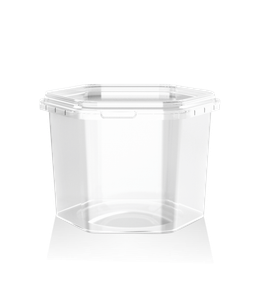
Runny and crystallized honey, jam, and dried apricots show through the wall, so the seller doesn't have to open the bucket for every customer.
With an OPEN tear strip
The tear-off strip under the lid rim shows that the product hasn't been opened since packing. For someone taking honey back to the city, that's a strong selling point.
With a comfortable handle
The 1 L bucket comes with a plastic handle, and on the 900 ml it's molded into the body, so the purchase is easy to carry from the shop to the car.
With your logo
The apiary or guesthouse name is applied with a label or IML. A branded bucket stays in the buyer's home as a reminder of where the honey came from.
Questions and answers
Frequently asked questionsfrom buyers in Esik
Didn't find your answer?A sales manager replies Mon-Fri, 9:00 AM-5:00 PM, Bishkek time
Directly from the HTI plant, in orders of one pallet or more. Call +996 222 600 292: a sales manager will ask about your product and quantity and suggest suitable sizes.
Your sales manager prices each order based on size, quantity, handle, clear or white body, and printing. The delivery cost to Esik is quoted at the same time.
By the pallet via a freight carrier; shipments from Kyrgyzstan to Kazakhstan move within the EAEU. Your sales manager confirms delivery time and freight cost when processing your order.
No, there's no warehouse there. HTI ships buckets only from its plant in the Bishkek Free Economic Zone, in Ak-Chiy village.
For a roadside stall, clear 850 ml or 1 L buckets; a 1 L bucket holds about 1.4 kg of honey. For extraction, beekeepers use the 21 L. More on our honey buckets page.
Yes, dried apricots and apples keep well under a tight lid. For sales by weight, the 5.6 L and 8 L work well; for retail, the 1 L and 2.3 L. See our page on buckets for nuts and dried fruit for details.
Sour cream and sauces go in 3.8 L buckets, shashlik marinade in 5.6 L, and pickles in 3 L. For the full food service range, see our page on packaging for cafes and restaurants.
Yes: with a label on the finished bucket or with IML, where the image is fused into the wall during molding and won't rub off.
Catalog
Buckets for Esikin the HTI catalog
The catalog lists every size with opening diameter, height, and empty weight. For the whole region, see the Almaty Region page, and among nearby towns, check out Talgar with its Aport apple orchards.
Tell us what you'll pack and where you'll sell it. A sales manager will suggest the size, body color, and handle, and calculate the pallets right away.