Want to learn more about our packaging or find the right fit for your business? Request a callback, and our specialist will call you at a time that suits you. Tell us about your product, and we'll help you choose the best option.
Order a callback from a specialist
Want to learn more about our solutions or find the perfect solution for your business? Leave a request for a callback and our specialist will contact you at a convenient time. Together we will find the optimal solution to make your business thrive!
Request a callback from our HR team
Interested in our openings and career opportunities? Leave your contact details and our HR team will get back to you shortly. We'll answer your questions and explain how to join the HTI Group team.
Order a callback from a specialist
Would you like to learn more about our job openings and career opportunities? Leave your contact information, and our HR department will get in touch with you shortly. We will answer all your questions and provide detailed information on how to become part of the HTI Group team.
Mon-Fri, 9:00 AM-5:00 PM · Factory in the Bishkek Free Economic Zone, Ak-Chiy village
Shu District
Plastic bucketsin Shu
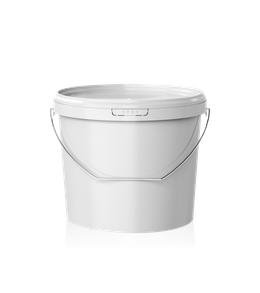
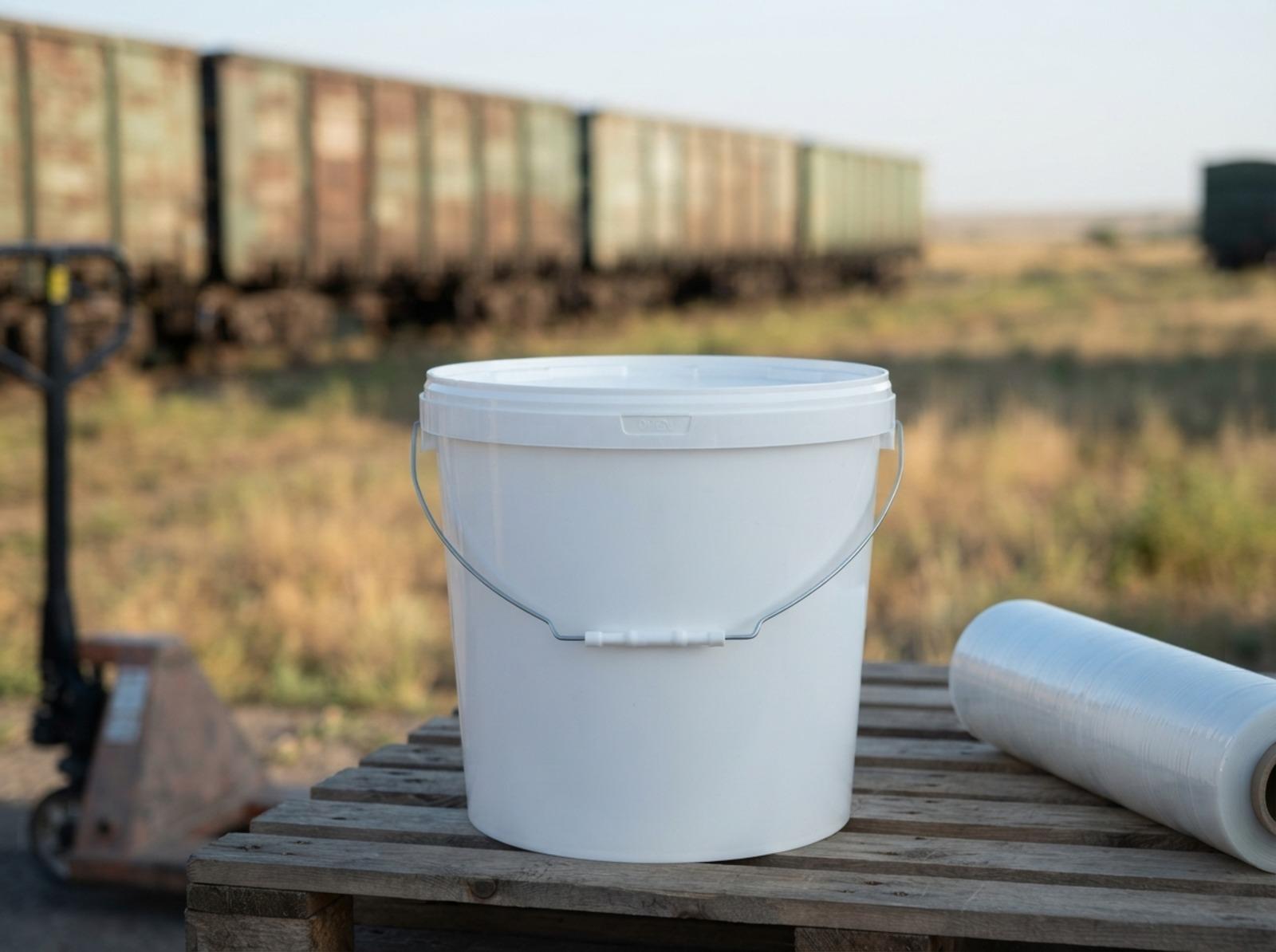
Shu is a railway hub in Zhambyl Region, a town surrounded by vegetable gardens and sugar beet fields in the Shu Valley. Here, buckets go to gardeners for harvesting and pickling, to cafes and canteens near the station, to small farms for feed, and to workshops for paint. The HTI plant makes food-grade buckets from 560 ml to 21 L, white or clear, with lids and OPEN tear strips, and ships them to Shu by the pallet. Below: which size suits which job, an order calculator, and delivery.
The full HTI lineup is split into three groups by size. Under each size, you'll see how it's used in town and in the villages of Shu District. Click a card to see dimensions, empty weight, and photos.
Small buckets for the market, neighborhood stores, and station cafes.
Pickling, plus canteen and snack bar kitchens.
Field, farmyard, workshop, and repairs.
Containers for the station cafeteria, the market, and Shu's delis.
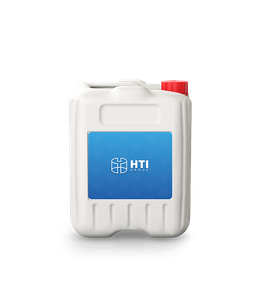
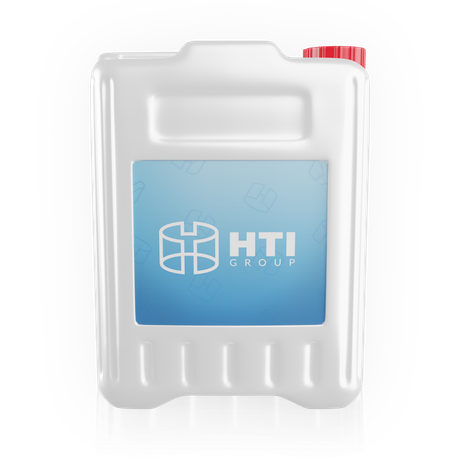
Jerry cans for depot cleaning solution and water for field crews.
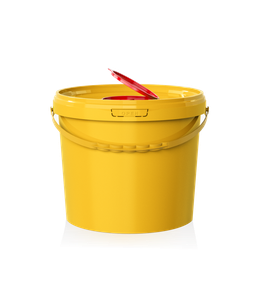
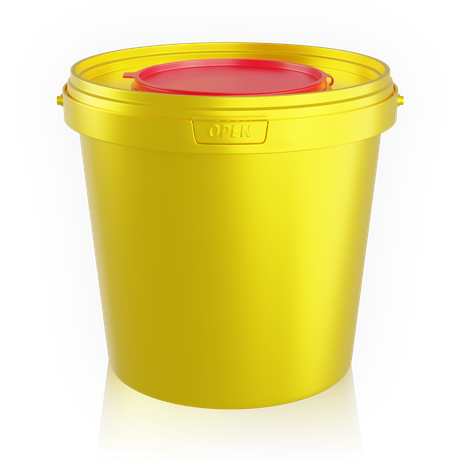
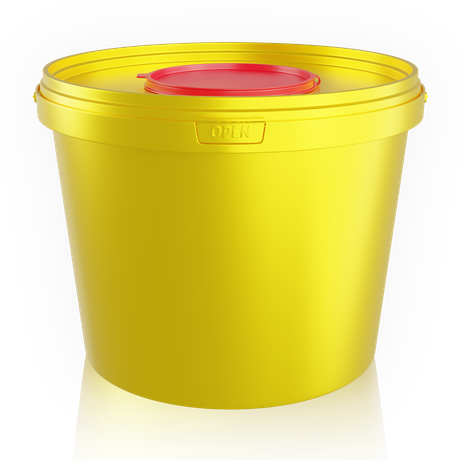
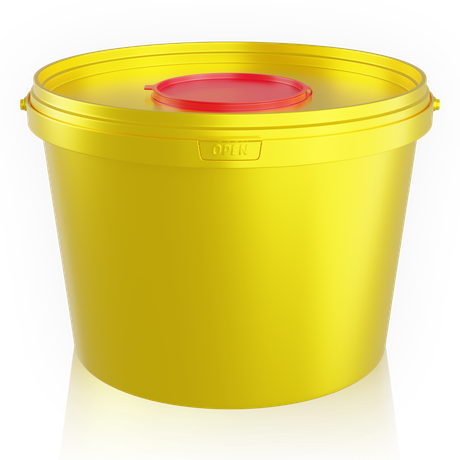
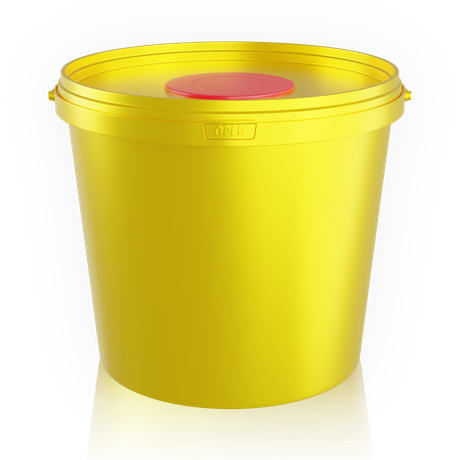
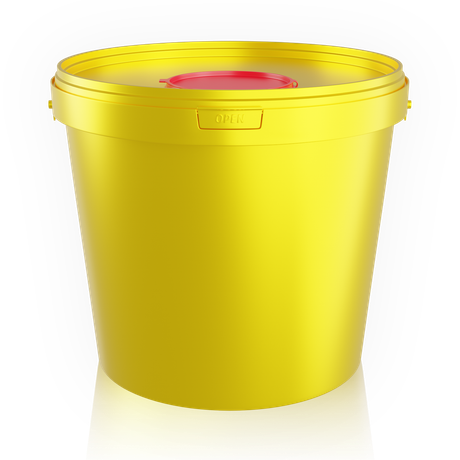
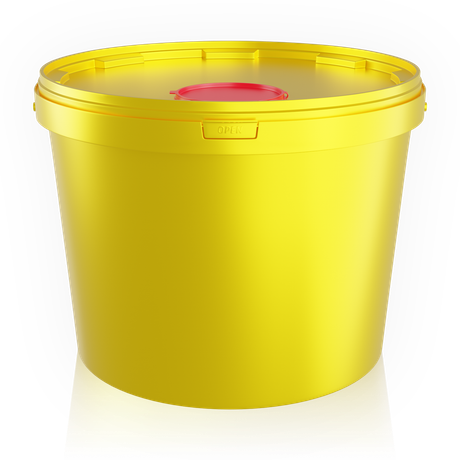
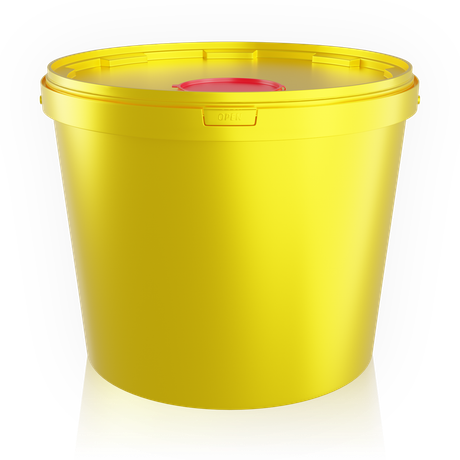
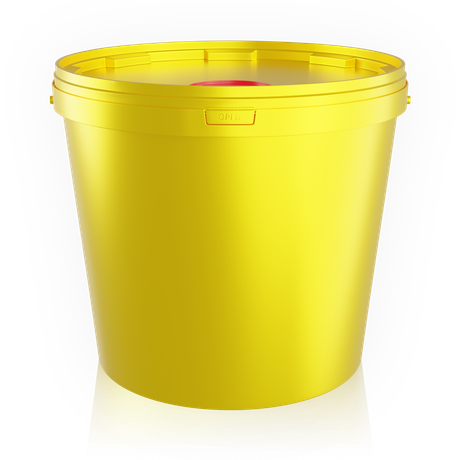
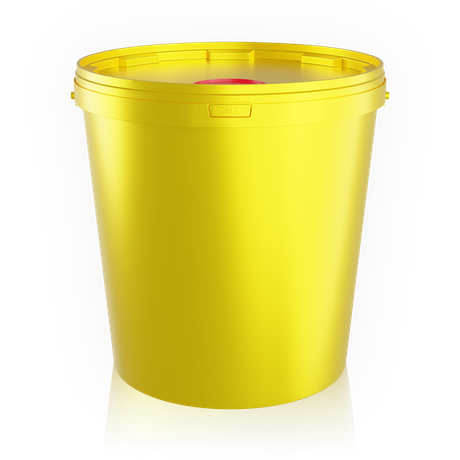
Yellow and red buckets for the city hospital, outpatient clinic, and station first-aid post.
Packaging at the same scale: body width and height from the factory's product cards
Market and cafe · PKS560
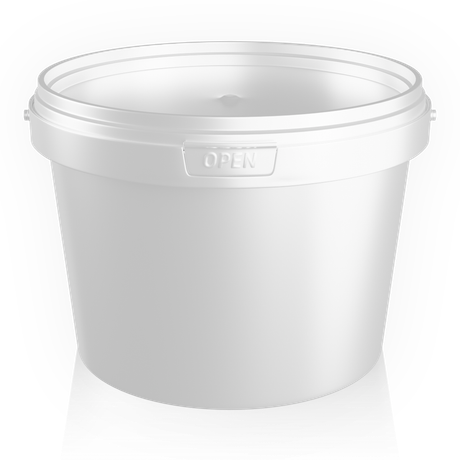
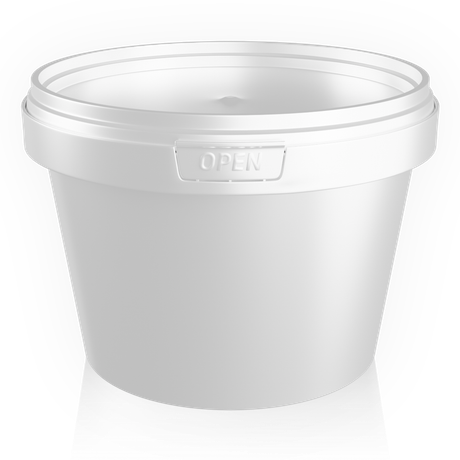
560 ml plastic bucket
Homemade cottage cheese and sour cream from Shu District villages for morning trade at the station.
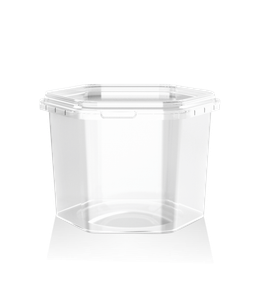
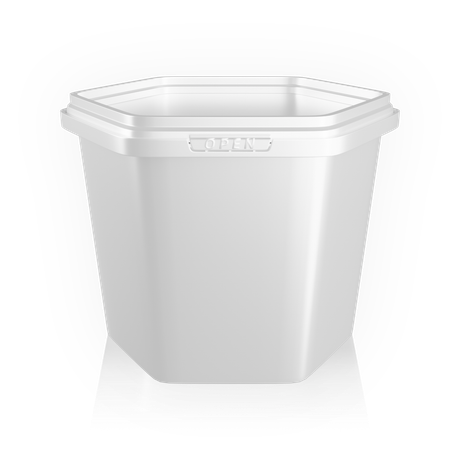
Passengers grab vinegret (beet salad) and cabbage salad at the station market to eat on the train: the 400 ml hexagonal container, no handle, 16.5 g empty.
Shu station first-aid post: when a passenger falls ill on the journey, the valve on the 1 L bucket (36 g empty) removes the needle after the injection.
Pre-trip medical checks for locomotive crews at the depot: cotton and tongue depressors from each engineer go into the yellow 2.3 L bucket, 62 g empty.
Treatment room at the railway workers' clinic: after a track worker's injection, the syringe goes into the 3 L bucket and the needle into the valve, 95 g empty.
ECG room at the Shu outpatient clinic: staff clean gel off the patient's chest with wipes from a dispenser, a 3.8 L bucket that stands next to the machine.
Admissions department at harvest time: patients come in with cuts and bruises from the valley fields; dressings go into the yellow 5.6 L bucket, and each syringe leaves its needle in the valve.
Hospital by the station: between pickups, waste builds up in the largest bucket in the lineup, the 21 L, 620 g empty, with the lid kept on until loading.
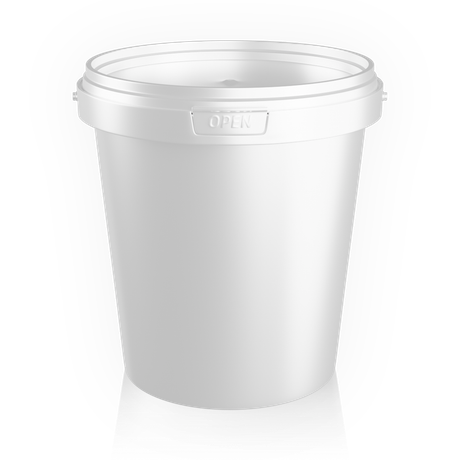
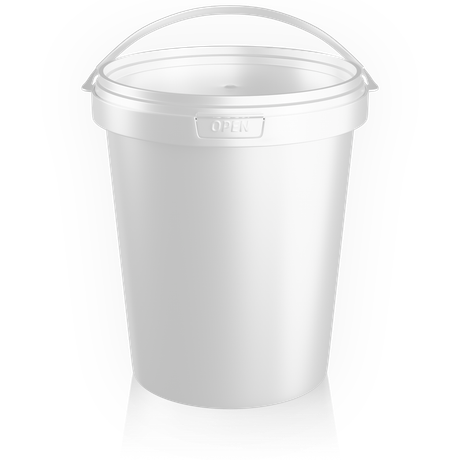
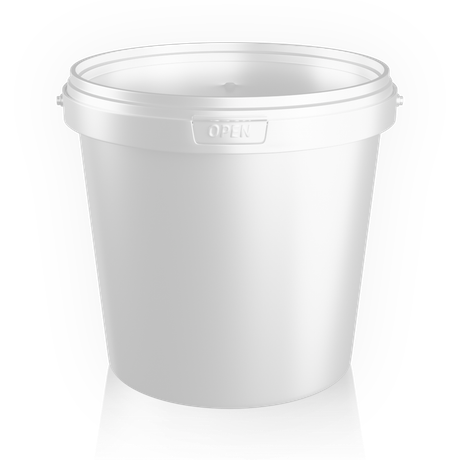
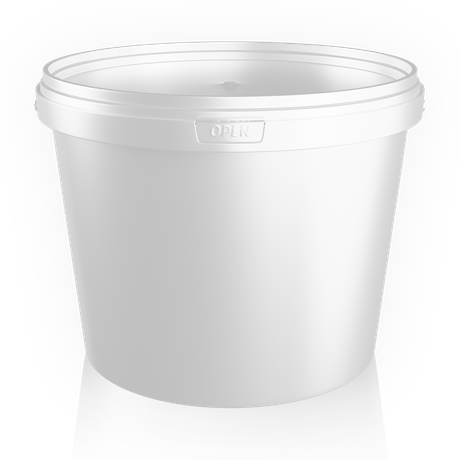
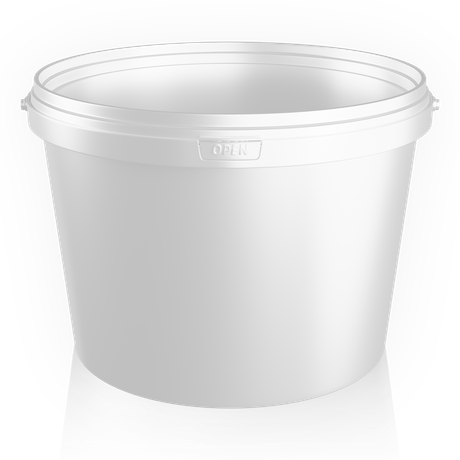
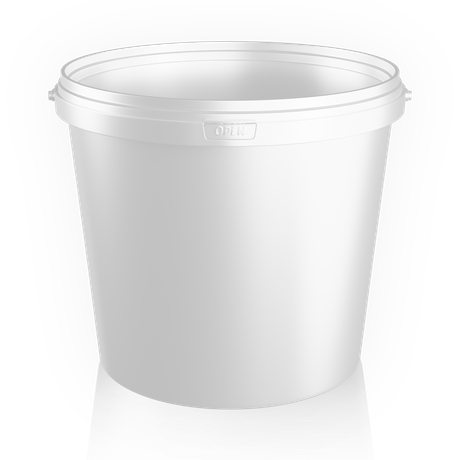
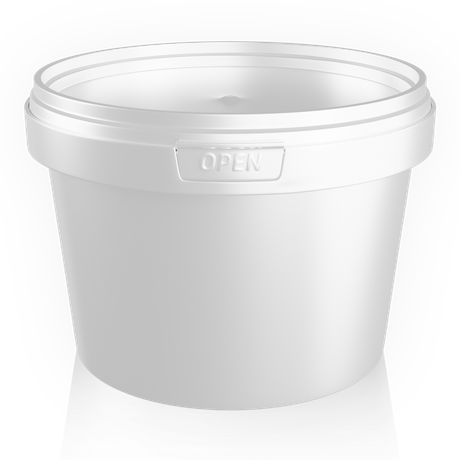
Empty buckets of the same size nest inside each other, so even large ones ship in stacks of a hundred or more. Every lid is flat, with a double rim and an OPEN tamper-evident tear strip that shows whether the bucket has been opened.
Who buys what
Who in Shubuys which bucket
Demand in Shu comes from three sources: valley gardens, the railway with its cafes and workshops, and private small farms. The table shows the buyer, their product, and the bucket they usually start with.
Look at the pallet column: a pallet holds more than five times as many pickling buckets as feed buckets. That's why one pallet lasts a vegetable grower the whole season, while a farm with a large herd may need several.
The rail station and the valley:what drives demand
The town grew up around the railroad, and the Shu River valley feeds it. That gives Shu four groups of buyers who need buckets every season. Each has its go-to size, and one family often belongs to two groups at once: they keep a vegetable garden and a cow and sell pickles in winter.
Harvest in the valley11.5 L: 816 buckets per pallet
Valley vegetable gardens
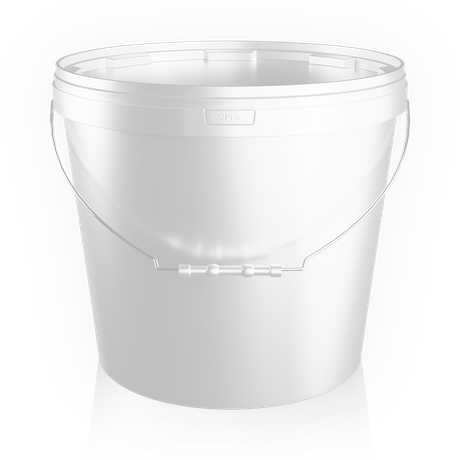
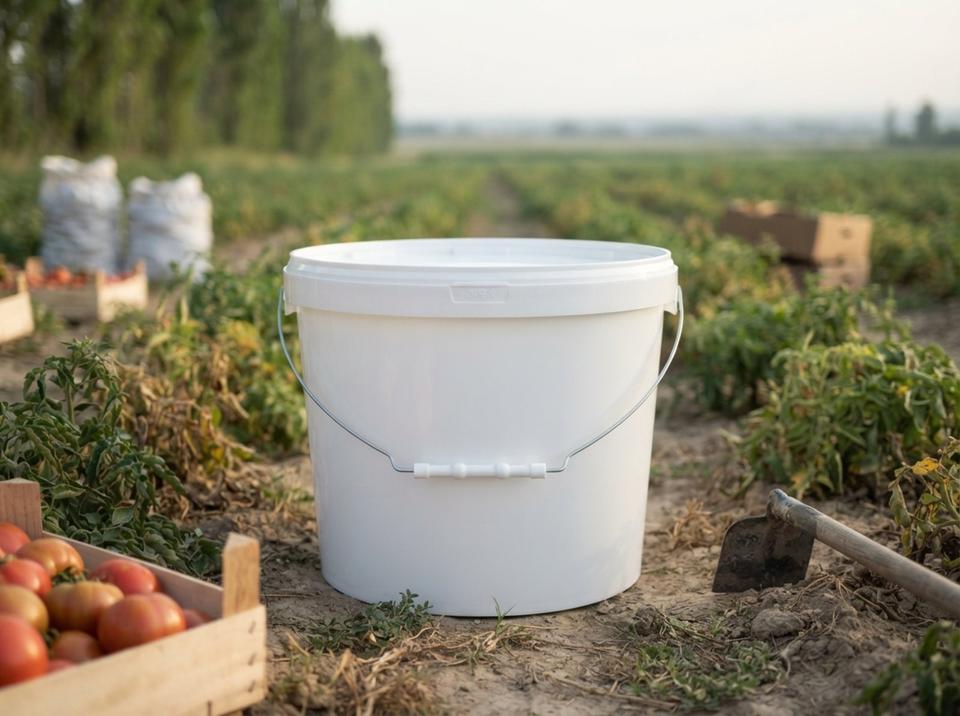
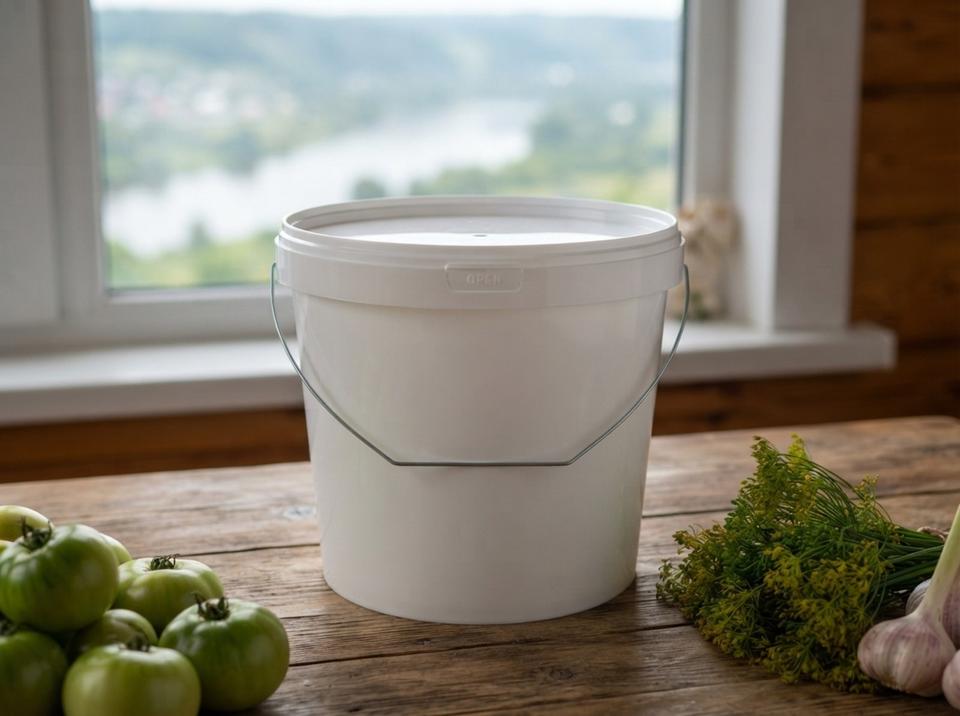
Cucumbers, tomatoes, peppers, and beets from the fields around Shu go both to market and into pickling. For harvesting, growers use the 11.5 L bucket with a plastic grip; for pickles, the clear 2.3 and 3 L buckets.
Railroad
Cafes and snack bars operate near the station, and workshops service the tracks and machinery. Cafes need 800 ml buckets for jam and 3.8 L for sauces; workshops need 15 L for paint and grease.
Backyard farms
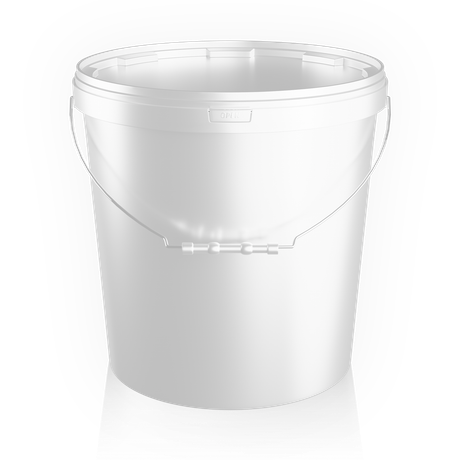
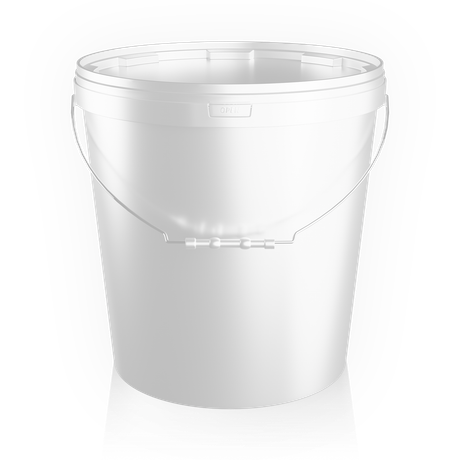
Households keep cows and sheep, so grain, bran, and compound feed are stored in the 21 L bucket: a 332 mm opening, a bail handle with a plastic grip, and a lid that keeps dust and moisture out of the feed.
Canteens and snack bars
Sauerkraut, lecho, and marinated shashlik get used up by the bucketful. Kitchens find the 3 and 3.8 L sizes handy, and meat is marinated in 8 L buckets with a wide opening.
Pallet estimate
Pallets for harvestand pickling season
Enter the number of buckets, and the calculator shows how many pallets you need. A farm in the Shu Valley orders 600 buckets of 11.5 L for the harvest: that's one pallet. For pickling, the same farm takes 4,000 clear 2.3 L buckets, and that's two pallets.
Item
BucketsContainersJerry cansMedical buckets
How many pieces you need
pcs
A partial pallet counts as a full one, so the result is rounded up.
Harvest and pickling buckets can ship together.
Jerry cans (5 and 10 L) are counted at their own, smaller per-pallet quantity.
How to order
Buying bucketsfrom Shu, step by step
We sell by the pallet, with one pallet as the minimum order. Vegetable growers, cafes, and workshops all order the same way. If a full pallet of one size is too much for you, team up with your neighbors and order together.
1
Call the factory
Our number is +996 222 600 292. Tell us your product, the sizes and quantities you need, and the delivery address in Shu or a village in the district.
2
Review your selection
Your sales manager will confirm the handle and body color, convert the quantity into pallets, and quote the total for the buckets and shipping.
3
Approve the printing
If the bucket will carry your brand, approve the label artwork or in-mold labeling (IML) design before molding. Without printing, your order goes straight to packing.
4
Receive your order
A freight carrier collects the pallets at our plant in the Bishkek Free Economic Zone and delivers them to Shu as a shipment within the EAEU.
Logistics
Delivery to Shuby the pallet, via a freight carrier
Straight-line distance. Click a city to open its page.
Orders ship from the HTI plant in the Bishkek Free Economic Zone, Ak-Chiy village. Buckets travel to Shu by the pallet via a freight carrier, and the delivery is documented as an internal EAEU shipment. Your sales manager confirms delivery time and cost along with your order estimate.
HTI has no warehouse or pickup point in Shu itself: each pallet is assembled at the plant for your order. On the plus side, one shipment can include buckets for harvesting, pickling, and feed.
It pays for vegetable growers to order before the harvest starts, so the packaging is already on hand when the crop comes in. Cafes and canteens find it easier to stock up for several months at once. Workshops and renovation crews need packaging year-round, so it makes sense to plan their paint and putty buckets together with their other purchases.
Shu and its neighbors
Nearbyand across the country
Zhambyl Region
The links lead to pages for nearby towns and villages and to the page for the whole region.
One bucket goes to the market, another to a canteen, a third to a workshop. Each route calls for its own version.
A handle to match the load
Small buckets have a plastic handle, a molded-in handle, or no handle at all. From 2.3 to 5.6 L, the handle is metal or plastic. From 8 L up, it's a bail handle with a plastic grip, which makes it easy to carry a full bucket from the garden bed to the car.
Clear wall
Pickled cucumbers in brine and jam sell on sight at the market. A clear bucket shows off the product with the lid still on.
Tamper evidence you can trust
The OPEN tear strip under the rim comes off the first time the bucket is opened. Shoppers can see that nobody has touched the pickles since packing.
Your brand on the wall
A label works for a trial run. For a regular print run, IML is the better choice: the image is fused into the wall and won't wash off.
Questions and answers
Questionsfrom buyers in Shu
Didn't find your answer?A sales manager replies Mon-Fri, 9:00 AM-5:00 PM, Bishkek time
Directly from the HTI factory: buckets are sold in orders of one pallet or more and shipped to Shu from our plant in the Bishkek Free Economic Zone. Call +996 222 600 292 or request a callback.
Your sales manager prices each order individually based on size, quantity, handle, color, and printing. The cost of delivery to Shu is included in the same quote.
A freight carrier transports the pallets, and the delivery is handled as a shipment within the EAEU. Your sales manager confirms timing and cost when you place your order.
No. Buckets ship only from our plant in the Bishkek Free Economic Zone, Ak-Chiy village, and every order is put together on request. So order seasonal packaging well in advance, not on the day your crop is already ripe in the beds.
For selling at the market, go with the clear 2.3 L bucket: a liter of pickles with brine weighs about 1.05 kg, so a full bucket holds about 2.4 kg. For a family's own stock, people choose the 3 L, which holds about 3.2 kg.
816 buckets. They're tapered and nest inside each other in stacks, so a pallet holds a lot of packaging at a low weight.
Yes, buckets from 8 L up have a metal bail handle with a plastic grip. The grip spreads the weight across your palm, so a full bucket of cucumbers or feed is much easier to carry.
Yes, with a label or with IML. With IML, the image is fused into the bucket wall during molding, and the artwork is approved in advance.
Catalog
Bucket catalogfor buyers in Shu
The catalog lists every size with dimensions and empty weight. For how buyers across the region source packaging, see the Zhambyl Region page; nearby villages are covered on the Kordai and Merke pages.
Describe your product and how much you need for the season. Your sales manager will pick the sizes and handles, calculate pallets and delivery to Shu, and, if you want your own brand on the bucket, suggest the best option for your first order.