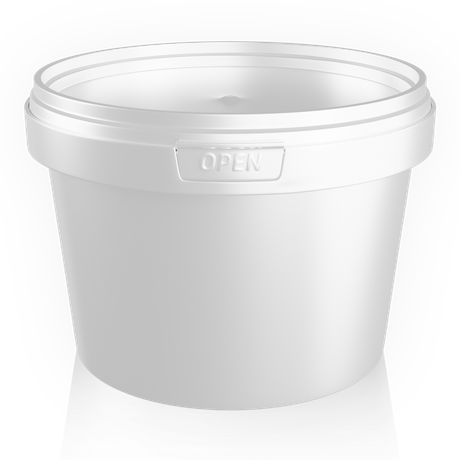
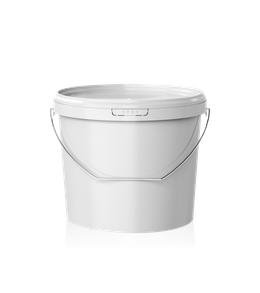
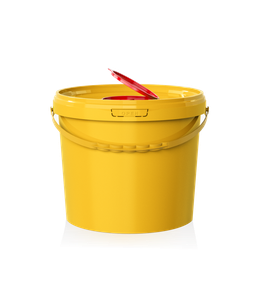
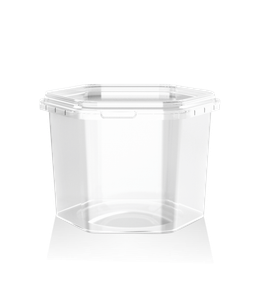
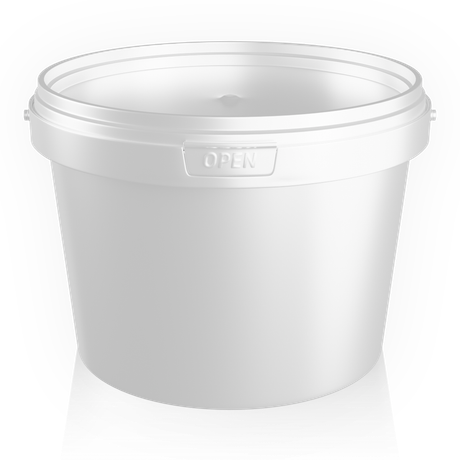
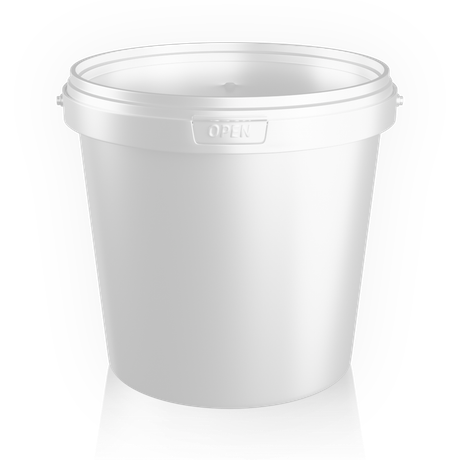
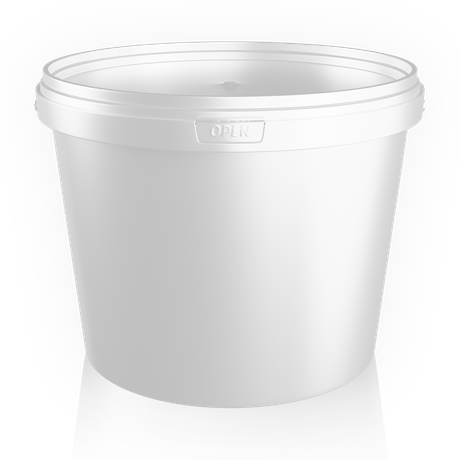
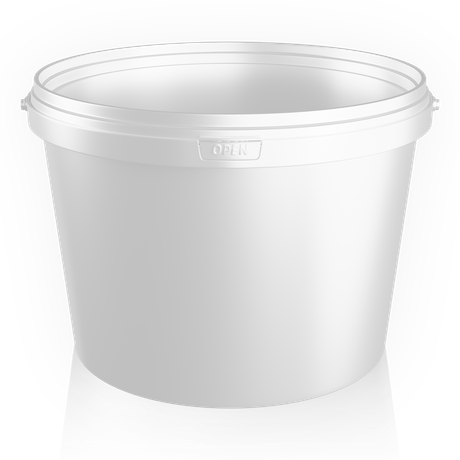
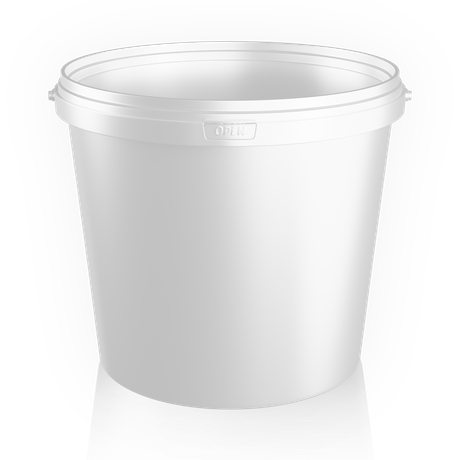
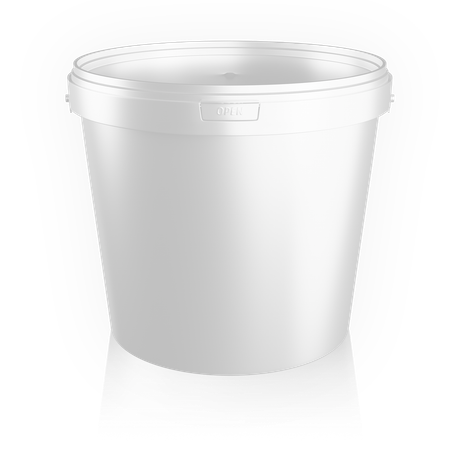
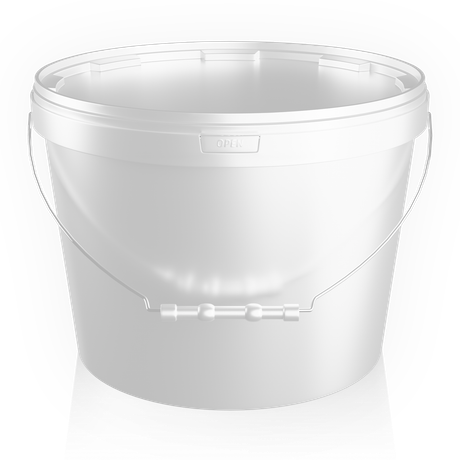
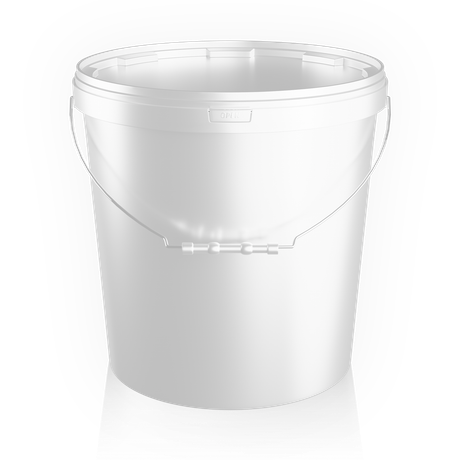
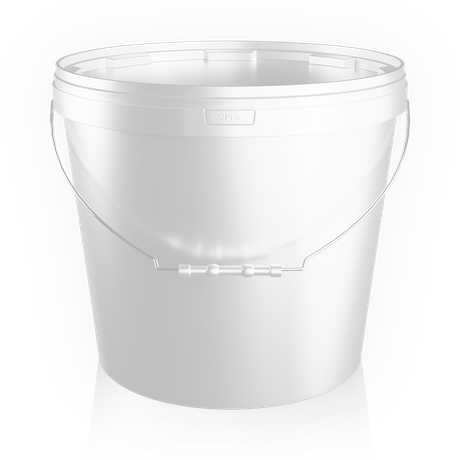
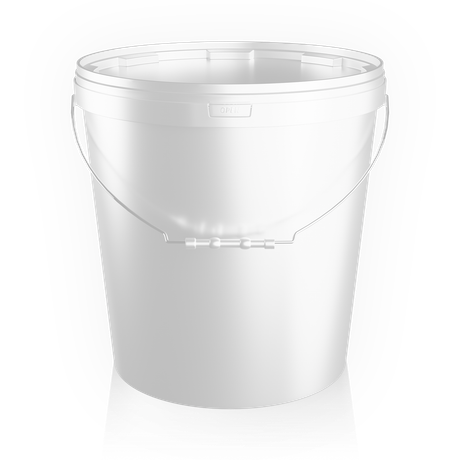
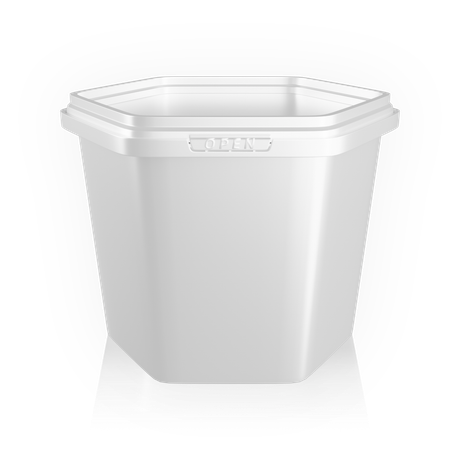
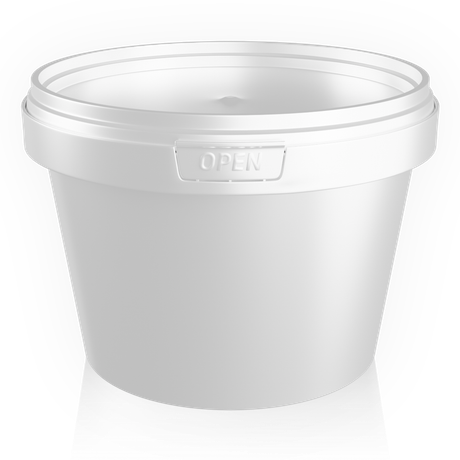
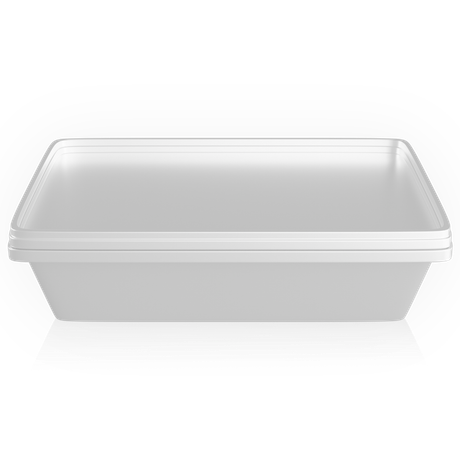
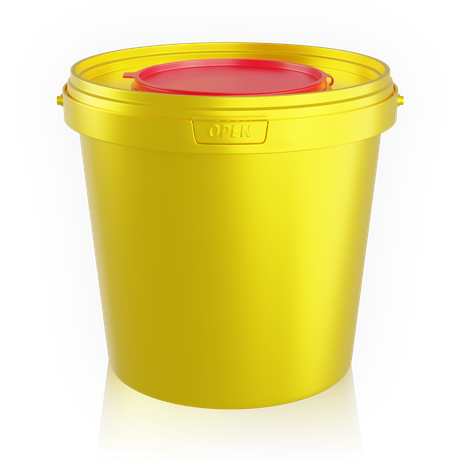
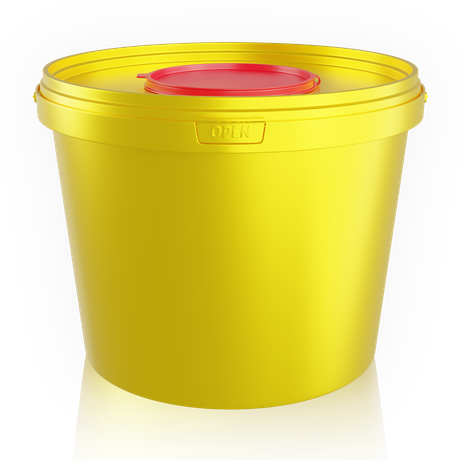
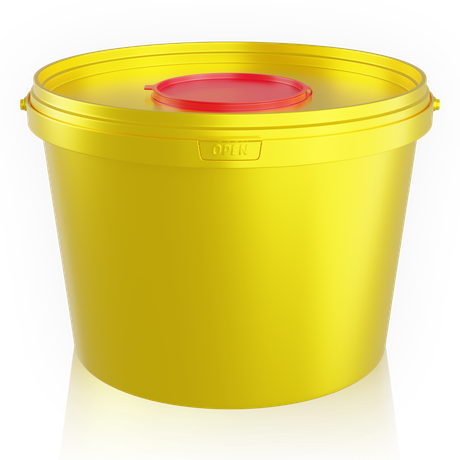
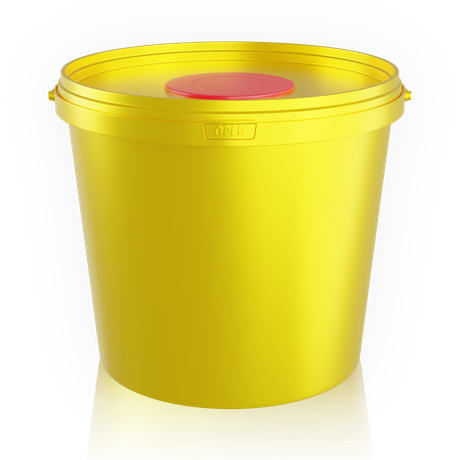
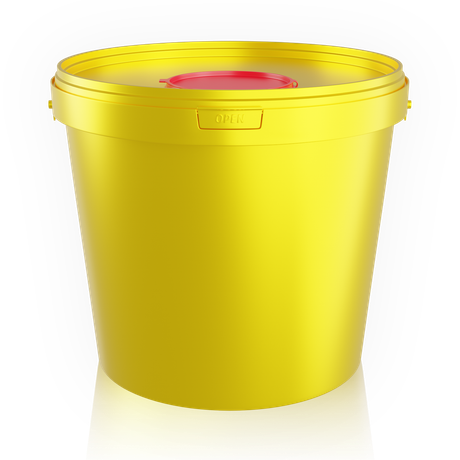
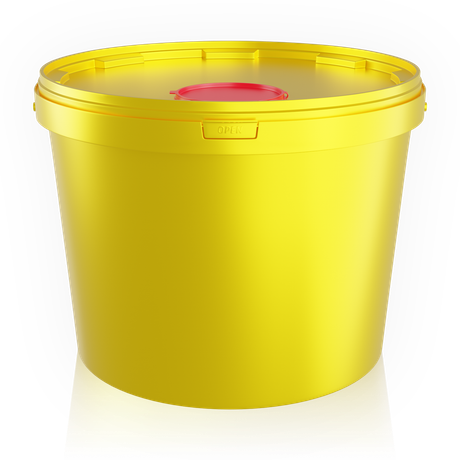
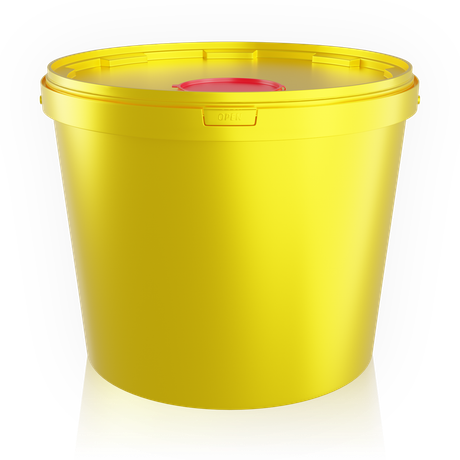
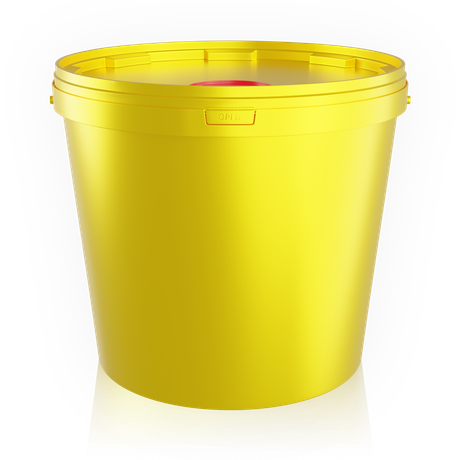
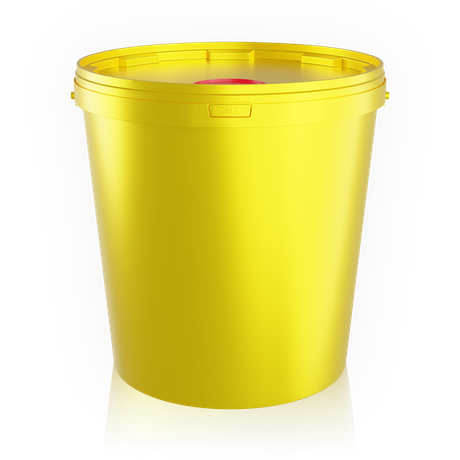
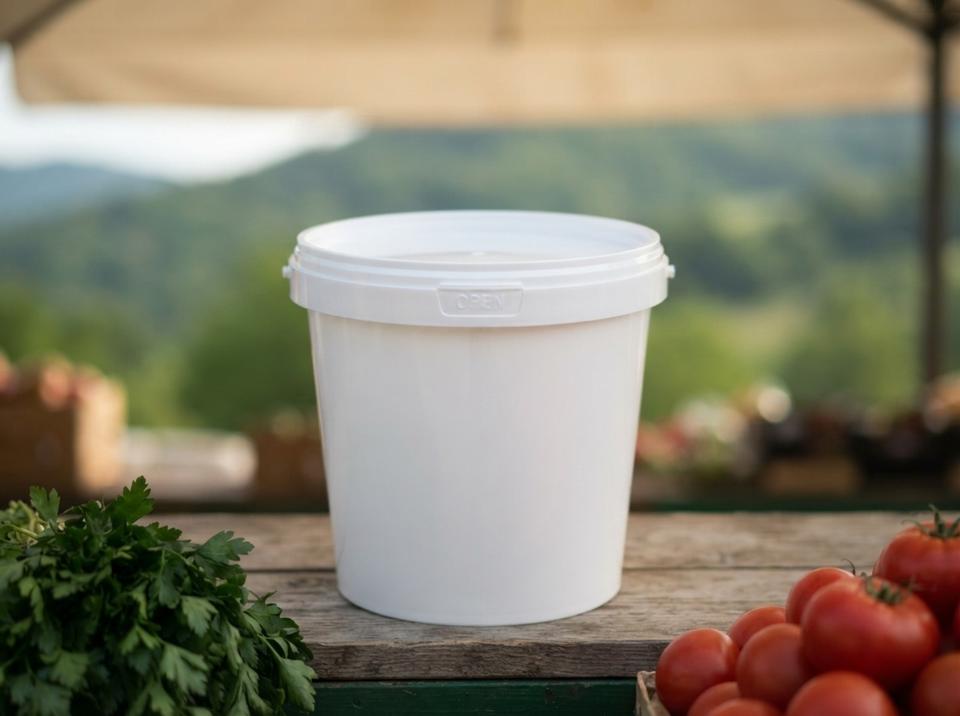
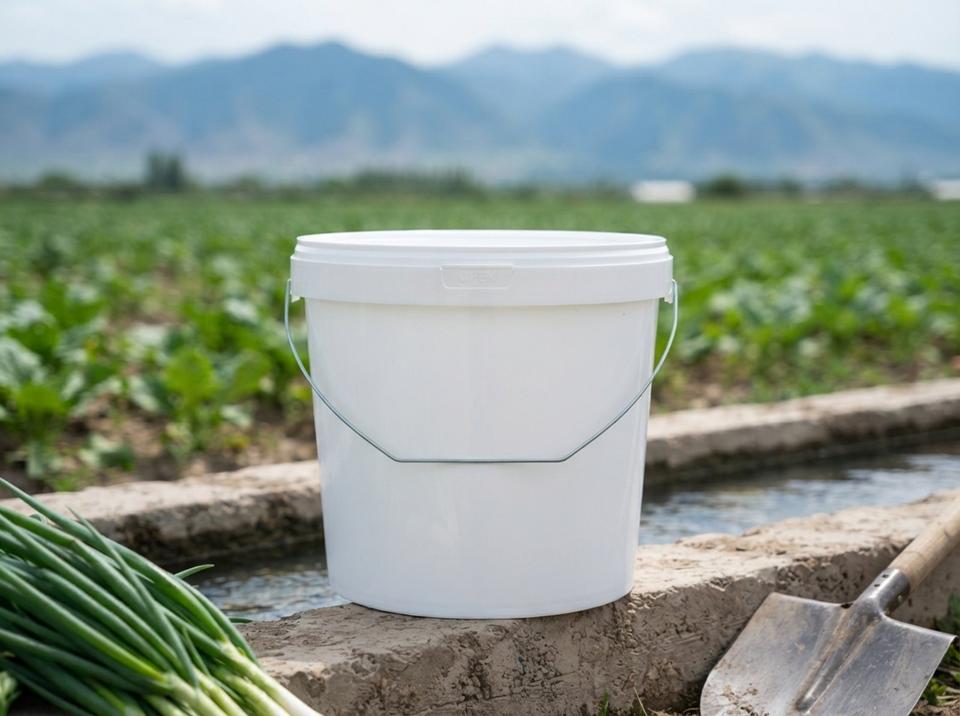
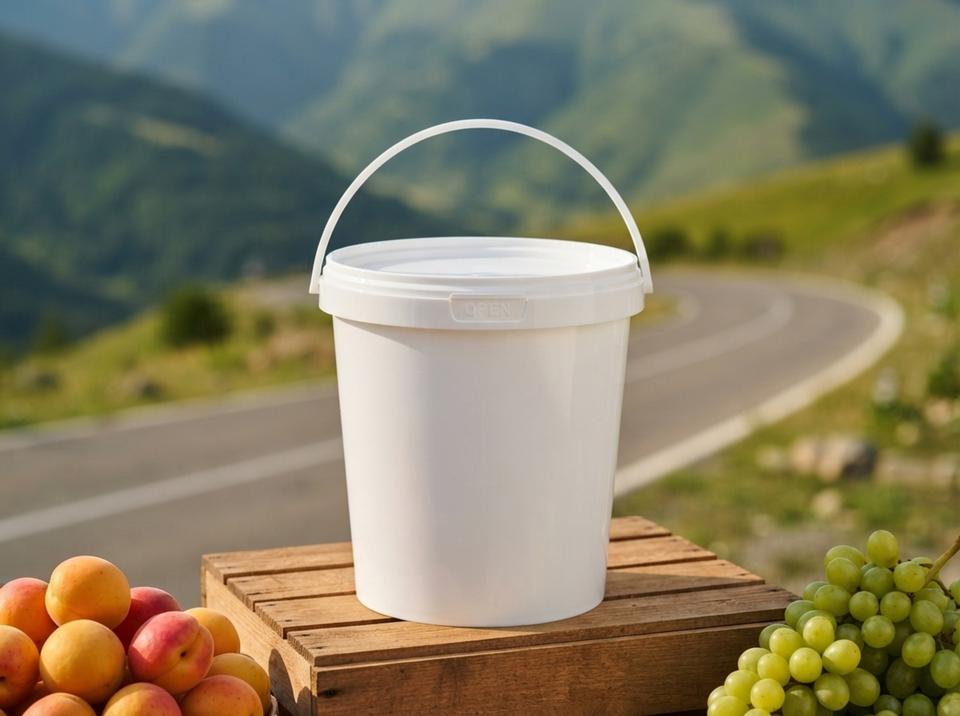

560 ml plastic bucket
Sour cream for manty and shashlik at roadside cafes: the low bucket with no handle fits right in the fridge.
- Opening
- Ø 118 mm
- Height
- 80 mm
- Empty weight
- 23 g
- Per pallet
- 7,200 pcs
Plastic buckets14 sizes · 560 ml to 21 L
Medical buckets9 sizes · 1 to 21 L
Food containers5 formats · 250 to 750 ml
Plastic jerry cans5 L and 10 L
Plastic buckets16 models, 560 ml - 21 L
Medical buckets10 models, 1 - 21 L
Food containers5 models, 250 - 750 ml
Plastic canisters5 and 10 L
塑料桶16 个型号,560 毫升 - 21 升
食品容器5 个型号,250 - 750 毫升
塑料方桶5 升和 10 升Hello! We'll suggest the right size for your product, calculate pallets, and quote a price for your order.
Kordai is a village in Zhambyl Region, right by the border crossing into Kyrgyzstan's Chuy Region. It's busy with trade and roadside cafes, and the village is ringed by fields, orchards, and farms. The HTI plant sits just across the border in Chuy Region, but buckets reach Kordai the same way they reach any town in Kazakhstan: by the pallet via a freight carrier, documented as a shipment within the EAEU. Below you'll find sizes for your products, a pallet calculator, and how to buy.
Kordai, Zhambyl Region: buckets across the region

Fourteen sizes in three groups. Under each one, you'll see how the bucket is used in Kordai and the district's villages: at a roadside stand, in a shashlik cafe kitchen, in the field, and on the farm. Each card opens that size's page with dimensions and photos.
Goods travelers buy for the road.
Shashlik cafes, other cafes, and traders who deliver goods to local stores.
Harvest, feed, baking, and repairs.
Containers for Dungan cafes, shashlik cafes, and highway vendors.
Jerry cans for washer fluid at gas stations and soap for cafe kitchens.
Yellow and red buckets for the district hospital, village clinics, and highway ambulance crews.

Sour cream for manty and shashlik at roadside cafes: the low bucket with no handle fits right in the fridge.

Jam and preserves that highway vendors sell to passing drivers: a small bucket with a plastic handle.

Ice cream sold by weight at summer stands along the highway: a bucket with a plastic or molded-in handle.

Adjika and shashlik sauce to go: the molded-in handle is cast in one piece with the body.

A liter of honey for the roadside stand: easy for buyers to set in the trunk.

Pickles in a clear bucket for market stalls, where shoppers choose with their eyes.

Tomato sauce and lecho (pepper stew) for cafes that feed drivers and travelers.

Garlic and tomato sauces for shashlik cafes: a ladle fits easily through the wide opening.

Honey and jam in small wholesale lots for traders who supply stores across the district.

Marinated meat for shashlik cafes along the highway: 276 mm opening and a bail handle with plastic grip.

Picking vegetables and fruit in the fields and orchards of Kordai District: bail handle with plastic grip.

Fruit butter and fillings for local bakeries and pastry shops that bake for roadside sale.

Paint and putty for renovating shops, cafes, and homes in the village.

Compound feed and salt for livestock on farms around Kordai: the lid keeps dust out of the feed.

Lazjan, the spicy chili seasoning for lagman from the district's Dungan villages: the 250 ml hexagonal container, 13 g, no handle.

Small portions of honey for travelers heading from Bishkek to Almaty: the 385 ml round container holds about 0.55 kg.

Glass noodle (funchoza) and vegetable salads to go for truck drivers before the border: the 400 ml hexagonal container rides along in the cab and weighs 16.5 g.

Roasted nuts and dried fruit for the drive over the Kordai Pass: the 550 ml round container, no handle, Ø118 × 80 mm.

Shashlik with onions and flatbread to go from a highway grill: the flat tray weighs 21 g and measures 122 × 173 mm.

Windshield washer fluid at gas stations and car washes near the border crossing: drivers grab a 5 L jerry can with a screw cap as a spare for the trip.

Liquid soap and dish detergent for roadside cafe kitchens: 10 L jerry can, molded-in handle, 420 g empty.

Paramedic at the border crossing: after a long haul, a truck driver gets an injection; the valve catches the needle, and the syringe drops into the 1 L bucket without it.

Doctor's office in Sortobe: tongue depressors and cotton from appointments go into the yellow 2.3 L bucket by the exam room door, 62 g empty.

Kordai district outpatient clinic: on children's vaccination days, parents bring little ones in from Masanchi and Sortobe, and the valve on the 3 L bucket takes the needle off each syringe.

Sanitary control post at the border: after an inspection, staff clean their hands with wipes from a dispenser made from the 3.8 L bucket, 110 g empty.

Ambulance on the Almaty-Bishkek highway: after a crash call, bandages and IV sets go into the yellow 5.6 L bucket, and the valve removes the needles.

Kordai District Hospital: the admissions department fills an 11.2 L bucket for Class B waste (by Kyrgyz sanitary classification) in a day, with a body 290 mm in diameter.

Mobile medical team in the villages along the Shu River: after a day of checkups, gloves and masks go into the yellow 11.5 L bucket, Ø295 mm.

Surgical department at Kordai hospital: dressings and gloves from operations go into the yellow 18 L bucket, 526 g empty.

Villages of Kordai District, such as Masanchi, Sortobe, and Otar: clinics keep waste under the lid of a 21 L bucket until collection, 600 per pallet.
The buckets taper toward the bottom and nest inside each other when empty, so even a pallet of large sizes takes up little room in the stockroom. Every bucket has a flat lid with a double rim and an OPEN tamper-evident tear strip.
Trade in Kordai revolves around the highway: people buy to take with them, so a handy size and a clear weight matter. The table shows what's sold in the village, to whom, in which bucket, and how much product it holds.
| Product | Who buys | Volume | How much it holds | Learn more |
|---|---|---|---|---|
| Honey | highway travelers | 1 L | about 1.4 kg | honey buckets |
| Honey, small wholesale | district stores | 5.6 L | about 8 kg | packaging for beekeepers |
| Preserves, jam | travelers | 800 ml | about 1.1 kg | jam and fruit butter |
| Pickles | market stalls | 2.3 L | about 2.4 kg | pickle buckets |
| Sour cream | shashlik and other cafes | 560 ml | about 0.56 kg | dairy products |
| Marinated meat | shashlik cafes | 8 L | depends on the cut | marinated meat |
| Ice cream | summer stands | 850 ml | sold by weight | ice cream buckets |
Weights are based on nominal capacity: a liter of honey weighs about 1.42 kg, jam about 1.33 kg, and pickles with brine about 1.05 kg. A per-kilo price tag converts easily to the right bucket, and buyers know right away what they're paying for. Each bucket holds slightly more than its nominal capacity when filled to the brim, but that headspace is left empty so the lid seats tightly in the rim.
Kordai's economy rests on two pillars: border trade and farming. That makes four groups of buyers, each with its own set of buckets. It's common for the same owner to run both a roadside stand and a vegetable garden, so Kordai orders are frequently mixed: a few small buckets for goods to sell and a pallet of large ones for the harvest.

Honey, jam, and pickles here are bought to take along. The best sellers are 1 L and 800 ml buckets: they're easy to carry and set in the trunk, and the OPEN tear strip shows that no one has opened the product.
A highway kitchen needs 8 L buckets for marinated meat, 3.8 L for sauces, and 560 ml buckets for sour cream. In summer, add 850 ml buckets for ice cream sold by weight.
Farms around Kordai grow vegetables and fruit. For harvesting, growers use the 11.5 L with a plastic grip, and for selling preserves, the clear 2.3 L, where buyers can see the pickles.
Farms need the 21 L for compound feed and salt, and those who sell their own milk need small buckets for sour cream and kaymak. Empty buckets nest inside each other and store in stacks.
Enter a size and quantity, and the calculator shows the pallets. A highway shashlik cafe that needs 1,500 of the 8 L buckets for the season gets two pallets. A honey trader buying 6,000 of the 1 L buckets needs just one.
We sell in orders of at least one pallet of a single size. The process is the same for a highway cafe, a market vendor, and a farm.
Call +996 222 600 292. Tell us the product, sizes, quantity, and delivery point in Kordai or a village in the district.
Your sales manager picks the buckets and handles, works out the pallets, and quotes the order price along with shipping terms.
For buckets with your brand, approve the label or IML artwork. If you don't need printing, your order goes straight to assembly.
Your order is put together at the plant in the Bishkek Free Economic Zone (FEZ), and a freight carrier takes it to Kordai as a shipment documented within the EAEU.

The HTI plant is in neighboring Chuy Region of Kyrgyzstan, in Ak-Chiy village, Bishkek FEZ. But there's a border between the plant and Kordai, so buckets travel under the standard rules for Kazakhstan: by the pallet via a freight carrier, documented as a shipment within the EAEU, with paperwork for each order. Your sales manager confirms delivery time and cost when preparing your quote.
HTI has no warehouse or store in Kordai, and buckets aren't sold individually. Every order is assembled at the plant to match your specific request.
Highway vendors and cafes are best off ordering before the summer season starts, and farms and gardeners before the harvest. If several neighbors need the same size, you can combine orders and split the pallet on arrival.
Links mark nearby towns and villages with their own pages, plus the regional page.
Roadside shoppers decide fast, so the look of the bucket sells as much as the product itself.
Honey, jam, and pickles show through the wall. Shoppers can choose without asking for the lid to be opened, and the seller doesn't waste time showing the goods.
The 1 L bucket comes with a plastic handle, and the 800 ml with a plastic or molded-in one. Shoppers can easily carry their purchase from the stand to the car.
Under the lid rim is a tamper-evident tear strip with embossed lettering. An intact strip tells the buyer the bucket hasn't been opened since it was filled.
You can put your apiary or cafe name on the bucket with a label or IML. With IML, the image is fused into the wall and won't wash off.

Directly from the HTI plant. Buckets are sold by the pallet, with a one-pallet minimum: call +996 222 600 292 or send a request, and your sales manager will pick the sizes for your product.
Your sales manager prices each order based on bucket size, quantity, handle, color, and printing. The same quote shows the cost of freight to Kordai.
The same way they reach any town in Kazakhstan: by the pallet via a freight carrier, documented as a shipment within the EAEU. Your sales manager confirms delivery time and cost when you place the order.
No, HTI has no warehouse or store in the village. Buckets ship from our plant in Ak-Chiy village, Bishkek FEZ, by the pallet, with a one-pallet minimum.
For retail, the 1 L bucket, which holds about 1.4 kg of honey, or the clear 850 ml. For small wholesale lots, the 5.6 L, which holds almost 8 kg. More on our honey buckets page.
For marinated meat, the 8 L with a 276 mm opening and a bail handle with plastic grip; for sauces, the 3.8 L; for sour cream, 560 ml buckets. Details on our buckets for marinated meat page.
Yes. The white body takes a barcode label well, empty buckets nest inside each other, and the OPEN tear strip shows both the store and the shopper whether a bucket was opened on the shelf. More on our packaging for packers and wholesalers page.
Yes, with a label or IML. A label works well for a first order and IML for regular runs; the artwork is approved in advance.
Dimensions, empty weights, and photos of every bucket are in the catalog. For a regional overview, see our Zhambyl Region page, and for neighboring Shu and Merke, see buckets in Shu and buckets in Merke.

Tell us your product and how many buckets you need for the season. Your sales manager will pick the sizes and work out the pallets and delivery terms to Kordai.